
关于 韩国
Occupying the southern half of the Korean Peninsula, South Korea is a mountainous nation celebrated for its seamless fusion of ancient dynastic history and cutting-edge urban innovation. Since the mid-20th century, it has transformed into a global economic powerhouse and a dominant cultural exporter through the 'Korean Wave' of music and cinema. Its national identity is rooted in a deep respect for tradition and community, set against a backdrop of ultra-modern skyscrapers and serene Buddhist temples.
基本信息
首都
Seoul
人口
51,269,185
地区
Asia · Eastern Asia
货币
South Korean Won (KRW)
使用语言

韩语
한국어
你知道吗?
South Korea boasts some of the fastest average internet speeds in the world and was the first country to launch a commercial nationwide 5G network.
The country is home to over 200 distinct types of kimchi, a fermented vegetable dish so essential that a special version was developed for South Korea's first astronaut to take into space.
On Jeju Island, a community of elderly female divers known as 'Haenyeo' harvest seafood by hand without oxygen tanks, a tradition recognized as UNESCO Intangible Cultural Heritage.
South Korea's 'Pali-pali' (hurry-hurry) culture drives incredible efficiency, exemplified by delivery services that can bring hot meals to almost any location, including public parks and riverbanks.
著名地标

Gyeongbokgung Palace
The grandest of Seoul's Five Grand Palaces, serving as the main royal residence of the Joseon Dynasty.
阅读更多
Seongsan Ilchulbong
这处壮观的凝灰岩锥火山口是由水蒸气岩浆喷发在 Jeju Island 东端形成的。
阅读更多
Bukchon Hanok Village
A historic residential area in Seoul home to hundreds of traditional Korean houses called hanok.
阅读更多
Bulguksa Temple
A masterpiece of the golden age of Buddhist art in the Silla Kingdom and a UNESCO World Heritage site.
阅读更多美食
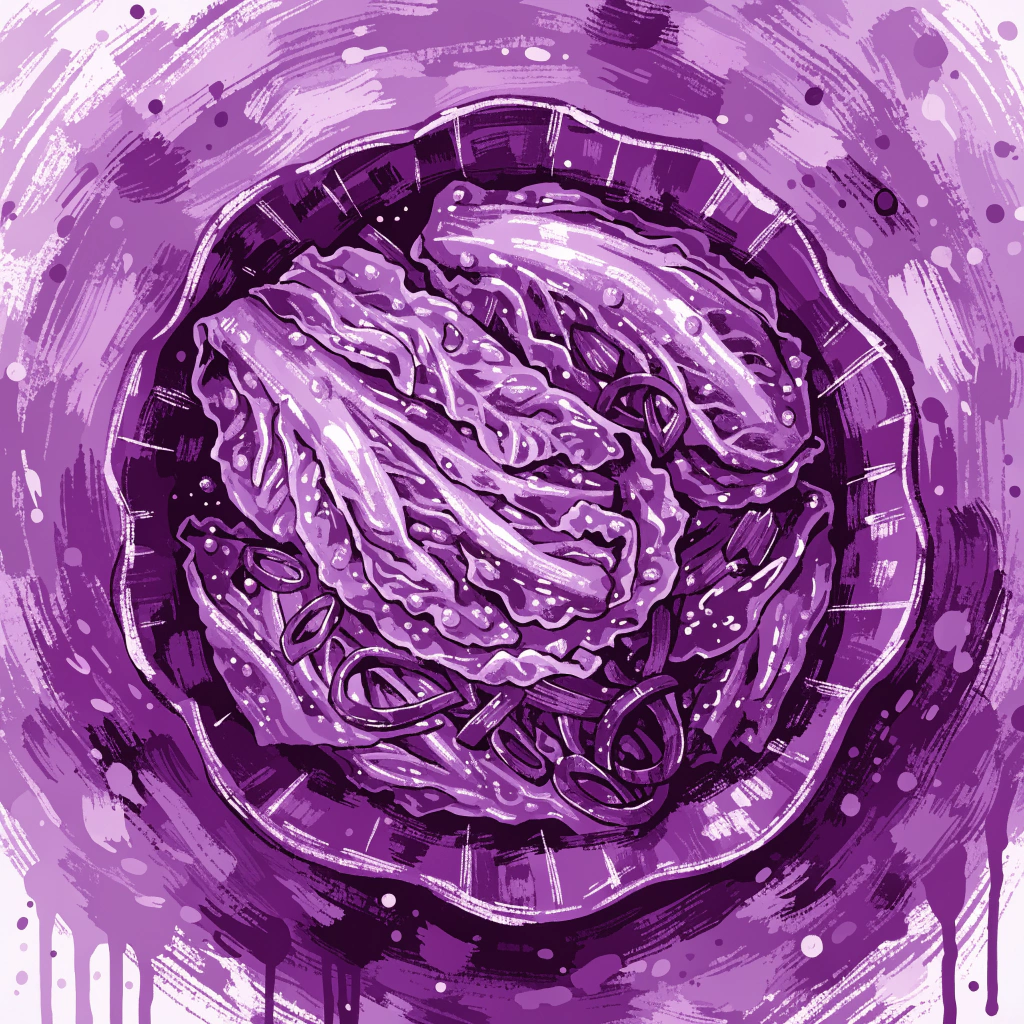
Kimchi
A staple fermented vegetable dish that serves as the cornerstone of every Korean meal and a symbol of national identity.
阅读更多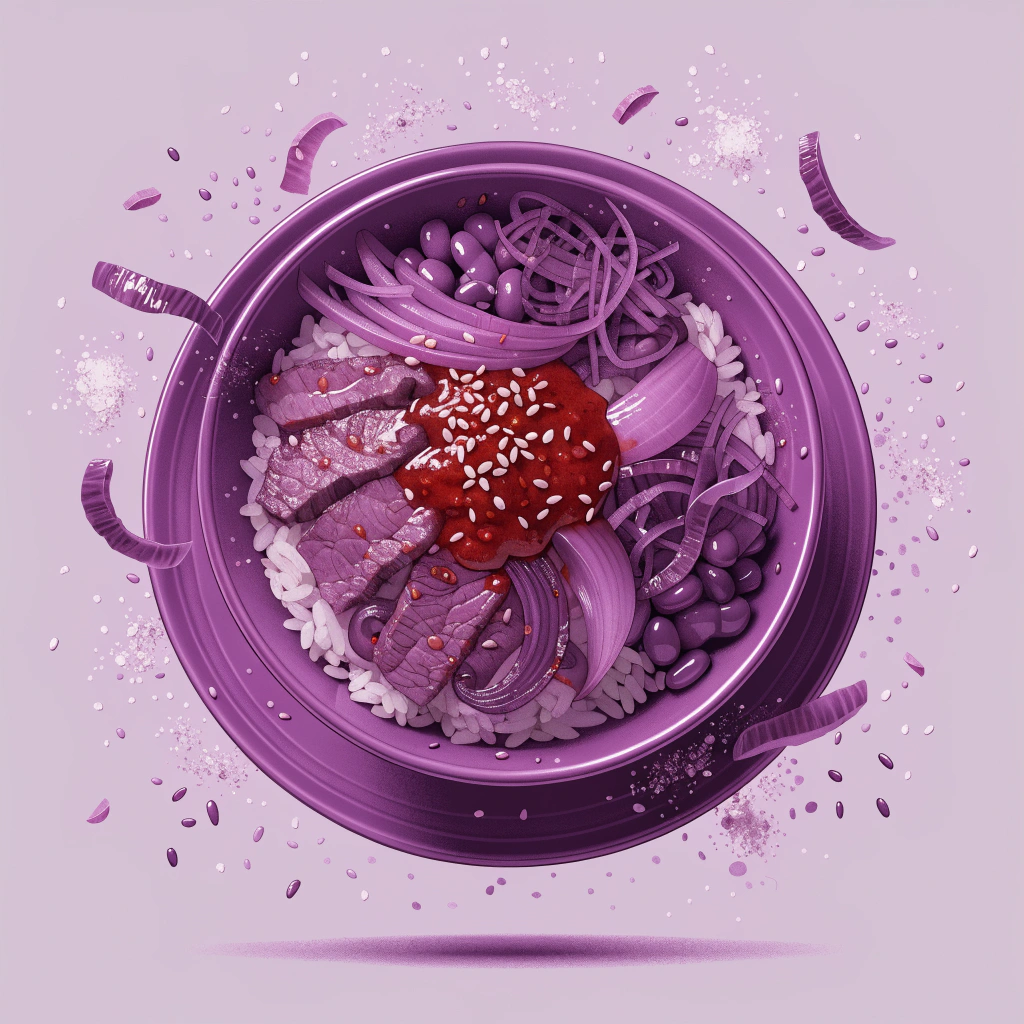
Bibimbap
A colorful and nutritionally balanced bowl of rice topped with various seasoned vegetables, meat, and a spicy chili paste.
阅读更多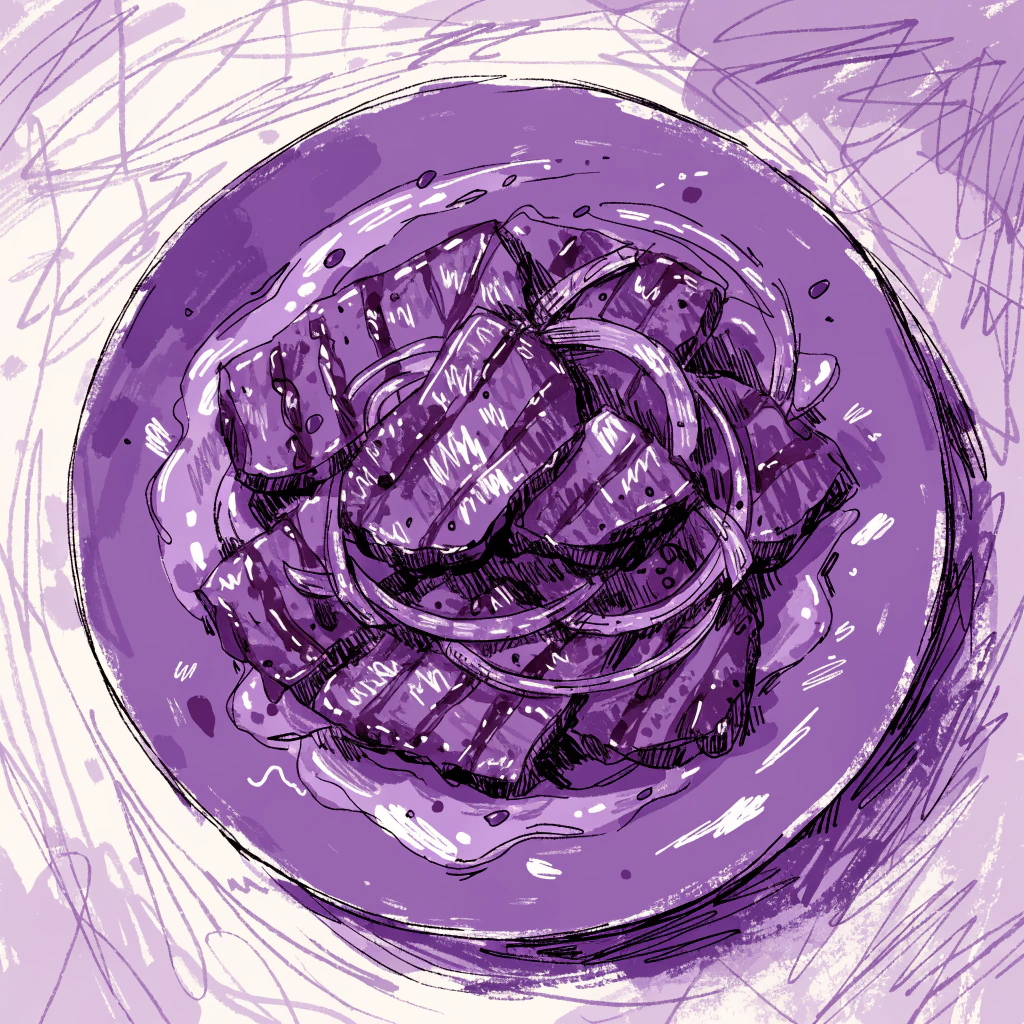
Bulgogi
一道经典的 Korean 菜肴,精选切成薄片的牛肉,腌制在咸甜适中的酱汁里,烤得恰到好处。
阅读更多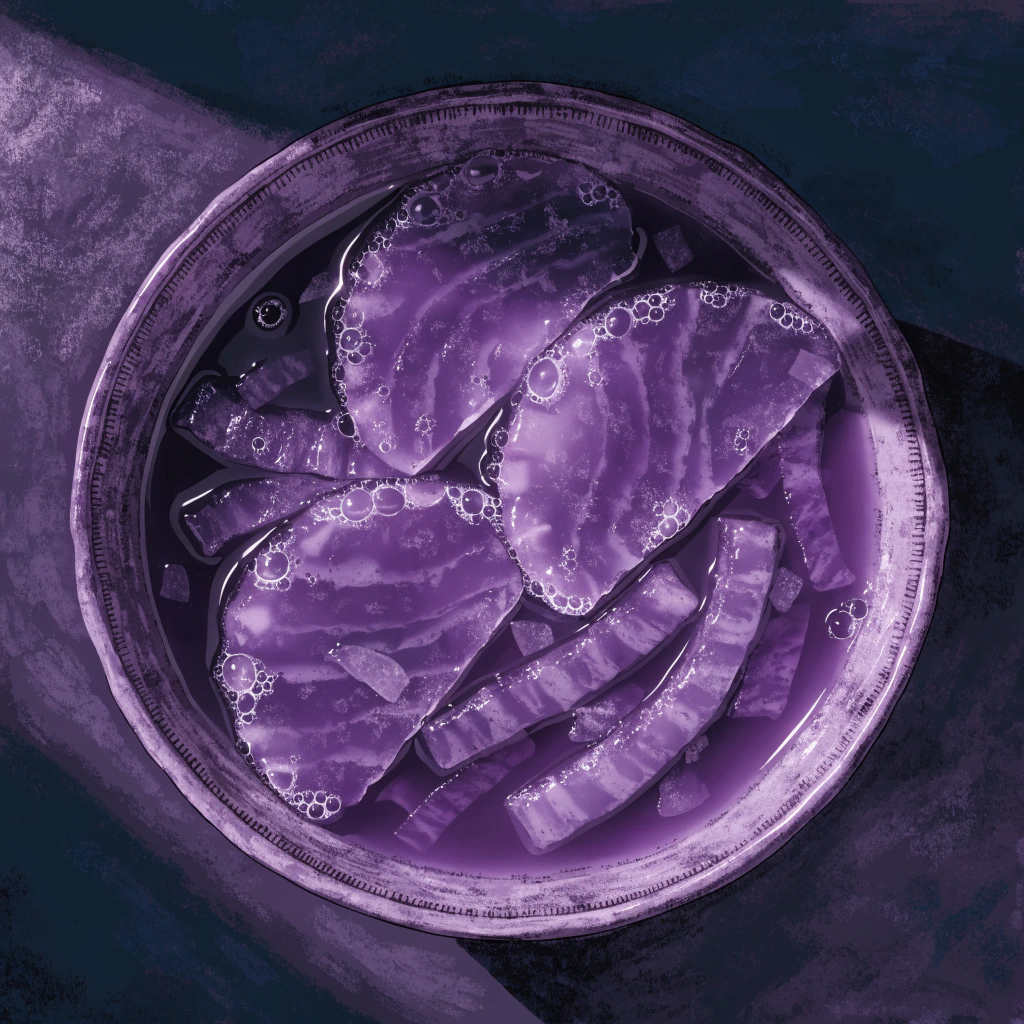
Tteokguk
A traditional rice cake soup eaten during the Lunar New Year to symbolize purity, prosperity, and the beginning of a new year.
阅读更多音乐与艺术
South Korea's music and arts are defined by a profound blend of courtly elegance and vibrant folk energy, reflecting a history that spans thousands of years. From the ritualistic solemnity of Jongmyo Jeryeak to the expressive narrative power of Pansori, these traditions utilize unique instruments like the gayageum and janggu to convey complex emotions. Many of these forms are recognized as UNESCO Intangible Cultural Heritage, emphasizing their enduring role in Korea's national identity.
传统艺术
活动与节日
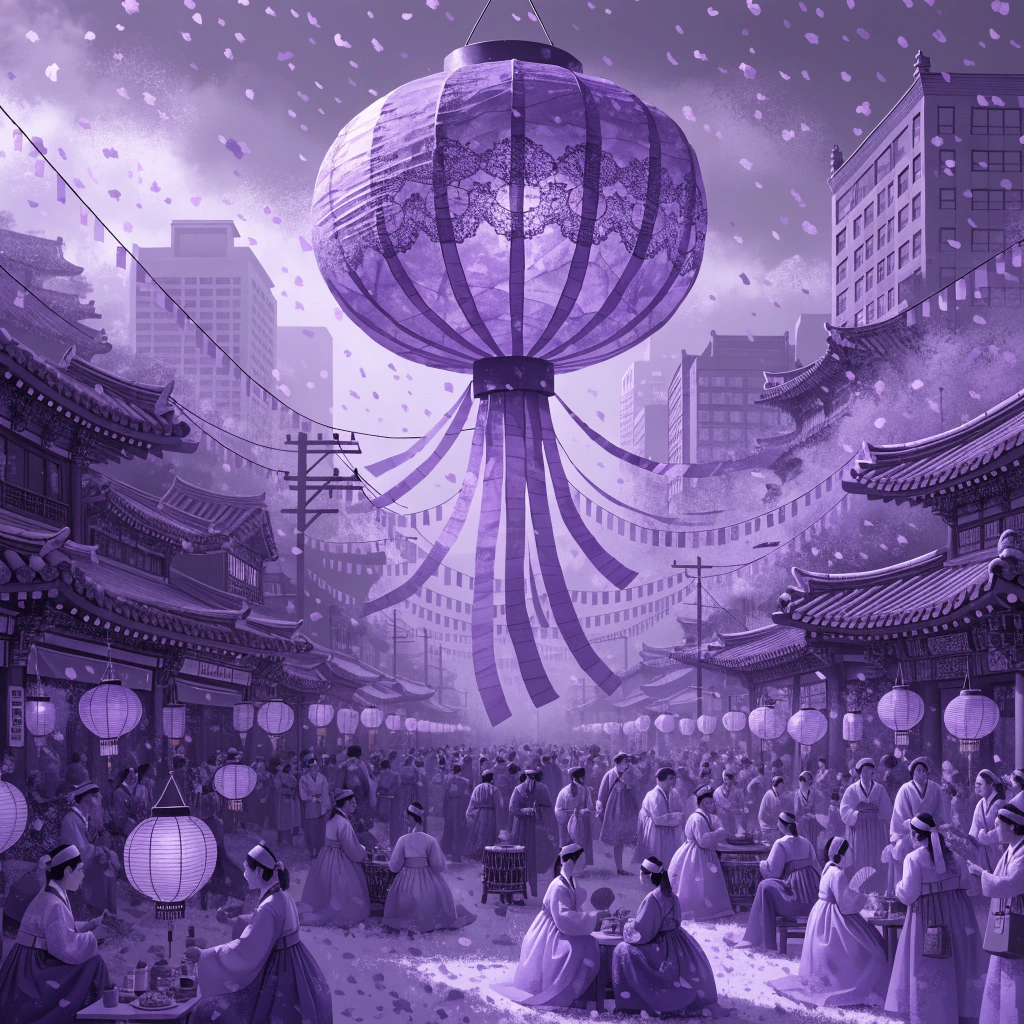
Seollal (Lunar New Year)
January or February (Lunar Calendar)The most significant traditional holiday in South Korea, marking the first day of the lunar calendar with family reunions and ancestral rites.
阅读更多
Jinhae Gunhangje Festival
Late March to early AprilSouth Korea 最大的樱花节,把海军城市 Jinhae 变成了一片粉白相间的花海。
阅读更多
Buddha's Birthday (Seokga Tansinil)
May (8th day of the 4th lunar month)A radiant celebration of enlightenment featuring the UNESCO-listed Lotus Lantern Festival and elaborate temple decorations across the nation.
阅读更多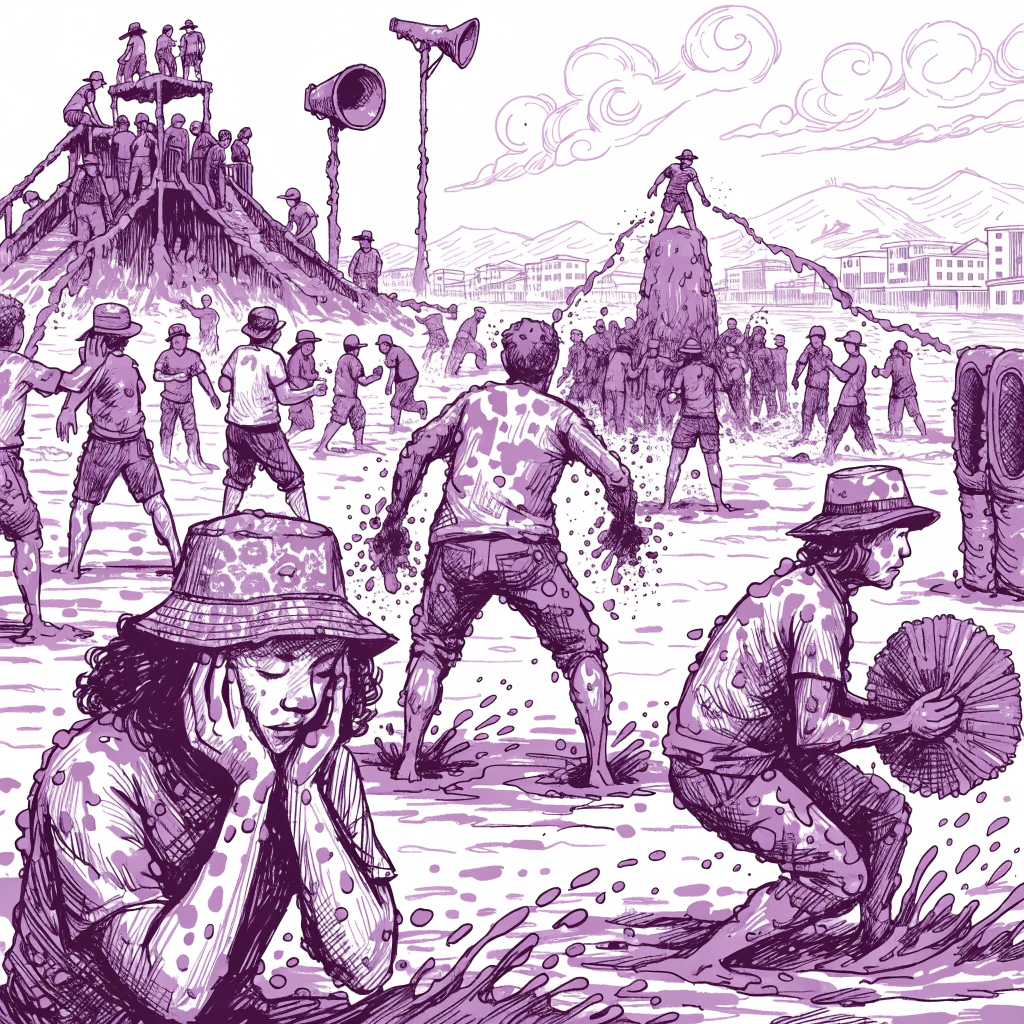
Boryeong Mud Festival
JulyAn internationally famous summer extravaganza at Daecheon Beach where participants enjoy therapeutic mud wrestling, slides, and music.
阅读更多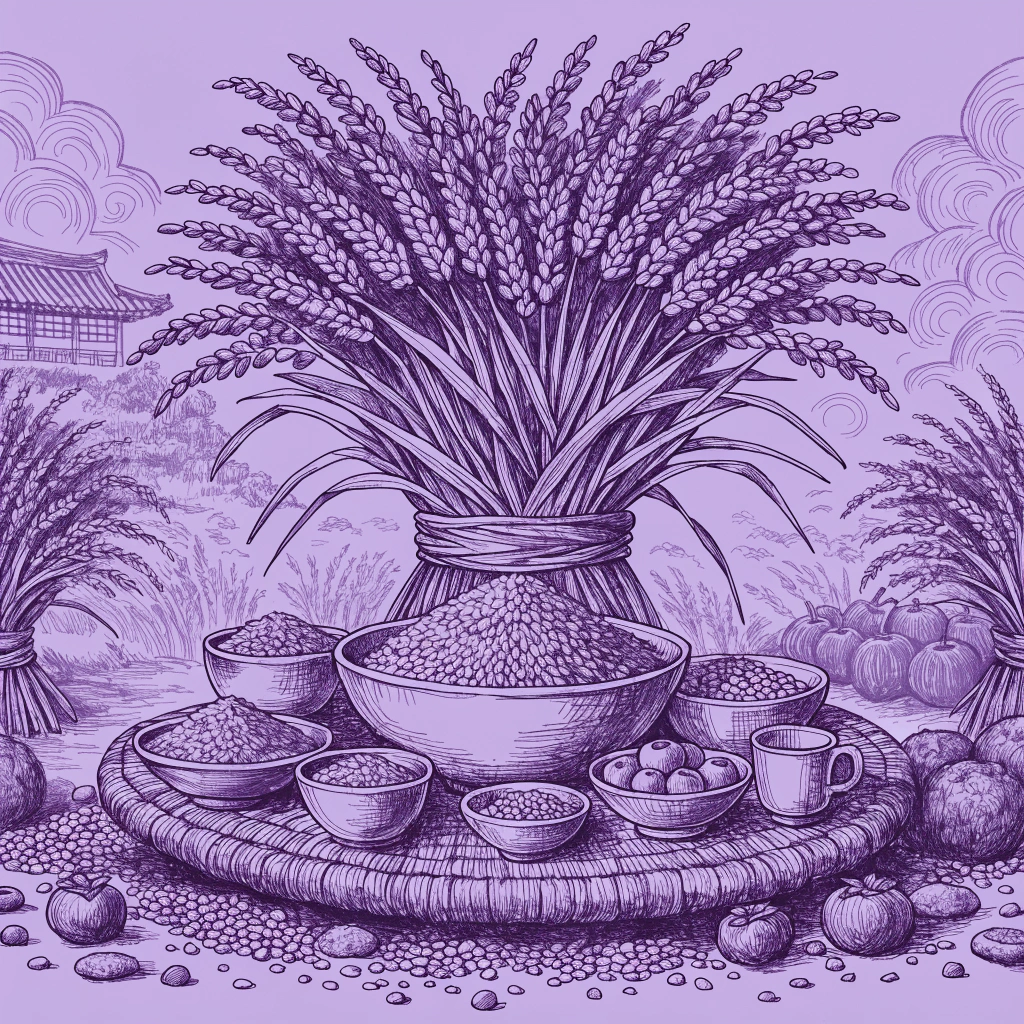
Chuseok (Korean Thanksgiving)
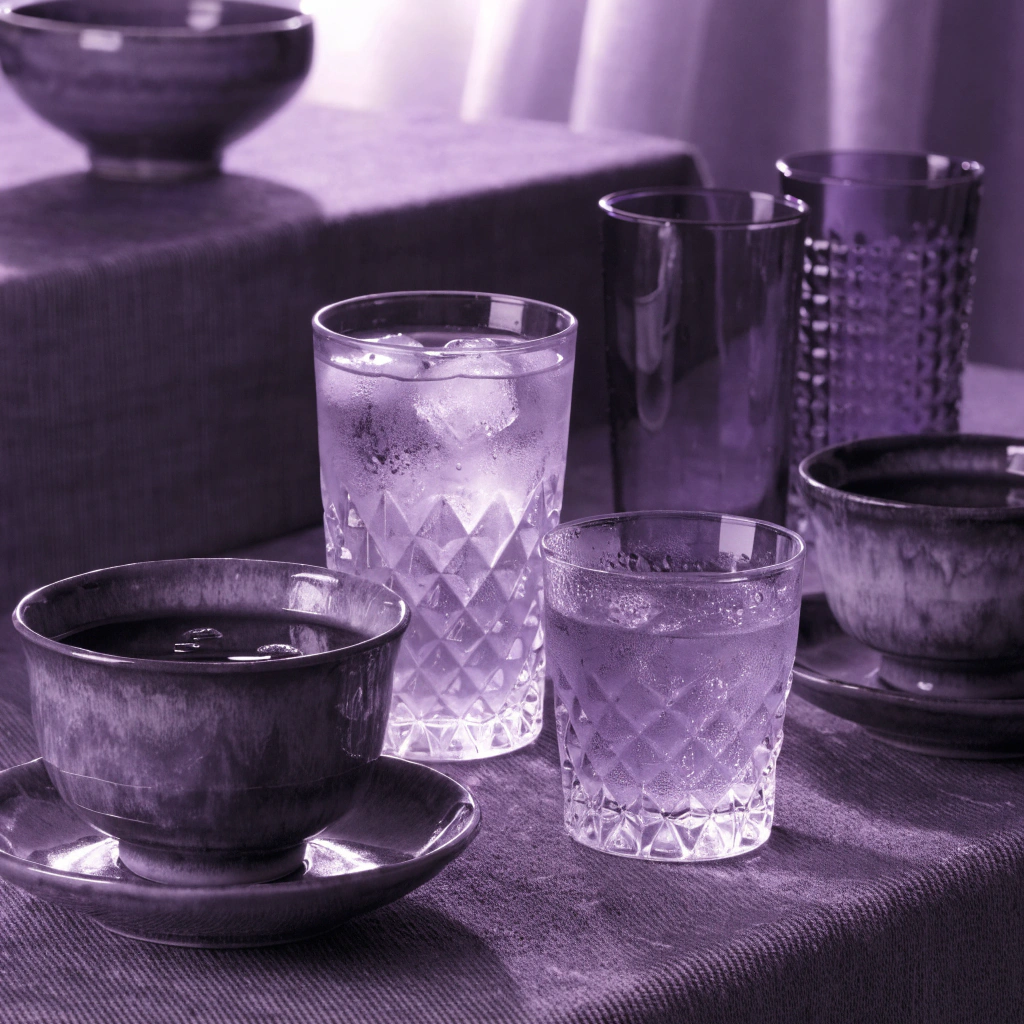
September 或 October(农历 8 月 15 日)这是一个非常隆重的丰收庆典,也是为期三天的法定假日,家人们会聚在一起表达感恩,祭拜祖先,并一起享用超级丰盛的大餐。
阅读更多旅行短语
안녕하세요
Annyeong-haseyo
Hello / Good day
감사합니다
Gamsahamnida
Thank you
잘 지내셨어요?
Jal jinaesyeosseoyo?
How are you?
주세요
Juseyo
Please (give me)
실례합니다
Sillyehamnida
Excuse me
죄송합니다
Joesonghamnida
I am sorry
生活方式与习俗
餐桌礼仪与饮酒文化
South Korean 的餐桌和饮酒文化是一套植根于 Confucian 价值观的复杂系统,强调社会等级、尊老以及集体和谐。
阅读更多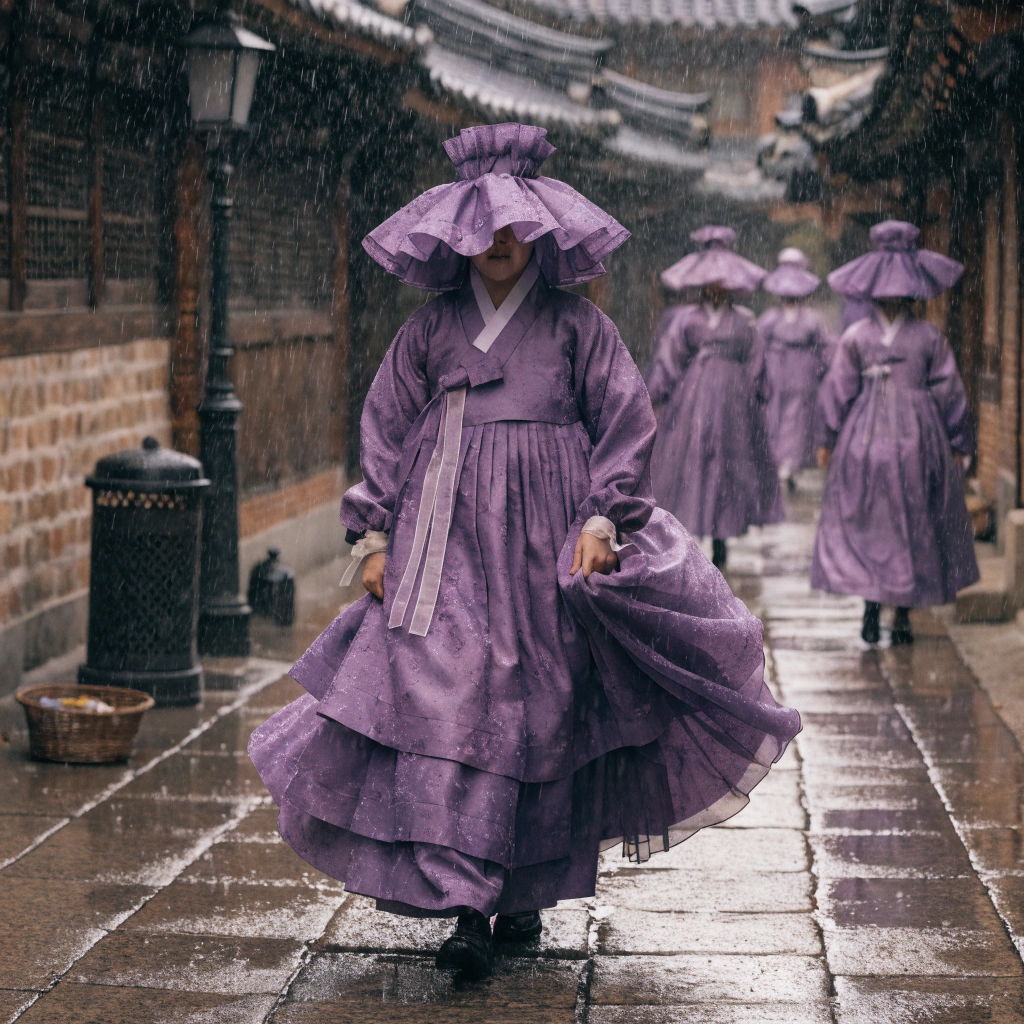
Hanbok:Korea 传统服饰的艺术
Hanbok 是 Korea 标志性的传统服饰,以鲜艳的色彩、优美的轮廓以及与这个国家历史和哲学的深厚象征联系而闻名。
阅读更多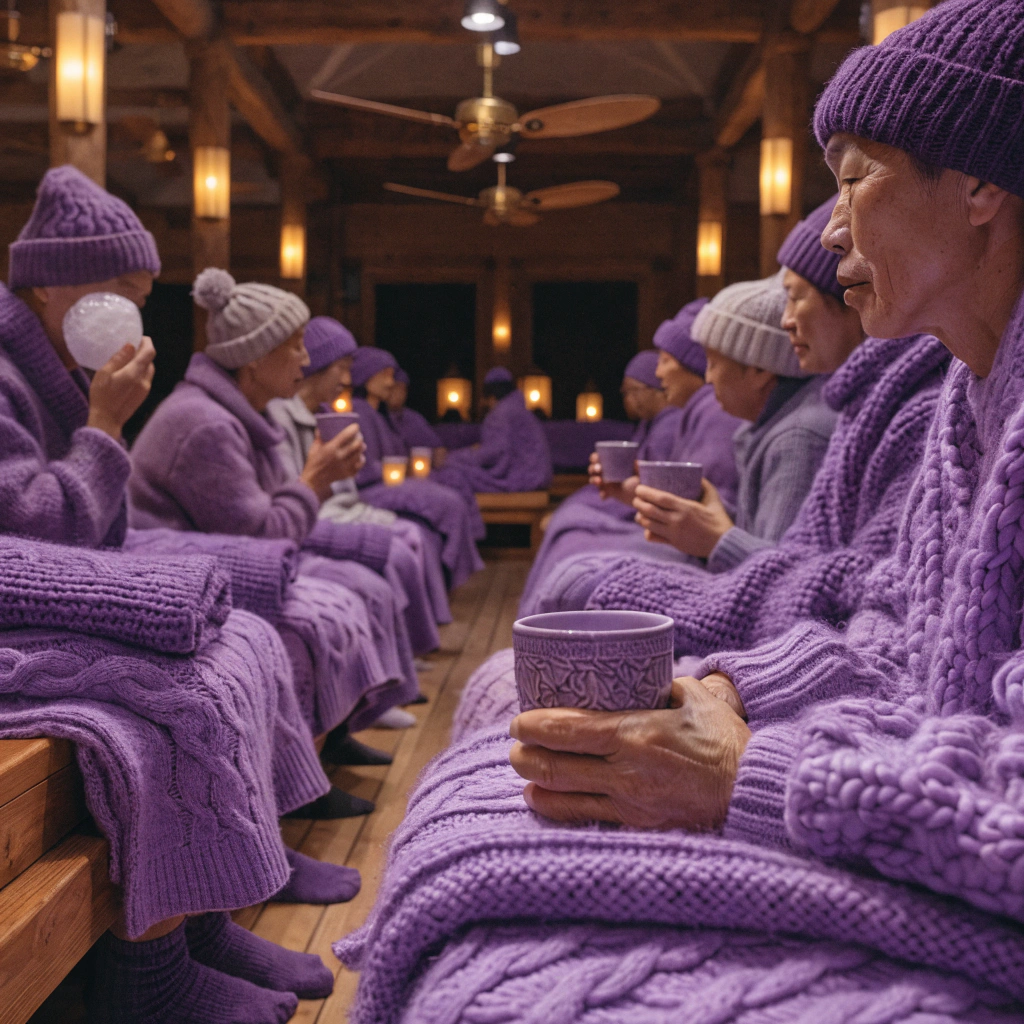
Jjimjilbang: The Communal Heart of Korean Relaxation
A jjimjilbang is a unique Korean public bathhouse and sauna complex that serves as a communal space for relaxation, socialization, and holistic wellness.
阅读更多礼仪小贴士
Use both hands when giving or receiving items like money, business cards, or gifts to show respect.
Give or receive items with only one hand, especially when interacting with elders or superiors.
Remove your shoes before entering a private home, temple, or traditional 'sit-down' restaurant.
Wear your shoes inside onto the wooden floors or mats, as it is considered very disrespectful.
Wait for the eldest person at the table to pick up their utensils or start eating before you begin.
Start eating your meal or drinking before the elders at the table have started.
Offer a slight bow when greeting someone or saying thank you to demonstrate politeness.
Make intense, prolonged eye contact during a bow, as it can be perceived as confrontational.