关于 中国
China, situated in East Asia, is home to one of the world's oldest continuous civilizations, with a documented history spanning over five millennia. Its vast and diverse landscape ranges from the arid Gobi Desert and the towering Himalayan peaks to fertile river deltas and hyper-modern megacities. Today, China stands as a global cultural and economic powerhouse, defined by a unique synthesis of ancient philosophical traditions and rapid technological innovation.
基本信息
首都
Beijing
人口
1,439,323,776
地区
Asia · Eastern Asia
货币
Chinese Yuan (CNY)
使用语言

中文
中文
你知道吗?
China is credited with the 'Four Great Inventions' that changed the world: the compass, gunpowder, papermaking, and printing.
Despite being nearly as wide as the continental United States, the entire country officially operates on a single time zone, Beijing Time.
The Great Wall of China is the longest man-made structure on Earth, with its various sections stretching over 13,000 miles (21,000 kilometers).
Nearly every giant panda in the world is technically on loan from China, as the species is considered a national treasure and symbol of peace.
著名地标
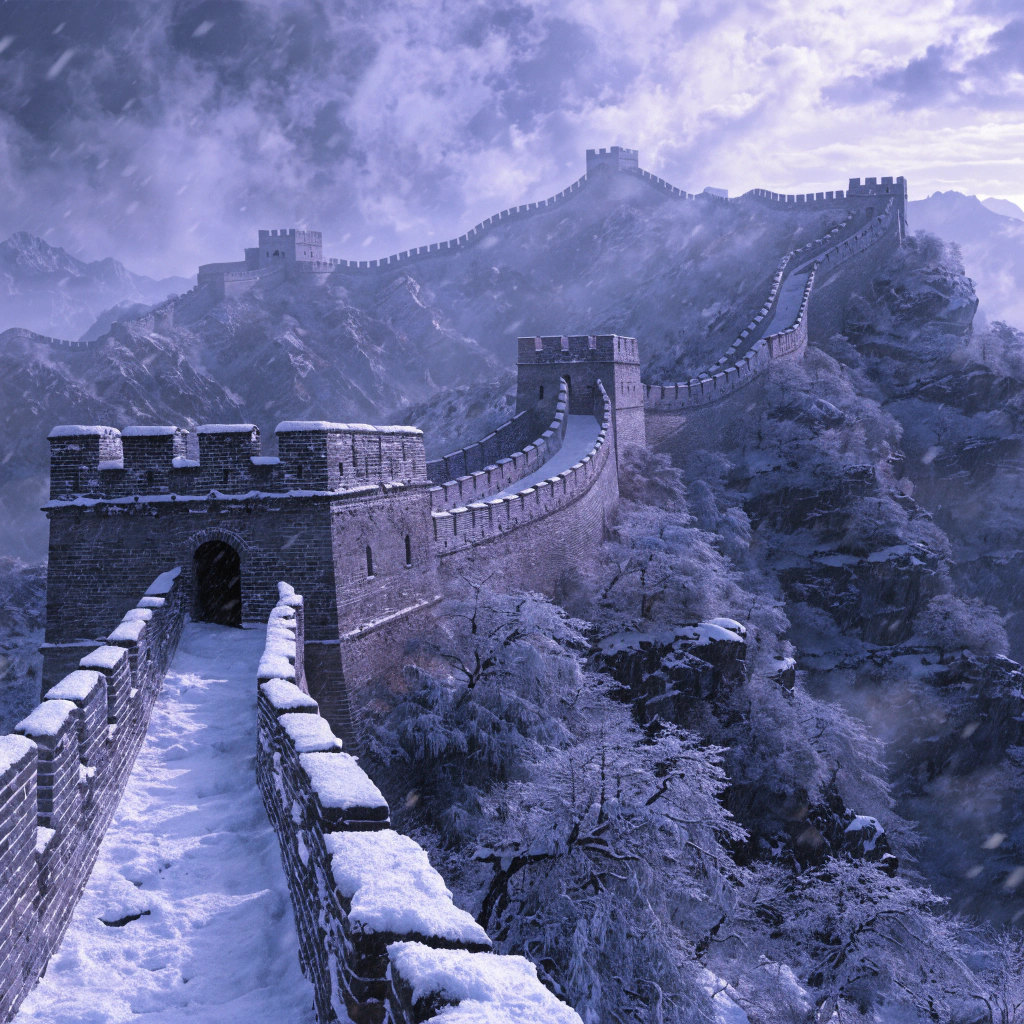
The Great Wall of China (Mutianyu Section)
An ancient defensive marvel stretching across northern China, symbolizing national resilience and engineering ingenuity.
阅读更多
Mount Huangshan (The Yellow Mountain)
A UNESCO World Heritage site renowned for its peculiar granite peaks, 'sea of clouds,' and ancient twisted pine trees.
阅读更多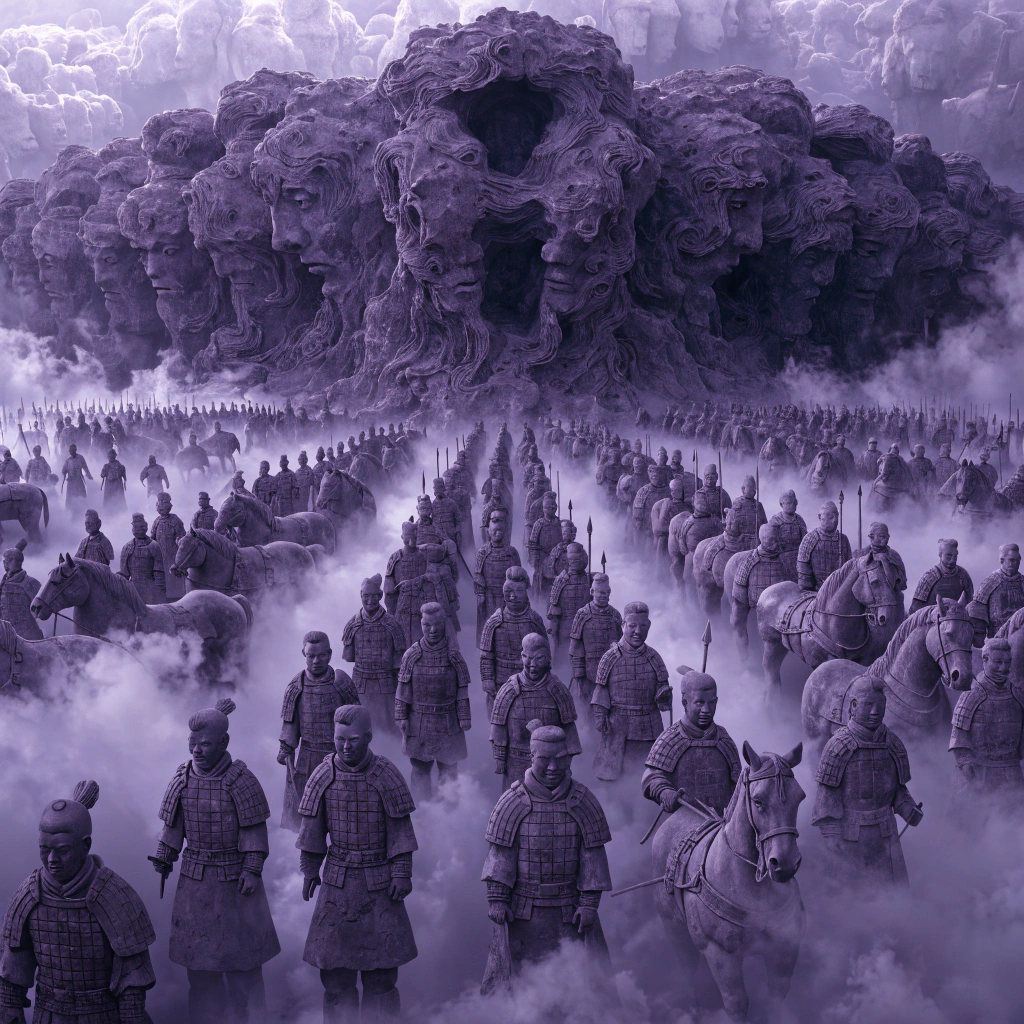
The Terracotta Army of Qin Shi Huang
Thousands of life-sized clay soldiers and horses buried with China’s first emperor to protect him in the afterlife.
阅读更多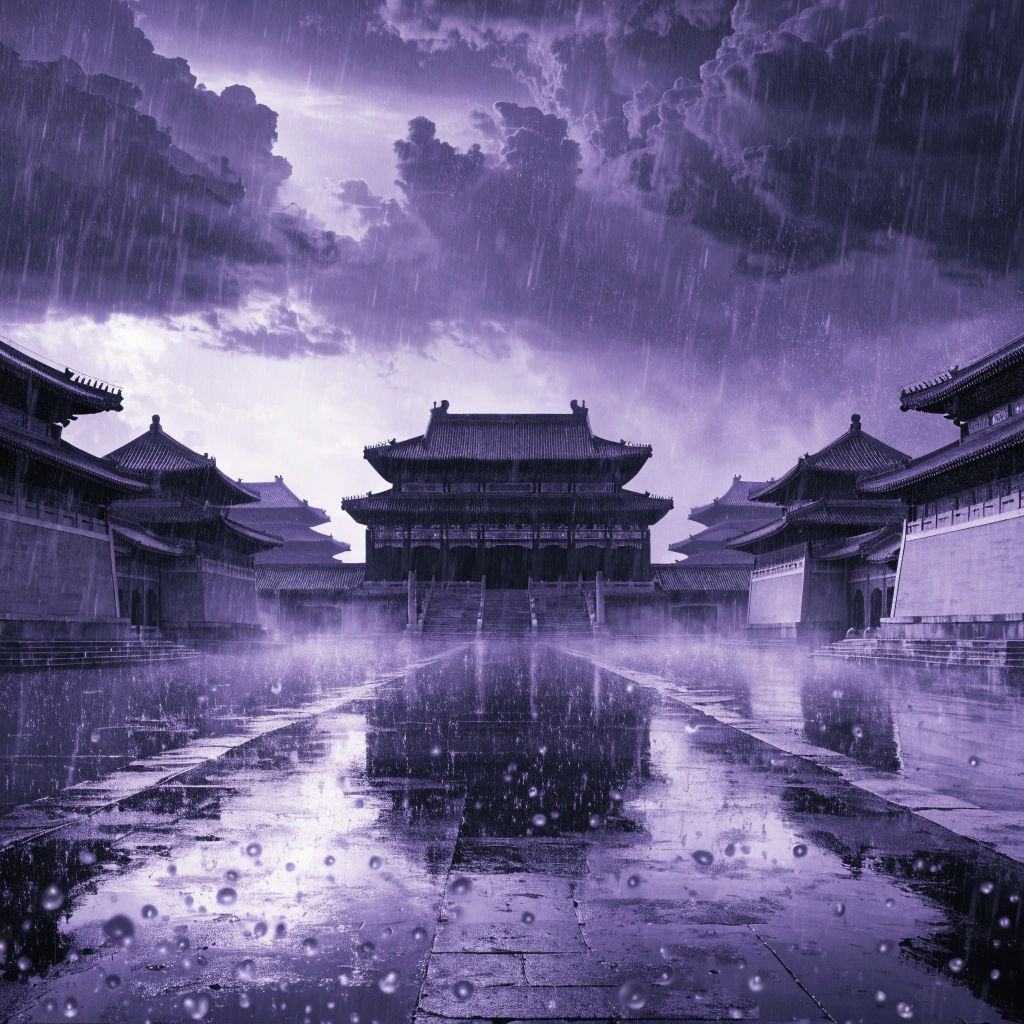
The Forbidden City (Palace Museum)
The heart of imperial China for five centuries, this massive palace complex represents the pinnacle of traditional Chinese architecture.
阅读更多美食
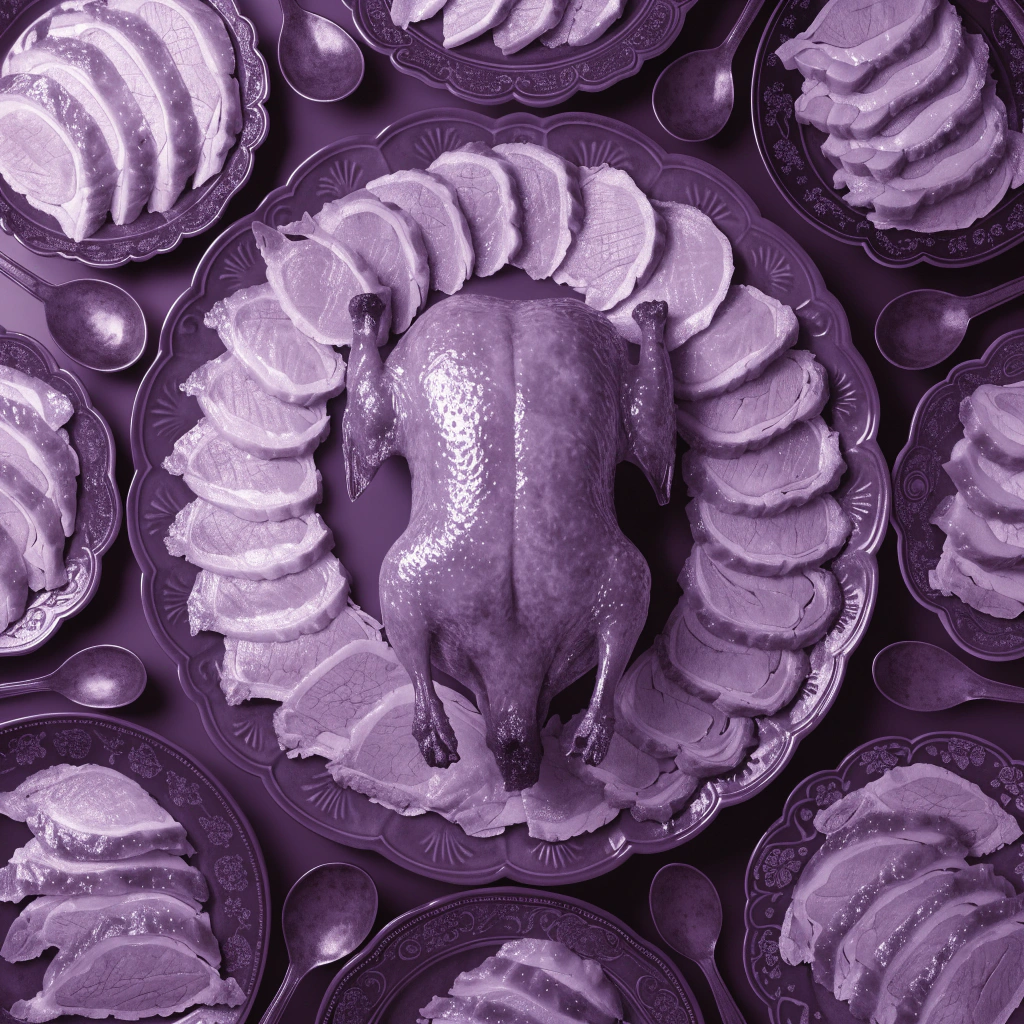
Peking Duck
A legendary imperial dish from Beijing known for its thin, crispy skin and succulent meat, traditionally roasted in wood-fired ovens.
阅读更多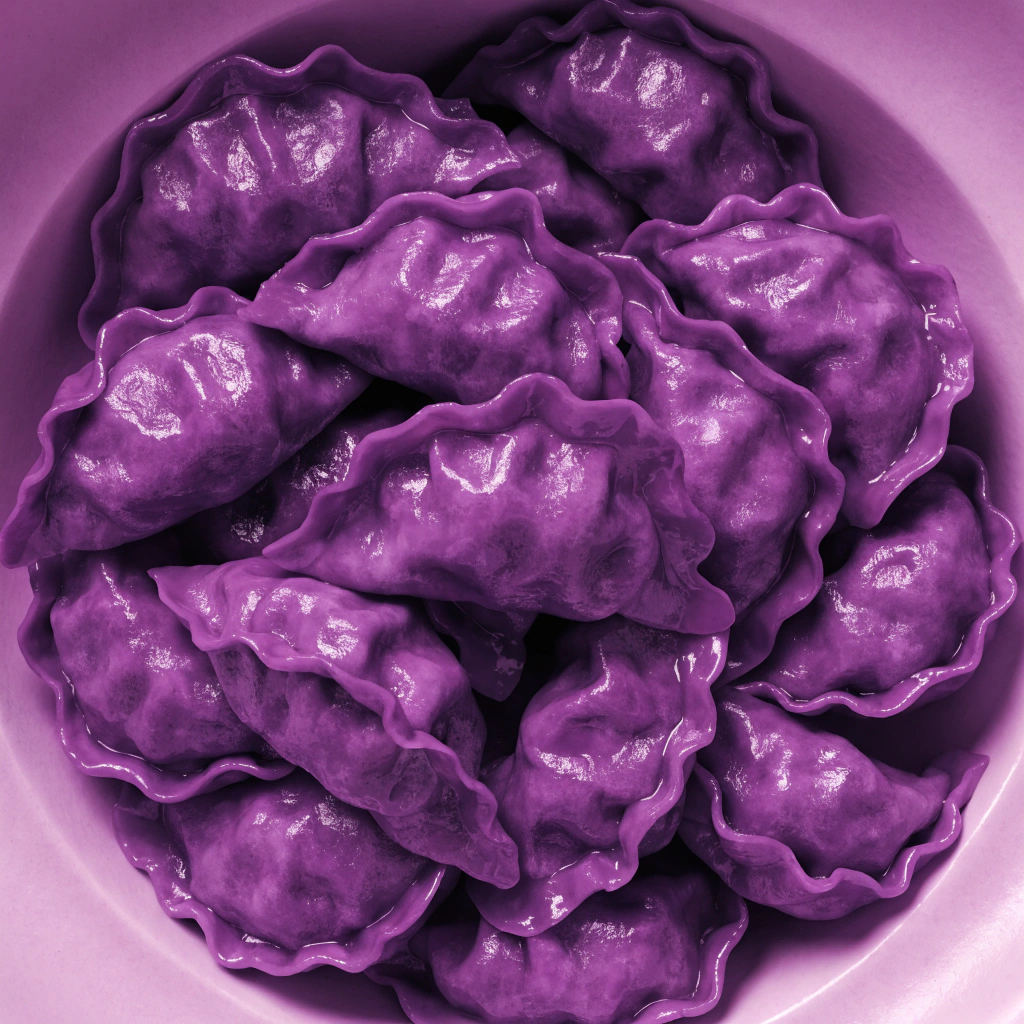
Jiaozi (Chinese Dumplings)
Crescent-shaped dough parcels filled with savory meat or vegetables, representing wealth and family unity throughout China.
阅读更多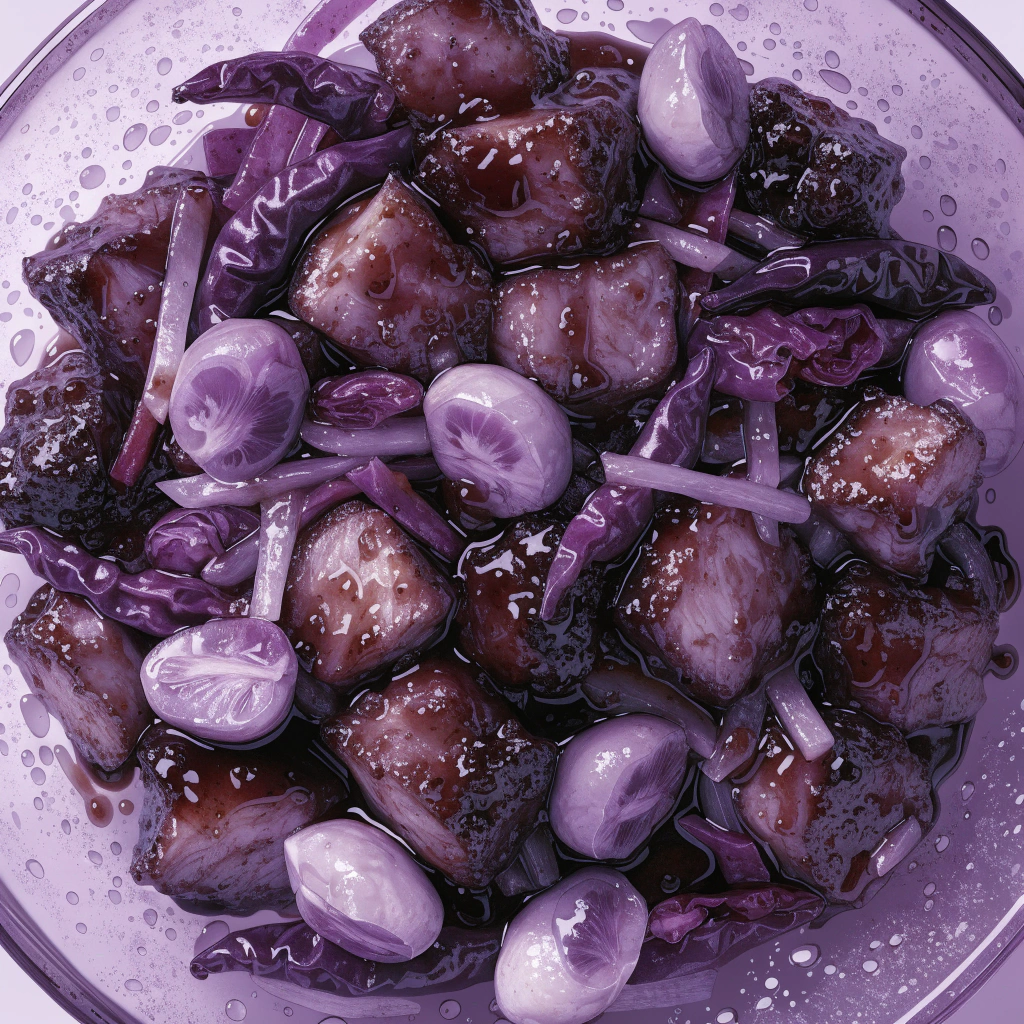
宫保鸡丁
一道经典的四川炒菜,特色是切丁的鸡肉、花生和辣椒,完美平衡了咸甜酸的“荔枝”口味。
阅读更多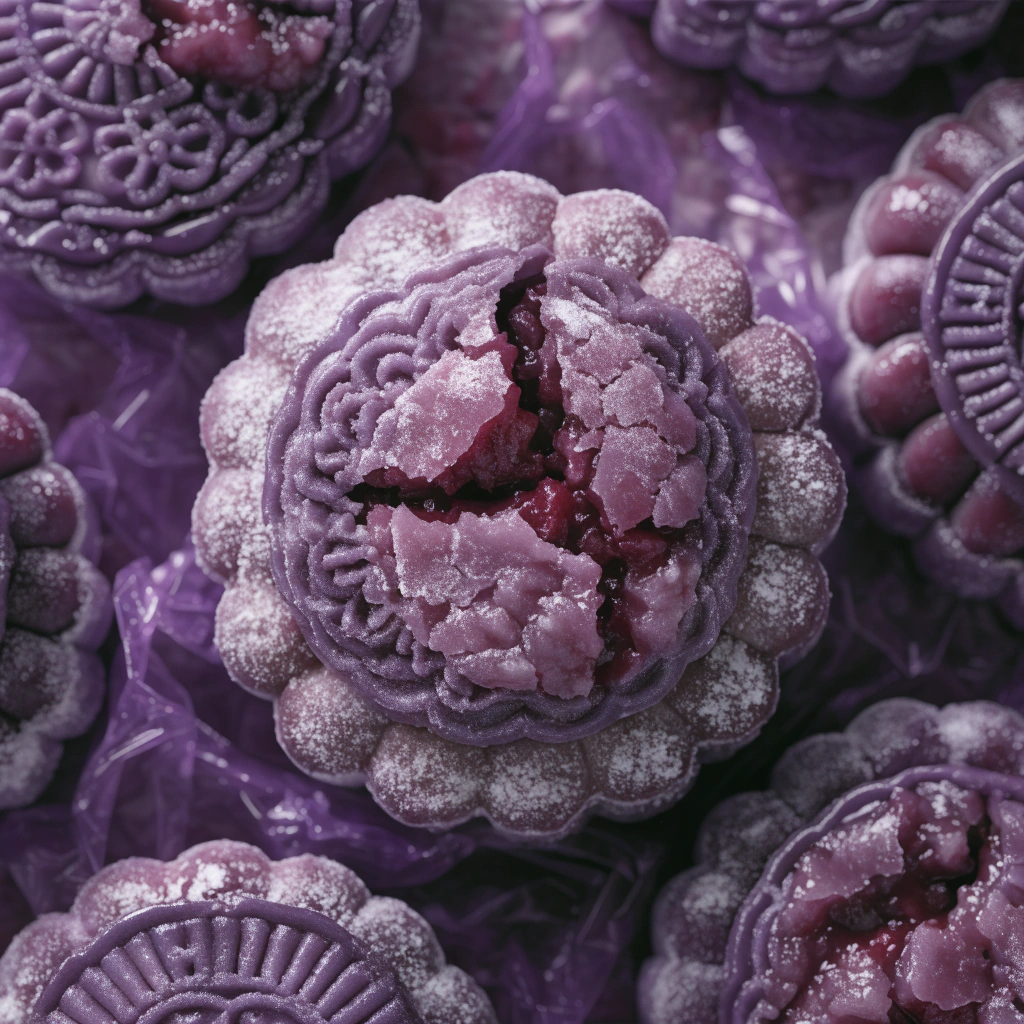
Mooncakes
Intricately patterned pastries filled with lotus seed or bean paste, eaten to celebrate the Mid-Autumn Festival and family reunion.
阅读更多音乐与艺术
China’s music and arts traditions are among the world's oldest and most profound, deeply rooted in philosophical concepts of harmony and the natural world. From the elegant, "water-polished" melodies of Kunqu Opera to the meditative strings of the Guqin zither and the expressive brushwork of calligraphy, these art forms serve as bridges between the ancient past and modern identity. Many of these traditions are honored on UNESCO’s Intangible Cultural Heritage lists, reflecting their enduring significance as masterpieces of human creativity and folk wisdom.
传统艺术
活动与节日

Harbin International Ice and Snow Sculpture Festival
January-FebruaryThe world's largest ice and snow festival featuring massive illuminated buildings made entirely of ice blocks.
阅读更多
Spring Festival (Chinese New Year)
January-February (Lunar Calendar)The most important traditional holiday in China, centered on family reunions, honoring ancestors, and ushering in good fortune.
阅读更多
Qingming Festival (Tomb-Sweeping Day)
April 4 or 5一个通过维护墓地和祭祀来缅怀先辈,同时庆祝春天到来的日子。
阅读更多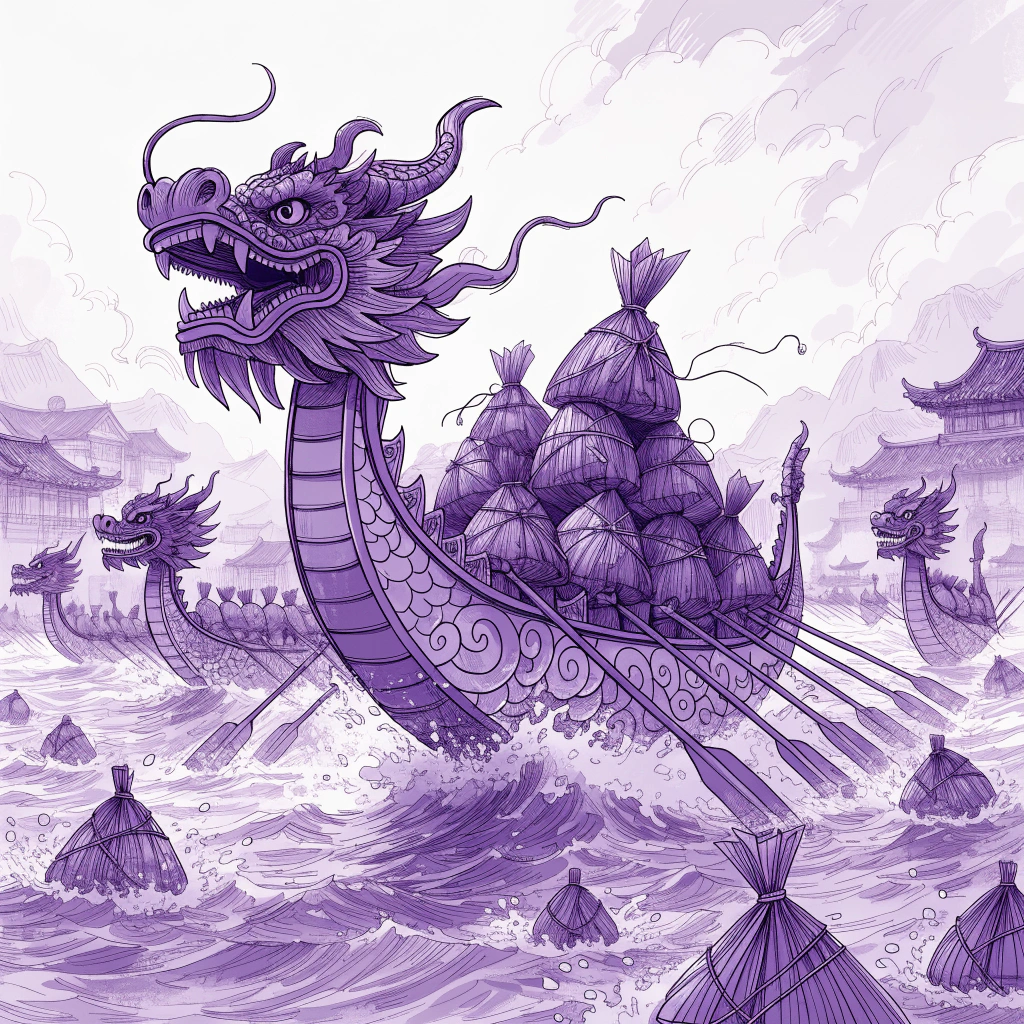
Dragon Boat Festival (Duanwu Festival)
June (Lunar Calendar)An energetic summer festival famous for high-speed boat races and the consumption of sticky rice dumplings.
阅读更多
Mid-Autumn Festival (Moon Festival)
September-October (Lunar Calendar)A harvest festival dedicated to the full moon, family reunions, and the sharing of traditional mooncakes.
阅读更多旅行短语
你好
Nǐ hǎo
Hello
谢谢
Xièxiè
Thank you
请
Qǐng
Please
你好吗?
Nǐ hǎo ma?
How are you?
对不起
Duìbuqǐ
Excuse me / I'm sorry
早上好
Zǎoshang hǎo
Good morning (Greeting)
生活方式与习俗
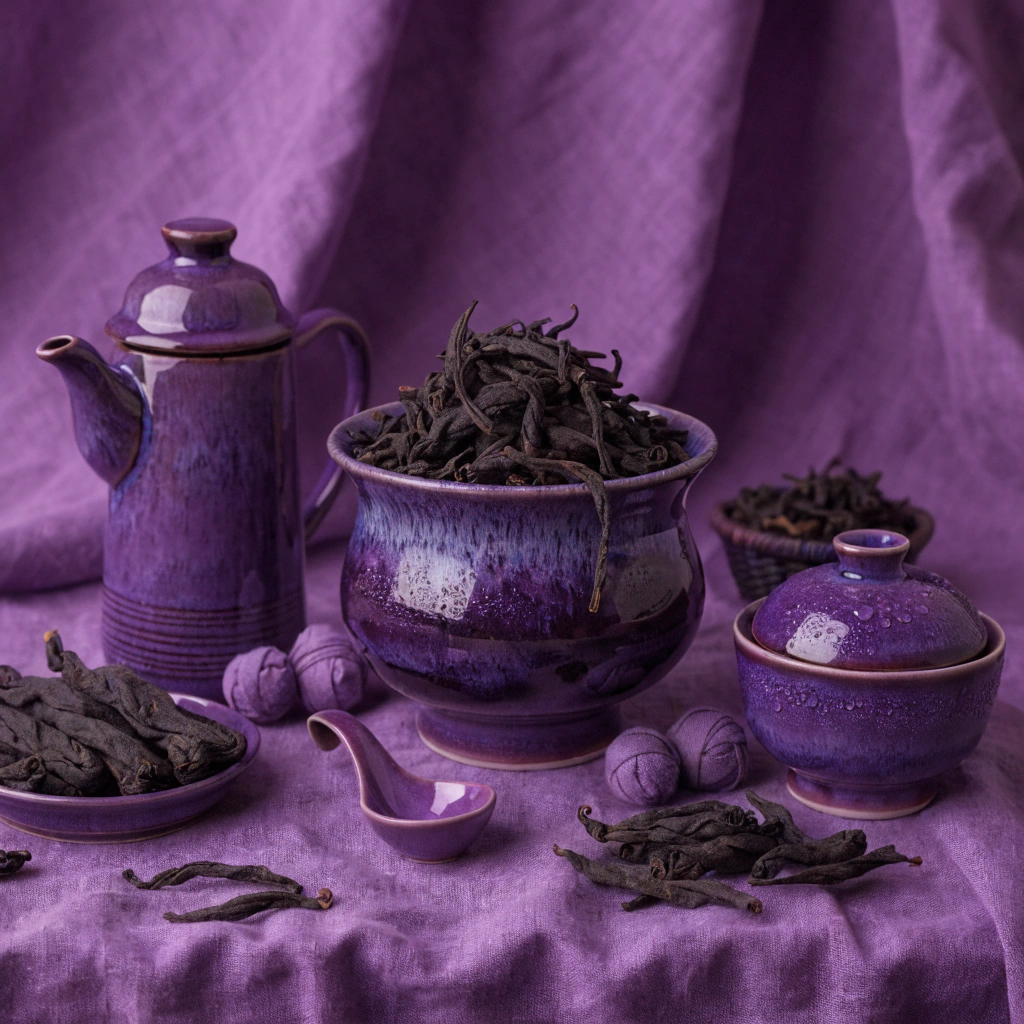
The Art of Tea Culture and Social Etiquette
Tea is the heartbeat of Chinese social life, representing a sophisticated blend of hospitality, respect, and ancient philosophy.
阅读更多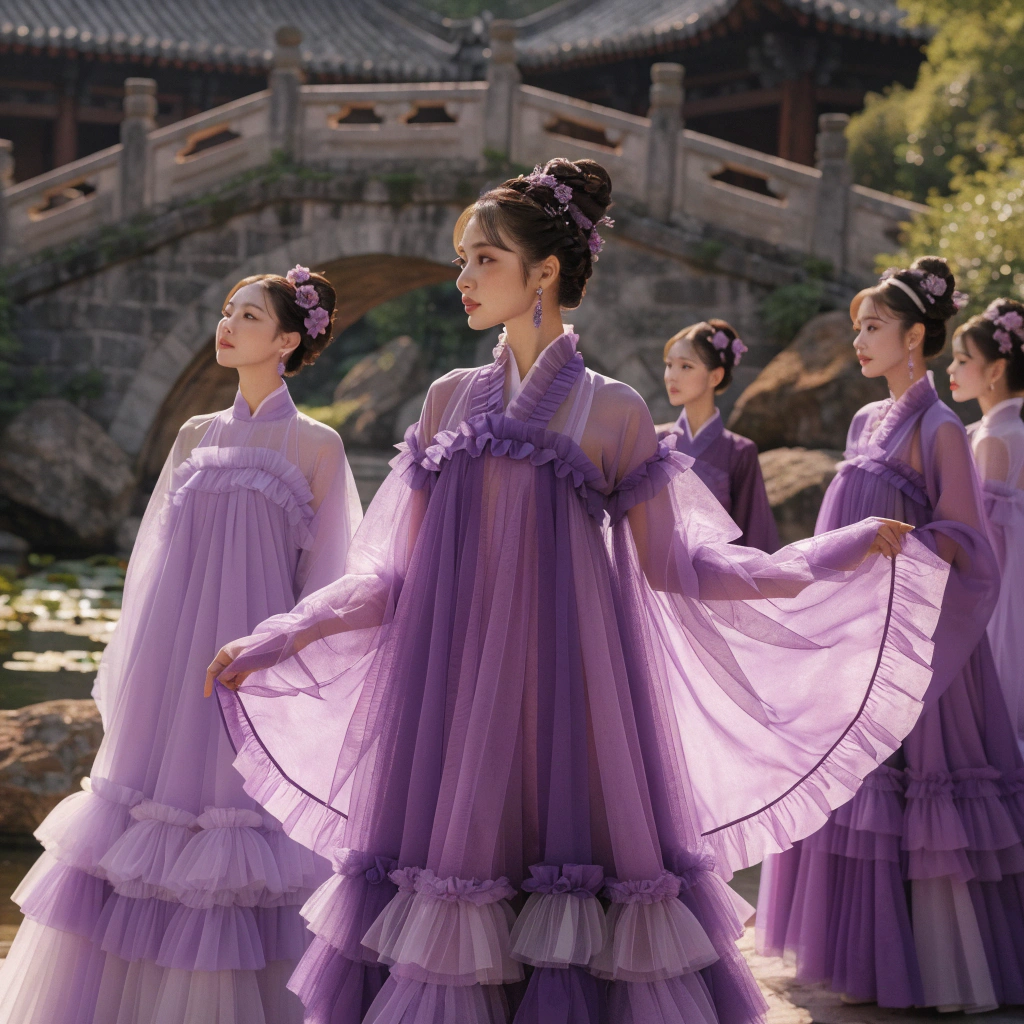
Hanfu 与传统服饰的复兴
Hanfu 曾一度成为历史的遗迹,但现在它在中国年轻人中大规模复兴,成为了文化认同感和审美自豪感的象征。
阅读更多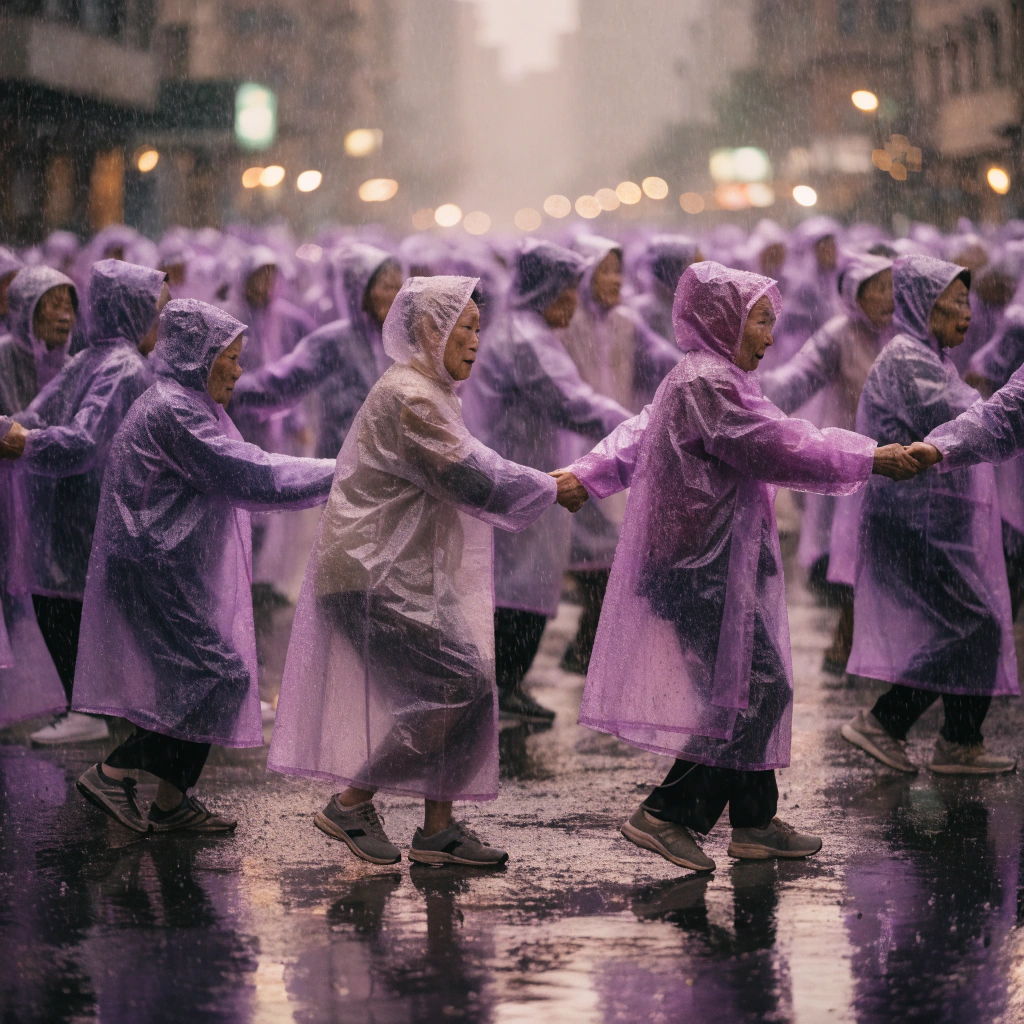
Square Dancing: The Pulse of Urban Social Life
Every evening, public plazas across China transform into vibrant communal stages where millions of seniors gather for synchronized dance.
阅读更多礼仪小贴士
Use both hands when giving or receiving business cards or gifts as a sign of respect.
Use only one hand to offer or receive items, which can be seen as dismissive or impolite.
Place your chopsticks horizontally across your bowl or on a rest when you are not eating.
Stick your chopsticks vertically into a bowl of rice, as this resembles incense at a funeral and is an omen of death.
Politely offer to pay the entire bill when dining with Chinese hosts as a gesture of hospitality.
Attempt to split the bill (AA system) in a formal setting, as it can cause the host to lose face.
Use an open hand or a subtle nod to point or gesture toward someone.
Point at people with your index finger, as it is considered aggressive and rude.