
중국 소개
China, situated in East Asia, is home to one of the world's oldest continuous civilizations, with a documented history spanning over five millennia. Its vast and diverse landscape ranges from the arid Gobi Desert and the towering Himalayan peaks to fertile river deltas and hyper-modern megacities. Today, China stands as a global cultural and economic powerhouse, defined by a unique synthesis of ancient philosophical traditions and rapid technological innovation.
기본 정보
수도
Beijing
인구
1,439,323,776
지역
Asia · Eastern Asia
통화
Chinese Yuan (CNY)
사용 언어

중국어
中文
알고 계셨나요?
China is credited with the 'Four Great Inventions' that changed the world: the compass, gunpowder, papermaking, and printing.
Despite being nearly as wide as the continental United States, the entire country officially operates on a single time zone, Beijing Time.
The Great Wall of China is the longest man-made structure on Earth, with its various sections stretching over 13,000 miles (21,000 kilometers).
Nearly every giant panda in the world is technically on loan from China, as the species is considered a national treasure and symbol of peace.
유명 랜드마크

The Great Wall of China (Mutianyu Section)
북부 China를 가로지르는 고대 방어의 기적으로, 국가적 회복력과 공학적 창의성을 상징해요.
더 읽기
Mount Huangshan (The Yellow Mountain)
A UNESCO World Heritage site renowned for its peculiar granite peaks, 'sea of clouds,' and ancient twisted pine trees.
더 읽기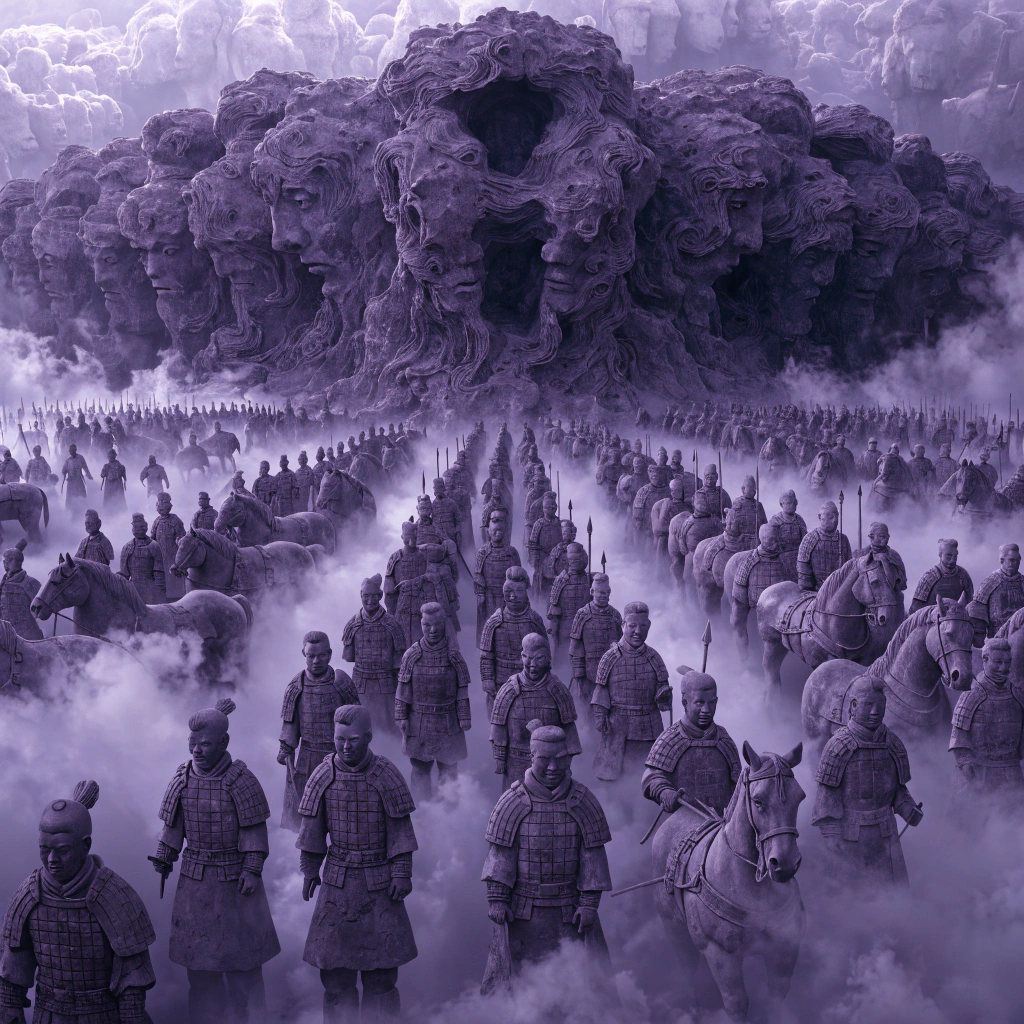
The Terracotta Army of Qin Shi Huang
Thousands of life-sized clay soldiers and horses buried with China’s first emperor to protect him in the afterlife.
더 읽기
Forbidden City (Palace Museum)
5세기 동안 중국 제국의 심장이었던 이 거대한 궁궐 단지는 전통적인 중국 건축의 정점을 보여줘요.
더 읽기요리
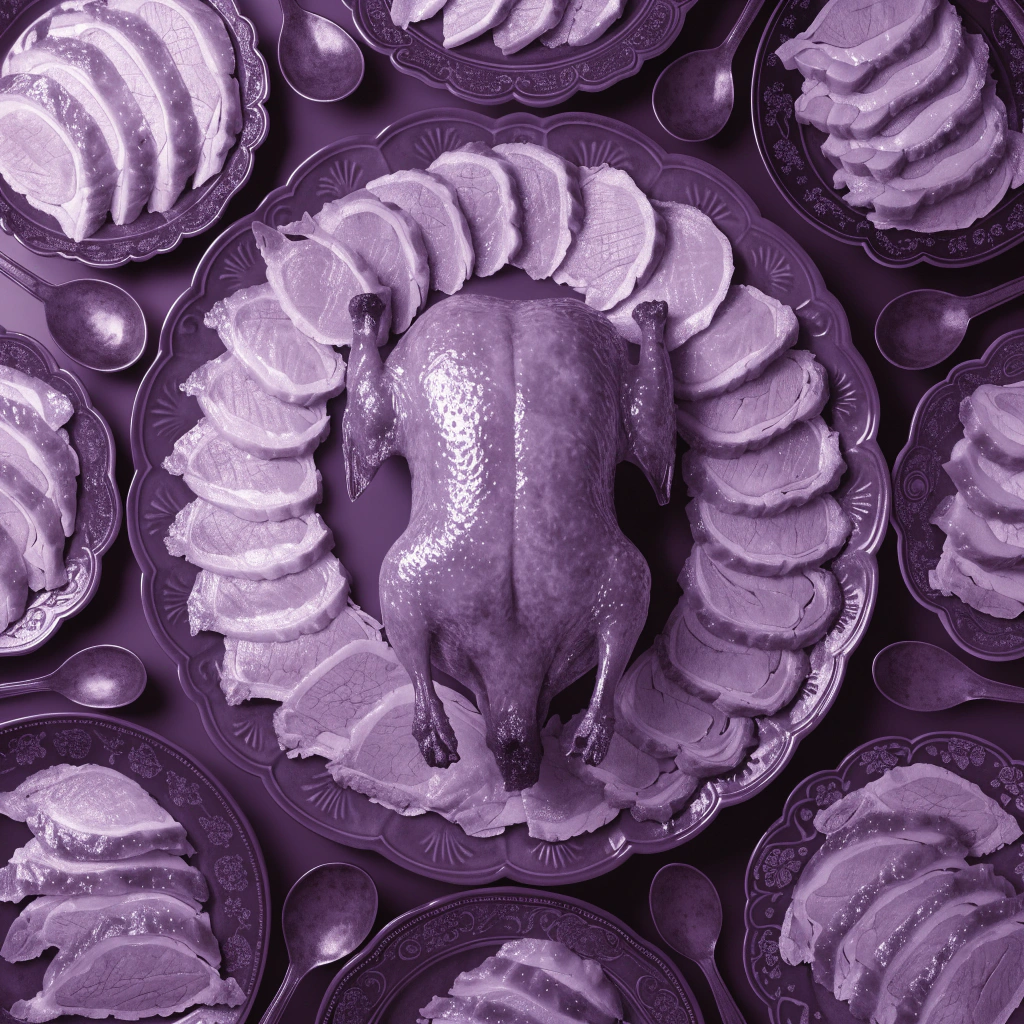
베이징 덕
얇고 바삭한 껍질과 육즙이 풍부한 고기로 유명한 베이징의 전설적인 황실 요리로, 전통적으로 장작 화덕에서 구워냅니다.
더 읽기
Jiaozi (중국식 만두)
고소한 고기나 채소로 속을 채운 반달 모양의 만두로, 중국 전역에서 부와 가족의 화합을 상징해요.
더 읽기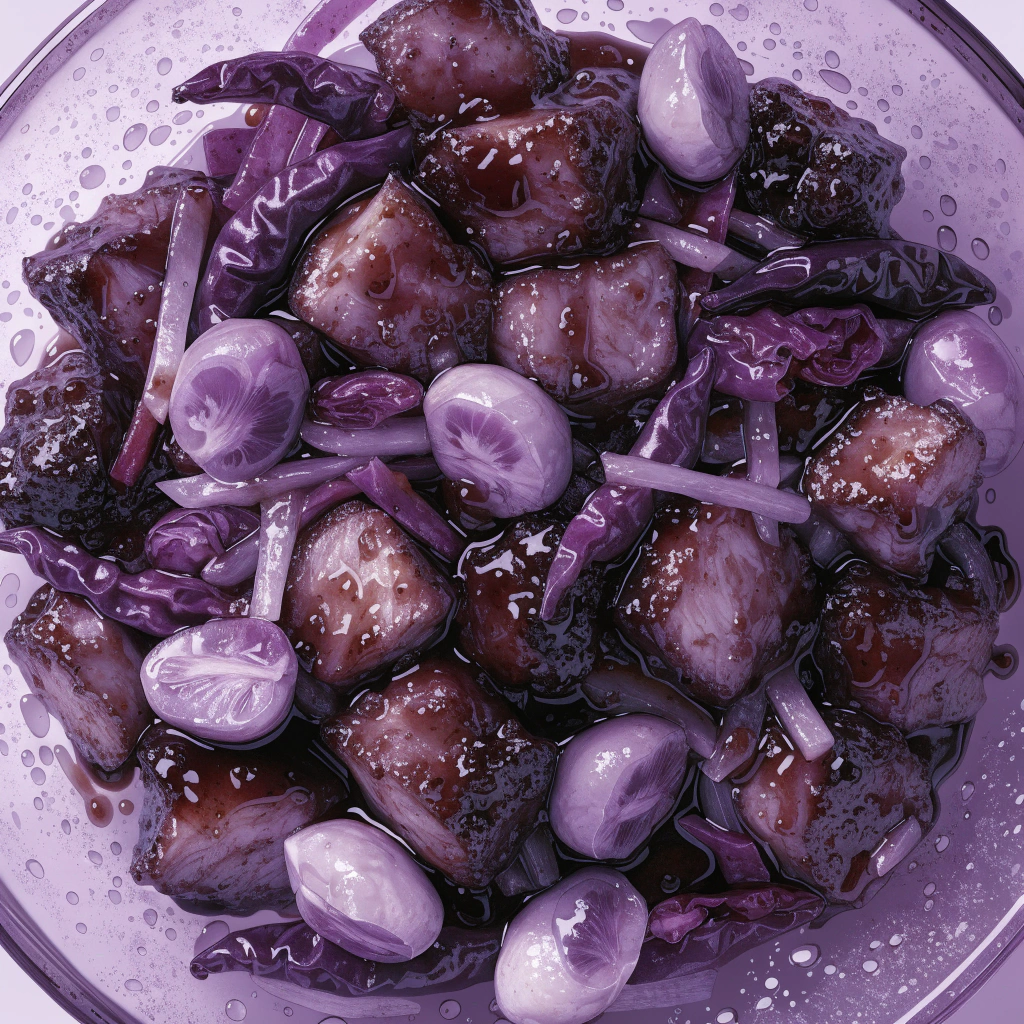
Kung Pao Chicken
A classic Sichuan stir-fry featuring diced chicken, peanuts, and chili peppers, balanced with a savory-sweet-sour 'lychee' flavor.
더 읽기
Mooncakes
Intricately patterned pastries filled with lotus seed or bean paste, eaten to celebrate the Mid-Autumn Festival and family reunion.
더 읽기음악 및 예술
China’s music and arts traditions are among the world's oldest and most profound, deeply rooted in philosophical concepts of harmony and the natural world. From the elegant, "water-polished" melodies of Kunqu Opera to the meditative strings of the Guqin zither and the expressive brushwork of calligraphy, these art forms serve as bridges between the ancient past and modern identity. Many of these traditions are honored on UNESCO’s Intangible Cultural Heritage lists, reflecting their enduring significance as masterpieces of human creativity and folk wisdom.
전통 예술
이벤트 및 축제

Harbin International Ice and Snow Sculpture Festival
January-February세계 최대 규모의 얼음과 눈 축제로, 거대한 얼음 블록으로 만든 화려한 조명의 건물들을 만나볼 수 있어요.
더 읽기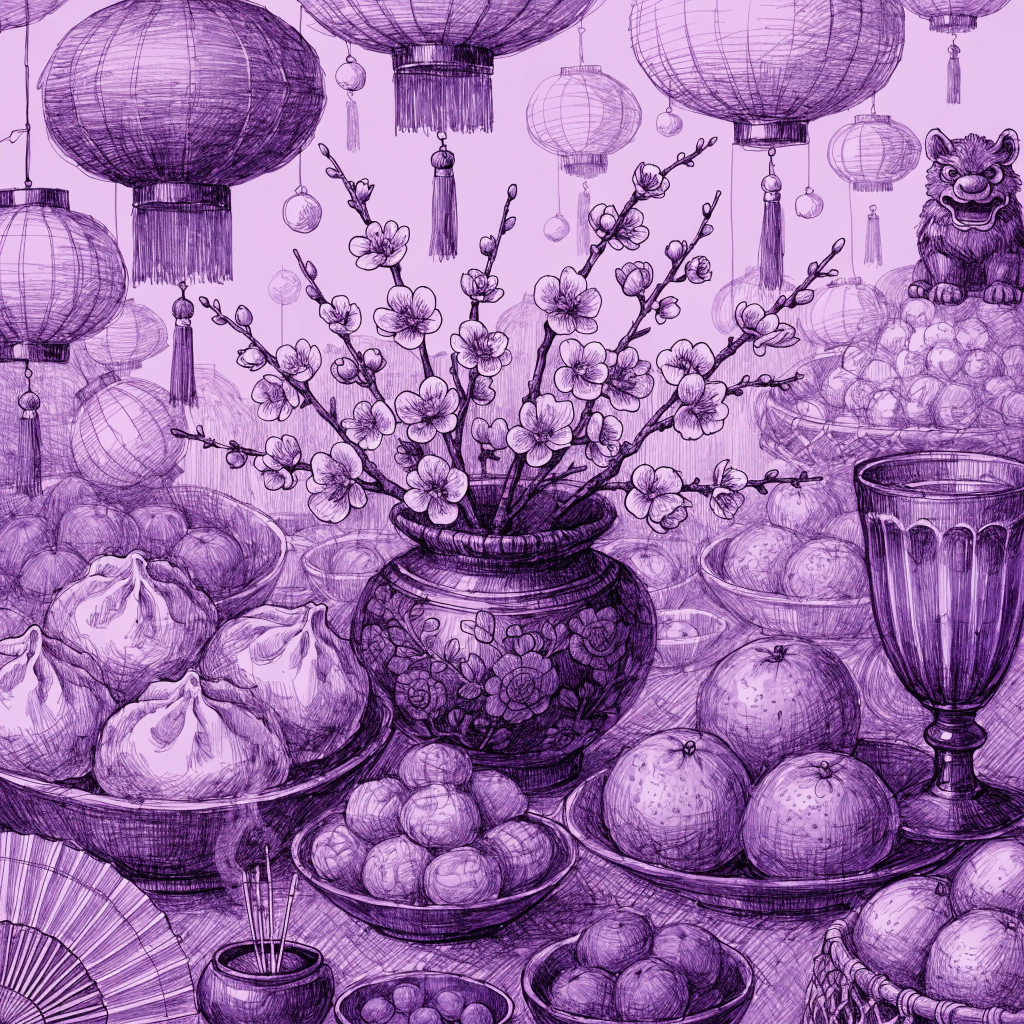
Spring Festival (Chinese New Year)
January-February (Lunar Calendar)The most important traditional holiday in China, centered on family reunions, honoring ancestors, and ushering in good fortune.
더 읽기
Qingming Festival (Tomb-Sweeping Day)
April 4 or 5A day for honoring ancestors through tomb maintenance and offerings, while also celebrating the arrival of spring.
더 읽기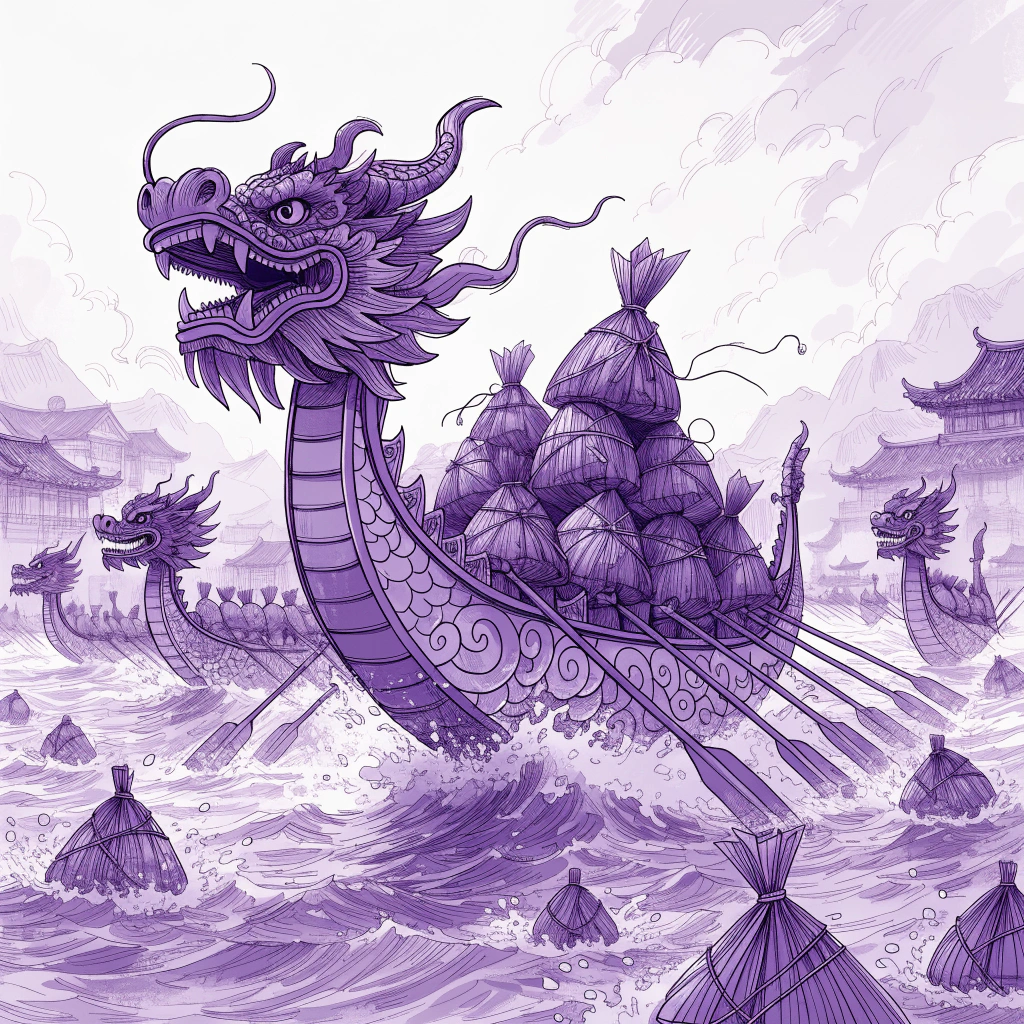
드래곤 보트 축제 (Duanwu Festival)
6월 (음력)고속 보트 경주와 찹쌀 덤플링을 먹는 것으로 유명한 활기찬 여름 축제예요.
더 읽기
Mid-Autumn Festival (Moon Festival)
September-October (Lunar Calendar)A harvest festival dedicated to the full moon, family reunions, and the sharing of traditional mooncakes.
더 읽기여행 표현
你好
Nǐ hǎo
Hello
谢谢
Xièxiè
Thank you
请
Qǐng
Please
你好吗?
Nǐ hǎo ma?
How are you?
对不起
Duìbuqǐ
Excuse me / I'm sorry
早上好
Zǎoshang hǎo
Good morning (Greeting)
생활 방식 및 관습
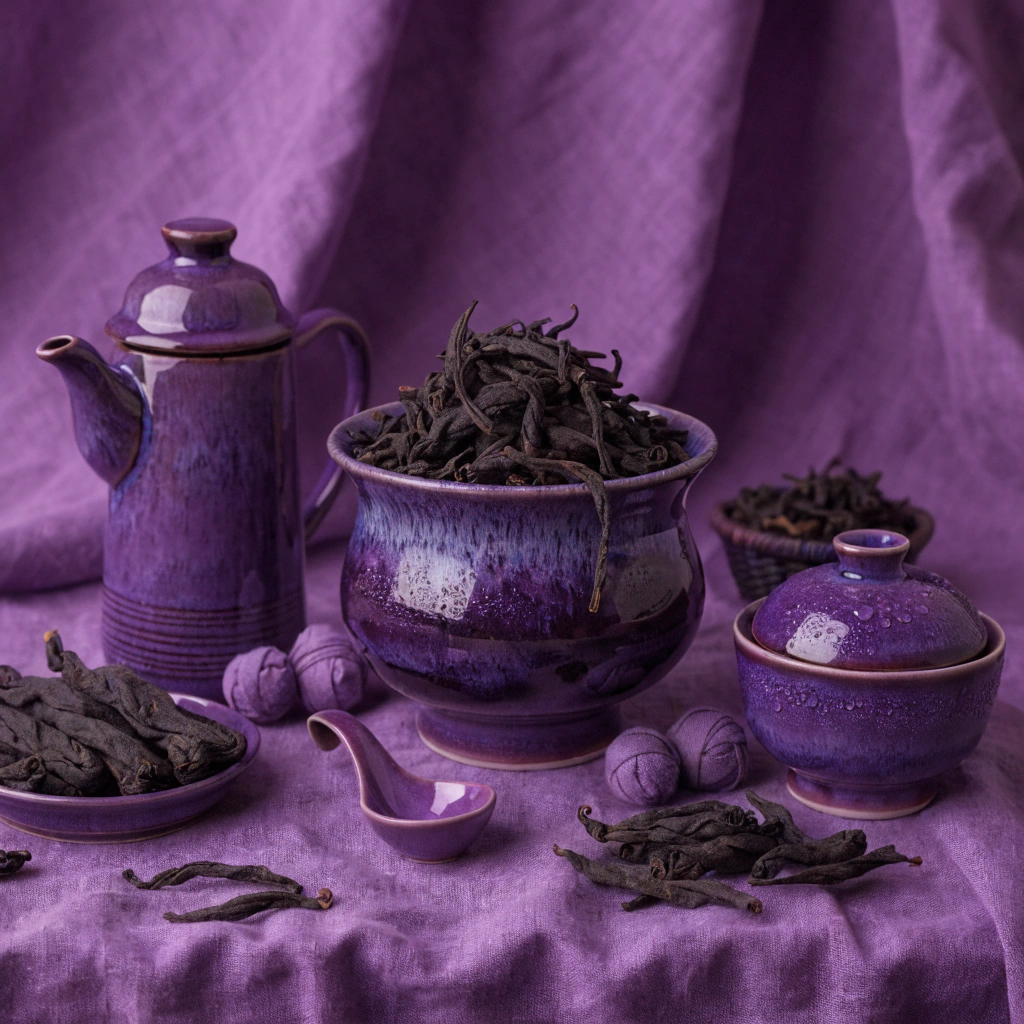
The Art of Tea Culture and Social Etiquette
Tea is the heartbeat of Chinese social life, representing a sophisticated blend of hospitality, respect, and ancient philosophy.
더 읽기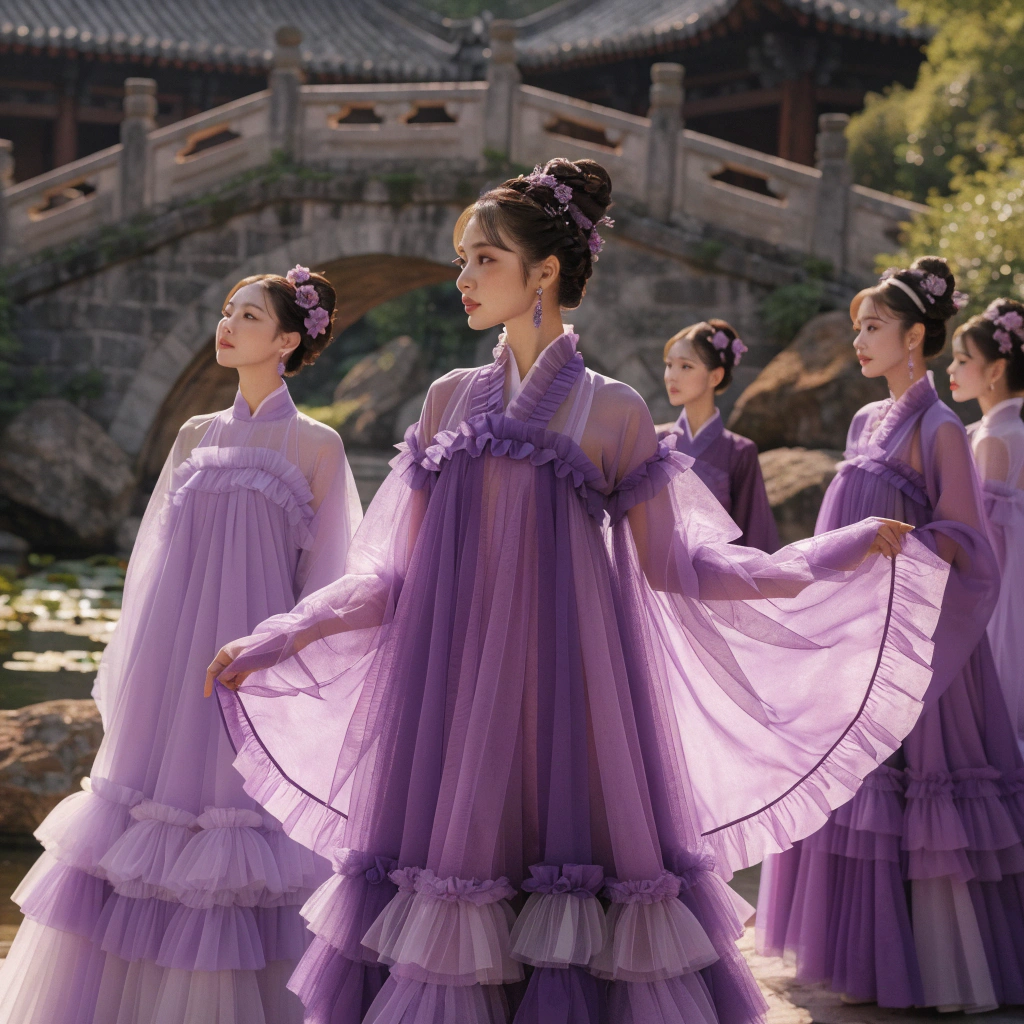
Hanfu and the Renaissance of Traditional Dress
Once a relic of history, Hanfu has seen a massive revival among China’s youth as a symbol of cultural identity and aesthetic pride.
더 읽기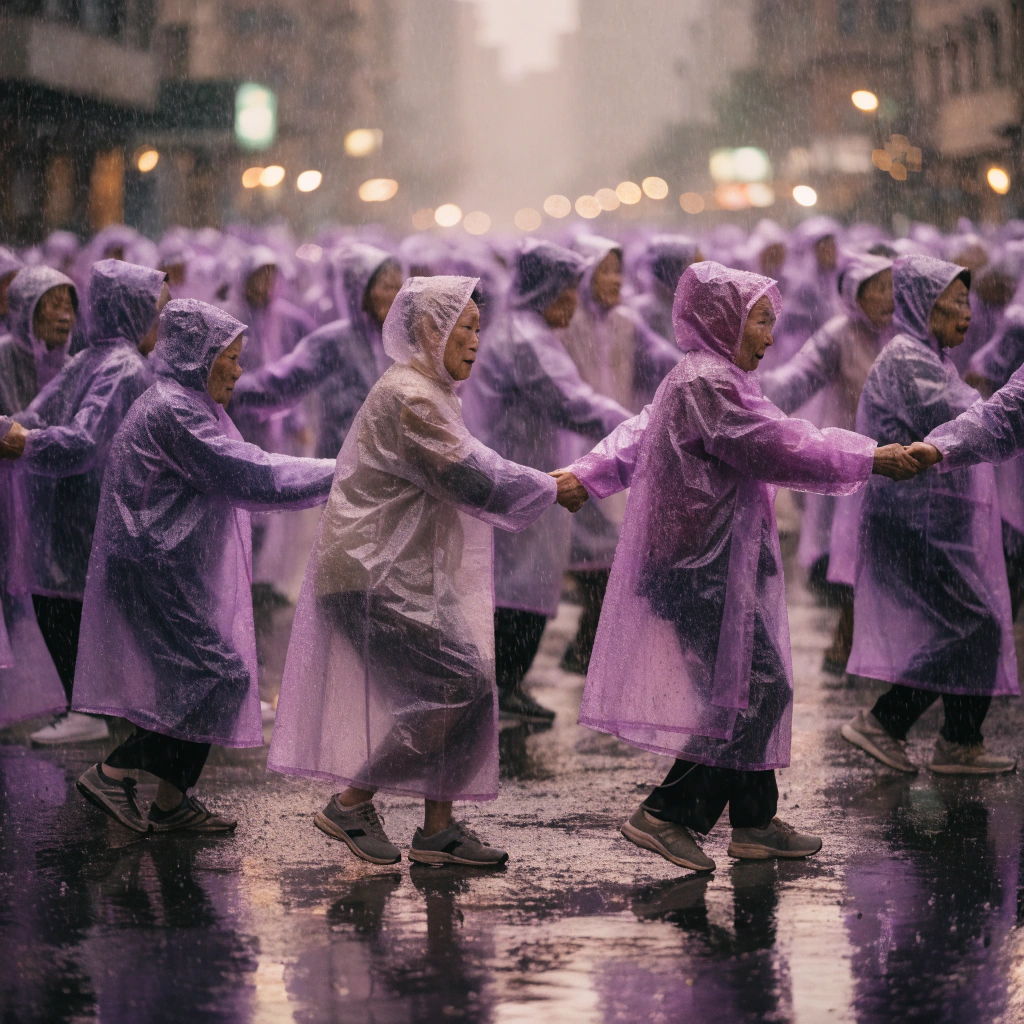
광장무: 도시 사회 생활의 활력소
매일 저녁이면 중국 전역의 공공 광장이 수백만 명의 어르신들이 모여 군무를 추는 활기찬 공동체 무대로 변해요.
더 읽기에티켓 팁
Use both hands when giving or receiving business cards or gifts as a sign of respect.
Use only one hand to offer or receive items, which can be seen as dismissive or impolite.
Place your chopsticks horizontally across your bowl or on a rest when you are not eating.
Stick your chopsticks vertically into a bowl of rice, as this resembles incense at a funeral and is an omen of death.
Politely offer to pay the entire bill when dining with Chinese hosts as a gesture of hospitality.
Attempt to split the bill (AA system) in a formal setting, as it can cause the host to lose face.
Use an open hand or a subtle nod to point or gesture toward someone.
Point at people with your index finger, as it is considered aggressive and rude.