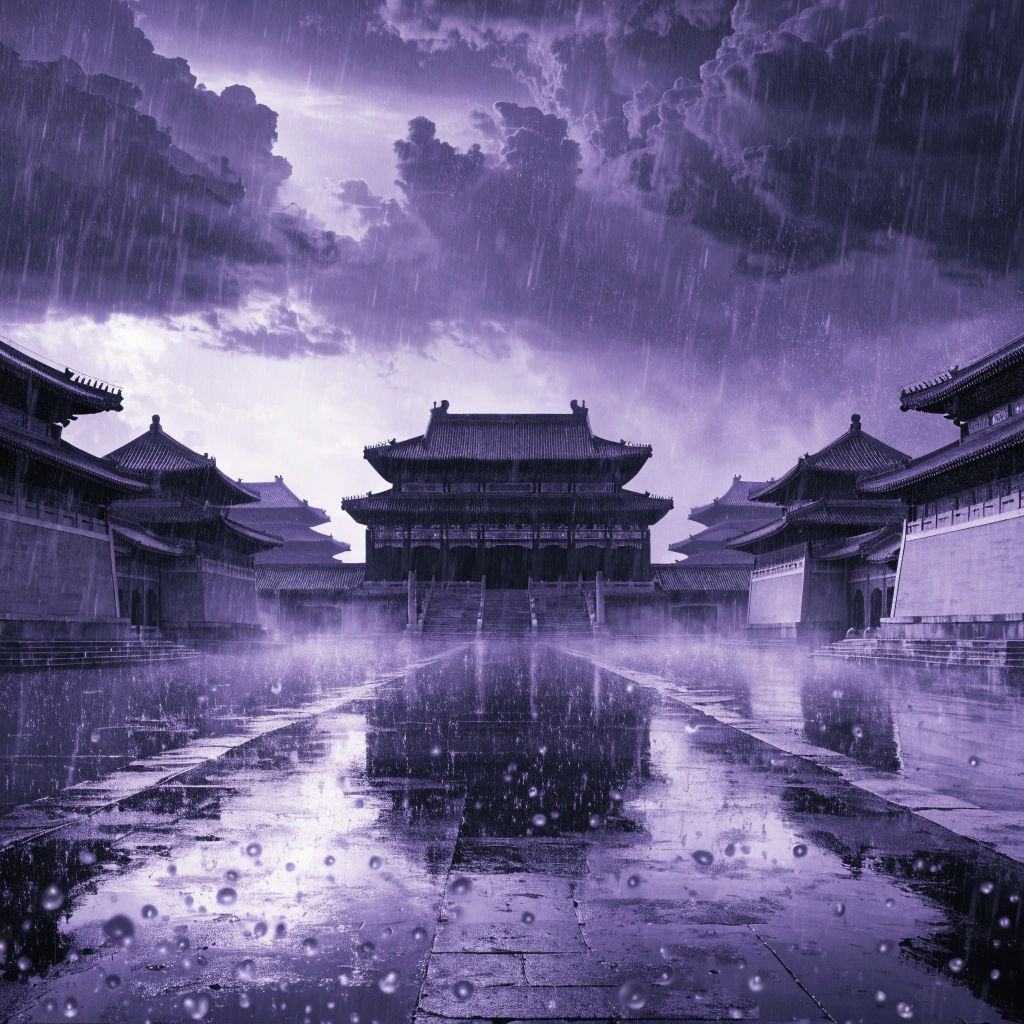
The Beautiful Forbidden City
The Forbidden City is a big museum in Beijing, China. It is very old. Many years ago, kings lived here. Now, many people visit this beautiful place every day. It is a very popular place for tourists.
The palace has many buildings. The buildings are red and yellow. There are 980 buildings in the city. It is very large and famous.
You need a ticket to go inside. You can see many old things. It is a special part of Chinese history.
문법 스포트라이트
패턴: Present Simple 'Be'
"The Forbidden City is a big museum in Beijing, China."
We use 'is' for singular subjects to describe facts. It is the verb 'to be' in the present simple tense.
패턴: Plural Nouns
"The palace has many buildings."
We add '-s' to the end of most nouns to show there is more than one. In this sentence, 'building' becomes 'buildings'.
이해도를 테스트하세요
10 질문 · A1 초급 · 무료 미리보기 1회
이 기사에서 배운 내용을 테스트하세요. 모든 질문에 답하여 XP를 획득하세요!
Where is the Forbidden City?
문제별 결과
Where is the Forbidden City?
내 답변:
정답: Beijing
The Forbidden City is in China.
내 답변:
정답: 참
What does 'large' mean?
내 답변:
정답: Big
The buildings are red and _____.
내 답변:
정답: yellow
The Secrets of the Forbidden City
The Forbidden City is in the center of Beijing, China. It is a very large palace with 980 buildings. Workers finished building it in 1420. For almost 500 years, 24 emperors lived there. It was the most important place for the Chinese government because the emperors made all the big decisions there.
The palace has a special name. It is called 'forbidden' because people could not enter or leave without permission from the emperor. It was a very private and quiet place. If someone went inside without an invitation, they were in big trouble.
The architecture is beautiful and traditional. The buildings are bigger and more colorful than other houses in the city. Today, it is called the Palace Museum. Millions of tourists visit it every year to see the gold decorations and old art. It is one of the most famous places in the world.
문법 스포트라이트
패턴: Past Simple
"Workers finished building it in 1420."
We use the past simple to talk about finished actions in the past. To make regular verbs, we usually add '-ed' to the end of the verb.
패턴: Comparatives
"The buildings are bigger and more colorful than other houses in the city."
We use comparatives to compare two things. For short words like 'big', we add '-er'. For longer words like 'colorful', we use 'more' before the word.
이해도를 테스트하세요
11 질문 · A2 초등급 · 무료 미리보기 1회
이 기사에서 배운 내용을 테스트하세요. 모든 질문에 답하여 XP를 획득하세요!
How many emperors lived in the Forbidden City?
문제별 결과
How many emperors lived in the Forbidden City?
내 답변:
정답: 24
People could enter the palace whenever they wanted.
내 답변:
정답: 거짓
What does 'forbidden' mean?
내 답변:
정답: Not allowed
The Forbidden City is in the _____ of Beijing.
내 답변:
정답: center
When did workers finish building the palace?
내 답변:
정답: 1420
자금성: 황제의 비밀스러운 궁궐
중국 베이징의 중심에는 세계에서 가장 크고 중요한 역사적 건축물 중 하나인 자금성이 있습니다. ‘자금성’이라는 이름은 ‘황제의 허락 없이 아무도 들어오거나 나갈 수 없었다’는 의미에서 유래했습니다. 이 궁궐은 과거 황제만이 들어갈 수 있었던 금지된 공간이었기 때문입니다.
거의 500년 동안, 자금성은 명나라와 청나라의 황제 24명이 살았던 곳이자, 중국 정부의 정치적 중심지 역할을 해 왔습니다. 이 거대한 궁궐 단지는 980개의 건물로 이루어져 있으며, 14년 동안의 공사 끝에 1420년에 완성되었습니다. 자금성의 건축은 중국 전통 디자인의 걸작으로 평가받고 있습니다. 모든 건물은 엄격한 규칙과 상징적인 의미를 가지고 지어졌습니다.
자금성은 이제 ‘고궁박물관’으로 불리며, 유네스코 세계문화유산으로 지정되어 있습니다. 매년 수많은 방문객들이 이곳을 찾아 중국의 찬란한 역사와 문화를 직접 경험하고 있습니다. 자금성을 방문하면 황제들의 생활과 고대 중국의 위대한 건축 기술을 엿볼 수 있습니다. 이곳은 단순한 궁궐이 아니라, 중국 역사의 살아있는 증거라고 할 수 있습니다.
문법 스포트라이트
패턴: ~아/어 왔다
"거의 500년 동안, 자금성은 명나라와 청나라의 황제 24명이 살았던 곳이자, 중국 정부의 정치적 중심지 역할을 해 왔습니다."
이 문법은 과거부터 현재까지 어떤 행동이나 상태가 계속되었음을 나타낼 때 사용합니다. 동사의 어간 뒤에 붙여 ‘계속 ~했다’는 의미를 만듭니다. 예를 들어, ‘공부해 왔다’는 과거부터 지금까지 계속 공부했다는 뜻입니다.
패턴: ~으로 이루어져 있다
"이 거대한 궁궐 단지는 980개의 건물로 이루어져 있으며, 14년 동안의 공사 끝에 1420년에 완성되었습니다."
이 문법은 어떤 것이 무엇으로 구성되어 있는지를 설명할 때 사용합니다. ‘~으로’는 재료나 구성 요소를 나타내고, ‘이루어져 있다’는 수동적인 상태를 표현합니다. 예를 들어, ‘이 팀은 다섯 명으로 이루어져 있다’와 같이 쓸 수 있습니다.
이해도를 테스트하세요
11 질문 · B1 중급 · 무료 미리보기 1회
이 기사에서 배운 내용을 테스트하세요. 모든 질문에 답하여 XP를 획득하세요!
자금성이 ‘자금성’이라고 불리게 된 가장 큰 이유는 무엇입니까?
문제별 결과
자금성이 ‘자금성’이라고 불리게 된 가장 큰 이유는 무엇입니까?
내 답변:
정답: 황제의 허락 없이 아무도 들어오거나 나갈 수 없었기 때문에
자금성은 명나라와 청나라 시대에 총 24명의 황제가 살았던 곳입니다.
내 답변:
정답: 참
다음 중 '걸작'의 의미로 가장 적절한 것은 무엇입니까?
내 답변:
정답: 아주 잘 만들어진 뛰어난 작품
자금성은 14년 동안의 공사 끝에 ______에 완성되었습니다.
내 답변:
정답: 1420년
지금 자금성은 어떤 이름으로 불리며, 어떤 지위를 가지고 있습니까?
내 답변:
정답: 고궁박물관, 유네스코 세계문화유산
중국의 심장, 자금성: 황제의 금지된 도시
중국 베이징의 중심부에 자리 잡은 자금성(紫禁城)은 명청(明淸) 왕조의 심장이자 중국 황제의 권력과 의례를 상징하는 장소였습니다. 유네스코 세계유산으로 지정된 이 웅장한 궁궐은 단순한 건축물을 넘어, 중국 역사의 중요한 순간들을 고스란히 담고 있는 살아있는 증거입니다.
자금성은 1406년부터 약 14년간의 대규모 공사 끝에 1420년에 완공되었습니다. 이후 약 500년 동안 24명의 명나라와 청나라 황제들이 이곳에서 중국을 통치했습니다. 980여 개의 건물로 이루어진 이 광대한 복합 단지는 당시 세계에서 가장 큰 궁궐로, 황제의 절대적인 권위를 여실히 보여주었습니다. 그 이름인 '자금성'은 '자주색 금지된 성'이라는 뜻으로, 황제의 허락 없이는 누구도 출입할 수 없었던 데서 유래했습니다. 이는 황제가 '하늘의 아들'로서 지상에서 통치하는 신성한 존재임을 강조하는 것이었습니다.
자금성의 건축 양식은 전통 중국 디자인의 정수를 보여줍니다. 풍수지리, 음양오행 사상 등 중국 철학적 원칙들이 건물 배치와 구조에 깊이 반영되어 있습니다. 예를 들어, 주요 건물들은 남쪽을 향해 배치되어 좋은 기운을 받고자 했으며, 붉은색 벽과 노란색 기와는 각각 황제의 권위와 번영을 상징합니다. 정교하게 조각된 용 문양과 다채로운 벽화들은 황실의 위엄과 예술적 수준을 드러냅니다.
이곳은 단순히 황제의 거주지나 정치적 중심지였을 뿐만 아니라, 중요한 의례와 국가 행사가 치러지는 공간이기도 했습니다. 매년 새해를 맞이하는 의식부터 황제의 즉위식, 중요한 외교 사절 접견 등 다양한 행사가 자금성 내에서 거행되었습니다. 이러한 의례들은 황실의 정통성을 강화하고 백성들에게 황제의 권위를 각인시키는 데 기여했습니다.
오늘날 자금성은 '고궁박물원'으로 대중에 개방되어 있으며, 수많은 유물과 예술품을 소장하고 있습니다. 전 세계 수백만 명의 방문객들이 매년 이곳을 찾아 중국의 찬란한 역사와 문화를 직접 경험하고 있습니다. 자금성은 과거의 영광을 넘어, 현재에도 중국 문화유산의 상징으로서 그 가치를 변함없이 이어가고 있습니다.
문법 스포트라이트
패턴: -뿐만 아니라 ~도
"이곳은 단순히 황제의 거주지나 정치적 중심지였을 뿐만 아니라, 중요한 의례와 국가 행사가 치러지는 공간이기도 했습니다."
이 문법은 앞의 내용에 더하여 뒤의 내용까지 포함함을 나타낼 때 사용합니다. 'A뿐만 아니라 B도'는 'A도 그러하지만 B도 그러하다'는 의미로, 두 가지 이상의 사실을 나열하며 강조할 때 쓰입니다.
패턴: -는 데 기여하다
"이러한 의례들은 황실의 정통성을 강화하고 백성들에게 황제의 권위를 각인시키는 데 기여했습니다."
이 문법은 어떤 행위나 사실이 특정 목적이나 결과에 긍정적인 영향을 주었음을 나타냅니다. 동사 뒤에 '-는 데 기여하다' 형태로 사용되어 '무엇을 하는 데 도움을 주다'라는 의미를 가집니다.
패턴: -었던 데서 유래하다
"그 이름인 '자금성'은 '자주색 금지된 성'이라는 뜻으로, 황제의 허락 없이는 누구도 출입할 수 없었던 데서 유래했습니다."
이 문법은 어떤 이름이나 현상이 과거의 특정 사실이나 상황으로부터 시작되었음을 설명할 때 사용합니다. '-었던 데서'는 '그랬던 사실로부터'라는 의미로 원인이나 근거를 제시합니다.
이해도를 테스트하세요
11 질문 · B2 중상급 · 무료 미리보기 1회
이 기사에서 배운 내용을 테스트하세요. 모든 질문에 답하여 XP를 획득하세요!
자금성이 완공된 시기는 언제입니까?
문제별 결과
자금성이 완공된 시기는 언제입니까?
내 답변:
정답: 1420년
자금성에서는 총 24명의 명나라 황제만 통치했습니다.
내 답변:
정답: 거짓
다음 중 '궁궐'의 의미로 가장 적절한 것은 무엇입니까?
내 답변:
정답: 왕이나 황제가 사는 웅장한 집
자금성의 이름은 황제의 허락 없이는 누구도 _______ 수 없었던 데서 유래했습니다.
내 답변:
정답: 출입할
자금성의 건축 양식에 깊이 반영된 중국 철학적 원칙이 아닌 것은 무엇입니까?
내 답변:
정답: 도교 사상
The Forbidden City: An Architectural Manifestation of Imperial Hegemony
Seldom has a monument so perfectly encapsulated the nexus of cosmic order and earthly power as the Forbidden City in Beijing. Completed in 1420 during the Ming Dynasty, this sprawling complex served as the reclusive seat of sovereignty for twenty-four emperors over five centuries. To the modern observer, the palace is not merely an assemblage of 980 buildings; it is a meticulously crafted metaphorical landscape designed to reinforce the 'Mandate of Heaven.' Its very name, Zijincheng, alludes to the North Star—the celestial center around which the universe revolves—thereby positioning the emperor as the terrestrial equivalent of this cosmic anchor.
What defines the complex is not merely its staggering scale, but the meticulous adherence to geomantic principles and Confucian hierarchy. The architectural layout follows a strict north-south axis, reflecting a paradigm of stability and balance. Within these impregnable walls, the distinction between the Outer Court, used for ceremonial purposes, and the Inner Court, the emperor's domestic residence, was absolute. This physical segregation mirrored the rigid social stratifications of the era. Only through the lens of such structural symbolism can one truly appreciate the profound psychological impact the palace had on those granted the rare privilege of entry.
The transition from an exclusionary imperial seat to a public repository of cultural heritage signifies a profound shift in Chinese sociopolitical identity. Following the abdication of the final Qing emperor, the complex was transformed into the Palace Museum. This democratization of space allows for a fascinating juxtaposition of historical grandeur and contemporary accessibility. However, the preservation of the site is not without its challenges. The ephemeral nature of the traditional timber structures necessitates constant, painstaking restoration to prevent the degradation of these intricate vestiges of the past.
Critically analyzing the Forbidden City requires looking beyond its aesthetic allure. It stands as a testament to the centralization of power and the immense human labor required to sustain such a monumental vision. While the palace now welcomes millions of visitors annually, its walls still whisper of a time when the emperor’s word was law and his personhood was considered divine. Ultimately, the Forbidden City remains a poignant reminder of the tension between the enduring legacy of imperial history and the evolving narrative of modern China.
문법 스포트라이트
패턴: Negative Inversion
"Seldom has a monument so perfectly encapsulated the nexus of cosmic order and earthly power as the Forbidden City in Beijing."
When using a negative or restrictive adverb like 'seldom' at the beginning of a sentence, the subject and auxiliary verb are inverted. This is used for rhetorical emphasis in formal writing.
패턴: Cleft Sentences
"What defines the complex is not merely its staggering scale, but the meticulous adherence to geomantic principles and Confucian hierarchy."
A pseudo-cleft sentence starting with 'What' is used to focus on specific information. It highlights 'what defines the complex' as the most important part of the statement.
패턴: Nominalisation
"The transition from an exclusionary imperial seat to a public repository of cultural heritage signifies a profound shift in Chinese sociopolitical identity."
Nouns like 'transition' and 'democratization' are used instead of verbs to create a more formal, academic tone. This allows for the dense packing of complex ideas into a single sentence.
이해도를 테스트하세요
12 질문 · C1 고급 · 무료 미리보기 1회
이 기사에서 배운 내용을 테스트하세요. 모든 질문에 답하여 XP를 획득하세요!
What does the name 'Zijincheng' symbolize in relation to the emperor?
문제별 결과
What does the name 'Zijincheng' symbolize in relation to the emperor?
내 답변:
정답: The emperor as the earthly center of the universe
The architectural layout of the Forbidden City intentionally avoids symmetry to represent chaos.
내 답변:
정답: 거짓
What is the meaning of 'ephemeral' as used in the text?
내 답변:
정답: Lasting for a very short time
The complex served as the reclusive seat of _____ for twenty-four emperors.
내 답변:
정답: sovereignty
Which two areas within the palace represented the social stratification of the imperial era?
내 답변:
정답: The Outer Court and the Inner Court
The transition to a museum occurred after the abdication of the final Qing emperor.
내 답변:
정답: 참
The Imperial Palimpsest: A Socio-Architectural Deconstruction of the Forbidden City
Lying at the heart of Beijing’s urban sprawl, the Forbidden City serves as an imposing testament to the rigid hierarchical structures of the Ming and Qing dynasties. Completed in 1420, after fourteen years of meticulous labor, this sprawling complex comprises 980 buildings that coalesce into a paradigm of traditional Chinese palatial architecture. It is axiomatic that the site represents more than mere residential grandeur; rather, it functions as a physical manifestation of the Mandate of Heaven, the philosophical underpinning that legitimized imperial hegemony for centuries. Were one to traverse the Meridian Gate today, the sheer scale of the complex would still evoke a sense of profound insignificance, a psychological effect intentionally engineered by the architects of the Yongle Emperor to emphasize the distance between the sovereign and the subject.
The spatial configuration of the Forbidden City is governed by a strict adherence to axial symmetry, reflecting the Confucian ideal of cosmic order. The North-South axis, which bisects the city, was conceived as the backbone of the empire, aligning the terrestrial ruler with the celestial pole. This meticulously planned layout ensured that every structure, from the Hall of Supreme Harmony to the private quarters of the Inner Court, reinforced the stratified nature of the imperial court. Seldom has a monument so effectively utilized geometry to articulate social distance; the transition from the Outer Court, where public ceremonies were held, to the Inner Court, the domestic sanctuary of the emperor, was a journey through layers of increasing exclusivity. The architecture thus served as a silent but potent enforcer of political stability and social stratification.
Symbolism permeates every facet of the complex, from the ubiquitous dragon motifs—symbolizing the emperor’s virility and authority—to the esoteric numerology embedded in the architecture. It is frequently noted that the Forbidden City is said to contain 9,999.5 rooms, a figure that falls just short of the 10,000 rooms believed to exist in the celestial palace of the God of Heaven. This deliberate omission served as a humble acknowledgment of the emperor’s subordinate status to the divine, even as he wielded absolute power on earth. Furthermore, the confluence of yellow roof tiles, reserved exclusively for the imperial family, and the vermilion walls creates a visual lexicon of power that remains unparalleled in world history. This chromatic hierarchy was not merely aesthetic but was a legal requirement, strictly enforced to prevent any usurpation of imperial symbols.
Despite its name, the Forbidden City was never an entirely stagnant entity. It evolved through the centuries, surviving catastrophic fires, foreign invasions, and the eventual dissolution of the imperial system in 1912. The transition from a sequestered palace to the Palace Museum represents a fascinating cultural shift. What was once a vestige of autocratic seclusion has been transformed into a public space, though the ephemeral nature of human power is still palpable within its walls. To have served as the epicenter of Chinese political life for five hundred years is no small feat, yet the museum now grapples with the paradox of preserving history while accommodating the influx of millions of modern tourists. This tension between conservation and accessibility highlights the site's ongoing role as a contested symbol of national identity.
In conclusion, the Forbidden City remains a cultural palimpsest, where the layers of dynastic history are etched into the very timber and stone of its halls. It is not merely a relic of a bygone era but a living document of China’s philosophical and political evolution. It is imperative that the contemporary observer look beyond the aesthetic beauty of the site to appreciate the intricate web of social and cosmic ideologies that it continues to represent. Whether viewed as a monument to imperial hubris or a masterpiece of architectural ingenuity, the Forbidden City stands as an enduring symbol of a civilization that sought to harmonize the earthly realm with the infinite heavens.
문법 스포트라이트
패턴: Inversion for Emphasis
"Seldom has a monument so effectively utilized geometry to articulate social distance."
When negative or restrictive adverbs (like 'seldom', 'never', 'rarely') begin a sentence, the subject and auxiliary verb are inverted to create a formal, rhetorical emphasis.
패턴: Mixed Conditionals (Subjunctive Mood)
"Were one to traverse the Meridian Gate today, the sheer scale of the complex would still evoke a sense of profound insignificance."
This uses 'Were' + subject to form a hypothetical conditional. It is a highly formal way of expressing a present or future possibility that is unlikely or purely academic.
패턴: Perfect Infinitive
"To have served as the epicenter of Chinese political life for five hundred years is no small feat."
The perfect infinitive (to + have + past participle) is used to refer to an earlier time or a completed action in relation to the main verb.
이해도를 테스트하세요
12 질문 · C2 마스터 · 무료 미리보기 1회
이 기사에서 배운 내용을 테스트하세요. 모든 질문에 답하여 XP를 획득하세요!
What was the primary philosophical goal behind the Forbidden City's layout?
문제별 결과
What was the primary philosophical goal behind the Forbidden City's layout?
내 답변:
정답: To reflect the Confucian ideal of cosmic and social order
The construction of the Forbidden City was completed in less than a decade.
내 답변:
정답: 거짓
Which word describes the dominance of one group or philosophy over others?
내 답변:
정답: Hegemony
The text describes the Forbidden City as a cultural _____, where layers of history are etched into the site.
내 답변:
정답: palimpsest
Why does the complex allegedly contain 9,999.5 rooms instead of 10,000?
내 답변:
정답: As a sign of humility toward the celestial palace of the gods
Yellow roof tiles were strictly reserved for the imperial family and their residences.
내 답변:
정답: 참
자금성: 아름다운 궁전
이곳은 자금성입니다. 자금성은 큰 궁전입니다. 자금성은 중국 베이징에 있습니다.
자금성은 건물이 많습니다. 980개 건물입니다. 이곳은 아주 오래된 곳입니다. 옛날 황제의 집입니다. 아주 아름다운 곳입니다.
문법 스포트라이트
패턴: 명사 + 입니다
"이곳은 자금성입니다."
'입니다'는 명사 뒤에 붙어, 그 명사가 무엇인지 설명할 때 씁니다. '~은/는 ~입니다.' 형태로 많이 사용합니다. 정중하고 기본적인 표현입니다.
이해도를 테스트하세요
9 질문 · A0 프리비기너 · 무료 미리보기 1회
이 기사에서 배운 내용을 테스트하세요. 모든 질문에 답하여 XP를 획득하세요!
자금성은 무엇입니까?
문제별 결과
자금성은 무엇입니까?
내 답변:
정답: 궁전
자금성은 한국에 있습니다.
내 답변:
정답: 거짓
자금성은 아주 _____ 곳입니다.
내 답변:
정답: 아름다운

