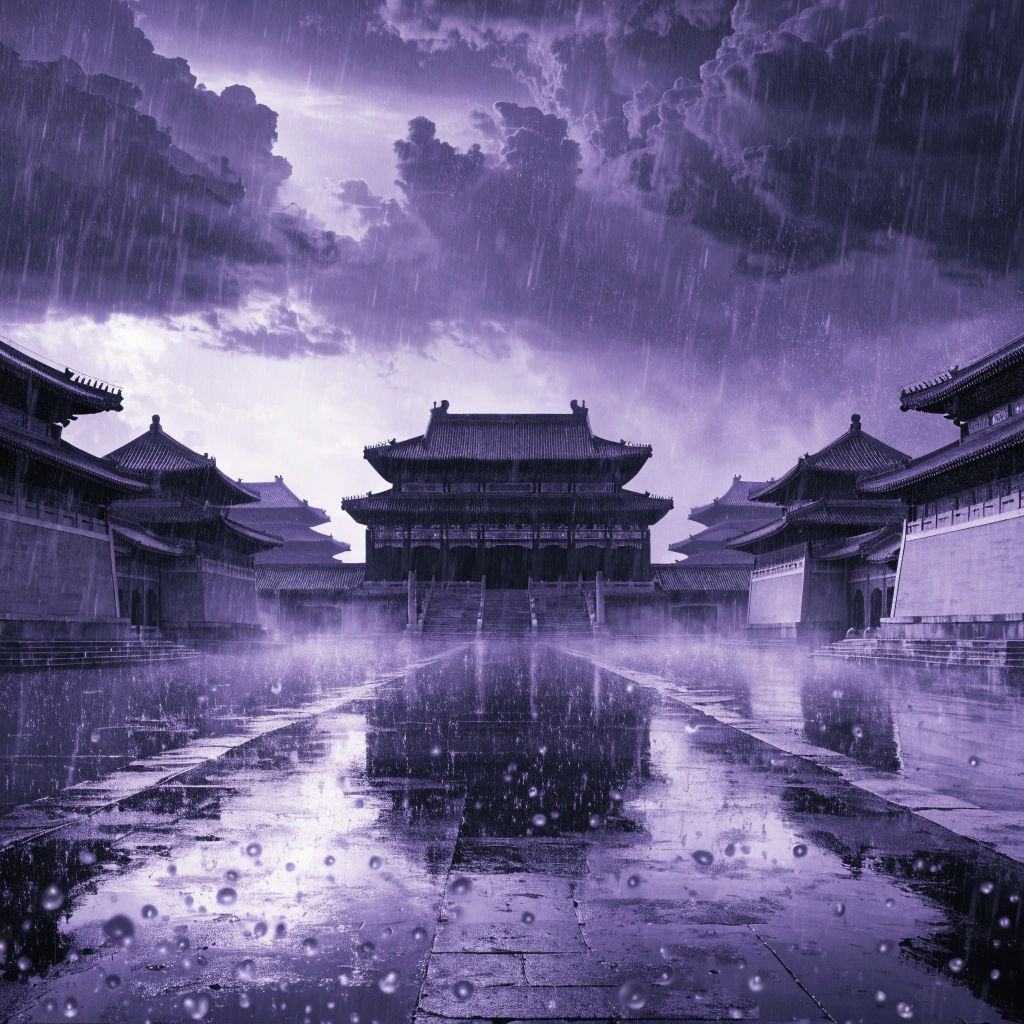
The Beautiful Forbidden City
The Forbidden City is a big museum in Beijing, China. It is very old. Many years ago, kings lived here. Now, many people visit this beautiful place every day. It is a very popular place for tourists.
The palace has many buildings. The buildings are red and yellow. There are 980 buildings in the city. It is very large and famous.
You need a ticket to go inside. You can see many old things. It is a special part of Chinese history.
文法スポットライト
パターン: Present Simple 'Be'
"The Forbidden City is a big museum in Beijing, China."
We use 'is' for singular subjects to describe facts. It is the verb 'to be' in the present simple tense.
パターン: Plural Nouns
"The palace has many buildings."
We add '-s' to the end of most nouns to show there is more than one. In this sentence, 'building' becomes 'buildings'.
理解度をチェック
10 問 · A1 初級 · 無料プレビュー 1回
この記事で学んだことをテストしよう。全問正解してXPを獲得!
Where is the Forbidden City?
問題の内訳
Where is the Forbidden City?
あなたの回答:
正解: Beijing
The Forbidden City is in China.
あなたの回答:
正解: 正しい
What does 'large' mean?
あなたの回答:
正解: Big
The buildings are red and _____.
あなたの回答:
正解: yellow
The Secrets of the Forbidden City
The Forbidden City is in the center of Beijing, China. It is a very large palace with 980 buildings. Workers finished building it in 1420. For almost 500 years, 24 emperors lived there. It was the most important place for the Chinese government because the emperors made all the big decisions there.
The palace has a special name. It is called 'forbidden' because people could not enter or leave without permission from the emperor. It was a very private and quiet place. If someone went inside without an invitation, they were in big trouble.
The architecture is beautiful and traditional. The buildings are bigger and more colorful than other houses in the city. Today, it is called the Palace Museum. Millions of tourists visit it every year to see the gold decorations and old art. It is one of the most famous places in the world.
文法スポットライト
パターン: Past Simple
"Workers finished building it in 1420."
We use the past simple to talk about finished actions in the past. To make regular verbs, we usually add '-ed' to the end of the verb.
パターン: Comparatives
"The buildings are bigger and more colorful than other houses in the city."
We use comparatives to compare two things. For short words like 'big', we add '-er'. For longer words like 'colorful', we use 'more' before the word.
理解度をチェック
11 問 · A2 初級 · 無料プレビュー 1回
この記事で学んだことをテストしよう。全問正解してXPを獲得!
How many emperors lived in the Forbidden City?
問題の内訳
How many emperors lived in the Forbidden City?
あなたの回答:
正解: 24
People could enter the palace whenever they wanted.
あなたの回答:
正解: 間違い
What does 'forbidden' mean?
あなたの回答:
正解: Not allowed
The Forbidden City is in the _____ of Beijing.
あなたの回答:
正解: center
When did workers finish building the palace?
あなたの回答:
正解: 1420
A Journey Through the Forbidden City
The Forbidden City, which is located in the heart of Beijing, is one of the most famous historical sites in the world. For nearly 500 years, it served as the home for 24 emperors from the Ming and Qing dynasties. This massive complex was built between 1406 and 1420. It has been recognized as a UNESCO World Heritage site since 1987 because of its amazing architecture and cultural importance.
The palace is known as the 'Forbidden City' because ordinary people were not allowed to enter without the emperor’s permission. It consists of 980 buildings, which were designed according to traditional Chinese principles. The architecture is very impressive, with red walls and yellow roofs that represent the power of the imperial family. Many beautiful gardens and courtyards are found within the walls, providing a peaceful space for the royal family.
Today, the complex has been turned into the Palace Museum. It houses thousands of ancient artifacts and artworks that have been preserved for centuries. Millions of tourists visit the site every year to learn about China’s rich history. Although the emperors are gone, the spirit of the past still lives in these grand halls.
If you visit, you will see the Great Hall of Supreme Harmony, which was used for important ceremonies. The entire area is a masterpiece that shows the skill of ancient workers. It remains a symbol of China's long and fascinating journey through time.
文法スポットライト
パターン: Passive Voice
"This massive complex was built between 1406 and 1420."
The passive voice is used here because the action (building) is more important than who did it. It is formed using the verb 'to be' and the past participle of the main verb.
パターン: Relative Clauses
"The Forbidden City, which is located in the heart of Beijing, is one of the most famous historical sites in the world."
Relative clauses provide extra information about a noun. The word 'which' is used to refer to the Forbidden City and connect the two parts of the sentence.
理解度をチェック
11 問 · B1 中級 · 無料プレビュー 1回
この記事で学んだことをテストしよう。全問正解してXPを獲得!
How many emperors lived in the Forbidden City over the years?
問題の内訳
How many emperors lived in the Forbidden City over the years?
あなたの回答:
正解: 24
Ordinary people were allowed to enter the palace whenever they wanted.
あなたの回答:
正解: 間違い
What does the word 'preserve' mean?
あなたの回答:
正解: To keep something in good condition
The Forbidden City is located in the _____ of Beijing.
あなたの回答:
正解: heart
When did the Forbidden City become a UNESCO World Heritage site?
あなたの回答:
正解: 1987
The Forbidden City: A Gilded Legacy of Imperial China
Standing at the heart of Beijing, the Forbidden City remains one of the most significant architectural achievements in human history. Constructed during the Ming Dynasty, this sprawling complex served as the imperial residence for twenty-four emperors over a span of nearly five hundred years. Its name, 'Zijincheng' or the Purple Forbidden City, reflects both ancient astronomical beliefs and the absolute authority of the Son of Heaven. Traditionally, it was believed that the North Star was the center of the celestial world, and as the earthly counterpart, the Emperor’s palace was designed to mirror this cosmic order. Consequently, the layout was not merely functional but deeply symbolic, representing the divine right of the ruler.
The meticulous design of the palace follows the principles of traditional Chinese architecture, emphasizing symmetry and hierarchy. Every structure, from the grand halls used for ceremonial purposes to the private quarters of the imperial family, was positioned according to a strict north-south axis. The use of yellow roof tiles—a color reserved exclusively for the emperor—and the abundance of dragon motifs further emphasize the unparalleled power of the ruling dynasty. Although the complex consists of 980 buildings, it feels like a unified masterpiece rather than a collection of separate structures. This architectural harmony was achieved through fourteen years of intense labor, involving over a million workers.
Historically, the Forbidden City was more than just a residence; it was the political and ceremonial center of China. Decisions made within these walls shaped the destiny of millions, yet the common people were strictly prohibited from entering without express permission. This isolation created an aura of mystery and grandeur that persists even today. Had the Qing Dynasty not collapsed in the early 20th century, the palace might have remained a closed world. Instead, it was transformed into the Palace Museum in 1925, allowing the public to witness the treasures of China’s past.
Today, the preservation of this UNESCO World Heritage site presents a continuous challenge for historians and conservators. The legacy of the Forbidden City emanates through its intricate woodwork and vast art collections, offering a profound insight into Chinese culture. By analyzing its layout and history, one can appreciate how the palace successfully integrated political function with aesthetic beauty, leaving an indelible mark on the global cultural landscape. It stands as a testament to a civilization that valued order, tradition, and artistic excellence.
文法スポットライト
パターン: Passive Voice
"Constructed during the Ming Dynasty, this sprawling complex served as the imperial residence..."
The passive participle 'Constructed' is used here as a reduced relative clause to focus on the action performed on the building rather than who built it.
パターン: Relative Clauses
"The use of yellow roof tiles—a color reserved exclusively for the emperor..."
This is an appositive phrase acting like a non-defining relative clause, providing extra information about a specific noun.
パターン: Third Conditional (Inverted)
"Had the Qing Dynasty not collapsed in the early 20th century, the palace might have remained a closed world."
This uses 'Had' at the start of the sentence instead of 'If' for a formal, hypothetical situation in the past that did not happen.
理解度をチェック
11 問 · B2 中上級 · 無料プレビュー 1回
この記事で学んだことをテストしよう。全問正解してXPを獲得!
Why was the Forbidden City designed to mirror the North Star?
問題の内訳
Why was the Forbidden City designed to mirror the North Star?
あなたの回答:
正解: To reflect the emperor's role as the earthly counterpart to the celestial center
Common citizens were allowed to visit the palace during the Ming Dynasty if they had a valid reason.
あなたの回答:
正解: 間違い
What does 'unparalleled' mean in the context of the article?
あなたの回答:
正解: Something that has no equal or match
The palace was transformed into the Palace _____ in 1925.
あなたの回答:
正解: Museum
What architectural feature was reserved exclusively for the emperor?
あなたの回答:
正解: Yellow roof tiles
紫禁城:中国文明の壮大な証と悠久の歴史
「紫禁城」すなわち故宮博物院は、北京の中心に堂々とそびえ立ち、中国の悠久たる歴史と文化の象徴として、世界にその威容を誇示している。明朝から清朝末期に至る約500年間、24代にわたる皇帝の居城であり、同時に国家の政治的・儀礼的中心地としての役割を担ってきたこの壮大な建築群は、その名の通り、皇帝の厳命なくしては誰も立ち入ることも出ることも許されなかった「禁じられた都市」であったことに他ならない。 明の永楽帝の命により、1406年に着工され、実に14年もの歳月を費やして1420年に完成した紫禁城は、980棟もの建物と8,707もの部屋を擁する広大な宮殿群である。その規模は東西に750メートル、南北に960メートルという圧倒的な広がりを見せ、精緻な設計思想に基づき配置されている。皇帝の絶対的権威を象徴するかのように、その建築様式は厳格な規則と象徴性によって貫かれており、中国伝統建築の粋を集めた傑作と言っても過言ではないだろう。 紫禁城の設計は、陰陽五行説や儒教の思想、さらには天文学的な概念までをも取り入れた、極めて高度なものであった。例えば、主要な建築物は南北軸上に整然と配置され、これは宇宙の中心たる皇帝の居所としての正当性を示すものに他ならない。また、屋根瓦の色に皇帝のみが使用を許された黄色を用いるなど、細部に至るまでその荘厳さと威厳が表現されている。それぞれの建物が持つ意味合いや配置の妙は、単なる機能的な空間を超え、宇宙観や政治思想を具現化した芸術作品と捉えるべきだろう。 長きにわたり、中国の最高権力がここに集約され、数々の歴史的事件の舞台となってきた紫禁城は、1911年の辛亥革命によって清朝が滅び、皇帝の時代が終焉を迎えた際、その政治的役割の転換を余儀なくされた。その後、一部が故宮博物院として一般公開されたものの、その全貌が人々に見せられるまでにはかなりの時間を要したのである。今日では、世界中から訪れる人々を魅了し、その絢爛豪華な建築美と秘められた歴史の深淵さに触れる機会を提供している。 紫禁城が現代において持つ意義は、単なる歴史的建造物としての価値に留まらない。それは、中国数千年の文明の連続性を物語る生きた証であり、過去と現在、そして未来を結ぶ架け橋である。この場所を訪れる者は、かつて皇帝たちが統治した広大な帝国の息吹を感じずにはいられないだろう。その壮麗な姿は、見る者に畏敬の念を抱かせると同時に、歴史の重みと時間の悠久を静かに語りかけてくるのである。 文化財保護の観点から見ても、紫禁城は極めて重要な存在である。ユネスコの世界遺産にも登録され、その保存と研究には国際的な協力が不可欠となっている。歴史的建造物群としての維持管理は、常に新たな課題を提示し、専門家たちはその解決に日々尽力している。この壮大な遺産を次世代へと継承していくことは、現代を生きる我々に課せられた責務に他ならない。
文法スポットライト
パターン: 〜に他ならない(にほかならない)
"皇帝の厳命なくしては誰も立ち入ることも出ることも許されなかった「禁じられた都市」であったことに他ならない。"
「〜に他ならない」は、「〜である」という断定を非常に強く表現する際に用いられます。「〜以外のものではない」という意味合いで、話者の強い確信や結論を示すことができます。名詞や動詞の終止形に接続します。
パターン: 〜と言っても過言ではない(といってもかごんではない)
"中国伝統建築の粋を集めた傑作と言っても過言ではないだろう。"
「〜と言っても過言ではない」は、「〜と言っても言い過ぎではない、つまり事実である」と強調する表現です。ある評価や事実を控えめに表現することなく、はっきりと述べたい場合に用いられます。文の最後に「だろう」を加えて推量を表すこともあります。
パターン: 〜を余儀なくされる(をよぎなくされる)
"その政治的役割の転換を余儀なくされた。"
「〜を余儀なくされる」は、自分の意志に反して、ある行動や状況を受け入れざるを得ない、強制されるという意味を表します。多くの場合、受身形で使われ、望まない事態に直面した状況を説明する際に用いられます。名詞に「を」を付けて接続します。
理解度をチェック
12 問 · C1 上級 · 無料プレビュー 1回
この記事で学んだことをテストしよう。全問正解してXPを獲得!
紫禁城は、明朝から清朝末期にかけて、約何人の皇帝の居城でしたか?
問題の内訳
紫禁城は、明朝から清朝末期にかけて、約何人の皇帝の居城でしたか?
あなたの回答:
正解: 24代
紫禁城の建設には、着工から完成まで14年を要した。
あなたの回答:
正解: 正しい
「威容」という言葉の最も適切な意味はどれですか?
あなたの回答:
正解: 堂々とした立派な姿
紫禁城は、国家の政治的・_____的中心地としての役割を担ってきました。
あなたの回答:
正解: 儀礼
「禁じられた都市」という名称がつけられた主な理由は何ですか?
あなたの回答:
正解: 皇帝の許可なく立ち入りが厳しく制限されていたから
紫禁城はユネスコの世界遺産には登録されていない。
あなたの回答:
正解: 間違い
紫禁城:権威と歴史が織りなす壮麗なる世界遺産
北京市の中央に位置する故宮博物院、通称「紫禁城」は、かつて明清両王朝の皇帝が居住し、中国の政治的・儀礼的中心として機能した壮麗な宮殿群である。その名称が「紫禁」たる所以は、皇帝の許しなくしては誰もその内部に立ち入ることも、また外部に出ることも許されなかったという厳格な統治体制に淵源を発する。この場所は、単なる建築物の集合体という以上に、中国数千年の歴史と文化、そして絶対的な権力の象徴として、今日に至るまでその威容を誇示し続けている。
1406年、明の永楽帝の命により建設が開始され、約14年の歳月を費やして1420年に完成した紫禁城は、その後約500年間にわたり、明朝14代、清朝10代、計24人の皇帝がここに君臨した。総敷地面積72万平方メートル、980棟にも及ぶ殿宇から構成されるこの広大な複合施設は、その規模の点においても世界最大級の木造建築群と言えよう。その建造には、全国から集められた最高の職人たちの技術と、膨大な資源が投入されたことは想像に難くない。
紫禁城の建築様式は、伝統的な中国哲学、特に陰陽五行思想や儒教的宇宙観を色濃く反映している。中央軸に沿って配置された建物群は、秩序と均衡を重んじる思想の具現化に他ならない。例えば、皇帝の色である黄色は屋根瓦に、幸福と繁栄を意味する赤は壁や柱に多用され、その色彩は見る者を圧倒する。また、「九」という数字が多用されるのは、皇帝が「九五の尊」と呼ばれる最高の地位を象徴するためであり、扉の鋲の数や建物の柱の数に至るまで、微細な部分にまでその思想が貫かれている。これらの象徴性は、単なる装飾に留まらず、皇帝の天命を体現する神聖な空間としての紫禁城の性格を決定づけるものであった。
宮殿群は大きく「外朝」と「内廷」に分けられる。外朝は太和殿、中和殿、保和殿といった主要な広間から成り、国家の重要な儀式や政治的な集会が執り行われる公的な空間であった。特に太和殿は、皇帝の即位式や誕生日、新年の祝賀といった最も重要な行事の舞台とされ、その壮麗さは見る者を畏敬の念に打たしめる。一方、内廷は皇帝とその家族の私的な居住空間であり、乾清宮、交泰殿、坤寧宮などが配置され、日々の生活や非公式な政務が行われた。この二重構造は、公と私の明確な分離を示すものであり、皇帝の絶対的な権威を内外に示す装置としての役割を担っていたと言えよう。
清朝の終焉とともに、紫禁城は帝政時代の終幕を告げる記念碑となったが、1925年には故宮博物院として一般に公開され、その歴史的価値が再評価されるに至った。今日、この場所は中国の豊かな文化遺産を象徴するのみならず、人類共通の宝として、世界中から年間数百万人の観光客を惹きつけている。しかしながら、その絢爛豪華な外観の背後には、絶対君主制という時代がもたらした民衆の桎梏や、権力闘争の陰惨な歴史が横たわっていることも忘れてはならない。紫禁城を訪れることは、単に美しい建築物を鑑賞するに留まらず、中国の深遠な歴史とその複雑な光と影を多角的に考察する機会を与えてくれるに違いない。その威厳ある佇まいは、我々に歴史の重みを雄弁に語りかけてくるかのようである。
文法スポットライト
パターン: 〜に他ならない
"中央軸に沿って配置された建物群は、秩序と均衡を重んじる思想の具現化に他ならない。"
ある事柄がまさにそれである、それ以外の何物でもない、という断定的な意味合いを表します。強調したい結論や本質を述べる際に用いられ、強い確信を伴う表現です。
パターン: 〜と言えよう
"その規模の点においても世界最大級の木造建築群と言えよう。"
「〜と言えるだろう」のより丁寧で学術的な表現で、控えめながらも結論や意見を述べる際に使われます。推測や評価を客観的に提示するニュアンスがあります。
パターン: 〜に留まらず
"これらの象徴性は、単なる装飾に留まらず、皇帝の天命を体現する神聖な空間としての紫禁城の性格を決定づけるものであった。"
「〜だけでなく」「〜にとどまらず、さらに広がる」という意味を表します。ある範囲や程度を超えて、さらに別の事柄や影響があることを示す際に使われる表現です。
理解度をチェック
12 問 · C2 マスター · 無料プレビュー 1回
この記事で学んだことをテストしよう。全問正解してXPを獲得!
紫禁城の外朝の主な機能は何でしたか?
問題の内訳
紫禁城の外朝の主な機能は何でしたか?
あなたの回答:
正解: 国家の重要な儀式や政治的な集会が執り行われる公的な空間
紫禁城の建造には、約14年の歳月が費やされました。
あなたの回答:
正解: 正しい
「威容」とはどのような意味ですか?
あなたの回答:
正解: 見る者を圧倒するような、堂々として威厳のある姿や外観
外朝で最も重要な行事の舞台とされた広間は、______である。
あなたの回答:
正解: 太和殿
紫禁城の建築において、黄色と赤が多用される主な理由は何ですか?
あなたの回答:
正解: 皇帝の色と幸福・繁栄を象徴するから
皇帝の許しがあれば、誰でも自由に紫禁城に出入りできました。
あなたの回答:
正解: 間違い

