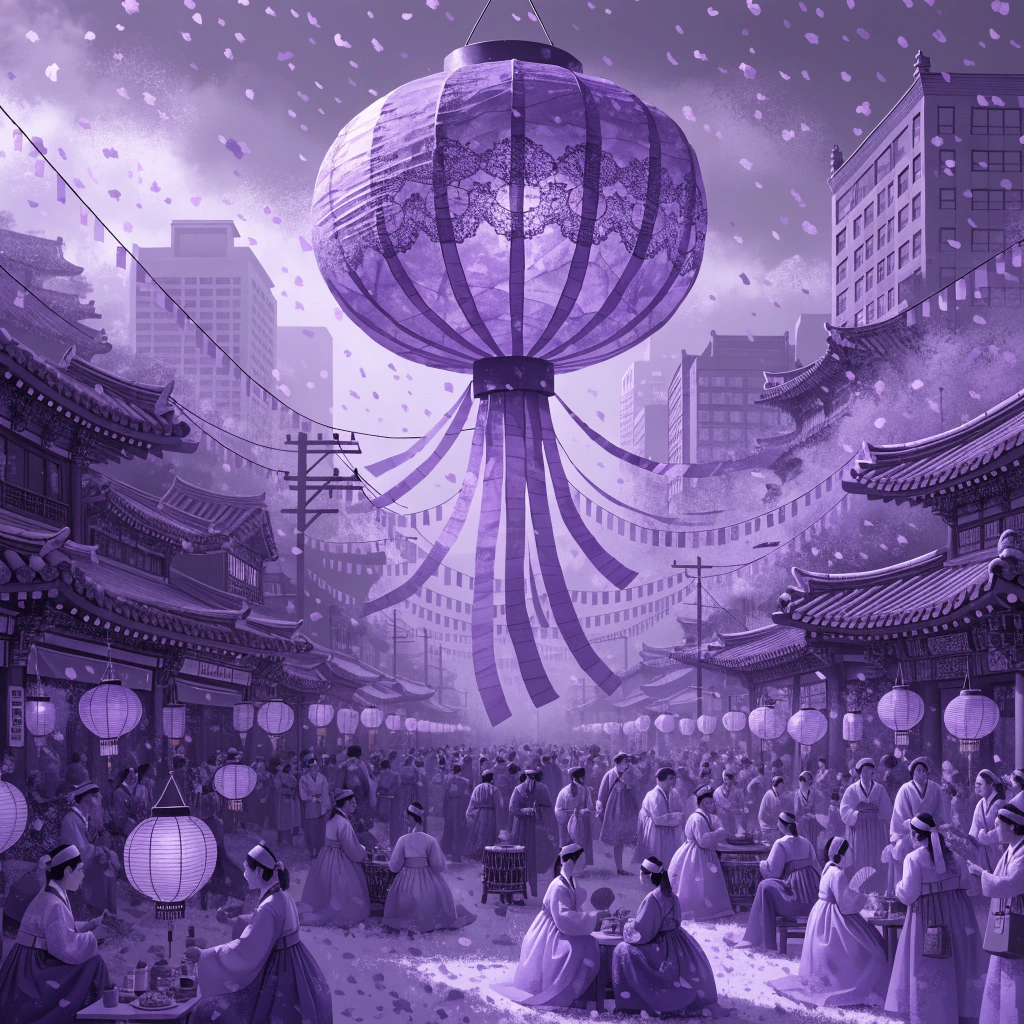
韩国新年:快乐的家庭时光
韩国新年是一个很重要的节日。它在冬天,很多人叫它“春节”。在新年的时候,很多在城市工作的人会回家乡。他们想和家人在一起。这是一年中家人团聚的时间。
家人会一起吃特别的食物。孩子们会向长辈拜年。长辈会给孩子们一些钱,这是“压岁钱”。大家会穿漂亮的衣服。他们希望新的一年身体健康,万事如意。韩国新年是一个非常快乐和温暖的节日。
语法聚焦
句型: S + 是 + N (S is N)
"韩国新年是一个很重要的节日。"
“是”是汉语中最基本的动词之一,表示“是”或“等于”。它可以用来介绍人、事物或说明它们的性质。例如,可以说“我是一个学生” (I am a student)。
句型: S + 会 + V (S will/can V)
"孩子们会向长辈拜年。"
“会”在这里表示一种将来的动作或习惯性的行为。它也可以表示能力,例如“我会说汉语” (I can speak Chinese)。在这个文章中,“会”表示一种传统或习惯。
测试你的理解
10 个问题 · A1 初学 · 1 次免费预览
Seollal: The Lunar New Year in South Korea
Seollal is the most important holiday in South Korea. It is the Lunar New Year celebration. Most families meet and celebrate together because they love their traditions. During this time, many people leave big cities like Seoul to visit their hometowns. The streets in Seoul become very quiet, but the villages are full of life.
People wear traditional clothes called "Hanbok." These clothes are more colorful than normal clothes. On the morning of Seollal, children show respect to their parents and grandparents with a special bow called "Sebae." After the bow, the elders give the children money in beautiful envelopes. This is the children's favorite part of the holiday!
The most famous food is "Tteokguk." It is a delicious soup with sliced rice cakes. Koreans believe that you become one year older after you eat a bowl of this soup. Families also play traditional board games like "Yut Nori." This game is more exciting than modern video games because everyone plays together. Seollal is a time for hope and new beginnings.
语法聚焦
句型: 带 'more' 的比较级
"These clothes are more colorful than normal clothes."
我们在两个或更多音节的形容词前使用 'more' 来比较两个事物。它表示一个事物比另一个事物拥有更多的某种特质。
句型: 连词 (because)
"Most families meet and celebrate together because they love their traditions."
我们用 'because' 来解释行动的原因。它在一个句子中连接结果和原因。
测试你的理解
11 个问题 · A2 基础 · 1 次免费预览
测试你从这篇文章中学到的知识。回答所有问题即可获得经验值!
为什么许多人要在春节 (Seollal) 期间离开像首尔这样的大城市?
题目详情
为什么许多人要在春节 (Seollal) 期间离开像首尔这样的大城市?
你的回答:
正确答案: 回家乡探亲
Hanbok 是韩国传统服装的名字。
你的回答:
正确答案: 正确
什么是 'Tteokguk'?
你的回答:
正确答案: 一种美味的年糕汤
鞠躬后,长辈会把_____放在漂亮的信封里给孩子们。
你的回答:
正确答案: money
韩国人认为吃完年糕汤 (Tteokguk) 后会发生什么?
你的回答:
正确答案: 你会长大一岁
韩国的农历新年:一个团聚和祝福的节日
农历新年,在韩国被称为“春节”(Seollal),是韩国最重要的传统节日之一。这个节日不仅标志着新一年的开始,也是家人团聚、祭拜祖先和展望未来的重要时刻。它的历史非常悠久,可以追溯到新罗王国时期,并经过了高丽王朝和朝鲜王朝的发展,形成了今天的庆祝方式。
在春节期间,许多韩国人会从大城市,比如首尔,大规模地返回他们的家乡。这种“返乡潮”每年都会出现,因为人们都希望与远方的家人团聚。虽然路途可能很长,但是大家都很期待与亲人见面,一起庆祝。
春节的核心习俗之一是“岁拜”(Sebae)。晚辈会向长辈行大礼,表达尊敬和祝福。长辈们则会给晚辈压岁钱,并给予他们新年的祝福和忠告。此外,家人还会一起享用传统的节日食物,比如年糕汤(Tteokguk),据说吃年糕汤意味着又长大了一岁。
虽然现在社会发展很快,但是韩国人仍然非常重视春节这个传统节日。它不仅仅是一个假期,更是联系家庭情感、传承文化的重要纽带。通过庆祝春节,韩国人不仅纪念过去,也对新的一年充满了希望和美好的愿望。
语法聚焦
句型: 被字句 (Passive Voice with 被)
"农历新年,在韩国被称为“春节”(Seollal)。"
“被”字句用来表示被动语态,即主语是动作的承受者。它的基本结构是:主语 + 被 + (动作发出者)+ 动词 + 其他成分。这个句子中,“农历新年”是被“称呼”的对象。
句型: 的字结构 (Relative Clauses with 的)
"许多韩国人会从大城市,比如首尔,大规模地返回他们的家乡。"
“的”字结构可以用来修饰名词,形成一个定语从句,提供更多关于这个名词的信息。它的结构通常是:动词/形容词/短语 + 的 + 名词。在这个例子中,“大规模地返回他们的家乡”修饰了“许多韩国人”,表示他们的动作。
测试你的理解
11 个问题 · B1 中级 · 1 次免费预览
测试你从这篇文章中学到的知识。回答所有问题即可获得经验值!
题目详情
在韩国,农历新年被称作什么?
你的回答:
正确答案: 春节
春节是韩国一个新出现的节日。
你的回答:
正确答案: 错误
“返乡潮”指的是什么?
你的回答:
正确答案: 大量的人在节假日返回家乡
在春节期间,晚辈会向长辈行大礼,表达尊敬和______。
你的回答:
正确答案: 祝福
以下哪一项不是春节的主要活动?
你的回答:
正确答案: 去海边度假
韩国农历新年:世俗与传统的交织
农历新年,在韩国被称为“설날”(Seollal),是朝鲜半岛上最为隆重且历史悠久的传统节日之一。它不仅仅是一个简单的假期,更是韩国民众心中家庭团聚、慎终追远以及展望未来的重要时刻。它的历史可以追溯到新罗王国时期,并随着高丽王朝和朝鲜王朝的演变而不断丰富和发展,至今已形成了独特的文化内涵。
每逢春节,韩国社会便会迎来一次大规模的人口迁徙。居住在首尔等大城市的许多居民,都会不远千里地返回各自的故乡,与家人团聚。这种大规模的返乡潮,不仅体现了韩国人对家庭的重视,也凝聚了家族成员之间的深厚情感。在春节期间,祭祖是其中一项核心的传统习俗。家人们会共同准备丰盛的祭品,向祖先表达敬意和感恩之情,祈求祖先保佑家族在新的一年里平安顺遂。
“세배”(Sebae),即晚辈向长辈行跪拜大礼,是春节期间最具代表性的仪式。晚辈们身着传统的韩服,向家中的长辈行礼,长辈则会给予祝福和压岁钱。此外,全家人还会围坐在一起,共同品尝传统的节日美食,例如“떡국”(年糕汤),象征着新的一年又增长了一岁,寓意着长寿和好运。许多家庭还会进行一些传统游戏,如掷柶游戏(윷놀이),增添节日的欢乐气氛。
随着时代的变迁,尽管现代生活节奏加快,但설날的核心精神——尊重传统、珍视家庭、展望未来——依然在韩国社会中扮演着举足轻重的角色。它不仅是家庭情感的纽带,也是民族文化传承的重要载体。通过这些世代相传的习俗,韩国人民得以维系其独特的文化认同,并不断将这份深厚的文化遗产传递给下一代。因此,설날被视为韩国文化不可或缺的一部分,它以其独特的魅力,将世俗生活与历史传统紧密地交织在一起。
语法聚焦
句型: 不仅...而且...
"这种大规模的返乡潮,不仅体现了韩国人对家庭的重视,也凝聚了家族成员之间的深厚情感。"
“不仅...而且...”用于连接两个并列的方面或事实,表示递进关系,强调后者。它表示“不只是这样,更是那样”,使表达更具强调性和完整性。
句型: 随着...的Ving
"随着时代的变迁,尽管现代生活节奏加快,但설날的核心精神依然在韩国社会中扮演着举足轻重的角色。"
“随着...的Ving”表示一个事件或状态的变化是伴随另一个事件或状态的变化而发生的。其中“Ving”常指名词化动词或形容词,如“变迁”、“发展”等,表示“伴随着...的发生/变化”。
句型: 将...视为...
"因此,설날被视为韩国文化不可或缺的一部分,它以其独特的魅力,将世俗生活与历史传统紧密地交织在一起。"
“将...视为...”表示把某个事物看作或当作是某种性质、身份或状态。它常用于表达一种看法、评价或定义,强调主观的认定。
测试你的理解
11 个问题 · B2 中高级 · 1 次免费预览
测试你从这篇文章中学到的知识。回答所有问题即可获得经验值!
题目详情
根据文章,以下哪一项不是韩国农历新年(설날)的主要意义?
你的回答:
正确答案: 商业促销
在설날期间,大多数居住在大城市的韩国人会选择留在城市,而不是返回故乡。
你的回答:
正确答案: 错误
“隆重”在文章中的意思是什么?
你的回答:
正确答案: 规模大,气氛庄严而盛大
“세배”是晚辈向长辈行的一种______大礼。
你的回答:
正确答案: 跪拜
以下哪种食物在설날期间被提及,并象征着新的一年又增长了一岁?
你的回答:
正确答案: 年糕汤
韩国春节:传统与现代交织的民族记忆
韩国的春节,即“설날”(Seollal),无疑是该国最为隆重且意义深远的传统节日。它不仅仅是一个简单的假期,更是承载着民族情感、家族团聚以及对新一年美好期盼的文化符号。这一节日的重要性,绝非仅体现在其悠久的历史传承上,更是因为它在现代社会中依然维系着韩国民众的精神纽带,堪称民族凝聚力的重要体现。
溯其源流,雪花拉的起源可追溯至新罗时代,历经高丽王朝的演变与朝鲜王朝的定型,其庆祝形式与内涵方才日益丰满。尽管时序更迭,王朝兴替,但其核心精神——即对祖先的敬仰、对家庭的珍视以及对未来岁月的祈福,却始终未曾改变,反而愈发深入人心,成为韩国文化基因中不可或缺的一部分。
每逢春节,一场大规模的“民族迁徙”便在韩国大地上演。首尔等大都市的居民,无不纷纷踏上返乡之路,只为与远方的亲人共度这珍贵的团圆时刻。彼时,无论是高速公路的拥堵,抑或是铁路航空的繁忙,无非是人们渴望团聚的具象化表现。这种举国上下奔赴故里的景象,本身就是一道独特的文化风景线,彰显着韩国人对家族观念的执着与坚守。
春节庆祝活动的核心环节,非“岁拜”(세배 Sebae)莫属。晚辈向长辈行跪拜大礼,以示尊敬与感恩,长辈则回以祝福与“岁钱”(세뱃돈 Sebaetdon)。此举不仅是形式上的礼仪,更是代际传承与情感维系的生动写照。此外,置办年货、制作“年糕汤”(떡국 Tteokguk)和各种传统美食,以及举行“茶礼”(차례 Charye)祭祖仪式,都是节日期间不可或缺的组成部分。年糕汤被认为能使人增长一岁,象征着新的开始和健康长寿。
然而,在现代化的浪潮冲击下,雪花拉的庆祝方式也并非一成不变。年轻一代对于传统习俗的理解和参与度,较之父辈而言,无疑呈现出某种程度的差异。如何平衡传统与现代,如何在快节奏的都市生活中维系这份沉甸甸的家族情怀,已然成为摆在韩国社会面前的一个重要课题。尽管如此,春节作为连接过去与未来的桥梁,其在韩国民众心中的地位依然无可撼动。它既是对历史的追忆,也是对未来的展望。
总而言之,韩国的雪花拉,不仅是日历上一个简单的标记,更是一幅由历史、文化、亲情和希望共同编织而成的宏大画卷。它以其独特的魅力,提醒着人们不忘本源,珍视当下,并以饱满的热情迎接每一个崭新的开始。正是这种对传统的坚守与创新,才使得雪花拉在变迁的时代中焕发出持久的生命力。
语法聚焦
句型: 绝非仅体现在...更是因为它...
"这一节日的重要性,绝非仅体现在其悠久的历史传承上,更是因为它在现代社会中依然维系着韩国民众的精神纽带。"
这个句式用于强调某事物的价值或意义,指出其重要性不仅限于某个表面或直接的方面,更在于其深层或广阔的影响。它通过否定前一个方面并肯定后一个方面来增强表达的力度和说服力。
句型: 无非是...
"彼时,无论是高速公路的拥堵,抑或是铁路航空的繁忙,无非是人们渴望团聚的具象化表现。"
“无非是”表示“仅仅是”、“只不过是”,用来指出某个现象或行为的本质、原因或目的,强调其简单性或唯一性。它常用于解释或总结,语气带有一定的概括性或略微的强调。
句型: 正是...才使得...
"正是这种对传统的坚守与创新,才使得雪花拉在变迁的时代中焕发出持久的生命力。"
这个句式是一种强调句,用于突出某个原因、条件或因素,正是因为它,才导致了某种结果的发生。它强调了前一个部分是后一个结果的决定性因素,常用于表达因果关系或强调某事的关键性。
测试你的理解
12 个问题 · C1 高级 · 1 次免费预览
测试你从这篇文章中学到的知识。回答所有问题即可获得经验值!
题目详情
文章主要探讨了韩国春节“雪花拉”的哪些方面?
你的回答:
正确答案: 主要是其历史演变、传统习俗及现代意义
韩国春节“雪花拉”的历史可以追溯到高丽王朝,但其庆祝形式在朝鲜王朝才最终定型。
你的回答:
正确答案: 错误
文章中“承载”一词最接近哪个意思?
你的回答:
正确答案: 承受并负载着
每逢春节,首尔等大都市的居民会纷纷踏上_____之路,与亲人团聚。
你的回答:
正确答案: 返乡
晚辈向长辈行“岁拜”的主要目的是什么?
你的回答:
正确答案: 表达尊敬和感恩
文章指出,在现代化的冲击下,年轻一代对传统春节习俗的参与度没有发生任何变化。
你的回答:
正确答案: 错误
The Ontological Resonance of Seollal: Ancestral Veneration and the Temporal Pulse of Modern Korea
In the hyper-kinetic landscape of contemporary South Korea, where silicon and steel often obscure the vestiges of antiquity, Seollal emerges not merely as a holiday, but as a profound temporal anchor. Were one to traverse the bustling thoroughfares of Seoul during this lunar transition, the juxtaposition of silence and ancestral reverence would be palpable. This is the Korean Lunar New Year—a period of collective introspection and filial duty that transcends the ephemeral nature of modern existence. The holiday serves as a sociocultural bridge, connecting the dizzying pace of the present with the venerable echoes of a dynastic past.
Historically, the provenance of Seollal is inextricably linked to the agrarian rhythms of the Silla Kingdom, though its nomenclature and specific rites were substantially refined through the Joseon dynasty’s Neo-Confucian framework. Central to its modern observance is Charye, a meticulously choreographed ritual of ancestral remembrance. It is here that the confluence of the living and the departed is most poignant; offerings of food and incense serve as a symbolic conduit, reaffirming the continuity of the lineage across the threshold of death. This emphasis on heredity underscores a societal ethos where the individual is viewed primarily through the lens of historical precedence and familial obligation.
Perhaps the most ubiquitous image of Seollal is Sebae, the deep, ceremonial bow performed by the younger generation for their elders. Not only does this physical manifestation of respect facilitate familial cohesion, but it also reinforces the ideological scaffolding of Korean social hierarchy. Through this ritual, the 'Sebaetdon' (gift money) is bestowed, yet it would be a reductive analysis to view this exchange purely through a transactional lens. Rather, it represents the cyclical transfer of wisdom and ancestral blessing, a foundational tenet of the Korean family unit that remains remarkably resilient in the face of rapid globalization.
Gastronomy, too, serves as a quintessential marker of this seasonal shift. The consumption of Tteokguk, a sliced rice cake soup, is more than a mere culinary preference; it is a ritualized metric of aging within the Korean consciousness. To consume the clear broth and white rice cakes is to figuratively 'gain a year,' a concept that highlights a collective perception of time that differs fundamentally from the individualized milestones common in Western paradigms. The stark whiteness of the rice cakes symbolizes a tabula rasa, a clean slate upon which the aspirations and moral resolutions for the coming year are inscribed.
The 'great migration' that precedes Seollal—a massive exodus from urban centers to ancestral hometowns—reveals the logistical complexity and emotional weight of this tradition. It is a testament to the enduring power of kinship that millions navigate gridlocked expressways to reach the familial hearth. Furthermore, one cannot overlook the sociological friction inherent in such ancient observances within a post-industrial framework. The phenomenon colloquially termed 'holiday syndrome' encapsulates the psychosomatic stress experienced by many who bear the logistical brunt of the festivities. It could be argued that this tension acts as a catalyst for the gradual metamorphosis of Seollal, moving away from rigid structures toward more egalitarian modes of celebration.
Ultimately, Seollal serves as a poignant reminder that even in an age of digital saturation, the human need for ritualized belonging remains undiminished. It is a time when the cacophony of the present is silenced by the whispers of the past. As long as the moon dictates this seasonal return, the Korean nation will continue to find its identity refreshed in the crucible of family, tradition, and the hopeful anticipation of the dawn. The holiday stands as a bastion of cultural continuity, proving that even the most forward-looking societies must occasionally glance backward to understand their trajectory.
语法聚焦
句型: 否定/限制性状语的倒装句
"Not only does this physical manifestation of respect facilitate familial cohesion, but it also reinforces the ideological scaffolding of Korean social hierarchy."
当 'not only' 位于句首时,助动词 'does' 会置于主语 'this physical manifestation' 之前。这种结构用于加强语气,常见于正式的学术写作中。
句型: 倒装的虚拟条件句
"Were one to traverse the bustling thoroughfares of Seoul during this lunar transition, the juxtaposition of silence and ancestral reverence would be palpable."
这里使用 'were' 代替 'if' 来表达一种高度正式的假设情况。通过避免使用更常见的 'If someone were to...' 结构,营造出一种学术语调。
句型: 带有学术委婉语的被动语态
"It could be argued that this tension acts as a catalyst for the gradual metamorphosis of Seollal."
使用 'It could be argued'(可以说/有人可能认为)允许作者提出一个理论,而不做绝对的断言。结合被动结构,它保持了一种客观和分析性的距离感。
测试你的理解
12 个问题 · C2 精通 · 1 次免费预览
测试你从这篇文章中学到的知识。回答所有问题即可获得经验值!
题目详情
根据文章,'大迁徙' 对现代韩国社会意味着什么?
你的回答:
正确答案: 亲属关系和家庭纽带的持久力量
文章表明,吃年糕汤(Tteokguk)本质上是一种个人偏好,没有集体意义。
你的回答:
正确答案: 错误
文章中 'ephemeral' 是什么意思?
你的回答:
正确答案: 短暂且转瞬即逝的
人们从城市大规模涌向家乡证明了 _____ 的力量。
你的回答:
正确答案: kinship
文中提到的 'Charye' 的主要功能是什么?
你的回答:
正确答案: 精心安排的祭祖仪式
'节日综合症' 是指与节日准备相关的身心压力。
你的回答:
正确答案: 正确

