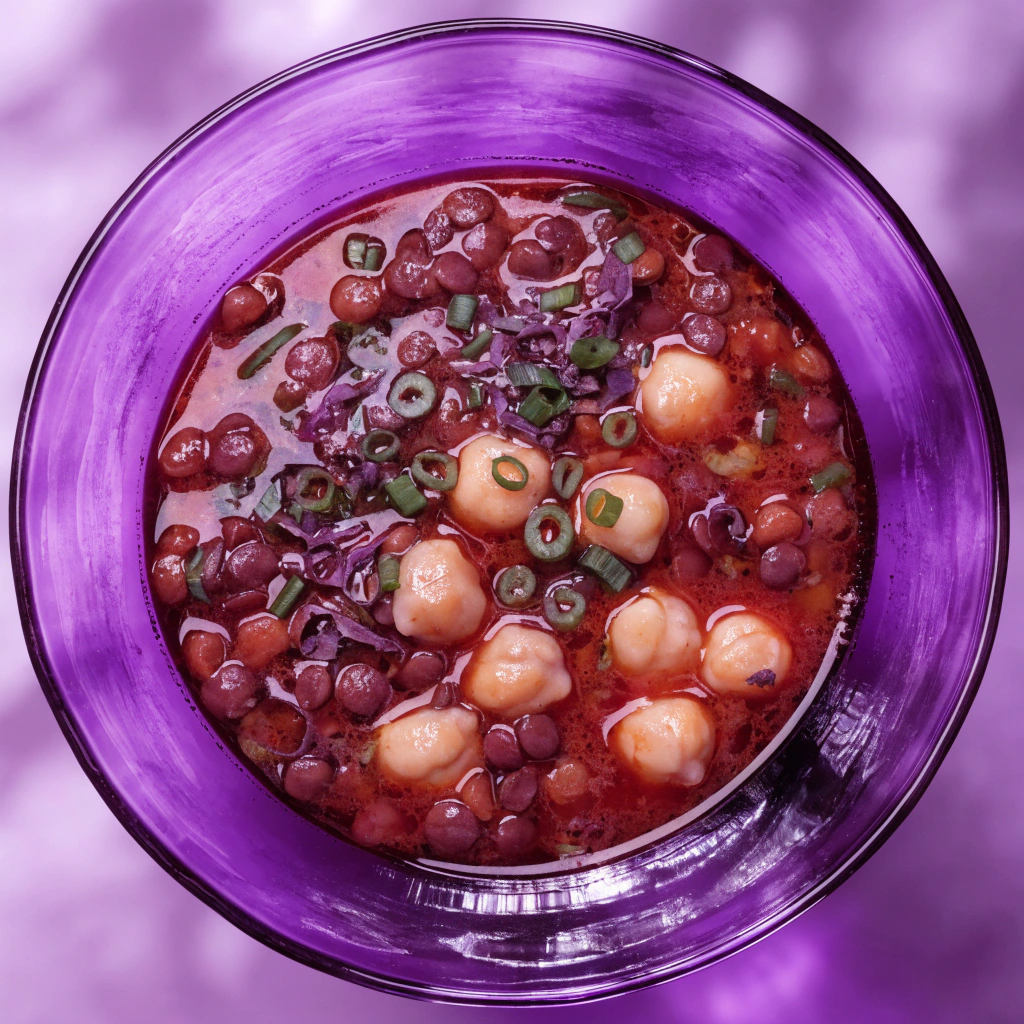
حریرا: یک سوپ خوشمزه از مراکش
حریرا یک سوپ خوشمزه است. این سوپ از کشور مراکش میآید. مردم مراکش حریرا را خیلی دوست دارند. آنها حریرا را زیاد میخورند. این سوپ از گوجه، عدس و نخود درست میشود. حریرا گرم است و طعم خوبی دارد. در حریرا گاهی کمی گوشت هم هست. سبزیجات تازه مثل گشنیز و جعفری هم در آن هست. مردم مراکش در ماه رمضان این سوپ را میخورند. حریرا یک غذای مهم و سنتی است. این سوپ به مردم انرژی میدهد. همه حریرا را دوست دارند. حریرا برای بدن خوب است.
نکته دستوری
الگو: فعل حال ساده (Present Simple Verb)
"مردم مراکش حریرا را خیلی دوست دارند."
فعل حال ساده برای کارهایی است که همیشه یا معمولا اتفاق میافتند. برای ساختن آن، ریشه فعل را با شناسه مناسب ترکیب میکنیم. مثلاً "دوست دارند" از "دوست داشتن" میآید و نشان میدهد که این کار به طور معمول انجام میشود.
الگو: افعال "است" و "هستند" (Verb "to be")
"حریرا یک سوپ خوشمزه است."
"است" و "هستند" افعال "بودن" هستند. "است" برای یک چیز (مفرد) و "هستند" برای چند چیز (جمع) استفاده میشود. این افعال برای معرفی یا توصیف چیزی به کار میروند.
درک خود را بسنجید
10 سوال · A1 مبتدی · 1 پیشنمایش رایگان
آنچه از این مقاله آموختید را بسنجید. به همه سؤالات پاسخ دهید و XP کسب کنید!
حریرا از کدام کشور میآید؟
آیا میخواهید آزمون را تمام کنید؟
9 سؤال دیگر منتظر شماست. ثبتنام رایگان کنید تا آزمون کامل را باز کنید و XP کسب کنید!
ثبتنام رایگانقبلاً ثبتنام کردی؟ ورود
جزئیات سؤالات
حریرا از کدام کشور میآید؟
پاسخ شما:
پاسخ درست: مراکش
حریرا یک سوپ سرد است.
پاسخ شما:
پاسخ درست: نادرست
معنی کلمه "مردم" چیست؟
پاسخ شما:
پاسخ درست: انسانها
حریرا یک سوپ ____ است.
پاسخ شما:
پاسخ درست: خوشمزه
حریره: سوپ معروف مراکشی
حریره یک سوپ بسیار معروف و محبوب در کشور مراکش است. برای مردم مراکش، حریره فقط یک غذا نیست، بلکه یک بخش مهم از فرهنگ و زندگی روزمره آنهاست. این سوپ گرم و خوشمزه، یک غذای خانگی و راحت است که همه آن را دوست دارند. حریره فراتر از طبقات اجتماعی است؛ چه فقیر و چه غنی، همه از خوردن آن لذت میبرند.
مردم مراکش حریره را با مواد ساده و تازه درست میکنند. مواد اصلی آن عدس، نخود و گوجه فرنگی است. آنها همچنین از سبزیجات تازه مثل گشنیز و جعفری برای طعم بهتر استفاده میکنند. ادویههایی مثل زنجبیل، زردچوبه و فلفل هم به آن اضافه میکنند. گاهی اوقات، کمی گوشت گاو یا گوسفند هم در حریره هست که آن را مقویتر میکند.
حریره یک سوپ غلیظ و سیرکننده است. مردم مراکش معمولاً حریره را هر روز میخورند، مخصوصاً در ماه رمضان، بعد از افطار. این غذا به بدن انرژی میدهد و برای سلامتی مفید است. حریره نشاندهنده روح مردم مراکش است و طعم بینظیری دارد که یادآور خانه و خانواده است.
نکته دستوری
الگو: استفاده کردن از...
"آنها همچنین از سبزیجات تازه مثل گشنیز و جعفری برای طعم بهتر استفاده میکنند."
این ساختار به معنی 'به کار بردن یک چیز' است. شما از حرف اضافه 'از' قبل از چیزی که استفاده میکنید، استفاده میکنید. فعل 'استفاده کردن' همیشه با 'از' میآید.
الگو: فقط ... نیست، بلکه ... است.
"برای مردم مراکش، حریره فقط یک غذا نیست، بلکه یک بخش مهم از فرهنگ و زندگی روزمره آنهاست."
این الگو برای نشان دادن این است که چیزی فقط یک ویژگی ندارد، بلکه ویژگی دیگری هم دارد. 'فقط' برای منفی کردن یک چیز و 'بلکه' برای اضافه کردن یک چیز دیگر استفاده میشود.
درک خود را بسنجید
11 سوال · A2 مقدماتی · 1 پیشنمایش رایگان
آنچه از این مقاله آموختید را بسنجید. به همه سؤالات پاسخ دهید و XP کسب کنید!
حریره یک غذای معروف در کدام کشور است؟
آیا میخواهید آزمون را تمام کنید؟
10 سؤال دیگر منتظر شماست. ثبتنام رایگان کنید تا آزمون کامل را باز کنید و XP کسب کنید!
ثبتنام رایگانقبلاً ثبتنام کردی؟ ورود
جزئیات سؤالات
حریره یک غذای معروف در کدام کشور است؟
پاسخ شما:
پاسخ درست: مراکش
حریره فقط برای افراد ثروتمند است.
پاسخ شما:
پاسخ درست: نادرست
معنی کلمه 'مقوی' چیست؟
پاسخ شما:
پاسخ درست: مفید برای بدن
حریره یک سوپ ____ و سیرکننده است.
پاسخ شما:
پاسخ درست: غلیظ
کدام یک از اینها معمولاً در حریره نیست؟
پاسخ شما:
پاسخ درست: سیب زمینی
Harira: The Heart of Moroccan Cuisine
Morocco is famous for many delicious dishes, but there is one special soup that has been enjoyed by families for centuries. This dish is called Harira. It is often described as the 'soup of the Moroccan soul' because it is a comfort food that everyone loves, regardless of their social class. While some Moroccan meals are very colorful and complex, Harira is a daily companion for many people.
Harira is a thick, velvety soup which is made from a base of tomatoes, lentils, and chickpeas. The soup is flavored with a vibrant bouquet of fresh herbs, such as cilantro and parsley. To make it even more delicious, spices like ginger, turmeric, and pepper are added during the cooking process. Sometimes, small pieces of beef or lamb are included to provide a richer taste. At the end of the cooking process, a handful of vermicelli is usually mixed in to give the soup a unique texture.
This famous dish is traditionally served during the holy month of Ramadan. It is the meal that is used to break the fast at sunset. Because it is full of nutrients and vitamins, it provides the energy that people need after a long day without food. However, Harira has become so popular that it is now eaten throughout the year in local cafes and homes.
In Moroccan culture, Harira is more than just a starter. It represents a sense of community and warmth. Whether it is served in a simple bowl or a beautiful ceramic dish, it brings people together. If you ever visit Morocco, you must try this amazing soup which has captured the hearts of locals and tourists alike.
نکته دستوری
الگو: Present Perfect Passive
"there is one special soup that has been enjoyed by families for centuries."
This is used to describe an action that started in the past and continues to the present, focusing on the object (the soup). It is formed using 'has/have been' + the past participle.
الگو: Passive Voice (Present Simple)
"This famous dish is traditionally served during the holy month of Ramadan."
The passive voice is used here because the action (serving the dish) is more important than who is serving it. It is formed using 'is/are' + the past participle.
درک خود را بسنجید
11 سوال · B1 متوسط · 1 پیشنمایش رایگان
آنچه از این مقاله آموختید را بسنجید. به همه سؤالات پاسخ دهید و XP کسب کنید!
Why is Harira called the 'soup of the Moroccan soul'?
آیا میخواهید آزمون را تمام کنید؟
10 سؤال دیگر منتظر شماست. ثبتنام رایگان کنید تا آزمون کامل را باز کنید و XP کسب کنید!
ثبتنام رایگانقبلاً ثبتنام کردی؟ ورود
جزئیات سؤالات
Why is Harira called the 'soup of the Moroccan soul'?
پاسخ شما:
پاسخ درست: Because it is a comfort food loved by everyone
Harira is a dish that only wealthy people in Morocco can afford.
پاسخ شما:
پاسخ درست: نادرست
What does 'vibrant' mean in the context of the article?
پاسخ شما:
پاسخ درست: Bright, strong, and full of life
Harira is described as a _____ soup made from a base of tomatoes.
پاسخ شما:
پاسخ درست: thick
When is Harira traditionally used to break the fast?
پاسخ شما:
پاسخ درست: During the month of Ramadan
Harira: The Velvety Soul of Moroccan Gastronomy
Harira is arguably the most quintessential culinary staple within the Moroccan gastronomic landscape. While other dishes, such as couscous or elaborate tagines, might capture more international attention due to their aesthetic appeal, Harira remains the daily companion of the local population. This hearty soup, characterized by its thick and velvety consistency, serves as a unifying element that transcends social hierarchies, being equally cherished in humble households and opulent residences alike. It is often described not merely as a dish, but as the 'soup of the Moroccan soul,' reflecting a deep-seated cultural identity that has been preserved for generations.
Technically, Harira is a complex legume-based soup, traditionally constructed upon a foundation of tomatoes, lentils, and chickpeas. These ingredients provide significant nutritional density, making the dish a practical choice for sustaining energy throughout the day. To achieve its signature aromatic profile, a vibrant bouquet of fresh herbs—most notably cilantro and parsley—is finely chopped and integrated into the base. This is further enhanced by a sophisticated blend of spices, including ginger, turmeric, and black pepper, which provide a subtle warmth without being overwhelmingly piquant. Small quantities of beef or lamb are frequently incorporated into the broth to enhance its richness, although vegetarian versions remain common. To achieve the desired thickness, a mixture of flour and water, known as 'tedouira,' is stirred in during the final stages of cooking, often alongside a handful of vermicelli or rice.
Furthermore, the significance of Harira is most pronounced during the holy month of Ramadan. The soup, which is traditionally consumed to break the fast during the sunset meal known as Iftar, provides an immediate source of hydration and minerals. Its role in this context is almost ritualistic; the scent of Harira simmering in kitchens across the country is an indispensable part of the spiritual atmosphere. While regional nuances exist—with some families adding eggs or varying the ratio of spices—the core ingredients must remain consistent for the dish to be recognized as authentic Harira.
In conclusion, Harira represents a remarkable intersection of nutrition, tradition, and social cohesion. It is a testament to how a relatively simple combination of legumes and herbs can be elevated into a symbol of national heritage. For any observer wishing to understand the Moroccan spirit, analyzing the role of this soup offers a profound insight into the country's communal values and culinary history.
نکته دستوری
الگو: Passive Voice
"Small quantities of beef or lamb are frequently incorporated into the broth to enhance its richness."
The passive voice is used here to focus on the action (incorporating meat) rather than the person performing the action, which is common in formal descriptions of processes.
الگو: Non-defining Relative Clauses
"The soup, which is traditionally consumed to break the fast during the holy month of Ramadan, provides an immediate source of energy."
This clause adds extra information about the soup without being essential to the identity of the subject. It is separated by commas.
الگو: Modal Verbs for Logical Necessity
"While regional variations exist, the core ingredients must remain consistent for the dish to be recognized as authentic Harira."
The modal 'must' is used here to express a requirement or a logical necessity for the dish to maintain its authentic status.
درک خود را بسنجید
11 سوال · B2 بالاتر از متوسط · 1 پیشنمایش رایگان
آنچه از این مقاله آموختید را بسنجید. به همه سؤالات پاسخ دهید و XP کسب کنید!
Why is Harira described as a 'unifying element' in Morocco?
آیا میخواهید آزمون را تمام کنید؟
10 سؤال دیگر منتظر شماست. ثبتنام رایگان کنید تا آزمون کامل را باز کنید و XP کسب کنید!
ثبتنام رایگانقبلاً ثبتنام کردی؟ ورود
جزئیات سؤالات
Why is Harira described as a 'unifying element' in Morocco?
پاسخ شما:
پاسخ درست: Because it is enjoyed by people of all social classes.
Harira is primarily valued for its visual appearance compared to other Moroccan dishes.
پاسخ شما:
پاسخ درست: نادرست
What does 'consistency' refer to in the context of the article?
پاسخ شما:
پاسخ درست: The thickness or texture of the soup.
The soup's aromatic profile is achieved through a vibrant bouquet of fresh _____.
پاسخ شما:
پاسخ درست: herbs
What is 'tedouira' used for in the preparation of Harira?
پاسخ شما:
پاسخ درست: To thicken the soup using flour and water.
Harira: The Gastronomic Tapestry of Moroccan Identity
Rarely does a culinary preparation encapsulate the collective consciousness of a nation as profoundly as Harira. Often referred to as the 'soup of the Moroccan soul,' Harira transcends its status as mere sustenance to become a quintessential manifestation of Moroccan identity. While the Kingdom’s more visually striking dishes, such as the elaborate couscous or the ornate bastilla, may garner international acclaim, it is the humble Harira that permeates the daily existence of the populace. Its ubiquity across the diverse landscapes of Morocco—from the bustling medinas of Fes to the remote outposts of the Atlas Mountains—underscores its role as a cultural cornerstone.
The meticulous orchestration of tomatoes, pulses, and herbs facilitates a sensory experience that defies simple categorization. At its core, Harira is a legume-based soup, primarily featuring lentils and chickpeas, which provide a robust textural foundation. However, the complexity of the dish is elevated by the interplay of fresh cilantro, parsley, and celery, harmonized with a vibrant spice profile of ginger, turmeric, and black pepper. A subtle infusion of lamb or beef often contributes a layer of richness, yet the soup’s true character is defined by the 'tedouira'—a thickening agent composed of flour and water, sometimes enriched with tomato paste. It is the addition of the tedouira that transforms the broth into a velvety, viscous masterpiece, a process requiring both patience and precision.
Critically, Harira serves as a vehicle for gastronomic egalitarianism. In a society where economic disparities can be stark, this dish acts as a unifying force. It is the soup’s inherent egalitarianism that allows it to be served with equal reverence in the most opulent palaces and the most modest households. Whether one is a merchant, an academic, or a laborer, the olfactory landscape of a Moroccan evening is invariably shaped by the simmering aroma of Harira. This commonality fosters a sense of social equilibrium, reinforcing the notion that certain cultural treasures are exempt from the hierarchies of wealth.
The ritualistic significance of Harira reaches its zenith during the holy month of Ramadan. As the sun dips below the horizon and the 'adhan' echoes through the air, the fast is traditionally broken with dates and a steaming bowl of Harira. This transition from abstinence to nourishment is not merely biological; it is a profound communal experience. The soup’s warmth and nutrient density provide immediate restorative benefits, but its symbolic value is far greater. It represents the shared endurance of the community and the collective celebration of faith.
In conclusion, Harira is far more than a staple of the Moroccan diet. It is a nuanced equilibrium of flavor and tradition, a dish that has weathered the passage of time without losing its relevance. Through its meticulous preparation and universal appeal, Harira continues to stitch together the various threads of the Moroccan socio-cultural fabric. Its transcendence of social boundaries ensures that it remains, and will likely always be, the definitive liquid gold of the Maghreb.
نکته دستوری
الگو: Inversion with Negative Adverbials
"Rarely does a culinary preparation encapsulate the collective consciousness of a nation as profoundly as Harira."
When a sentence starts with a negative or restrictive adverb like 'rarely' or 'seldom', the subject and auxiliary verb are inverted to add emphasis and formal tone. This structure is common in academic and sophisticated writing.
الگو: Cleft Sentences (It-cleft)
"It is the soup’s inherent egalitarianism that allows it to be served with equal reverence in the most opulent palaces and the most modest households."
Cleft sentences are used to focus on a specific part of the sentence (the focus). By starting with 'It is/was', the writer highlights the specific cause or reason—in this case, the soup's egalitarian nature.
الگو: Nominalisation
"The meticulous orchestration of tomatoes, pulses, and herbs facilitates a sensory experience that defies simple categorization."
Nominalisation involves turning verbs or adjectives into nouns (e.g., 'orchestrate' to 'orchestration'). This allows for more abstract, dense, and formal sentence structures typical of C1 level discourse.
درک خود را بسنجید
12 سوال · C1 پیشرفته · 1 پیشنمایش رایگان
آنچه از این مقاله آموختید را بسنجید. به همه سؤالات پاسخ دهید و XP کسب کنید!
What is the primary function of the 'tedouira' in the preparation of Harira?
آیا میخواهید آزمون را تمام کنید؟
11 سؤال دیگر منتظر شماست. ثبتنام رایگان کنید تا آزمون کامل را باز کنید و XP کسب کنید!
ثبتنام رایگانقبلاً ثبتنام کردی؟ ورود
جزئیات سؤالات
What is the primary function of the 'tedouira' in the preparation of Harira?
پاسخ شما:
پاسخ درست: To act as a thickening agent
According to the article, Harira is primarily consumed by the wealthy elite in Morocco.
پاسخ شما:
پاسخ درست: نادرست
What does the word 'olfactory' refer to?
پاسخ شما:
پاسخ درست: The sense of smell
The soup's _____ across Morocco underscores its role as a cultural cornerstone.
پاسخ شما:
پاسخ درست: ubiquity
In what context does Harira reach its 'zenith' or highest point of cultural importance?
پاسخ شما:
پاسخ درست: During the holy month of Ramadan
The article suggests that Harira is more visually impressive than couscous.
پاسخ شما:
پاسخ درست: نادرست
حریره: تجسد روح مراکش در کاسهای از طعم و سنت
در میان گنجینه بیشمار غذاهای جهانی، معدودند آنهایی که همچون حریره، این سوپ اصیل مراکشی، بتوانند به چنین عمقی با هویت و روح یک ملت درآمیزند. حریره، نه صرفاً یک غذای ساده، بلکه استعارهای است از پیوستگی، سخاوت و مقاومت مردم مراکش؛ غذایی که فراتر از هرگونه تقسیمبندی طبقاتی، بر سر سفره هر خانهای، از فقیرترین تا مرفهترین، جایگاهی بیبدیل دارد. شاید بتوان گفت که اگر هر کشوری یک «سوپ روح» داشته باشد، حریره بیشک این عنوان را برای مراکش به خود اختصاص میدهد.
این معجون دلپذیر که عمدتاً با فرارسیدن ماه مبارک رمضان پیوندی ناگسستنی مییابد، در طول سال نیز به عنوان یک غذای مقوی و آرامشبخش، بهویژه در فصول سرد، مورد استقبال قرار میگیرد. ساختار اصلی حریره بر پایه گوجهفرنگیهای رسیده، عدس و نخود استوار است؛ اما این تنها پوسته بیرونی این شاهکار آشپزی است. آنچه به حریره عمق و پیچیدگی میبخشد، ترکیبی استادانه از ادویهجات معطر و سبزیجات تازه است. گشنیز و جعفری تازه، با عطر نافذ خود، در کنار زنجبیل، زردچوبه و فلفل، سمفونی از طعمها را خلق میکنند که در هر قاشق، حس سرزندگی و گرما را به ارمغان میآورد. گاهی نیز برای غنای بیشتر، مقادیر اندکی گوشت گاو یا بره به آن افزوده میشود که به بافت مخملی و طعم عمیقتر آن کمک شایانی میکند. در مراحل پایانی پخت، افزودن رشته فرنگی یا برنج، سوپ را به غلظت مطلوب میرساند و آن را به یک وعده غذایی کامل تبدیل میکند.
تأملبرانگیز است که چگونه یک غذای به ظاهر ساده میتواند چنین نقش محوری در فرهنگ یک ملت ایفا کند. حریره تنها سیرکننده جسم نیست، بلکه سیرابکننده روح جمعی مراکشیهاست. این سوپ، نمادی از گردهماییهای خانوادگی، پایان روزه و آغاز جشن است. در مراسم افطار، کاسههای حریره اولین چیزی هستند که به روزهداران خسته آرامش میبخشند و انرژی از دست رفته را بازمیگردانند. این پدیده، به خوبی دلالت بر قدرت غذا در ایجاد و تقویت پیوندهای اجتماعی و حفظ سنتهای کهن دارد. اینگونه است که حریره، از یک خوراک روزمره، به یک میراث فرهنگی زنده بدل شده است.
با این حال، پیچیدگی حریره تنها در مواد تشکیلدهندهاش خلاصه نمیشود؛ بلکه در ظرافتهای پخت و توازن دقیق میان عناصر است که هنر آشپزی مراکشی را به رخ میکشد. هر خانوادهای ممکن است دستور پخت خاص خود را داشته باشد که نسل به نسل منتقل شده است، اما جوهر اصلی و روح حریره همواره ثابت میماند. این پایداری در عین تنوع، خود گواهی است بر جایگاه رفیع این سوپ در قلب و جان مردم مراکش. میتوان چنین استنباط کرد که حریره، بیش از آنکه یک غذا باشد، یک تجربه فرهنگی، یک روایت تاریخی و یک پیوند ناگسستنی با ریشههای عمیق مراکشی است که هر بار با نوشیدن آن، نه تنها طعم لذیذش، بلکه داستانها و خاطرات بیشماری نیز زنده میشوند. این سوپ، به راستی، «سوپ روح مراکشی» است که در هر قاشق آن، طعم اصالت و زندگی جاری است.
نکته دستوری
الگو: کاربرد وجه التزامی برای بیان احتمال یا امکان
"شاید بتوان گفت که اگر هر کشوری یک «سوپ روح» داشته باشد، حریره بیشک این عنوان را برای مراکش به خود اختصاص میدهد."
وجه التزامی (مانند «بتوان گفت») در فارسی برای بیان احتمال، امکان، شک، آرزو یا ضرورت به کار میرود. در این جمله، برای بیان یک گمانه زنی یا احتمال قوی به کار رفته است که به متن حالتی آکادمیک و تحلیلی میبخشد. این ساختار معمولاً با افعالی مانند «شاید»، «ممکن است» و «باید» همراه میشود.
الگو: ساختارهای مرکب فعلی با فعل «یافتن»
"این معجون دلپذیر که عمدتاً با فرارسیدن ماه مبارک رمضان پیوندی ناگسستنی مییابد، در طول سال نیز به عنوان یک غذای مقوی و آرامشبخش، بهویژه در فصول سرد، مورد استقبال قرار میگیرد."
فعل «یافتن» اغلب در فارسی برای ساختن افعال مرکب به کار میرود و معنای «حاصل شدن»، «به دست آمدن» یا «پیدا کردن» میدهد. در این مثال، «پیوند ناگسستنی مییابد» به معنای «پیوند ناگسستنی برقرار میکند» یا «دارای پیوند ناگسستنی میشود» است. این ساختارها به غنای زبانی متن کمک کرده و آن را رسمیتر میکنند.
الگو: عبارات موصولی طولانی و پیچیده
"در میان گنجینه بیشمار غذاهای جهانی، معدودند آنهایی که همچون حریره، این سوپ اصیل مراکشی، بتوانند به چنین عمقی با هویت و روح یک ملت درآمیزند."
عبارات موصولی با استفاده از «که» یا «آنهایی که» برای توصیف بیشتر یک اسم یا ضمیر به کار میروند. در سطح C2، این عبارات میتوانند بسیار طولانی و دارای جزئیات فراوان باشند و شامل چندین بخش توضیحی (مانند «همچون حریره، این سوپ اصیل مراکشی») باشند. این ساختار به انتقال اطلاعات پیچیده و دقیق در یک جمله واحد کمک میکند و انسجام متن را افزایش میدهد.
درک خود را بسنجید
12 سوال · C2 تسلط · 1 پیشنمایش رایگان
آنچه از این مقاله آموختید را بسنجید. به همه سؤالات پاسخ دهید و XP کسب کنید!
کدام یک از ویژگیهای زیر در مورد حریره به عنوان «سوپ روح مراکش» در متن ذکر شده است؟
آیا میخواهید آزمون را تمام کنید؟
11 سؤال دیگر منتظر شماست. ثبتنام رایگان کنید تا آزمون کامل را باز کنید و XP کسب کنید!
ثبتنام رایگانقبلاً ثبتنام کردی؟ ورود
جزئیات سؤالات
کدام یک از ویژگیهای زیر در مورد حریره به عنوان «سوپ روح مراکش» در متن ذکر شده است؟
پاسخ شما:
پاسخ درست: فراتر از تقسیمبندی طبقاتی است و نماد پیوستگی است.
ساختار اصلی حریره بر پایه گوجهفرنگی، عدس و نخود استوار است.
پاسخ شما:
پاسخ درست: درست
کلمه «ناگسستنی» به چه معناست؟
پاسخ شما:
پاسخ درست: غیرقابل تقسیم
حریره تنها سیرکننده جسم نیست، بلکه سیرابکننده روح _______ است.
پاسخ شما:
پاسخ درست: جمعی
عطر و طعم حریره عمدتاً از چه ترکیباتی حاصل میشود؟
پاسخ شما:
پاسخ درست: ترکیبی استادانه از ادویهجات معطر و سبزیجات تازه.
پیچیدگی حریره تنها در مواد تشکیلدهندهاش خلاصه میشود و ربطی به ظرافتهای پخت ندارد.
پاسخ شما:
پاسخ درست: نادرست

