The Ramadan Feast in Turkey
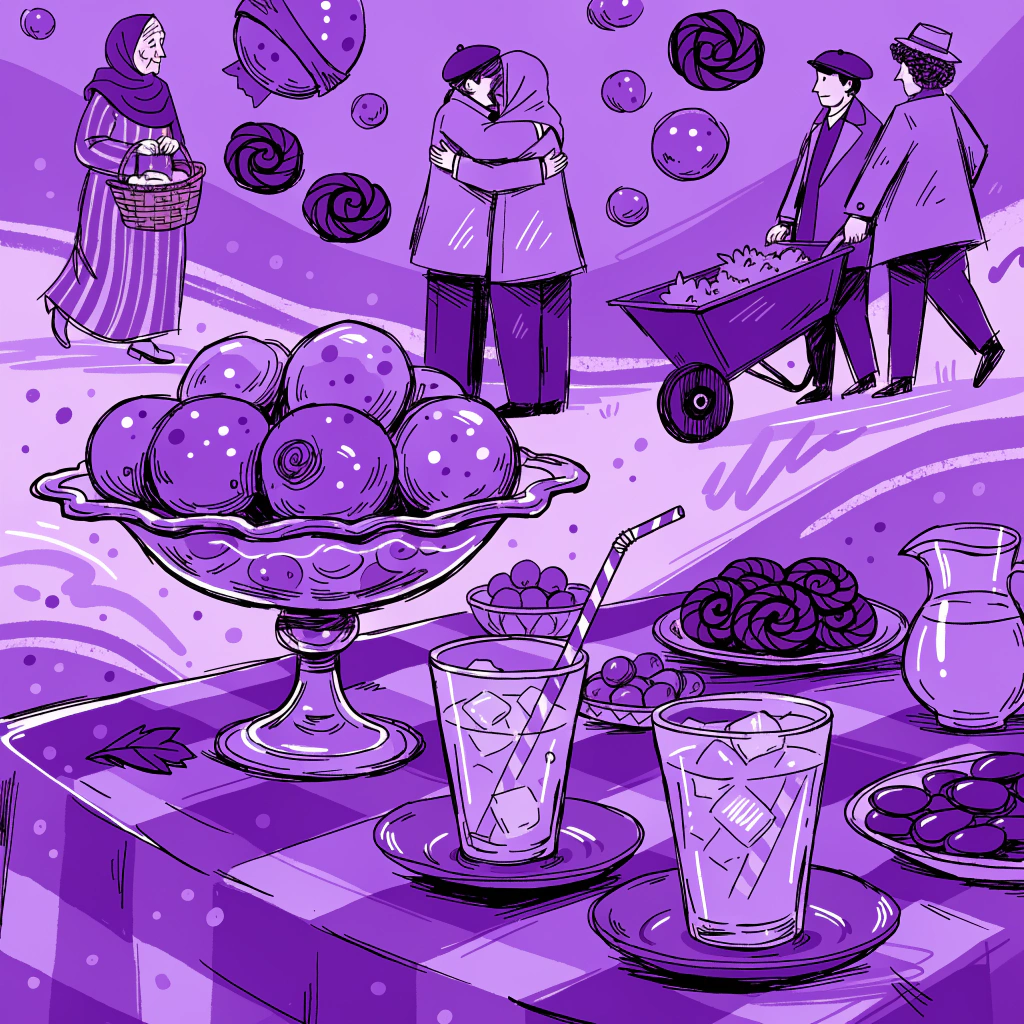
Ramadan Feast is a very important holiday in Turkey. People also call it the Sugar Feast. This holiday comes after the month of Ramadan. It lasts for three days.
In the morning, families wake up early. They wear new and clean clothes. Many people go to the mosque. Then, they visit their parents and grandparents. Children are very happy. They get many sweets, candy, and chocolate. Some children also get money from their elders.
People eat delicious food together. They talk and laugh. It is a time for love and peace. Everyone says "Happy Bayram" to their neighbors and friends.
نکته دستوری
الگو: حال ساده برای حقایق
"It lasts for three days."
ما از حال ساده برای صحبت کردن درباره چیزهایی استفاده میکنیم که همیشه درست هستند یا حقایق عمومیاند. برای 'he', 'she' و 'it' به فعل -s اضافه میکنیم.
الگو: صفتها قبل از اسمها
"They wear new and clean clothes."
صفتها اسمها را توصیف میکنند یا اطلاعات بیشتری درباره آنها میدهند. در انگلیسی، معمولاً صفت را قبل از اسمی که توصیف میکند میآوریم.
درک خود را بسنجید
10 سوال · A1 مبتدی · 1 پیشنمایش رایگان
آنچه از این مقاله آموختید را بسنجید. به همه سؤالات پاسخ دهید و XP کسب کنید!
جشن رمضان چند روز طول میکشد؟
آیا میخواهید آزمون را تمام کنید؟
9 سؤال دیگر منتظر شماست. ثبتنام رایگان کنید تا آزمون کامل را باز کنید و XP کسب کنید!
ثبتنام رایگانقبلاً ثبتنام کردی؟ ورود
جزئیات سؤالات
جشن رمضان چند روز طول میکشد؟
پاسخ شما:
پاسخ درست: سه روز
مردم در عید لباسهای کهنه و کثیف میپوشند.
پاسخ شما:
پاسخ درست: نادرست
منظور از 'early' چیست؟
پاسخ شما:
پاسخ درست: نزدیک به شروع روز
بچهها کلی _____ و شکلات میگیرند.
پاسخ شما:
پاسخ درست: sweets
Celebrating Ramazan Bayramı in Turkey
Ramazan Bayramı is a very important holiday in Turkey. People also call it 'Şeker Bayramı' because children get many sweets. It happens after the holy month of Ramadan. Last year, the holiday was very exciting because many people traveled to see their families in different cities. This holiday usually lasts for three days.
On the first morning, men go to the mosque for a special prayer. After the prayer, everyone wears their newest and best clothes. Children visit their older relatives, like grandparents, and kiss their hands to show respect. In return, the older people give the children money or candy. Children love this holiday more than normal days because they get many gifts.
During the three days, families visit their neighbors and friends. They eat delicious traditional foods like baklava and Turkish delight. Because this holiday is about peace, people who were angry with each other became friends again. It is a wonderful and colorful time in Turkey.
نکته دستوری
الگو: صفتهای تفضیلی (مقایسهای)
"Children love this holiday more than normal days because they get many gifts."
ما از 'more than' با صفتها یا قیدهای بلندتر برای مقایسه دو چیز استفاده میکنیم. در این جمله، این تعطیلات با روزهای عادی مقایسه میشود.
الگو: گذشته ساده (فعلهای بیقاعده)
"Because this holiday is about peace, people who were angry with each other became friends again."
کلمه 'became' شکل گذشته ساده فعل 'become' است. ما از گذشته ساده برای صحبت در مورد کارها یا حالتهایی که در گذشته اتفاق افتاده استفاده میکنیم.
درک خود را بسنجید
11 سوال · A2 مقدماتی · 1 پیشنمایش رایگان
آنچه از این مقاله آموختید را بسنجید. به همه سؤالات پاسخ دهید و XP کسب کنید!
چرا مردم این عید را 'شکر بایرام' (Şeker Bayramı) مینامند؟
آیا میخواهید آزمون را تمام کنید؟
10 سؤال دیگر منتظر شماست. ثبتنام رایگان کنید تا آزمون کامل را باز کنید و XP کسب کنید!
ثبتنام رایگانقبلاً ثبتنام کردی؟ ورود
جزئیات سؤالات
چرا مردم این عید را 'شکر بایرام' (Şeker Bayramı) مینامند؟
پاسخ شما:
پاسخ درست: چون بچهها شیرینیهای زیادی میگیرند
این تعطیلات در ترکیه یک هفته طول میکشد.
پاسخ شما:
پاسخ درست: نادرست
کلمه 'delicious' به چه معناست؟
پاسخ شما:
پاسخ درست: برای خوردن بسیار خوب
بچهها برای نشان دادن احترام، _____ بستگان بزرگتر خود را میبوسند.
پاسخ شما:
پاسخ درست: hands
مردان در اولین صبح روز عید کجا میروند؟
پاسخ شما:
پاسخ درست: به مسجد
Celebrating Ramazan Bayramı: Turkey's Sweetest Festival
Ramazan Bayramı is one of the most important religious holidays in Turkey. It has been celebrated for centuries to mark the end of the fasting month of Ramadan. Many people also call it 'Şeker Bayramı', or the Sugar Feast, because children are given many sweets and traditional candies during this time.
Preparation for the holiday usually starts several days before it begins. Houses are cleaned thoroughly from top to bottom, and special traditional foods like baklava are prepared by families. On the first morning of the feast, men go to the mosque for a special prayer. When they return home, families gather for a large breakfast which is enjoyed by everyone after a month of fasting.
Showing respect for elders is a key part of the tradition. Children, who have waited patiently for this day, visit their relatives and neighbors to offer their greetings. They often kiss the hands of older family members and receive 'bayram harçlığı', which is a small amount of pocket money. It is also a time when old arguments are forgotten and people who have not spoken for a long time finally reconcile.
The overall atmosphere in Turkey changes during these three days. Streets are decorated with lights, and public transport is often made free for everyone to visit their loved ones. This festival, which brings families together, remains a vital part of Turkish culture today. It is a beautiful period of peace, joy, and community connection.
نکته دستوری
الگو: حال کامل
"It has been celebrated for centuries to mark the end of the fasting month of Ramadan."
حال کامل (have/has + اسم مفعول) اینجا استفاده شده تا عملی رو توصیف کنه که در گذشته شروع شده و هنوز هم در زمان حال درست یا مرتبط هست. این ساختار بر مدت زمان تاریخی سنت تأکید داره.
الگو: عبارات موصولی
"Children, who have waited patiently for this day, visit their relatives and neighbors."
این جمله از یک عبارت موصولی غیرتعریفی استفاده میکنه که با 'who' شروع میشه تا اطلاعات اضافی در مورد فاعل (بچهها) ارائه بده. کاماها نشون میده که این اطلاعات توصیفی هستن و برای شناسایی اینکه کدوم بچهها مورد بحث هستن، ضروری نیستن.
درک خود را بسنجید
11 سوال · B1 متوسط · 1 پیشنمایش رایگان
آنچه از این مقاله آموختید را بسنجید. به همه سؤالات پاسخ دهید و XP کسب کنید!
چرا عید رمضان رو «شکر بایرامی» هم مینامند؟
آیا میخواهید آزمون را تمام کنید؟
10 سؤال دیگر منتظر شماست. ثبتنام رایگان کنید تا آزمون کامل را باز کنید و XP کسب کنید!
ثبتنام رایگانقبلاً ثبتنام کردی؟ ورود
جزئیات سؤالات
چرا عید رمضان رو «شکر بایرامی» هم مینامند؟
پاسخ شما:
پاسخ درست: چون بچهها شیرینی و آبنبات زیاد میگیرند.
آمادهسازی برای تعطیلات معمولاً از اولین روز عید شروع میشه.
پاسخ شما:
پاسخ درست: نادرست
«آشتی کردن» در متن مقاله به چه معناست؟
پاسخ شما:
پاسخ درست: آشتی کردن بعد از یک دعوا.
اولین صبح عید، مردها برای یک نماز ویژه به _____ میروند.
پاسخ شما:
پاسخ درست: mosque
بچهها چه حرکت سنتی رو برای اعضای بزرگتر خانواده انجام میدهند؟
پاسخ شما:
پاسخ درست: دستاشون رو میبوسند.
Ramazan Bayramı: The Spirit of Unity and Tradition in Turkey
Ramazan Bayramı, also known as Şeker Bayramı, stands as one of the most prestigious religious holidays in Turkey. Having fasted from dawn until sunset for thirty days, citizens welcome this three-day celebration with open arms. It is a period when the atmosphere across the nation shifts from the quiet, introspective nature of Ramadan to a vibrant display of communal joy. Historically, the holiday has served as a catalyst for reconciliation, where old grievances are set aside in favor of unity and harmony. The transition is marked by a flurry of activity known as holiday cleaning, ensuring that homes are prepared for the influx of guests.
The observance begins with a special morning prayer at the mosque, after which the social festivities officially commence. It is customary for younger family members to visit their elders, a gesture that emphasizes respect and continuity. During these visits, the 'el öpme' tradition is performed: children kiss the hands of older relatives and place them on their foreheads as a sign of reverence. In return, they are affectionately given pocket money or sweets, which explains why the holiday is predominantly referred to as the 'Sugar Feast' by children. This exchange strengthens the intergenerational bonds that are central to Turkish society.
Hospitality plays a central role in the Turkish experience of the festival. Households are meticulously prepared, and guests are offered an array of traditional desserts, most notably baklava and Turkish delight. These culinary traditions are not merely about indulgence; they symbolize the sweetness and prosperity that families wish for one another in the coming year. Furthermore, the significance of charity cannot be overlooked. Before the holiday begins, many Muslims provide 'Fitra'—a form of obligatory almsgiving—to ensure that even the less fortunate can participate in the festivities with dignity.
In modern times, although many urban dwellers use the long break for coastal vacations, the essence of the holiday remains rooted in family values. Whether through digital messages or traditional visits, the effort to connect with loved ones highlights the enduring nature of Turkish culture. Ultimately, Ramazan Bayramı is more than just a religious obligation; it is a profound cultural landmark that continues to unite the nation through shared values of compassion, forgiveness, and gratitude. It serves as a reminder that, despite the fast pace of modern life, the traditions of the past still hold a vital place in the hearts of the people.
نکته دستوری
الگو: جملهوارههای وصفی با وجه وصفی حال
"Having fasted from dawn until sunset for thirty days, citizens welcome this three-day celebration with open arms."
یک جملهواره وصفی که برای بیان دلیل یا توالی رویدادها استفاده میشود. عبارت «Having fasted» نشان میدهد که عمل روزه گرفتن قبل از استقبال از تعطیلات اتفاق افتاده است.
الگو: ساختار مجهول (حال ساده)
"Households are meticulously prepared, and guests are offered an array of traditional desserts..."
زمانی استفاده میشود که عمل (آماده کردن خانه یا تعارف دسر) مهمتر از فاعل آن باشد. این ساختار با فعل «to be» و شکل سوم فعل (past participle) ساخته میشود.
الگو: جملات موصولی غیرتوصیفی (Non-defining)
"...which explains why the holiday is predominantly referred to as the 'Sugar Feast' by children."
این جملهواره اطلاعات اضافی به عبارت قبلی اضافه میکند. استفاده از «which» در ابتدای جملهواره به نویسنده این امکان را میدهد که در مورد کل ایده قبلی توضیح دهد.
درک خود را بسنجید
11 سوال · B2 بالاتر از متوسط · 1 پیشنمایش رایگان
آنچه از این مقاله آموختید را بسنجید. به همه سؤالات پاسخ دهید و XP کسب کنید!
سنت «el öpme» (دستبوسی) عمدتاً نشانه چیست؟
آیا میخواهید آزمون را تمام کنید؟
10 سؤال دیگر منتظر شماست. ثبتنام رایگان کنید تا آزمون کامل را باز کنید و XP کسب کنید!
ثبتنام رایگانقبلاً ثبتنام کردی؟ ورود
جزئیات سؤالات
سنت «el öpme» (دستبوسی) عمدتاً نشانه چیست؟
پاسخ شما:
پاسخ درست: حرکتی برای ابراز احترام و ادب به بزرگترها
عید فطر در ترکیه دقیقاً یک هفته طول میکشد.
پاسخ شما:
پاسخ درست: نادرست
کلمه «reconciliation» (آشتی) در متن به چه معناست؟
پاسخ شما:
پاسخ درست: برقراری مجدد روابط دوستانه
مهماننوازی نقشی _____ در تجربه ترکی این جشن دارد.
پاسخ شما:
پاسخ درست: central
چرا این عید اغلب «عید شکر» نامیده میشود؟
پاسخ شما:
پاسخ درست: به خاطر هدیه سنتی شیرینی به کودکان
The Tapestry of Tradition: Navigating the Socio-Cultural Landscape of Ramazan Bayramı
Seldom does a cultural phenomenon permeate the collective consciousness of a society as comprehensively as Ramazan Bayramı does in modern Turkey. Known colloquially as the 'Sugar Feast,' this three-day observance marks the conclusion of Ramadan, a period defined by spiritual introspection and physical restraint. The transition from the rigorous asceticism of the lunar month to the unbridled exuberance of the festival represents a profound psychological catharsis for millions. What remains most striking to the external observer is the seamless juxtaposition of ancient religious solemnity and contemporary festive levity.
In the Turkish context, the holiday is as much a sociological event as it is a religious one. It is the act of reconciliation that defines the holiday's spiritual core; estranged relatives are expected to set aside grievances, fostering a communal sense of renewal. This process is often facilitated by the 'el öpmek' ritual, where younger generations kiss the hands of their elders as a sign of respect and subservience to familial hierarchy. In return, the elders bestow blessings and, quite frequently, small tokens of currency or sweets upon the youth, reinforcing the reciprocal nature of societal bonds.
The debate surrounding the nomenclature of the holiday—whether to refer to it as 'Ramazan Bayramı' or 'Şeker Bayramı'—reveals a fascinating socio-political dichotomy. While the former emphasizes the religious origin of the feast, the latter highlights the secular, sensory delights of the occasion. Regardless of the label, the meticulous preparation of traditional delicacies, such as honey-drenched baklava and aromatic Turkish delight, underscores the enduring importance of hospitality. The sheer volume of confectionaries consumed during this period has led to the holiday's popular association with sweetness, both literal and metaphorical.
However, the pressures of globalization and the rapid pace of urban life have introduced a certain nuance to how the holiday is perceived by the younger demographic. For some, the traditional requirement of visiting multiple households in a single day is facing a slow obsolescence, replaced instead by the allure of a coastal vacation. Critics argue that this shift towards 'holidaying' over 'visiting' dilutes the communal fabric of the nation. Conversely, proponents suggest that any form of respite is necessary in a high-stress economy, and that the essence of the feast adapts to the needs of the time.
Ultimately, Ramazan Bayramı serves as a resilient bastion of cultural identity. It is the spirit of inclusivity and the revitalization of familial bonds that ensure its continued relevance. Whether through the quiet reflection of a morning prayer or the lively chatter of a crowded dinner table, the feast remains an indispensable pillar of Turkish life, bridging the gap between the historical past and an evolving future. The manifest persistence of these traditions, even in the face of modern skepticism, highlights the human necessity for shared ritual and the celebration of endurance.
نکته دستوری
الگو: وارونگی منفی (Negative Inversion)
"Seldom does a cultural phenomenon permeate the collective consciousness of a society as comprehensively as Ramazan Bayramı does in modern Turkey."
وقتی از قیدهای منفی یا محدودکننده مثل 'seldom' در ابتدای جمله استفاده میکنیم، فعل کمکی قبل از فاعل میاد. این ساختار برای تأکید استفاده میشه و در نوشتار رسمی سطح C1 خیلی رایجه.
الگو: جملات تأکیدی (Cleft Sentences)
"It is the act of reconciliation that defines the holiday's spiritual core."
جمله تأکیدی یا Cleft یک پیام رو به دو بخش تقسیم میکنه تا روی اطلاعات خاصی تمرکز کنه. اینجا، ساختار 'It is [focus] that...' روی «عمل آشتی» به عنوان عامل اصلی تعریفکننده تأکید داره.
الگو: اسمسازی (Nominalisation)
"The meticulous preparation of traditional delicacies underscores the importance of hospitality."
اسمسازی یعنی تبدیل فعل (مثلا prepare) یا صفت به اسم (مثلا preparation). این کار با تمرکز بر مفاهیم به جای کارها، لحنی آکادمیکتر و پیچیدهتر به جمله میده.
درک خود را بسنجید
12 سوال · C1 پیشرفته · 1 پیشنمایش رایگان
آنچه از این مقاله آموختید را بسنجید. به همه سؤالات پاسخ دهید و XP کسب کنید!
طبق مقاله، بحث بر سر نامگذاری عید به «رمضان» یا «شکر» نشاندهنده چیست؟
آیا میخواهید آزمون را تمام کنید؟
11 سؤال دیگر منتظر شماست. ثبتنام رایگان کنید تا آزمون کامل را باز کنید و XP کسب کنید!
ثبتنام رایگانقبلاً ثبتنام کردی؟ ورود
جزئیات سؤالات
طبق مقاله، بحث بر سر نامگذاری عید به «رمضان» یا «شکر» نشاندهنده چیست؟
پاسخ شما:
پاسخ درست: یک شکاف اجتماعی-سیاسی بین دیدگاههای مذهبی و سکولار.
رسم «بوسیدن دست» (el öpmek) به عنوان راهی برای نشان دادن تبعیت بزرگترها از نسل جوان توصیف شده است.
پاسخ شما:
پاسخ درست: نادرست
کدام کلمه فرآیند رهاسازی احساسات قوی پس از یک دوره خویشتنداری را توصیف میکند؟
پاسخ شما:
پاسخ درست: تزکیه نفس
گذار از روزه یک ماهه به جشن، برای بسیاری از شرکتکنندگان یک _____ روانی است.
پاسخ شما:
پاسخ درست: catharsis
یکی از انتقادات اصلی که در مورد روند مدرن رفتن به تعطیلات در طول عید ذکر شده چیست؟
پاسخ شما:
پاسخ درست: پیوندهای اجتماعی و عمومی سنتی ملت را تضعیف میکند.
مقاله نشان میدهد که عید فطر در حال از دست دادن اهمیت خود در زندگی مدرن ترکیه است.
پاسخ شما:
پاسخ درست: نادرست
The Sociocultural Tapestry of Ramazan Bayramı: A Study in Reconciliation and Continuity
The transition from the month of Ramadan to the festivities of the Bayram is not merely a chronological progression but a profound psychological pivot in the Turkish collective consciousness. As the period of asceticism draws to a close, the nation undergoes a metamorphosis, shifting from the introspective solemnity of fasting to a vibrant, albeit nuanced, celebration of communal resilience. This three-day observance, known formally as Ramazan Bayramı and colloquially as Şeker Bayramı, serves as a quintessential paradigm of how religious precepts intertwine with secular cultural identities. Seldom does a tradition so effectively bridge the chasm between the sacred and the profane, transforming a religious obligation into a multidimensional social event that transcends generational divides.
Historically, the nomenclature of the holiday has been a subject of scholarly discourse. While the term 'Ramazan Bayramı' anchors the event in its theological origins, the 'Sugar Feast' (Şeker Bayramı) moniker has gained traction due to the pervasive indulgence in sweets and the hospitable distribution of confections to children. Some purists argue that the latter terminology risks trivializing the spiritual gravity of the fast; however, others posit that it reflects the sweetness of reconciliation and the joy of breaking bread together. Regardless of the preferred designation, the underlying ethos remains one of profound altruism and the meticulous restoration of social bonds. Were the youth to neglect the venerated tradition of kissing the hands of their elders, the very fabric of Turkish social hierarchy might begin to fray, as this gesture signifies not only respect but also the continuity of ancestral wisdom.
In the contemporary era, the traditional 'Bayramlaşma'—the act of formal visitation—is facing a paradigm shift. With the increasing urbanization and the relentless pace of modern life, many families have begun to view the holiday as an opportunity for an ephemeral escape to coastal resorts. This trend has sparked a debate regarding the erosion of communal structures. Proponents of the traditional model suggest that these modern escapades undermine the spirit of reciprocity that defines the Bayram. Conversely, sociologists note that even in the absence of physical presence, digital connectivity ensures that the sentimentality of the occasion persists. Lest the nuances of these traditions be overlooked, it is imperative to recognize that the Bayram functions as a critical mechanism for conflict resolution. It is a period when long-standing grievances are theoretically cast aside in favor of a collective commitment to harmony.
Furthermore, the gastronomic dimension of the festival cannot be overstated. The confluence of regional culinary traditions results in a kaleidoscopic array of delicacies, ranging from the crystalline layers of baklava to the aromatic complexity of traditional sherbets. This is not merely an exercise in gluttony but a sophisticated form of cultural expression. Not only is the feast a reward for the preceding month's discipline, but it also serves as a canvas upon which local identities are painted. Each morsel shared acts as a vessel for historical memory, reinforcing a sense of belonging that is increasingly rare in a globalized world. Should the observer venture into the domestic sphere, the meticulous preparation of these dishes reveals a dedication to excellence that mirrors the spiritual discipline of the preceding month.
Ultimately, Ramazan Bayramı remains a cornerstone of the Turkish identity, a time when the ephemeral nature of life is balanced by the permanence of kinship and faith. Whether through the quiet piety of morning prayers or the boisterous laughter of a family gathering, the holiday reaffirms a shared destiny. It is a testament to the enduring power of tradition to adapt, evolve, and provide solace in an ever-changing landscape. As the sun sets on the final day of the feast, the lingering sweetness of the Bayram serves as a reminder that the bonds of community are the ultimate safeguard against the isolation of the modern condition.
نکته دستوری
الگو: وارونگی منفی
"Seldom does a tradition so effectively bridge the chasm between the sacred and the profane."
این الگو شامل قرار دادن یک قید منفی یا محدودکننده (مثل 'seldom', 'rarely', 'never') در ابتدای جمله برای تأکید است، که باعث وارونگی فعل کمکی و فاعل میشود. این ساختار در زمینههای رسمی یا ادبی برای ایجاد لحنی دراماتیک یا سطح بالا استفاده میشود.
الگو: شرطی وارونه (وجه التزامی)
"Were the youth to neglect the venerated tradition of kissing the hands of their elders, the very fabric of Turkish social hierarchy might begin to fray."
این یک جایگزین رسمی برای 'If the youth were to neglect...' است. با حذف 'if' و قرار دادن 'were' در ابتدا، جمله وزنی عالمانه و فرضی پیدا میکند که در نوشتار آکادمیک سطح C2 رایج است.
الگو: جملهواره هدف منفی با 'Lest'
"Lest the nuances of these traditions be overlooked, it is imperative to recognize that the Bayram functions as a critical mechanism for conflict resolution."
کلمه 'lest' به معنای 'برای جلوگیری از خطرِ' یا 'مبادا که' است. بعد از آن فعل به صورت پایه (وجه التزامی حال) یا 'should' میآید و برای بیان یک هدف محتاطانه یا جلوگیری از یک نتیجه نامطلوب در نثر رسمی استفاده میشود.
درک خود را بسنجید
12 سوال · C2 تسلط · 1 پیشنمایش رایگان
آنچه از این مقاله آموختید را بسنجید. به همه سؤالات پاسخ دهید و XP کسب کنید!
نویسنده در مورد نامگذاری دوگانه این عید چه چیزی را بیان میکند؟
آیا میخواهید آزمون را تمام کنید؟
11 سؤال دیگر منتظر شماست. ثبتنام رایگان کنید تا آزمون کامل را باز کنید و XP کسب کنید!
ثبتنام رایگانقبلاً ثبتنام کردی؟ ورود
جزئیات سؤالات
نویسنده در مورد نامگذاری دوگانه این عید چه چیزی را بیان میکند؟
پاسخ شما:
پاسخ درست: بحث بر سر نام، تنشی بین ریشههای مذهبی و اعمال فرهنگی را منعکس میکند.
نویسنده استدلال میکند که ارتباطات دیجیتال مدرن به طور کامل جایگزین نیاز به دید و بازدیدهای سنتی عید شده است.
پاسخ شما:
پاسخ درست: نادرست
کدام کلمه در متن مقاله مترادف 'lasting for a very short time' (برای مدت بسیار کوتاهی ماندگار) است؟
پاسخ شما:
پاسخ درست: زودگذر
انتقال از روزهداری به جشن به عنوان یک چرخش عمیق _____ در آگاهی جمعی توصیف شده است.
پاسخ شما:
پاسخ درست: psychological
وظیفه اصلی مراسم «دستبوسی» که در متن ذکر شده چیست؟
پاسخ شما:
پاسخ درست: نشان دادن احترام به سلسله مراتب و تداوم خرد اجدادی.
متن بیان میکند که جنبه خوراکی (گاسترونومیک) بایرام بیشتر یک نوع بیان فرهنگی است تا صرفاً شکمپرستی.
پاسخ شما:
پاسخ درست: درست

