









dish در ۳۰ ثانیه
- A container for food, like a plate or bowl.
- A specific recipe or type of prepared food.
- The collective task of cleaning kitchen items ('the dishes').
- A concave antenna for signals ('satellite dish').
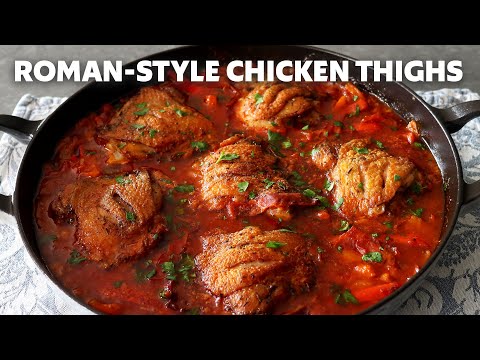
The word dish is a versatile noun in the English language that functions as a bridge between the physical objects we use in the kitchen and the actual food we consume. At its most fundamental level, a dish is a shallow, typically circular or oval container used for holding, serving, or cooking food. However, through a linguistic process known as metonymy, the word has evolved to also represent the food itself. When someone asks, 'What is your favorite dish?', they are not inquiring about your preference for ceramic or glass patterns; they are asking about a specific culinary preparation, such as lasagna, sushi, or beef stew.
- Physical Object
- A container like a plate, bowl, or platter. For example, 'Please put the butter in the small dish.'
In a domestic context, 'the dishes' collectively refers to all the items used during a meal that require cleaning, including plates, glasses, cutlery, and pots. This is why we say we are 'doing the dishes' or 'washing the dishes.' The term is broad enough to cover everything from a fine china saucer to a heavy cast-iron casserole dish used in the oven. In professional culinary settings, the distinction becomes more refined, where a 'dish' often implies a specific recipe that has been composed with care and presented on a plate.
After the dinner party, the host spent an hour scrubbing every dish until it sparkled.
Beyond the kitchen, 'dish' has found its way into technology and communication. A 'satellite dish' is a bowl-shaped antenna used to receive or transmit information via radio waves. This usage relies on the physical shape of the object—concave and circular—resembling a large serving dish. This demonstrates how the physical form of a common household object can provide the vocabulary for advanced scientific equipment.
- Culinary Variety
- A specific type of food or a particular recipe. For example, 'Paella is a traditional Spanish dish.'
The chef's signature dish is a delicate sea bass served with lemon butter sauce.
Culturally, the word 'dish' carries a sense of hospitality and sharing. In many cultures, 'side dishes' (small portions of food served alongside the main course) are essential to the dining experience. Whether it is kimchi in Korea, tapas in Spain, or mashed potatoes in the United States, these dishes complete the meal. The word evokes the sensory experience of eating: the smell of the steam rising from the dish, the visual arrangement of the food, and the social interaction that occurs around the table.
We ordered several side dishes to share, including roasted vegetables and garlic bread.
- Informal Usage
- In slang, 'dish' can refer to gossip or an attractive person, though these uses are more common in specific regional dialects or older literature.
She was ready to dish the dirt on her former coworkers during the interview.
In summary, 'dish' is a foundational word that transitions from the utility of the kitchen to the artistry of the culinary world and even into the realm of modern telecommunications. Understanding its dual nature—as both the container and the contained—is key to mastering its use in everyday English conversation.
Using the word dish correctly requires an understanding of whether you are referring to a physical object, a collective group of items, or a specific type of food. The grammar and collocations change slightly depending on these meanings. When referring to food, 'dish' is a countable noun. You can have one dish, two dishes, or many different dishes at a buffet.
- Describing Food
- Use adjectives to specify the type of food. Common pairings include 'main dish', 'side dish', 'vegetarian dish', and 'traditional dish'.
The restaurant is famous for its spicy seafood dish that features local ingredients.
When 'dish' refers to the physical container, it is often preceded by verbs of action like 'place', 'put', 'set', or 'break'. Because dishes are often made of fragile materials like ceramic or glass, they are frequently the subject of domestic accidents. In the plural form, 'the dishes' almost always refers to the task of cleaning up after a meal. You don't usually say 'I am washing the plates and bowls'; you simply say 'I am doing the dishes'.
It was my turn to wash the dishes, so I stayed in the kitchen while everyone else went to the living room.
In a professional or formal context, 'dish' is used to categorize menu items. A 'signature dish' is the one for which a chef or restaurant is most well-known. A 'main dish' (or entrée in some regions) is the primary focus of the meal. Using 'dish' instead of 'food' often sounds more sophisticated and specific. For example, 'This food is good' is basic, while 'This is a beautifully prepared dish' sounds like a critique from a food enthusiast.
- Specific Containers
- Compound nouns are common: 'soap dish', 'butter dish', 'baking dish', 'petri dish'.
The scientist carefully placed the sample into the sterile petri dish for observation.
When using 'dish' in a sentence about technology, it is almost always part of the phrase 'satellite dish'. In this context, it functions as a singular object that receives signals. You might say, 'The storm knocked the satellite dish out of alignment,' or 'Many houses in the rural area have large satellite dishes on their roofs.'
We had to install a new satellite dish to get better television reception in the mountains.
- Verb Phrases
- 'Dish out' and 'dish up' are common phrasal verbs. 'Dish up' means to serve food onto plates, while 'dish out' often means to give something in large quantities, sometimes negatively.
The coach is known to dish out harsh criticism when the team loses a game.
By paying attention to these patterns, you can use 'dish' naturally in a variety of settings, from the kitchen to the laboratory to the living room.
The word dish is ubiquitous in daily life, but the context in which you hear it significantly changes its meaning. If you are in a home environment, you will most likely hear it in the context of chores or meal preparation. Parents often tell children, 'It's your turn to clear the dishes,' or 'Don't leave your dirty dishes in the sink.' In these instances, the word is a collective noun for the mess left after eating.
- In the Kitchen
- Commonly heard during mealtime and cleanup. Phrases like 'wash the dishes' or 'dry the dishes' are daily staples.
'Can you help me put the dishes away in the cupboard?' asked Sarah.
In restaurants, the word takes on a more elevated meaning. Servers will describe the 'specials of the day' as 'featured dishes.' You might hear a waiter say, 'This dish is quite spicy,' or 'Would you like a side dish with your steak?' In food reviews or on cooking shows like *MasterChef* or *The Great British Bake Off*, judges use the word 'dish' to refer to the entire creation—the flavor, the technique, and the presentation. They might say, 'This is a very accomplished dish,' praising the chef's skill.
The food critic described the risotto as the most balanced dish on the entire menu.
In the world of science and technology, you will hear 'dish' in laboratories and telecommunications hubs. Biologists talk about 'petri dishes' when discussing cell cultures or bacteria growth. In rural areas or before the widespread use of fiber-optic cable, 'satellite dishes' were a common topic of conversation regarding television and internet access. You might hear a technician say, 'We need to point the dish toward the southern sky.'
- In Media and Gossip
- Entertainment news often uses 'dish' as a verb meaning to share secrets. 'Let's dish about the latest celebrity wedding!'
The tabloid magazine promised to dish all the secrets of the royal family.
In literature and older films, you might hear 'dish' used to describe a person. A 'real dish' was a mid-20th-century slang term for an exceptionally attractive woman or man. While this is less common today, you might still encounter it in period dramas or classic novels. Similarly, the phrase 'dishy' remains a somewhat common, playful adjective in British English to describe a handsome man.
In the 1950s movie, the lead actor was described by the press as a total dish.
Whether you are talking about what's for dinner, who is doing the chores, or the latest news, 'dish' is a word that adapts to its surroundings, making it a vital part of the English speaker's vocabulary.
While dish is a common word, learners often confuse it with similar terms like 'plate', 'meal', or 'course'. Understanding the subtle differences between these words is essential for natural-sounding English. One of the most frequent errors is using 'dish' when 'plate' is more specific, or using 'dish' when 'meal' is more appropriate.
- Dish vs. Plate
- A 'plate' is specifically flat and used for individual portions. A 'dish' can be deeper, like a bowl, or used for serving. All plates are dishes, but not all dishes are plates.
Incorrect: I ate my soup from a flat dish.
Correct: I ate my soup from a deep dish (or bowl).
Another common mistake is confusing 'dish' with 'meal'. A 'meal' is the entire occasion of eating (breakfast, lunch, dinner), while a 'dish' is one specific item of food served during that meal. For example, your 'meal' might consist of three 'dishes': a starter, a main dish, and a side dish. You wouldn't say 'I had a delicious dish for dinner' if you mean the whole experience; you would say 'I had a delicious meal,' or specify 'The main dish was delicious.'
Incorrect: Thanksgiving is my favorite dish.
Correct: Thanksgiving is my favorite meal (or holiday).
Learners also struggle with the collective use of 'the dishes'. Remember that 'doing the dishes' includes everything—the pots, the pans, the forks, and the cups. You don't need to list them. Also, be careful with the pluralization. 'Dish' ends in a sibilant sound ('sh'), so the plural must be 'dishes' (pronounced with an extra syllable: dish-iz). Forgetting that extra syllable is a common pronunciation error.
- Dish vs. Cuisine
- 'Cuisine' refers to the style of cooking from a country (e.g., Italian cuisine). A 'dish' is a single recipe within that cuisine (e.g., Lasagna).
Incorrect: I love the Italian dish.
Correct: I love Italian cuisine (general) or I love this Italian dish (specific).
Finally, avoid overusing the slang or metaphorical meanings of 'dish' in formal writing. Phrases like 'dish the dirt' or calling someone 'a dish' are highly informal and can be inappropriate in professional settings. Stick to the culinary or physical meanings unless you are writing dialogue or very casual prose. By keeping these distinctions in mind, you will avoid the most common pitfalls and communicate more clearly.
To enrich your vocabulary, it is helpful to look at words that are similar to dish but offer more specific meanings. Depending on whether you are talking about the container or the food, there are several alternatives you can use to be more precise.
- Container Alternatives
- Words like 'plate', 'bowl', 'platter', 'saucer', and 'vessel' describe specific types of dishes.
A 'plate' is flat and usually for one person. A 'bowl' is deep and used for liquids or grains. A 'platter' is a very large, flat dish used for serving food to multiple people. A 'saucer' is the tiny dish that sits under a coffee cup. A 'vessel' is a more formal or poetic word for any container that holds liquid or food. Using these words instead of the generic 'dish' makes your descriptions more vivid.
The waiter carried a large silver platter piled high with fresh fruit.
- Food Alternatives
- Words like 'course', 'entree', 'delicacy', 'specialty', and 'concoction' can replace 'dish' when referring to food.
A 'course' refers to a part of a meal (e.g., the first course). An 'entree' is the main dish (primarily in American English). A 'delicacy' is a rare or expensive dish that is considered a treat. A 'specialty' is a dish that a particular person or restaurant is famous for making. A 'concoction' is a dish made by mixing many different ingredients, often in an unusual or creative way.
Truffles are considered a rare delicacy in many parts of the world.
When comparing 'dish' to 'cuisine', remember the scale. 'Cuisine' is the broad category (Chinese cuisine), while 'dish' is the specific item (Kung Pao Chicken). When comparing 'dish' to 'recipe', the 'recipe' is the set of instructions, while the 'dish' is the final result you eat. You 'follow a recipe' to 'create a dish'.
- Comparison Table
-
- Dish: General term for a container or a food item.
- Plate: Specific flat container for one person.
- Meal: The whole eating event (e.g., lunch).
- Cuisine: A national or regional style of cooking.
The chef spent years mastering the cuisine of Thailand before opening his own restaurant.
By expanding your vocabulary with these synonyms and related terms, you can express yourself with greater precision and variety, whether you are describing a beautiful dinner or a scientific experiment.
چقدر رسمی است؟
نکته جالب
The word 'desk' and 'disc' (as in CD) actually come from the same Latin root 'discus' as 'dish'!
راهنمای تلفظ
- Pronouncing the 'sh' as 's' (dis).
- In the plural 'dishes', forgetting the extra 'iz' syllable.
- Using a long 'ee' sound (deesh) instead of a short 'i'.
سطح دشواری
Easy to recognize in most contexts.
Requires knowledge of the 'es' plural ending.
Simple pronunciation, but 'sh' sound is key.
Must distinguish between physical object and food meanings.
بعداً چه یاد بگیریم؟
پیشنیازها
بعداً یاد بگیرید
پیشرفته
گرامر لازم
Pluralization of -sh nouns
One dish, two dishes. (Add -es)
Metonymy
Using 'dish' (the container) to mean 'food' (the content).
Phrasal Verbs
'Dish out' and 'Dish up' have specific meanings different from the noun.
Collective Nouns
'The dishes' acts as a collective for all items needing washing.
Compound Nouns
Combining 'dish' with other nouns to create specific terms like 'soap dish'.
مثالها بر اساس سطح
I need to wash the dish.
J'ai besoin de laver le plat.
Singular noun 'dish' with the definite article 'the'.
This is a big dish.
C'est un grand plat.
Adjective 'big' modifying the noun 'dish'.
My favorite dish is pizza.
Mon plat préféré est la pizza.
Using 'dish' to mean a type of food.
Put the food in the dish.
Mettez la nourriture dans le plat.
Preposition 'in' used with the container 'dish'.
She has many dishes.
Elle a beaucoup de vaisselle.
Plural form 'dishes' indicating multiple items.
The dish is on the table.
Le plat est sur la table.
Preposition 'on' showing location.
Is this your dish?
Est-ce votre plat ?
Possessive pronoun 'your' with 'dish'.
I like this rice dish.
J'aime ce plat de riz.
Compound-like structure 'rice dish'.
We ordered three different dishes.
Nous avons commandé trois plats différents.
Plural 'dishes' used for different types of food.
Who is doing the dishes tonight?
Qui fait la vaisselle ce soir ?
The phrase 'doing the dishes' means cleaning them.
Pasta is a traditional Italian dish.
Les pâtes sont un plat italien traditionnel.
Adjective 'traditional' and 'Italian' modifying 'dish'.
Please pass me the butter dish.
S'il vous plaît, passez-moi le beurrier.
Compound noun 'butter dish'.
The main dish was very tasty.
Le plat principal était très savoureux.
The term 'main dish' refers to the primary part of a meal.
I broke a dish by accident.
J'ai cassé un plat par accident.
Verb 'broke' used with 'dish' as the object.
They serve many vegetarian dishes.
Ils servent de nombreux plats végétariens.
Adjective 'vegetarian' describing the types of food.
He put the leftovers in a plastic dish.
Il a mis les restes dans un plat en plastique.
Material 'plastic' modifying 'dish'.
This is the chef's signature dish.
C'est le plat signature du chef.
The term 'signature dish' means a chef's best or most famous recipe.
You need a large baking dish for the lasagna.
Vous avez besoin d'un grand plat à four pour les lasagnes.
Compound noun 'baking dish'.
Each region has its own unique dish.
Chaque région a son propre plat unique.
Using 'dish' to discuss cultural variety.
The satellite dish is on the roof.
L'antenne parabolique est sur le toit.
Technical use of 'dish' for an antenna.
I'll dish up the soup in a minute.
Je vais servir la soupe dans une minute.
Phrasal verb 'dish up' meaning to serve food.
We had a side dish of roasted carrots.
Nous avons eu un accompagnement de carottes rôties.
The term 'side dish' refers to food served alongside the main course.
The recipe makes a very healthy dish.
La recette donne un plat très sain.
Using 'dish' to refer to the result of a recipe.
Don't forget to dry the dishes.
N'oubliez pas d'essuyer la vaisselle.
Verb 'dry' used with the collective 'the dishes'.
The coach dished out some tough criticism.
L'entraîneur a formulé des critiques sévères.
Metaphorical use of 'dish out' meaning to distribute or give.
It's a very simple dish to prepare.
C'est un plat très simple à préparer.
Infinitive phrase 'to prepare' modifying 'dish'.
The petri dish contained a bacterial culture.
La boîte de Petri contenait une culture bactérienne.
Scientific term 'petri dish'.
She really knows how to dish the dirt.
Elle sait vraiment comment raconter les potins.
Idiom 'dish the dirt' meaning to gossip.
The hotel offers a wide array of exotic dishes.
L'hôtel propose une large gamme de plats exotiques.
Noun phrase 'wide array of' used with 'dishes'.
He can dish it out, but he can't take it.
Il sait critiquer les autres, mais il ne supporte pas d'être critiqué.
Idiomatic expression about giving but not receiving criticism.
The dish was garnished with fresh parsley.
Le plat était garni de persil frais.
Passive voice 'was garnished' with 'dish' as the subject.
We need to adjust the satellite dish for better signal.
Nous devons ajuster l'antenne parabolique pour un meilleur signal.
Technical context regarding signal reception.
The novel describes him as quite a dish.
Le roman le décrit comme un homme très séduisant.
Informal/Old-fashioned slang for an attractive person.
The government dished out subsidies to the farmers.
Le gouvernement a distribué des subventions aux agriculteurs.
Phrasal verb 'dish out' used in a socio-economic context.
The presentation of the dish was truly avant-garde.
La présentation du plat était vraiment avant-gardiste.
Using 'dish' in a high-level culinary critique.
She dished up a wonderful story about her travels.
Elle a raconté une merveilleuse histoire sur ses voyages.
Metaphorical use of 'dish up' for storytelling.
The soap dish was made of fine Italian marble.
Le porte-savon était en marbre italien raffiné.
Specific compound noun 'soap dish' with descriptive adjectives.
The complexity of the dish surprised the food critics.
La complexité du plat a surpris les critiques gastronomiques.
Abstract noun 'complexity' associated with 'dish'.
He spent the afternoon dishing out advice to the interns.
Il a passé l'après-midi à prodiguer des conseils aux stagiaires.
Gerund 'dishing out' indicating a continuous action.
The ceramic dish had a hairline fracture.
Le plat en céramique avait une fissure très fine.
Technical description of a physical object.
The chef's deconstructed dish challenged traditional notions of flavor.
Le plat déconstruit du chef a remis en question les notions traditionnelles de saveur.
Advanced culinary term 'deconstructed dish'.
They were eager to dish the dirt on the corporate scandal.
Ils avaient hâte de révéler les détails croustillants du scandale de l'entreprise.
Idiomatic use in a professional/scandalous context.
The radio telescope's massive dish scanned the heavens.
L'immense parabole du radiotélescope a balayé les cieux.
Scientific/Astronomical use of 'dish'.
The term 'dish' here serves as a metonym for the entire culinary experience.
Le terme 'plat' sert ici de métonymie pour toute l'expérience culinaire.
Linguistic analysis of the word itself.
She was quite the dish in her younger days, according to the locals.
Elle était très belle dans sa jeunesse, selon les habitants.
Nuanced use of dated slang within a narrative.
The judge dished out a sentence that many considered overly lenient.
Le juge a prononcé une sentence que beaucoup considéraient comme trop clémente.
Metaphorical 'dish out' in a legal context.
The interplay of textures in this dish is nothing short of masterly.
Le jeu des textures dans ce plat est tout simplement magistral.
Sophisticated vocabulary ('interplay', 'masterly') used with 'dish'.
The shallow dish was used for ritualistic offerings in ancient times.
Le plat peu profond était utilisé pour des offrandes rituelles dans l'Antiquité.
Historical/Archeological context.
مترادفها
متضادها
ترکیبهای رایج
عبارات رایج
— To wash the plates, cutlery, and pots after a meal.
I'll do the dishes if you cook dinner.
— To give or distribute something, often in large amounts.
He likes to dish out advice to everyone.
— Items that have been used for eating and need cleaning.
Don't leave dirty dishes in the sink.
— A dish with a lid, often brought to a potluck party.
She brought a covered dish of macaroni and cheese.
— A container with high sides, often used for pizza or pies.
I love Chicago-style deep dish pizza.
— A large dish used to bring food to the table.
Put the salad in the large serving dish.
— Another way to say 'do the dishes', common in British English.
I'll help you wash-up the dishes.
اغلب اشتباه گرفته میشود با
A plate is always flat; a dish can be deep or shallow.
A meal is the whole event (lunch); a dish is one part of the meal (salad).
A course is a stage of the meal; a dish is the actual food served in that stage.
اصطلاحات و عبارات
— To share juicy or scandalous gossip about someone.
Tell me everything! Dish the dirt on the new boss.
informal— Someone who criticizes others but gets upset when they are criticized.
He's always making fun of people, but he can't take it when we joke back.
neutral— Extremely cold weather.
Wear a coat; it's cold enough to freeze the tail off a brass dish out there.
informal/regional— To give a penalty or punishment.
The judge dished out a heavy fine.
neutral— To present something that is not new or original.
The politician just dished up the same old promises.
informal— To be in a difficult or messy situation (rare).
He really put himself in the dish this time.
archaic— To spend or give away a lot of money.
The company had to dish out the cash for the repairs.
informal— A play on words meaning to stop taking responsibility for a messy situation.
After the argument, I washed my hands of the whole dishes.
playfulبهراحتی اشتباه گرفته میشود
Both are containers for food.
Plate is specifically flat and for individuals. Dish is a general term.
I put the cake on a plate, but the salad is in a large dish.
Both are containers for food.
Bowl is always deep and round. Dish can be flat.
I need a bowl for my soup and a dish for my bread.
Both relate to food types.
Cuisine is the style/culture. Dish is the specific recipe.
I love Mexican cuisine, especially this spicy beef dish.
Both refer to what we eat.
Meal is the occasion (breakfast). Dish is the specific food item.
We had a three-course meal with several different dishes.
Both are serving containers.
Platter is specifically large and flat for serving many people.
The appetizers were arranged on a large platter.
الگوهای جملهسازی
I like this [food] dish.
I like this pasta dish.
Can you [verb] the dishes?
Can you wash the dishes?
This is a [adjective] dish from [place].
This is a traditional dish from Japan.
The [noun] was served in a [adjective] dish.
The soup was served in a shallow dish.
He is known for dishing out [abstract noun].
He is known for dishing out harsh criticism.
The dish represents a [concept] of [culture].
The dish represents a fusion of Mediterranean and Asian cultures.
I'll dish up the [food] now.
I'll dish up the rice now.
Is there a [noun] dish?
Is there a vegetarian dish?
خانواده کلمه
اسمها
فعلها
صفتها
مرتبط
نحوه استفاده
Very common in daily conversation and culinary contexts.
-
I wash the dishs.
→
I wash the dishes.
The plural of 'dish' requires 'es' because it ends in 'sh'.
-
This is my favorite meal: pasta.
→
This is my favorite dish: pasta.
A 'meal' is the occasion (like dinner); a 'dish' is the specific food item.
-
I ate soup from a flat dish.
→
I ate soup from a deep dish (or bowl).
Soup requires a container with high sides to prevent spilling.
-
He dished out the food to the plates.
→
He dished up the food onto the plates.
'Dish up' is for serving food; 'dish out' is often used for distributing things like advice or criticism.
-
The Italian dish is very famous.
→
Italian cuisine is very famous.
Use 'cuisine' for the whole style of cooking and 'dish' for one recipe.
نکات
Use 'dish' for variety
Instead of saying 'food' all the time, use 'dish' to describe specific recipes. It sounds more natural and descriptive.
Plural spelling
Always remember the 'e' in 'dishes'. Words ending in 'sh' need 'es' for the plural form.
Side vs. Main
Learn the difference between a 'side dish' and a 'main dish' to navigate restaurant menus easily.
Be careful with slang
Only use 'dish the dirt' in very casual settings with friends.
The chore
'Doing the dishes' is the most common way to talk about cleaning up after a meal.
Petri dishes
In a lab, always use the full term 'petri dish' rather than just 'dish'.
Satellite dishes
If you are talking about TV or internet, 'dish' usually refers to the antenna.
The 'sh' sound
Make sure the 'sh' is soft and long, not a sharp 's' sound.
Baking dishes
A 'baking dish' is usually made of glass or ceramic and can go in the oven.
National pride
Asking someone about their 'national dish' is a great way to start a conversation about their culture.
حفظ کنید
روش یادسپاری
D-I-S-H: Delicious Ingredients Served Hot. This helps you remember it refers to the food as well as the plate.
تداعی تصویری
Imagine a shiny white ceramic plate with a steaming pile of your favorite food on it. The plate is the dish, and the food is the dish.
شبکه واژگان
چالش
Try to use 'dish' in three different ways today: once for a plate, once for a food item, and once for the chore of washing up.
ریشه کلمه
Derived from the Old English 'disc', which came from the Latin 'discus' (meaning a quoit, platter, or disk).
معنای اصلی: A flat plate or platter used for serving food.
Germanic (Old English) with Latin roots.بافت فرهنگی
Calling a person 'a dish' is old-fashioned and can be seen as objectifying, so use it with caution.
In the US, 'main dish' is the standard term. In the UK, 'main course' is slightly more common, but 'dish' is universally understood.
تمرین در زندگی واقعی
موقعیتهای واقعی
At home
- Wash the dishes
- Clear the dishes
- Put the dishes away
- Dirty dishes
In a restaurant
- Main dish
- Side dish
- Signature dish
- Vegetarian dish
Cooking
- Baking dish
- Prepare a dish
- Dish up the food
- Casserole dish
Science/Tech
- Petri dish
- Satellite dish
- Dish antenna
- Culture dish
Socializing
- Dish the dirt
- Dish out advice
- What a dish!
- Dish it out
شروعکنندههای مکالمه
"What is your favorite traditional dish from your country?"
"Do you prefer washing the dishes or cooking the meal?"
"Have you ever tried to cook a signature dish from a famous chef?"
"Do you think every house should have a satellite dish?"
"What is the most unusual dish you have ever eaten?"
موضوعات نگارش
Describe a dish that reminds you of your childhood. What are the ingredients and who made it for you?
Write about your least favorite chore. Is it doing the dishes? Why or why not?
If you were a chef, what would your signature dish be? Describe the flavors and presentation.
How has the way we receive information changed since the invention of the satellite dish?
Reflect on a time someone 'dished out' some advice to you. Was it helpful?
سوالات متداول
10 سوالYes, as a verb it means to serve food ('dish up') or to distribute something like gossip or criticism ('dish out').
A plate is a specific type of dish that is flat and used for individual portions. 'Dish' is a broader term that includes bowls and serving platters.
It means washing all the items used for a meal, including plates, glasses, and cutlery.
It is an informal British English word used to describe an attractive man. It is not very common in American English.
It is the specific recipe that a chef or restaurant is most famous for and does better than anyone else.
Because its concave, circular shape looks like a large kitchen dish or bowl.
It is countable. You can say 'one dish' or 'two dishes'.
Yes, but usually to mean a specific prepared recipe, not just raw ingredients.
A smaller portion of food served alongside the main part of the meal, like a salad or vegetables.
It is an idiom that means to share scandalous secrets or gossip about someone.
خودت رو بسنج 200 سوال
Describe your favorite traditional dish from your country.
خوب نوشتید! تلاش خوبی بود! پاسخ نمونه را ببینید.
Write a short dialogue between two people deciding who will do the dishes.
خوب نوشتید! تلاش خوبی بود! پاسخ نمونه را ببینید.
Explain what a 'signature dish' is and why it is important for a restaurant.
خوب نوشتید! تلاش خوبی بود! پاسخ نمونه را ببینید.
Describe the process of washing the dishes in your home.
خوب نوشتید! تلاش خوبی بود! پاسخ نمونه را ببینید.
Write a sentence using 'dish out' in a metaphorical way.
خوب نوشتید! تلاش خوبی بود! پاسخ نمونه را ببینید.
What are the advantages of having a satellite dish?
خوب نوشتید! تلاش خوبی بود! پاسخ نمونه را ببینید.
Describe a 'petri dish' and what it is used for in a laboratory.
خوب نوشتید! تلاش خوبی بود! پاسخ نمونه را ببینید.
Write a review of a dish you recently ate at a restaurant.
خوب نوشتید! تلاش خوبی بود! پاسخ نمونه را ببینید.
Explain the difference between a 'main dish' and a 'side dish'.
خوب نوشتید! تلاش خوبی بود! پاسخ نمونه را ببینید.
Write a story about a 'dish that ran away with a spoon'.
خوب نوشتید! تلاش خوبی بود! پاسخ نمونه را ببینید.
How do you feel about doing the dishes? Is it a relaxing or annoying chore?
خوب نوشتید! تلاش خوبی بود! پاسخ نمونه را ببینید.
Describe a 'baking dish' and name three things you can cook in it.
خوب نوشتید! تلاش خوبی بود! پاسخ نمونه را ببینید.
Write a paragraph about the importance of a national dish to a country's identity.
خوب نوشتید! تلاش خوبی بود! پاسخ نمونه را ببینید.
Use the idiom 'dish the dirt' in a short story.
خوب نوشتید! تلاش خوبی بود! پاسخ نمونه را ببینید.
What is the most exotic dish you have ever seen or eaten?
خوب نوشتید! تلاش خوبی بود! پاسخ نمونه را ببینید.
Describe a 'butter dish' and why someone would use one.
خوب نوشتید! تلاش خوبی بود! پاسخ نمونه را ببینید.
Write five sentences about different types of dishes found in a kitchen.
خوب نوشتید! تلاش خوبی بود! پاسخ نمونه را ببینید.
Compare a 'plate' and a 'bowl'. Which one is a 'dish'?
خوب نوشتید! تلاش خوبی بود! پاسخ نمونه را ببینید.
Write a formal invitation to a 'covered dish' dinner party.
خوب نوشتید! تلاش خوبی بود! پاسخ نمونه را ببینید.
Explain the phrase 'he can dish it out but he can't take it'.
خوب نوشتید! تلاش خوبی بود! پاسخ نمونه را ببینید.
Pronounce the word 'dish' and 'dishes' clearly.
این را بلند بخوانید:
تو گفتی:
تشخیص گفتار در مرورگر شما پشتیبانی نمیشود. از کروم یا اج استفاده کنید.
Tell a partner about your favorite dish to cook.
این را بلند بخوانید:
تو گفتی:
تشخیص گفتار در مرورگر شما پشتیبانی نمیشود. از کروم یا اج استفاده کنید.
Explain how to 'do the dishes' to someone who has never done it.
این را بلند بخوانید:
تو گفتی:
تشخیص گفتار در مرورگر شما پشتیبانی نمیشود. از کروم یا اج استفاده کنید.
Discuss the importance of a national dish with your group.
این را بلند بخوانید:
تو گفتی:
تشخیص گفتار در مرورگر شما پشتیبانی نمیشود. از کروم یا اج استفاده کنید.
Describe a satellite dish and its function.
این را بلند بخوانید:
تو گفتی:
تشخیص گفتار در مرورگر شما پشتیبانی نمیشود. از کروم یا اج استفاده کنید.
Role-play a scene where one person 'dishes out' advice and the other person 'can't take it'.
این را بلند بخوانید:
تو گفتی:
تشخیص گفتار در مرورگر شما پشتیبانی نمیشود. از کروم یا اج استفاده کنید.
Talk about a time you broke a dish. What happened?
این را بلند بخوانید:
تو گفتی:
تشخیص گفتار در مرورگر شما پشتیبانی نمیشود. از کروم یا اج استفاده کنید.
Describe the most beautiful dish you have ever seen in a restaurant.
این را بلند بخوانید:
تو گفتی:
تشخیص گفتار در مرورگر شما پشتیبانی نمیشود. از کروم یا اج استفاده کنید.
Explain the difference between a 'dish' and a 'plate' to a beginner learner.
این را بلند بخوانید:
تو گفتی:
تشخیص گفتار در مرورگر شما پشتیبانی نمیشود. از کروم یا اج استفاده کنید.
What is a 'side dish' you always order?
این را بلند بخوانید:
تو گفتی:
تشخیص گفتار در مرورگر شما پشتیبانی نمیشود. از کروم یا اج استفاده کنید.
How do you feel about the chore of washing dishes?
این را بلند بخوانید:
تو گفتی:
تشخیص گفتار در مرورگر شما پشتیبانی نمیشود. از کروم یا اج استفاده کنید.
Describe a 'petri dish' and its role in science.
این را بلند بخوانید:
تو گفتی:
تشخیص گفتار در مرورگر شما پشتیبانی نمیشود. از کروم یا اج استفاده کنید.
Tell a story about someone 'dishing the dirt'.
این را بلند بخوانید:
تو گفتی:
تشخیص گفتار در مرورگر شما پشتیبانی نمیشود. از کروم یا اج استفاده کنید.
What would be your 'signature dish' if you were a world-class chef?
این را بلند بخوانید:
تو گفتی:
تشخیص گفتار در مرورگر شما پشتیبانی نمیشود. از کروم یا اج استفاده کنید.
Discuss why some people prefer 'deep dish' pizza over thin crust.
این را بلند بخوانید:
تو گفتی:
تشخیص گفتار در مرورگر شما پشتیبانی نمیشود. از کروم یا اج استفاده کنید.
Explain the nursery rhyme 'The dish ran away with the spoon'.
این را بلند بخوانید:
تو گفتی:
تشخیص گفتار در مرورگر شما پشتیبانی نمیشود. از کروم یا اج استفاده کنید.
What are some common 'vegetarian dishes' in your country?
این را بلند بخوانید:
تو گفتی:
تشخیص گفتار در مرورگر شما پشتیبانی نمیشود. از کروم یا اج استفاده کنید.
How many dishes do you usually use for a typical dinner?
این را بلند بخوانید:
تو گفتی:
تشخیص گفتار در مرورگر شما پشتیبانی نمیشود. از کروم یا اج استفاده کنید.
Describe a 'butter dish' and its typical appearance.
این را بلند بخوانید:
تو گفتی:
تشخیص گفتار در مرورگر شما پشتیبانی نمیشود. از کروم یا اج استفاده کنید.
Talk about the evolution of the 'dish' from ancient times to today.
این را بلند بخوانید:
تو گفتی:
تشخیص گفتار در مرورگر شما پشتیبانی نمیشود. از کروم یا اج استفاده کنید.
Listen to the sentence: 'I'll do the dishes tonight.' Who is washing up?
Listen to the sentence: 'This is a traditional Spanish dish.' What is the origin of the food?
Listen to the sentence: 'The satellite dish needs to be adjusted.' What is being fixed?
Listen to the sentence: 'She dished out the soup into four bowls.' How was the food served?
Listen to the sentence: 'He's always dishing out criticism.' Is the person being positive or negative?
Listen to the sentence: 'The petri dish was placed in the incubator.' Where is the dish?
Listen to the sentence: 'I need a baking dish for the casserole.' What is the person going to do?
Listen to the sentence: 'The signature dish was a hit with the critics.' Was the food successful?
Listen to the sentence: 'Don't leave your dirty dishes in the sink.' Where are the dishes?
Listen to the sentence: 'She dished the dirt on the celebrity scandal.' What did she do?
Listen to the sentence: 'The butter dish is on the top shelf.' Where is the butter dish?
Listen to the sentence: 'We ordered several side dishes to share.' How are they eating?
Listen to the sentence: 'The dish was made of fine Italian marble.' What was the material?
Listen to the sentence: 'He can dish it out but he can't take it.' What is his personality like?
Listen to the sentence: 'The soap dish is empty.' What needs to be replaced?
/ 200 درست
نمره کامل!
Summary
The word 'dish' is essential because it covers both the physical tools of eating and the culinary results. For example, you can serve a 'delicious dish' (food) on a 'ceramic dish' (plate).
- A container for food, like a plate or bowl.
- A specific recipe or type of prepared food.
- The collective task of cleaning kitchen items ('the dishes').
- A concave antenna for signals ('satellite dish').
Use 'dish' for variety
Instead of saying 'food' all the time, use 'dish' to describe specific recipes. It sounds more natural and descriptive.
Plural spelling
Always remember the 'e' in 'dishes'. Words ending in 'sh' need 'es' for the plural form.
Side vs. Main
Learn the difference between a 'side dish' and a 'main dish' to navigate restaurant menus easily.
Be careful with slang
Only use 'dish the dirt' in very casual settings with friends.
مثال
I need to wash the dishes before we go to bed.
محتوای مرتبط


آن را در متن یاد بگیرید
عبارات مرتبط
واژههای بیشتر Cooking
breadcrumbs
B1پودر سوخاری برای ترد کردن غذا استفاده میشود.
stir
B1به هم زدن مایع برای مخلوط کردن آن.
sauce
B1سس مایع غلیظی است که برای طعم دادن به غذا همراه آن سرو میشود.
pan
A1تابه یک ظرف فلزی تخت با دسته است که برای پختن غذا روی اجاق استفاده میشود.
brown
B2گوشت را قبل از پختن در تابه سرخ کنید تا قهوهای شود.
batter
B1خمیر (آشپزی) یا ضارب (ورزش). طوفان با شدت به دیوارهای ساحلی کوبید.
grilled
B1پخته شده روی حرارت مستقیم روی یک شبکه فلزی، که اغلب منجر به علائم سوختگی میشود.
scrambled
B1بعد از امتحان، فکرم کاملاً به هم ریخته بود.
toasting
B1عمل برشته کردن نان برای ترد کردن آن.
brine
B2خیساندن غذا در آب نمک برای بهبود طعم و رطوبت.

