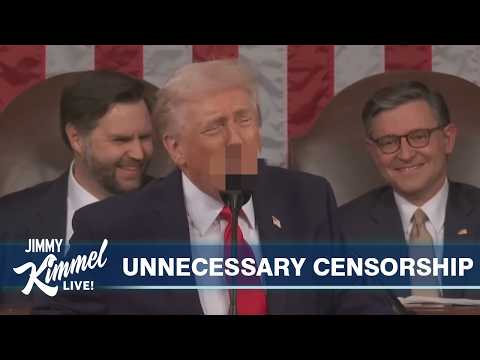
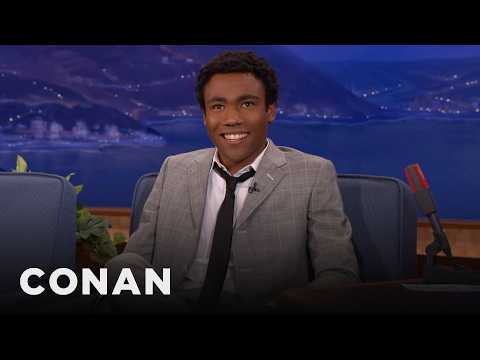
donald در ۳۰ ثانیه
- A masculine given name of Scottish origin meaning 'world ruler.'
- A proper noun that must always be capitalized in English writing.
- Strongly associated with Scottish heritage and Clan Donald history.
- Globally famous due to characters like Donald Duck and public figures.
The name Donald is a classic masculine given name that carries a weight of history and a specific linguistic heritage. Originating from the Gaelic name Domhnall, it is composed of the elements 'dubno' (meaning world) and 'val' (meaning rule or wield). Therefore, the literal translation is 'world-ruler' or 'ruler of the world.' While this might sound incredibly grand, in modern contexts, it is primarily used as a standard proper noun to identify individuals. In the English-speaking world, particularly in Scotland, the name has been a staple for centuries, associated with the powerful Clan Donald. When people use the name today, they are rarely thinking of its etymological roots as a 'world ruler'; instead, they are usually referring to a specific person they know, a historical figure, or one of the several very famous fictional characters who bear the name. The usage of the name has seen various waves of popularity, peaking in the mid-20th century before becoming less common for newborns in the 21st century. It is important to recognize that as a proper noun, it always requires capitalization, regardless of its position in a sentence. Understanding the name involves recognizing its cultural baggage, which ranges from the whimsical world of animation to the highest levels of global politics and business.
- Etymological Root
- Derived from the Proto-Celtic *Dumno-ualos, signifying a leader of the people or the world.
- Cultural Archetype
- Often associated with Scottish heritage and traditional masculinity.
The historian explained that Donald was a name frequently given to the chiefs of the clan to symbolize their authority over the highlands.
In contemporary conversation, the name is often shortened to 'Don' or 'Donnie,' which provides a more informal and approachable tone. The full version, Donald, tends to feel more formal or traditional. Because of its long history, the name appears in various forms across different cultures, though the English 'Donald' remains the most globally recognized version. It is also a name that has become inextricably linked with certain brands and characters, most notably Donald Duck. This association can sometimes give the name a playful or even comical connotation in certain contexts, particularly among children. Conversely, its association with figures like Donald Trump or Donald Sutherland brings to mind business, politics, or the arts. When choosing to use this name in writing or speech, one must be aware of these strong associations, as they often color the listener's perception of the name itself. Despite these modern associations, the core of the name remains its Scottish identity, representing a lineage of leaders and common folk alike who have shaped the history of the British Isles and the Americas.
Young Donald was named after his grandfather, following a long-standing family tradition in their small village.
- Geographic Prevalence
- Highest density of usage is historically found in Scotland, Canada, and the United States.
In the movie, the character Donald serves as the wise mentor who guides the protagonist through the challenges of the city.
When the teacher called out 'Donald,' three different boys turned their heads simultaneously.
- Social Perception
- Currently perceived as a 'vintage' or 'grandfather' name in many English-speaking regions due to its peak popularity in the 1930s-1950s.
The biography of Donald Dewar highlights his pivotal role in the establishment of the Scottish Parliament.
Using the name Donald in a sentence follows the standard rules for proper nouns in English. This means it must always begin with a capital letter, regardless of where it appears. As a subject, it performs the action: 'Donald walked to the store.' As an object, it receives the action: 'I saw Donald at the library.' One of the most common grammatical constructions involving this name is the possessive form, which is created by adding an apostrophe and an 's' (Donald's). For example, 'Donald's car is parked outside.' It is important to note that since 'Donald' does not end in 's', the standard 's' possessive rule applies. In terms of sentence structure, 'Donald' can be modified by adjectives, although this is less common for names than for common nouns. You might say 'Young Donald' or 'The legendary Donald,' where the adjective provides additional context about the person being discussed. Furthermore, the name can be used in apposition to provide more detail: 'My neighbor, Donald, is a retired engineer.' In this case, 'Donald' clarifies who the neighbor is.
- Subject Position
- Donald decided to take the early train to London.
- Possessive Usage
- The responsibility for the project's success rested on Donald's shoulders.
If you see Donald later today, please remind him about the meeting at four o'clock.
In more complex sentences, Donald can be part of a compound subject or object. For instance, 'Donald and Sarah went to the cinema.' When using pronouns to refer back to Donald, the masculine pronouns 'he,' 'him,' and 'his' are typically used, as it is traditionally a male name. For example, 'Donald finished his homework before he went out to play.' In literary or formal writing, the name might be used in a vocative sense, where the speaker is directly addressing the person: 'Donald, could you please come here for a moment?' This direct address is often set off by commas. Additionally, in the context of naming conventions, you might encounter 'Donald Jr.' or 'Donald III,' which indicates a lineage or the passing down of the name through generations. These suffixes are essential for distinguishing between family members with the same name. In academic or journalistic writing, the full name (first and last) is usually used on the first mention, such as 'Donald Smith,' with subsequent mentions often using just the surname 'Smith' or the first name 'Donald' depending on the publication's style guide. However, in casual conversation, the first name alone is the most frequent way to refer to someone.
Despite the heavy rain, Donald insisted on walking the entire distance to the stadium.
- Direct Address
- "I think you've done a wonderful job, Donald," the manager said during the review.
The house on the corner belongs to Donald, who has lived there for over forty years.
Neither Donald nor his brother could remember where they had left the keys.
- Compound Subject
- Donald and his team worked tirelessly to meet the midnight deadline.
It was Donald who first suggested that we should explore the old ruins in the forest.
You will encounter the name Donald in a wide variety of real-world settings, ranging from the mundane to the highly public. In everyday life, you might hear it at a coffee shop when a barista calls out an order, or in an office when a colleague is being paged. Because it was such a popular name for several decades in the 20th century, you are very likely to meet men in their 50s, 60s, and 70s with this name. In media and entertainment, the name is iconic. For children and adults alike, 'Donald Duck' is perhaps the most immediate association. You'll hear this name in cartoons, see it on merchandise, and find it in theme parks like Disneyland. This fictional character has a global reach, making the name 'Donald' recognizable even in countries where English is not the primary language. In the realm of politics and news, the name has been ubiquitous in recent years due to Donald Trump, the 45th President of the United States. Whether in news broadcasts, political debates, or social media discussions, his name is frequently mentioned, often carrying significant political and social weight. This has made 'Donald' one of the most discussed proper nouns of the 21st century, often sparking intense debate and varying emotional responses depending on the context.
- Pop Culture
- Donald Duck, the hot-tempered but lovable Disney character created in 1934.
- Global Politics
- Donald Trump, a figure who has dominated international headlines for decades as a businessman and politician.
The news anchor began the segment by saying, "Today, Donald addressed the crowd regarding the new economic policy."
Beyond these famous individuals, the name Donald is frequently heard in historical and academic contexts. In Scottish history, you'll hear about the 'Lord of the Isles' and various leaders of the Clan Donald. In the world of cinema, actors like Donald Sutherland and Donald Glover (also known as Childish Gambino) are frequently mentioned in reviews, award ceremonies, and interviews. This demonstrates the name's versatility across different generations and creative fields. You might also encounter the name in literature, where it is used for characters ranging from the heroic to the villainous. In sports, there have been many famous Donalds, such as Donald Bradman, often cited as the greatest cricket batsman of all time. Hearing the name in a sports commentary context often evokes a sense of legacy and excellence. Furthermore, in business, names like Donald Bren (a major real estate developer) show the name's presence in the corporate world. Because the name is so established, it often appears in 'Top 100' lists of names from the mid-20th century, and you'll see it on many historical documents, birth registries, and gravestones, reflecting its long-standing presence in the English-speaking world.
"I grew up watching Donald Duck every Saturday morning," the artist remarked during the interview.
- Sports History
- Sir Donald Bradman's batting average remains a legendary statistic in the world of cricket.
The professor noted that Donald Knuth is one of the most influential figures in computer science history.
During the roll call, the teacher was surprised to find that Donald was the only student who had finished the extra credit.
- Art and Music
- Donald Fagen, the lead singer of Steely Dan, is a highly respected figure in jazz-rock music.
The documentary explored the life of Donald Campbell and his attempts to break the world water speed record.
One of the most frequent mistakes learners make with the name Donald is failing to capitalize it. In English, all proper nouns, including names of people, must begin with a capital letter. Writing 'donald' in the middle of a sentence is grammatically incorrect and can make the writing look unprofessional. Another common error is misspelling the name, often by adding an extra 'n' (Donnald) or confusing the ending with similar-sounding names like 'Ronald.' While 'Donald' and 'Ronald' rhyme and share a similar structure, they are distinct names with different origins. Additionally, some learners might struggle with the possessive form. It is always 'Donald's,' not 'Donalds' or 'Donalds'.' The apostrophe must be placed before the 's' to indicate ownership by one person named Donald. Another mistake involves the use of articles. You generally do not use 'the' or 'a' before a person's name unless you are referring to a specific, famous version of that person or using the name as a descriptor (e.g., 'He is the Donald of our group,' meaning he is the leader). However, the nickname 'The Donald' is a specific exception used in media for Donald Trump.
- Capitalization Error
- Incorrect: I went to the park with donald. Correct: I went to the park with Donald.
- Spelling Confusion
- Incorrect: Donnald Duck is funny. Correct: Donald Duck is funny.
Many people mistakenly write Donalds when they mean to say that something belongs to him.
Pronunciation can also be a source of error, particularly for non-native speakers. The 'o' in Donald is a short vowel sound, similar to the 'o' in 'hot' or 'dog.' Some learners might pronounce it with a long 'o' sound (like 'go'), which is incorrect. The 'a' in the second syllable is often reduced to a schwa sound /ə/, making it sound more like 'Don-uld' than 'Don-ald.' Over-emphasizing the 'a' can make the pronunciation sound unnatural. Furthermore, confusing 'Donald' with the surname 'McDonald' is common. While 'McDonald' means 'son of Donald,' they are used differently in sentences; one is a first name and the other is a last name. In terms of usage, using 'Donald' as a verb (e.g., 'He donalded the situation') is not standard English and should be avoided, although in very informal slang, people might occasionally turn famous names into verbs to describe acting like that person. Finally, be careful with the plural form. If you are talking about multiple people named Donald, the plural is 'Donalds' (e.g., 'There are three Donalds in my class'). No apostrophe is needed for the plural form unless it is also possessive ('The three Donalds' coats').
It is a common mistake to think that Donald and Ronald are just different spellings of the same name.
- Possessive vs. Plural
- Plural: The Donalds are coming over. Possessive: Donald's house is big.
Avoid using the name Donald without a capital letter, as it is a sign of poor grammar.
The student was corrected for pronouncing Donald as if it rhymed with 'told'.
- Article Usage
- Incorrect: I spoke to the Donald. Correct: I spoke to Donald.
Make sure you check the spelling of Donald when writing formal invitations.
When exploring names similar to Donald, we can look at it from several angles: etymological cousins, phonetic similarities, and names that share a similar 'vibe' or historical period. Etymologically, the most direct relative is the Irish name Donal (or Dónal). Both come from the same Gaelic root meaning 'world ruler.' While 'Donald' is the anglicized version most common in Scotland and globally, 'Donal' remains very popular in Ireland. Another related name is Domhnall, the original Gaelic spelling, which you might still encounter in Scottish Gaelic-speaking communities. Phonetically, Donald is often grouped with names like Ronald and Gerald. These names share a similar two-syllable structure and a traditional, somewhat formal feel. Ronald, in particular, is frequently confused with Donald because they rhyme and were both highly popular during the same era. However, Ronald comes from Old Norse and means 'ruler's counselor,' offering a slightly different historical flavor. In terms of nicknames, Don and Donnie are the most common alternatives. 'Don' feels solid and mature, while 'Donnie' is more youthful and friendly.
- Donal vs. Donald
- Donal is the Irish variant, often pronounced with a longer 'o' sound, whereas Donald is the Scottish/English version.
- Ronald vs. Donald
- While they rhyme, Ronald has Norse origins and Donald has Celtic origins. Both were peak 'grandfather names' in the mid-20th century.
The twins were named Donald and Ronald, which caused quite a bit of confusion for their teachers.
If you are looking for names that carry a similar meaning of 'ruler' or 'leader,' you might consider Richard (meaning 'brave ruler'), Eric (meaning 'eternal ruler'), or Walter (meaning 'army ruler'). These names share the 'ruler' element in their etymology, though they come from different linguistic traditions (Germanic and Old Norse). In a modern context, if someone feels 'Donald' is too old-fashioned, they might choose names like Douglas or Duncan, which also have strong Scottish roots but feel slightly different in their contemporary usage. Douglas means 'dark river' and Duncan means 'brown warrior.' For those who like the 'Don' sound but want something more modern or different, Donovan is a popular choice. It is an Irish surname used as a first name, meaning 'dark brown' or 'dark-haired.' It provides a more rhythmic, three-syllable alternative to the punchy, two-syllable Donald. Ultimately, while there are many alternatives, 'Donald' remains unique due to its specific blend of ancient Celtic history and massive 20th-century pop culture presence. Choosing between these names often depends on whether one wants to emphasize Scottish heritage, a traditional feel, or a specific phonetic quality.
While Donald means 'world ruler,' the name Eric means 'eternal ruler,' showing a similar theme in ancient naming.
- Donovan vs. Donald
- Donovan is often seen as a more modern, 'surname-as-first-name' choice compared to the traditional Donald.
He preferred to be called Don, finding the full name Donald a bit too formal for his liking.
The author chose the name Donald for the character to evoke a sense of mid-century reliability.
- Scottish Alternatives
- Names like Alistair, Hamish, and Lachlan offer a similar Scottish heritage without the specific associations of Donald.
Many families in the Highlands still use the name Donald to honor their ancestral connection to the Clan Donald.
چقدر رسمی است؟
نکته جالب
Despite its meaning of 'world ruler,' the name's popularity has been heavily influenced by a cartoon duck since the 1930s.
راهنمای تلفظ
- Pronouncing the 'o' as a long 'o' (/ˈdoʊnəld/).
- Over-emphasizing the 'a' in the second syllable.
- Adding an extra 'n' sound in the middle.
- Dropping the final 'd' sound.
- Confusing the pronunciation with 'Ronald'.
سطح دشواری
Very easy to recognize as a name.
Must remember capitalization and spelling.
Requires correct vowel sounds.
Distinctive sound is easy to pick out.
بعداً چه یاد بگیریم؟
پیشنیازها
بعداً یاد بگیرید
پیشرفته
گرامر لازم
Proper Noun Capitalization
Always write **D**onald, never **d**onald.
Singular Possessive
Donald**'s** car is red.
Plural of Names
There are three **Donalds** in the room.
Apposition
My friend, **Donald**, is here.
Vocative Comma
Hello, **Donald**, how are you?
مثالها بر اساس سطح
Donald is a tall man.
Donald est un homme grand.
Proper noun as subject.
My friend's name is Donald.
Le nom de mon ami est Donald.
Proper noun as a complement.
Donald has a blue car.
Donald a une voiture bleue.
Subject + has + object.
I see Donald at school.
Je vois Donald à l'école.
Proper noun as direct object.
Donald is from Scotland.
Donald vient d'Écosse.
Proper noun + is + prepositional phrase.
Hello, Donald! How are you?
Bonjour, Donald ! Comment vas-tu ?
Direct address (vocative).
Donald likes to eat apples.
Donald aime manger des pommes.
Third person singular verb ending in -s.
This is Donald's hat.
C'est le chapeau de Donald.
Possessive form with 's.
Donald Duck is a very famous cartoon character.
Donald Duck est un personnage de dessin animé très célèbre.
Full name used as a compound proper noun.
We are going to visit Donald this weekend.
Nous allons rendre visite à Donald ce week-end.
Future intention with 'going to'.
Donald works in a large office in the city.
Donald travaille dans un grand bureau en ville.
Present simple for habitual action.
I gave the book to Donald yesterday.
J'ai donné le livre à Donald hier.
Proper noun as indirect object.
Donald's house is near the park.
La maison de Donald est près du parc.
Possessive noun phrase.
Is Donald coming to the party tonight?
Est-ce que Donald vient à la fête ce soir ?
Present continuous for future arrangement.
Donald and Sarah are brothers and sisters.
Donald et Sarah sont frère et sœur.
Compound subject.
He called Donald to ask for help.
Il a appelé Donald pour demander de l'aide.
Infinitive of purpose.
Donald has lived in this neighborhood for twenty years.
Donald vit dans ce quartier depuis vingt ans.
Present perfect for duration.
The award was presented to Donald for his bravery.
Le prix a été remis à Donald pour sa bravoure.
Passive voice.
Donald, who is a talented musician, played the piano.
Donald, qui est un musicien talentueux, a joué du piano.
Relative clause providing extra info.
I haven't seen Donald since the graduation ceremony.
Je n'ai pas vu Donald depuis la cérémonie de remise des diplômes.
Present perfect with 'since'.
Donald's contribution to the project was invaluable.
La contribution de Donald au projet a été inestimable.
Possessive noun as part of a complex subject.
If Donald arrives early, we can start the meeting.
Si Donald arrive tôt, nous pouvons commencer la réunion.
First conditional.
Donald decided to retire after a long and successful career.
Donald a décidé de prendre sa retraite après une longue et fructueuse carrière.
Verb + infinitive.
Everyone in the room listened carefully to Donald's speech.
Tout le monde dans la salle a écouté attentivement le discours de Donald.
Possessive used with a noun of action.
Donald was often criticized for his unconventional methods.
Donald était souvent critiqué pour ses méthodes peu conventionnelles.
Passive voice with an adverb of frequency.
It was Donald's vision that transformed the company.
C'est la vision de Donald qui a transformé l'entreprise.
Cleft sentence for emphasis.
Having known Donald for years, I can vouch for his integrity.
Connaissant Donald depuis des années, je peux me porter garant de son intégrité.
Participle clause.
Donald's name is synonymous with Scottish history.
Le nom de Donald est synonyme d'histoire écossaise.
Predicate adjective construction.
The character of Donald in the novel represents the lost generation.
Le personnage de Donald dans le roman représente la génération perdue.
Proper noun as a character identifier.
Donald might have forgotten about the appointment.
Donald a peut-être oublié le rendez-vous.
Modal verb for possibility in the past.
Despite his age, Donald remains active in the local community.
Malgré son âge, Donald reste actif dans la communauté locale.
Concessive clause with 'despite'.
Donald's influence can be seen in many modern architectural designs.
L'influence de Donald est visible dans de nombreuses conceptions architecturales modernes.
Passive voice with modal 'can'.
The legacy of Donald Dewar is still felt in the Scottish Parliament today.
L'héritage de Donald Dewar se fait encore sentir au Parlement écossais aujourd'hui.
Full name of a historical figure.
Donald's penchant for storytelling made him a favorite among the children.
Le penchant de Donald pour le conte a fait de lui un favori parmi les enfants.
Complex noun phrase with 'penchant'.
The sheer scale of Donald's ambition was evident in his latest business venture.
L'ampleur même de l'ambition de Donald était évidente dans sa dernière entreprise commerciale.
Abstract noun + possessive.
Donald, ever the optimist, believed that the situation would improve.
Donald, toujours optimiste, croyait que la situation s'améliorerait.
Appositive phrase with 'ever the'.
The intricate details of Donald's research were published in a prestigious journal.
Les détails complexes des recherches de Donald ont été publiés dans une revue prestigieuse.
Passive voice with complex subject.
Had Donald known the truth, he might have acted differently.
Si Donald avait connu la vérité, il aurait peut-être agi différemment.
Inverted third conditional.
Donald's sudden departure left the team in a state of confusion.
Le départ soudain de Donald a laissé l'équipe dans un état de confusion.
Possessive noun + adjective + noun.
The name Donald evokes a sense of tradition and steadfastness.
Le nom de Donald évoque un sentiment de tradition et de fermeté.
Proper noun as a symbolic subject.
The etymological trajectory of 'Donald' reveals much about the linguistic shifts in early Scotland.
La trajectoire étymologique de 'Donald' en dit long sur les changements linguistiques dans l'Écosse primitive.
Proper noun as a linguistic specimen.
Donald's multifaceted career spanned across several decades and multiple industries.
La carrière multiforme de Donald s'est étendue sur plusieurs décennies et plusieurs industries.
Complex possessive construction.
The sociopolitical ramifications of Donald's policies are still being debated by scholars.
Les ramifications sociopolitiques des politiques de Donald font encore l'objet de débats parmi les universitaires.
Abstract possessive with plural noun.
In the grand tapestry of Scottish clans, the name Donald holds a position of unparalleled prominence.
Dans la grande tapisserie des clans écossais, le nom de Donald occupe une position d'une importance inégalée.
Metaphorical context.
Donald's stoicism in the face of adversity was a testament to his character.
Le stoïcisme de Donald face à l'adversité était un témoignage de son caractère.
Abstract noun + possessive + prepositional phrase.
The name Donald, while currently unfashionable for newborns, remains a pillar of the English onomastic landscape.
Le nom Donald, bien qu'actuellement démodé pour les nouveau-nés, reste un pilier du paysage onomastique anglais.
Concessive clause with 'while'.
Donald's innate ability to lead was apparent even in his formative years.
La capacité innée de Donald à diriger était apparente même dans ses années de formation.
Possessive + adjective + noun + infinitive.
The cultural saturation of the name Donald is largely due to its presence in 20th-century media.
La saturation culturelle du nom Donald est en grande partie due à sa présence dans les médias du XXe siècle.
Abstract noun phrase as subject.
مترادفها
متضادها
ترکیبهای رایج
عبارات رایج
— A distinctive, raspy way of speaking.
He can do a perfect impression of Donald Duck's voice.
— A humorous or specific rule named after someone named Donald (context dependent).
In our office, we follow Donald's Law of coffee making.
اغلب اشتباه گرفته میشود با
They rhyme and were popular at the same time, but have different origins.
The Irish version of the name, often pronounced differently.
The past tense of 'to don' (to put on), which sounds similar.
اصطلاحات و عبارات
— To lose one's temper in a comical or exaggerated way.
He really did a Donald Duck when he saw the mess.
Informal— Occasionally used in rhyming slang (Donald Duck = Luck).
I've had a bit of bad Donald lately.
Slang (UK)— Living in one's own reality (often used for specific famous Donalds).
He's just living in Donald's world.
Informal— The impact or influence of Donald Trump on a situation.
The Donald effect was visible in the latest polls.
Journalistic— To act in a way characteristic of a famous Donald.
He pulled a Donald and made a grand entrance.
Slang— A hypothetical small amount of money (rare).
I wouldn't bet a Donald's dollar on that.
Informal— Being controlled by someone named Donald.
The committee is in Donald's pocket.
Informal— Specific type of luck, often bad or comical.
It was just Donald's luck that it rained on his wedding.
Neutral— Receiving a specific type of attention associated with a famous Donald.
The project got the full Donald treatment.
Informal— Being overshadowed by a more famous Donald.
He spent his life in Donald's shadow.
Literaryبهراحتی اشتباه گرفته میشود
Rhyming and structural similarity.
Donald is Gaelic (World Ruler); Ronald is Old Norse (Ruler's Counselor).
Donald and Ronald are brothers.
It is the Irish variant.
Donald is the standard English/Scottish spelling; Donal is Irish.
In Ireland, he is known as Donal.
It is a nickname and also a title.
Donald is the full name; Don is the short form or a Spanish title for a gentleman.
Don is short for Donald.
Phonetic similarity.
Donald is masculine; Donna is feminine and comes from Italian.
Donald and Donna are friends.
Contains the name Donald.
Donald is a first name; McDonald is a surname meaning 'son of Donald'.
Donald McDonald is his full name.
الگوهای جملهسازی
I am [Name].
I am Donald.
[Name] has a [Object].
Donald has a dog.
[Name] is the person who [Action].
Donald is the person who fixed the car.
It was [Name]'s [Noun] that [Action].
It was Donald's idea that saved the day.
[Name], [Description], [Action].
Donald, a renowned expert, spoke at the event.
The very essence of [Name]'s [Noun] was [Adjective].
The very essence of Donald's leadership was integrity.
I haven't seen [Name] since [Time].
I haven't seen Donald since Tuesday.
Where is [Name]?
Where is Donald?
خانواده کلمه
اسمها
صفتها
مرتبط
نحوه استفاده
Common as a historical/traditional name; currently low for newborns.
-
donald
→
Donald
Names must always be capitalized.
-
Donnald
→
Donald
The name is spelled with only one 'n'.
-
Donalds car
→
Donald's car
Possession requires an apostrophe before the 's'.
-
The Donald is my friend.
→
Donald is my friend.
Do not use 'the' before a person's name unless it's a specific nickname.
-
I saw Ronald Duck.
→
I saw Donald Duck.
Don't confuse Donald with the rhyming name Ronald.
نکات
Capitalization
Always capitalize Donald. It is a proper noun, and failing to do so is a common grammatical mistake.
Scottish Roots
If you meet someone from Scotland named Donald, they may have a strong connection to their clan history.
Using Nicknames
Always ask if someone prefers 'Donald,' 'Don,' or 'Donnie' before assuming, as people often have a strong preference.
Possessive Form
Remember that Donald's is the correct possessive form. Don't forget the apostrophe!
First Syllable Stress
Make sure to put the emphasis on the first part of the name: DON-ald.
Pop Culture References
Be prepared for people to make jokes about Donald Duck when they hear the name, especially in informal settings.
Clan Donald
Knowing a little bit about Clan Donald can be a great conversation starter with Scottish people.
Single 'N'
Double-check that you only use one 'n' in Donald. Spelling it 'Donnald' is a frequent error.
Identify the 'D'
The strong 'D' sounds at the beginning and end make the name easy to identify even in fast speech.
Word Family
Learn related names like Donaldson and MacDonald to expand your vocabulary of Scottish names.
حفظ کنید
روش یادسپاری
Think of a **Don** (leader) who is **Ald** (old/traditional). A 'World Ruler' who is a classic leader.
تداعی تصویری
Imagine a duck wearing a crown, ruling the world. This combines 'Donald Duck' with the meaning 'World Ruler'.
شبکه واژگان
چالش
Write three sentences about a famous person named Donald without using the word 'duck' or 'president'.
ریشه کلمه
Donald is the anglicized form of the Scottish Gaelic name Domhnall. It has been a popular name in Scotland for over a millennium, borne by kings and clan chiefs.
معنای اصلی: Derived from the Proto-Celtic *Dumno-ualos, where 'dumno' means 'world' and 'ualos' means 'ruler' or 'mighty'.
Celtic -> Goidelic -> Scottish Gaelic.بافت فرهنگی
Be aware that the name can trigger political discussions in certain contexts due to its association with Donald Trump.
Commonly perceived as a traditional, slightly old-fashioned name for men.
تمرین در زندگی واقعی
موقعیتهای واقعی
Introductions
- My name is Donald.
- This is my friend Donald.
- Nice to meet you, Donald.
- Do you know Donald?
Family
- Uncle Donald is here.
- Donald's birthday is tomorrow.
- Young Donald is growing fast.
- Ask your cousin Donald.
Work
- Donald is the manager.
- Send the report to Donald.
- Donald's office is on the left.
- Donald will lead the meeting.
Media
- Did you see Donald on TV?
- Donald Duck is on channel five.
- The news about Donald is everywhere.
- I read Donald's biography.
History
- The reign of King Donald.
- Clan Donald was powerful.
- Donald was a common name then.
- The legacy of Donald.
شروعکنندههای مکالمه
"Do you know anyone named Donald in your family?"
"What is the first thing you think of when you hear the name Donald?"
"Is the name Donald common in your country?"
"Who is your favorite famous person named Donald?"
"Do you prefer the name Donald or the nickname Don?"
موضوعات نگارش
Write about a fictional character named Donald and describe his personality.
If your name were Donald, how do you think people would perceive you?
Discuss the impact of Donald Duck on the popularity of the name.
Imagine meeting a 'world ruler' named Donald. What would you ask him?
Reflect on how names like Donald go in and out of fashion over time.
سوالات متداول
10 سوالThe name Donald comes from the Scottish Gaelic name Domhnall, which means 'world ruler' or 'ruler of the world.' It is a very old and traditional name.
While it was extremely popular in the mid-20th century, it has become less common for babies in recent years. However, it remains a very well-known name globally.
No, Donald is traditionally and almost exclusively a masculine given name. The feminine equivalent is often considered to be Donna or Donalda.
The most common nicknames are Don and Donnie. Don is more mature, while Donnie is often used for children or in a friendly, informal way.
Donald Duck is certainly a major reason for the name's global recognition, especially among children, but the name was already well-established before the character was created.
The plural is 'Donalds.' For example, 'There are many Donalds in the phone book.' You do not need an apostrophe for the plural.
Yes, it is of Scottish Gaelic origin and is one of the most famous Scottish names in history, associated with the powerful Clan Donald.
It is pronounced 'DON-ald.' The first syllable is stressed and sounds like 'don' (as in 'on'), and the second syllable is a short 'uld' sound.
No, there are many famous Donalds, including actors Donald Sutherland and Donald Glover, and the legendary cricketer Sir Donald Bradman.
This is a specific nickname for Donald Trump, popularized by his first wife, Ivana Trump. It is now commonly used in the media.
خودت رو بسنج 180 سوال
Write a sentence using the name Donald as the subject.
خوب نوشتید! تلاش خوبی بود! پاسخ نمونه را ببینید.
Write a sentence using the possessive form of Donald.
خوب نوشتید! تلاش خوبی بود! پاسخ نمونه را ببینید.
Describe Donald Duck in three sentences.
خوب نوشتید! تلاش خوبی بود! پاسخ نمونه را ببینید.
Write a short paragraph about a famous person named Donald.
خوب نوشتید! تلاش خوبی بود! پاسخ نمونه را ببینید.
Explain the meaning and origin of the name Donald.
خوب نوشتید! تلاش خوبی بود! پاسخ نمونه را ببینید.
Write a dialogue between two people where one is named Donald.
خوب نوشتید! تلاش خوبی بود! پاسخ نمونه را ببینید.
Write a letter to a friend named Donald.
خوب نوشتید! تلاش خوبی بود! پاسخ نمونه را ببینید.
Discuss why the name Donald might be less popular today.
خوب نوشتید! تلاش خوبی بود! پاسخ نمونه را ببینید.
Create a fictional character named Donald and describe his life.
خوب نوشتید! تلاش خوبی بود! پاسخ نمونه را ببینید.
Compare the names Donald and Ronald.
خوب نوشتید! تلاش خوبی بود! پاسخ نمونه را ببینید.
Write a sentence using 'Donald' in a direct address.
خوب نوشتید! تلاش خوبی بود! پاسخ نمونه را ببینید.
Write a sentence with a compound subject including Donald.
خوب نوشتید! تلاش خوبی بود! پاسخ نمونه را ببینید.
Write a sentence using the plural form 'Donalds'.
خوب نوشتید! تلاش خوبی بود! پاسخ نمونه را ببینید.
Explain the 'The Donald' nickname.
خوب نوشتید! تلاش خوبی بود! پاسخ نمونه را ببینید.
Write a short story about a boy named Donald who wants to rule the world.
خوب نوشتید! تلاش خوبی بود! پاسخ نمونه را ببینید.
Use the name Donald in a passive voice sentence.
خوب نوشتید! تلاش خوبی بود! پاسخ نمونه را ببینید.
Write a sentence using the name Donald as an indirect object.
خوب نوشتید! تلاش خوبی بود! پاسخ نمونه را ببینید.
Discuss the importance of Clan Donald in Scottish history.
خوب نوشتید! تلاش خوبی بود! پاسخ نمونه را ببینید.
Write a sentence using the name Donald and a relative clause.
خوب نوشتید! تلاش خوبی بود! پاسخ نمونه را ببینید.
Write a poem about the name Donald.
خوب نوشتید! تلاش خوبی بود! پاسخ نمونه را ببینید.
Say the name 'Donald' out loud clearly.
این را بلند بخوانید:
تو گفتی:
تشخیص گفتار در مرورگر شما پشتیبانی نمیشود. از کروم یا اج استفاده کنید.
Introduce yourself as if your name were Donald.
این را بلند بخوانید:
تو گفتی:
تشخیص گفتار در مرورگر شما پشتیبانی نمیشود. از کروم یا اج استفاده کنید.
Talk about a famous person named Donald for 30 seconds.
این را بلند بخوانید:
تو گفتی:
تشخیص گفتار در مرورگر شما پشتیبانی نمیشود. از کروم یا اج استفاده کنید.
Pronounce the possessive form 'Donald's'.
این را بلند بخوانید:
تو گفتی:
تشخیص گفتار در مرورگر شما پشتیبانی نمیشود. از کروم یا اج استفاده کنید.
Explain the meaning of the name Donald to a partner.
این را بلند بخوانید:
تو گفتی:
تشخیص گفتار در مرورگر شما پشتیبانی نمیشود. از کروم یا اج استفاده کنید.
Tell a short story about Donald Duck.
این را بلند بخوانید:
تو گفتی:
تشخیص گفتار در مرورگر شما پشتیبانی نمیشود. از کروم یا اج استفاده کنید.
Discuss the popularity of the name Donald in your country.
این را بلند بخوانید:
تو گفتی:
تشخیص گفتار در مرورگر شما پشتیبانی نمیشود. از کروم یا اج استفاده کنید.
Say the sentence: 'Donald and Ronald are friends.'
این را بلند بخوانید:
تو گفتی:
تشخیص گفتار در مرورگر شما پشتیبانی نمیشود. از کروم یا اج استفاده کنید.
Explain why Donald is a proper noun.
این را بلند بخوانید:
تو گفتی:
تشخیص گفتار در مرورگر شما پشتیبانی نمیشود. از کروم یا اج استفاده کنید.
Pronounce the Gaelic version 'Domhnall'.
این را بلند بخوانید:
تو گفتی:
تشخیص گفتار در مرورگر شما پشتیبانی نمیشود. از کروم یا اج استفاده کنید.
Talk about the history of Clan Donald.
این را بلند بخوانید:
تو گفتی:
تشخیص گفتار در مرورگر شما پشتیبانی نمیشود. از کروم یا اج استفاده کنید.
Describe someone you know named Donald.
این را بلند بخوانید:
تو گفتی:
تشخیص گفتار در مرورگر شما پشتیبانی نمیشود. از کروم یا اج استفاده کنید.
Say the nicknames for Donald.
این را بلند بخوانید:
تو گفتی:
تشخیص گفتار در مرورگر شما پشتیبانی نمیشود. از کروم یا اج استفاده کنید.
Discuss the 'The Donald' nickname in politics.
این را بلند بخوانید:
تو گفتی:
تشخیص گفتار در مرورگر شما پشتیبانی نمیشود. از کروم یا اج استفاده کنید.
Tell a joke involving someone named Donald.
این را بلند بخوانید:
تو گفتی:
تشخیص گفتار در مرورگر شما پشتیبانی نمیشود. از کروم یا اج استفاده کنید.
Explain the etymology of Donald.
این را بلند بخوانید:
تو گفتی:
تشخیص گفتار در مرورگر شما پشتیبانی نمیشود. از کروم یا اج استفاده کنید.
Say: 'Donald's car is blue.'
این را بلند بخوانید:
تو گفتی:
تشخیص گفتار در مرورگر شما پشتیبانی نمیشود. از کروم یا اج استفاده کنید.
Ask a question using the name Donald.
این را بلند بخوانید:
تو گفتی:
تشخیص گفتار در مرورگر شما پشتیبانی نمیشود. از کروم یا اج استفاده کنید.
Describe the personality of Donald Duck.
این را بلند بخوانید:
تو گفتی:
تشخیص گفتار در مرورگر شما پشتیبانی نمیشود. از کروم یا اج استفاده کنید.
Talk about the name's Scottish heritage.
این را بلند بخوانید:
تو گفتی:
تشخیص گفتار در مرورگر شما پشتیبانی نمیشود. از کروم یا اج استفاده کنید.
Listen and write down the name you hear: [Donald]
Listen to the sentence and identify the subject: 'Donald went to the store.'
Listen for the possessive: 'Is that Donald's hat?'
Listen and count how many times you hear 'Donald' in the paragraph.
Listen to the pronunciation and identify if it is 'Donald' or 'Ronald'.
Listen to a short biography of Donald Sutherland and answer: What is his profession?
Listen to a description of Clan Donald and identify the country.
Listen for the nickname: 'Don is my best friend.'
Listen to a news clip about Donald Trump and identify the topic.
Listen and write the full name: 'Donald Glover'.
Listen to the spelling: D-O-N-A-L-D.
Listen for the diminutive: 'Donnie, come here!'
Listen to a story about Donald Duck and identify his friend.
Listen and identify the stressed syllable in 'Donald'.
Listen to the sentence: 'Donald and Mickey are at the park.' Who is with Donald?
/ 180 درست
نمره کامل!
Summary
The name Donald is a traditional masculine proper noun with Scottish roots meaning 'world ruler.' In modern English, it is primarily used as a first name and is recognized worldwide through pop culture and politics. Example: 'Donald Duck is a beloved character.'
- A masculine given name of Scottish origin meaning 'world ruler.'
- A proper noun that must always be capitalized in English writing.
- Strongly associated with Scottish heritage and Clan Donald history.
- Globally famous due to characters like Donald Duck and public figures.
Capitalization
Always capitalize Donald. It is a proper noun, and failing to do so is a common grammatical mistake.
Scottish Roots
If you meet someone from Scotland named Donald, they may have a strong connection to their clan history.
Using Nicknames
Always ask if someone prefers 'Donald,' 'Don,' or 'Donnie' before assuming, as people often have a strong preference.
Possessive Form
Remember that Donald's is the correct possessive form. Don't forget the apostrophe!