









ireland در ۳۰ ثانیه
- Ireland is an island in the North Atlantic, west of Great Britain, known for its lush green landscapes and temperate, rainy oceanic climate throughout the year.
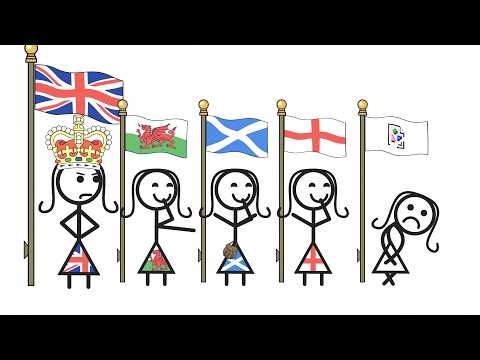
- Politically, the island is divided into the independent Republic of Ireland and Northern Ireland, which remains a constituent part of the United Kingdom of Great Britain.
- The country has a profound cultural legacy, producing world-renowned literature, traditional music, and a global diaspora that maintains strong ties to their ancestral homeland.
- Modern Ireland is a high-income, technologically advanced nation and a key member of the European Union, serving as a major hub for global tech and pharmaceutical companies.
Ireland is a term that refers to both a specific geographical island in the North Atlantic and a sovereign nation-state. When people use the word Ireland, they are often referring to the Republic of Ireland, which covers approximately five-sixths of the island's landmass. However, geographically, the island of Ireland consists of thirty-two traditional counties. Twenty-six of these counties form the Republic of Ireland, while the remaining six counties in the northeast corner form Northern Ireland, which is a constituent part of the United Kingdom. This distinction is crucial in political, historical, and social contexts. The island is famous for its lush, green landscape, which has earned it the poetic nickname the Emerald Isle. This vibrant greenery is a direct result of the temperate oceanic climate, characterized by frequent rainfall and mild temperatures throughout the year. People use the word Ireland when discussing international travel, European politics, ancient Celtic history, and a rich literary tradition that has produced some of the world's most celebrated authors, such as James Joyce, William Butler Yeats, and Samuel Beckett.
- Geographical Context
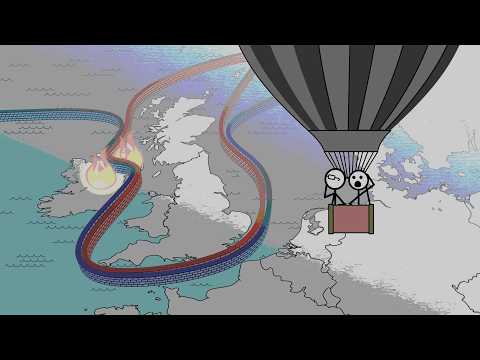
- Ireland is the second-largest island of the British Isles, the third-largest in Europe, and the twentieth-largest on Earth. It is separated from Great Britain to its east by the North Channel, the Irish Sea, and St George's Channel.
Many tourists travel to Ireland every year to see the Cliffs of Moher and experience the culture of Dublin.
Historically, Ireland has been a land of significant migration and cultural exchange. From the arrival of the Celts thousands of years ago to the Viking and Norman invasions, the identity of Ireland has been shaped by various waves of influence. In the modern era, Ireland is recognized as a high-income economy and a member of the European Union. The word is frequently heard in discussions about the European single market, especially following the departure of the United Kingdom from the European Union, which placed a spotlight on the unique status of the border between the Republic of Ireland and Northern Ireland. Furthermore, the global Irish diaspora is immense, meaning that the word Ireland carries a deep emotional and ancestral resonance for millions of people in the United States of America, Canada, Australia, and beyond who claim Irish heritage.
- Cultural Significance
- Ireland is synonymous with Saint Patrick's Day, traditional folk music, and a strong sense of community often referred to as the craic, which denotes fun, entertainment, and enjoyable conversation.
The history of Ireland is marked by both great struggle and remarkable artistic achievement.
In everyday conversation, Ireland is often used to describe the destination for a holiday or the origin of a product, such as Irish butter or Irish whiskey. The word evokes images of rolling hills, ancient stone walls, and rugged coastlines. It is also a central term in sports, particularly in rugby union, where a single national team represents the entire island, combining players from both the Republic and Northern Ireland. This unified representation is a powerful symbol of cross-border cooperation. Whether discussing the tech hubs of Dublin, the wild landscapes of Connemara, or the historical significance of the Book of Kells, the word Ireland encompasses a vast array of meanings that bridge the gap between ancient tradition and modern innovation.
Economic growth in Ireland has transformed the country into a global hub for technology and pharmaceuticals.
- Political Division
- The partition of Ireland occurred in 1921, leading to the creation of the Irish Free State and Northern Ireland, a division that remains a central theme in modern Irish discourse.
Peace in Northern Ireland was significantly advanced by the signing of the Good Friday Agreement in 1998.
The rugged beauty of western Ireland attracts artists and writers from all over the world.
Using the word Ireland in a sentence requires an understanding of its role as a proper noun. Unlike some country names that require a definite article, such as the Netherlands or the United States, Ireland is typically used without 'the' when referring to the island or the sovereign state. For example, one would say, 'I am going to Ireland,' rather than 'I am going to the Ireland.' However, if you are specifying the political entity, you must use the article: 'The Republic of Ireland is a member of the European Union.' This distinction is vital for grammatical accuracy and clarity in formal writing. Furthermore, when using Ireland as a modifier, it often changes to the adjective 'Irish,' as in 'Irish music' or 'Irish traditions.' However, in some contexts, 'Ireland' can function as an attributive noun, such as in 'the Ireland national rugby team' or 'the Ireland-United Kingdom border.'
- Prepositional Usage
- We use 'in' for location ('He lives in Ireland'), 'to' for direction ('They flew to Ireland'), and 'from' for origin ('She is from Ireland').
The weather in Ireland can change very quickly, often experiencing four seasons in one day.
In academic or formal writing, Ireland is often used to discuss historical periods or sociological trends. You might write about 'the industrialization of Ireland' or 'the impact of the Great Famine on Ireland.' In these cases, the word serves as the central subject of historical inquiry. It is also common to see Ireland used in comparative sentences, such as 'The cost of living in Ireland is higher than in some other European countries.' When discussing the island's geography, you might use cardinal directions: 'Northern Ireland is part of the United Kingdom, while Southern Ireland is a colloquial but technically incorrect term for the Republic of Ireland.' Using the correct terminology shows respect for the complex political history of the region.
- Possessive Forms
- The possessive form is 'Ireland's', as in 'Ireland's economy' or 'Ireland's landscape'.
Ireland's contribution to world literature is disproportionately large given its small population.
When constructing sentences about travel, Ireland is often paired with verbs of movement and exploration. 'We spent two weeks driving around Ireland,' or 'She decided to move to Ireland for work.' In business contexts, Ireland is frequently mentioned in relation to corporate tax and multinational corporations. 'Many American tech companies have their European headquarters in Ireland.' This usage highlights the country's role in the global economy. Additionally, in sports reporting, the word is used to denote the national team: 'Ireland won the Six Nations Championship.' Here, Ireland acts as a collective noun representing the players and the nation they serve.
After graduating, he spent a year teaching English in Ireland.
- Common Collocations
- Commonly paired with: ancient, rural, modern, coastal, divided, independent.
The flight from New York to Ireland takes approximately six hours.
The ancient myths of Ireland are still told in the Gaeltacht regions today.
The word Ireland is ubiquitous in various global and local contexts. In the realm of international news, Ireland is frequently mentioned in reports concerning the European Union, international trade, and diplomatic relations. Since the Brexit referendum, the word has been central to discussions about the 'Irish border' and the 'Northern Ireland Protocol.' You will hear news anchors and political analysts debating the implications of these agreements for the peace and stability of the region. In the world of finance and business, Ireland is often cited as a major hub for the technology and pharmaceutical industries. Financial news outlets like Bloomberg or the Financial Times regularly report on Ireland's economic growth, corporate tax policies, and its role as a gateway for American companies entering the European market.
- In Media and News
- Ireland is a frequent subject in news regarding EU policy, global tax debates, and the ongoing legacy of the Good Friday Agreement.
The news report focused on the increasing number of tech startups choosing Ireland as their base.
In the travel and tourism industry, Ireland is a powerhouse brand. You will see the word prominently displayed in advertisements for airlines like Aer Lingus and Ryanair, as well as in promotional materials from Tourism Ireland. Travel documentaries and vlogs often feature the 'Wild Atlantic Way' or the 'Ancient East,' using the word Ireland to evoke a sense of adventure, history, and natural beauty. If you are at an international airport, you will hear the word over the loudspeaker during boarding announcements for flights to Dublin, Shannon, or Cork. In the hospitality sector, the word is associated with 'Irish hospitality,' a reputation for being welcoming and friendly to visitors.
- In Sports and Entertainment
- Ireland is used to refer to the national teams in rugby, soccer, and cricket, often accompanied by passionate fan chants and songs.
The commentator shouted with excitement as Ireland scored a last-minute try against France.
Cultural events and festivals are another common place to hear the word. Every March 17th, the word Ireland is celebrated globally during Saint Patrick's Day festivities. From parades in New York City to landmarks being lit green in Sydney, the word is a focal point for celebrating Irish culture and heritage. In the world of music and literature, Ireland is frequently referenced as a source of inspiration. You might hear it in the lyrics of songs by U2, The Cranberries, or Hozier, or in discussions about the Booker Prize, which many Irish authors have won. In academic settings, particularly in history or literature departments, Ireland is a subject of intense study, with lectures focusing on the Irish diaspora, the Celtic Revival, or the history of the Irish language.
During the festival, speakers from across Ireland gathered to discuss the future of the Irish language.
- In Everyday Conversation
- People use the word when talking about their ancestry, planning a vacation, or simply discussing the weather or a recent rugby match.
'I've always wanted to visit Ireland to see where my great-grandfather was born,' she said.
The documentary provided a fascinating look at the diverse wildlife found in Ireland.
One of the most common mistakes learners make is using the definite article 'the' before the name of the country. While it is correct to say 'the United Kingdom' or 'the United States,' it is incorrect to say 'the Ireland' when referring to the nation or the island. The correct usage is simply 'Ireland.' However, this can be confusing because you *do* use 'the' when referring to the official name of the state: 'The Republic of Ireland.' Another frequent error is the confusion between 'Ireland' and 'Northern Ireland.' It is important to remember that they are two distinct political entities. Referring to someone from Belfast as being from 'the Republic of Ireland' would be factually incorrect, just as referring to someone from Dublin as being from 'the United Kingdom' would be a significant error. Understanding this political distinction is essential for respectful and accurate communication.
- Article Usage Error
- Incorrect: 'I am flying to the Ireland tomorrow.' Correct: 'I am flying to Ireland tomorrow.'
Many people mistakenly believe that all of Ireland is part of the United Kingdom, which is not true.
Another common mistake involves the terminology used for the Irish language. People often refer to the language as 'Gaelic.' While this is technically a family of languages that includes Irish, Scottish Gaelic, and Manx, in Ireland, the language is almost always referred to simply as 'Irish' or 'Gaeilge.' Using the term 'Gaelic' to refer to the Irish language can sometimes sound like an outside perspective. Additionally, learners often struggle with the pronunciation of Irish place names, which can be quite different from their English spellings. For example, 'Dun Laoghaire' is pronounced 'Dun Leery.' While not a mistake in using the word 'Ireland' itself, it is a common pitfall when discussing the country. Furthermore, the term 'Southern Ireland' is often used by those outside the country to refer to the Republic, but this is considered outdated and geographically inaccurate, as the most northerly point of the island is actually in the Republic of Ireland (County Donegal).
- Geographical Misnomers
- Avoid using 'Southern Ireland' to refer to the Republic; it is better to use 'the Republic' or 'the South' in a local context.
It is a common mistake to think that the capital of all of Ireland is Dublin; Belfast is the capital of Northern Ireland.
Finally, there is often confusion regarding the currency used in Ireland. Since Ireland is divided into two political jurisdictions, two different currencies are used. The Republic of Ireland uses the Euro (€), while Northern Ireland uses the British Pound Sterling (£). Travelers often make the mistake of trying to use Euros in Belfast or Pounds in Dublin. While some shops near the border might accept both, it is not the standard. Misunderstanding this can lead to practical difficulties during travel. Similarly, the use of 'Ireland' in a sports context can be confusing, as some sports (like rugby) have a unified team for the whole island, while others (like soccer) have separate teams for the Republic and Northern Ireland. Knowing which 'Ireland' is being referred to in a sports headline is key to understanding the news.
One must remember that the currency in the Republic of Ireland is the Euro, not the Pound.
- Language Terminology
- Refer to the native language as 'Irish' rather than 'Gaelic' to sound more like a local or an informed observer.
The student was corrected when he referred to the language of Ireland as Gaelic.
Understanding the distinction between the two parts of Ireland is crucial for anyone studying European history.
While Ireland is the standard name for the country and island, there are several alternatives and similar terms used depending on the context. The most common alternative is 'The Republic of Ireland,' which is used specifically to refer to the sovereign state, distinguishing it from Northern Ireland. In the Irish language, the name is 'Éire.' You will often see this on official documents, coins, and stamps. Historically and poetically, Ireland is often referred to as 'The Emerald Isle' due to its lush green landscape. This term is frequently used in tourism marketing and literature to evoke a romanticized image of the country. Another historical name is 'Hibernia,' the Latin name for Ireland used by the Romans. While rarely used in modern speech, it still appears in the names of various organizations, such as the Ancient Order of Hibernians.
- The Republic of Ireland vs. Ireland
- 'The Republic of Ireland' is the official legal description of the state, while 'Ireland' is the name of the state and the island.
The poet described Ireland as the Emerald Isle, a land of mist and magic.
In the context of the political division of the island, people often use terms like 'The South' to refer to the Republic and 'The North' to refer to Northern Ireland. However, these terms are relative and can be confusing, especially since parts of 'The South' (the Republic) are geographically further north than 'The North' (Northern Ireland). In more nationalist contexts, the Republic is sometimes referred to as 'The Twenty-Six Counties,' and Northern Ireland as 'The Six Counties,' reflecting the number of counties in each jurisdiction before partition. These terms carry significant political weight and are usually used to emphasize the idea that the partition is temporary or illegitimate. Conversely, those who support the union with Great Britain might refer to Northern Ireland as 'Ulster,' although technically the historical province of Ulster contains nine counties, three of which are in the Republic.
- Éire
- The Irish language name for Ireland, often used in official state contexts and on national symbols.
The constitution states that the name of the state is Éire, or in the English language, Ireland.
When discussing the people and culture, the adjective 'Irish' is the primary term. However, you might also encounter the term 'Gaelic' in relation to sports (Gaelic games like hurling and football) or culture. It is important to distinguish between 'Irish' (the nationality and the language) and 'Gaelic' (the broader cultural and linguistic group). In some older texts, you might see the term 'Erin,' a poetic derivation of Éire, often used in songs and romantic literature. For example, the phrase 'Erin go Bragh' means 'Ireland Forever.' While these terms are not interchangeable with 'Ireland' in everyday modern English, they provide a rich tapestry of synonyms that reflect the country's complex history and cultural identity.
The ship was named 'The Spirit of Erin' as a tribute to the people of Ireland.
- Poetic Names
- Terms like 'Erin' and 'The Emerald Isle' are common in poetry and song but are not used in formal or technical writing.
The history of Ireland is often told through the lens of its many names and titles.
Whether you call it Éire or Ireland, the beauty of the country remains the same.
چقدر رسمی است؟
نکته جالب
The name of the state in the Irish language, Éire, is a direct descendant of the Old Irish name for the goddess who was said to have protected the island.
راهنمای تلفظ
- Pronouncing it as 'Ear-land'.
- Adding an extra syllable like 'I-re-land'.
- Mispronouncing the 'd' at the end as a 't'.
- Over-emphasizing the second syllable.
- Confusing the pronunciation with 'Iceland'.
سطح دشواری
The word itself is very easy to recognize and read.
Spelling is straightforward, though the 'e' before 'land' can be forgotten.
The diphthong in the first syllable can be tricky for some learners.
Easily identifiable in most accents.
بعداً چه یاد بگیریم؟
پیشنیازها
بعداً یاد بگیرید
پیشرفته
گرامر لازم
Proper Nouns
Ireland is always capitalized.
Zero Article with Countries
We say 'in Ireland', not 'in the Ireland'.
Possessive 's
Ireland's landscape is famous.
Adjective Formation
The adjective for Ireland is Irish.
Prepositions of Place
Use 'in' for being inside the country.
مثالها بر اساس سطح
Ireland is a country in Europe.
Irlanda es un país de Europa.
Simple subject-verb-complement structure.
Dublin is the capital of Ireland.
Dublín es la capital de Irlanda.
Use of 'the capital of' to show relationship.
I want to visit Ireland.
Quiero visitar Irlanda.
Verb 'want' followed by an infinitive 'to visit'.
Ireland is very green.
Irlanda es muy verde.
Adjective 'green' modified by the adverb 'very'.
Is it raining in Ireland?
¿Está lloviendo en Irlanda?
Present continuous question form.
She is from Ireland.
Ella es de Irlanda.
Preposition 'from' indicating origin.
Ireland has many sheep.
Irlanda tiene muchas ovejas.
Verb 'has' for possession/characteristics.
The flag of Ireland is green, white, and orange.
La bandera de Irlanda es verde, blanca y naranja.
Listing adjectives with commas and 'and'.
Ireland is famous for its beautiful landscapes.
Irlanda es famosa por sus hermosos paisajes.
Adjective 'famous' followed by the preposition 'for'.
Many people in Ireland speak English.
Mucha gente en Irlanda habla inglés.
Quantifier 'many' used with a plural noun.
We saw many old castles in Ireland.
Vimos muchos castillos antiguos en Irlanda.
Past simple tense of 'see'.
Ireland's weather is often wet and windy.
El clima de Irlanda suele ser húmedo y ventoso.
Possessive form 'Ireland's'.
They are traveling around Ireland by car.
Están viajando por Irlanda en coche.
Present continuous for an ongoing action.
Saint Patrick is the patron saint of Ireland.
San Patricio es el santo patrón de Irlanda.
Noun phrase 'patron saint of'.
Ireland is an island in the Atlantic Ocean.
Irlanda es una isla en el océano Atlántico.
Use of 'an' before a word starting with a vowel.
I bought this sweater in Ireland.
Compré este suéter en Irlanda.
Past simple tense with a specific location.
Ireland has a rich history that dates back thousands of years.
Irlanda tiene una rica historia que se remonta a miles de años.
Relative clause starting with 'that'.
The culture of Ireland is known all over the world.
La cultura de Irlanda es conocida en todo el mundo.
Passive voice 'is known'.
If you go to Ireland, you should visit the west coast.
Si vas a Irlanda, deberías visitar la costa oeste.
First conditional structure for advice.
Ireland has become a very modern and tech-savvy country.
Irlanda se ha convertido en un país muy moderno y experto en tecnología.
Present perfect tense to show change over time.
Traditional music is still very popular in Ireland today.
La música tradicional sigue siendo muy popular en Irlanda hoy en día.
Adverb 'still' used to show continuity.
Many people emigrated from Ireland during the 19th century.
Mucha gente emigró de Irlanda durante el siglo XIX.
Past simple tense with a time expression.
Ireland is divided into the Republic and Northern Ireland.
Irlanda está dividida en la República e Irlanda del Norte.
Passive voice 'is divided'.
The landscape of Ireland is characterized by rolling hills.
El paisaje de Irlanda se caracteriza por colinas onduladas.
Passive voice with 'characterized by'.
Ireland's economy has undergone significant changes in recent decades.
La economía de Irlanda ha experimentado cambios significativos en las últimas décadas.
Present perfect with 'undergone' for experiences.
The political situation in Ireland is complex and deeply rooted in history.
La situación política en Irlanda es compleja y está profundamente arraigada en la historia.
Compound adjectives 'complex' and 'deeply rooted'.
Ireland is a prominent member of the European Union.
Irlanda es un miembro destacado de la Unión Europea.
Adjective 'prominent' to describe status.
The literary tradition in Ireland is exceptionally strong.
La tradición literaria en Irlanda es excepcionalmente fuerte.
Adverb 'exceptionally' modifying the adjective 'strong'.
Ireland has managed to preserve its unique cultural identity.
Irlanda ha logrado preservar su identidad cultural única.
Verb 'manage' followed by a 'to' infinitive.
The peace process in Ireland was a major diplomatic achievement.
El proceso de paz en Irlanda fue un gran logro diplomático.
Noun phrase 'major diplomatic achievement'.
Ireland attracts a large amount of foreign direct investment.
Irlanda atrae una gran cantidad de inversión extranjera directa.
Uncountable noun 'investment' with 'a large amount of'.
The diaspora has played a crucial role in Ireland's global influence.
La diáspora ha desempeñado un papel crucial en la influencia global de Irlanda.
Present perfect 'has played' for an action with current relevance.
Ireland's post-colonial history continues to shape its national discourse.
La historia poscolonial de Irlanda sigue dando forma a su discurso nacional.
Use of 'shape' as a verb for influence.
The nuances of Hiberno-English are fascinating to linguists studying Ireland.
Los matices del inglés hiberno son fascinantes para los lingüistas que estudian Irlanda.
Participle phrase 'studying Ireland' modifying 'linguists'.
Ireland has navigated the challenges of Brexit with considerable diplomatic skill.
Irlanda ha navegado los desafíos del Brexit con una habilidad diplomática considerable.
Metaphorical use of 'navigated'.
The rapid secularization of Ireland is a subject of much sociological debate.
La rápida secularización de Irlanda es objeto de mucho debate sociológico.
Noun 'secularization' followed by a prepositional phrase.
Ireland's neutrality in international conflicts is a cornerstone of its foreign policy.
La neutralidad de Irlanda en los conflictos internacionales es una piedra angular de su política exterior.
Metaphor 'cornerstone' for a fundamental principle.
The artistic output of Ireland often grapples with themes of land and identity.
La producción artística de Irlanda a menudo lidia con temas de tierra e identidad.
Phrasal verb 'grapples with'.
Ireland serves as a vital bridge between the United States and Europe.
Irlanda sirve como un puente vital entre los Estados Unidos y Europa.
Verb 'serves as' to describe a function.
The complexity of the Irish border remains a central issue in contemporary Ireland.
La complejidad de la frontera irlandesa sigue siendo un tema central en la Irlanda contemporánea.
Adjective 'contemporary' for current times.
The multifaceted nature of Ireland's identity defies simple categorization.
La naturaleza multifacética de la identidad de Irlanda desafía una categorización simple.
Verb 'defies' used for something that cannot be easily explained.
Ireland's legislative framework has evolved to reflect a more pluralistic society.
El marco legislativo de Irlanda ha evolucionado para reflejar una sociedad más pluralista.
Adjective 'pluralistic' to describe diversity.
The subtle interplay between tradition and modernity is palpable throughout Ireland.
La sutil interacción entre tradición y modernidad es palpable en toda Irlanda.
Noun 'interplay' for mutual influence.
Ireland's commitment to multilateralism is evident in its active role within the UN.
El compromiso de Irlanda con el multilateralismo es evidente en su papel activo dentro de la ONU.
Noun 'multilateralism' for international cooperation.
The socio-economic disparities in Ireland are a persistent concern for policymakers.
Las disparidades socioeconómicas en Irlanda son una preocupación persistente para los responsables políticos.
Noun 'disparities' for inequalities.
Ireland's cultural diplomacy leverages its rich heritage to foster global connections.
La diplomacia cultural de Irlanda aprovecha su rico patrimonio para fomentar conexiones globales.
Verb 'leverages' for using something to gain an advantage.
The enduring legacy of the Great Famine remains etched in the collective memory of Ireland.
El legado perdurable de la Gran Hambruna permanece grabado en la memoria colectiva de Irlanda.
Metaphorical use of 'etched' for something deeply remembered.
Ireland's journey towards reconciliation in the North is a testament to the power of dialogue.
El viaje de Irlanda hacia la reconciliación en el Norte es un testimonio del poder del diálogo.
Noun 'testament' for proof or evidence.
ترکیبهای رایج
عبارات رایج
— A phrase often used to describe good fortune, though its origins are ironic.
He won the lottery; I guess he has the luck of the Irish.
— A poetic name for Ireland, referring to its green landscape.
We are planning a trip to the Emerald Isle this summer.
— An Irish phrase meaning 'a hundred thousand welcomes.'
The sign at the airport said Céad Míle Fáilte.
— An Irish term for fun, entertainment, and enjoyable conversation.
We went to the pub last night for the craic.
— A famous tourism trail along the west coast of Ireland.
They spent their honeymoon driving the Wild Atlantic Way.
— A period of conflict in Northern Ireland from the late 1960s to 1998.
The Troubles deeply affected many families in the North.
— A period of rapid economic growth in Ireland from the mid-1990s to late 2000s.
Ireland was transformed during the years of the Celtic Tiger.
— Historically, the area around Dublin under English rule; now means 'beyond the limit.'
His behavior was completely beyond the pale.
— Refers to the entire island of Ireland, including the North and the Republic.
The organization operates across all 32 counties.
— The reputation of Irish people for being exceptionally welcoming.
We were overwhelmed by the warm Irish hospitality.
اغلب اشتباه گرفته میشود با
Often confused due to similar spelling and both being islands in the North Atlantic.
A separate political entity that is part of the United Kingdom.
The neighboring island; Ireland is not part of Great Britain.
اصطلاحات و عبارات
— To be in a very fortunate or successful position.
Ever since he got that promotion, he's been on the pig's back.
Informal— Behaving in a foolish or annoying way.
Stop acting the maggot and finish your homework!
Informal— Complaining or scolding someone.
My mother was giving out to me for being late.
Informal— Having a great deal of fun.
We had a whale of a time at the wedding in Ireland.
Informal— Used to mean 'fine' or 'okay' in almost any situation.
The weather is a bit rainy, but it's grand.
Informal— Taking a risk in the hope of achieving something.
I'm chancing my arm by asking for a raise so soon.
Informal— To be very eloquent or persuasive in speech.
He could sell ice to an Eskimo; he has the gift of the gab.
Informal— Well done or congratulations.
Fair play to you for passing that difficult exam!
Informal— Used to refer to a specific person whose name might not be mentioned.
I saw your man from the shop earlier today.
Informalبهراحتی اشتباه گرفته میشود
Learners sometimes use the noun when they need the adjective.
Ireland is the place (noun), while Irish is the people, language, or quality (adjective).
He is Ireland (Wrong). He is Irish (Right).
Used to refer to the language.
In Ireland, the language is usually called 'Irish'. Gaelic refers to the broader cultural group.
She speaks Irish fluently.
Because of the term 'British Isles'.
People from the Republic of Ireland are not British; they are Irish.
He is an Irish citizen, not a British one.
Seeing it on coins or stamps.
Eire is simply the Irish word for Ireland.
The name of the state is Éire.
Used as a synonym for Northern Ireland.
Ulster is a province of nine counties, only six of which are in Northern Ireland.
He lives in County Donegal, which is in Ulster but not in Northern Ireland.
الگوهای جملهسازی
I am from [Country].
I am from Ireland.
[Country] is famous for [Noun].
Ireland is famous for its music.
I have always wanted to visit [Country].
I have always wanted to visit Ireland.
The economy of [Country] has grown rapidly.
The economy of Ireland has grown rapidly.
The legacy of [Historical Event] remains central to [Country].
The legacy of the famine remains central to Ireland.
The multifaceted identity of [Country] is reflected in its [Noun].
The multifaceted identity of Ireland is reflected in its literature.
If I went to [Country], I would [Verb].
If I went to Ireland, I would visit Dublin.
The weather in [Country] is [Adjective].
The weather in Ireland is rainy.
خانواده کلمه
اسمها
صفتها
مرتبط
نحوه استفاده
Very common in travel, news, and history contexts.
-
Saying 'The Ireland'
→
Ireland
Proper names of countries usually do not take a definite article in English. You should say 'I am in Ireland'.
-
Calling everyone in Ireland 'British'
→
Irish
People from the Republic of Ireland are Irish citizens and do not consider themselves British. This can be an offensive mistake.
-
Using Pounds in Dublin
→
Euros
The Republic of Ireland uses the Euro. Pounds are only used in Northern Ireland. Always check which part of the island you are in.
-
Confusing Ireland with Iceland
→
Ireland
While both are islands, they are very different countries with different cultures, languages, and climates. Ireland is much further south.
-
Saying 'Southern Ireland' in a formal context
→
The Republic of Ireland
'Southern Ireland' is a colloquial term that is technically inaccurate and can be seen as politically insensitive. Use the official name.
نکات
No 'The'
Remember that you don't use 'the' before Ireland. Just say 'I live in Ireland' or 'I am going to Ireland'. Using 'the' is a very common mistake for beginners.
Respect the Border
Be aware that the island is divided. People in the Republic are Irish, and people in the North can be Irish, British, or both. It's a sensitive topic, so listen more than you speak at first.
Bring a Raincoat
The weather in Ireland is famous for being unpredictable. Even if it looks sunny, it can rain five minutes later. Always carry a light, waterproof jacket when you are out exploring.
Irish vs Gaelic
When referring to the native language, call it 'Irish'. While 'Gaelic' is technically correct as a language family, 'Irish' is the term used by the people who live there.
The Craic
If someone asks 'What's the craic?', they are asking 'How are you?' or 'What's the news?'. It's a very common informal greeting that you will hear everywhere.
The First Syllable
Focus on the 'Eye' sound at the beginning of Ireland. It should sound like the word 'eye'. Avoid making it sound like 'ear' or 'air'.
Tech Hub
If you are in the tech industry, Ireland is a great place for networking. Many of the world's biggest companies have their European headquarters in Dublin's 'Silicon Docks'.
Ancient Sites
Don't just stay in the cities. Ireland has incredible ancient sites like Newgrange, which is older than the Pyramids of Giza. Make sure to visit some historical landmarks.
The West is Best
While Dublin is great, many people believe the true beauty of Ireland is in the West. Counties like Galway, Kerry, and Donegal offer stunning landscapes and traditional culture.
Buying a Round
In Irish pubs, it is common for people to buy 'rounds' of drinks. If someone buys you a drink, you are expected to buy the next one for the group. It's a key part of socializing.
حفظ کنید
روش یادسپاری
Imagine a land that is always GREEN (Ireland) and sounds like 'I' am on 'Land'.
تداعی تصویری
Think of a green shamrock or a map of a small island that looks like a teddy bear.
شبکه واژگان
چالش
Try to use the word Ireland in three different sentences: one about travel, one about history, and one about sports.
ریشه کلمه
The name Ireland derives from the Old Irish 'Ériu', the name of a Gaelic goddess. This was combined with the Germanic word 'land'. The name Ériu itself likely comes from a Proto-Indo-European word meaning 'fat' or 'abundant', referring to the fertility of the soil.
معنای اصلی: Land of Ériu (the goddess of the land).
Indo-European, specifically Celtic and Germanic influences.بافت فرهنگی
Be sensitive to the political distinction between the Republic and Northern Ireland, and avoid calling Irish people 'British'.
Ireland is the only primarily English-speaking country in the European Union following Brexit, making it a key strategic partner for many nations.
تمرین در زندگی واقعی
موقعیتهای واقعی
Travel and Tourism
- Visit Ireland
- Travel around Ireland
- Explore Ireland
- Flights to Ireland
Politics and News
- The government of Ireland
- Ireland and the EU
- The border in Ireland
- Peace in Ireland
History and Culture
- The history of Ireland
- Traditional music of Ireland
- The people of Ireland
- Ancient Ireland
Business and Economy
- Invest in Ireland
- Ireland's tech sector
- Doing business in Ireland
- Ireland's corporate tax
Sports
- Ireland national team
- Playing for Ireland
- Ireland vs England
- Ireland's victory
شروعکنندههای مکالمه
"Have you ever been to Ireland for a holiday?"
"What is the first thing you think of when you hear the word Ireland?"
"Would you like to live in a place like Ireland with its rainy weather?"
"Do you know any famous writers or musicians from Ireland?"
"What do you know about the history of Ireland?"
موضوعات نگارش
Describe what you think a typical day in rural Ireland would be like.
If you could visit any city in Ireland, which one would you choose and why?
Write about the importance of cultural heritage, using Ireland as an example.
How has Ireland's global influence changed over the last century?
Reflect on the challenges of a country being divided into two political parts, like Ireland.
سوالات متداول
10 سوالNo, the Republic of Ireland is an independent sovereign state. Only Northern Ireland is part of the United Kingdom. This is a very important distinction to make when speaking with people from either place.
The primary language spoken is English, but Irish (Gaeilge) is the first official language. Most people speak English in their daily lives, but you will see Irish on road signs and official documents.
It is called the Emerald Isle because of its incredibly green landscape, which is caused by the frequent rain and mild climate. The name was first used in a poem by William Drennan in the late 18th century.
This depends on your nationality. Citizens of the EU, USA, Canada, and many other countries do not need a visa for short stays. However, you should always check the latest requirements from the Irish Department of Foreign Affairs.
Dublin is the capital and largest city of the Republic of Ireland. Belfast is the capital of Northern Ireland. Both cities have rich histories and are major cultural hubs.
Yes, Ireland is generally considered a very safe country for tourists. Like any place, you should take standard precautions in large cities, but violent crime is relatively low compared to many other countries.
The Republic of Ireland uses the Euro (€). Northern Ireland, being part of the UK, uses the British Pound Sterling (£). If you are traveling across the border, you will need both currencies.
The best time to visit is usually between May and September when the weather is milder and the days are longer. However, Ireland is beautiful year-round, provided you bring a raincoat!
Traditional food includes dishes like Irish stew, soda bread, boxty (potato pancakes), and bacon and cabbage. Seafood is also very popular, especially along the coast.
The island of Ireland is about 84,421 square kilometers. It is small enough that you can drive from one side to the other in about four to five hours, making it easy to explore.
خودت رو بسنج 180 سوال
Write a short paragraph about why you would like to visit Ireland.
خوب نوشتید! تلاش خوبی بود! پاسخ نمونه را ببینید.
Describe the differences between the Republic of Ireland and Northern Ireland.
خوب نوشتید! تلاش خوبی بود! پاسخ نمونه را ببینید.
Write a formal letter to a travel agency asking for information about a tour of Ireland.
خوب نوشتید! تلاش خوبی بود! پاسخ نمونه را ببینید.
Analyze the impact of the Irish diaspora on the country's global influence.
خوب نوشتید! تلاش خوبی بود! پاسخ نمونه را ببینید.
Discuss the challenges and opportunities for Ireland in a post-Brexit Europe.
خوب نوشتید! تلاش خوبی بود! پاسخ نمونه را ببینید.
Write a short story set in the Irish countryside.
خوب نوشتید! تلاش خوبی بود! پاسخ نمونه را ببینید.
Compare and contrast traditional and modern life in Ireland.
خوب نوشتید! تلاش خوبی بود! پاسخ نمونه را ببینید.
Write an essay on the role of literature in shaping Irish national identity.
خوب نوشتید! تلاش خوبی بود! پاسخ نمونه را ببینید.
Describe the significance of Saint Patrick's Day as a global cultural event.
خوب نوشتید! تلاش خوبی بود! پاسخ نمونه را ببینید.
Explain the importance of the peace process in Northern Ireland.
خوب نوشتید! تلاش خوبی بود! پاسخ نمونه را ببینید.
Write a review of a book or movie that is set in Ireland.
خوب نوشتید! تلاش خوبی بود! پاسخ نمونه را ببینید.
Discuss the environmental challenges facing Ireland today.
خوب نوشتید! تلاش خوبی بود! پاسخ نمونه را ببینید.
Write a poem about the Emerald Isle.
خوب نوشتید! تلاش خوبی بود! پاسخ نمونه را ببینید.
Describe your favorite Irish tradition or festival.
خوب نوشتید! تلاش خوبی بود! پاسخ نمونه را ببینید.
Analyze the economic transformation of Ireland over the last thirty years.
خوب نوشتید! تلاش خوبی بود! پاسخ نمونه را ببینید.
Write a travel itinerary for a ten-day trip around Ireland.
خوب نوشتید! تلاش خوبی بود! پاسخ نمونه را ببینید.
Discuss the role of the Irish language in modern Irish society.
خوب نوشتید! تلاش خوبی بود! پاسخ نمونه را ببینید.
Write a blog post about the best places to see in Dublin.
خوب نوشتید! تلاش خوبی بود! پاسخ نمونه را ببینید.
Explain the significance of the Good Friday Agreement.
خوب نوشتید! تلاش خوبی بود! پاسخ نمونه را ببینید.
Write a dialogue between two people planning a trip to Ireland.
خوب نوشتید! تلاش خوبی بود! پاسخ نمونه را ببینید.
Talk about a country you would like to visit, using Ireland as an example.
این را بلند بخوانید:
تو گفتی:
تشخیص گفتار در مرورگر شما پشتیبانی نمیشود. از کروم یا اج استفاده کنید.
Describe the landscape of Ireland to a partner.
این را بلند بخوانید:
تو گفتی:
تشخیص گفتار در مرورگر شما پشتیبانی نمیشود. از کروم یا اج استفاده کنید.
Discuss the pros and cons of living in a country with a lot of rain.
این را بلند بخوانید:
تو گفتی:
تشخیص گفتار در مرورگر شما پشتیبانی نمیشود. از کروم یا اج استفاده کنید.
Give a short presentation on a famous person from Ireland.
این را بلند بخوانید:
تو گفتی:
تشخیص گفتار در مرورگر شما پشتیبانی نمیشود. از کروم یا اج استفاده کنید.
Debate the importance of preserving minority languages like Irish.
این را بلند بخوانید:
تو گفتی:
تشخیص گفتار در مرورگر شما پشتیبانی نمیشود. از کروم یا اج استفاده کنید.
Analyze the political situation in Northern Ireland in a group discussion.
این را بلند بخوانید:
تو گفتی:
تشخیص گفتار در مرورگر شما پشتیبانی نمیشود. از کروم یا اج استفاده کنید.
Role-play a conversation between a tourist and a local in Dublin.
این را بلند بخوانید:
تو گفتی:
تشخیص گفتار در مرورگر شما پشتیبانی نمیشود. از کروم یا اج استفاده کنید.
Explain the significance of Saint Patrick's Day to someone who has never heard of it.
این را بلند بخوانید:
تو گفتی:
تشخیص گفتار در مرورگر شما پشتیبانی نمیشود. از کروم یا اج استفاده کنید.
Discuss the impact of the tech industry on modern Ireland.
این را بلند بخوانید:
تو گفتی:
تشخیص گفتار در مرورگر شما پشتیبانی نمیشود. از کروم یا اج استفاده کنید.
Critique a piece of Irish literature or a film set in Ireland.
این را بلند بخوانید:
تو گفتی:
تشخیص گفتار در مرورگر شما پشتیبانی نمیشود. از کروم یا اج استفاده کنید.
Describe your ideal holiday in Ireland.
این را بلند بخوانید:
تو گفتی:
تشخیص گفتار در مرورگر شما پشتیبانی نمیشود. از کروم یا اج استفاده کنید.
Talk about the importance of the Irish diaspora in your own country.
این را بلند بخوانید:
تو گفتی:
تشخیص گفتار در مرورگر شما پشتیبانی نمیشود. از کروم یا اج استفاده کنید.
Discuss the challenges of post-Brexit relations between Ireland and the UK.
این را بلند بخوانید:
تو گفتی:
تشخیص گفتار در مرورگر شما پشتیبانی نمیشود. از کروم یا اج استفاده کنید.
Tell a traditional Irish folk tale or myth.
این را بلند بخوانید:
تو گفتی:
تشخیص گفتار در مرورگر شما پشتیبانی نمیشود. از کروم یا اج استفاده کنید.
Describe the differences between Irish English and the English you are learning.
این را بلند بخوانید:
تو گفتی:
تشخیص گفتار در مرورگر شما پشتیبانی نمیشود. از کروم یا اج استفاده کنید.
Talk about the role of sports in Irish society.
این را بلند بخوانید:
تو گفتی:
تشخیص گفتار در مرورگر شما پشتیبانی نمیشود. از کروم یا اج استفاده کنید.
Explain the history of the Irish flag and its symbolism.
این را بلند بخوانید:
تو گفتی:
تشخیص گفتار در مرورگر شما پشتیبانی نمیشود. از کروم یا اج استفاده کنید.
Discuss the evolution of Irish music from traditional to modern.
این را بلند بخوانید:
تو گفتی:
تشخیص گفتار در مرورگر شما پشتیبانی نمیشود. از کروم یا اج استفاده کنید.
Role-play a business meeting between an Irish company and an international partner.
این را بلند بخوانید:
تو گفتی:
تشخیص گفتار در مرورگر شما پشتیبانی نمیشود. از کروم یا اج استفاده کنید.
Describe a famous landmark in Ireland and why it is important.
این را بلند بخوانید:
تو گفتی:
تشخیص گفتار در مرورگر شما پشتیبانی نمیشود. از کروم یا اج استفاده کنید.
Listen to a short weather report for Ireland and identify the predicted temperature.
Listen to a travel vlog about Dublin and list three places the vlogger visits.
Listen to an interview with an Irish musician and summarize their career.
Listen to a news report about the Irish economy and identify the main challenges mentioned.
Listen to a lecture on Irish history and take notes on the key dates.
Listen to a podcast about the Northern Ireland peace process and identify the different perspectives.
Listen to a traditional Irish song and try to write down the lyrics.
Listen to a radio advertisement for a tour of Ireland and identify the special offer.
Listen to a discussion about the Irish language and summarize the arguments for and against its preservation.
Listen to a description of an Irish festival and identify the activities involved.
Listen to an expert talking about Irish literature and identify the authors they mention.
Listen to a conversation between two people with Irish accents and identify their regional origins.
Listen to a guide explaining the history of a castle in Ireland and answer three questions.
Listen to a report on the impact of climate change on Ireland and identify the main threats.
Listen to a series of short clips featuring different Irish accents and match them to the correct region.
/ 180 درست
نمره کامل!
Summary
Ireland is more than just a geographical location; it is a complex blend of ancient Celtic heritage, a difficult colonial past, and a dynamic, modern European identity. For example, while it is famous for its traditional folklore, it is also a global leader in the digital economy.
- Ireland is an island in the North Atlantic, west of Great Britain, known for its lush green landscapes and temperate, rainy oceanic climate throughout the year.
- Politically, the island is divided into the independent Republic of Ireland and Northern Ireland, which remains a constituent part of the United Kingdom of Great Britain.
- The country has a profound cultural legacy, producing world-renowned literature, traditional music, and a global diaspora that maintains strong ties to their ancestral homeland.
- Modern Ireland is a high-income, technologically advanced nation and a key member of the European Union, serving as a major hub for global tech and pharmaceutical companies.
No 'The'
Remember that you don't use 'the' before Ireland. Just say 'I live in Ireland' or 'I am going to Ireland'. Using 'the' is a very common mistake for beginners.
Respect the Border
Be aware that the island is divided. People in the Republic are Irish, and people in the North can be Irish, British, or both. It's a sensitive topic, so listen more than you speak at first.
Bring a Raincoat
The weather in Ireland is famous for being unpredictable. Even if it looks sunny, it can rain five minutes later. Always carry a light, waterproof jacket when you are out exploring.
Irish vs Gaelic
When referring to the native language, call it 'Irish'. While 'Gaelic' is technically correct as a language family, 'Irish' is the term used by the people who live there.
مثال
I am planning to visit Ireland next summer to see the cliffs.
محتوای مرتبط

آن را در متن یاد بگیرید
واژههای بیشتر Geography
abgeoency
C1تجزیه و تحلیل یا دسته بندی سیستماتیک بر اساس منشاء جغرافیایی.
adjacency
B2مجاورت آشپزخانه با اتاق غذاخوری باعث سهولت در پذیرایی از مهمانان میشود.
africa
A1آفریقا دومین قاره بزرگ جهان است که دارای ۵۴ کشور مستقل میباشد.
agrarian
B2مربوط به زمینهای مزروعی، مالکیت آنها یا یک سیستم اجتماعی مبتنی بر کشاورزی. مثال: 'اصلاحات ارضی تأثیر زیادی بر زندگی روستاییان داشت.'
agricultural
B2کشاورزی، مربوط به علم، هنر یا عمل زراعت و پرورش دام.
alpine
B2مربوط به کوه های بلند، به ویژه مناظر طبیعی، گیاهان یا حیوانات آنها. / چیزهایی را توصیف می کند که در کوه های بلند یافت می شوند، مانند گیاهان، حیوانات یا مناظر، که اغلب بالای خط درختان قرار دارند.
altitude
B2هواپیما در ارتفاع ده هزار متری از سطح دریا پرواز میکرد.
america
B1آمریکا کشوری در آمریکای شمالی است که اغلب به عنوان ایالات متحده شناخته میشود.
antarctic
B2مربوط به قطب جنوب یا مناطق اطراف آن. 'حیات وحش آنتارکتیک بسیار دیدنی است.'
antarctica
A2آنتارکتیکا جنوبیترین قاره زمین است که تقریباً تمام آن در جنوب دایره قطب جنوب قرار دارد.

