제주도에 در ۳۰ ثانیه
- Means 'to' or 'at' Jeju Island, Korea's most famous vacation spot.
- Combines the noun '제주도' with the location/destination particle '에'.
- Used with verbs like 'go', 'come', 'stay', and 'be'.
- Essential for travel planning, weather reports, and cultural discussions.
The phrase 제주도에 (Jeju-do-e) is a combination of the proper noun '제주도' (Jeju Island) and the versatile Korean particle '에'. To understand this phrase, one must first appreciate the significance of Jeju Island in the Korean psyche. Known as the 'Hawaii of Korea,' Jeju is a volcanic island located off the southern coast of the Korean Peninsula. It is a place of natural wonder, unique dialect, and distinct cultural heritage. The particle '에' serves as a marker for either a destination (where one is going) or a static location (where something or someone is currently situated). Therefore, when a speaker says '제주도에,' they are setting the stage for an action related to this specific location.
- Geographical Context
- Jeju-do is Korea's largest island, dominated by Hallasan, a dormant volcano. It is a UNESCO World Heritage site, making the phrase '제주도에' common in travel, environmental, and historical discussions.
- Grammatical Function
- The particle '에' functions as a locative marker. Unlike '에서', which marks where an activity takes place, '에' focuses on the point of existence or the goal of movement.
내년 여름에는 제주도에 가고 싶어요. (I want to go to Jeju Island next summer.)
In daily life, you will hear this phrase constantly during vacation planning, weather reports, and discussions about domestic travel. Because Jeju is the top honeymoon and holiday destination for Koreans, the phrase carries a connotation of relaxation, escape, and natural beauty. It is not just a geographical marker; it is a symbol of leisure. When used with verbs of existence like '있다' (to be), it describes being physically present on the island. When used with verbs of motion like '가다' (to go) or '도착하다' (to arrive), it indicates the island as the target destination.
부모님께서 지금 제주도에 계십니다. (My parents are in Jeju Island right now.)
Furthermore, '제주도에' is often used in the context of the 'Jeju one-month living' (제주 한 달 살기) trend, which has become a popular lifestyle choice for those seeking a break from the fast-paced city life of Seoul. In this context, the phrase represents a dream or a transitional period in one's life. The island's unique status as a self-governing province also means that '제주도에' appears frequently in political and administrative news, often referring to the specific laws or regulations that apply only to the island, such as visa-free entry for certain nationalities.
- Cultural Nuance
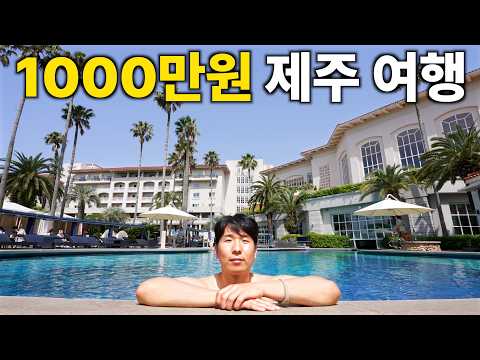
- Using '제주도에' often evokes images of palm trees, stone statues (Dol Hareubang), and the blue sea, which are distinct from the mainland Korean landscape.
제주도에 비가 많이 오고 있어요. (It is raining a lot in Jeju Island.)
In summary, '제주도에' is more than just a noun and a particle; it is a gateway to discussing one of the most beloved parts of Korea. Whether you are talking about moving there, visiting for a weekend, or checking the weather, mastering this phrase allows you to engage in one of the most common topics of conversation in Korean culture.
Using 제주도에 correctly requires an understanding of how the particle '에' interacts with different types of verbs. In Korean, '에' is primarily used with verbs that indicate state, existence, or movement toward a goal. This distinguishes it from '에서', which is used for dynamic actions occurring at a location. Let's explore the various sentence patterns where '제주도에' is essential.
- Existence (있다/없다)
- To say something is located in Jeju, use '에 있다'. For example: '제주도에 예쁜 카페가 많아요' (There are many pretty cafes in Jeju Island).
- Movement (가다/오다/다니다)
- To indicate Jeju as a destination, use '에 가다'. For example: '이번 주말에 제주도에 가요' (I am going to Jeju Island this weekend).
제주도에 도착하면 연락해 주세요. (Please contact me when you arrive in Jeju Island.)
When constructing sentences, the position of '제주도에' is relatively flexible due to Korean's SOV (Subject-Object-Verb) structure, but it typically appears after the subject and before the verb. For emphasis, it can also be placed at the very beginning of the sentence. For instance, '제주도에 저는 처음 가봐요' (As for Jeju Island, it's my first time going) emphasizes the location as the topic of the experience.
Advanced learners should also note that '에' can be combined with other particles for nuance. '제주도에는' (Jeju-do-e-neun) adds a contrastive or topic-marking element, often used when comparing Jeju to other places. For example, '서울은 춥지만 제주도에는 따뜻해요' (Seoul is cold, but in Jeju Island, it is warm). This subtle addition of '는' changes the focus of the sentence significantly.
친구들과 함께 제주도에 놀러 갔어요. (I went to Jeju Island to play/hang out with my friends.)
In professional or academic writing, '제주도에' might be used to describe geographical distribution or demographic data. For example, '제주도에 서식하는 희귀 식물' (Rare plants that inhabit Jeju Island). Here, '에' links the location to the state of inhabiting (서식하는). Understanding these varied uses—from casual travel plans to scientific descriptions—is key to achieving B1 level proficiency and beyond.
- Common Verb Pairings
- 가다 (go), 오다 (come), 있다 (be/exist), 살다 (live), 도착하다 (arrive), 머물다 (stay), 방문하다 (visit - though '를' is also common here).
우리는 제주도에 3일 동안 머물렀습니다. (We stayed in Jeju Island for three days.)
Finally, consider the honorific forms. When speaking to someone older or in a formal setting, the verb changes, but '제주도에' remains the same. '할머니께서 제주도에 계십니다' (Grandmother is in Jeju Island) uses the honorific '계시다' instead of '있다', but the location marker '에' is constant. This stability makes it a reliable building block for your Korean sentences.
The phrase 제주도에 is ubiquitous in South Korea, appearing in a wide range of social and professional contexts. Because Jeju is the nation's premier travel destination, you will encounter this phrase from the moment you step into an airport to the casual conversations you have with friends over coffee. Understanding the environments where this phrase is used will help you recognize it more easily and use it more naturally.
- At the Airport and Travel Agencies
- Announcements such as '제주도에 가시는 승객 여러분...' (Passengers going to Jeju Island...) are common. Travel agents will ask, '제주도에 언제 가실 계획인가요?' (When are you planning to go to Jeju Island?).
- Weather Forecasts
- Meteorologists frequently say, '오늘 제주도에 강한 바람이 불겠습니다' (Strong winds will blow in Jeju Island today). Jeju's weather is often different from the mainland, making it a staple in daily news.
TV News: "현재 제주도에 많은 관광객이 몰리고 있습니다." (Currently, many tourists are flocking to Jeju Island.)
In popular culture, especially K-Dramas and Variety Shows, '제주도에' is a recurring theme. Shows like 'Hyori's Homestay' (효리네 민박) brought the phrase into the living rooms of millions, as viewers watched celebrities live '제주도에'. It often represents a place of healing (힐링) and a break from the competitive 'Hell Joseon' lifestyle of the mainland. You'll hear characters say, '우리 제주도에 가서 살까?' (Shall we go and live in Jeju Island?) as a romantic or escapist proposition.
Social media is another place where '제주도에' thrives. Hashtags like #제주도여행 (Jeju Travel) often accompany captions like '드디어 제주도에 왔어요!' (I've finally come to Jeju Island!). It is a phrase associated with 'flexing' one's vacation or sharing beautiful scenery. In business, it might appear in discussions about logistics or regional branches, such as '제주도에 지점을 개설했습니다' (We opened a branch in Jeju Island).
Casual Conversation: "너 이번 휴가 때 제주도에 간다며?" (I heard you're going to Jeju Island this vacation?)
Lastly, you will hear it in historical and educational contexts. Jeju has a tragic history (such as the April 3rd Incident) and a unique status as the 'Island of Three Abundances' (rocks, wind, and women). Educators might say, '제주도에 왜 돌하르방이 많을까요?' (Why are there many Dol Hareubangs in Jeju Island?). This variety of contexts—from the mundane weather to deep historical inquiry—shows how central the phrase is to the Korean language experience.
- Workplace Usage
- '제주도에 출장을 가야 해요' (I have to go on a business trip to Jeju Island). Even work feels a bit different when it's in Jeju!
While 제주도에 might seem straightforward, English speakers and other learners often make specific errors when using the particle '에' with this location. The most common mistakes involve confusing '에' with other particles like '에서' or '로', or misusing the noun itself. Understanding these pitfalls is crucial for moving from a beginner to an intermediate level of Korean.
- Confusing '에' and '에서'
- This is the #1 mistake. Use '에' for existence (있다) or destination (가다). Use '에서' for where an action happens. Wrong: '제주도에 수영해요'. Right: '제주도에서 수영해요' (I swim in Jeju).
- Overusing '제주도' vs '제주'
- While '제주도' is the full name, in modern conversation, people often just say '제주'. However, adding '도' (island) is more formal and clear. Using '제주도에' is never wrong, but '제주에' is very common.
Incorrect: 제주도에 밥을 먹었어요. (I ate food to Jeju - Nonsense)
Correct: 제주도에서 밥을 먹었어요. (I ate food in Jeju.)
Another mistake is confusing '에' with '로' (towards). While '제주도에 가요' and '제주도로 가요' both translate to 'going to Jeju,' '로' emphasizes the direction or the route, whereas '에' emphasizes the destination itself. For a B1 learner, '에' is the safer and more common choice, but knowing the difference prevents confusion when hearing native speakers.
Learners also sometimes forget that '에' is used for time as well. While '제주도에' refers to a place, '에' can appear in the same sentence referring to time, like '주말에 제주도에 가요' (I go to Jeju on the weekend). This double use of '에' can be confusing. Remember that the first '에' is for time (주말에) and the second is for the destination (제주도에).
Incorrect: 제주도에 친구를 만나요.
Correct: 제주도에서 친구를 만나요. (I meet a friend in Jeju.)
Finally, some learners mistakenly use '에' with verbs like '방문하다' (to visit). In Korean, '방문하다' usually takes the object particle '를/을'. So, '제주도를 방문하다' is more natural than '제주도에 방문하다', although the latter is sometimes heard. Sticking to the '에' + '가다/있다' rule will help you avoid the majority of errors associated with this phrase.
- Summary of '에' vs '에서'
- 에 = Destination/Existence (Where you go/Where you are).
에서 = Action Location (Where you DO something).
While 제주도에 is a specific geographical reference, there are several ways to express similar ideas or refer to the island using different nuances. Understanding these alternatives will enrich your vocabulary and allow you to express yourself more precisely depending on the context.
- 제주도로 (Jeju-do-ro)
- Meaning 'towards Jeju Island'. This emphasizes the direction or the process of traveling. Use this when talking about the route or choosing Jeju over other options. '이번에는 제주도로 가기로 했어요' (We decided to go towards/to Jeju this time).
- 제주도까지 (Jeju-do-kkaji)
- Meaning 'as far as/until Jeju Island'. This is used to emphasize the distance or the extent of a trip. '서울에서 제주도까지 비행기로 한 시간 걸려요' (It takes one hour by plane from Seoul to Jeju).
비행기가 제주도에 도착했습니다. (The plane arrived at Jeju Island.) vs 비행기가 제주도로 향하고 있습니다. (The plane is heading toward Jeju Island.)
Another alternative is using the shortened form '제주에'. As mentioned before, '도' (island) is often dropped in casual speech. '제주에 가고 싶어' sounds slightly more relaxed and conversational than '제주도에 가고 싶어'. However, in formal writing or when you want to be very clear, '제주도에' is preferred. You might also hear '제주 지역에' (in the Jeju region) in news reports or formal presentations.
If you are talking about the island as a whole entity rather than a location, you might use '제주도는'. For example, '제주도는 아름다운 섬입니다' (Jeju Island is a beautiful island). Here, '는' marks it as the subject/topic. If you are talking about the island as an object of an action, use '제주도를'. For example, '제주도를 좋아해요' (I like Jeju Island). Knowing which particle to swap '에' with is the hallmark of a skilled speaker.
- 섬에 (Seom-e)
- Meaning 'to/at the island'. This is a generic version. If you've already mentioned Jeju, you can just say '그 섬에' (to/at that island).
- 남쪽에 (Nam-jjok-e)
- Meaning 'to/at the south'. Since Jeju is in the south, people often refer to it as '남쪽에 있는 섬' (the island in the south).
우리는 제주도에 가는 대신 부산에 갔어요. (Instead of going to Jeju Island, we went to Busan.)
In conclusion, while '제주도에' is the most common and direct way to refer to the destination or location, being aware of '제주도로', '제주도까지', and the shortened '제주에' will help you navigate different social settings and express complex ideas about travel and geography in Korea.
چقدر رسمی است؟
نکته جالب
Jeju was once an independent kingdom called Tamna before being fully integrated into Korean dynasties.
راهنمای تلفظ
- Pronouncing '제' like 'zee'. It should be a soft 'ch/j'.
- Making the 'u' in '주' too short.
- Pronouncing '도' like 'dew'. It should be 'doh'.
- Merging '도' and '에' into one syllable. They should be distinct.
- Forgetting the final 'e' sound entirely.
سطح دشواری
Easy to recognize the characters, but must distinguish '에' from other particles.
Must remember the spelling of '제주도' and the correct particle.
Pronunciation is straightforward for most learners.
Very common in media, making it easy to pick up.
بعداً چه یاد بگیریم؟
پیشنیازها
بعداً یاد بگیرید
پیشرفته
گرامر لازم
Place Particle -에
학교에 가요. (I go to school.)
Existence Verb -있다
방에 책이 있어요. (There is a book in the room.)
Contrastive Particle -는
제주도에는 바람이 많아요. (In Jeju [unlike other places], there is much wind.)
Honorific Verb -계시다
선생님께서 교실에 계십니다. (The teacher is in the classroom.)
Directional Particle -로
오른쪽으로 가세요. (Go to the right.)
مثالها بر اساس سطح
제주도에 가요.
I go to Jeju Island.
Simple destination with '가다'.
제주도에 있어요.
I am in Jeju Island.
Existence at a location with '있다'.
제주도에 산이 있어요?
Is there a mountain in Jeju Island?
Questioning existence in a location.
엄마는 제주도에 계세요.
Mom is in Jeju Island (honorific).
Honorific existence '계시다'.
제주도에 꽃이 많아요.
There are many flowers in Jeju Island.
Describing quantity in a location.
오늘 제주도에 가요?
Are you going to Jeju Island today?
Time + Location + Verb.
제주도에 바다가 예뻐요.
The sea in Jeju Island is pretty.
Location + Subject + Adjective.
제주도에 친구가 살아요.
A friend lives in Jeju Island.
Living in a location with '살다'.
내년에 제주도에 가고 싶어요.
I want to go to Jeju Island next year.
Expressing desire with '-고 싶다'.
제주도에 비행기로 가요.
I go to Jeju Island by plane.
Method/Means + Destination.
제주도에 맛있는 음식이 많아요.
There is a lot of delicious food in Jeju Island.
Adjective modifying noun in a location.
제주도에 며칠 동안 있을 거예요?
How many days will you be in Jeju Island?
Future tense + Duration.
제주도에 가서 사진을 찍었어요.
I went to Jeju Island and took photos.
Sequential actions with '-아서/어서'.
제주도에 바람이 많이 불어요.
It is very windy in Jeju Island.
Weather description.
제주도에 혼자 여행을 갔어요.
I went on a trip to Jeju Island alone.
Adverb '혼자' + Destination.
제주도에 가면 귤을 꼭 드세요.
If you go to Jeju Island, please make sure to eat tangerines.
Conditional '-면' + Command.
제주도에 도착하자마자 전화를 했어요.
I called as soon as I arrived in Jeju Island.
'-자마자' (as soon as) with destination.
제주도에 머무는 동안 날씨가 좋았어요.
The weather was good while I was staying in Jeju Island.
'-는 동안' (while) with location.
제주도에 가본 적이 있어요?
Have you ever been to Jeju Island?
'-ㄴ 적이 있다' (past experience).
제주도에 갈 때마다 기분이 좋아요.
Every time I go to Jeju Island, I feel good.
'-ㄹ 때마다' (every time).
제주도에 비가 오면 박물관에 갈 거예요.
If it rains in Jeju Island, I will go to a museum.
Conditional plan.
제주도에 살고 있는 친구에게 선물을 보냈어요.
I sent a gift to a friend who is living in Jeju Island.
Relative clause '살고 있는'.
제주도에 가려면 비행기 표를 미리 예약해야 해요.
If you intend to go to Jeju Island, you must book a flight ticket in advance.
'-으려면' (if you intend to).
제주도에는 돌, 바람, 여자가 많다고 해요.
They say there are many rocks, wind, and women in Jeju Island.
Indirect quotation '-다고 하다'.
제주도에 관광객이 급증하면서 환경 오염이 심각해졌습니다.
As the number of tourists in Jeju Island surged, environmental pollution became serious.
'-면서' (as/while) indicating simultaneous development.
제주도에 정착하기로 결심한 사람들이 늘고 있습니다.
The number of people who have decided to settle in Jeju Island is increasing.
'-기로 결심하다' (decide to).
제주도에 폭설이 내려서 비행기가 결항되었습니다.
Due to heavy snow in Jeju Island, flights were canceled.
Cause and effect with '-아서/어서'.
제주도에 가기 전에 여행 일정을 꼼꼼히 세웠어요.
Before going to Jeju Island, I made a detailed travel itinerary.
'-기 전에' (before).
제주도에 있는 동안 올레길을 완주하고 싶어요.
While I am in Jeju Island, I want to complete the Olle Trail.
Specific cultural reference 'Olle Trail'.
제주도에 투자하는 외국인들이 많아지고 있습니다.
The number of foreigners investing in Jeju Island is increasing.
'-는' relative clause + '-아/어지다' (become).
제주도에 가면 꼭 해녀들의 물질을 보고 싶어요.
If I go to Jeju Island, I definitely want to see the Haenyeo (women divers) diving.
Specific cultural reference 'Haenyeo'.
제주도에 자생하는 식물들을 연구하고 있습니다.
I am researching plants that grow naturally in Jeju Island.
Formal research context.
제주도에 산재한 역사적 유적지들을 답사했습니다.
I explored the historical sites scattered across Jeju Island.
Advanced vocabulary '산재한' (scattered).
제주도에 특별자치도가 설치된 이후 많은 변화가 있었습니다.
There have been many changes since the Special Self-Governing Province was established in Jeju Island.
Administrative terminology.
제주도에 전해 내려오는 설화는 매우 독특합니다.
The legends passed down in Jeju Island are very unique.
'-어 내려오다' (passed down).
제주도에 유입되는 인구가 지역 경제에 미치는 영향.
The impact of the population flowing into Jeju Island on the local economy.
Abstract noun phrase.
제주도에 서식하는 멸종 위기종을 보호해야 합니다.
We must protect endangered species inhabiting Jeju Island.
Environmental/Scientific context.
제주도에 대한 향수가 그의 작품 곳곳에 묻어납니다.
Nostalgia for Jeju Island is evident throughout his works.
Metaphorical use of '묻어나다'.
제주도에 불어닥친 개발의 바람이 자연을 훼손하고 있습니다.
The wind of development that swept into Jeju Island is damaging nature.
Literary/Critical expression.
제주도에 거주하는 외국인들의 커뮤니티가 활성화되고 있습니다.
The community of foreigners residing in Jeju Island is becoming active.
Social analysis.
제주도에 내재된 지정학적 가치는 동북아시아에서 매우 중요합니다.
The geopolitical value inherent in Jeju Island is very important in Northeast Asia.
Geopolitical terminology.
제주도에 서려 있는 4.3 사건의 아픔을 잊지 말아야 합니다.
We must not forget the pain of the April 3rd Incident that lingers in Jeju Island.
Deeply emotional/historical '서려 있는'.
제주도에 부는 바람은 단순한 기상 현상을 넘어 섬의 정체성을 형성합니다.
The wind blowing in Jeju Island goes beyond a simple meteorological phenomenon to form the island's identity.
Philosophical discourse.
제주도에 투영된 근대화의 명암을 분석한 논문입니다.
This is a thesis analyzing the light and shadow of modernization reflected in Jeju Island.
Academic analysis.
제주도에 귀농한 청년들이 새로운 농업 모델을 제시하고 있습니다.
Young people who returned to farming in Jeju Island are presenting new agricultural models.
Socio-economic trend.
제주도에 깃든 신화적 상상력은 한국 문학의 보고입니다.
The mythical imagination embedded in Jeju Island is a treasure trove of Korean literature.
Literary appreciation.
제주도에 인접한 해역의 생태계 변화를 장기적으로 관찰하고 있습니다.
We are observing the ecological changes in the waters adjacent to Jeju Island over the long term.
Scientific monitoring.
제주도에 부여된 특별한 지위는 지방 자치의 선도적 사례입니다.
The special status granted to Jeju Island is a leading case of local autonomy.
Legal/Political analysis.
مترادفها
متضادها
ترکیبهای رایج
عبارات رایج
— If/When you go to Jeju Island. Used to give advice.
제주도에 가면 흑돼지를 꼭 드세요.
— Which is in Jeju Island. Used to describe something.
제주도에 있는 한라산은 정말 높아요.
— The experience of having been to Jeju Island.
제주도에 가본 적이 없어요.
— On the way to Jeju Island.
제주도에 가는 길에 비행기에서 사진을 찍었어요.
— Living in Jeju Island (often as a dream or project).
제주도에 살기가 제 꿈이에요.
— Rain in Jeju Island (common weather topic).
지금 제주도에 비가 많이 와요.
— Arrival in Jeju Island.
제주도에 도착해서 렌터카를 빌렸어요.
— Alone in Jeju Island (solo travel).
제주도에 혼자 여행 가는 것도 좋아요.
— Again to Jeju Island.
제주도에 다시 가고 싶어요.
— Why (to/in) Jeju Island?
제주도에 왜 가고 싶어요?
اغلب اشتباه گرفته میشود با
Used for actions happening in Jeju, while '에' is for destination or existence.
Used for direction or choice, while '에' is the general destination.
Used for distance/extent, while '에' is just the destination.
اصطلاحات و عبارات
— To go to Jeju and relax (literally eat tangerines).
이번 휴가 땐 제주도에 가서 귤이나 까먹으려고요.
Informal— To settle in Jeju for the rest of one's life.
저는 제주도에 뼈를 묻을 생각으로 내려왔습니다.
Formal/Determined— It's always windy in Jeju (can also mean constant trouble).
제주도에 바람 잘 날 없듯이 우리 집도 조용할 날이 없네.
Metaphorical— A common observation, often used to start a conversation about Jeju.
제주도에 돌이 많아서 돌담이 참 예뻐요.
Neutral— A common saying suggesting one must see the divers to truly know Jeju.
제주도에 가면 해녀를 꼭 봐야 제주를 다 본 거야.
Casual— A modern 'idiom' for taking a long healing break.
요즘 제주도에 한 달 살기가 유행이에요.
Neutral— Send horses to Jeju and people to Seoul (old proverb about success).
옛말에 말은 제주도에 보내고 사람은 서울로 보내라고 했지.
Proverb— To set foot in Jeju (start a journey or life there).
처음 제주도에 발을 들였을 때의 감동을 잊을 수 없어요.
Literary— If it rains in Jeju, check the airport first (practical travel advice).
제주도에 비가 오면 공항부터 확인해야 해, 결항될 수도 있으니까.
Casual— Reference to the famous black pork (historically raised in a specific way).
제주도에 가면 똥돼지(흑돼지)는 꼭 먹어봐야지.
Informalبهراحتی اشتباه گرفته میشود
Is it the city or the island?
Jeju-do is the island/province. Jeju-si is the city.
제주도에 가요 (Going to the island).
Sounds similar.
Geoje-do is a different island near Busan.
거제도에 가요.
Both end in -do.
Jindo is an island in the southwest, famous for dogs.
진도에 가요.
Both end in -do.
Dokdo is a small islet in the East Sea.
독도에 가요.
Both end in -do.
Yeouido is a river island in Seoul.
여의도에 가요.
الگوهای جملهسازی
[Place]에 가요.
제주도에 가요.
[Place]에 [Noun]이/가 있어요.
제주도에 바다가 있어요.
[Place]에 [Verb]-고 싶어요.
제주도에 가고 싶어요.
[Place]에 [Verb]-ㄴ 적이 있어요.
제주도에 가본 적이 있어요.
[Place]에 [Verb]-는 동안
제주도에 머무는 동안
[Place]에 [Verb]-기 위해
제주도에 가기 위해 표를 샀어요.
[Place]에 [Verb]-ㄴ 결과
제주도에 방문한 결과
[Place]에 [Verb]-ㄹ 바에야
제주도에 갈 바에야 해외로 가겠어요.
خانواده کلمه
اسمها
فعلها
صفتها
مرتبط
نحوه استفاده
Extremely high in travel and daily conversation.
-
제주도에 수영해요.
→
제주도에서 수영해요.
Swimming is an action, so you must use '에서'.
-
제주도 에 가요.
→
제주도에 가요.
There should be no space between the noun and the particle.
-
제주도에 방문해요.
→
제주도를 방문해요.
While '에' is sometimes used, '방문하다' usually takes the object particle '를'.
-
제주도에 밥을 먹었어요.
→
제주도에서 밥을 먹었어요.
Eating is an action; use '에서'.
-
제주도에 도착해요.
→
제주도에 도착해요. (Correct, but often confused with '에서')
Arriving is a point in time/space, so '에' is correct. Don't use '에서' here.
نکات
The 'Go/Be' Rule
Always pair '에' with '가다' (go), '오다' (come), and '있다' (be). This covers 90% of usage.
Tangerine Talk
If you mention '제주도에 가요', people will often mention '귤' (tangerines). It's a great conversation bridge.
Clear Vowels
Make sure to pronounce '도' and '에' as two distinct syllables to avoid sounding like a beginner.
Short Form
Use '제주에' to sound more like a local in casual settings.
No Spaces
Remember: Noun + Particle = No Space. It's '제주도에', not '제주도 에'.
Flight Context
When at the airport, look for '제주' or 'CJU' on the boards. You'll hear '제주도에' in the announcements.
Contrast
Use '제주도에는' when you want to say something is true about Jeju but maybe not elsewhere.
Dol Hareubang
Associate the phrase with the stone statues to remember the location.
Directional '로'
Try using '제주도로' when you want to sound more poetic or focused on the journey.
Action vs Location
Never say '제주도에 수영해요'. It must be '제주도에서 수영해요'.
حفظ کنید
روش یادسپاری
Think of 'J-J' (Jeju) and 'Do' (Island) and 'E' (at/to). 'J-J is the place to be!'
تداعی تصویری
Imagine a giant orange (tangerine) sitting on a volcanic mountain in the middle of the sea with a sign pointing 'TO HERE' (에).
شبکه واژگان
چالش
Try to say 'I want to go to Jeju Island' in Korean three times fast: '제주도에 가고 싶어요!'
ریشه کلمه
Jeju-do comes from 'Je' (across/over), 'ju' (state/province), and 'do' (island). The name has evolved over centuries from 'Tamna'.
معنای اصلی: The island province across the sea.
Koreanic (with unique Jeju-eo influences).بافت فرهنگی
Be mindful of the 4.3 Incident; it is a sensitive historical topic for many residents.
English speakers often compare Jeju to Hawaii or the Isle of Wight, though its volcanic nature makes it more like Iceland in some geological aspects.
تمرین در زندگی واقعی
موقعیتهای واقعی
Travel Planning
- 제주도에 언제 가요?
- 제주도에 며칠 있을 거예요?
- 제주도에 비행기표 예약했어요?
- 제주도에 가볼 만한 곳 추천해 주세요.
Weather
- 제주도에 비가 와요.
- 제주도에 바람이 많이 불어요.
- 제주도에 눈이 내려요.
- 제주도에 날씨가 어때요?
Residence
- 제주도에 살고 싶어요.
- 제주도에 친척이 살아요.
- 제주도에 집을 샀어요.
- 제주도에 정착했어요.
Arrival/Departure
- 제주도에 잘 도착했어요.
- 제주도에 몇 시에 내려요?
- 제주도에 가는 비행기가 지연됐어요.
- 제주도에 도착하면 전화할게요.
General Facts
- 제주도에 돌이 많아요.
- 제주도에 한라산이 있어요.
- 제주도에 귤이 유명해요.
- 제주도에 관광객이 많아요.
شروعکنندههای مکالمه
“제주도에 가본 적이 있으세요?”
“제주도에 가면 무엇을 제일 하고 싶어요?”
“제주도에 맛집이 어디인지 아세요?”
“제주도에 살면 어떨 것 같아요?”
“제주도에 이번 휴가 때 가실 거예요?”
موضوعات نگارش
내가 제주도에 간다면 꼭 방문하고 싶은 장소 세 곳을 써보세요.
제주도에 살고 있는 친구에게 편지를 써보세요.
제주도에 갔을 때 가장 기억에 남는 경험은 무엇인가요?
제주도에 비가 오는 날, 무엇을 하면 좋을지 계획을 세워보세요.
제주도에 왜 사람들이 많이 가는지 자신의 생각을 적어보세요.
سوالات متداول
10 سوالYes, '제주에' is very common and natural in casual speech. '제주도에' is slightly more complete and formal.
Use '에서' when you are doing an action. For example, '제주도에서 밥을 먹어요' (I eat in Jeju). Use '에' for '제주도에 있어요' (I am in Jeju).
Yes, you say '제주도에 비가 와요' (It rains in Jeju). Here, '에' marks the location where the rain is existing/occurring.
You can say '제주도에 갑니다' or '제주도에 방문합니다'.
Yes, it depends on the verb. With '가다' (go), it means 'to'. With '있다' (be), it means 'at/in'.
No, it is a province (Special Self-Governing Province). It contains two cities: Jeju-si and Seogwipo-si.
It means 'island' (島). Most Korean islands end in '-do'.
Yes, '제주도에 살아요' is the most natural way to say you live there.
In Korean, particles are attached directly to the noun without a space: '제주도에'.
The most common verbs are '가다' (to go) and '있다' (to be).
خودت رو بسنج 200 سوال
Write 'I am going to Jeju Island' in Korean.
خوب نوشتید! تلاش خوبی بود! پاسخ نمونه را ببینید.
Write 'There is a sea in Jeju Island' in Korean.
خوب نوشتید! تلاش خوبی بود! پاسخ نمونه را ببینید.
Write 'I want to go to Jeju Island next year.'
خوب نوشتید! تلاش خوبی بود! پاسخ نمونه را ببینید.
Write 'It is raining in Jeju Island.'
خوب نوشتید! تلاش خوبی بود! پاسخ نمونه را ببینید.
Write 'Have you ever been to Jeju Island?'
خوب نوشتید! تلاش خوبی بود! پاسخ نمونه را ببینید.
Write 'I stayed in Jeju Island for three days.'
خوب نوشتید! تلاش خوبی بود! پاسخ نمونه را ببینید.
Write 'Please call me when you arrive in Jeju Island.'
خوب نوشتید! تلاش خوبی بود! پاسخ نمونه را ببینید.
Write 'My friend lives in Jeju Island.'
خوب نوشتید! تلاش خوبی بود! پاسخ نمونه را ببینید.
Write 'I am planning to go to Jeju Island this weekend.'
خوب نوشتید! تلاش خوبی بود! پاسخ نمونه را ببینید.
Write 'Jeju Island has many rocks.'
خوب نوشتید! تلاش خوبی بود! پاسخ نمونه را ببینید.
Write 'I went to Jeju Island to see the sea.'
خوب نوشتید! تلاش خوبی بود! پاسخ نمونه را ببینید.
Write 'Is it windy in Jeju Island today?'
خوب نوشتید! تلاش خوبی بود! پاسخ نمونه را ببینید.
Write 'I decided to live in Jeju Island.'
خوب نوشتید! تلاش خوبی بود! پاسخ نمونه را ببینید.
Write 'Many tourists visit Jeju Island.'
خوب نوشتید! تلاش خوبی بود! پاسخ نمونه را ببینید.
Write 'I sent a parcel to Jeju Island.'
خوب نوشتید! تلاش خوبی بود! پاسخ نمونه را ببینید.
Write 'There are many pretty cafes in Jeju Island.'
خوب نوشتید! تلاش خوبی بود! پاسخ نمونه را ببینید.
Write 'I arrived in Jeju Island by boat.'
خوب نوشتید! تلاش خوبی بود! پاسخ نمونه را ببینید.
Write 'I want to see the cherry blossoms in Jeju Island.'
خوب نوشتید! تلاش خوبی بود! پاسخ نمونه را ببینید.
Write 'Jeju Island is famous for tangerines.'
خوب نوشتید! تلاش خوبی بود! پاسخ نمونه را ببینید.
Write 'I will go to Jeju Island with my family.'
خوب نوشتید! تلاش خوبی بود! پاسخ نمونه را ببینید.
Say 'I am going to Jeju Island' in Korean.
این را بلند بخوانید:
تو گفتی:
تشخیص گفتار در مرورگر شما پشتیبانی نمیشود. از کروم یا اج استفاده کنید.
Ask 'Are you in Jeju Island now?' in Korean.
این را بلند بخوانید:
تو گفتی:
تشخیص گفتار در مرورگر شما پشتیبانی نمیشود. از کروم یا اج استفاده کنید.
Say 'I want to live in Jeju Island.'
این را بلند بخوانید:
تو گفتی:
تشخیص گفتار در مرورگر شما پشتیبانی نمیشود. از کروم یا اج استفاده کنید.
Say 'It's windy in Jeju Island.'
این را بلند بخوانید:
تو گفتی:
تشخیص گفتار در مرورگر شما پشتیبانی نمیشود. از کروم یا اج استفاده کنید.
Ask 'Have you ever been to Jeju Island?'
این را بلند بخوانید:
تو گفتی:
تشخیص گفتار در مرورگر شما پشتیبانی نمیشود. از کروم یا اج استفاده کنید.
Say 'I arrived in Jeju Island.'
این را بلند بخوانید:
تو گفتی:
تشخیص گفتار در مرورگر شما پشتیبانی نمیشود. از کروم یا اج استفاده کنید.
Say 'There are many flowers in Jeju Island.'
این را بلند بخوانید:
تو گفتی:
تشخیص گفتار در مرورگر شما پشتیبانی نمیشود. از کروم یا اج استفاده کنید.
Say 'I'm going to Jeju Island this weekend.'
این را بلند بخوانید:
تو گفتی:
تشخیص گفتار در مرورگر شما پشتیبانی نمیشود. از کروم یا اج استفاده کنید.
Say 'The sea in Jeju Island is beautiful.'
این را بلند بخوانید:
تو گفتی:
تشخیص گفتار در مرورگر شما پشتیبانی نمیشود. از کروم یا اج استفاده کنید.
Say 'I will stay in Jeju Island for a week.'
این را بلند بخوانید:
تو گفتی:
تشخیص گفتار در مرورگر شما پشتیبانی نمیشود. از کروم یا اج استفاده کنید.
Say 'If you go to Jeju Island, eat tangerines.'
این را بلند بخوانید:
تو گفتی:
تشخیص گفتار در مرورگر شما پشتیبانی نمیشود. از کروم یا اج استفاده کنید.
Say 'My parents are in Jeju Island.'
این را بلند بخوانید:
تو گفتی:
تشخیص گفتار در مرورگر شما پشتیبانی نمیشود. از کروم یا اج استفاده کنید.
Say 'I went to Jeju Island alone.'
این را بلند بخوانید:
تو گفتی:
تشخیص گفتار در مرورگر شما پشتیبانی نمیشود. از کروم یا اج استفاده کنید.
Say 'I'm planning a trip to Jeju Island.'
این را بلند بخوانید:
تو گفتی:
تشخیص گفتار در مرورگر شما پشتیبانی نمیشود. از کروم یا اج استفاده کنید.
Say 'It's snowing in Jeju Island.'
این را بلند بخوانید:
تو گفتی:
تشخیص گفتار در مرورگر شما پشتیبانی نمیشود. از کروم یا اج استفاده کنید.
Say 'I miss being in Jeju Island.'
این را بلند بخوانید:
تو گفتی:
تشخیص گفتار در مرورگر شما پشتیبانی نمیشود. از کروم یا اج استفاده کنید.
Say 'The weather in Jeju Island is good.'
این را بلند بخوانید:
تو گفتی:
تشخیص گفتار در مرورگر شما پشتیبانی نمیشود. از کروم یا اج استفاده کنید.
Say 'I'm heading to Jeju Island now.'
این را بلند بخوانید:
تو گفتی:
تشخیص گفتار در مرورگر شما پشتیبانی نمیشود. از کروم یا اج استفاده کنید.
Say 'I want to see Hallasan in Jeju Island.'
این را بلند بخوانید:
تو گفتی:
تشخیص گفتار در مرورگر شما پشتیبانی نمیشود. از کروم یا اج استفاده کنید.
Say 'I finally arrived in Jeju Island!'
این را بلند بخوانید:
تو گفتی:
تشخیص گفتار در مرورگر شما پشتیبانی نمیشود. از کروم یا اج استفاده کنید.
Listen and identify the destination: '내일 제주도에 가요.'
Listen and identify the weather: '제주도에 비가 많이 오네요.'
Listen and identify the activity: '제주도에 살고 싶어요.'
Listen and identify the time: '다음 주에 제주도에 갑니다.'
Listen and identify the person: '친구가 제주도에 있어요.'
Listen and identify the reason: '바다 보러 제주도에 가요.'
Listen and identify the problem: '제주도에 눈이 와서 비행기가 안 떠요.'
Listen and identify the duration: '제주도에 3일 동안 있을 거예요.'
Listen and identify the location: '제주도에 맛집이 많아요.'
Listen and identify the object: '제주도에 귤을 사러 가요.'
Listen and identify the action: '제주도에 도착하면 전화해.'
Listen and identify the feeling: '제주도에 오니 정말 좋네요.'
Listen and identify the transport: '배 타고 제주도에 갔어요.'
Listen and identify the number: '제주도에 두 번 가봤어요.'
Listen and identify the subject: '제주도에 바람이 많이 불어요.'
/ 200 درست
نمره کامل!
Summary
The phrase '제주도에' is the standard way to mark Jeju Island as a destination or a location. For example, '제주도에 가요' (I'm going to Jeju). Always use '에' for destination and '에서' for where an action happens.
- Means 'to' or 'at' Jeju Island, Korea's most famous vacation spot.
- Combines the noun '제주도' with the location/destination particle '에'.
- Used with verbs like 'go', 'come', 'stay', and 'be'.
- Essential for travel planning, weather reports, and cultural discussions.
The 'Go/Be' Rule
Always pair '에' with '가다' (go), '오다' (come), and '있다' (be). This covers 90% of usage.
Tangerine Talk
If you mention '제주도에 가요', people will often mention '귤' (tangerines). It's a great conversation bridge.
Clear Vowels
Make sure to pronounce '도' and '에' as two distinct syllables to avoid sounding like a beginner.
Short Form
Use '제주에' to sound more like a local in casual settings.