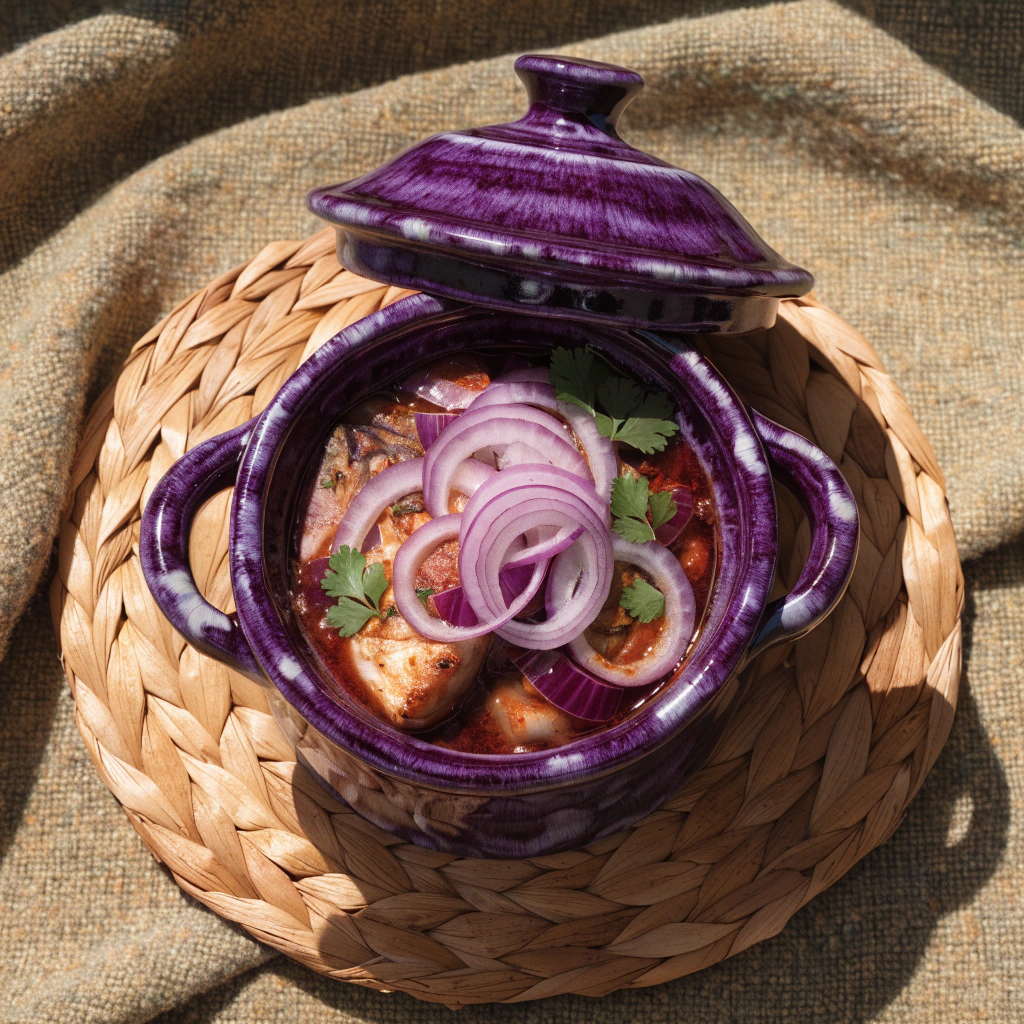
Moqueca: A Delicious Brazilian Food
Moqueca is a famous food from Brazil. It is a delicious fish stew. People in Brazil love this dish.
The soup has many fresh ingredients. There is firm white fish and sometimes shrimp. Cooks use tomatoes, onions, and garlic. They also use green coriander.
Brazil has two types of moqueca. One type is from Bahia. It has coconut milk and palm oil. The other type is from Espírito Santo. This version is simple and light.
Families eat moqueca on weekends. It is a very special meal for friends. You must try it!
文法スポットライト
パターン: Present Simple: To Be
"It is a delicious fish stew."
We use 'is' with singular subjects like 'it' or 'moqueca'. It describes a fact or a state of being.
パターン: Present Simple: Have/Has
"The soup has many fresh ingredients."
Use 'has' for singular subjects (he, she, it) and 'have' for plural subjects. This shows possession or what is inside something.
理解度をチェック
10 問 · A1 初級 · 無料プレビュー 1回
この記事で学んだことをテストしよう。全問正解してXPを獲得!
Where is Moqueca from?
問題の内訳
Where is Moqueca from?
あなたの回答:
正解: Brazil
Moqueca is a type of cake.
あなたの回答:
正解: 間違い
What is 'shrimp'?
あなたの回答:
正解: A small sea animal
Families eat moqueca on _____.
あなたの回答:
正解: weekends
The Story of Moqueca: A Delicious Brazilian Stew
Moqueca is a famous seafood stew from Brazil. It is a very old dish. Long ago, Indigenous people, Africans, and Portuguese people lived together in Brazil. They mixed their traditions to create this special food.
The stew has many fresh ingredients. Cooks use firm white fish, shrimp, onions, and tomatoes. They also add garlic and coriander for a great smell. People usually cook it slowly in a traditional clay pot.
There are two main types of Moqueca. The first is 'Moqueca Baiana' from Bahia. This version is very popular because it has coconut milk and 'dendê' palm oil. It is richer and heavier than other stews. The second is 'Moqueca Capixaba' from Espírito Santo. This version is lighter because cooks use olive oil instead of palm oil.
In the past, people only ate Moqueca near the ocean. Today, it is famous across the whole country. Brazilians often eat it with rice. It is a wonderful meal to share with family and friends.
文法スポットライト
パターン: Comparatives
"It is richer and heavier than other stews."
We use comparatives to compare two things. For short adjectives like 'rich' or 'heavy', we add '-er' and use the word 'than'.
パターン: Connectors (Because)
"This version is very popular because it has coconut milk and 'dendê' palm oil."
We use 'because' to give a reason for something. It connects the main result to the cause.
理解度をチェック
11 問 · A2 初級 · 無料プレビュー 1回
この記事で学んだことをテストしよう。全問正解してXPを獲得!
What is Moqueca?
問題の内訳
What is Moqueca?
あなたの回答:
正解: A seafood stew
Moqueca is a new dish created recently.
あなたの回答:
正解: 間違い
What does 'traditional' mean?
あなたの回答:
正解: Something from the past
Brazilians often eat Moqueca with _____.
あなたの回答:
正解: rice
Which version of Moqueca uses olive oil?
あなたの回答:
正解: Moqueca Capixaba
ブラジルの味:モケッカの秘密
ブラジルには、世界中で愛されている素晴らしい料理がたくさんあります。その中でも、特に有名なのが「モケッカ」です。モケッカは、ブラジルの先住民、アフリカ、そしてポルトガルの文化が混ざり合って生まれた、とてもユニークな魚介類の煮込み料理です。
この料理は、白身魚やエビなどの新鮮な魚介類と、トマト、玉ねぎ、ニンニク、コリアンダーなどの野菜を一緒にゆっくりと煮込んで作られます。ココナッツミルクやパーム油が使われることも多く、それがモケッカ独特の風味と色を生み出しています。一度食べたら忘れられない、深い味わいが特徴です。
しかし、このモケッカには、ブラジル国内で少し面白い「競争」があります。特に、ブラジルの北東部にあるバイーア州とエスピリトサント州という二つの地域では、それぞれ独自のモケッカが作られています。バイーア州の「モケッカ・バイーアナ」は、アフリカの伝統が強く影響しており、パーム油とココナッツミルクをたっぷりと使います。そのため、色が濃く、濃厚な味がします。
一方、エスピリトサント州の「モケッカ・カピシャーバ」は、ポルトガルの影響を受けていると言われています。パーム油は使わず、オリーブオイルとアナトーという植物の色素で色をつけます。このため、バイーアのものよりも色が薄く、あっさりとした上品な味に仕上がります。どちらのモケッカもとても美味しいですが、使う材料や味に違いがあるのが面白いですね。ブラジルへ行く機会があれば、ぜひ両方のモケッカを試して、その違いを楽しんでみてください。
文法スポットライト
パターン: 〜て生まれた
"ブラジルの先住民、アフリカ、そしてポルトガルの文化が混ざり合って生まれた、とてもユニークな魚介類の煮込み料理です。"
この形は「〜という原因や過程を経て、新しいものが誕生した」という意味を表します。「て形」の動詞の後に「生まれた」を続けることで、その結果として何かができたことを説明します。例えば、「努力して生まれた成功」のように使えます。
パターン: 〜が作られています(受身形)
"特に、ブラジルの北東部にあるバイーア州とエスピリトサント州という二つの地域では、それぞれ独自のモケッカが作られています。"
これは動詞の受身形(Passive Voice)です。「〜が作られています」は「誰かによって作られている」という状況を表します。この文では、モケッカという料理が、特定の地域で人々によって作られていることを示しています。B1レベルでは、この形を使って、主語が何かの行動の対象になっていることを表現できます。
理解度をチェック
11 問 · B1 中級 · 無料プレビュー 1回
この記事で学んだことをテストしよう。全問正解してXPを獲得!
モケッカは、主にどこの国の料理ですか?
問題の内訳
モケッカは、主にどこの国の料理ですか?
あなたの回答:
正解: ブラジル
モケッカは、魚介類と野菜を一緒に煮込んで作る料理です。
あなたの回答:
正解: 正しい
「魚介類」の意味に最も近いものはどれですか?
あなたの回答:
正解: 魚やエビなど海の食べ物
モケッカには、ブラジル国内で少し面白い「( )」があります。
あなたの回答:
正解: 競争
バイーア州のモケッカ・バイーアナは、何の影響が強いと言われていますか?
あなたの回答:
正解: アフリカの伝統
ブラジルの魂を煮込んだ味:モケッカ、その歴史と多様性
ブラジルの豊かな食文化を語る上で、モケッカ抜きには語れません。この独特なシーフードシチューは、先住民、アフリカ、そしてポルトガルの三つの文化が融合し、ブラジル独自の地域性を形成した見事な例と言えるでしょう。モケッカは、一般的に白身魚やエビを主材とし、トマト、玉ねぎ、ニンニク、コリアンダーと共にじっくりと煮込まれる料理です。しかし、この一見シンプルな料理は、ブラジルの二つの沿岸州、バイーア州とエスピリトサント州の間で、友好的ながらも激しい論争の対象となっています。
バイーア州の「モケッカ・バイーアナ」は、アフリカの伝統に強く影響を受けています。その特徴は、デンデ油(パーム油)とココナッツミルクをふんだんに使う点にあります。これらの食材は、料理に深いコクと鮮やかなオレンジ色をもたらし、エキゾチックな香りを際立たせます。さらに、マリネされた魚介類を土鍋でゆっくりと煮込むことで、素材の旨味が最大限に引き出されるのです。この調理法は、アフリカから連れてこられた奴隷たちが、故郷の料理文化をブラジルの地で再構築した結果であるとされています。彼らは地元の食材に適応し、独自の風味豊かな料理を生み出しました。
一方、エスピリトサント州の「モケッカ・カピシャーバ」は、ポルトガルの影響が色濃く反映されています。このモケッカは、デンデ油やココナッツミルクを使用せず、代わりにオリーブオイルとアナトー(ウコンに似たスパイス)で色付けされます。これにより、バイーア風よりもあっさりとした、しかし魚介本来の繊細な風味を活かした味わいが特徴です。さらに、カピシャーバ版では一般的にコリアンダーではなく、パセリやチャイブが使われることが多く、ハーブの香りが穏やかに料理全体を包み込みます。この違いは、各地域の歴史的背景と、そこで入手可能な食材、そして文化的な嗜好が料理にどのように反映されるかを示す好例です。
両者のモケッカは、それぞれ異なる風味と歴史的背景を持ちながらも、ブラジルの食卓を豊かに彩る重要な存在です。どちらが「本物」であるかという議論は尽きませんが、その多様性こそがブラジルの魅力であり、食文化の奥深さを物語っています。旅行者は、ぜひ両方のモケッカを試食し、それぞれの州が誇る伝統の味を比較検討することをお勧めします。そうすることで、単なる料理の味覚だけでなく、ブラジルの複雑な歴史と文化の深層に触れることができるでしょう。
文法スポットライト
パターン: 〜抜きには語れません
"ブラジルの豊かな食文化を語る上で、モケッカ抜きには語れません。"
「〜抜きには語れません」は、「〜がなければ、その事柄について十分に話すことはできない」という意味を表します。「〜なしには」と同じような意味合いで使われ、重要な要素であることを強調する際に用います。
パターン: 〜とされています
"この調理法は、アフリカから連れてこられた奴隷たちが、故郷の料理文化をブラジルの地で再構築した結果であるとされています。"
「〜とされています」は、ある情報や見解が広く一般的に受け入れられている、あるいはそう考えられていることを示す表現です。客観的な事実や定説を述べる際に使われますが、断定を避けるニュアンスも含まれます。
パターン: 〜こそが
"どちらが「本物」であるかという議論は尽きませんが、その多様性こそがブラジルの魅力であり、食文化の奥深さを物語っています。"
「〜こそが」は、強調したい語句の後に付けて、その語句が「まさにそれである」「ほかでもないそれである」という意味を強く主張する際に用います。話者の強い思いや確信を示す表現です。
理解度をチェック
11 問 · B2 中上級 · 無料プレビュー 1回
この記事で学んだことをテストしよう。全問正解してXPを獲得!
モケッカの主な材料として、記事で言及されていないものはどれですか?
問題の内訳
モケッカの主な材料として、記事で言及されていないものはどれですか?
あなたの回答:
正解: レモン
モケッカは、ブラジルの先住民、アフリカ、ポルトガルの文化が融合して生まれた料理である。
あなたの回答:
正解: 正しい
「融合」という言葉の最も近い意味はどれですか?
あなたの回答:
正解: 一つにまとまること
バイーア州のモケッカは、デンデ油とココナッツミルクをふんだんに使うため、深いコクと鮮やかなオレンジ色を料理にもたらし、エキゾチックな香りを_____。
あなたの回答:
正解: 際立たせます
エスピリトサント州のモケッカ・カピシャーバの味の特徴として、最も適切なものはどれですか?
あなたの回答:
正解: 魚介本来の繊細な風味を活かしたあっさりとした味わい
A Culinary Crucible: Deciphering the Socio-Cultural Layers of the Brazilian Moqueca
To the uninitiated, Brazil’s moqueca might appear to be a mere seafood stew, yet to perceive it as such would be to overlook a profound narrative of cultural convergence. This dish serves as a visceral testament to the country’s complex history, where Indigenous, African, and Portuguese lineages intersect within the confines of a clay pot. Seldom does a single dish encapsulate the friction and fusion of three continents so eloquently. The moqueca is not merely a recipe; it is a contentious symbol of regional identity, sparking a long-standing rivalry between the coastal states of Bahia and Espírito Santo.
The Bahian iteration, known as Moqueca Baiana, is emblematic of the heavy African influence that defines the region’s quintessence. It is the addition of dendê oil—a vibrant, heavy palm oil brought by enslaved West Africans—and rich coconut milk that distinguishes this version. These ingredients create a dense, aromatic profile that mirrors the historical proliferation of Afro-Brazilian traditions in Salvador. The meticulous layering of bell peppers, tomatoes, and onions over firm white fish ensures a slow infusion of flavors, a process that demands patience and culinary intuition.
Conversely, the Capixaba version from Espírito Santo prides itself on a more rudimentary, perhaps purist, approach. Eschewing the heavy oils and milk of its northern neighbor, the Moqueca Capixaba relies on urucum (annatto) for its characteristic reddish hue and extra-virgin olive oil for a lighter finish. The preservation of indigenous techniques is most evident here, particularly in the use of the 'panela de barro'—a handmade black clay pot sealed with mangrove sap. It is through this vessel that the indigenous legacy is most viscerally felt, as the clay’s heat retention and mineral properties are deemed indispensable to the final result.
This culinary dichotomy highlights a broader sociological phenomenon: the use of food as a tool for regional distinction. While the disparate ingredients might suggest a divide, the ubiquity of the moqueca across Brazil’s coastline suggests a shared heritage. The dispute over which state produces the 'authentic' moqueca is less about the acidity of the lime or the firmness of the shrimp and more about the assertion of local history. Ultimately, the moqueca serves as a sensory map of Brazil's past, proving that the most enduring legacies are often those that are simmered meticulously over time, transcending the boundaries of simple sustenance to become a form of cultural high art.
文法スポットライト
パターン: Negative Inversion
"Seldom does a single dish encapsulate the friction and fusion of three continents so eloquently."
When using negative or restrictive adverbs like 'seldom' or 'rarely' at the beginning of a sentence for emphasis, the auxiliary verb is placed before the subject.
パターン: Cleft Sentence
"It is through this vessel that the indigenous legacy is most viscerally felt."
A cleft sentence is used to focus on a specific part of the information. It typically follows the structure 'It + is/was + [emphasized part] + that/who...'
パターン: Nominalization
"The preservation of indigenous techniques is most evident here."
Nominalization involves turning verbs or adjectives into nouns (e.g., 'preserve' to 'preservation'). It is a hallmark of C1 writing, making the tone more formal and objective.
理解度をチェック
12 問 · C1 上級 · 無料プレビュー 1回
この記事で学んだことをテストしよう。全問正解してXPを獲得!
According to the article, what is the primary cultural significance of moqueca?
問題の内訳
According to the article, what is the primary cultural significance of moqueca?
あなたの回答:
正解: It represents the convergence of Indigenous, African, and Portuguese heritage.
The Bahian version of moqueca is characterized by its use of olive oil instead of palm oil.
あなたの回答:
正解: 間違い
What does the word 'quintessence' mean in the context of the article?
あなたの回答:
正解: The most typical or perfect example of a quality.
The _____ of the moqueca across Brazil’s coastline suggests a shared heritage despite regional differences.
あなたの回答:
正解: ubiquity
Why is the 'panela de barro' considered significant in the Capixaba tradition?
あなたの回答:
正解: It represents the indigenous legacy and provides unique heat retention.
The article suggests that the rivalry between Bahia and Espírito Santo is more about regional identity than just ingredients.
あなたの回答:
正解: 正しい
The Gastronomic Palimpsest: Moqueca and the Dialectics of Brazilian Identity
To traverse the littoral regions of Brazil is to engage in a sensory discourse with its complex historical past. Nowhere is this discourse more pronounced than in the consumption of moqueca, a seafood stew that serves as a quintessential gastronomic palimpsest. To the uninitiated, moqueca might appear to be a mere culinary staple; however, for the Brazilian populace, it represents a profound syncretism of Indigenous, African, and Portuguese heritages. Rarely has a dish so succinctly encapsulated the tripartite cultural underpinnings of a nation, yet its preparation remains a site of fierce, albeit amicable, regional contestation.
At its ontological core, moqueca is defined by the vessel in which it is prepared: the 'panela de barro' or black clay pot. This artifact is a direct legacy of the Indigenous peoples, specifically the Tupi-Guarani, whose technique of slow-cooking in clay vessels predates European contact. Lest the culinary historian overlook the nuances of this vessel, it must be noted that the clay pot provides a specific thermal viscosity that allows the stew to simmer with a gentle persistence, preserving the structural integrity of the firm white fish. This Indigenous foundation remains the bedrock of both major regional variations, yet the divergent paths they take thereafter reflect the broader socio-political stratification of Brazilian history.
In the northeastern state of Bahia, the 'Moqueca Baiana' emerges as a vibrant testament to the African diaspora. Here, the inclusion of 'azeite de dendê'—a heavy, crimson palm oil brought by enslaved West Africans—transforms the dish into a visceral experience. Augmented by coconut milk and malagueta peppers, the Bahian iteration is characterized by a rich, opaque density. Should one venture into the state of Espírito Santo, however, the culinary landscape shifts markedly toward the 'Moqueca Capixaba.' This version, ostensibly more aligned with Portuguese sensibilities, eschews the dendê oil and coconut milk in favor of olive oil and urucum (annatto) for color. The Capixaba claim that 'Moqueca is only Capixaba; the rest is just fish soup' highlights a regional hegemony that persists to this day.
Were one to analyze the dichotomy between these two styles, one would find that it mirrors the demographic realities of the regions themselves. Bahia remains the heart of Afro-Brazilian culture, whereas Espírito Santo reflects a different colonial trajectory. The tension between the two is not merely a matter of palate but a negotiation of identity. It is a testament to the resilience of these traditions that, despite the encroachment of globalized fast food, the ritual of the moqueca remains sacrosanct. The meticulous layering of tomatoes, onions, and coriander—a technique known as 'refogado'—requires a patience that stands in stark opposition to the frenetic pace of modern life.
Ultimately, the moqueca is not a static relic of the past but a living, breathing entity. It continues to evolve, reflecting the ongoing synthesis of Brazilian society. Whether one prefers the robust, earthy notes of the dendê-infused Bahian version or the lighter, more delicate profile of the Capixaba style, the dish remains a powerful symbol of national cohesion. It serves as a reminder that the most enduring aspects of culture are often those that can be tasted, smelled, and shared around a communal table, bridging the gap between historical trauma and contemporary celebration.
文法スポットライト
パターン: Negative Inversion
"Rarely has a dish so succinctly encapsulated the tripartite cultural underpinnings of a nation."
Used for emphasis by placing a negative adverbial at the beginning of the sentence, followed by an auxiliary verb and the subject.
パターン: The Subjunctive Mood
"Lest the culinary historian overlook the nuances of this vessel, it must be noted that..."
The word 'lest' triggers the subjunctive mood (base form of the verb), used here to express a formal caution or to prevent a hypothetical negative outcome.
パターン: Mixed Conditional (Hypothetical)
"Were one to analyze the dichotomy between these two styles, one would find that it mirrors the demographic realities..."
The use of 'Were one to' is a highly formal way of expressing a hypothetical present or future condition, replacing the standard 'If' structure.
理解度をチェック
12 問 · C2 マスター · 無料プレビュー 1回
この記事で学んだことをテストしよう。全問正解してXPを獲得!
What is the primary significance of the 'panela de barro' according to the text?
問題の内訳
What is the primary significance of the 'panela de barro' according to the text?
あなたの回答:
正解: It represents the Indigenous contribution to the dish.
The Capixaba version of moqueca traditionally includes coconut milk and dendê oil.
あなたの回答:
正解: 間違い
What does 'hegemony' refer to in the context of the article?
あなたの回答:
正解: The dominance of one regional perspective over another.
The technique of layering tomatoes and onions is known as ____.
あなたの回答:
正解: refogado
Which ingredient is responsible for the crimson color in Moqueca Capixaba?
あなたの回答:
正解: Urucum
The author suggests that moqueca is a static relic of Brazilian history.
あなたの回答:
正解: 間違い

