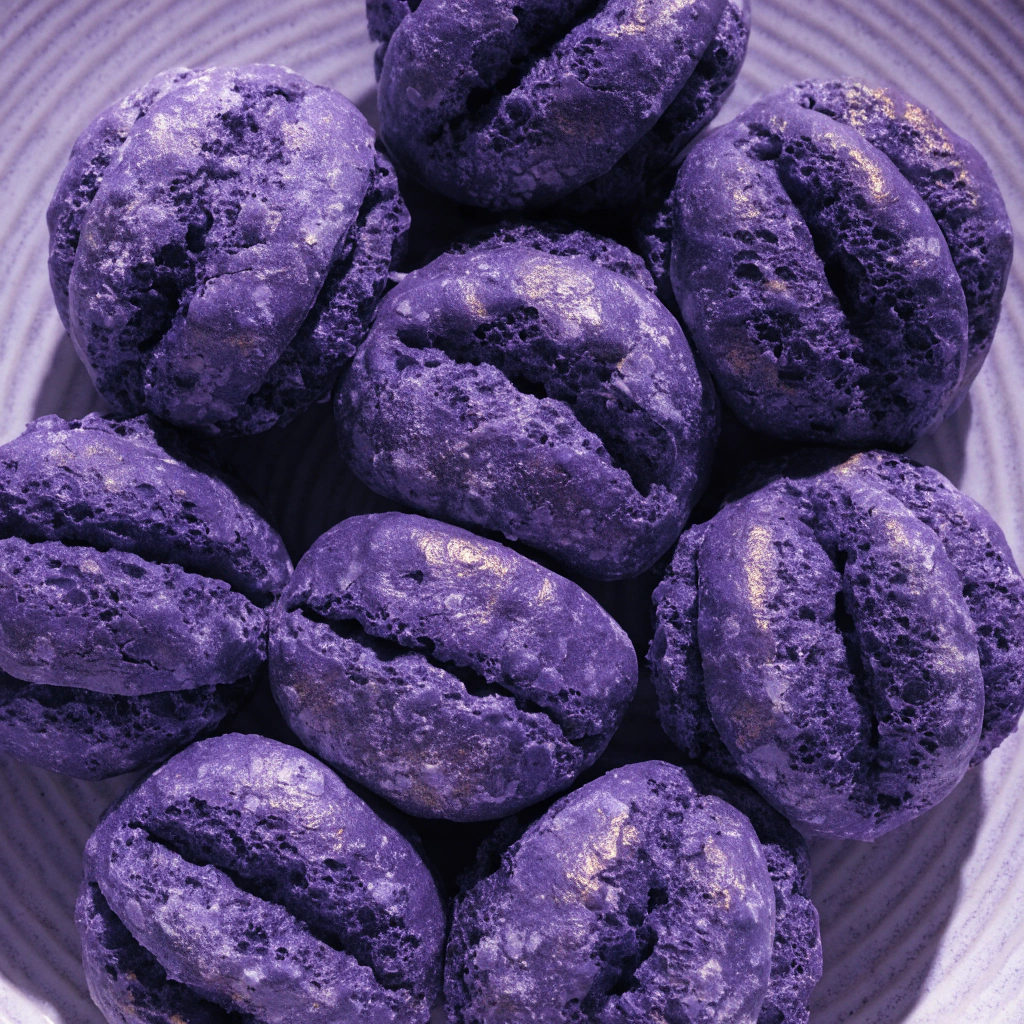
ブラジルの「ポン・デ・ケージョ」
これはブラジルのとても有名な食べ物です。名前は「ポン・デ・ケージョ」です。ポン・デ・ケージョはチーズのパンです。ブラジルでは、毎日たくさんの人が食べます。朝ごはんや、おやつの時間に食べることが多いです。
ポン・デ・ケージョはミナスジェライス州で生まれました。昔、ブラジルには小麦があまりありませんでした。だから、キャッサバという植物を使いました。キャッサバの粉とチーズを混ぜて、ポン・デ・ケージョを作ります。
これは、外はカリカリ、中はもちもちで、とてもおいしいです。コーヒーと一緒に食べると、もっとおいしいですよ。
文法スポットライト
パターン: 〜は〜です (wa desu)
"ポン・デ・ケージョはチーズのパンです。"
「〜は〜です」は、何かについて説明するときに使います。「〜は」はトピックを示し、「〜です」は「〜である」という丁寧な言い方です。この文では、「ポン・デ・ケージョ」が「チーズのパン」であることを説明しています。
パターン: 〜があります (ga arimasu)
"昔、ブラジルには小麦があまりありませんでした。"
「〜があります」は、物や場所が存在することを示すときに使います。この文では、「小麦」というものが「ブラジルに」存在しなかったことを示しています。物には「あります」、人や動物には「います」を使います。
理解度をチェック
10 問 · A1 初級 · 無料プレビュー 1回
この記事で学んだことをテストしよう。全問正解してXPを獲得!
ポン・デ・ケージョはどこの国の食べ物ですか?
問題の内訳
ポン・デ・ケージョはどこの国の食べ物ですか?
あなたの回答:
正解: ブラジル
ポン・デ・ケージョは魚から作ります。
あなたの回答:
正解: 間違い
「毎日」の意味は何ですか?
あなたの回答:
正解: 全部の日
ポン・デ・ケージョはチーズの____です。
あなたの回答:
正解: パン
Pão de Queijo: Brazil's Favorite Snack
Pão de Queijo is a very popular snack from Brazil. In English, we call it "cheese bread." It is small, round, and delicious. Today, you can find it in every cafe and home in the country.
This snack started in the state of Minas Gerais in the 18th century. In the past, wheat was more expensive and difficult to find than other ingredients. Because of this, local cooks used cassava flour. Cassava is a plant from South America. Indigenous people used it for a long time before the snack became famous.
To make Pão de Queijo, people mix cassava flour, milk, eggs, and cheese. They make small balls and bake them in a hot oven. The bread is very soft inside, but it is crunchy on the outside.
Most Brazilians eat this bread for breakfast or in the afternoon. It is better when it is warm! People usually drink it with a cup of strong coffee. It is now famous in other countries too because it is gluten-free and very tasty.
文法スポットライト
パターン: Comparatives
"In the past, wheat was more expensive and difficult to find than other ingredients."
We use 'more + adjective + than' for long adjectives to compare two things. It shows that one thing has a higher quality than the other.
パターン: Past Simple
"This snack started in the state of Minas Gerais in the 18th century."
We use the past simple to talk about finished actions in the past. For regular verbs, we usually add '-ed' to the end of the verb.
理解度をチェック
11 問 · A2 初級 · 無料プレビュー 1回
この記事で学んだことをテストしよう。全問正解してXPを獲得!
Where did Pão de Queijo first start?
問題の内訳
Where did Pão de Queijo first start?
あなたの回答:
正解: In the state of Minas Gerais
Wheat was very cheap in Brazil during the 18th century.
あなたの回答:
正解: 間違い
What does 'soft' mean?
あなたの回答:
正解: Easy to press and not hard
People usually drink it with a cup of strong _____.
あなたの回答:
正解: coffee
Why is this snack famous in other countries today?
あなたの回答:
正解: Because it is gluten-free
The Golden Snack: Brazil's Famous Cheese Bread
Pão de Queijo, which is widely known as Brazilian cheese bread, has become a famous symbol of Brazil's rich food culture. This delicious snack originated in the state of Minas Gerais during the 18th century. At that time, wheat was very expensive and difficult to find in the region, so local cooks had to find alternatives. They turned to cassava starch, a versatile product that is made from a native South American root. This starch was mixed with local cheese and milk to create the small, golden rolls that millions of people enjoy today.
For many years, pão de queijo has been a favorite breakfast choice for Brazilians. It is often served with fresh coffee in local bakeries, which are called 'padarias'. The texture of the bread is quite unique because it is crispy on the outside but soft and chewy on the inside. This special texture is created by the cassava starch, which reacts differently than wheat flour when it is baked. Because it is naturally gluten-free, the snack has gained a lot of popularity in international markets recently.
In the last decade, pão de queijo has been exported to countries like the United States, Japan, and Portugal. It is now sold in many international supermarkets as a frozen product that can be baked at home. Despite its global success, the most authentic version is still found in the countryside of Minas Gerais. There, the cheese used is often cured for several days to give the bread a stronger flavor. Whether you are exploring a busy city or a quiet village, you will certainly find these warm, cheesy treats waiting for you. They have truly become a staple of the daily diet across the entire country.
文法スポットライト
パターン: Relative Clauses
"Pão de Queijo, which is widely known as Brazilian cheese bread, has become a famous symbol..."
We use relative clauses starting with 'which' or 'that' to give more information about a noun. In this sentence, the clause provides extra detail about Pão de Queijo.
パターン: Passive Voice
"This starch was mixed with local cheese and milk to create the small, golden rolls..."
The passive voice (was + past participle) is used when the action is more important than the person doing it. Here, the focus is on the starch and its preparation.
理解度をチェック
11 問 · B1 中級 · 無料プレビュー 1回
この記事で学んだことをテストしよう。全問正解してXPを獲得!
Where did pão de queijo first begin?
問題の内訳
Where did pão de queijo first begin?
あなたの回答:
正解: Minas Gerais
Pão de queijo is made using wheat flour.
あなたの回答:
正解: 間違い
What does 'versatile' mean?
あなたの回答:
正解: Able to be used in many ways
The snack is a popular choice for international markets because it is naturally _____-free.
あなたの回答:
正解: gluten
What gives the bread its unique texture?
あなたの回答:
正解: The cassava starch
The Resilience of Culinary Tradition: The Rise of Pão de Queijo
Pão de Queijo, the iconic Brazilian cheese bread, is far more than a simple snack; it is a profound reflection of the nation's historical resilience and cultural fusion. Originating in the state of Minas Gerais during the 18th century, this culinary masterpiece was born out of necessity rather than choice. At that time, Brazil was under colonial rule, and the scarcity of wheat—the primary ingredient for bread in their homelands—made it remarkably difficult to cultivate in the local soil. Consequently, they had to adapt their culinary traditions to the resources that were readily available, leading to the discovery of new techniques.
Turning to the knowledge of indigenous populations, who had been consuming cassava (manioc) for centuries, local cooks began experimenting with cassava starch, known as 'polvilho.' This hardy root thrived in the South American climate, providing a reliable source of carbohydrates. By mixing this starch with milk and eggs, a rudimentary form of the bread was created. It wasn't until the late 19th century, when dairy production flourished in Minas Gerais, that cheese was added to the mixture, giving the bread its signature savory flavor and chewy texture. This addition transformed a survival food into a beloved delicacy.
The unique consistency of Pão de Queijo is what sets it apart from other baked goods. Unlike traditional bread, it does not use yeast; instead, the expansion is caused by the steam generated from the high moisture content of the dough during baking. This results in a crispy outer crust and a soft, elastic interior. Today, it has transcended its humble origins to become a staple across the entire country, enjoyed at breakfast or as a mid-afternoon treat alongside a cup of coffee. In many Brazilian households, the smell of freshly baked cheese bread is synonymous with hospitality and warmth.
Furthermore, the global popularity of Pão de Queijo has surged in recent years. Its naturally gluten-free nature has made it a favorite among health-conscious consumers worldwide. From small bakeries in Belo Horizonte to trendy cafes in London and New York, this Brazilian heritage food continues to captivate palates. It serves as a testament to how traditional ingredients can be transformed into a versatile and enduring symbol of national identity. While the recipe may vary slightly from one region to another, the essence of the snack remains a celebration of Brazil's diverse history and its ability to innovate through adaptation.
文法スポットライト
パターン: Past Perfect Continuous
"who had been consuming cassava (manioc) for centuries"
This tense is used to show that an action started in the past and continued up until another point in the past. It emphasizes the duration of the activity.
パターン: Passive Voice
"a rudimentary form of the bread was created"
The passive voice is used here to focus on the object (the bread) rather than the person who made it. It is common in historical and academic writing.
パターン: Present Perfect Simple
"the global popularity of Pão de Queijo has surged in recent years"
This pattern connects the past to the present. It indicates an action that happened at an unspecified time in the past but has relevance or results now.
理解度をチェック
11 問 · B2 中上級 · 無料プレビュー 1回
この記事で学んだことをテストしよう。全問正解してXPを獲得!
Why did colonial settlers in Brazil start using cassava instead of wheat?
問題の内訳
Why did colonial settlers in Brazil start using cassava instead of wheat?
あなたの回答:
正解: Wheat was difficult to grow in the local soil.
Pão de Queijo relies on yeast to achieve its light and airy structure.
あなたの回答:
正解: 間違い
What is the definition of 'staple' in the context of the article?
あなたの回答:
正解: A main or basic part of a diet.
Pão de Queijo is now a _____ across the entire country of Brazil.
あなたの回答:
正解: staple
When did cheese become a standard part of the Pão de Queijo recipe?
あなたの回答:
正解: In the late 19th century.
The Alchemical Marriage of Cassava and Cheese: Deconstructing Brazil’s Culinary Icon
Rarely does a single food item encapsulate the socio-economic history of a nation as poignantly as Pão de Queijo. What began as a humble necessity in the 18th-century hinterlands of Minas Gerais has evolved into a global phenomenon, transcending its modest origins to become a symbol of Brazilian identity. The ubiquity of this cheese bread in contemporary Brazil belies a complex history rooted in colonial scarcity and indigenous ingenuity. To understand its significance is to understand the soul of the Brazilian interior.
During the colonial era, the Portuguese settlers in Minas Gerais faced a significant predicament: the region’s climate and soil were largely inhospitable to wheat cultivation. Consequently, wheat flour became an expensive, imported luxury, inaccessible to the majority of the population. It was the ingenious repurposing of cassava—a hardy, tuberous root native to South America—by enslaved populations and local cooks that birthed the precursor to the modern snack. By processing cassava into 'polvilho' (starch), they created a versatile base that required no gluten to provide structure. This adaptation was not merely a culinary choice but a survival strategy that integrated indigenous knowledge with colonial needs.
The distinctive texture of Pão de Queijo—a crisp exterior yielding to a chewy, elastic center—is a direct result of the chemical properties of this starch. Two varieties are typically employed: 'polvilho doce' (sweet starch) and 'polvilho azedo' (sour starch). The latter undergoes a fermentation process that imparts a characteristic tang and enhances the bread's expansion during baking. When combined with eggs and fat, the starch gelatinizes, creating the unique stretch that defines the experience. The subsequent incorporation of cheese and milk occurred as the dairy industry flourished in Minas Gerais, specifically utilizing the 'Queijo Minas', a cured cow's milk cheese that provides a salty, sharp depth.
However, the widespread dissemination of this snack across global markets signifies a shift in culinary appreciation. In an era of increasing commodification, the artisanal soul of Pão de Queijo faces the threat of dilution. While industrial versions offer convenience and consistency, they often lack the nuanced flavor profile achieved through traditional methods. Critics argue that the essence of the snack lies in the 'cafezinho' ritual—the social act of sharing warm bread with coffee—which is lost in the sterile environment of frozen food aisles. This tension between mass production and heritage preservation is a central theme in the modern Brazilian culinary discourse, highlighting the struggle to maintain authenticity in a globalized world.
Ultimately, the manifestation of Pão de Queijo in the global gastronomic scene is a testament to the resilience of local traditions. It serves as a reminder that culinary excellence often emerges from the constraints of the environment. Far from being a mere snack, it is a narrative of adaptation, reflecting how a culture can take the most basic of ingredients and elevate them into something universally cherished. Whether found in a high-end London bakery or a roadside lanchonete in Belo Horizonte, its provenance remains a source of immense national pride.
文法スポットライト
パターン: Negative Inversion
"Rarely does a single food item encapsulate the socio-economic history of a nation as poignantly as Pão de Queijo."
Inversion is used here for emphasis by placing a negative adverbial at the start of the sentence, followed by the auxiliary verb 'does' before the subject.
パターン: It-Cleft Sentences
"It was the ingenious repurposing of cassava—a hardy, tuberous root native to South America—by enslaved populations and local cooks that birthed the precursor to the modern snack."
A cleft sentence focuses on a specific part of the information (the repurposing of cassava) by starting with 'It was' followed by the focused element and a relative clause.
パターン: Nominalization
"The widespread dissemination of this snack across global markets signifies a shift in culinary appreciation."
Nominalization turns verbs (disseminate) into nouns (dissemination) to create a more formal, academic tone and pack more information into the subject of the sentence.
理解度をチェック
12 問 · C1 上級 · 無料プレビュー 1回
この記事で学んだことをテストしよう。全問正解してXPを獲得!
What was the primary driver for using cassava instead of wheat in colonial Minas Gerais?
問題の内訳
What was the primary driver for using cassava instead of wheat in colonial Minas Gerais?
あなたの回答:
正解: The high cost and difficulty of cultivating wheat locally
The expansion of the bread during baking is enhanced by 'polvilho azedo' because it is fermented.
あなたの回答:
正解: 正しい
What does 'provenance' mean in the context of the article?
あなたの回答:
正解: The place where something originated
The unique stretch of the bread occurs when the starch _____ during the cooking process.
あなたの回答:
正解: gelatinizes
Which specific type of cheese is historically associated with the artisanal version of this snack?
あなたの回答:
正解: Queijo Minas
The author suggests that industrialization has no impact on the flavor profile of Pão de Queijo.
あなたの回答:
正解: 間違い
The Gastronomic Alchemy of Minas Gerais: A Sociological Exegesis of Pão de Queijo
Were one to traverse the undulating topography of Minas Gerais, the olfactory signature of pão de queijo would prove inescapable. This seemingly humble cheese bread represents far more than a mere snack; it is a profound synthesis of indigenous ingenuity and colonial exigency. It is arguably the case that the snack’s ubiquity across the modern Brazilian landscape is a testament to its cultural hegemony, yet its origins are rooted in the pragmatic desperation of the 18th century. During the colonial era, the interior of Brazil, particularly the gold-rich regions of Minas Gerais, suffered from a chronic dearth of wheat. This European staple was notoriously difficult to cultivate in the tropical climate and prohibitively expensive to import. Consequently, cooks were compelled to pivot toward the cassava root (Manihot esculenta), a hardy botanical specimen that had been the cornerstone of indigenous diets for millennia. Had the Portuguese colonizers not faced such logistical constraints, the reliance on polvilho—the starch byproduct of cassava—might never have been codified into the national gastronomy. The production of pão de queijo is an alchemical process that transforms the rudimentary into the sublime. The cassava starch undergoes a rigorous fermentation process, resulting in two distinct varieties: polvilho doce (sweet) and polvilho azedo (sour). The latter provides the bread with its characteristic expansion and airy interior. When integrated with the saline sharpness of ripened cheese and the richness of milk—ingredients introduced by the European settlers—the mixture creates a dough that defies conventional bread-making nomenclature. It is imperative that the cultural provenance of this mixture be understood as a hybrid vestige of two colliding worlds. From a sociological perspective, the trajectory of pão de queijo is fascinating. It transitioned from a subsistence food for the disenfranchised to a quintessential symbol of Brazilian hospitality. This transcendence of socioeconomic strata illustrates a rare moment of national unification through flavor. The proclivity for this snack is now so deeply ingrained that it is served in every conceivable setting, from high-end corporate boardrooms to the most modest roadside stands. In the contemporary globalized market, pão de queijo has emerged as a significant culinary export, finding a new paradigm of appreciation among health-conscious consumers. Its naturally gluten-free composition has allowed it to penetrate international markets where traditional wheat-based products are increasingly scrutinized. Ultimately, pão de queijo is not merely a culinary artifact but an epistemological window into Brazil’s history. It reflects the resilience of a population that, when faced with the absence of familiar resources, innovated with the materials at hand. As we consume this aerated, cheesy delight, we are participating in a historical continuum that honors indigenous knowledge while acknowledging the complex legacies of colonialism. It remains an indispensable element of the Brazilian identity, proving that true culinary excellence often arises from the most stringent of necessities.
文法スポットライト
パターン: Inverted Conditional (Should/Were)
"Were one to traverse the undulating topography of Minas Gerais, the olfactory signature of pão de queijo would prove inescapable."
This structure replaces 'If one were to traverse' with 'Were one to traverse' for a more formal, academic tone. It is used to describe a hypothetical situation in the present or future.
パターン: Third Conditional Inversion
"Had the Portuguese colonizers not faced such logistical constraints, the reliance on polvilho might never have been codified into the national gastronomy."
This is a formal alternative to 'If the Portuguese colonizers had not faced'. It is used to discuss a hypothetical past situation and its hypothetical past result.
パターン: The Mandative Subjunctive
"It is imperative that the cultural provenance of this mixture be understood as a hybrid vestige of two colliding worlds."
The base form of the verb 'be' is used after the adjective 'imperative' to express necessity or importance. This is a hallmark of C2 level scholarly writing.
理解度をチェック
12 問 · C2 マスター · 無料プレビュー 1回
この記事で学んだことをテストしよう。全問正解してXPを獲得!
What was the primary catalyst for the creation of pão de queijo?
問題の内訳
What was the primary catalyst for the creation of pão de queijo?
あなたの回答:
正解: A pragmatic adaptation to the scarcity of wheat in colonial Brazil.
The article states that wheat was easily cultivated in the tropical climate of Minas Gerais.
あなたの回答:
正解: 間違い
What does 'ingenuity' mean in the context of the article?
あなたの回答:
正解: Cleverness and original problem-solving
The snack's _____ across Brazil is described as a testament to its cultural dominance.
あなたの回答:
正解: ubiquity
According to the text, what is the role of 'polvilho azedo'?
あなたの回答:
正解: It facilitates the bread's expansion and creates an airy texture.
Pão de queijo has gained international popularity partly due to being naturally gluten-free.
あなたの回答:
正解: 正しい

