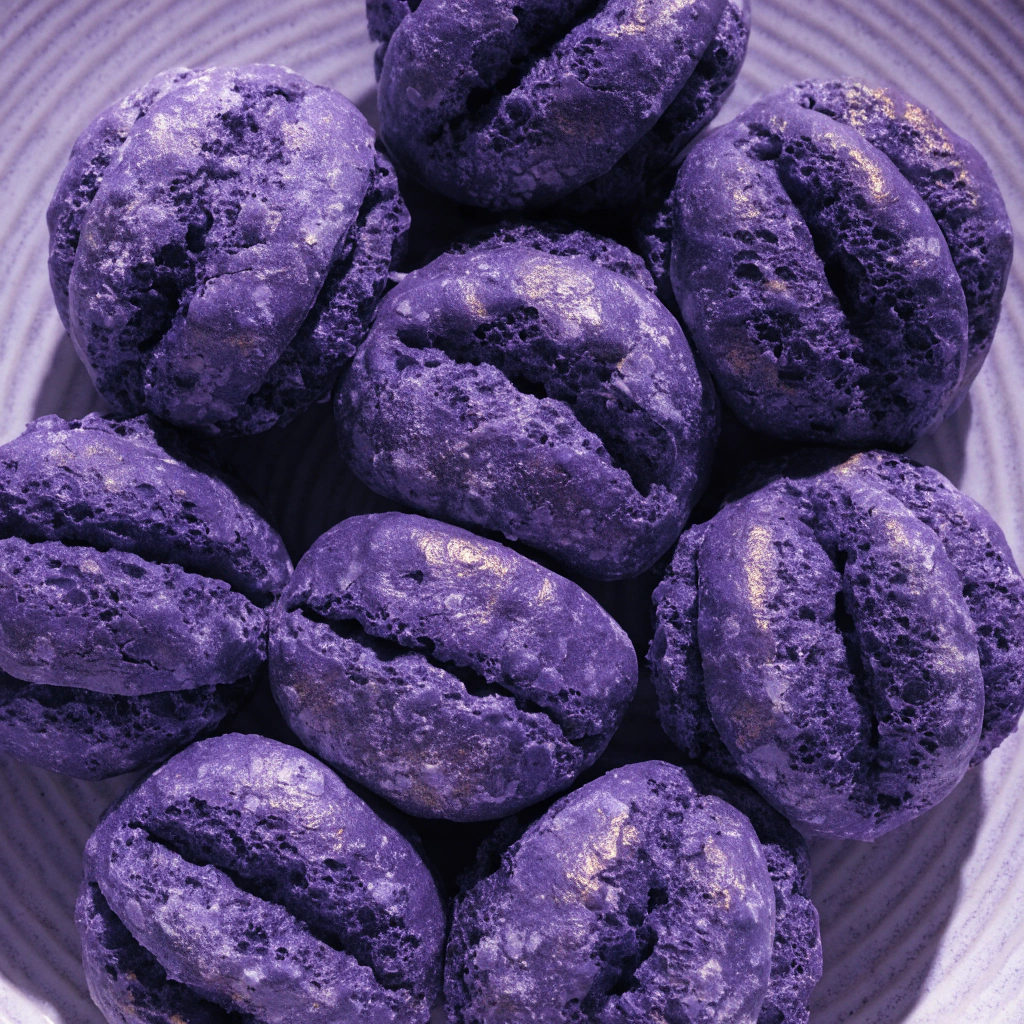
A Famous Snack from Brazil
Pão de Queijo is a famous snack from Brazil. It is a small cheese bread. People in Brazil love this food. They eat it for breakfast or with coffee.
It comes from a place called Minas Gerais. In the past, people did not have wheat. They used cassava root to make flour. This flour is called polvilho.
The bread is soft and warm. It has a lot of cheese inside. It is very delicious! You can find it in every city in Brazil. Many people around the world like it too.
语法聚焦
句型: Present Simple 'Be'
"Pão de Queijo is a famous snack from Brazil."
We use 'is' for singular subjects to describe facts or states. It connects the subject to a noun or adjective.
句型: Present Simple (Habits)
"They eat it for breakfast or with coffee."
We use the base form of the verb (eat) for 'they' to talk about things people do regularly.
测试你的理解
10 个问题 · A1 初学 · 1 次免费预览
测试你从这篇文章中学到的知识。回答所有问题即可获得经验值!
题目详情
Where is Pão de Queijo from?
你的回答:
正确答案: Brazil
People in Brazil eat this bread for breakfast.
你的回答:
正确答案: 正确
What does 'delicious' mean?
你的回答:
正确答案: Very good taste
It has a lot of _____ inside.
你的回答:
正确答案: cheese
Pão de Queijo: Brazil's Favorite Snack
Pão de Queijo is a very popular snack from Brazil. In English, we call it "cheese bread." It is small, round, and delicious. Today, you can find it in every cafe and home in the country.
This snack started in the state of Minas Gerais in the 18th century. In the past, wheat was more expensive and difficult to find than other ingredients. Because of this, local cooks used cassava flour. Cassava is a plant from South America. Indigenous people used it for a long time before the snack became famous.
To make Pão de Queijo, people mix cassava flour, milk, eggs, and cheese. They make small balls and bake them in a hot oven. The bread is very soft inside, but it is crunchy on the outside.
Most Brazilians eat this bread for breakfast or in the afternoon. It is better when it is warm! People usually drink it with a cup of strong coffee. It is now famous in other countries too because it is gluten-free and very tasty.
语法聚焦
句型: Comparatives
"In the past, wheat was more expensive and difficult to find than other ingredients."
We use 'more + adjective + than' for long adjectives to compare two things. It shows that one thing has a higher quality than the other.
句型: Past Simple
"This snack started in the state of Minas Gerais in the 18th century."
We use the past simple to talk about finished actions in the past. For regular verbs, we usually add '-ed' to the end of the verb.
测试你的理解
11 个问题 · A2 基础 · 1 次免费预览
测试你从这篇文章中学到的知识。回答所有问题即可获得经验值!
Where did Pão de Queijo first start?
题目详情
Where did Pão de Queijo first start?
你的回答:
正确答案: In the state of Minas Gerais
Wheat was very cheap in Brazil during the 18th century.
你的回答:
正确答案: 错误
What does 'soft' mean?
你的回答:
正确答案: Easy to press and not hard
People usually drink it with a cup of strong _____.
你的回答:
正确答案: coffee
Why is this snack famous in other countries today?
你的回答:
正确答案: Because it is gluten-free
巴西的美味小吃:奶酪面包
Pão de Queijo,也就是我们常说的“奶酪面包”,被认为是巴西最成功的出口美食之一,也是全国各地日常饮食中不可缺少的一部分。这种美味的小吃已经成为巴西文化的重要组成部分,深受人们喜爱。
Pão de Queijo的起源可以追溯到18世纪的米纳斯吉拉斯州。在殖民时期,小麦在巴西非常稀有,难以获得。因此,当时的厨师们需要寻找替代品。他们很快发现,木薯(一种在南美洲本地广泛种植的根茎植物,也是当地原住民的主要食物)可以用来制作面团。
通过使用木薯淀粉(称为“polvilho”),厨师们创造了一种独特的面团,并加入了奶酪。这种做法不仅解决了小麦短缺的问题,还意外地创造出了一种味道独特、口感有嚼劲的小吃。Pão de Queijo最初是在农场里制作的,后来逐渐传遍了整个巴西,成为了家喻户晓的美食。
如今,无论是在早餐、午餐还是作为下午茶点心,Pão de Queijo都随处可见。它通常和咖啡一起享用,是巴西人开始新一天或放松身心的完美选择。这种用木薯粉和奶酪制成的面包,已经成为了巴西人引以为傲的传统食品,也是世界各地游客必尝的特色小吃。
语法聚焦
句型: 被 (bèi) 动句 (Passive Voice)
"Pão de Queijo,也就是我们常说的“奶酪面包”,被认为是巴西最成功的出口美食之一。"
“被”字句表示动作的承受者。它的基本结构是:主语 + 被 + 动词 + 其他成分。这个结构强调主语是动作的接受者,而不是发出者。
句型: 的 (de) 定语从句 (Attributive Clause with 'de')
"这种用木薯粉和奶酪制成的面包,已经成为了巴西人引以为傲的传统食品。"
“的”可以连接一个描述性的短语和它所修饰的名词,形成定语从句。结构是:[描述性短语] + 的 + [名词]。它让句子更具体,说明名词的特点或属性。
测试你的理解
11 个问题 · B1 中级 · 1 次免费预览
测试你从这篇文章中学到的知识。回答所有问题即可获得经验值!
题目详情
Pão de Queijo 最早起源于巴西的哪个州?
你的回答:
正确答案: 米纳斯吉拉斯州
在殖民时期,巴西的小麦非常容易获得。
你的回答:
正确答案: 错误
“起源”在文章中的意思是什么?
你的回答:
正确答案: 开始的地方或时间
Pão de Queijo 是一种用木薯粉和______制成的面包。
你的回答:
正确答案: 奶酪
Pão de Queijo 在巴西的日常饮食中扮演着怎样的角色?
你的回答:
正确答案: 不可缺少的一部分
巴西国宝级美食:奶酪面包(Pão de Queijo)的文化之旅
在巴西的日常饮食中,有一种小吃无疑占据了举足轻重的地位,那就是被誉为“奶酪面包”的Pão de Queijo。它不仅是巴西最成功的烹饪出口品之一,更是全国各地餐桌上不可或缺的主食。这种独特的美味,其起源可以追溯到18世纪的米纳斯吉拉斯州,它诞生于当时的社会需求与当地食材的可得性。
殖民时期,小麦在巴西属于稀缺物资,获取困难。鉴于此,聪明的厨师们转向了当地盛产的木薯。木薯是一种生命力顽强的根茎作物,早在欧洲人到来之前,便是南美洲原住民饮食中的主要组成部分。通过巧妙地将木薯淀粉(polvilho)与水、牛奶、油和鸡蛋混合,再加入大量的奶酪,Pão de Queijo的雏形便应运而生。这种结合不仅解决了小麦短缺的问题,更创造出了一种前所未有的独特风味,其外皮酥脆,内里却柔软富有弹性,奶酪的咸香与木薯的清甜完美融合。
随着时间的推移,Pão de Queijo逐渐从米纳斯吉拉斯州走向全国,成为巴西人早餐、下午茶乃至任何时候的理想选择。它通常被搭配咖啡享用,那份温暖和满足感,是巴西人生活中不可分割的一部分。如今,无论是在繁忙的城市咖啡馆,还是在宁静的乡村小店,抑或是家庭聚会中,Pão de Queijo的身影随处可见。其制作工艺虽然简单,但背后却承载着丰富的历史和文化。
近年来,Pão de Queijo的魅力也跨越了国界,在世界各地赢得了众多食客的青睐。它不仅成为了巴西在国际上的美食名片,更凭借其独特的口感和便捷的食用方式,逐渐融入了不同国家的饮食文化。可以说,Pão de Queijo的故事,是巴西人民智慧与创造力的结晶,也是一种简单食材如何演变为国家级文化遗产的生动写照。
语法聚焦
句型: 鉴于…,…
"鉴于此,聪明的厨师们转向了当地盛产的木薯。"
“鉴于”是一个书面语,表示“考虑到某个情况”或“根据某个事实”。它通常放在句首,引出原因或前提,后面跟着由这个原因或前提导致的结果或决定。它的结构是“鉴于 + 情况/事实,+ 结论/行动”。
句型: 不仅…而且…
"这种结合不仅解决了小麦短缺的问题,更创造出了一种前所未有的独特风味。"
“不仅…而且…”是一个表示递进关系的关联词语,用来连接两个分句或词语,表示后者比前者更进一步。它强调了两个方面的重要性,通常第二个方面是更重要的。它的结构是“不仅 + 方面一,而且/更 + 方面二”。
句型: 之所以…是因为…
"Pão de Queijo之所以能够风靡全球,是因为它独特的口感和深厚的文化底蕴。"
“之所以…是因为…”是一种常用的因果句式,用于解释某个现象或结果的原因。其中“之所以”引导结果,而“是因为”引导具体的原因。这个句式强调了结果的必然性及其背后的根本原因。
测试你的理解
11 个问题 · B2 中高级 · 1 次免费预览
测试你从这篇文章中学到的知识。回答所有问题即可获得经验值!
题目详情
Pão de Queijo最初起源于巴西的哪个州?
你的回答:
正确答案: 米纳斯吉拉斯州
在殖民时期,巴西小麦供应充足,所以厨师们选择木薯制作Pão de Queijo。
你的回答:
正确答案: 错误
“不可或缺”在文章中的意思是什么?
你的回答:
正确答案: 非常重要,不能缺少
Pão de Queijo的外皮_____,内里却柔软富有弹性。
你的回答:
正确答案: 酥脆
Pão de Queijo在巴西通常与哪种饮品搭配享用?
你的回答:
正确答案: 咖啡
The Alchemical Marriage of Cassava and Cheese: Deconstructing Brazil’s Culinary Icon
Rarely does a single food item encapsulate the socio-economic history of a nation as poignantly as Pão de Queijo. What began as a humble necessity in the 18th-century hinterlands of Minas Gerais has evolved into a global phenomenon, transcending its modest origins to become a symbol of Brazilian identity. The ubiquity of this cheese bread in contemporary Brazil belies a complex history rooted in colonial scarcity and indigenous ingenuity. To understand its significance is to understand the soul of the Brazilian interior.
During the colonial era, the Portuguese settlers in Minas Gerais faced a significant predicament: the region’s climate and soil were largely inhospitable to wheat cultivation. Consequently, wheat flour became an expensive, imported luxury, inaccessible to the majority of the population. It was the ingenious repurposing of cassava—a hardy, tuberous root native to South America—by enslaved populations and local cooks that birthed the precursor to the modern snack. By processing cassava into 'polvilho' (starch), they created a versatile base that required no gluten to provide structure. This adaptation was not merely a culinary choice but a survival strategy that integrated indigenous knowledge with colonial needs.
The distinctive texture of Pão de Queijo—a crisp exterior yielding to a chewy, elastic center—is a direct result of the chemical properties of this starch. Two varieties are typically employed: 'polvilho doce' (sweet starch) and 'polvilho azedo' (sour starch). The latter undergoes a fermentation process that imparts a characteristic tang and enhances the bread's expansion during baking. When combined with eggs and fat, the starch gelatinizes, creating the unique stretch that defines the experience. The subsequent incorporation of cheese and milk occurred as the dairy industry flourished in Minas Gerais, specifically utilizing the 'Queijo Minas', a cured cow's milk cheese that provides a salty, sharp depth.
However, the widespread dissemination of this snack across global markets signifies a shift in culinary appreciation. In an era of increasing commodification, the artisanal soul of Pão de Queijo faces the threat of dilution. While industrial versions offer convenience and consistency, they often lack the nuanced flavor profile achieved through traditional methods. Critics argue that the essence of the snack lies in the 'cafezinho' ritual—the social act of sharing warm bread with coffee—which is lost in the sterile environment of frozen food aisles. This tension between mass production and heritage preservation is a central theme in the modern Brazilian culinary discourse, highlighting the struggle to maintain authenticity in a globalized world.
Ultimately, the manifestation of Pão de Queijo in the global gastronomic scene is a testament to the resilience of local traditions. It serves as a reminder that culinary excellence often emerges from the constraints of the environment. Far from being a mere snack, it is a narrative of adaptation, reflecting how a culture can take the most basic of ingredients and elevate them into something universally cherished. Whether found in a high-end London bakery or a roadside lanchonete in Belo Horizonte, its provenance remains a source of immense national pride.
语法聚焦
句型: Negative Inversion
"Rarely does a single food item encapsulate the socio-economic history of a nation as poignantly as Pão de Queijo."
Inversion is used here for emphasis by placing a negative adverbial at the start of the sentence, followed by the auxiliary verb 'does' before the subject.
句型: It-Cleft Sentences
"It was the ingenious repurposing of cassava—a hardy, tuberous root native to South America—by enslaved populations and local cooks that birthed the precursor to the modern snack."
A cleft sentence focuses on a specific part of the information (the repurposing of cassava) by starting with 'It was' followed by the focused element and a relative clause.
句型: Nominalization
"The widespread dissemination of this snack across global markets signifies a shift in culinary appreciation."
Nominalization turns verbs (disseminate) into nouns (dissemination) to create a more formal, academic tone and pack more information into the subject of the sentence.
测试你的理解
12 个问题 · C1 高级 · 1 次免费预览
测试你从这篇文章中学到的知识。回答所有问题即可获得经验值!
What was the primary driver for using cassava instead of wheat in colonial Minas Gerais?
题目详情
What was the primary driver for using cassava instead of wheat in colonial Minas Gerais?
你的回答:
正确答案: The high cost and difficulty of cultivating wheat locally
The expansion of the bread during baking is enhanced by 'polvilho azedo' because it is fermented.
你的回答:
正确答案: 正确
What does 'provenance' mean in the context of the article?
你的回答:
正确答案: The place where something originated
The unique stretch of the bread occurs when the starch _____ during the cooking process.
你的回答:
正确答案: gelatinizes
Which specific type of cheese is historically associated with the artisanal version of this snack?
你的回答:
正确答案: Queijo Minas
The author suggests that industrialization has no impact on the flavor profile of Pão de Queijo.
你的回答:
正确答案: 错误
巴西奶酪面包:从生存智慧到全球风味符号的演变
Pão de Queijo,这巴西国宝级的小吃,其魅力远超寻常面包。它不啻为巴西美食文化的一张名片,更是巴西人民日常生活不可或缺的一部分。从街头巷尾的咖啡馆到寻常百姓家的餐桌,其身影无处不在,俨然已成为巴西文化输出的成功范例。它的独特口感与深厚文化底蕴,使其在全球范围内收获了无数拥趸,远非一般零食可比拟。
欲溯源其历史脉络,我们需将目光投向18世纪的米纳斯吉拉斯州。彼时,巴西正值殖民时期,欧洲进口的小麦粉因运输不便且价格昂贵,非寻常百姓所能负担。这不仅是经济上的制约,更是当时社会资源分配不均的一个缩影。然而,智慧的巴西厨师们并未因此而却步,反而因地制宜,将目光转向了本地盛产的木薯。木薯,这种原产于南美洲的耐旱根茎作物,自古便是当地土著居民的主食,其淀粉含量丰富,为替代小麦粉提供了天然的解决方案。
彼时,奴隶们在制作面包时,以木薯淀粉(polvilho,亦称木薯粉)替代小麦粉。这种淀粉,经过发酵或未经发酵处理,赋予了奶酪面包独特的弹性和酥脆口感,这是小麦粉难以达到的。结合当地丰富的奶酪资源、鸡蛋和牛奶,一种全新的烘焙产品应运而生。最初,这或许只是为了满足日常温饱的权宜之计,却无心插柳柳成荫,最终演化成今日风靡全国乃至全球的美味。其制作过程的简易性与食材的易得性,使其迅速普及开来,成为各阶层民众都能享用的美食,这在一定程度上消弭了不同社会阶层间的饮食壁垒。
随着时间的推移,奶酪面包逐渐超越了其作为果腹之物的原始功能,升华为一种深植于巴西社会肌理的文化符号。它不仅是早餐桌上的常客,亦是下午茶歇的理想伴侣,更是亲朋好友欢聚时不可或缺的待客佳品。其热腾腾、香气四溢的特点,仿佛承载着巴西人民热情好客的天性,每一口都蕴含着浓郁的乡土情怀。每当人们提及巴西美食,奶酪面包总能位列其中,成为民族认同感不可分割的一部分,其意义已超越了单纯的味觉体验。
进入21世纪,Pão de Queijo的魅力并未止步于巴西国界之内。随着全球化进程的加速及巴西移民的足迹遍布世界各地,这款小吃也随之走向国际舞台。如今,在北美、欧洲乃至亚洲的巴西餐厅或咖啡馆中,我们都能品尝到这份独特的风味。其制作配方也日趋多样化,从传统的米纳斯奶酪到切达奶酪,从纯素版本到添加了香肠或甜味馅料的变种,无不彰显着其强大的适应性和创新潜力。它以一种“软实力”的形式,向世界展示着巴西的文化魅力与烹饪智慧,成为连接不同文化背景人群的美味纽带。
综上所述,巴西奶酪面包不仅仅是一种食物,它是一部活生生的历史,承载着殖民时期的艰辛与民众的智慧;它是一种文化,凝聚着巴西人民的民族情感与生活哲学;它更是一种桥梁,连接着过去与现在,本土与世界。其从最初的权宜之计,演变为今日全球食客竞相追捧的美味,这背后折射出的,是巴西人民面对困境时的乐观精神与不懈创造力。Pão de Queijo,无疑已成为巴西文化遗产中一颗璀璨的明珠,其光芒必将继续闪耀。
语法聚焦
句型: 不啻为……,更是……
"它不啻为巴西美食文化的一张名片,更是巴西人民日常生活不可或缺的一部分。"
结构“不啻为……,更是……”用于强调某事物不仅具有某一层面的意义或价值,更在另一个层面具有深远或更重要的影响。其中“不啻为”意为“不亚于”、“不只是”,常用于书面语或正式语境,表达一种肯定和强调的语气。
句型: 因地制宜
"然而,智慧的巴西厨师们并未因此而却步,反而因地制宜,将目光转向了本地盛产的木薯。"
“因地制宜”是一个成语,意为根据当地的实际情况来制定措施或采取行动。它强调了适应性和灵活性,通常用于赞扬人们在特定环境下展现出的智慧和策略。此成语在正式语境和学术讨论中较为常见。
句型: A 演变为 B
"最初,这或许只是为了满足日常温饱的权宜之计,却无心插柳柳成荫,最终演化成今日风靡全国乃至全球的美味。"
结构“A 演变为 B”表示事物从A状态逐渐发展、变化成为B状态,强调了演进和转化的过程。它常用于描述历史、生物、文化等领域的变迁,具有较强的学术性和书面语色彩。
测试你的理解
12 个问题 · C2 精通 · 1 次免费预览
测试你从这篇文章中学到的知识。回答所有问题即可获得经验值!
题目详情
文章主要讲述了巴西奶酪面包的哪些方面?
你的回答:
正确答案: 其历史起源、文化意义及全球传播
巴西奶酪面包起源于巴西的圣保罗州。
你的回答:
正确答案: 错误
“因地制宜”在文章中指的是什么?
你的回答:
正确答案: 根据当地条件利用木薯替代小麦粉
殖民时期,由于小麦粉昂贵且运输不便,巴西厨师们转而使用本地盛产的______。
你的回答:
正确答案: 木薯
巴西奶酪面包最初的诞生,主要是出于什么原因?
你的回答:
正确答案: 在小麦稀缺的情况下解决温饱问题
Pão de Queijo的魅力仅限于巴西国内,未在全球范围内传播。
你的回答:
正确答案: 错误

