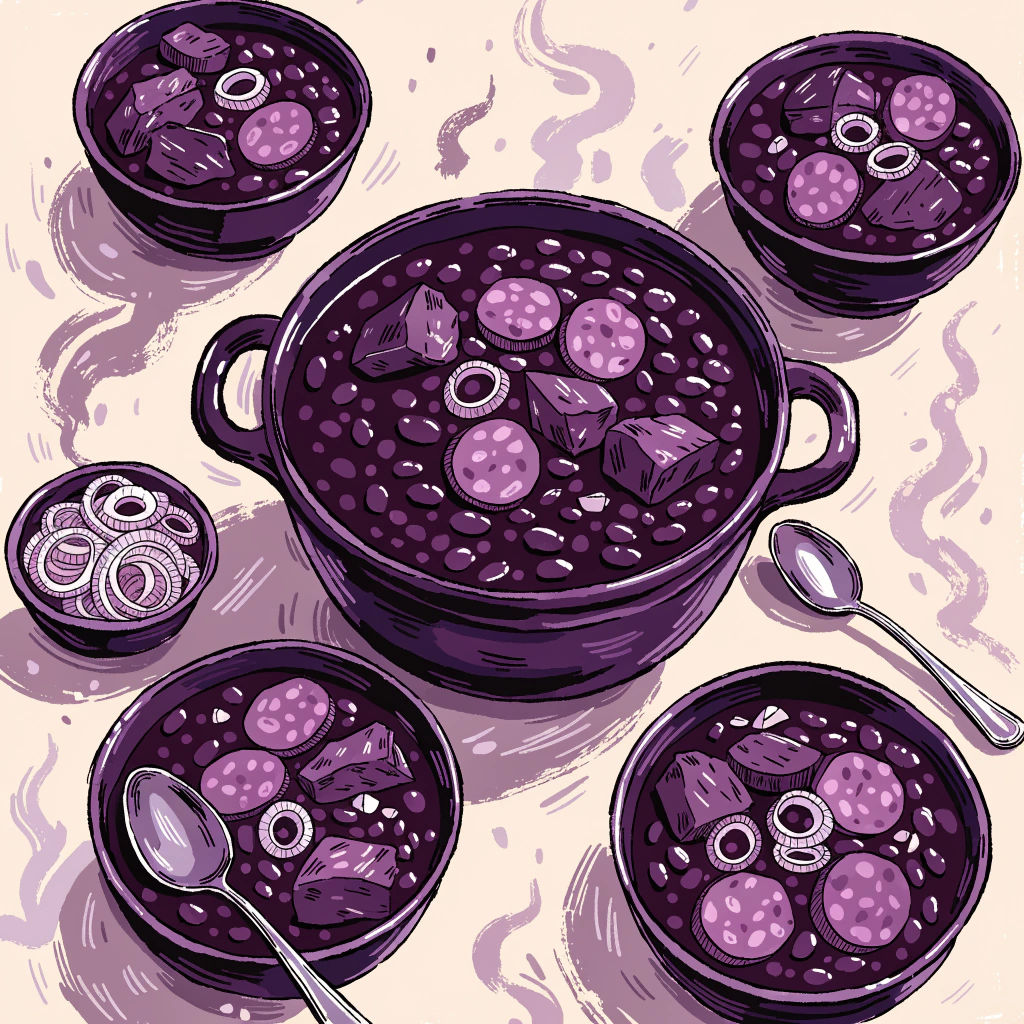
A Special Meal in Brazil
Brazil has a very famous food. It is called feijoada. Feijoada is a delicious stew. It has black beans and meat. People use pork and beef to make it.
Brazilians often eat this meal on Saturdays. They eat it together with their families and friends. It is a special time. They also eat rice, oranges, and vegetables with the stew.
Feijoada is very old. Some people say it comes from Portugal. Today, everyone in Brazil loves this dish. It is the national food of Brazil.
语法聚焦
句型: Present Simple (to be)
"Feijoada is a delicious stew."
We use 'is' with singular nouns to describe what something is. It shows a fact or a state.
句型: Present Simple (Action Verbs)
"Brazilians often eat this meal on Saturdays."
We use the base form of the verb for habits and routines. We add an 's' only for he, she, or it.
测试你的理解
10 个问题 · A1 初学 · 1 次免费预览
测试你从这篇文章中学到的知识。回答所有问题即可获得经验值!
What color are the beans in feijoada?
题目详情
What color are the beans in feijoada?
你的回答:
正确答案: Black
Brazilians usually eat feijoada on Saturdays.
你的回答:
正确答案: 正确
What does 'meal' mean?
你的回答:
正确答案: Food eaten at a certain time
Brazil has a very _____ food.
你的回答:
正确答案: famous
A Special Saturday Meal in Brazil
Feijoada is the most famous dish in Brazil. It is a delicious stew made with black beans and different types of meat, like pork and beef. People usually eat it on Saturday afternoons because it is a very big meal. Families and friends sit together to enjoy this food for many hours.
The dish has a long history. Some people say it started with workers many years ago. However, it is also similar to traditional food from Portugal. Today, every person in Brazil loves it. Chefs cook the meat and beans slowly in a large pot. This makes the food very soft and tasty.
Brazilians serve feijoada with white rice, green vegetables, and slices of orange. The orange is important because it helps you feel better after the heavy meal. Feijoada is more than just a lunch; it is a weekly ritual that brings people together in a happy way.
语法聚焦
句型: Superlative Adjectives
"Feijoada is the most famous dish in Brazil."
We use 'the most' with long adjectives to compare one thing to a whole group. It shows that feijoada is number one in popularity.
句型: Connectors (Because)
"People usually eat it on Saturday afternoons because it is a very big meal."
We use 'because' to give a reason for an action. In this sentence, it explains why people choose Saturday for this specific food.
测试你的理解
11 个问题 · A2 基础 · 1 次免费预览
测试你从这篇文章中学到的知识。回答所有问题即可获得经验值!
When do Brazilians usually eat feijoada?
题目详情
When do Brazilians usually eat feijoada?
你的回答:
正确答案: On Saturday afternoons
Feijoada is a small and light meal.
你的回答:
正确答案: 错误
What is a 'stew'?
你的回答:
正确答案: Meat and vegetables cooked slowly
Brazilians serve the meal with white _____.
你的回答:
正确答案: rice
What kind of beans are used in this dish?
你的回答:
正确答案: Black beans
巴西黑豆饭:一道充满故事的国民美食
巴西黑豆饭(Feijoada)是巴西一道非常有名的菜肴,它不仅仅是一种食物,更是一种重要的文化象征。在巴西,人们通常会在周六下午和家人朋友一起享用黑豆饭,这已经成为了一个重要的传统和每周的仪式。大家会聚在一起,边吃边聊,享受美好的时光。
黑豆饭的主要食材是黑豆和各种猪肉、牛肉。比如,猪排、香肠和腌牛肉都会被加到里面。这些肉和黑豆一起慢慢炖煮,直到味道浓郁,肉质软烂。这道炖菜闻起来香,吃起来也很有层次感,是巴西人非常喜欢的一道主食。
关于黑豆饭的起源,有一个很有趣的传说。有人说,这种食物是由以前的奴隶用农场主不要的边角料做成的,因为他们没有很多好的食材。但是,很多烹饪历史学家认为,黑豆饭的真实历史可能更复杂。他们指出,它可能受到了欧洲“一锅炖”菜肴的影响,特别是葡萄牙的传统烹饪方式。在葡萄牙,也有很多把豆子和肉放在一起炖的菜,这些菜的历史很悠久。
现在,黑豆饭已经成为了巴西国家美食的象征。它不仅代表了巴西丰富的历史和文化,也代表了巴西人热爱生活、喜欢和亲友聚会的精神。这道菜常常搭配米饭、烤木薯粉和切片橙子一起吃,味道非常独特。当你来到巴西,一定要尝尝这道美味的黑豆饭,体验一下巴西的饮食文化。
语法聚焦
句型: “被”字句 (Passive Voice with 'bèi')
"猪排、香肠和腌牛肉都会被加到里面。"
“被”字句表示动作的接受者。它的基本结构是:主语(动作的接受者)+ 被 + 动作的发出者(可选)+ 动词 + 其他成分。这个句子说明了肉是被加进去的。
句型: “已经” (yǐjīng) (Already / Present Perfect)
"这已经成为了一个重要的传统和每周的仪式。"
“已经”表示动作或状态在说话之前就完成了,或者持续到现在。它通常放在动词或动词短语前面,强调事情已经发生或完成。
测试你的理解
11 个问题 · B1 中级 · 1 次免费预览
测试你从这篇文章中学到的知识。回答所有问题即可获得经验值!
题目详情
巴西黑豆饭通常和什么一起吃?
你的回答:
正确答案: 米饭、烤木薯粉和切片橙子
黑豆饭是巴西人只在特殊节日才吃的菜。
你的回答:
正确答案: 错误
“象征”在文章中的意思是什么?
你的回答:
正确答案: 代表某种意义的事物
黑豆饭的主要_____是黑豆和各种猪肉、牛肉。
你的回答:
正确答案: 食材
很多烹饪历史学家认为,黑豆饭的真实_____可能更复杂。
你的回答:
正确答案: 历史
巴西的灵魂:黑豆炖肉(Feijoada)的文化与历史
在巴西,有一种食物不仅仅是餐桌上的佳肴,它更是一种深植于民族文化中的每周仪式——那就是享誉全球的黑豆炖肉(Feijoada)。这道菜肴通常在周六下午被精心烹制,将家人和朋友们聚集在一起,共同享受美食和欢乐时光。对于巴西人而言,Feijoada不仅仅是一顿饭,它象征着团聚、庆祝和民族认同。
Feijoada的核心在于其独特的食材组合。它以黑豆为基础,搭配多种猪肉和牛肉部位,例如鲜美的排骨、风味浓郁的香肠以及经过腌制的牛肉干。这些食材经过长时间的慢炖,使得豆子软糯入味,肉质鲜嫩,汤汁浓稠,散发出诱人的烟熏香气。每一勺Feijoada都蕴含着丰富的层次感和深厚的风味。
关于Feijoada的起源,有一个广为流传的说法。该传说认为,这道菜是由巴西种植园的奴隶们创造的。他们利用种植园主丢弃的边角料,如猪耳朵、猪尾巴和猪脚等,与黑豆一同炖煮,从而发明了Feijoada。这个故事充满了悲情色彩,也赋予了Feijoada一层反抗与生存的象征意义。
然而,美食历史学家们对这一浪漫化的传说持有不同的看法。他们指出,Feijoada的根源并非完全来自奴隶的创新,而是与欧洲,特别是葡萄牙的“一锅炖”菜肴有着更深层次的联系。欧洲的许多国家都有类似的慢炖豆类和肉类的传统菜肴,例如法国的卡索莱(Cassoulet)和葡萄牙的科齐多(Cozido)。这些菜肴在殖民时期被带到巴西,并与当地的食材和烹饪习惯相结合,逐渐演变成了我们今天所熟知的Feijoada。
尽管奴隶们在巴西烹饪文化的发展中扮演了重要角色,但将Feijoada的起源完全归因于他们,可能简化了其复杂的历史演变过程。更准确地说,Feijoada是多种文化元素交融的产物,它融合了非洲、欧洲和美洲原住民的烹饪智慧。因此,当我们品尝这道充满历史韵味的佳肴时,我们不仅仅是在享受美食,更是在体验巴西多元文化的独特魅力。Feijoada不仅是巴西的国菜,更是巴西历史和文化变迁的活生生见证。
语法聚焦
句型: 不仅仅是...更是一种...
"在巴西,有一种食物不仅仅是餐桌上的佳肴,它更是一种深植于民族文化中的每周仪式——那就是享誉全球的黑豆炖肉(Feijoada)。"
这个句式用于强调后者比前者更重要或程度更深。它表示某事物不单单具有某个特点,更拥有另一个更深层次或更显著的特点,常用于表达递进关系和强调。
句型: 关于...,...持有不同看法。
"关于Feijoada的起源,有一个广为流传的说法。然而,美食历史学家们对这一浪漫化的传说持有不同的看法。"
这个句式用于引出对某一特定话题的不同观点或意见。它首先引出话题(“关于...”),然后指出有人对此抱有不同的看法(“持有不同看法”),常用于讨论具有争议性的话题,表达客观性。
句型: 尽管...,但...可能简化了...
"尽管奴隶们在巴西烹饪文化的发展中扮演了重要角色,但将Feijoada的起源完全归因于他们,可能简化了其复杂的历史演变过程。"
“尽管...但...”结构用于表达让步关系,即承认一个事实或情况,但随后提出一个与此相对或修正的观点。在这里,“可能简化了”表示一种委婉的否定或修正,指出完全归因于某一点会忽略事物的复杂性。
测试你的理解
11 个问题 · B2 中高级 · 1 次免费预览
测试你从这篇文章中学到的知识。回答所有问题即可获得经验值!
题目详情
根据文章,Feijoada在巴西通常在哪一天食用?
你的回答:
正确答案: 周六下午
文章指出Feijoada的起源完全来自巴西种植园奴隶的创新。
你的回答:
正确答案: 错误
“仪式” 在文章中的意思是?
你的回答:
正确答案: 某种庆祝活动或规定习俗
美食历史学家认为,Feijoada的根源与欧洲,特别是_____的“一锅炖”菜肴有联系。
你的回答:
正确答案: 葡萄牙
文章提到Feijoada象征着什么?
你的回答:
正确答案: 团聚、庆祝和民族认同
巴西的灵魂滋味:黑豆饭的文化与历史沉浮
巴西黑豆饭(Feijoada)绝非寻常一餐,它已然超越了单纯的食物范畴,升华为一种承载着深厚文化意蕴的社会仪式。每周六午后,巴西家庭及亲友们便会齐聚一堂,共享这道丰盛的佳肴。其重要性,不啻于英式周日烤肉之于英国人,或法式炖菜之于法国人。它不仅仅是味蕾的盛宴,更是维系情感、传承习俗的纽带,巴西人对其钟爱有加,视其为民族认同的显著标志。
究其食材,黑豆饭以黑豆为基底,辅以多种猪肉与牛肉部位,如排骨、香肠乃至腌制牛肉干。这些食材经由长时间的文火慢炖,相互渗透,最终幻化成一锅色泽浓郁、口感醇厚、香气扑鼻的炖菜。炖煮过程中,豆子的软糯与肉类的鲜美达到了完美的平衡,每一口都蕴含着巴西热情的阳光与土地的芬芳。它的复杂性与多样性,使得每一份黑豆饭都独具特色,却又万变不离其宗,保留着那份独特的巴西风味。
谈及黑豆饭的起源,坊间流传着一个颇具浪漫色彩却不乏争议的传说:它最初是由种植园里的奴隶,利用庄园主丢弃的边角料烹制而成。然而,美食历史学家们对此却持审慎态度,他们认为这一说法虽富有人文关怀,却未能完全揭示其深层历史渊源。揆诸历史,黑豆饭的根基实则深植于欧洲的“一锅炖”烹饪传统,尤其是葡萄牙的同类菜肴。与其说它是奴隶的“发明”,不如说它是欧洲烹饪技艺在巴西这片土地上,与当地食材和文化相融合后的独特演变。
葡萄牙人将他们的“cozido”或“feijoada”带到巴西,这些菜肴通常由豆类、肉类和蔬菜共同炖煮而成。在巴西,由于当地食材的丰富性,特别是黑豆的普遍种植,以及非洲裔奴隶在烹饪中发挥的关键作用,这道菜逐渐演变成我们今天所熟知的黑豆饭。奴隶们虽未“发明”这道菜,但他们无疑对其在巴西的本土化和风味演变贡献巨大。他们运用有限的资源,将欧洲的烹饪理念与非洲的食材处理方式巧妙结合,最终成就了这道国民美食。
时至今日,黑豆饭已然超越了其最初的社会经济背景,成为巴西文化不可或缺的一部分。它不仅是餐桌上的美味,更是巴西人生活哲学、历史记忆和民族精神的具象化体现。每当人们品尝这道菜时,所感受到的不啻是味蕾的满足,更是对巴西历史进程的追溯与对民族情感的共鸣。这道看似寻常的炖菜,实则承载着一个国家多元文化融合的厚重篇章,堪称巴西美食的瑰宝。
语法聚焦
句型: 不啻于...
"其重要性,不啻于英式周日烤肉之于英国人,或法式炖菜之于法国人。"
“不啻于”表示程度非常接近,几乎等同于某种事物或状态,常用于强调。它能使表达更具修辞色彩,突出事物的重大意义或相似性。
句型: 与其说...不如说...
"与其说它是奴隶的‘发明’,不如说它是欧洲烹饪技艺在巴西这片土地上,与当地食材和文化相融合后的独特演变。"
这个句式用于比较和选择,否定前者而肯定后者,表明后者更符合实际情况或更准确。它常用于纠正一种不准确的看法,引出更深层次的解释。
句型: 所...的
"每当人们品尝这道菜时,所感受到的不啻是味蕾的满足,更是对巴西历史进程的追溯与对民族情感的共鸣。"
“所”字结构将动词或动宾短语名词化,常用于强调被施加的动作或其结果,使表达更正式或抽象。它通常用于书面语或较为严肃的语境中。
测试你的理解
12 个问题 · C1 高级 · 1 次免费预览
测试你从这篇文章中学到的知识。回答所有问题即可获得经验值!
题目详情
根据文章,黑豆饭在巴西通常在哪一天被享用?
你的回答:
正确答案: 周六
文章认为黑豆饭最初是由种植园里的奴隶发明的。
你的回答:
正确答案: 错误
“审慎”在文中是什么意思?
你的回答:
正确答案: 考虑周全、谨慎行事
黑豆饭不仅仅是味蕾的盛宴,更是维系情感、传承习俗的______。
你的回答:
正确答案: 纽带
美食历史学家对黑豆饭起源的看法是什么?
你的回答:
正确答案: 它的根基深植于欧洲的“一锅炖”烹饪传统,尤其是葡萄牙的同类菜肴。
黑豆饭的食材中不包含牛肉。
你的回答:
正确答案: 错误
The Apotheosis of the Black Bean: Deconstructing the Sociopolitical Fabric of Brazilian Feijoada
In the pantheon of global gastronomy, few preparations evoke such a visceral sense of place and ritual as the Brazilian feijoada. To the uninitiated, it may appear as a mere stew of black beans and porcine offal; however, to the Brazilian, it represents a sacred Saturday liturgy, a communal gathering that suspends the frantic pace of modern life in favor of a languid, multi-hour symposium. This culinary phenomenon is not merely about sustenance; it is an exercise in conviviality, a manifestation of what sociologists might term the 'Brazilian soul.' Rarely has a dish transcended its culinary boundaries to become a literal manifestation of national identity as feijoada has in Brazil.
Central to the discourse surrounding feijoada is the pervasive myth of its provenance. For decades, a romanticized narrative suggested that the dish was born of necessity in the slave quarters, or senzalas, of colonial plantations. The story goes that enslaved people, provided only with the 'scraps' discarded by the master’s house—the ears, tails, and trotters—ingeniously combined these remnants with beans to create a nutrient-dense masterpiece. While this narrative serves as a powerful symbol of resilience and the subversion of colonial hegemony, modern culinary historians suggest a more nuanced evolution. They argue that feijoada is a vestigial cousin of European 'pot-au-feu' traditions, specifically the Portuguese cozido. The inclusion of pig extremities, far from being an index of penury, was a long-standing tradition in European agrarian societies, predating the transatlantic exchange.
Nevertheless, the 'senzala myth' remains a vital component of the dish's cultural semiotics. It highlights the multifaceted nature of Brazilian identity—a synthesis of African, European, and indigenous influences. Were one to strip the dish of its historical baggage, one would still be left with a formidable sensory experience. The alchemy of the long-simmered black beans, infused with the smoky essence of jerked beef and paio sausage, creates a velvet-textured broth that is both earthy and decadent. It is imperative that the diner approach the feijoada completa with respect for its traditional accompaniments: the toasted manioc flour known as farofa, the finely shredded and sautéed kale (couve), and the essential slices of orange. The latter is no mere ornamental flourish; rather, it serves as a critical digestive catalyst, its acidity effectively emulsifying the heavy lipids inherent in the pork.
In the mid-20th century, feijoada underwent a process of 'nationalization,' championed by modernist intellectuals who sought to define a cohesive Brazilian culture. By elevating a rustic, communal meal to the status of a national symbol, they created a paradigm of unity in a country marked by profound social stratification. Today, the ubiquity of feijoada in both humble botecos and opulent hotels serves as a testament to its enduring power. It is an idiosyncrasy of the Brazilian palate that a meal so heavy should be consumed in a tropical climate, yet the ritual persists, undiminished by time or globalization. In conclusion, feijoada transcends the boundaries of simple nutrition. It is a complex cultural text, written in smoke, salt, and beans. Whether one views it through the lens of historical myth-making or as the apotheosis of Luso-African culinary fusion, it remains an indispensable part of the Brazilian experience. So long as the Saturday ritual persists, the smoky aroma of simmering beans will continue to signal a moment of respite, a time for the nation to pause and savor the rich, multifaceted history contained within a single clay pot.
语法聚焦
句型: Negative Inversion
"Rarely has a dish transcended its culinary boundaries to become a literal manifestation of national identity as feijoada has in Brazil."
When a sentence begins with a negative or restrictive adverb like 'rarely', the subject and auxiliary verb are inverted. This is used for rhetorical emphasis in formal or academic writing.
句型: Subjunctive Mood with 'Imperative'
"It is imperative that the diner approach the feijoada completa with respect for its traditional accompaniments."
The base form of the verb (approach) is used after adjectives of necessity like 'imperative'. This mood expresses a requirement or strong recommendation.
句型: Inverted Conditional (Second Conditional)
"Were one to strip the dish of its historical baggage, one would still be left with a formidable sensory experience."
The word 'were' is placed at the beginning of the sentence to replace 'if' and 'was/were'. This structure is highly formal and used to discuss hypothetical situations.
测试你的理解
12 个问题 · C2 精通 · 1 次免费预览
测试你从这篇文章中学到的知识。回答所有问题即可获得经验值!
What is the primary tension discussed regarding the origins of feijoada?
题目详情
What is the primary tension discussed regarding the origins of feijoada?
你的回答:
正确答案: The conflict between the 'senzala' myth and European culinary roots.
Modern culinary historians fully support the legend that feijoada was created solely from plantation scraps.
你的回答:
正确答案: 错误
Which word describes the 'seemingly magical transformation' of ingredients into a complex stew?
你的回答:
正确答案: Alchemy
The dish serves as a _____ of unity in a socially stratified country.
你的回答:
正确答案: paradigm
What function does the orange serve in a traditional feijoada meal according to the text?
你的回答:
正确答案: It serves as a digestive catalyst for the heavy fats.
Modernist intellectuals in the 20th century helped establish feijoada as a national symbol.
你的回答:
正确答案: 正确

