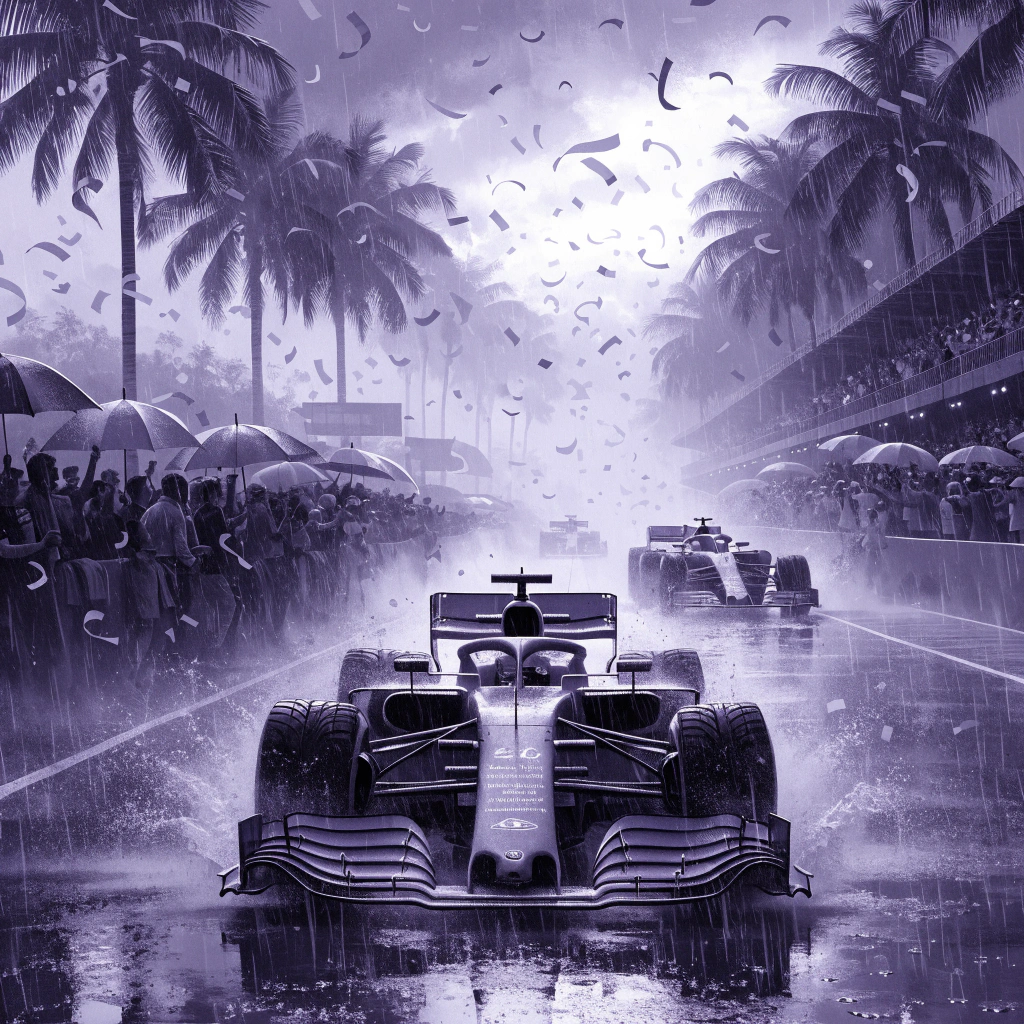
ブラジルの速い車!レースの話
ブラジルに「グランプリ」というレースがあります。これは車のレースです。とても速い車が走ります。たくさんの人がこのレースを見ます。
レースの場所は「インテルラゴス」です。ここはサンパウロにあります。とても有名な場所です。昔、セナという速いドライバーがいました。彼はブラジルのヒーローです。今も、ブラジルの人は車とレースが好きです。毎年、このレースがあります。
文法スポットライト
パターン: 〜があります (there is/are)
"ブラジルに「グランプリ」というレースがあります。"
「〜があります」は「〜が存在する」という意味です。物や場所があることを言う時に使います。「場所 + に + 物 + があります」の形で使います。
パターン: 〜は〜です (A is B)
"これは車のレースです。"
「〜は〜です」は、何かを説明するときに使います。AとBが同じもの、またはAがBである、という意味です。「A + は + B + です」の形で使います。
理解度をチェック
10 問 · A1 初級 · 無料プレビュー 1回
この記事で学んだことをテストしよう。全問正解してXPを獲得!
「グランプリ」は、何のレースですか?
問題の内訳
「グランプリ」は、何のレースですか?
あなたの回答:
正解: 車のレース
グランプリの車は、速くないです。
あなたの回答:
正解: 間違い
「見ます」の意味は何ですか?
あなたの回答:
正解: to see / to watch
ブラジルに「_____」というレースがあります。
あなたの回答:
正解: グランプリ
Racing in São Paulo: The Brazilian Grand Prix
The Brazilian Grand Prix is a very famous Formula 1 race. It takes place in São Paulo at a track called Interlagos. This track is special because it is between two big lakes. It is also one of the few tracks where drivers go anticlockwise.
Brazilians love motorsport because they had many great drivers. Ayrton Senna was the most famous driver in Brazil. He won many races and people still love him today. When the race starts, the fans are very loud. They wear yellow and green clothes to support their favorite teams.
The Interlagos circuit is more difficult than other tracks. It has many hills, so the cars go up and down quickly. The weather can also change fast. Sometimes it is sunny, but then it rains suddenly. This makes the race more exciting for the fans. It is a wonderful weekend for everyone in the city.
文法スポットライト
パターン: Comparatives with 'more'
"The Interlagos circuit is more difficult than other tracks."
We use 'more' before long adjectives to compare two things. After the adjective, we use 'than' to name the second thing.
パターン: Past Simple (to be)
"Ayrton Senna was the most famous driver in Brazil."
We use 'was' to talk about a singular person or situation in the past. It is the past form of 'is'.
理解度をチェック
11 問 · A2 初級 · 無料プレビュー 1回
この記事で学んだことをテストしよう。全問正解してXPを獲得!
Where does the Brazilian Grand Prix take place?
問題の内訳
Where does the Brazilian Grand Prix take place?
あなたの回答:
正解: São Paulo
The Interlagos track is located between two lakes.
あなたの回答:
正解: 正しい
What does 'track' mean in this article?
あなたの回答:
正解: A road for racing
The weather can _____ fast during the race.
あなたの回答:
正解: change
Why do fans wear yellow and green clothes?
あなたの回答:
正解: To support their favorite teams
F1ブラジルグランプリ:情熱のサンパウロ
ブラジルは、モータースポーツがとても人気のある国です。特に、F1(フォーミュラ1)は多くの人々に愛されています。その理由は、アイルトン・セナ、エマーソン・フィッティパルディ、ネルソン・ピケといった伝説的なドライバーたちが、ブラジルから世界へと羽ばたいたからです。彼らの活躍は、ブラジル人の心に深く刻まれています。
現在、「サンパウログランプリ」として知られているこのレースは、サンパウロ市にある「アウトドローモ・ジョゼ・カルロス・パーチェ」というサーキットで開催されます。このサーキットは、一般的に「インテルラゴス」と呼ばれています。インテルラゴスは、二つの湖の間にある自然のくぼ地に位置しています。そのため、コースには独特の地形があり、高低差も大きいです。
F1カレンダーにあるサーキットの中で、インテルラゴスは数少ない反時計回りのコースの一つです。この特徴と、速いコーナーが多いことで知られています。ドライバーたちは、常に集中して運転しなければなりません。また、ブラジルのファンはいつも情熱的で、レース中は会場全体が大きな歓声に包まれます。彼らの熱気は、世界中のF1ファンに感動を与えています。
サンパウログランプリは、単なるレースではありません。それはブラジルの文化の一部であり、国民の誇りでもあります。この特別な場所で、毎年、世界最高のドライバーたちが素晴らしい戦いを繰り広げています。一度、この熱い雰囲気を体験してみてはいかがでしょうか。
文法スポットライト
パターン: 〜として知られている (as known as...)
"現在、「サンパウログランプリ」として知られているこのレースは、サンパウロ市にある「アウトドローモ・ジョゼ・カルロス・パーチェ」というサーキットで開催されます。"
「〜として知られている」は、「〜という名前や役割で有名だ」という意味を表す表現です。「として」は「〜の資格で」や「〜の立場で」という意味を持ち、「知られている」は受身形です。
パターン: 名詞を修飾する文 (Relative clause modifying a noun)
"F1カレンダーにあるサーキットの中で、インテルラゴスは数少ない反時計回りのコースの一つです。"
この文のように、「F1カレンダーにある」という動詞の形が「サーキット」という名詞を詳しく説明しています。動詞の辞書形や「〜ている」形などが、その前にある名詞を修飾して、どのような名詞なのかを伝えます。
理解度をチェック
11 問 · B1 中級 · 無料プレビュー 1回
この記事で学んだことをテストしよう。全問正解してXPを獲得!
現在、この記事で紹介されているレースの公式名称は何ですか?
問題の内訳
現在、この記事で紹介されているレースの公式名称は何ですか?
あなたの回答:
正解: サンパウログランプリ
インテルラゴスサーキットは、平らな土地にあることで有名です。
あなたの回答:
正解: 間違い
「伝説的」という言葉の意味として、最も適切なものはどれですか?
あなたの回答:
正解: 物語に出てくるような、非常に有名で特別なもの
インテルラゴスは、二つの湖の間に位置する自然の____です。
あなたの回答:
正解: くぼ地
インテルラゴスサーキットのユニークな特徴の一つは何ですか?
あなたの回答:
正解: 数少ない反時計回りのコースであること
ブラジルとモータースポーツの深い絆:サンパウログランプリの魅力
ブラジルにおけるモータースポーツは、単なるスポーツの枠を超え、国民文化の深く根付いた一部となっています。これは、エマーソン・フィッティパルディ、ネルソン・ピケ、そして惜しまれつつも他界したアイルトン・セナといった伝説的なドライバーたちの輝かしい遺産に大きく貢献されています。彼らの活躍は、ブラジル人の心にモータースポーツへの情熱を深く刻み込みました。
現在、公式には「サンパウログランプリ」と称されるブラジルグランプリは、サンパウロ市郊外にあるオートドローモ・ジョゼ・カルロス・パーチェ、通称「インテルラゴス・サーキット」を舞台に開催されます。このサーキットは、二つの湖に挟まれた自然の窪地に位置しており、その独特な地形が壮大な景観を形成しています。
インテルラゴスは、F1カレンダーにおいて数少ない反時計回りのコースの一つであり、さらに顕著な高低差を持つことで知られています。特に「S・ド・セナ」と呼ばれるセナのS字コーナーや、「メザルタ」などの高速区間は、ドライバーに極めて高い技術と集中力を要求します。これらの特異なコースレイアウトは、常にドラマチックなレース展開を生み出し、予測不不能な結果をもたらす要因となっています。
ブラジルグランプリは、その歴史と文化的な背景に加えて、レース自体の魅力も群を抜いています。熱狂的なファンたちがスタンドを埋め尽くし、地元ドライバーへの声援は特に大きく、サーキット全体が祝祭のような雰囲気に包まれます。このイベントは、ただのレースではなく、ブラジル人の国民的アイデンティティと誇りを象徴する祭典とも言えるでしょう。
過去には多くの記憶に残るレースが繰り広げられ、特にセナが雨の中、ギアトラブルを抱えながらも優勝した1991年のレースは、今なお語り継がれる伝説です。このような歴史的な瞬間が、インテルラゴス・サーキットを単なるレース場ではなく、モータースポーツの聖地として位置づけています。サンパウログランプリは、これからもブラジル国民の情熱を乗せて、世界のモータースポーツ史に新たな一ページを刻み続けることでしょう。
文法スポットライト
パターン: 〜の枠を超え、〜
"ブラジルにおけるモータースポーツは、単なるスポーツの枠を超え、国民文化の深く根付いた一部となっています。"
この表現は、「〜という範囲や限界を超えて、さらに広い意味や影響を持つ」ことを強調する際に用いられます。「枠」は、ある事柄を限定する範囲を指し、「超える」はそれを越えることを意味します。ここでは、モータースポーツが単なるスポーツ以上の存在であることを示しています。
パターン: 〜といった
"エマーソン・フィッティパルディ、ネルソン・ピケ、そして惜しまれつつも他界したアイルトン・セナといった伝説的なドライバーたち"
この文型は、複数の具体例を挙げた後で「〜のような」という意味で使われます。列挙されたものが、その後に続く名詞句の代表的な例であることを示し、読み手により具体的なイメージを与える効果があります。名詞や動詞の終止形に接続します。
パターン: 〜として
"モータースポーツの聖地として位置づけています。"
「〜として」は、あるものや人がどのような役割や資格、性質を持っているかを示す際に使われます。名詞の後に付けて、「〜の立場で」「〜の資格で」「〜として認識されている」といった意味を表現します。この例では、インテルラゴス・サーキットがモータースポーツの聖地という役割を担っていることを示しています。
理解度をチェック
11 問 · B2 中上級 · 無料プレビュー 1回
この記事で学んだことをテストしよう。全問正解してXPを獲得!
ブラジルでモータースポーツが国民文化の一部となっている主な理由は何ですか?
問題の内訳
ブラジルでモータースポーツが国民文化の一部となっている主な理由は何ですか?
あなたの回答:
正解: 伝説的なブラジル人ドライバーたちの活躍と遺産があるから
インテルラゴス・サーキットは、F1カレンダーの中で数少ない反時計回りのコースの一つである。
あなたの回答:
正解: 正しい
「高低差」の最も適切な意味は何ですか?
あなたの回答:
正解: 地面の高さの違い
インテルラゴス・サーキットは、二つの湖に挟まれた自然の_____に位置しています。
あなたの回答:
正解: 窪地
1991年のアイルトン・セナの伝説的なレースは、どのような状況で優勝しましたか?
あなたの回答:
正解: 雨の中、ギアトラブルを抱えながら
The Crucible of Interlagos: A Socio-Cultural Analysis of the São Paulo Grand Prix
Seldom has a sporting event mirrored the soul of a nation as poignantly as the Brazilian Grand Prix. Nestled within the sprawling urban landscape of São Paulo, the Autódromo José Carlos Pace—colloquially known as Interlagos—serves as more than a mere asphalt loop; it is a repository of national identity. For Brazil, motorsport is not merely a pastime but a deeply ingrained cultural pillar, forged through the triumphs of Emerson Fittipaldi and Nelson Piquet, and immortalized by the transcendental legacy of Ayrton Senna.
The technical specifications of the circuit itself contribute to its legendary status. It is the undulating terrain of Interlagos, situated in a natural bowl between two lakes, that distinguishes it from the sterile, flat tracks increasingly common on the modern Formula 1 calendar. Running anticlockwise, the circuit exerts unique physical demands on drivers’ necks, while the significant elevation changes demand a sophisticated aerodynamic compromise. Not only does the circuit test the limits of mechanical endurance, but it also provides a theater for the unpredictable weather that frequently shifts the competitive landscape, transforming certainties into chaotic gambles.
However, the event’s significance transcends the technical. The recent rebranding to the 'São Paulo Grand Prix' reflects a nuanced shift in the commercial landscape of the sport. This nominalization represents the increasing regionalization of Formula 1’s economic model, where city-state funding becomes paramount. Critics argue that such a shift risks the commodification of heritage, yet proponents suggest it secures the race's longevity in an era of global expansion. What remains constant, however, is the fervent atmosphere generated by the 'Torcida'—the Brazilian fans whose vocal support creates a palpable intensity unmatched in most European venues.
Central to this atmosphere is the enduring specter of Ayrton Senna. Decades after his untimely passing, his influence remains ubiquitous, a testament to the intersection of sport and national mourning. The 'Senna S' curves are not just a sequence of corners; they are a site of pilgrimage. The collective sentimentality of the Brazilian public ensures that the race is viewed through a lens of historical reverence, where every local driver is measured against a standard of excellence that borders on the mythic.
Ultimately, the São Paulo Grand Prix stands as a perennial reminder of the sport's visceral roots. While Formula 1 continues its trajectory toward high-tech, sanitized spectacles, Interlagos retains a raw, formidable character. It is a place where the past and future collide, where the technical prowess of modern engineering is humbled by the capricious nature of the elements and the weight of a nation’s expectations. To understand the Brazilian Grand Prix is to understand the complex interplay between commercial evolution and the preservation of a visceral, collective passion.
文法スポットライト
パターン: Inversion
"Seldom has a sporting event mirrored the soul of a nation as poignantly as the Brazilian Grand Prix."
Inversion occurs when the auxiliary verb comes before the subject, usually after negative or restrictive adverbs. It is used here to add emphasis and a formal, literary tone to the introduction.
パターン: Cleft Sentences
"It is the undulating terrain of Interlagos... that distinguishes it from the sterile, flat tracks."
A cleft sentence focuses on specific information by splitting the sentence into two clauses, starting with 'It is/was'. This structure highlights 'the undulating terrain' as the primary reason for the track's uniqueness.
パターン: Nominalisation
"This nominalization represents the increasing regionalization of Formula 1’s economic model."
Nominalisation is the use of a word which is not a noun as a noun, or as the head of a noun phrase. In this C1 context, it allows for a more abstract and academic discussion of complex concepts like economic shifts.
理解度をチェック
12 問 · C1 上級 · 無料プレビュー 1回
この記事で学んだことをテストしよう。全問正解してXPを獲得!
What is the primary reason the author considers Interlagos more than just a race track?
問題の内訳
What is the primary reason the author considers Interlagos more than just a race track?
あなたの回答:
正解: Its role as a repository of Brazilian national identity.
The Interlagos circuit follows the standard clockwise direction found on most F1 tracks.
あなたの回答:
正解: 間違い
What does the word 'formidable' mean in the context of the article?
あなたの回答:
正解: Impressively powerful and challenging
The circuit's unique _____ presents physical challenges due to its rising and falling nature.
あなたの回答:
正解: topography
What does the rebranding to the 'São Paulo Grand Prix' signify according to the text?
あなたの回答:
正解: A shift toward regionalized, city-state economic funding.
The author argues that modern F1 tracks are often less sterile than Interlagos.
あなたの回答:
正解: 間違い
The Interlagos Crucible: A Socio-Cultural Anatomy of the São Paulo Grand Prix
To perceive the São Paulo Grand Prix as merely a logistical feat of automotive engineering is to overlook the visceral connection between the Brazilian populace and the asphalt of Interlagos. For decades, the Autódromo José Carlos Pace has served as a secular cathedral where the ephemeral nature of speed meets the enduring hagiography of national icons. While many modern Formula 1 circuits have succumbed to a certain clinical uniformity, Interlagos remains a topographical defiance—a counter-clockwise anomaly nestled within a natural bowl that demands as much from the driver’s psyche as it does from their physical endurance. Should the heavens open, as they so frequently do in the Paulistano spring, the track is transformed into a treacherous stage where the hegemony of superior machinery is often dismantled by sheer individual brilliance.
The historical weight of the event is inextricably linked to the legacies of Emerson Fittipaldi, Nelson Piquet, and the transcendent Ayrton Senna. These figures were not merely athletes; they were avatars of national prestige during periods of significant sociopolitical transition. Senna, in particular, remains the zenith of this cultural devotion. His victories at Interlagos were not merely sporting triumphs but were perceived as cathartic affirmations of Brazilian resilience. Even now, decades after his untimely demise, the 'Senna S' curves represent a sacred geometry to the local spectators. Be that as it may, the event’s recent rebranding to the São Paulo Grand Prix signals a nuanced shift in the intersection of municipal identity and global sport, emphasizing the city’s role as the primary benefactor and host of this idiosyncratic spectacle.
Technically, the circuit is a study in juxtaposition. The high-speed start-finish straight, which climbs steeply towards the first corner, contrasts sharply with the labyrinthine middle sector. This undulating terrain necessitates a delicate compromise in aerodynamic setup; teams must balance the need for low-drag efficiency with the high-downforce requirements of the twisty inner sections. Furthermore, the altitude of São Paulo—sitting some 800 meters above sea level—presents a subtle but persistent challenge to internal combustion engines and cooling systems alike. Lest the significance of these variables be understated, it is often the case that the championship is decided or dramatically altered within these very confines. The track’s propensity for producing high-drama finales is unparalleled, a fact underscored by the legendary 2008 season climax where the title changed hands in the final seconds of the final lap.
Critically, one must also consider the socioeconomic tapestry that surrounds the circuit. Interlagos is situated in a region characterized by stark disparities, where the opulence of Formula 1 sits in immediate proximity to the favelas of the city's periphery. This proximity creates a poignant tension, reflecting the broader complexities of Brazilian society. Yet, during the race weekend, these divisions are often momentarily eclipsed by a collective euphoria. Whether this represents a genuine bridging of social strata or merely a fleeting escapism remains a subject of scholarly debate. Nevertheless, the Grand Prix continues to be a cornerstone of the Brazilian sporting calendar, a testament to the enduring allure of a circuit that refuses to be tamed by the march of modernization. It is, in every sense, a crucible of emotion, engineering, and national identity.
文法スポットライト
パターン: Inverted First Conditional
"Should the heavens open, as they so frequently do in the Paulistano spring, the track is transformed into a treacherous stage."
This formal structure replaces 'If the heavens should open'. It is used in academic or literary English to express a hypothetical situation with a more sophisticated tone.
パターン: Negative Subjunctive with 'Lest'
"Lest the significance of these variables be understated, it is often the case that the championship is decided within these very confines."
The word 'lest' is followed by the base form of the verb (subjunctive). It is used to express an intention to prevent a particular negative outcome.
パターン: Concessive Clause with 'Be that as it may'
"Be that as it may, the event’s recent rebranding to the São Paulo Grand Prix signals a nuanced shift."
This fixed expression is used to acknowledge a previous point while introducing a contrasting or more important statement. It functions similarly to 'nevertheless' but carries a higher register.
理解度をチェック
12 問 · C2 マスター · 無料プレビュー 1回
この記事で学んだことをテストしよう。全問正解してXPを獲得!
What does the author suggest about the clinical uniformity of modern circuits in comparison to Interlagos?
問題の内訳
What does the author suggest about the clinical uniformity of modern circuits in comparison to Interlagos?
あなたの回答:
正解: Interlagos is an exception to the trend of standardized track designs.
The author argues that the technical setup of the cars at Interlagos requires no compromise.
あなたの回答:
正解: 間違い
Which word is synonymous with 'the highest point' in the context of the article?
あなたの回答:
正解: Zenith
The track is described as a _____ of emotion, engineering, and national identity.
あなたの回答:
正解: crucible
According to the text, what was the significance of Ayrton Senna's victories for the Brazilian public?
あなたの回答:
正解: They provided a sense of cathartic national resilience.
The altitude of São Paulo has a negligible effect on Formula 1 engines.
あなたの回答:
正解: 間違い

