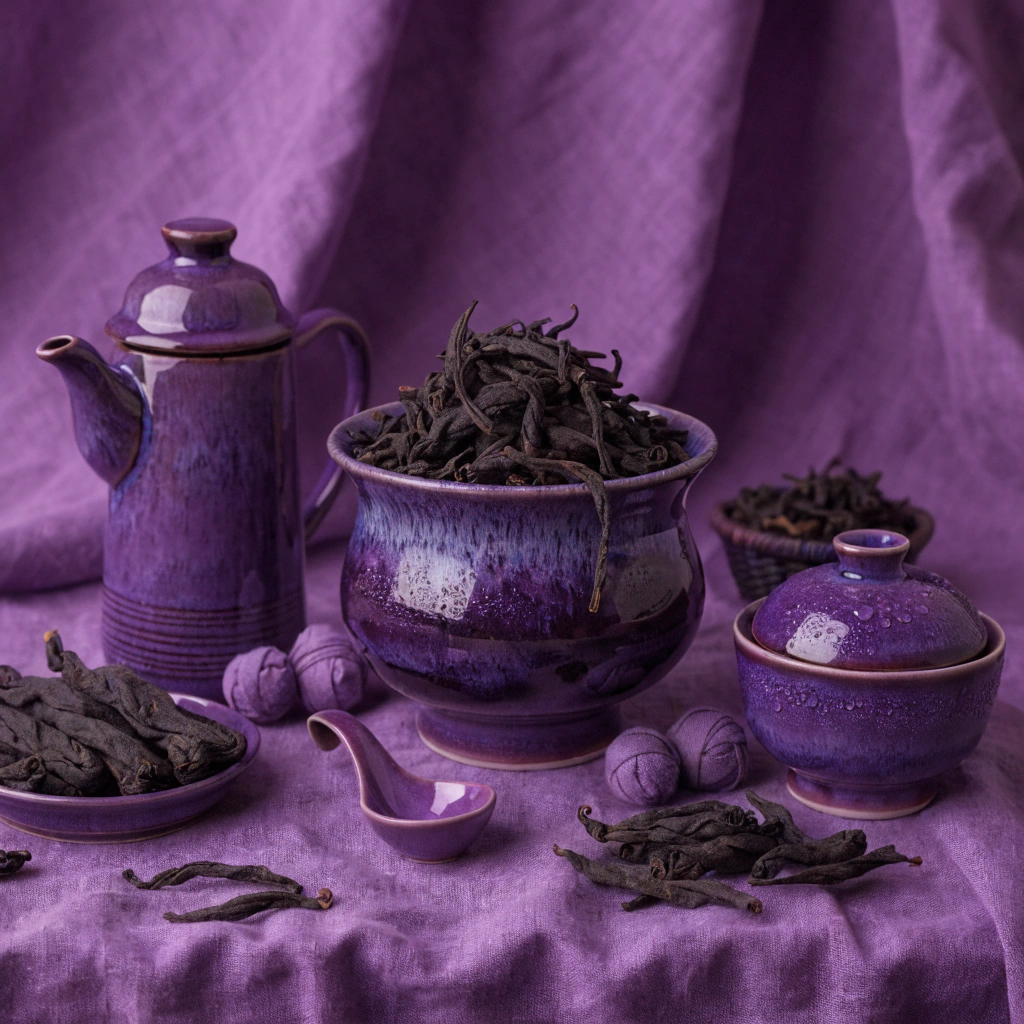
Tea Culture in China
Tea is very important in China. People drink tea every day. They call it the national drink. Tea has a very long history. It is more than 4,000 years old.
In China, tea is for friends and family. When a guest comes to your house, you give them tea. This shows respect. People sit together and talk. They drink tea slowly.
There are many types of tea. Some tea is green and some tea is black. People use hot water and special cups. Tea makes people happy and healthy. It is a beautiful part of Chinese life.
文法スポットライト
パターン: Present Simple (Be)
"Tea is very important in China."
We use 'is' with singular subjects like 'Tea' to talk about facts. It describes the state of something in the present.
パターン: Present Simple (Habitual Actions)
"People drink tea every day."
We use the base form of the verb 'drink' with plural subjects like 'People'. This shows a regular habit or routine.
理解度をチェック
10 問 · A1 初級 · 無料プレビュー 1回
この記事で学んだことをテストしよう。全問正解してXPを獲得!
How old is the history of tea in China?
問題の内訳
How old is the history of tea in China?
あなたの回答:
正解: More than 4,000 years old
People in China drink tea very fast.
あなたの回答:
正解: 間違い
What does 'history' mean?
あなたの回答:
正解: Things from the past
You give a guest tea to show _____.
あなたの回答:
正解: respect
Tea: The Famous Drink of China
Tea is very important in China. People call it the 'national drink.' Its history started more than 4,000 years ago. Long ago, people used tea as medicine, but later it became a famous drink for everyone. A man named Lu Yu wrote a special book about tea during the Tang Dynasty.
Today, drinking tea is more than just thirsty work. It is a way to show respect to guests. When you visit a Chinese home, the host usually gives you a cup of hot tea. You should say 'thank you' or tap the table with your fingers to show your thanks.
Chinese tea culture is older than many other traditions. Green tea is more popular than black tea in many parts of China. People believe that drinking tea is good for the body because it helps you relax. It is a beautiful part of social life and it brings people together.
文法スポットライト
パターン: Past Simple
"Its history started more than 4,000 years ago."
We use the past simple to talk about actions that finished in the past. For regular verbs, we usually add '-ed' to the end of the verb.
パターン: Comparatives with 'more'
"Green tea is more popular than black tea in many parts of China."
We use 'more' + adjective + 'than' to compare two things when the adjective is long. It shows that one thing has more of a quality than another.
理解度をチェック
11 問 · A2 初級 · 無料プレビュー 1回
この記事で学んだことをテストしよう。全問正解してXPを獲得!
Who wrote a special book about tea?
問題の内訳
Who wrote a special book about tea?
あなたの回答:
正解: Lu Yu
People only use tea as a medicine today.
あなたの回答:
正解: 間違い
What does 'guest' mean?
あなたの回答:
正解: A person who visits a home
People believe that drinking tea helps you _____.
あなたの回答:
正解: relax
How long is the history of tea in China?
あなたの回答:
正解: More than 4,000 years
中国茶文化:おもてなしの心と作法
中国では、お茶はただの飲み物ではありません。それは社会の調和を保ち、人々をもてなすための大切な手段として、長い歴史の中で育まれてきました。中国では「国の飲み物」と呼ばれ、その歴史は4000年以上にわたると言われています。伝説によると、神農皇帝がお茶を発見したとされています。
唐の時代(618年から907年)には、お茶は薬として使われるだけでなく、洗練された芸術へと変わっていきました。陸羽が書いた『茶経』という本は、お茶の栽培や準備方法について詳しく述べられており、この時代にお茶が広く普及するのに大きな役割を果たしました。お茶を飲むことは、単なる習慣ではなく、人々の生活に深く根ざした文化となったのです。
中国の茶文化には、おもてなしの心が込められた特別な作法があります。例えば、お客様にお茶を出すときには、まずお茶碗を温め、お茶を注ぐ順番にも意味があります。また、お茶碗を持つ手や、お茶を飲むときの姿勢も大切にされます。これらの作法は、お客様への敬意を表し、お互いの関係をより良くするためのものです。
お茶を囲んで語り合う時間は、家族や友人が心を通わせる大切な機会となります。この豊かな茶文化は、中国の人々の暮らしや社会において、今もなお重要な役割を担っています。お茶は、人々の絆を深めるための素晴らしい道具なのです。
文法スポットライト
パターン: ~と言われています
"その歴史は4000年以上にわたると言われています。"
この表現は「~だと言われている」という意味で、不確かな情報や一般的な意見を伝えるときに使います。動詞の普通形や名詞・形容詞の普通形に「と言われています」をつけます。
パターン: ~だけでなく、~も
"お茶は薬として使われるだけでなく、洗練された芸術へと変わっていきました。"
この文型は「Aであるだけでなく、Bでもある」という意味で、AとBの両方の性質や状態があることを示します。名詞、動詞、形容詞の普通形に「だけでなく」をつけ、その後に続く文に「も」を使います。
理解度をチェック
11 問 · B1 中級 · 無料プレビュー 1回
この記事で学んだことをテストしよう。全問正解してXPを獲得!
中国でお茶が「国の飲み物」と呼ばれるのは、主にどのような理由からですか。
問題の内訳
中国でお茶が「国の飲み物」と呼ばれるのは、主にどのような理由からですか。
あなたの回答:
正解: 社会の調和とおもてなしに大切だから
唐の時代、お茶は最初から芸術品として扱われていました。
あなたの回答:
正解: 間違い
「作法」の意味に最も近いのはどれですか。
あなたの回答:
正解: 物事を行うときの正しいやり方や礼儀
中国の茶文化には、お客様への_____を表す特別な作法があります。
あなたの回答:
正解: 敬意
伝説によると、お茶を発見したとされる人物は誰ですか。
あなたの回答:
正解: 神農皇帝
Beyond the Brew: The Sophisticated Etiquette of Chinese Tea Culture
In China, tea is far more than a simple beverage; it serves as a foundational pillar of social harmony and a primary vehicle for hospitality. Often referred to as 'the national drink,' tea possesses a history spanning over 4,000 years. The discovery of tea is frequently attributed to the mythical Emperor Shennong, who supposedly discovered the leaf's properties by accident. By the Tang Dynasty, tea had undergone a significant transformation. Having evolved from a medicinal tonic into a sophisticated art form, it was further popularized by Lu Yu’s 'The Classic of Tea,' which remains the first definitive work on tea cultivation and preparation.
Today, the preparation of tea is regarded as a ritual that requires patience and precision. This practice is not merely about the liquid itself but about the atmosphere it creates. In a formal setting, the host must acknowledge the status of each guest, ensuring that the tea is served in a specific order, typically starting with the eldest or most senior person. This hierarchy is a crucial aspect of Chinese social etiquette, reflecting deep-seated values of respect and communal order. Furthermore, the way a guest receives the tea is equally important. Should a guest wish to express gratitude silently, they may perform a specific finger-tapping gesture on the table, a tradition that dates back to the Qing Dynasty.
Moreover, the choice of tea leaves and the temperature of the water are meticulously selected to suit the occasion. Whether it is a light Green tea for a casual gathering or a complex Pu-erh for a formal negotiation, the selection demonstrates the host's level of sophistication and care. The practice of 'Gongfu Tea,' which translates to 'making tea with skill,' exemplifies this dedication to excellence. Through this process, participants are encouraged to slow down and appreciate the subtle nuances of flavor and aroma.
In conclusion, tea culture in China functions as a vital bridge between the past and the present. It is an intricate dance of social norms and sensory experiences that promotes peace and understanding. By mastering the nuances of tea etiquette, one gains a deeper insight into the values that have shaped Chinese society for millennia. Consequently, tea remains an essential element of modern life, proving that some traditions are timeless.
文法スポットライト
パターン: Perfect Participle Clause
"Having evolved from a medicinal tonic into a sophisticated art form, it was further popularized by Lu Yu’s 'The Classic of Tea.'"
Perfect participles (having + past participle) are used to indicate that one action was completed before another. It helps to show a sequence of events in a more formal, concise way.
パターン: Passive Voice
"The discovery of tea is frequently attributed to the mythical Emperor Shennong."
The passive voice is used here to focus on the object (the discovery) rather than the subject. It is common in academic and formal writing to sound more objective.
パターン: Inverted Conditionals
"Should a guest wish to express gratitude silently, they may perform a specific finger-tapping gesture."
Using 'should' instead of 'if' at the beginning of a sentence creates a formal conditional structure. It is equivalent to saying 'If a guest should wish...'.
理解度をチェック
11 問 · B2 中上級 · 無料プレビュー 1回
この記事で学んだことをテストしよう。全問正解してXPを獲得!
According to the article, what was the primary use of tea before it became an art form?
問題の内訳
According to the article, what was the primary use of tea before it became an art form?
あなたの回答:
正解: A medicinal tonic
In a formal Chinese tea ceremony, the youngest person is usually served first to show hospitality.
あなたの回答:
正解: 間違い
What does 'etiquette' mean in the context of the article?
あなたの回答:
正解: Polite behavior and social rules
Tea is considered a primary vehicle for _____, representing the way guests are welcomed in China.
あなたの回答:
正解: hospitality
What does the finger-tapping gesture signify?
あなたの回答:
正解: A silent expression of gratitude
The Fluidity of Tradition: Deconstructing Chinese Tea Culture and Social Etiquette
Seldom has a mere beverage commanded such profound reverence or exerted such a lasting influence on the social fabric of a nation as tea has in China. Far from being a simple infusion of leaves, tea represents a sophisticated intersection of philosophy, hospitality, and historical continuity. Its origins, shrouded in the mists of antiquity, are often traced back to Emperor Shennong, yet it was during the Tang Dynasty that tea transitioned from a medicinal tonic into a sublime art form. This evolution was solidified by Lu Yu’s seminal work, 'The Classic of Tea,' which established the aesthetic and technical parameters that still define the practice today.
It is through the lens of the Gongfu tea ceremony that one truly grasps the essence of Chinese hospitality. This ritual is not merely about the consumption of liquid; rather, it is a meticulous performance where every gesture is imbued with meaning. The interplay between the host’s precision and the guest’s appreciation creates a harmonious atmosphere designed to foster social cohesion. The host’s focus on the temperature of the water, the quality of the clay pots, and the duration of the steep is matched only by the guest’s adherence to unspoken codes of conduct. Such nuanced interactions serve as a testament to the enduring importance of 'face' and mutual respect in Chinese society.
Central to this etiquette is the concept of hierarchy and the subtle communication of gratitude. For instance, the practice of finger tapping—a rhythmic percussion on the table—serves as a silent expression of thanks when a host refills a cup. This tradition, allegedly born from an emperor’s desire to remain incognito while serving his subordinates, highlights the intricate ways in which historical narratives are woven into contemporary social norms. Furthermore, the arrangement of seating and the order in which tea is served are never accidental; they are deliberate reflections of status and seniority, reinforcing the Confucian values that underpin the community.
However, the contemporary landscape of tea culture is not without its tensions. The rapid commodification of high-end teas has introduced a layer of performative consumption that some critics argue dilutes the spiritual core of the practice. While the aesthetic appeal remains, the commercialization of rare harvests can sometimes overshadow the egalitarian roots of sharing a pot of tea. Nevertheless, the resilience of these customs suggests that they are more than mere relics of the past. The preservation of these ancestral practices serves as a bulwark against the erosion of cultural identity in an increasingly globalized world.
In conclusion, the art of tea in China remains a vibrant, evolving entity. It is a vehicle through which social harmony is negotiated and historical legacy is honored. By examining the meticulous nature of the ceremony and the nuanced etiquette surrounding it, we gain a deeper understanding of a culture that finds the profound within the mundane. As long as the water boils and the leaves unfurl, the dialogue between history and modernity will continue to be poured into every cup.
文法スポットライト
パターン: Inversion after negative adverbials
"Seldom has a mere beverage commanded such profound reverence or exerted such a lasting influence on the social fabric of a nation as tea has in China."
When using negative or restrictive adverbials like 'seldom' or 'never' at the start of a sentence, the auxiliary verb is placed before the subject to add formal emphasis.
パターン: Cleft Sentences
"It is through the lens of the Gongfu tea ceremony that one truly grasps the essence of Chinese hospitality."
Cleft sentences use 'It is/was... that...' to focus on a specific part of the sentence (in this case, the method of understanding) to provide clarity and weight.
パターン: Nominalisation
"The preservation of these ancestral practices serves as a bulwark against the erosion of cultural identity."
Nominalisation involves turning verbs (preserve, erode) into nouns (preservation, erosion). This is a hallmark of C1/C2 writing, making the text more formal and concise.
理解度をチェック
12 問 · C1 上級 · 無料プレビュー 1回
この記事で学んだことをテストしよう。全問正解してXPを獲得!
What primary shift occurred regarding tea during the Tang Dynasty?
問題の内訳
What primary shift occurred regarding tea during the Tang Dynasty?
あなたの回答:
正解: It transitioned from a medicine into an aesthetic art form.
The finger-tapping gesture is used to signal that the guest is finished drinking.
あなたの回答:
正解: 間違い
What does 'meticulous' mean in the context of the tea ceremony?
あなたの回答:
正解: Extremely careful and precise
The arrangement of seating during the ceremony is a reflection of status and _____.
あなたの回答:
正解: seniority
What is the author's concern regarding the 'commodification' of tea?
あなたの回答:
正解: That the spiritual core of the practice might be diluted.
The author suggests that tea culture helps prevent the loss of cultural identity.
あなたの回答:
正解: 正しい
The Semiotics of the Steeping: Navigating the Ontological and Social Dimensions of Chinese Tea Culture
To perceive tea in China as a mere beverage is to commit a profound category error; rather, it constitutes a quintessential pillar of the nation’s socio-cultural fabric and an epistemological gateway into its historical consciousness. For over four millennia, tea has functioned as a primary vehicle for hospitality and a foundational instrument of social harmony. Were it not for the seminal contributions of Lu Yu during the Tang Dynasty, whose treatise 'The Classic of Tea' codified the practice, tea might have remained a localized medicinal tonic rather than evolving into the sophisticated art form it is today. Lu Yu’s work did not merely describe cultivation; it established an aesthetic framework that persists in the meticulous preparation methods observed by contemporary connoisseurs.
In the performance of the Gongfu tea ceremony, every movement is laden with intentionality. The practitioner must demonstrate exceptional dexterity, ensuring that the water temperature, steeping duration, and pouring technique coalesce to extract the most refined flavors. It is imperative that the host observe the subtle shifts in the guests' demeanor, adapting the pace of the service to maintain a state of 'chayi' or tea-mindfulness. This ritualistic precision serves a dual purpose: it honors the tea itself while simultaneously fostering an environment where silence and speech are balanced with academic rigor. Such is the complexity of the ritual that it transcends mere refreshment, becoming a meditative exercise in transcendence and presence.
Social etiquette at the tea table is governed by a series of tacit agreements and nuanced gestures that reflect broader Confucian values of hierarchy and reciprocity. For instance, the practice of finger tapping—a rhythmic percussion on the table surface—serves as a non-verbal expression of gratitude when tea is poured by another. This gesture, rooted in imperial legend, allows the guest to acknowledge the host's generosity without interrupting the flow of conversation. Furthermore, the order in which tea is served is never arbitrary; it strictly adheres to age and social standing, reinforcing the communal bonds that underpin Chinese society. This interplay of gesture and status ensures that the tea table remains a site of mutual respect and social cohesion.
Philosophically, the tea culture of China is deeply intertwined with Taoist and Buddhist thought, emphasizing the ephemeral nature of the moment. The appreciation of a tea’s fragrance and the subsequent 'huigan'—the sweet aftertaste that lingers in the throat—serves as a metaphor for the transient beauty of life. By engaging in this sensory experience, participants are encouraged to contemplate the interconnectedness of nature and humanity. In a rapidly modernizing world, the tea ceremony provides a sanctuary of stillness, a counter-narrative to the frenetic pace of urban existence. It remains an enduring testament to the power of ritual in preserving cultural identity and fostering genuine human connection across generations.
文法スポットライト
パターン: Inverted Conditional (Third Conditional without 'If')
"Were it not for the seminal contributions of Lu Yu during the Tang Dynasty... tea might have remained a localized medicinal tonic."
This structure uses inversion to express a hypothetical condition in the past. It is more formal and academic than using 'If it had not been for'.
パターン: Subjunctive Mood with Mandative Adjectives
"It is imperative that the host observe the subtle shifts in the guests' demeanor."
The subjunctive 'observe' (base form) is used after adjectives of necessity like 'imperative', 'essential', or 'crucial' followed by 'that'.
パターン: Result Clause with 'Such'
"Such is the complexity of the ritual that it transcends mere refreshment."
This structure emphasizes the degree of a quality (complexity) by placing 'Such' at the beginning of the sentence, followed by a 'that' clause to show the result.
理解度をチェック
12 問 · C2 マスター · 無料プレビュー 1回
この記事で学んだことをテストしよう。全問正解してXPを獲得!
What was the primary transformation of tea during the Tang Dynasty according to the text?
問題の内訳
What was the primary transformation of tea during the Tang Dynasty according to the text?
あなたの回答:
正解: It evolved from a medicinal tonic into a sophisticated art form.
The practice of finger tapping is a verbal way to interrupt a conversation and ask for more tea.
あなたの回答:
正解: 間違い
What does 'ephemeral' mean in the context of the article?
あなたの回答:
正解: Short-lived and transient
The practitioner must demonstrate exceptional _____, ensuring that the water temperature and pouring technique are perfect.
あなたの回答:
正解: dexterity
What does the 'huigan' (aftertaste) symbolize in the philosophical context of tea?
あなたの回答:
正解: The transient beauty of life
The order of tea service is determined by age and social standing to reinforce communal bonds.
あなたの回答:
正解: 正しい

