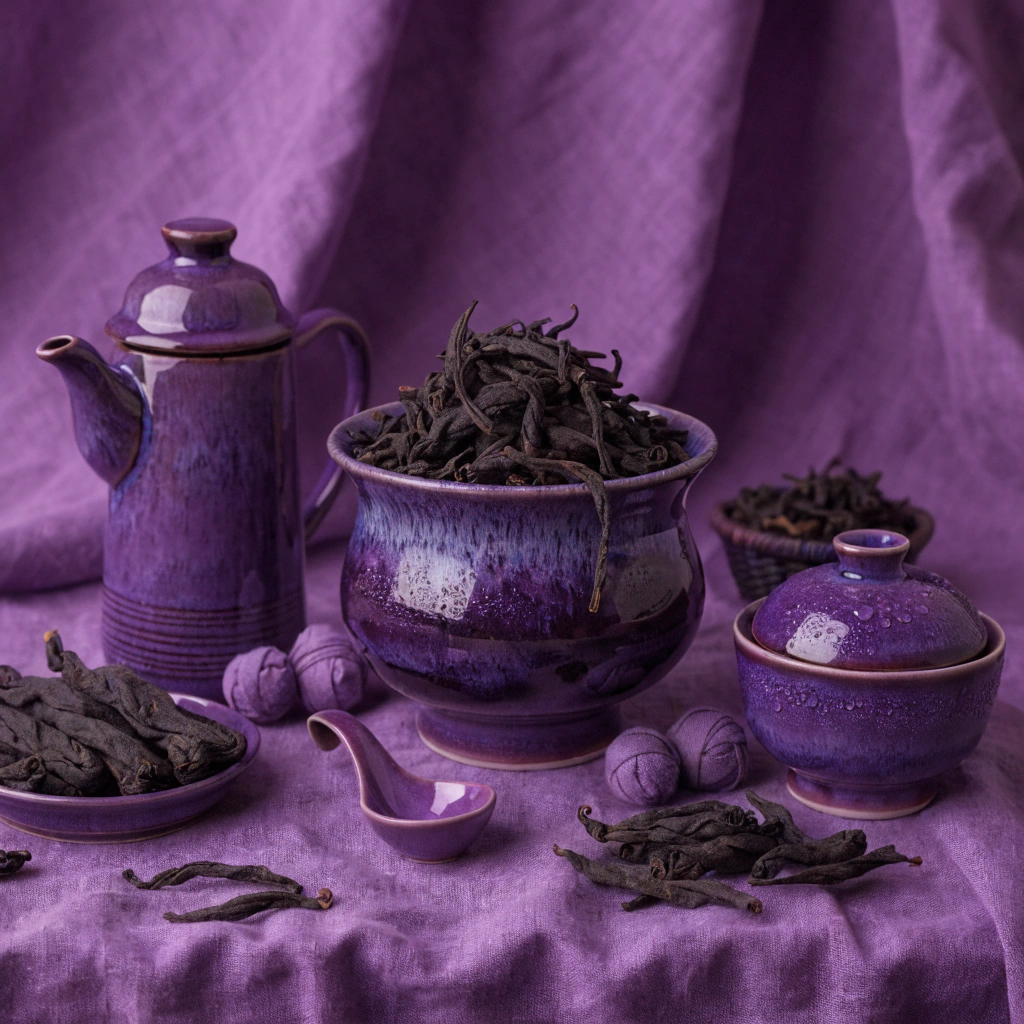
Tea Culture in China
Tea is very important in China. People drink tea every day. They call it the national drink. Tea has a very long history. It is more than 4,000 years old.
In China, tea is for friends and family. When a guest comes to your house, you give them tea. This shows respect. People sit together and talk. They drink tea slowly.
There are many types of tea. Some tea is green and some tea is black. People use hot water and special cups. Tea makes people happy and healthy. It is a beautiful part of Chinese life.
نکته دستوری
الگو: Present Simple (Be)
"Tea is very important in China."
We use 'is' with singular subjects like 'Tea' to talk about facts. It describes the state of something in the present.
الگو: Present Simple (Habitual Actions)
"People drink tea every day."
We use the base form of the verb 'drink' with plural subjects like 'People'. This shows a regular habit or routine.
درک خود را بسنجید
10 سوال · A1 مبتدی · 1 پیشنمایش رایگان
آنچه از این مقاله آموختید را بسنجید. به همه سؤالات پاسخ دهید و XP کسب کنید!
How old is the history of tea in China?
آیا میخواهید آزمون را تمام کنید؟
9 سؤال دیگر منتظر شماست. ثبتنام رایگان کنید تا آزمون کامل را باز کنید و XP کسب کنید!
ثبتنام رایگانقبلاً ثبتنام کردی؟ ورود
جزئیات سؤالات
How old is the history of tea in China?
پاسخ شما:
پاسخ درست: More than 4,000 years old
People in China drink tea very fast.
پاسخ شما:
پاسخ درست: نادرست
What does 'history' mean?
پاسخ شما:
پاسخ درست: Things from the past
You give a guest tea to show _____.
پاسخ شما:
پاسخ درست: respect
Tea: The Famous Drink of China
Tea is very important in China. People call it the 'national drink.' Its history started more than 4,000 years ago. Long ago, people used tea as medicine, but later it became a famous drink for everyone. A man named Lu Yu wrote a special book about tea during the Tang Dynasty.
Today, drinking tea is more than just thirsty work. It is a way to show respect to guests. When you visit a Chinese home, the host usually gives you a cup of hot tea. You should say 'thank you' or tap the table with your fingers to show your thanks.
Chinese tea culture is older than many other traditions. Green tea is more popular than black tea in many parts of China. People believe that drinking tea is good for the body because it helps you relax. It is a beautiful part of social life and it brings people together.
نکته دستوری
الگو: Past Simple
"Its history started more than 4,000 years ago."
We use the past simple to talk about actions that finished in the past. For regular verbs, we usually add '-ed' to the end of the verb.
الگو: Comparatives with 'more'
"Green tea is more popular than black tea in many parts of China."
We use 'more' + adjective + 'than' to compare two things when the adjective is long. It shows that one thing has more of a quality than another.
درک خود را بسنجید
11 سوال · A2 مقدماتی · 1 پیشنمایش رایگان
آنچه از این مقاله آموختید را بسنجید. به همه سؤالات پاسخ دهید و XP کسب کنید!
Who wrote a special book about tea?
آیا میخواهید آزمون را تمام کنید؟
10 سؤال دیگر منتظر شماست. ثبتنام رایگان کنید تا آزمون کامل را باز کنید و XP کسب کنید!
ثبتنام رایگانقبلاً ثبتنام کردی؟ ورود
جزئیات سؤالات
Who wrote a special book about tea?
پاسخ شما:
پاسخ درست: Lu Yu
People only use tea as a medicine today.
پاسخ شما:
پاسخ درست: نادرست
What does 'guest' mean?
پاسخ شما:
پاسخ درست: A person who visits a home
People believe that drinking tea helps you _____.
پاسخ شما:
پاسخ درست: relax
How long is the history of tea in China?
پاسخ شما:
پاسخ درست: More than 4,000 years
The Art of Tea: Culture and Etiquette in China
In China, tea has been a fundamental part of daily life for thousands of years. It is widely considered the national drink because it represents peace, hospitality, and friendship. When guests visit a home, they are always offered a cup of hot tea as a sign of respect. This tradition, which has been practiced since ancient times, is still very important in modern society.
The history of tea is quite fascinating. According to legend, tea was discovered by Emperor Shennong about 4,000 years ago. Originally, tea was used as a medicinal tonic to help people feel healthy and strong. However, during the Tang Dynasty, it became more popular and was treated as a sophisticated art form. A famous book called 'The Classic of Tea' was written by Lu Yu, who explained the best ways to grow, harvest, and prepare the leaves.
There are many rules of etiquette that people should follow during a tea ceremony. For example, the host must fill the guest's cup first before their own. If someone pours tea for you, it is polite to tap two fingers on the table. This custom is used to show gratitude and say 'thank you' without interrupting the conversation. Tea is also used in other social situations, such as to apologize to someone or to show respect to elders during weddings.
Tea culture has changed over time, but its core values remain the same. It is a vehicle for social harmony that brings families and friends together. Whether it is served in a traditional ceremony or a modern office, tea continues to be a bridge between people. By understanding tea culture, we can learn a lot about the values of Chinese society.
نکته دستوری
الگو: Present Perfect Tense
"In China, tea has been a fundamental part of daily life for thousands of years."
This pattern is used to describe an action or state that started in the past and continues to the present. It is formed using 'have/has' + the past participle of the verb.
الگو: Passive Voice
"According to legend, tea was discovered by Emperor Shennong about 4,000 years ago."
The passive voice is used when the focus is on the action or the object rather than the person doing it. It is formed with the verb 'to be' + the past participle.
درک خود را بسنجید
11 سوال · B1 متوسط · 1 پیشنمایش رایگان
آنچه از این مقاله آموختید را بسنجید. به همه سؤالات پاسخ دهید و XP کسب کنید!
Why is tea considered the national drink in China?
آیا میخواهید آزمون را تمام کنید؟
10 سؤال دیگر منتظر شماست. ثبتنام رایگان کنید تا آزمون کامل را باز کنید و XP کسب کنید!
ثبتنام رایگانقبلاً ثبتنام کردی؟ ورود
جزئیات سؤالات
Why is tea considered the national drink in China?
پاسخ شما:
پاسخ درست: It represents peace, hospitality, and friendship.
Tea was originally used as a medicinal tonic.
پاسخ شما:
پاسخ درست: درست
What does 'etiquette' mean?
پاسخ شما:
پاسخ درست: Formal rules of polite behavior.
The host must _____ the guest's cup first before their own.
پاسخ شما:
پاسخ درست: fill
What does tapping two fingers on the table mean?
پاسخ شما:
پاسخ درست: It is a way to show gratitude.
فرهنگ چای در چین: هنر میزباننوازی و آداب اجتماعی
در چین، چای فراتر از یک نوشیدنی ساده است؛ این ماده بنیادیترین ستون هماهنگی اجتماعی و ابزاری اساسی برای میزباننوازی به شمار میرود. با قدمتی بیش از ۴۰۰۰ سال، چای به عنوان «نوشیدنی ملی» این کشور شناخته میشود و کشف آن اغلب به امپراتور افسانهای شِننونگ نسبت داده میشود. گفته میشود او در حال جوشاندن آب بود که برگهای چای به طور تصادفی در آن افتادند و طعم و خواص دارویی آن را کشف کرد. تا دوران سلسله تانگ (۶۱۸-۹۰۷ میلادی)، چای از یک داروی گیاهی صرف به یک هنر پیچیده و ظریف تبدیل شده بود و مصرف آن در میان اشراف و مردم عادی رواج یافت. کتاب «کلاسیک چای» اثر لو یو، که اولین اثر جامع درباره کشت، آمادهسازی و فلسفه چای است، نقش مهمی در این تحول ایفا کرد و به تثبیت جایگاه چای به عنوان یک جزء لاینفک از فرهنگ چینی کمک شایانی نمود.
این نوشیدنی نه تنها بخشی از زندگی روزمره است، بلکه عمیقاً در بافت فرهنگ و آداب معاشرت چینی تنیده شده است. مراسم چاینوشی در چین صرفاً به معنای رفع تشنگی نیست؛ بلکه فلسفهای عمیقتر را دنبال میکند که بر آرامش، تأمل، و ارتباط انسانی تأکید دارد. این مراسم فرصتی برای ایجاد ارتباطات عمیقتر، نشان دادن احترام متقابل و تقویت روابط اجتماعی است. هنگام پذیرایی از مهمانان، ارائه چای با دقت و ظرافت خاصی همراه است که نشاندهنده احترام میزبان به مهمانانش و اهمیت دادن به حضور آنهاست. در واقع، این عمل بیانگر حسن نیت و صمیمیت است و پیوندهای انسانی را تحکیم میبخشد.
آداب چاینوشی چینی دارای جزئیات فراوانی است که رعایت آنها برای هر فردی که در این فرهنگ مشارکت میکند، ضروری است و نشاندهنده فهم او از ظرافتهای فرهنگی است. به عنوان مثال، هنگام سرو چای، معمولاً بزرگترها یا مهمانان مهم ابتدا پذیرایی میشوند تا جایگاه آنها مورد تأکید قرار گیرد. همچنین، مهمانان باید با یک دست به فنجان چای اشاره کنند یا آن را با دو دست بگیرند تا نهایت احترام خود را نشان دهند. ژست «انگشت زدن» روی میز پس از دریافت چای، که به معنای تشکر بیصدا و قدردانی از میزبان است، نیز یکی از آداب رایج و جالب توجه است که ریشهای تاریخی دارد و هنوز هم به طور گستردهای مورد استفاده قرار میگیرد. این ژست به ویژه زمانی کاربرد دارد که صحبت کردن ممکن است مزاحمتی ایجاد کند یا در یک جمع رسمیتر.
انواع مختلف چای، از چای سبز و سیاه گرفته تا اولانگ و پوئر، هر کدام جایگاه و معنای خاص خود را در فرهنگ چینی دارند و اغلب با موقعیتها یا فصول مختلف گره خوردهاند. به عنوان مثال، چای سبز اغلب در فصول گرم و برای طراوت بخشیدن مصرف میشود، در حالی که چای پوئر به دلیل خواص دارویی و قابلیت کهنگیاش ارزشمند است. امروزه، با وجود مدرنیزاسیون و تغییرات سریع اجتماعی، چای همچنان نقش محوری خود را در جامعه چین حفظ کرده است. این نوشیدنی نه تنها نمادی از گذشتهای پربار و تاریخی غنی است، بلکه پلی برای ارتباط نسلها، حفظ هویت فرهنگی و ترویج ارزشهای سنتی به شمار میرود. بنابراین، درک فرهنگ چای، کلیدی برای فهم عمیقتر روح جامعه چینی، فلسفه زندگی آنها و اهمیت روابط انسانی در این تمدن کهن است.
نکته دستوری
الگو: مجهول (Passive Voice)
"کشف آن اغلب به امپراتور افسانهای شِننونگ نسبت داده میشود."
این ساختار برای بیان عملی استفاده میشود که فاعل آن مشخص نیست یا اهمیت کمتری دارد و تمرکز بر روی خود عمل یا مفعول است. فعل مجهول با استفاده از صفت مفعولی (بن ماضی + ـه) و فعل کمکی «شدن» ساخته میشود.
الگو: جملات موصولی پیچیده (Complex Relative Clauses)
"کتاب «کلاسیک چای» اثر لو یو، که اولین اثر جامع درباره کشت، آمادهسازی و فلسفه چای است، نقش مهمی در این تحول ایفا کرد..."
جملات موصولی پیچیده با استفاده از کلمات ربط مانند «که» یا «ی» (در حالت اضافه) اطلاعات اضافی و توضیحی درباره یک اسم یا عبارت میدهند. این جملات به درک بهتر و دقیقتر مفهوم کمک میکنند و ساختار جمله را غنیتر میسازند.
الگو: استفاده از «به شمار میرود» (Is considered/regarded as)
"...این ماده بنیادیترین ستون هماهنگی اجتماعی و ابزاری اساسی برای میزباننوازی به شمار میرود."
این عبارت برای بیان این نکته استفاده میشود که چیزی توسط افراد یا در یک زمینه خاص، به عنوان یک ویژگی یا جایگاه مشخصی در نظر گرفته میشود یا شناخته میشود. این ساختار به جمله لحنی رسمی و تحلیلی میدهد.
درک خود را بسنجید
11 سوال · B2 بالاتر از متوسط · 1 پیشنمایش رایگان
آنچه از این مقاله آموختید را بسنجید. به همه سؤالات پاسخ دهید و XP کسب کنید!
بر اساس مقاله، چای در چین چه نقشی فراتر از یک نوشیدنی دارد؟
آیا میخواهید آزمون را تمام کنید؟
10 سؤال دیگر منتظر شماست. ثبتنام رایگان کنید تا آزمون کامل را باز کنید و XP کسب کنید!
ثبتنام رایگانقبلاً ثبتنام کردی؟ ورود
جزئیات سؤالات
بر اساس مقاله، چای در چین چه نقشی فراتر از یک نوشیدنی دارد؟
پاسخ شما:
پاسخ درست: ستون هماهنگی اجتماعی و ابزار میزباننوازی
کتاب «کلاسیک چای» اثر لو یو، اولین اثر جامع درباره کشت و آمادهسازی چای است.
پاسخ شما:
پاسخ درست: درست
معنی کلمه «میزباننوازی» چیست؟
پاسخ شما:
پاسخ درست: رفتار گرم و خوب با مهمانان
کشف چای اغلب به امپراتور افسانهای ______ نسبت داده میشود.
پاسخ شما:
پاسخ درست: شِننونگ
کدام یک از این موارد جزو آداب رایج چاینوشی چینی نیست؟
پاسخ شما:
پاسخ درست: نوشیدن چای با صدای بلند
The Fluidity of Tradition: Deconstructing Chinese Tea Culture and Social Etiquette
Seldom has a mere beverage commanded such profound reverence or exerted such a lasting influence on the social fabric of a nation as tea has in China. Far from being a simple infusion of leaves, tea represents a sophisticated intersection of philosophy, hospitality, and historical continuity. Its origins, shrouded in the mists of antiquity, are often traced back to Emperor Shennong, yet it was during the Tang Dynasty that tea transitioned from a medicinal tonic into a sublime art form. This evolution was solidified by Lu Yu’s seminal work, 'The Classic of Tea,' which established the aesthetic and technical parameters that still define the practice today.
It is through the lens of the Gongfu tea ceremony that one truly grasps the essence of Chinese hospitality. This ritual is not merely about the consumption of liquid; rather, it is a meticulous performance where every gesture is imbued with meaning. The interplay between the host’s precision and the guest’s appreciation creates a harmonious atmosphere designed to foster social cohesion. The host’s focus on the temperature of the water, the quality of the clay pots, and the duration of the steep is matched only by the guest’s adherence to unspoken codes of conduct. Such nuanced interactions serve as a testament to the enduring importance of 'face' and mutual respect in Chinese society.
Central to this etiquette is the concept of hierarchy and the subtle communication of gratitude. For instance, the practice of finger tapping—a rhythmic percussion on the table—serves as a silent expression of thanks when a host refills a cup. This tradition, allegedly born from an emperor’s desire to remain incognito while serving his subordinates, highlights the intricate ways in which historical narratives are woven into contemporary social norms. Furthermore, the arrangement of seating and the order in which tea is served are never accidental; they are deliberate reflections of status and seniority, reinforcing the Confucian values that underpin the community.
However, the contemporary landscape of tea culture is not without its tensions. The rapid commodification of high-end teas has introduced a layer of performative consumption that some critics argue dilutes the spiritual core of the practice. While the aesthetic appeal remains, the commercialization of rare harvests can sometimes overshadow the egalitarian roots of sharing a pot of tea. Nevertheless, the resilience of these customs suggests that they are more than mere relics of the past. The preservation of these ancestral practices serves as a bulwark against the erosion of cultural identity in an increasingly globalized world.
In conclusion, the art of tea in China remains a vibrant, evolving entity. It is a vehicle through which social harmony is negotiated and historical legacy is honored. By examining the meticulous nature of the ceremony and the nuanced etiquette surrounding it, we gain a deeper understanding of a culture that finds the profound within the mundane. As long as the water boils and the leaves unfurl, the dialogue between history and modernity will continue to be poured into every cup.
نکته دستوری
الگو: Inversion after negative adverbials
"Seldom has a mere beverage commanded such profound reverence or exerted such a lasting influence on the social fabric of a nation as tea has in China."
When using negative or restrictive adverbials like 'seldom' or 'never' at the start of a sentence, the auxiliary verb is placed before the subject to add formal emphasis.
الگو: Cleft Sentences
"It is through the lens of the Gongfu tea ceremony that one truly grasps the essence of Chinese hospitality."
Cleft sentences use 'It is/was... that...' to focus on a specific part of the sentence (in this case, the method of understanding) to provide clarity and weight.
الگو: Nominalisation
"The preservation of these ancestral practices serves as a bulwark against the erosion of cultural identity."
Nominalisation involves turning verbs (preserve, erode) into nouns (preservation, erosion). This is a hallmark of C1/C2 writing, making the text more formal and concise.
درک خود را بسنجید
12 سوال · C1 پیشرفته · 1 پیشنمایش رایگان
آنچه از این مقاله آموختید را بسنجید. به همه سؤالات پاسخ دهید و XP کسب کنید!
What primary shift occurred regarding tea during the Tang Dynasty?
آیا میخواهید آزمون را تمام کنید؟
11 سؤال دیگر منتظر شماست. ثبتنام رایگان کنید تا آزمون کامل را باز کنید و XP کسب کنید!
ثبتنام رایگانقبلاً ثبتنام کردی؟ ورود
جزئیات سؤالات
What primary shift occurred regarding tea during the Tang Dynasty?
پاسخ شما:
پاسخ درست: It transitioned from a medicine into an aesthetic art form.
The finger-tapping gesture is used to signal that the guest is finished drinking.
پاسخ شما:
پاسخ درست: نادرست
What does 'meticulous' mean in the context of the tea ceremony?
پاسخ شما:
پاسخ درست: Extremely careful and precise
The arrangement of seating during the ceremony is a reflection of status and _____.
پاسخ شما:
پاسخ درست: seniority
What is the author's concern regarding the 'commodification' of tea?
پاسخ شما:
پاسخ درست: That the spiritual core of the practice might be diluted.
The author suggests that tea culture helps prevent the loss of cultural identity.
پاسخ شما:
پاسخ درست: درست
The Semiotics of the Steeping: Navigating the Ontological and Social Dimensions of Chinese Tea Culture
To perceive tea in China as a mere beverage is to commit a profound category error; rather, it constitutes a quintessential pillar of the nation’s socio-cultural fabric and an epistemological gateway into its historical consciousness. For over four millennia, tea has functioned as a primary vehicle for hospitality and a foundational instrument of social harmony. Were it not for the seminal contributions of Lu Yu during the Tang Dynasty, whose treatise 'The Classic of Tea' codified the practice, tea might have remained a localized medicinal tonic rather than evolving into the sophisticated art form it is today. Lu Yu’s work did not merely describe cultivation; it established an aesthetic framework that persists in the meticulous preparation methods observed by contemporary connoisseurs.
In the performance of the Gongfu tea ceremony, every movement is laden with intentionality. The practitioner must demonstrate exceptional dexterity, ensuring that the water temperature, steeping duration, and pouring technique coalesce to extract the most refined flavors. It is imperative that the host observe the subtle shifts in the guests' demeanor, adapting the pace of the service to maintain a state of 'chayi' or tea-mindfulness. This ritualistic precision serves a dual purpose: it honors the tea itself while simultaneously fostering an environment where silence and speech are balanced with academic rigor. Such is the complexity of the ritual that it transcends mere refreshment, becoming a meditative exercise in transcendence and presence.
Social etiquette at the tea table is governed by a series of tacit agreements and nuanced gestures that reflect broader Confucian values of hierarchy and reciprocity. For instance, the practice of finger tapping—a rhythmic percussion on the table surface—serves as a non-verbal expression of gratitude when tea is poured by another. This gesture, rooted in imperial legend, allows the guest to acknowledge the host's generosity without interrupting the flow of conversation. Furthermore, the order in which tea is served is never arbitrary; it strictly adheres to age and social standing, reinforcing the communal bonds that underpin Chinese society. This interplay of gesture and status ensures that the tea table remains a site of mutual respect and social cohesion.
Philosophically, the tea culture of China is deeply intertwined with Taoist and Buddhist thought, emphasizing the ephemeral nature of the moment. The appreciation of a tea’s fragrance and the subsequent 'huigan'—the sweet aftertaste that lingers in the throat—serves as a metaphor for the transient beauty of life. By engaging in this sensory experience, participants are encouraged to contemplate the interconnectedness of nature and humanity. In a rapidly modernizing world, the tea ceremony provides a sanctuary of stillness, a counter-narrative to the frenetic pace of urban existence. It remains an enduring testament to the power of ritual in preserving cultural identity and fostering genuine human connection across generations.
نکته دستوری
الگو: Inverted Conditional (Third Conditional without 'If')
"Were it not for the seminal contributions of Lu Yu during the Tang Dynasty... tea might have remained a localized medicinal tonic."
This structure uses inversion to express a hypothetical condition in the past. It is more formal and academic than using 'If it had not been for'.
الگو: Subjunctive Mood with Mandative Adjectives
"It is imperative that the host observe the subtle shifts in the guests' demeanor."
The subjunctive 'observe' (base form) is used after adjectives of necessity like 'imperative', 'essential', or 'crucial' followed by 'that'.
الگو: Result Clause with 'Such'
"Such is the complexity of the ritual that it transcends mere refreshment."
This structure emphasizes the degree of a quality (complexity) by placing 'Such' at the beginning of the sentence, followed by a 'that' clause to show the result.
درک خود را بسنجید
12 سوال · C2 تسلط · 1 پیشنمایش رایگان
آنچه از این مقاله آموختید را بسنجید. به همه سؤالات پاسخ دهید و XP کسب کنید!
What was the primary transformation of tea during the Tang Dynasty according to the text?
آیا میخواهید آزمون را تمام کنید؟
11 سؤال دیگر منتظر شماست. ثبتنام رایگان کنید تا آزمون کامل را باز کنید و XP کسب کنید!
ثبتنام رایگانقبلاً ثبتنام کردی؟ ورود
جزئیات سؤالات
What was the primary transformation of tea during the Tang Dynasty according to the text?
پاسخ شما:
پاسخ درست: It evolved from a medicinal tonic into a sophisticated art form.
The practice of finger tapping is a verbal way to interrupt a conversation and ask for more tea.
پاسخ شما:
پاسخ درست: نادرست
What does 'ephemeral' mean in the context of the article?
پاسخ شما:
پاسخ درست: Short-lived and transient
The practitioner must demonstrate exceptional _____, ensuring that the water temperature and pouring technique are perfect.
پاسخ شما:
پاسخ درست: dexterity
What does the 'huigan' (aftertaste) symbolize in the philosophical context of tea?
پاسخ شما:
پاسخ درست: The transient beauty of life
The order of tea service is determined by age and social standing to reinforce communal bonds.
پاسخ شما:
پاسخ درست: درست

