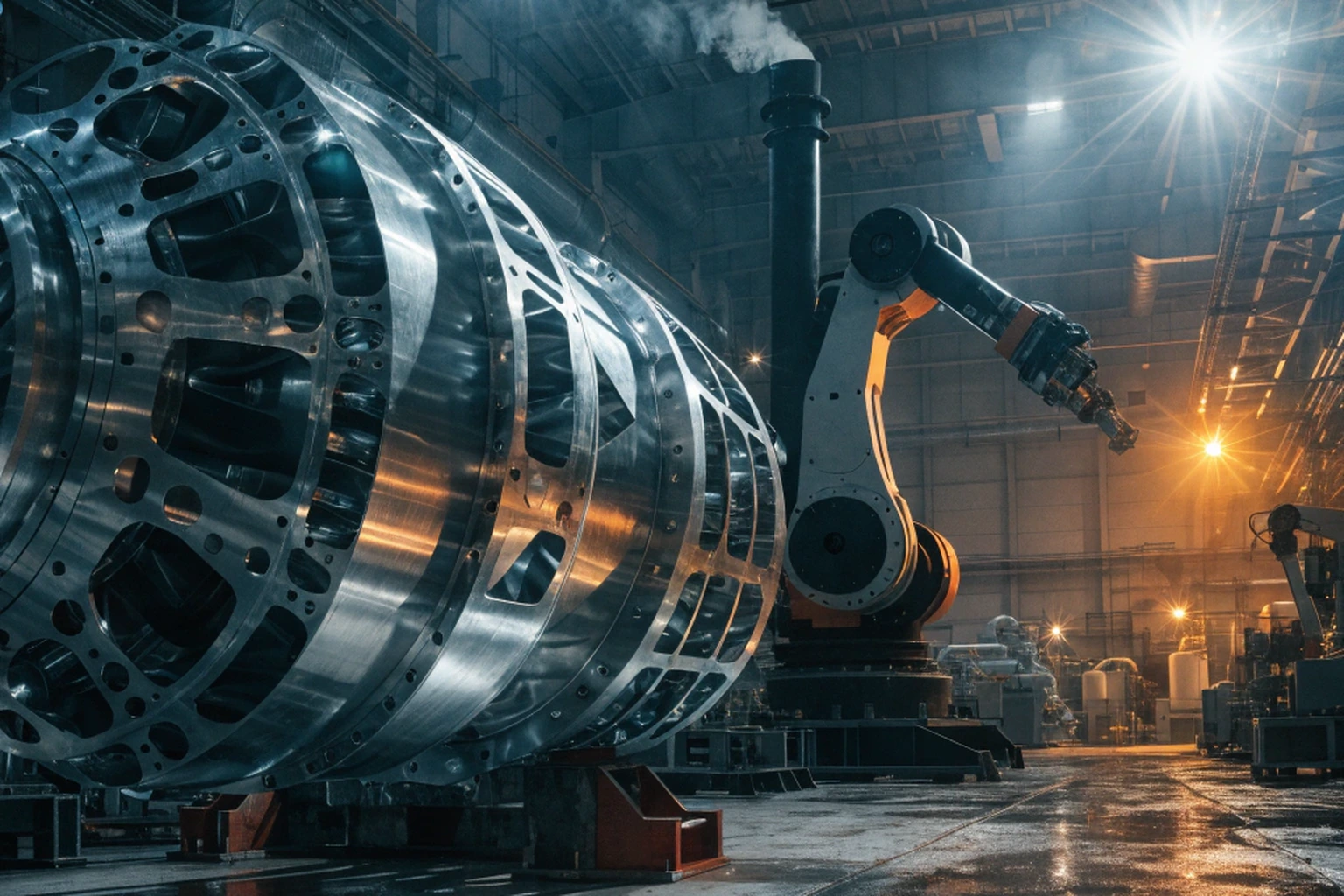
New Technology in Turkey
Turkey is a big country. Today, Turkey makes many new machines and planes. These machines are for the air and for defense. Many Turkish people work in big offices and factories. They build high-tech drones.
In the past, Turkey buys many things from other countries. Now, it is different. Turkey makes its own technology. This is very good for the economy.
Turkish drones are famous in the world. Many other countries buy these drones because they are very smart. Turkey is now a leader in technology. It is a very big change for the country.
文法スポットライト
パターン: Present Simple of 'To Be'
"Turkey is a big country."
We use 'is' with singular subjects like 'Turkey' to describe facts or states. It connects the subject to a description.
パターン: Present Simple (Action Verbs)
"Turkey makes many new machines."
We add an '-s' to the verb (make -> makes) when the subject is he, she, or it. This shows a regular action or a current fact.
理解度をチェック
10 問 · A1 初級 · 無料プレビュー 1回
この記事で学んだことをテストしよう。全問正解してXPを獲得!
What does Turkey make today?
問題の内訳
What does Turkey make today?
あなたの回答:
正解: New machines and planes
Turkey only buys planes from other countries now.
あなたの回答:
正解: 間違い
What is a 'machine'?
あなたの回答:
正解: A piece of equipment that does work
Turkey is a _____ country.
あなたの回答:
正解: big
The New Technology Revolution in Turkey
Turkey is now a very important country for technology and planes. In the past, Turkey bought many planes and machines from other countries. It was difficult and expensive. But now, things are different because Turkey makes its own technology.
Today, Turkish companies make about 80% of the things the army needs. This is a big change. The most famous products are the Turkish drones. Companies like Baykar and TAI make these small planes. They are very popular because they work well, and many countries want to buy them.
Turkey also makes helicopters and big satellites for space. These machines are better and faster than the old ones. Thousands of young people work in these companies now. They study hard to become engineers and scientists. Turkey is proud of this revolution because it helps the economy. This sector is more successful than it was twenty years ago. The future of technology in Turkey is very bright.
文法スポットライト
パターン: Past Simple
"In the past, Turkey bought many planes and machines from other countries."
We use the past simple to talk about things that happened and finished in the past. Here, 'bought' is the past form of 'buy'.
パターン: Comparatives
"These machines are better and faster than the old ones."
We use comparatives to talk about the differences between two things. We add '-er' to short words like 'fast' or use special forms like 'better'.
理解度をチェック
11 問 · A2 初級 · 無料プレビュー 1回
この記事で学んだことをテストしよう。全問正解してXPを獲得!
What did Turkey do in the past?
問題の内訳
What did Turkey do in the past?
あなたの回答:
正解: It bought planes from other countries.
Turkish companies now make about 80% of the things the army needs.
あなたの回答:
正解: 正しい
What are 'drones'?
あなたの回答:
正解: Small planes that fly without a pilot.
Turkey is proud of this _____ because it helps the economy.
あなたの回答:
正解: revolution
Who works in the technology companies now?
あなたの回答:
正解: Thousands of young people.
The Rise of Turkey’s New Technology Industry
Turkey has undergone a profound transformation in its technology sector over the last twenty years. In the past, the country was heavily reliant on foreign imports for its security and defense needs. However, the situation has changed completely. Today, Turkey boasts a self-sufficiency rate of about 80%, which is a very impressive achievement for a developing nation.
This revolution has been led by the aerospace industry. Significant investment has been made in local research and development to create new machines. The flagship of this success is the Turkish Unmanned Aerial Vehicle (UAV). These drones, which are designed by companies like Baykar and TAI, have gained global fame. They are now exported to many different countries in Europe, Asia, and Africa.
Thousands of young engineers have been hired to work on these high-tech projects. Because of their hard work, Turkey is no longer just a buyer of technology; it has become a major producer. Many experts believe that this growth will continue as more money is spent on innovation.
The success of the defense sector has also helped other parts of the economy. It has encouraged students to study science and engineering. This journey shows how a country can change its future by focusing on its own skills and resources. It is a story of how local ideas can have a global impact.
文法スポットライト
パターン: Present Perfect
"Turkey has undergone a profound transformation in its technology sector."
The present perfect (have/has + past participle) is used here to describe a change that started in the past and is still relevant today.
パターン: Passive Voice
"Significant investment has been made in local research and development."
The passive voice is used when the action (investment) is more important than the person who performed it. It is formed with 'to be' + past participle.
理解度をチェック
11 問 · B1 中級 · 無料プレビュー 1回
この記事で学んだことをテストしよう。全問正解してXPを獲得!
What is the current self-sufficiency rate of Turkey's defense sector?
問題の内訳
What is the current self-sufficiency rate of Turkey's defense sector?
あなたの回答:
正解: 80%
Turkey still buys most of its security equipment from foreign countries.
あなたの回答:
正解: 間違い
What does 'unmanned' mean?
あなたの回答:
正解: Without a human pilot
Turkey is no longer just a buyer; it has become a major _____.
あなたの回答:
正解: producer
Which industry has led the revolution in Turkish technology?
あなたの回答:
正解: Aerospace industry
トルコの防衛・航空宇宙技術革命:自給自足への道
近年、トルコは防衛・航空宇宙産業を牽引役として、経済の目覚ましい変革を遂げています。かつては安全保障上のニーズを外国からの輸入に大きく依存していましたが、現在では自給率約80%を誇るまでに至りました。これは、単に外国製品の模倣にとどまらず、国内の研究開発に対する積極的な投資と、独自の技術基盤の構築によって達成された偉業であり、この分野はトルコのハイテク輸出品の旗艦となっています。この戦略的な転換は、国の安全保障を強化するだけでなく、経済成長の新たな原動力ともなっているのです。
特に、トルコ製無人航空機(UAV)の世界的成功は、この変革を象徴するものです。バイカル社やTAI社のような企業は、その革新的な技術と優れた性能により、国際市場で高い評価を得ています。これらのUAVは、偵察、監視、攻撃といった多岐にわたる任務に対応できるだけでなく、コストパフォーマンスの高さも相まって、多くの国々からの関心を集めています。例えば、シリアやリビアでの実戦投入を通じてその有効性が証明されたことは、トルコ製UAVの信頼性を一層高める結果となりました。
この防衛・航空宇宙産業の発展は、トルコ経済全体に多大な恩恵をもたらしています。高付加価値製品の輸出は貿易収支の改善に貢献し、関連産業における雇用創出にも寄与しています。政府は、国内外からの投資を呼び込むことで、さらなる技術革新と生産能力の向上を目指しており、研究開発への継続的な支援を惜しみません。大学や研究機関との連携も強化されており、次世代を担う技術者の育成にも力が入れられています。
しかし、この急成長は、国際的な競争激化や技術的な課題といった側面も抱えています。トルコは、これらの課題を克服し、持続可能な成長を確保するために、教育機関や民間企業との連携を強化し、次世代技術の開発に注力しています。特に、人工知能やサイバーセキュリティといった最先端分野への投資は不可欠とされており、国際的な協力関係の構築も視野に入れています。中長期的には、トルコが世界の防衛・航空宇宙技術市場において、より重要なプレーヤーとしての地位を確立することが期待されています。この技術革命は、トルコの国際社会におけるプレゼンスを確実に高めていると言えるでしょう。
文法スポットライト
パターン: 〜を牽引役として
"トルコは防衛・航空宇宙産業を牽引役として、経済の目覚ましい変革を遂げています。"
「〜を牽引役として」は、「〜を主要な推進力、または中心的な役割として」という意味を表します。ある分野や活動が、他の何かを引っ張っていくような状況で使われます。動詞の「牽引する」に「役」をつけ、「〜として」と組み合わせた形です。
パターン: 〜だけでなく〜も
"これらのUAVは、偵察、監視、攻撃といった多岐にわたる任務に対応できるだけでなく、コストパフォーマンスの高さも相まって、多くの国々からの関心を集めています。"
「〜だけでなく〜も」は、「Aであることに加えて、Bでもある」というように、二つ以上の事柄を並列に挙げて、後者の事柄がさらに重要である、または予想外であるというニュアンスを強調する際に使われます。名詞、動詞、形容詞など様々な品詞に接続可能です。
パターン: 〜とされている
"特に、人工知能やサイバーセキュリティといった最先端分野への投資は不可欠とされており、国際的な協力関係の構築も視野に入れています。"
「〜とされている」は、「〜と考えられている」「〜であると一般的に認識されている」という意味を表す受動態の表現です。客観的な見解や共通の認識を述べる際に使われます。話者自身の意見ではなく、広く受け入れられている事実や評価を伝えるのに適しています。
理解度をチェック
11 問 · B2 中上級 · 無料プレビュー 1回
この記事で学んだことをテストしよう。全問正解してXPを獲得!
トルコは過去、安全保障上のニーズに関してどのような状況でしたか?
問題の内訳
トルコは過去、安全保障上のニーズに関してどのような状況でしたか?
あなたの回答:
正解: 外国からの輸入に大きく依存していました
トルコ製無人航空機(UAV)は、偵察任務のみに用いられています。
あなたの回答:
正解: 間違い
「自給率」の最も適切な意味は何ですか?
あなたの回答:
正解: 自分たちで必要な物をどれだけまかなえるかの割合
この防衛・航空宇宙産業の発展は、トルコ経済全体に多大な_____をもたらしています。
あなたの回答:
正解: 恩恵
急速な成長にもかかわらず、トルコが直面している課題の一つは何ですか?
あなたの回答:
正解: 国際的な競争激化
Sovereignty in the Skies: The Metamorphosis of Turkey’s Defense and Aerospace Landscape
Over the past three decades, the Republic of Turkey has orchestrated a tectonic shift in its industrial landscape, transitioning from a state of procurement-heavy dependency to a global powerhouse in defense and aerospace technology. Never before has a nation so rapidly inverted its reliance on foreign military hardware, moving from a mere 20% domestic production rate to a staggering 80% self-sufficiency. This metamorphosis is not merely a matter of national pride; it is a calculated strategic maneuver designed to ensure geopolitical sovereignty in an increasingly volatile regional context. Only by prioritizing domestic research and development has the nation managed to invert its dependency ratio, fostering a burgeoning ecosystem of private enterprises and state-backed entities.
The consolidation of high-tech manufacturing within the defense sector serves as a primary engine for broader economic growth, creating a technological ripple effect that benefits the civil aviation and automotive sectors. At the vanguard of this revolution are companies such as Baykar and Turkish Aerospace Industries (TAI), whose technological prowess has redefined the parameters of modern asymmetric warfare. What has truly captured the global imagination is the meteoric rise of Turkish Unmanned Aerial Vehicles (UAVs). It is the burgeoning export market for systems like the Bayraktar TB2 that has granted Turkey newfound diplomatic leverage across Africa, Europe, and the Middle East. These platforms are not simply tools of defense; they are symbols of a paradigm shift in how medium-sized powers can project influence through indigenous technological innovation.
However, the impetus behind this rapid expansion is multifaceted, rooted in both the necessity of addressing internal security concerns and the aspiration to compete on the global high-tech stage. The unprecedented acceleration of indigenous production has allowed for a more robust deterrent against regional threats without the constraints of third-party export licenses. Nevertheless, this trajectory is not without its critics and complexities. While the economic dividends of export-oriented growth are undeniable, some analysts point to the immense capital requirements and the potential risk of over-specialization. Furthermore, the sustainability of this growth hinges on the nation's ability to mitigate 'brain drain' and continue attracting top-tier engineering talent in a competitive global market.
The integration of artificial intelligence and autonomous systems into future platforms represents the next frontier, requiring even more sophisticated investments in software and micro-electronics. Ultimately, the Turkish defense revolution serves as a compelling case study in how targeted industrial policy can reshape a nation’s strategic identity. Through the marriage of state ambition and private sector agility, Turkey has carved out a unique niche. As the global community watches, the question remains whether this momentum can be sustained amidst fluctuating global economic conditions and the relentless pace of technological obsolescence. What is certain, however, is that the skies are no longer the exclusive domain of traditional superpowers.
文法スポットライト
パターン: Inversion with Negative Adverbials
"Never before has a nation so rapidly inverted its reliance on foreign military hardware..."
When negative or restrictive adverbials like 'never' or 'only' start a sentence, the auxiliary verb and subject are swapped to add emphasis and rhetorical weight.
パターン: Cleft Sentences
"What has truly captured the global imagination is the meteoric rise of Turkish Unmanned Aerial Vehicles (UAVs)."
Pseudo-cleft sentences using 'What' are used to focus on specific information, highlighting the subject (the rise of UAVs) as the most important element of the clause.
パターン: Nominalization
"The consolidation of high-tech manufacturing within the defense sector serves as a primary engine for broader economic growth."
Nominalization involves turning verbs or adjectives into nouns (e.g., 'consolidate' to 'consolidation'). This creates a more formal, academic tone typical of C1 level writing.
理解度をチェック
12 問 · C1 上級 · 無料プレビュー 1回
この記事で学んだことをテストしよう。全問正解してXPを獲得!
What is the primary reason mentioned for Turkey's shift toward domestic defense production?
問題の内訳
What is the primary reason mentioned for Turkey's shift toward domestic defense production?
あなたの回答:
正解: To ensure geopolitical sovereignty in a volatile region
Turkey's domestic production rate in defense has reached approximately 80%.
あなたの回答:
正解: 正しい
What does 'prowess' refer to in the context of the article?
あなたの回答:
正解: Exceptional skill or expertise
The article suggests that the defense sector acts as a primary _____ for broader economic growth.
あなたの回答:
正解: engine
Which company is mentioned as being at the 'vanguard' of the Turkish UAV revolution?
あなたの回答:
正解: Baykar
The article claims that the growth of the defense sector is completely free of risk or criticism.
あなたの回答:
正解: 間違い
The Anatolian Ascendancy: Deconstructing Turkey’s Defense and Aerospace Metamorphosis
The metamorphosis of Turkey’s defense and aerospace sector represents a seminal juncture in the nation’s industrial history. For decades, the Turkish military apparatus was characterized by a heavy reliance on exogenous procurement, a state of affairs that often left the nation’s strategic autonomy vulnerable to the vicissitudes of international alliances. However, the last twenty years have witnessed a radical reorientation toward self-reliance, spearheaded by a robust state-led initiative to foster indigenous innovation. Having achieved a self-sufficiency rate of approximately 80%, the nation has effectively insulated its defense posture from external pressures. This transition is not merely a quantitative increase in production but a qualitative leap in technological prowess.
At the heart of this revolution lies the proliferation of Unmanned Aerial Vehicles (UAVs), which have become the quintessential hallmark of Turkish engineering. Companies such as Baykar and Turkish Aerospace Industries (TAI) have emerged as the vanguard of this movement, producing platforms that have garnered international acclaim for their efficacy in diverse combat theaters. The Bayraktar TB2, in particular, has achieved a level of ubiquity that has fundamentally altered the calculus of modern asymmetric warfare. This success has afforded Turkey significant diplomatic leverage, allowing it to project power and cultivate strategic partnerships far beyond its immediate borders.
Should the current trajectory of investment persist, Turkey is likely to consolidate its position as a global hub for aerospace excellence. The government’s commitment to research and development is manifest in the burgeoning ecosystem of technoparks and startups that gravitate around the major defense contractors. This synergy between the state, academia, and private enterprise is paramount for maintaining the momentum of technological advancement. Furthermore, the economic implications are profound; the defense sector now serves as the primary engine for high-tech exports, contributing significantly to the national GDP and mitigating the chronic current account deficit.
Furthermore, the horizon of Turkey’s aerospace ambitions extends beyond the domain of unmanned systems. The development of the KAAN, a fifth-generation national combat aircraft, epitomizes the zenith of this technological pursuit. Such an undertaking requires a sophisticated mastery of stealth technology, advanced avionics, and integrated sensor suites—capabilities that were once the exclusive domain of a handful of global superpowers. The successful maiden flight of such platforms serves as a potent symbol of national pride and a clear indicator of the country’s burgeoning industrial maturity. Insofar as these projects represent the culmination of decades of incremental progress, they also serve as a catalyst for future breakthroughs in civilian aerospace and satellite technology.
Nevertheless, this rapid ascendancy is not without its complexities. The pursuit of technological sovereignty requires a sustained allocation of capital and a continuous influx of highly skilled human resources. It is imperative that the educational infrastructure adapt to provide the requisite expertise in fields such as artificial intelligence, materials science, and propulsion systems. Moreover, the geopolitical ramifications of Turkey’s burgeoning military-industrial complex are multifaceted. While it enhances national security, it also necessitates a delicate balancing act in international relations, as the nation navigates its roles within NATO and its burgeoning ties with non-traditional partners.
In conclusion, the defense and aerospace revolution in Turkey is a testament to the power of strategic foresight and endogenous growth. By transcending its historical role as a consumer of foreign technology, Turkey has established a new paradigm of industrial development. The concomitant rise in political influence and economic resilience underscores the transformative potential of high-tech sectors. As the nation continues to push the boundaries of innovation, the global community must reckon with the emergence of a new technological powerhouse on the Eurasian landmass. The future of the industry, while contingent on various internal and external factors, remains a focal point of Turkey’s broader vision for national renewal.
文法スポットライト
パターン: Inverted Conditional (Should)
"Should the current trajectory of investment persist, Turkey is likely to consolidate its position as a global hub for aerospace excellence."
This formal structure replaces 'if' by inverting the subject and the auxiliary 'should'. It is commonly used in C2-level academic or formal writing to express a hypothetical condition with a sense of professional detachment.
パターン: Subjunctive Mood
"It is imperative that the educational infrastructure adapt to provide the requisite expertise in fields such as artificial intelligence..."
The subjunctive mood is used after adjectives of urgency or importance (e.g., imperative, paramount). Note that the verb 'adapt' remains in its base form regardless of the subject.
パターン: Perfect Participle Clause
"Having achieved a self-sufficiency rate of approximately 80%, the nation has effectively insulated its defense posture from external pressures."
This clause uses 'having + past participle' to indicate that one action was completed before the action in the main clause began. It allows for more concise and sophisticated sentence structures.
理解度をチェック
12 問 · C2 マスター · 無料プレビュー 1回
この記事で学んだことをテストしよう。全問正解してXPを獲得!
What is the primary factor cited for Turkey's increased strategic autonomy?
問題の内訳
What is the primary factor cited for Turkey's increased strategic autonomy?
あなたの回答:
正解: The shift toward endogenous innovation and self-sufficiency
The article suggests that Turkey's defense revolution is strictly limited to military applications with no economic impact.
あなたの回答:
正解: 間違い
What does the word 'vanguard' mean in the context of the article?
あなたの回答:
正解: A group leading new developments
The Bayraktar TB2 has achieved a level of _____ that has altered modern asymmetric warfare.
あなたの回答:
正解: ubiquity
What does the development of the KAAN aircraft represent for Turkey?
あなたの回答:
正解: The zenith of its technological pursuit and industrial maturity
The government's commitment to R&D is evidenced by the growth of technoparks and startups.
あなたの回答:
正解: 正しい

