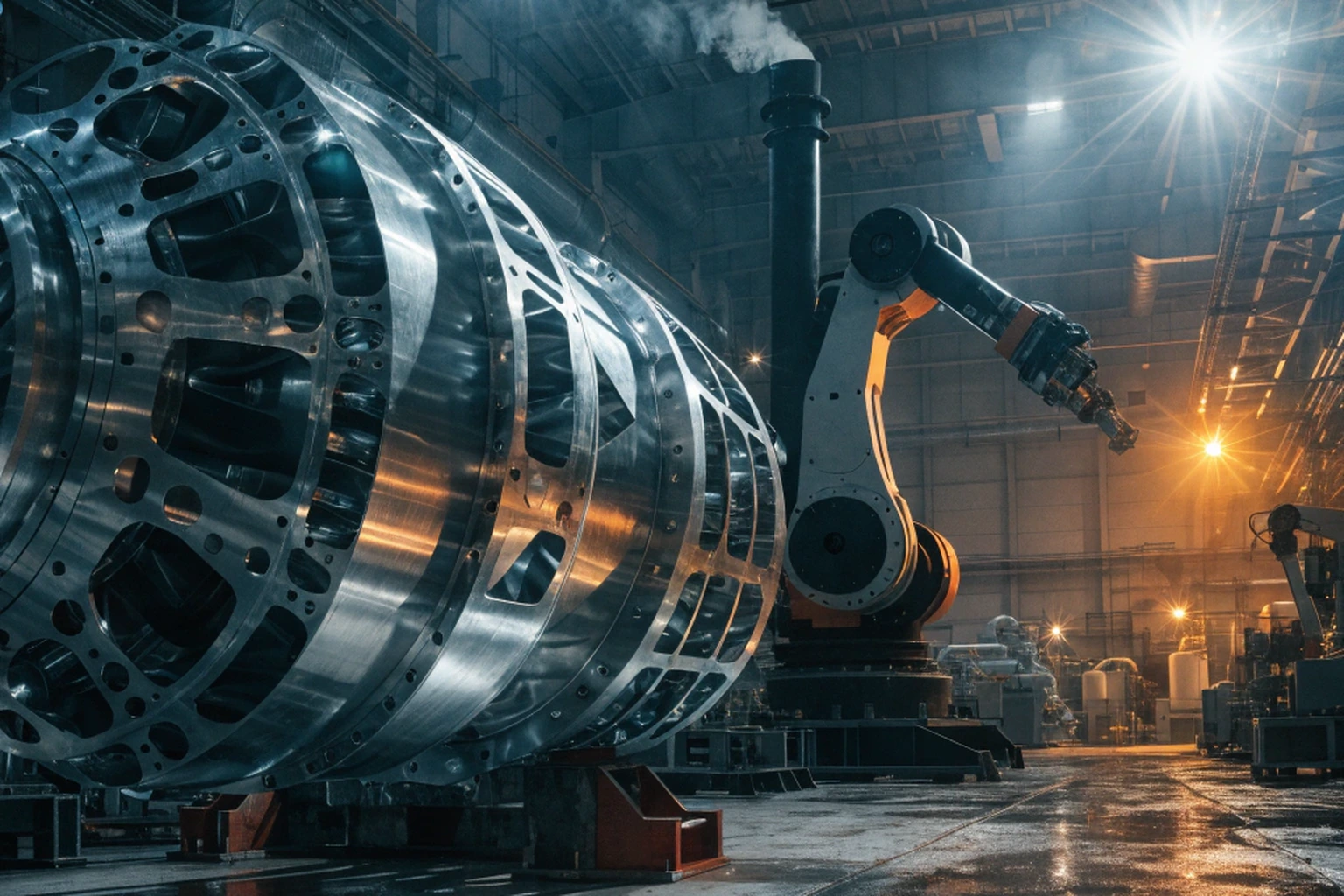
New Technology in Turkey
Turkey is a big country. Today, Turkey makes many new machines and planes. These machines are for the air and for defense. Many Turkish people work in big offices and factories. They build high-tech drones.
In the past, Turkey buys many things from other countries. Now, it is different. Turkey makes its own technology. This is very good for the economy.
Turkish drones are famous in the world. Many other countries buy these drones because they are very smart. Turkey is now a leader in technology. It is a very big change for the country.
Gramática em destaque
Padrão: Present Simple of 'To Be'
"Turkey is a big country."
We use 'is' with singular subjects like 'Turkey' to describe facts or states. It connects the subject to a description.
Padrão: Present Simple (Action Verbs)
"Turkey makes many new machines."
We add an '-s' to the verb (make -> makes) when the subject is he, she, or it. This shows a regular action or a current fact.
Teste sua compreensão
10 perguntas · A1 Iniciante · 1 pré-visualização grátis
Teste o que aprendeu neste artigo. Responda todas as perguntas para ganhar XP!
What does Turkey make today?
Quer finalizar o quiz?
9 perguntas a mais estão esperando por você. Cadastre-se grátis para desbloquear o quiz completo e ganhar XP!
Cadastrar grátisJá tem conta? Entrar
Detalhamento das perguntas
What does Turkey make today?
Sua resposta:
Resposta correta: New machines and planes
Turkey only buys planes from other countries now.
Sua resposta:
Resposta correta: Falso
What is a 'machine'?
Sua resposta:
Resposta correta: A piece of equipment that does work
Turkey is a _____ country.
Sua resposta:
Resposta correta: big
The New Technology Revolution in Turkey
Turkey is now a very important country for technology and planes. In the past, Turkey bought many planes and machines from other countries. It was difficult and expensive. But now, things are different because Turkey makes its own technology.
Today, Turkish companies make about 80% of the things the army needs. This is a big change. The most famous products are the Turkish drones. Companies like Baykar and TAI make these small planes. They are very popular because they work well, and many countries want to buy them.
Turkey also makes helicopters and big satellites for space. These machines are better and faster than the old ones. Thousands of young people work in these companies now. They study hard to become engineers and scientists. Turkey is proud of this revolution because it helps the economy. This sector is more successful than it was twenty years ago. The future of technology in Turkey is very bright.
Gramática em destaque
Padrão: Past Simple
"In the past, Turkey bought many planes and machines from other countries."
We use the past simple to talk about things that happened and finished in the past. Here, 'bought' is the past form of 'buy'.
Padrão: Comparatives
"These machines are better and faster than the old ones."
We use comparatives to talk about the differences between two things. We add '-er' to short words like 'fast' or use special forms like 'better'.
Teste sua compreensão
11 perguntas · A2 Elementar · 1 pré-visualização grátis
Teste o que aprendeu neste artigo. Responda todas as perguntas para ganhar XP!
What did Turkey do in the past?
Quer finalizar o quiz?
10 perguntas a mais estão esperando por você. Cadastre-se grátis para desbloquear o quiz completo e ganhar XP!
Cadastrar grátisJá tem conta? Entrar
Detalhamento das perguntas
What did Turkey do in the past?
Sua resposta:
Resposta correta: It bought planes from other countries.
Turkish companies now make about 80% of the things the army needs.
Sua resposta:
Resposta correta: Verdadeiro
What are 'drones'?
Sua resposta:
Resposta correta: Small planes that fly without a pilot.
Turkey is proud of this _____ because it helps the economy.
Sua resposta:
Resposta correta: revolution
Who works in the technology companies now?
Sua resposta:
Resposta correta: Thousands of young people.
The Rise of Turkey’s New Technology Industry
Turkey has undergone a profound transformation in its technology sector over the last twenty years. In the past, the country was heavily reliant on foreign imports for its security and defense needs. However, the situation has changed completely. Today, Turkey boasts a self-sufficiency rate of about 80%, which is a very impressive achievement for a developing nation.
This revolution has been led by the aerospace industry. Significant investment has been made in local research and development to create new machines. The flagship of this success is the Turkish Unmanned Aerial Vehicle (UAV). These drones, which are designed by companies like Baykar and TAI, have gained global fame. They are now exported to many different countries in Europe, Asia, and Africa.
Thousands of young engineers have been hired to work on these high-tech projects. Because of their hard work, Turkey is no longer just a buyer of technology; it has become a major producer. Many experts believe that this growth will continue as more money is spent on innovation.
The success of the defense sector has also helped other parts of the economy. It has encouraged students to study science and engineering. This journey shows how a country can change its future by focusing on its own skills and resources. It is a story of how local ideas can have a global impact.
Gramática em destaque
Padrão: Present Perfect
"Turkey has undergone a profound transformation in its technology sector."
The present perfect (have/has + past participle) is used here to describe a change that started in the past and is still relevant today.
Padrão: Passive Voice
"Significant investment has been made in local research and development."
The passive voice is used when the action (investment) is more important than the person who performed it. It is formed with 'to be' + past participle.
Teste sua compreensão
11 perguntas · B1 Intermediário · 1 pré-visualização grátis
Teste o que aprendeu neste artigo. Responda todas as perguntas para ganhar XP!
What is the current self-sufficiency rate of Turkey's defense sector?
Quer finalizar o quiz?
10 perguntas a mais estão esperando por você. Cadastre-se grátis para desbloquear o quiz completo e ganhar XP!
Cadastrar grátisJá tem conta? Entrar
Detalhamento das perguntas
What is the current self-sufficiency rate of Turkey's defense sector?
Sua resposta:
Resposta correta: 80%
Turkey still buys most of its security equipment from foreign countries.
Sua resposta:
Resposta correta: Falso
What does 'unmanned' mean?
Sua resposta:
Resposta correta: Without a human pilot
Turkey is no longer just a buyer; it has become a major _____.
Sua resposta:
Resposta correta: producer
Which industry has led the revolution in Turkish technology?
Sua resposta:
Resposta correta: Aerospace industry
Turkey’s Strategic Ascent: The Defense and Aerospace Revolution
Over the last few decades, Turkey has been transformed from a major importer of military equipment into a leading global exporter, primarily driven by its rapidly expanding defense and aerospace sector. Historically, the country was heavily reliant on foreign technology to meet its security requirements. However, through aggressive investment in local research and development, Turkey now boasts a self-sufficiency rate of approximately 80%. This remarkable shift has not only strengthened national security but has also positioned the country as a significant player in the global high-tech market.
The flagship of this technological leap is undoubtedly the success of Turkish Unmanned Aerial Vehicles (UAVs). Companies such as Baykar and Turkish Aerospace Industries (TAI) have developed platforms that are now sought after by nations worldwide. These autonomous systems, which have performed remarkably in various international conflicts, represent the pinnacle of Turkish engineering. Furthermore, the integration of artificial intelligence and advanced sensors has ensured that these products remain competitive against established Western alternatives.
Despite the challenges posed by international sanctions and fluctuating economic conditions, the nation has managed to maintain its momentum. The government’s long-term vision has prioritized strategic autonomy, ensuring that critical components are manufactured domestically. Consequently, the defense industry has become a catalyst for innovation in other sectors, such as software development and materials science. This cross-pollination of ideas is essential for a modern economy aiming to reduce its dependence on traditional industries.
Moreover, the export of defense technology has provided Turkey with a new form of diplomatic leverage. By providing high-quality equipment to allies, the country has expanded its sphere of influence across Africa, Europe, and Asia. If the government had not prioritized local research and development twenty years ago, the current level of autonomy would not have been reached. As the global landscape continues to evolve, Turkey’s commitment to technological sovereignty will likely remain a cornerstone of its foreign policy and economic strategy.
Gramática em destaque
Padrão: Present Perfect Passive
"Turkey has been transformed from a major importer of military equipment into a leading global exporter."
This pattern is used to describe an action that happened at an unspecified time in the past where the focus is on the result. It is formed using 'has/have been' followed by the past participle of the verb.
Padrão: Non-defining Relative Clauses
"These autonomous systems, which have performed remarkably in various international conflicts, represent the pinnacle of Turkish engineering."
These clauses provide extra, non-essential information about a noun and are always separated by commas. They are common in formal B2 writing to add descriptive detail without creating a new sentence.
Padrão: Third Conditional
"If the government had not prioritized local research and development twenty years ago, the current level of autonomy would not have been reached."
The third conditional is used to talk about hypothetical situations in the past and their imagined consequences. It is formed using 'if + past perfect' in the condition and 'would have + past participle' in the result.
Teste sua compreensão
11 perguntas · B2 Intermediário superior · 1 pré-visualização grátis
Teste o que aprendeu neste artigo. Responda todas as perguntas para ganhar XP!
What is Turkey's current self-sufficiency rate in the defense sector?
Quer finalizar o quiz?
10 perguntas a mais estão esperando por você. Cadastre-se grátis para desbloquear o quiz completo e ganhar XP!
Cadastrar grátisJá tem conta? Entrar
Detalhamento das perguntas
What is Turkey's current self-sufficiency rate in the defense sector?
Sua resposta:
Resposta correta: Approximately 80%
The article states that Turkey is still heavily reliant on foreign imports for its security needs.
Sua resposta:
Resposta correta: Falso
What does the word 'autonomous' mean in the context of the article?
Sua resposta:
Resposta correta: Operating independently without a crew
The defense industry has become a _____ for innovation in other sectors like software development.
Sua resposta:
Resposta correta: catalyst
Which companies are mentioned as leaders in the production of UAVs?
Sua resposta:
Resposta correta: Baykar and TAI
Sovereignty in the Skies: The Metamorphosis of Turkey’s Defense and Aerospace Landscape
Over the past three decades, the Republic of Turkey has orchestrated a tectonic shift in its industrial landscape, transitioning from a state of procurement-heavy dependency to a global powerhouse in defense and aerospace technology. Never before has a nation so rapidly inverted its reliance on foreign military hardware, moving from a mere 20% domestic production rate to a staggering 80% self-sufficiency. This metamorphosis is not merely a matter of national pride; it is a calculated strategic maneuver designed to ensure geopolitical sovereignty in an increasingly volatile regional context. Only by prioritizing domestic research and development has the nation managed to invert its dependency ratio, fostering a burgeoning ecosystem of private enterprises and state-backed entities.
The consolidation of high-tech manufacturing within the defense sector serves as a primary engine for broader economic growth, creating a technological ripple effect that benefits the civil aviation and automotive sectors. At the vanguard of this revolution are companies such as Baykar and Turkish Aerospace Industries (TAI), whose technological prowess has redefined the parameters of modern asymmetric warfare. What has truly captured the global imagination is the meteoric rise of Turkish Unmanned Aerial Vehicles (UAVs). It is the burgeoning export market for systems like the Bayraktar TB2 that has granted Turkey newfound diplomatic leverage across Africa, Europe, and the Middle East. These platforms are not simply tools of defense; they are symbols of a paradigm shift in how medium-sized powers can project influence through indigenous technological innovation.
However, the impetus behind this rapid expansion is multifaceted, rooted in both the necessity of addressing internal security concerns and the aspiration to compete on the global high-tech stage. The unprecedented acceleration of indigenous production has allowed for a more robust deterrent against regional threats without the constraints of third-party export licenses. Nevertheless, this trajectory is not without its critics and complexities. While the economic dividends of export-oriented growth are undeniable, some analysts point to the immense capital requirements and the potential risk of over-specialization. Furthermore, the sustainability of this growth hinges on the nation's ability to mitigate 'brain drain' and continue attracting top-tier engineering talent in a competitive global market.
The integration of artificial intelligence and autonomous systems into future platforms represents the next frontier, requiring even more sophisticated investments in software and micro-electronics. Ultimately, the Turkish defense revolution serves as a compelling case study in how targeted industrial policy can reshape a nation’s strategic identity. Through the marriage of state ambition and private sector agility, Turkey has carved out a unique niche. As the global community watches, the question remains whether this momentum can be sustained amidst fluctuating global economic conditions and the relentless pace of technological obsolescence. What is certain, however, is that the skies are no longer the exclusive domain of traditional superpowers.
Gramática em destaque
Padrão: Inversion with Negative Adverbials
"Never before has a nation so rapidly inverted its reliance on foreign military hardware..."
When negative or restrictive adverbials like 'never' or 'only' start a sentence, the auxiliary verb and subject are swapped to add emphasis and rhetorical weight.
Padrão: Cleft Sentences
"What has truly captured the global imagination is the meteoric rise of Turkish Unmanned Aerial Vehicles (UAVs)."
Pseudo-cleft sentences using 'What' are used to focus on specific information, highlighting the subject (the rise of UAVs) as the most important element of the clause.
Padrão: Nominalization
"The consolidation of high-tech manufacturing within the defense sector serves as a primary engine for broader economic growth."
Nominalization involves turning verbs or adjectives into nouns (e.g., 'consolidate' to 'consolidation'). This creates a more formal, academic tone typical of C1 level writing.
Teste sua compreensão
12 perguntas · C1 Avançado · 1 pré-visualização grátis
Teste o que aprendeu neste artigo. Responda todas as perguntas para ganhar XP!
What is the primary reason mentioned for Turkey's shift toward domestic defense production?
Quer finalizar o quiz?
11 perguntas a mais estão esperando por você. Cadastre-se grátis para desbloquear o quiz completo e ganhar XP!
Cadastrar grátisJá tem conta? Entrar
Detalhamento das perguntas
What is the primary reason mentioned for Turkey's shift toward domestic defense production?
Sua resposta:
Resposta correta: To ensure geopolitical sovereignty in a volatile region
Turkey's domestic production rate in defense has reached approximately 80%.
Sua resposta:
Resposta correta: Verdadeiro
What does 'prowess' refer to in the context of the article?
Sua resposta:
Resposta correta: Exceptional skill or expertise
The article suggests that the defense sector acts as a primary _____ for broader economic growth.
Sua resposta:
Resposta correta: engine
Which company is mentioned as being at the 'vanguard' of the Turkish UAV revolution?
Sua resposta:
Resposta correta: Baykar
The article claims that the growth of the defense sector is completely free of risk or criticism.
Sua resposta:
Resposta correta: Falso
The Anatolian Ascendancy: Deconstructing Turkey’s Defense and Aerospace Metamorphosis
The metamorphosis of Turkey’s defense and aerospace sector represents a seminal juncture in the nation’s industrial history. For decades, the Turkish military apparatus was characterized by a heavy reliance on exogenous procurement, a state of affairs that often left the nation’s strategic autonomy vulnerable to the vicissitudes of international alliances. However, the last twenty years have witnessed a radical reorientation toward self-reliance, spearheaded by a robust state-led initiative to foster indigenous innovation. Having achieved a self-sufficiency rate of approximately 80%, the nation has effectively insulated its defense posture from external pressures. This transition is not merely a quantitative increase in production but a qualitative leap in technological prowess.
At the heart of this revolution lies the proliferation of Unmanned Aerial Vehicles (UAVs), which have become the quintessential hallmark of Turkish engineering. Companies such as Baykar and Turkish Aerospace Industries (TAI) have emerged as the vanguard of this movement, producing platforms that have garnered international acclaim for their efficacy in diverse combat theaters. The Bayraktar TB2, in particular, has achieved a level of ubiquity that has fundamentally altered the calculus of modern asymmetric warfare. This success has afforded Turkey significant diplomatic leverage, allowing it to project power and cultivate strategic partnerships far beyond its immediate borders.
Should the current trajectory of investment persist, Turkey is likely to consolidate its position as a global hub for aerospace excellence. The government’s commitment to research and development is manifest in the burgeoning ecosystem of technoparks and startups that gravitate around the major defense contractors. This synergy between the state, academia, and private enterprise is paramount for maintaining the momentum of technological advancement. Furthermore, the economic implications are profound; the defense sector now serves as the primary engine for high-tech exports, contributing significantly to the national GDP and mitigating the chronic current account deficit.
Furthermore, the horizon of Turkey’s aerospace ambitions extends beyond the domain of unmanned systems. The development of the KAAN, a fifth-generation national combat aircraft, epitomizes the zenith of this technological pursuit. Such an undertaking requires a sophisticated mastery of stealth technology, advanced avionics, and integrated sensor suites—capabilities that were once the exclusive domain of a handful of global superpowers. The successful maiden flight of such platforms serves as a potent symbol of national pride and a clear indicator of the country’s burgeoning industrial maturity. Insofar as these projects represent the culmination of decades of incremental progress, they also serve as a catalyst for future breakthroughs in civilian aerospace and satellite technology.
Nevertheless, this rapid ascendancy is not without its complexities. The pursuit of technological sovereignty requires a sustained allocation of capital and a continuous influx of highly skilled human resources. It is imperative that the educational infrastructure adapt to provide the requisite expertise in fields such as artificial intelligence, materials science, and propulsion systems. Moreover, the geopolitical ramifications of Turkey’s burgeoning military-industrial complex are multifaceted. While it enhances national security, it also necessitates a delicate balancing act in international relations, as the nation navigates its roles within NATO and its burgeoning ties with non-traditional partners.
In conclusion, the defense and aerospace revolution in Turkey is a testament to the power of strategic foresight and endogenous growth. By transcending its historical role as a consumer of foreign technology, Turkey has established a new paradigm of industrial development. The concomitant rise in political influence and economic resilience underscores the transformative potential of high-tech sectors. As the nation continues to push the boundaries of innovation, the global community must reckon with the emergence of a new technological powerhouse on the Eurasian landmass. The future of the industry, while contingent on various internal and external factors, remains a focal point of Turkey’s broader vision for national renewal.
Gramática em destaque
Padrão: Inverted Conditional (Should)
"Should the current trajectory of investment persist, Turkey is likely to consolidate its position as a global hub for aerospace excellence."
This formal structure replaces 'if' by inverting the subject and the auxiliary 'should'. It is commonly used in C2-level academic or formal writing to express a hypothetical condition with a sense of professional detachment.
Padrão: Subjunctive Mood
"It is imperative that the educational infrastructure adapt to provide the requisite expertise in fields such as artificial intelligence..."
The subjunctive mood is used after adjectives of urgency or importance (e.g., imperative, paramount). Note that the verb 'adapt' remains in its base form regardless of the subject.
Padrão: Perfect Participle Clause
"Having achieved a self-sufficiency rate of approximately 80%, the nation has effectively insulated its defense posture from external pressures."
This clause uses 'having + past participle' to indicate that one action was completed before the action in the main clause began. It allows for more concise and sophisticated sentence structures.
Teste sua compreensão
12 perguntas · C2 Domínio · 1 pré-visualização grátis
Teste o que aprendeu neste artigo. Responda todas as perguntas para ganhar XP!
What is the primary factor cited for Turkey's increased strategic autonomy?
Quer finalizar o quiz?
11 perguntas a mais estão esperando por você. Cadastre-se grátis para desbloquear o quiz completo e ganhar XP!
Cadastrar grátisJá tem conta? Entrar
Detalhamento das perguntas
What is the primary factor cited for Turkey's increased strategic autonomy?
Sua resposta:
Resposta correta: The shift toward endogenous innovation and self-sufficiency
The article suggests that Turkey's defense revolution is strictly limited to military applications with no economic impact.
Sua resposta:
Resposta correta: Falso
What does the word 'vanguard' mean in the context of the article?
Sua resposta:
Resposta correta: A group leading new developments
The Bayraktar TB2 has achieved a level of _____ that has altered modern asymmetric warfare.
Sua resposta:
Resposta correta: ubiquity
What does the development of the KAAN aircraft represent for Turkey?
Sua resposta:
Resposta correta: The zenith of its technological pursuit and industrial maturity
The government's commitment to R&D is evidenced by the growth of technoparks and startups.
Sua resposta:
Resposta correta: Verdadeiro

