ezekiel 30秒で
- Ezekiel is a traditional Hebrew male name meaning 'God strengthens,' widely used in English-speaking cultures today.
- It refers to a major biblical prophet from the 6th century BC who lived during the Babylonian exile.
- The Book of Ezekiel is a significant part of the Old Testament, known for its vivid and complex visions.
- The name is often shortened to the nickname 'Zeke' and is associated with strength, resilience, and moral authority.
The name Ezekiel is a profound and ancient Hebrew name that carries significant weight in religious, historical, and modern contexts. Derived from the Hebrew name 'Yechezkel,' it is composed of two parts: 'chazaq,' meaning 'to strengthen,' and 'El,' referring to 'God.' Therefore, the literal translation is 'God will strengthen' or 'God strengthens.' In contemporary usage, Ezekiel functions primarily as a masculine given name, often shortened to 'Zeke' in informal settings. It is a name that evokes a sense of strength, resilience, and divine support, making it a popular choice for parents who value biblical heritage and powerful meanings. Beyond its use as a personal name, Ezekiel refers to one of the major prophets of the Old Testament. The Prophet Ezekiel lived during the 6th century BC and was among the Jews exiled to Babylon. His life and visions are recorded in the Book of Ezekiel, a text known for its complex imagery, apocalyptic visions, and theological depth. When people use the word Ezekiel today, they might be referring to a friend, a historical figure, or a specific set of scriptures. The name has seen a resurgence in popularity in English-speaking countries, particularly in the United States, where it fits the trend of reviving 'Old Testament' names like Noah, Elijah, and Isaiah.
- Etymological Root
- The Hebrew 'Yechezkel' signifies the proactive strengthening by the divine, suggesting a person who is fortified by their faith.
- Historical Context
- Ezekiel was a priest-prophet during the Babylonian Captivity, providing hope and stern warnings to the exiled Judeans.
- Modern Popularity
- Ranked consistently in the top 100 names in the US, it appeals to those seeking a name that is both traditional and distinctive.
The Sunday school teacher explained that Ezekiel had a vision of a valley of dry bones coming back to life.
In literature and pop culture, Ezekiel often appears as a character name to signify a person of moral gravity or mysterious insight. For instance, in the television series 'The Walking Dead,' King Ezekiel is a charismatic leader who uses his theatrical background to inspire his community. This usage highlights how the name carries an inherent sense of authority and leadership. Furthermore, the 'Wheels of Ezekiel' is a common motif in art and music, referring to the prophet's vision of celestial chariots. This imagery has influenced everything from Renaissance paintings to modern sci-fi aesthetics. When discussing theology, Ezekiel is often cited for his emphasis on individual responsibility and the restoration of Israel. His writings are considered some of the most challenging yet rewarding parts of the Bible, filled with symbolic actions—like eating a scroll or lying on his side for hundreds of days—to demonstrate God's messages. Thus, the name Ezekiel is not just a label but a gateway into a rich tapestry of history, mysticism, and cultural identity. Whether one is naming a child or studying ancient texts, Ezekiel represents a bridge between the ancient world and modern spiritual life.
Young Ezekiel was proud to share a name with a famous biblical prophet.
The book of Ezekiel contains some of the most vivid imagery in the Old Testament.
Many people call him Zeke, but his full name is Ezekiel.
The scholar spent years analyzing the prophecies of Ezekiel.
Using the word Ezekiel correctly depends on whether you are referring to the person, the biblical book, or the name itself. As a proper noun, it should always be capitalized. When referring to the biblical figure, it is common to use the title 'the prophet Ezekiel' or 'the book of Ezekiel.' For example, 'The prophet Ezekiel had a vision of God's glory leaving the temple.' In this context, the word functions as the subject of the sentence, identifying the specific historical and religious figure. When using it as a modern name, it follows standard naming conventions. You might say, 'Ezekiel is starting kindergarten tomorrow,' or 'I'm meeting Ezekiel at the coffee shop.' In these instances, Ezekiel is a simple noun phrase. It is also worth noting that the name can be used in possessive form: 'Ezekiel's vision' or 'Ezekiel's backpack.' Because it ends in an 'l' sound, the possessive is formed by adding an apostrophe and an 's'.
- As a Subject
- Ezekiel wrote about the restoration of the dry bones.
- As an Object
- The teacher asked us to read Ezekiel for homework.
- In Direct Address
- 'Ezekiel, please come here for a moment,' said his mother.
In more academic or theological writing, Ezekiel might be used to describe a specific style of prophecy. One might refer to 'Ezekielian imagery' or 'the Ezekielian tradition,' although these are less common than the name itself. In these cases, the word is transformed into an adjective to describe things related to the prophet's style or themes. Furthermore, in literary analysis, one might discuss the 'Ezekiel figure' in a novel—a character who serves as a messenger or visionary. This shows the versatility of the name as it moves from a simple identifier to a symbolic descriptor. When writing, ensure that the spelling is correct, as the 'iel' ending can sometimes be confused with 'eal' or 'eil.' The correct sequence is E-Z-E-K-I-E-L. This spelling is consistent across most English translations of the Bible and modern usage. In some languages, the spelling changes slightly (e.g., Ezequiel in Spanish or Ézéchiel in French), so be mindful of the linguistic context if you are working in a multilingual environment.
The professor noted that Ezekiel's use of symbolism was unique among the prophets.
We named our son Ezekiel because we loved the meaning 'God strengthens.'
In the movie, the character Ezekiel provides the protagonist with a crucial warning.
You will encounter the word Ezekiel in several distinct environments. The most common is within religious settings, such as churches, synagogues, and theological seminaries. During a sermon or a Bible study, a speaker might say, 'Let's turn our Bibles to Ezekiel chapter 37.' In this context, it is a reference to a specific section of the Old Testament. It is also frequently heard in academic discussions regarding ancient Near Eastern history, literature, and archaeology. Scholars might debate the historical accuracy of the events described in the book of Ezekiel or analyze the linguistic patterns of the original Hebrew text. Another common place to hear the name is in everyday social interactions, especially in communities where biblical names are popular. You might hear a parent calling their child at a park: 'Ezekiel, it's time to go!' or a teacher taking attendance in a classroom. In the sports world, the name has gained visibility through famous athletes like Ezekiel Elliott, a prominent American football player. Fans and commentators frequently use his name during broadcasts, often shortening it to 'Zeke.'
- Religious Services
- Commonly used in scripture readings and sermons across Christian and Jewish traditions.
- Sports Media
- Mentioned frequently in NFL coverage, particularly regarding star running backs.
- Pop Culture
- Featured in TV shows like 'The Walking Dead' and 'Manifest,' often for characters with leadership roles.
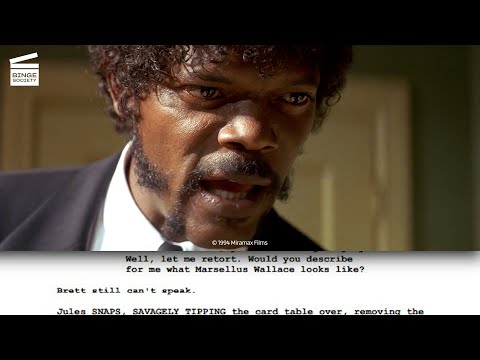
Furthermore, Ezekiel is a name you might find in literature, particularly in works that draw heavily on biblical themes. Authors like Milton, Blake, and more recently, novelists like Toni Morrison, have utilized the name or the prophet's imagery to convey deep spiritual or social messages. In music, the name appears in spirituals, gospel songs, and even modern hip-hop. The famous spiritual 'Ezekiel Saw the Wheel' is a classic example that has been performed by countless choirs and artists over the decades. In hip-hop, the 'Ezekiel 25:17' passage, famously (and inaccurately) quoted in the film 'Pulp Fiction,' has become a part of the cultural lexicon, even if the movie version is a creative blend of several verses. Therefore, whether you are in a place of worship, a stadium, a classroom, or watching a movie, the name Ezekiel is likely to surface, carrying with it a blend of ancient tradition and modern identity. It is a name that resonates across different sectors of society, making it a versatile and widely recognized term.
The commentator shouted, 'Ezekiel Elliott breaks free for a sixty-yard touchdown!'
The choir began to sing the upbeat spiritual, 'Ezekiel Saw the Wheel.'
One of the most frequent mistakes people make with the word Ezekiel is misspelling it. The combination of 'e,' 'z,' 'e,' 'k,' 'i,' 'e,' and 'l' can be tricky for many. Common errors include 'Ezekial' (replacing the last 'e' with an 'a'), 'Ezekeil' (swapping the 'i' and 'e'), or 'Ezekiel' (missing one of the 'e's). It is important to remember the 'iel' ending, which is common in many Hebrew-derived names like Daniel, Gabriel, and Nathaniel. Another mistake is in pronunciation. Some people might say 'Eh-zeh-keel' or 'Ee-zee-kee-ul.' While regional accents vary, the standard English pronunciation is 'eh-ZEE-kee-ul,' with four distinct syllables. Misplacing the stress on the first or third syllable can make the name sound unnatural to native speakers. Additionally, because the name is often shortened to 'Zeke,' some might assume that 'Zeke' is the official name on legal documents, which is not always the case. It is always best to use the full name unless you are on familiar terms with the person.
- Spelling Error
- Writing 'Ezekial' instead of 'Ezekiel.' The 'iel' suffix is the standard form.
- Pronunciation Error
- Pronouncing it as a three-syllable word (e-ZEEK-yel) instead of four (e-ZEE-kee-ul).
- Contextual Error
- Confusing the prophet Ezekiel with other major prophets like Isaiah or Jeremiah.
In a theological context, a common mistake is attributing the 'Pulp Fiction' quote (Ezekiel 25:17) directly to the Bible without realizing it was heavily modified for the film. The actual biblical verse is much shorter and lacks the 'path of the righteous man' monologue. Using the movie version in a serious religious discussion might lead to confusion or a loss of credibility. Furthermore, some might confuse Ezekiel with Hezekiah, another biblical figure with a similar-sounding name. While both names share the Hebrew root for 'strength,' they refer to different individuals—one a prophet and the other a king of Judah. To avoid these mistakes, it is helpful to associate Ezekiel with his specific visions, such as the 'dry bones' or the 'chariot with wheels.' By anchoring the name to these unique stories, you can better distinguish him from other figures. Finally, when writing about the Book of Ezekiel, some might forget to capitalize the word, treating it as a common noun rather than a proper noun. Always ensure that Ezekiel starts with an uppercase 'E' to maintain grammatical correctness.
Correct: Ezekiel | Incorrect: Ezekial
When looking for words similar to Ezekiel, one can explore other biblical names, prophetic titles, or names with similar meanings. Names like Isaiah, Jeremiah, and Daniel are often grouped with Ezekiel as they represent the 'Major Prophets' of the Old Testament. These names share a similar cultural and religious weight. If you are looking for names with the same meaning—'God strengthens'—you might consider Hezekiah, which also incorporates the 'chazaq' root. For those who like the sound of Ezekiel but want something different, names like Elias, Ezra, or Malachi offer a similar biblical aesthetic. In terms of nicknames, 'Zeke' is the most direct alternative, providing a shorter, punchier version of the name that is common in casual settings. Some might also use 'Zeke' as a standalone name, though it lacks the formal depth of Ezekiel.
- Isaiah
- Meaning 'God is salvation,' it is another major prophetic name often paired with Ezekiel.
- Hezekiah
- Meaning 'God has strengthened,' it shares the same linguistic root and thematic focus.
- Zeke
- The most common diminutive form, used informally or as a modern given name.
In a more abstract sense, words like 'visionary,' 'prophet,' or 'seer' can be used as descriptors for the biblical Ezekiel. These terms capture the essence of his role without using his specific name. For instance, instead of saying 'Ezekiel's message,' one might say 'the prophet's message' or 'the visionary's warning.' In literary contexts, if an author wants to evoke the themes associated with Ezekiel—such as resurrection or divine judgment—they might use imagery like 'dry bones' or 'wheels within wheels' as a subtle nod to the name. This allows for a more poetic or indirect reference. Additionally, in different languages, the name takes on various forms: Ezequiel (Spanish/Portuguese), Ézéchiel (French), and Ezechiele (Italian). These variations are useful to know if you are translating or communicating in an international context. Ultimately, while there are many names and terms related to Ezekiel, the name itself remains unique due to its specific historical legacy and its powerful, distinctive sound.
While Ezekiel is a formal name, many of his friends simply call him Zeke.
The names Ezekiel and Isaiah are both prominent in the Hebrew Bible.
How Formal Is It?
豆知識
Ezekiel is one of the few biblical names that has remained consistently popular for over 2,000 years without significant changes to its meaning.
発音ガイド
- Pronouncing it with three syllables (e-ZEEK-yel).
- Using a soft 's' instead of a buzzing 'z'.
- Stress on the first syllable (EE-ze-kiel).
- Mumbling the 'iel' ending as 'al'.
- Confusing the 'k' sound with a 'ch' sound.
難易度
The spelling can be challenging for beginners.
Requires attention to the 'iel' suffix.
Four syllables require clear articulation.
Distinctive sound makes it easy to recognize.
次に学ぶべきこと
前提知識
次に学ぶ
上級
知っておくべき文法
Capitalization of Proper Nouns
Always capitalize Ezekiel.
Possessive of names ending in 'l'
Ezekiel's book.
Using 'the' with books of the Bible
The Book of Ezekiel.
Syllable division in long names
E-ze-ki-el (4 syllables).
Diminutives and nicknames
Zeke is the diminutive of Ezekiel.
レベル別の例文
Ezekiel is my brother.
Ezekiel est mon frère.
Proper noun as subject.
I see Ezekiel at school.
Je vois Ezekiel à l'école.
Proper noun as object.
Ezekiel has a blue ball.
Ezekiel a un ballon bleu.
Third-person singular 'has'.
Is Ezekiel here?
Ezekiel est-il là ?
Question form with 'is'.
This is Ezekiel's book.
C'est le livre d'Ezekiel.
Possessive form 's.
Ezekiel likes to run.
Ezekiel aime courir.
Present simple tense.
Hello, Ezekiel!
Bonjour, Ezekiel !
Direct address.
Ezekiel is a good name.
Ezekiel est un bon prénom.
Noun as subject.
Ezekiel lives in a big house.
Ezekiel habite dans une grande maison.
Present simple with 'lives'.
We call him Zeke, not Ezekiel.
Nous l'appelons Zeke, pas Ezekiel.
Contrast between full name and nickname.
Ezekiel was a famous prophet in the Bible.
Ezekiel était un prophète célèbre dans la Bible.
Past tense 'was'.
I am reading a story about Ezekiel.
Je lis une histoire sur Ezekiel.
Present continuous.
Ezekiel's family is very kind.
La famille d'Ezekiel est très gentille.
Possessive 's.
Did you see Ezekiel yesterday?
As-tu vu Ezekiel hier ?
Past tense question.
Ezekiel wants to be a doctor.
Ezekiel veut être médecin.
Infinitive 'to be'.
The name Ezekiel means 'God strengthens.'
Le nom Ezekiel signifie 'Dieu fortifie'.
Defining a word.
Ezekiel is a popular name for boys in the United States.
Ezekiel est un prénom populaire pour les garçons aux États-Unis.
Adjective 'popular' modifying the noun.
The Book of Ezekiel is found in the Old Testament.
Le Livre d'Ezekiel se trouve dans l'Ancien Testament.
Passive voice 'is found'.
Ezekiel had a vision of a valley full of bones.
Ezekiel a eu une vision d'une vallée pleine d'ossements.
Past simple 'had'.
Many people choose the name Ezekiel for its religious meaning.
Beaucoup de gens choisissent le nom Ezekiel pour sa signification religieuse.
Prepositional phrase 'for its...'.
Ezekiel Elliott is a well-known athlete in the NFL.
Ezekiel Elliott est un athlète bien connu dans la NFL.
Compound adjective 'well-known'.
I wonder if Ezekiel will attend the meeting tomorrow.
Je me demande si Ezekiel assistera à la réunion demain.
Future tense 'will attend'.
The name Ezekiel has become more common recently.
Le nom Ezekiel est devenu plus courant récemment.
Present perfect 'has become'.
Ezekiel's prophecies were often difficult to understand.
Les prophéties d'Ezekiel étaient souvent difficiles à comprendre.
Plural subject with 'were'.
Ezekiel's complex visions have inspired many artists throughout history.
Les visions complexes d'Ezekiel ont inspiré de nombreux artistes à travers l'histoire.
Present perfect with 'have inspired'.
The character named Ezekiel in the show is a charismatic leader.
Le personnage nommé Ezekiel dans la série est un leader charismatique.
Participial phrase 'named Ezekiel'.
Scholars debate the historical context in which Ezekiel wrote.
Les chercheurs débattent du contexte historique dans lequel Ezekiel a écrit.
Relative clause 'in which...'.
The name Ezekiel is often associated with strength and resilience.
Le nom Ezekiel est souvent associé à la force et à la résilience.
Passive voice 'is associated'.
Ezekiel's message was one of hope during a time of exile.
Le message d'Ezekiel était un message d'espoir pendant une période d'exil.
Prepositional phrase 'during a time of...'.
The 'Wheels of Ezekiel' is a recurring motif in religious art.
Les 'Roues d'Ezekiel' sont un motif récurrent dans l'art religieux.
Proper noun as a title.
Despite its ancient origins, Ezekiel remains a modern and fresh name.
Malgré ses origines anciennes, Ezekiel reste un prénom moderne et frais.
Concessive phrase 'Despite...'.
Ezekiel was tasked with delivering difficult news to his people.
Ezekiel a été chargé de transmettre des nouvelles difficiles à son peuple.
Passive construction 'was tasked with'.
The prophet Ezekiel utilized symbolic actions to convey divine messages.
Le prophète Ezekiel a utilisé des actions symboliques pour transmettre des messages divins.
Use of 'utilized' and 'convey'.
Ezekiel's apocalyptic literature paved the way for future religious texts.
La littérature apocalyptique d'Ezekiel a ouvert la voie à de futurs textes religieux.
Idiomatic expression 'paved the way'.
The intricate descriptions in Ezekiel's book challenge modern interpreters.
Les descriptions complexes du livre d'Ezekiel mettent au défi les interprètes modernes.
Subject-verb agreement with 'descriptions'.
Ezekiel's emphasis on individual responsibility was a radical shift in thought.
L'accent mis par Ezekiel sur la responsabilité individuelle a été un changement radical de pensée.
Noun phrase 'emphasis on...'.
The name Ezekiel resonates with a sense of ancient authority and power.
Le nom Ezekiel résonne avec un sentiment d'autorité et de puissance anciennes.
Verb 'resonates' with 'with'.
In his visions, Ezekiel saw the glory of God departing from the temple.
Dans ses visions, Ezekiel a vu la gloire de Dieu quitter le temple.
Present participle 'departing'.
The linguistic roots of Ezekiel are deeply embedded in Hebrew tradition.
Les racines linguistiques d'Ezekiel sont profondément ancrées dans la tradition hébraïque.
Passive voice 'are embedded'.
Ezekiel's influence can be traced through centuries of mystical literature.
L'influence d'Ezekiel peut être retracée à travers des siècles de littérature mystique.
Modal passive 'can be traced'.
The Ezekielian corpus is renowned for its complex Merkabah mysticism.
Le corpus d'Ezekiel est réputé pour son mysticisme complexe de la Merkabah.
Adjectival form 'Ezekielian'.
Ezekiel's rhetoric serves as a masterclass in the use of metaphor and allegory.
La rhétorique d'Ezekiel sert de leçon magistrale dans l'utilisation de la métaphore et de l'allégorie.
Metaphorical use of 'masterclass'.
The prophet's psychological state has been a subject of intense scholarly scrutiny.
L'état psychologique du prophète a fait l'objet d'un examen érudit intense.
Present perfect passive 'has been'.
Ezekiel's vision of the restored temple provides a blueprint for future hope.
La vision d'Ezekiel du temple restauré fournit un plan pour l'espoir futur.
Metaphorical use of 'blueprint'.
The name Ezekiel carries an ontological weight that few modern names possess.
Le nom Ezekiel porte un poids ontologique que peu de noms modernes possèdent.
Use of the academic term 'ontological'.
Ezekiel's role as a watchman for the house of Israel is a central theme.
Le rôle d'Ezekiel en tant que sentinelle pour la maison d'Israël est un thème central.
Appositive phrase 'as a watchman...'.
The intertextuality between Ezekiel and the Book of Revelation is profound.
L'intertextualité entre Ezekiel et le Livre de l'Apocalypse est profonde.
Academic term 'intertextuality'.
Ezekiel's legacy is inextricably linked to the survival of the Jewish faith.
L'héritage d'Ezekiel est inextricablement lié à la survie de la foi juive.
Adverb 'inextricably' modifying 'linked'.
よく使う組み合わせ
よく使うフレーズ
— A famous vision from Ezekiel 37 about restoration.
The sermon focused on the valley of dry bones.
— A phrase derived from Ezekiel's vision, meaning something complex.
The political situation was like wheels within wheels.
— A metaphor for someone who warns others of danger.
He felt like a watchman on the wall, protecting his family.
— A promise of spiritual transformation from the Book of Ezekiel.
The passage speaks of God giving the people a new heart.
— A symbolic act where Ezekiel 'consumes' God's word.
The prophet was told to eat the scroll before speaking.
— The title God frequently uses to address Ezekiel.
In the book, Ezekiel is often called 'son of man'.
— The literal translation of the name Ezekiel.
His name, Ezekiel, reminds him that God strengthens him.
— A line from a famous African American spiritual.
The choir sang 'Ezekiel saw the wheel way up in the middle of the air'.
— The location where Ezekiel had his first vision.
Ezekiel was by the river Chebar when the heavens opened.
— A symbolic action Ezekiel performed to represent years of sin.
Ezekiel's lying on his side was a difficult sign for the people.
よく混同される語
Another biblical name starting with 'H' and ending with 'iah', also meaning strength.
A shorter biblical name starting with 'Ez' but referring to a different person (a scribe).
Another major prophet, often mentioned alongside Ezekiel.
慣用句と表現
— Used to describe a situation that is very complicated or has many hidden influences.
The corporate merger was a case of wheels within wheels.
Formal/Literary— Refers to a situation that seems dead or hopeless being revived.
The old factory's reopening was like dry bones coming to life.
Metaphorical— Being responsible for the moral or physical safety of a group.
The principal acted as a watchman for the house of students.
Religious/Formal— Fully internalizing and accepting a message or teaching.
She spent the weekend eating the word of the new philosophy.
Metaphorical— Having a clear idea of what is to come, often inspired by Ezekiel.
His vision of the future was as vivid as Ezekiel's.
General— Being chosen or protected by a higher power, from Ezekiel 9.
He felt marked on the forehead for success.
Religious— A source of spiritual or physical renewal, often linked to Ezekiel's temple vision.
The community center was a river of life for the neighborhood.
Poetic— Representing courage or strength, from the four faces in Ezekiel's vision.
He approached the challenge with the face of a lion.
Literary— A place or time of critical choice, often associated with prophetic imagery.
The nation stood in the valley of decision.
Formal— Though from Daniel, it is often grouped with Ezekiel's prophetic warnings.
He saw the writing on the wall and resigned.
Common間違えやすい
Common misspelling.
The correct spelling ends in 'iel', not 'ial'.
Make sure you write Ezekiel correctly.
German/French spelling.
The English version uses a 'k' instead of a 'ch'.
In English, we spell it Ezekiel.
Nickname vs. full name.
Zeke is the short form; Ezekiel is the formal name.
His legal name is Ezekiel, but we call him Zeke.
Similar biblical 'E' name.
Elijah was an earlier prophet; Ezekiel was an exilic prophet.
Elijah went up in a chariot; Ezekiel saw a chariot.
Both have mystical associations.
Enoch is from Genesis; Ezekiel is from the exilic period.
Enoch walked with God, while Ezekiel had visions of God.
文型パターン
My name is [Name].
My name is Ezekiel.
[Name] is a [Noun].
Ezekiel is a prophet.
I like the name [Name] because [Reason].
I like the name Ezekiel because it means strength.
The [Noun] of [Name] is [Adjective].
The Book of Ezekiel is fascinating.
[Name]'s [Noun] reflects [Concept].
Ezekiel's imagery reflects his cultural environment.
The [Adjective] nature of [Name]'s [Noun] suggests [Theory].
The apocalyptic nature of Ezekiel's visions suggests a profound psychological shift.
Have you heard of [Name]?
Have you heard of Ezekiel Elliott?
It is said that [Name] [Verb].
It is said that Ezekiel saw a wheel.
語族
名詞
形容詞
関連
使い方
Common as a first name; very common in religious contexts.
-
Ezekial
→
Ezekiel
The suffix is '-iel,' not '-ial.'
-
Ezekeil
→
Ezekiel
The 'i' comes before the 'e' in the final syllable.
-
Pronouncing it as 'E-zeek-ul'
→
E-zee-kee-ul
Don't skip the third syllable 'kee.'
-
Lowercasing 'ezekiel'
→
Ezekiel
As a proper noun, it must always be capitalized.
-
Confusing Ezekiel with Ezra
→
Ezekiel
They are different biblical figures from different time periods.
ヒント
The 'iel' Rule
Remember that many Hebrew names end in 'iel' (meaning God). Ezekiel follows this pattern just like Daniel and Gabriel.
Buzz the Z
The 'z' in Ezekiel should be a strong, vibrating sound, not a soft 's' like in 'see'.
Prophet vs. Name
When you see 'Ezekiel' in a title, it's usually the Bible book. In a sentence about a person, it's likely a first name.
Learn the Root
Knowing that 'El' means God in Hebrew helps you understand many other names like Michael and Samuel.
Global Variations
If you meet an 'Ezequiel,' they likely have Spanish or Portuguese heritage. It's the same name!
Exile Context
To understand the biblical Ezekiel, remember he was a refugee in Babylon. This explains his focus on hope and restoration.
Ask for Nicknames
Because Ezekiel is a long name, it's polite to ask, 'Do you go by Ezekiel or Zeke?'
Imagery
Ezekiel is the most 'visual' prophet. If you like art, you'll love the descriptions in his book.
Proper Noun
Never forget the capital 'E.' It's a specific name, not a general word.
Easy Zeke
Think: 'E-Z' (Easy) + 'E' + 'Kiel'. It's easy to remember if you break it down.
暗記しよう
記憶術
E-Z-E-K-I-E-L: Easy Zeke Eats Kale In Every Lunch. (Helps remember the spelling and the 'e' in the middle).
視覚的連想
Imagine a man standing in a valley of bones, and as he speaks, the bones start to grow muscles and skin because 'God strengthens' them.
Word Web
チャレンジ
Try to use the name Ezekiel in three different sentences: one about a person, one about a book, and one about a vision.
語源
From the Hebrew name 'Yechezkel,' which appears in the Old Testament.
元の意味: The name is a combination of 'chazaq' (to strengthen) and 'El' (God), meaning 'God strengthens.'
Semitic (Hebrew).文化的な背景
As a biblical name, it is generally well-received but carries religious connotations that might be significant to some.
The name saw a massive surge in the US starting in the early 2000s, moving from obscurity to a top-tier choice.
実生活で練習する
実際の使用場面
Religious Study
- Chapter and verse
- Prophetic vision
- Divine message
- Biblical context
Naming a Baby
- Meaning of the name
- Biblical heritage
- Nickname options
- Popularity trends
Sports Commentary
- Touchdown run
- Star athlete
- Player stats
- Game highlights
Literature Class
- Symbolic imagery
- Character analysis
- Allusion to scripture
- Literary themes
History Discussion
- Babylonian exile
- Ancient Near East
- Historical figure
- Cultural impact
会話のきっかけ
"Did you know that the name Ezekiel means 'God strengthens'?"
"Have you ever read the Book of Ezekiel? It has some amazing imagery."
"I met a little boy named Ezekiel today; do you like that name?"
"Who is your favorite biblical prophet? Mine is Ezekiel because of his visions."
"Do you think 'Zeke' is a good nickname for Ezekiel?"
日記のテーマ
Reflect on the meaning 'God strengthens.' How do you find strength in difficult times?
Imagine you are the prophet Ezekiel. Describe one of your visions in detail.
Why do you think ancient names like Ezekiel are becoming popular again today?
Write a story about a character named Ezekiel who has to lead his community.
Compare the biblical Ezekiel with a modern-day leader or visionary.
よくある質問
10 問The name Ezekiel is of Hebrew origin and means 'God strengthens' or 'God will strengthen.' It is a combination of the Hebrew words for strength and God.
Yes, it has become quite common in the United States and other English-speaking countries over the last two decades, often appearing in the top 100 baby names.
Ezekiel was a major prophet who lived during the Babylonian exile in the 6th century BC. He is known for his vivid visions and symbolic actions.
It is pronounced eh-ZEE-kee-ul. It has four syllables, with the stress on the second syllable.
The most common nickname for Ezekiel is 'Zeke.' Some people might also use 'Ez' or 'Zekey' for children.
Yes, the Book of Ezekiel is a major prophetic book in the Old Testament of the Christian Bible and the Nevi'im section of the Hebrew Bible.
The correct spelling is E-Z-E-K-I-E-L. Be careful not to swap the 'i' and 'e' at the end.
This refers to a famous vision described in the first chapter of the Book of Ezekiel, where the prophet sees a complex celestial chariot with wheels within wheels.
Ezekiel is traditionally a masculine given name.
It is a famous vision in Ezekiel chapter 37 where God brings a valley full of dry bones back to life, symbolizing the restoration of Israel.
自分をテスト 180 問
Write a sentence using the name Ezekiel as a subject.
Well written! Good try! Check the sample answer below.
Explain the meaning of the name Ezekiel in your own words.
Well written! Good try! Check the sample answer below.
Describe a vision that the prophet Ezekiel had.
Well written! Good try! Check the sample answer below.
Why do you think parents choose the name Ezekiel today?
Well written! Good try! Check the sample answer below.
Compare the name Ezekiel with the nickname Zeke.
Well written! Good try! Check the sample answer below.
Write a short story about a boy named Ezekiel.
Well written! Good try! Check the sample answer below.
How does the Book of Ezekiel differ from other prophetic books?
Well written! Good try! Check the sample answer below.
Discuss the cultural impact of the name Ezekiel.
Well written! Good try! Check the sample answer below.
Write a dialogue between two people discussing the name Ezekiel.
Well written! Good try! Check the sample answer below.
What does 'God strengthens' mean to you in the context of a name?
Well written! Good try! Check the sample answer below.
Write a sentence using 'Ezekiel' in the possessive form.
Well written! Good try! Check the sample answer below.
Describe the 'Wheels of Ezekiel' based on what you've learned.
Well written! Good try! Check the sample answer below.
Why is the Babylonian exile important to Ezekiel's story?
Well written! Good try! Check the sample answer below.
Use the word 'Ezekielian' in a sentence.
Well written! Good try! Check the sample answer below.
What are some common mistakes when spelling Ezekiel?
Well written! Good try! Check the sample answer below.
Write a formal sentence about the Book of Ezekiel.
Well written! Good try! Check the sample answer below.
How do you pronounce Ezekiel? Write it phonetically.
Well written! Good try! Check the sample answer below.
What is the significance of the 'dry bones' vision?
Well written! Good try! Check the sample answer below.
Write a sentence about Ezekiel Elliott.
Well written! Good try! Check the sample answer below.
Summarize the key points about the name Ezekiel.
Well written! Good try! Check the sample answer below.
Say the name 'Ezekiel' out loud three times.
Read this aloud:
あなたの回答:
Speech recognition is not supported in your browser. Try Chrome or Edge.
Pronounce the nickname 'Zeke.'
Read this aloud:
あなたの回答:
Speech recognition is not supported in your browser. Try Chrome or Edge.
Say: 'Ezekiel is a prophet.'
Read this aloud:
あなたの回答:
Speech recognition is not supported in your browser. Try Chrome or Edge.
Say: 'The name Ezekiel means God strengthens.'
Read this aloud:
あなたの回答:
Speech recognition is not supported in your browser. Try Chrome or Edge.
Say: 'Ezekiel had a vision of dry bones.'
Read this aloud:
あなたの回答:
Speech recognition is not supported in your browser. Try Chrome or Edge.
Say: 'I am reading the Book of Ezekiel.'
Read this aloud:
あなたの回答:
Speech recognition is not supported in your browser. Try Chrome or Edge.
Say: 'Ezekiel Elliott is a football player.'
Read this aloud:
あなたの回答:
Speech recognition is not supported in your browser. Try Chrome or Edge.
Say: 'The wheels of Ezekiel were complex.'
Read this aloud:
あなたの回答:
Speech recognition is not supported in your browser. Try Chrome or Edge.
Say: 'Ezekiel was exiled to Babylon.'
Read this aloud:
あなたの回答:
Speech recognition is not supported in your browser. Try Chrome or Edge.
Say: 'His name is spelled E-Z-E-K-I-E-L.'
Read this aloud:
あなたの回答:
Speech recognition is not supported in your browser. Try Chrome or Edge.
Say: 'Ezekielian imagery is very vivid.'
Read this aloud:
あなたの回答:
Speech recognition is not supported in your browser. Try Chrome or Edge.
Say: 'God appointed Ezekiel as a watchman.'
Read this aloud:
あなたの回答:
Speech recognition is not supported in your browser. Try Chrome or Edge.
Say: 'Ezekiel saw the glory of God.'
Read this aloud:
あなたの回答:
Speech recognition is not supported in your browser. Try Chrome or Edge.
Say: 'The name has four syllables.'
Read this aloud:
あなたの回答:
Speech recognition is not supported in your browser. Try Chrome or Edge.
Say: 'Zeke is a cool nickname.'
Read this aloud:
あなたの回答:
Speech recognition is not supported in your browser. Try Chrome or Edge.
Say: 'Ezekiel's message was one of hope.'
Read this aloud:
あなたの回答:
Speech recognition is not supported in your browser. Try Chrome or Edge.
Say: 'The valley of dry bones came to life.'
Read this aloud:
あなたの回答:
Speech recognition is not supported in your browser. Try Chrome or Edge.
Say: 'Ezekiel is a Hebrew name.'
Read this aloud:
あなたの回答:
Speech recognition is not supported in your browser. Try Chrome or Edge.
Say: 'I like the sound of the name Ezekiel.'
Read this aloud:
あなたの回答:
Speech recognition is not supported in your browser. Try Chrome or Edge.
Say: 'Ezekiel was a priest in Jerusalem.'
Read this aloud:
あなたの回答:
Speech recognition is not supported in your browser. Try Chrome or Edge.
Listen and write the name: [Ezekiel]
Listen and write the nickname: [Zeke]
Listen and identify the number of syllables: [Ezekiel]
Listen and write the meaning: [God strengthens]
Listen and write the profession: [Prophet]
Listen and write the book: [Book of Ezekiel]
Listen and write the location: [Babylon]
Listen and write the vision: [Dry bones]
Listen and write the origin: [Hebrew]
Listen and write the athlete's name: [Ezekiel Elliott]
Listen and write the adjective: [Ezekielian]
Listen and write the title: [Major Prophet]
Listen and write the phrase: [Wheels within wheels]
Listen and write the name of the river: [Chebar]
Listen and write the father's name: [Buzi]
/ 180 correct
Perfect score!
Summary
Ezekiel is a powerful Hebrew name meaning 'God strengthens,' identifying both a major biblical prophet and a popular modern first name. Example: 'The prophet Ezekiel's visions are central to understanding exilic theology.'
- Ezekiel is a traditional Hebrew male name meaning 'God strengthens,' widely used in English-speaking cultures today.
- It refers to a major biblical prophet from the 6th century BC who lived during the Babylonian exile.
- The Book of Ezekiel is a significant part of the Old Testament, known for its vivid and complex visions.
- The name is often shortened to the nickname 'Zeke' and is associated with strength, resilience, and moral authority.
The 'iel' Rule
Remember that many Hebrew names end in 'iel' (meaning God). Ezekiel follows this pattern just like Daniel and Gabriel.
Buzz the Z
The 'z' in Ezekiel should be a strong, vibrating sound, not a soft 's' like in 'see'.
Prophet vs. Name
When you see 'Ezekiel' in a title, it's usually the Bible book. In a sentence about a person, it's likely a first name.
Learn the Root
Knowing that 'El' means God in Hebrew helps you understand many other names like Michael and Samuel.