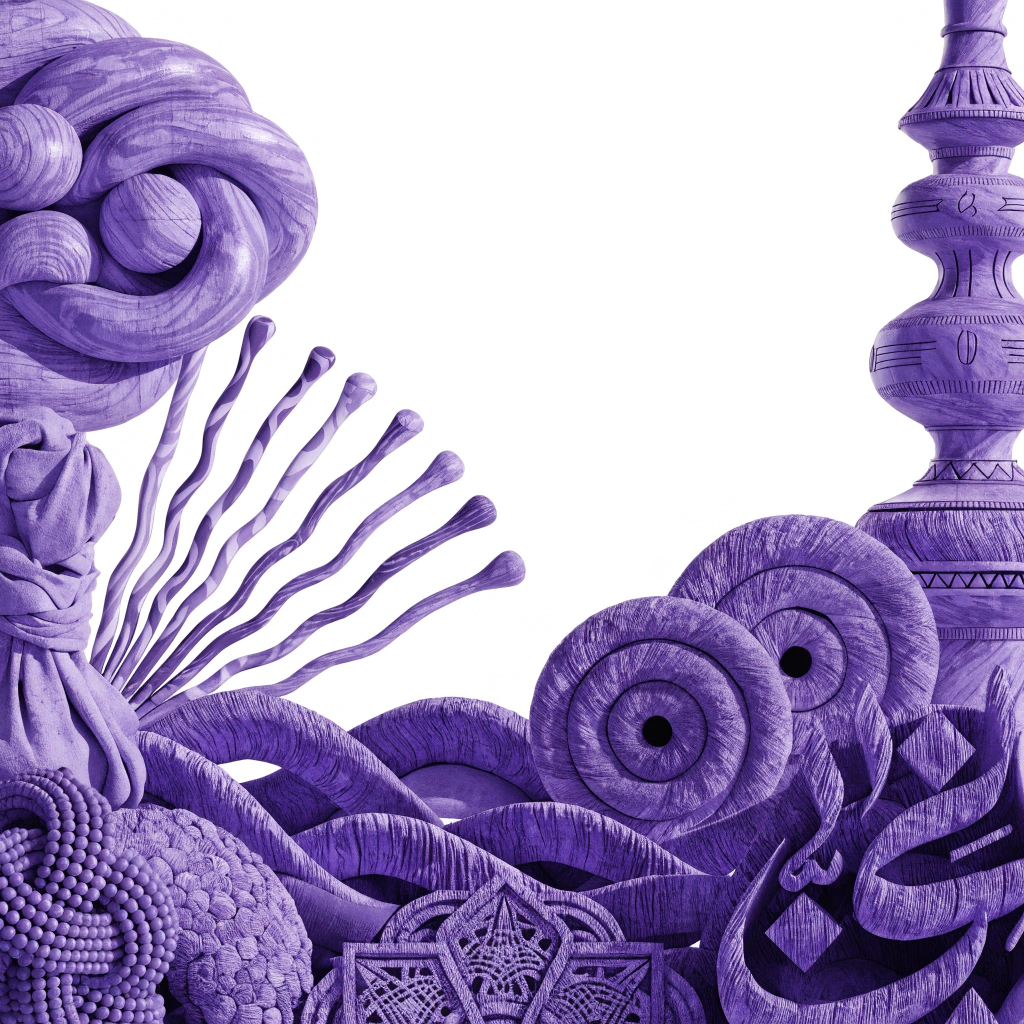
Beautiful Writing in Egypt
Cairo is a big city in Egypt. It has many old buildings. In these buildings, people see beautiful art. This art is Arabic calligraphy. It is a special way to write.
The writing is on walls and doors. It is on the domes of mosques too. Many artists live in Cairo. They use pens and ink to write. They write slowly and carefully.
Calligraphy is very old in Egypt. It is not just writing. It is a beautiful decoration. Many students study this art today. They love the lines and the shapes.
문법 스포트라이트
패턴: Present Simple with 'to be'
"Cairo is a big city in Egypt."
We use 'is' for singular subjects to state facts. It connects the subject to a description.
패턴: Present Simple for habits
"They use pens and ink to write."
We use the base form of the verb for plural subjects like 'they'. This describes a regular action or truth.
이해도를 테스트하세요
10 질문 · A1 초급 · 무료 미리보기 1회
이 기사에서 배운 내용을 테스트하세요. 모든 질문에 답하여 XP를 획득하세요!
Where is Cairo?
문제별 결과
Where is Cairo?
내 답변:
정답: In Egypt
Artists in Cairo write very fast.
내 답변:
정답: 거짓
What is an 'artist'?
내 답변:
정답: A person who makes art
Many artists live in _____.
내 답변:
정답: Cairo
The Beautiful Art of Arabic Calligraphy in Egypt
Egypt is famous for its long history and beautiful art. One of the most special arts is Arabic calligraphy. This is a way of writing that looks like a painting. For many years, Egypt was a very important place for this art.
In Cairo, you can see calligraphy on the walls of old mosques. Artists decorated the domes and the tall minarets with beautiful words. They used different styles of writing. Some styles, like Kufic, are very ancient and use straight lines. Other styles, like Thuluth, are more difficult because they have many curves.
Calligraphy is more than just writing. It is a sacred art because it shows important religious messages. In the past, it was a very slow process, but the artists were very patient. Today, many young people in Egypt still learn how to draw these beautiful letters. They use special pens and ink. Calligraphy is more beautiful than normal writing because every letter is a piece of art.
문법 스포트라이트
패턴: Comparative Adjectives
"Calligraphy is more beautiful than normal writing because every letter is a piece of art."
To compare two things with long adjectives, we use 'more' + adjective + 'than'. It shows that one thing has more of a quality than the other.
패턴: Past Simple (Regular Verbs)
"Artists decorated the domes and the tall minarets with beautiful words."
We use the past simple to talk about finished actions in the past. For regular verbs, we add '-ed' to the end of the base verb.
이해도를 테스트하세요
11 질문 · A2 초등급 · 무료 미리보기 1회
이 기사에서 배운 내용을 테스트하세요. 모든 질문에 답하여 XP를 획득하세요!
Where can you see calligraphy in Cairo today?
문제별 결과
Where can you see calligraphy in Cairo today?
내 답변:
정답: On the walls of old mosques
Kufic is a style of writing that uses many curves.
내 답변:
정답: 거짓
What is the definition of a 'mosque'?
내 답변:
정답: A religious building for prayer
In the past, the process was slow but the artists were very _____.
내 답변:
정답: patient
Why is calligraphy considered a 'sacred' art?
내 답변:
정답: Because it shows important religious messages
The Living Art of Arabic Calligraphy in Egypt
Cairo has often been called the heart of the Arab world, especially when it comes to the beautiful art of Arabic calligraphy. For centuries, Egyptian artists have practiced this skill, turning simple letters into complex masterpieces. This art form is more than just writing; it is a way to express spirituality and beauty through geometric shapes.
In the streets of Old Cairo, you can see calligraphy everywhere. It is used to decorate the walls of ancient mosques and historic buildings. Two of the most famous styles that are found in Egypt are Kufic and Thuluth. Kufic is a very old style which has straight lines and square shapes. It was often used for the earliest copies of the Quran. On the other hand, Thuluth is a more elegant, curved style that is often used on the domes of mosques.
Since the Fatimid and Mamluk eras, Egypt has been a major center for innovation. Many buildings have been decorated with verses that look like flowers or stars. These patterns are created by master calligraphers who have spent many years learning the craft. Even today, students still travel to Egypt to study with famous teachers.
Although technology has changed how we write, traditional calligraphy has not been forgotten. It remains a vital part of Egyptian culture that connects the past with the present. By visiting the local markets, you can still find artists who are dedicated to keeping this ancient tradition alive. This art continues to inspire people around the world.
문법 스포트라이트
패턴: Present Perfect Tense
"Egyptian artists have practiced this skill, turning simple letters into complex masterpieces."
The present perfect (have/has + past participle) is used here to describe an action that started in the past and continues to be relevant or true in the present.
패턴: Passive Voice
"It is used to decorate the walls of ancient mosques and historic buildings."
The passive voice (be + past participle) is used when the focus is on the action or the object receiving the action, rather than who is performing it.
이해도를 테스트하세요
11 질문 · B1 중급 · 무료 미리보기 1회
이 기사에서 배운 내용을 테스트하세요. 모든 질문에 답하여 XP를 획득하세요!
Which style of calligraphy is known for its straight lines and square shapes?
문제별 결과
Which style of calligraphy is known for its straight lines and square shapes?
내 답변:
정답: Kufic
Calligraphy is only used for writing and has no connection to spirituality.
내 답변:
정답: 거짓
What is the meaning of 'innovation'?
내 답변:
정답: A new method or idea
Thuluth is an elegant style often used on the _____ of mosques.
내 답변:
정답: domes
Why do students still travel to Egypt today?
내 답변:
정답: To study with famous calligraphy teachers
이집트 서예: 모래 위에 새겨진 신성한 기하학의 예술
이집트의 수도 카이로의 거리를 걷다 보면, 수백 년의 역사를 간직한 건축물들 사이로 유독 눈에 띄는 예술적 요소가 있습니다. 바로 아랍 서예입니다. 이집트에서 아랍 서예는 단순히 정보를 전달하는 문자를 넘어, 영적인 신념과 기하학적 정밀함이 결합된 하나의 신성한 예술로 간주됩니다. 이집트는 초기 이슬람 시기부터 서예 발전의 중추적인 역할을 담당해 왔으며, 특히 파티마 왕조와 맘루크 왕조를 거치며 그 화려함의 정점을 찍었습니다.
카이로의 유서 깊은 모스크들을 방문하면, 서예가 어떻게 건축의 일부로 녹아들었는지 확인할 수 있습니다. 돔의 내부나 미나렛의 외벽에는 코란의 구절들이 정교하게 새겨져 있는데, 이는 단순한 장식을 넘어 공간에 신성함을 부여하는 역할을 합니다. 기록에 따르면, 당시의 서예가들은 글자 한 획의 길이를 점의 개수로 계산할 만큼 엄격한 수학적 원리를 적용했다고 합니다. 이러한 정밀함은 보는 이로 하여금 경외심을 불러일으키기에 충분합니다.
이집트에서 주로 수행되는 서체 중 가장 대표적인 것은 쿠피체와 술루스체입니다. 쿠피체는 직선적이고 각진 형태가 특징으로 초기 건축 장식에 많이 사용되었으며, 술루스체는 곡선의 우아함이 돋보여 오늘날까지도 가장 아름다운 서체 중 하나로 손꼽힙니다. 현대에 들어서면서 디지털 기술의 발달로 전통적인 서예가 위협받기도 했으나, 많은 이집트 예술가들은 여전히 대나무 펜과 잉크를 사용하여 이 전통을 계승하고 있습니다.
결론적으로, 이집트의 아랍 서예는 과거의 유물에 머물지 않고 현대인의 삶 속에서 여전히 살아 숨 쉬는 문화적 정체성의 상징입니다. 이는 문자가 예술로 승화될 때 가질 수 있는 힘을 보여주며, 이집트의 예술적 자부심을 대변하는 소중한 자산이라고 할 수 있습니다.
문법 스포트라이트
패턴: ~을/를 넘어
"단순히 정보를 전달하는 문자를 넘어, 영적인 신념과 기하학적 정밀함이 결합된 하나의 신성한 예술로 간주됩니다."
어떤 한계나 범위를 벗어나 그 이상의 단계에 도달함을 나타낼 때 사용합니다.
패턴: ~기에 충분하다
"이러한 정밀함은 보는 이로 하여금 경외심을 불러일으키기에 충분합니다."
어떤 행동을 하거나 상태가 되기에 조건이 넉넉함을 표현할 때 사용합니다.
패턴: ~라고 할 수 있다
"이집트의 예술적 자부심을 대변하는 소중한 자산이라고 할 수 있습니다."
자신의 의견이나 판단을 조심스럽게 단정 지어 말할 때 사용하는 표현입니다.
이해도를 테스트하세요
11 질문 · B2 중상급 · 무료 미리보기 1회
이 기사에서 배운 내용을 테스트하세요. 모든 질문에 답하여 XP를 획득하세요!
이집트 서예가 가장 크게 발전했던 시기는 언제입니까?
문제별 결과
이집트 서예가 가장 크게 발전했던 시기는 언제입니까?
내 답변:
정답: 파티마와 맘루크 왕조 시대
이집트의 서예가들은 글자를 쓸 때 수학적 원리를 전혀 고려하지 않았다.
내 답변:
정답: 거짓
'사물의 중심이 되는 가장 중요한 것'을 뜻하는 단어는?
내 답변:
정답: 중추적
문자가 더 높은 가치의 예술로 _____ 때 가질 수 있는 힘을 보여준다.
내 답변:
정답: 승화될
쿠피체(Kufic)의 특징으로 옳은 것은 무엇입니까?
내 답변:
정답: 직선적이고 각진 형태를 가졌다
The Architectural Script: The Metaphysical and Aesthetic Legacy of Egyptian Calligraphy
Rarely has the intersection of spirituality and geometry been as harmoniously realized as in the centuries-old tradition of Arabic calligraphy in Egypt. While often perceived by the uninitiated as mere ornamentation, this ancient craft represents a profound philosophical endeavor. In the heart of Cairo, the historical weight of the Fatimid and Mamluk eras remains palpable, etched into the very stones of the city’s minarets. It is through the meticulous application of scripts like Kufic and Thuluth that the written word transcends its functional utility, evolving into a visual manifestation of the divine.
Not only does the script convey linguistic meaning, but it also functions as a structural anchor for Islamic architecture. During the Fatimid period, the development of 'foliate Kufic' saw letters sprout leaf-like ornaments, a testament to the era’s artistic innovation. This was not merely a stylistic choice; it was an attempt to mirror the organic complexity of creation. The subsequent Mamluk period shifted the focus toward the Thuluth script, characterized by its towering verticality and sweeping curves. It is the geometric precision of the Thuluth script that allows it to dominate the massive portals of Cairo’s mosques, commanding the attention of the faithful and the casual observer alike.
The preservation of these intricate scripts has faced significant challenges in the modern era. The advent of digital typography threatened to render the traditional reed pen—the qalam—obsolete. However, a recent revitalization of traditional methods has emerged among contemporary Egyptian artists. These practitioners argue that the digital medium lacks the 'soul' inherent in the physical act of writing, where the rhythm of the calligrapher’s breath dictates the flow of the ink. The nuance of the script lies in the subtle variations of pressure and angle, a level of detail that machines struggle to replicate.
Furthermore, the socio-political implications of calligraphy in Egypt cannot be overlooked. Throughout history, the patronage of calligraphers was a means for rulers to assert their legitimacy and piety. By commissioning grand inscriptions on public buildings, sultans and caliphs ensured that their names were inextricably linked to the sacred text. Today, this legacy persists as a symbol of national identity. The ongoing efforts to document and restore calligraphic murals in Historic Cairo reflect a broader desire to safeguard Egypt’s intangible heritage against the encroaching tide of globalization.
Ultimately, Arabic calligraphy in Egypt remains a living art form, bridging the gap between the ephemeral present and the eternal past. The continued study of its geometric ratios and historical contexts provides more than just aesthetic pleasure; it offers a window into the intellectual rigor of a civilization that viewed beauty and truth as inseparable. As long as the qalam continues to grace the parchment, the spirit of Egyptian calligraphy will endure, proving that the written word is indeed a formidable vessel for the human spirit.
문법 스포트라이트
패턴: Negative Inversion
"Rarely has the intersection of spirituality and geometry been as harmoniously realized as in the tradition of Arabic calligraphy in Egypt."
When a sentence starts with a negative or restrictive adverb like 'rarely', the subject and auxiliary verb are inverted to add emphasis and formal weight.
패턴: It-Cleft Sentence
"It is through the meticulous application of scripts like Kufic and Thuluth that the written word transcends its functional utility."
Cleft sentences use 'It + is/was + [focus] + that/who' to emphasize a specific part of the sentence, in this case, the method by which transcendence is achieved.
패턴: Nominalization
"The preservation of these intricate scripts has faced significant challenges in the modern era."
Using the noun 'preservation' instead of the verb 'preserving' makes the writing more formal and allows for more complex sentence structures typical of C1 academic prose.
이해도를 테스트하세요
12 질문 · C1 고급 · 무료 미리보기 1회
이 기사에서 배운 내용을 테스트하세요. 모든 질문에 답하여 XP를 획득하세요!
What is the primary argument regarding the difference between digital and manual calligraphy?
문제별 결과
What is the primary argument regarding the difference between digital and manual calligraphy?
내 답변:
정답: Manual calligraphy contains a 'soul' linked to the artist's physical rhythm.
The Fatimid period was characterized by a move toward verticality and sweeping curves in calligraphy.
내 답변:
정답: 거짓
Which word describes something that lasts for a very short time?
내 답변:
정답: Ephemeral
The geometric _____ of the Thuluth script allows it to dominate large architectural spaces.
내 답변:
정답: precision
How did historical rulers in Egypt use calligraphy for political ends?
내 답변:
정답: Through patronage to link their names with sacred texts and piety.
The article suggests that calligraphy in Egypt is a dead art form only found in museums.
내 답변:
정답: 거짓
The Calligraphic Palimpsest: A Scholarly Inquiry into Egypt’s Scriptorial Legacy
To traverse the historical topography of Cairo is to engage with a calligraphic palimpsest, where layers of meaning are etched into the very fabric of the urban landscape. It is not merely a matter of linguistic utility; rather, Arabic calligraphy in Egypt represents a profound epistemological endeavor, one that seeks to bridge the chasm between the terrestrial and the divine. Seldom has a civilization so thoroughly intertwined the aesthetic with the theological as did Egypt during the Mamluk sultanate, where the written word transcended its phonetic function to become a cornerstone of architectural ornamentation. This transformation was not incidental but rather a calculated effort to manifest the sacred within the material realm.
At the heart of this scriptorial evolution lies a burgeoning tension between rigor and fluidity. The Kufic style, characterized by its angularity and geometric precision, reflects the early Islamic desire for stability and permanence. In Cairo, the Fatimid dynasty elevated this form to new heights, introducing foliated and braided variations that adorned the facades of monumental mosques. Had the Fatimid caliphs not prioritized the visual sanctity of the Qur'anic text, the development of these distinct canons might have taken a significantly different trajectory. It is imperative that the contemporary observer recognize the reed pen—the qalam—not merely as a tool, but as a conduit for artistic transcendence. The qalam is the instrument through which the calligrapher negotiates the space between the finite hand and the infinite word.
Furthermore, the nexus between calligraphy and architecture in Cairo is inextricably linked to the concept of 'Barakah' or spiritual blessing. The meticulously carved inscriptions on the domes of Al-Azhar or the Sultan Hassan Mosque are not intended for casual perusal; they are designed to envelop the believer in a visual manifestation of the sacred. This integration of text and space suggests an ontological shift, where the act of reading becomes an act of worship. One might posit that the evanescence of the spoken word is countered by the enduring solidity of the stone-carved script, providing a permanent anchor for the faithful in a transient world. The Thuluth script, which reached its zenith under Mamluk patronage, offers a more curvilinear and majestic aesthetic, often utilized for monumental inscriptions where its verticality mimics the reaching minarets.
However, the modern era presents a formidable challenge to this ancient craft. As digital homogenization threatens to dilute the unique flourishes of the Egyptian hand, institutions like the Al-Qalam school are working tirelessly to preserve the traditional techniques. The preservation of the calligraphic canon is not merely a nostalgic exercise; it is an essential defense of cultural identity against the encroaching tide of globalized aesthetic standards. Should these efforts falter, we risk losing a vital link to our cultural past. Be it as it may, the resurgence of interest among the Egyptian youth suggests that the calligraphic tradition is far from obsolete. By reclaiming the qalam, a new generation is ensuring that the scriptorial legacy of Egypt continues to flourish, bridging the gap between historical reverence and contemporary innovation. Ultimately, the study of Egyptian calligraphy reveals that the written word, when treated with sufficient reverence, becomes a portal to a deeper understanding of the human condition.
문법 스포트라이트
패턴: Negative Adverbial Inversion
"Seldom has a civilization so thoroughly intertwined the aesthetic with the theological as did Egypt during the Mamluk sultanate."
When 'seldom' or other negative adverbs begin a sentence for emphasis, the auxiliary verb is placed before the subject. This is a common feature of formal, academic English.
패턴: The Subjunctive Mood
"It is imperative that the contemporary observer recognize the reed pen—the qalam—not merely as a tool, but as a conduit for artistic transcendence."
The subjunctive is used here after an adjective of necessity ('imperative'). The base form of the verb ('recognize') is used regardless of the subject's person or number.
패턴: Inverted Conditional (Type 3)
"Had the Fatimid caliphs not prioritized the visual sanctity of the Qur'anic text, the development of these distinct canons might have taken a significantly different trajectory."
In formal writing, 'if' can be omitted in a third conditional sentence by inverting 'had' and the subject. This structure discusses hypothetical past events and their outcomes.
이해도를 테스트하세요
12 질문 · C2 마스터 · 무료 미리보기 1회
이 기사에서 배운 내용을 테스트하세요. 모든 질문에 답하여 XP를 획득하세요!
According to the article, what is the primary function of calligraphy in Egyptian architecture?
문제별 결과
According to the article, what is the primary function of calligraphy in Egyptian architecture?
내 답변:
정답: To manifest the sacred and bridge the terrestrial and divine.
The Thuluth script is described as being more angular and geometric than the Kufic script.
내 답변:
정답: 거짓
What does 'nexus' mean in the context of the text?
내 답변:
정답: A central connection linking different elements.
The author suggests that the act of reading sacred inscriptions in a mosque can be viewed as an _____ shift.
내 답변:
정답: ontological
What does the author identify as a modern threat to traditional Egyptian calligraphy?
내 답변:
정답: Digital homogenization and globalized aesthetic standards.
The author argues that the preservation of the calligraphic canon is an essential defense of cultural identity.
내 답변:
정답: 참

