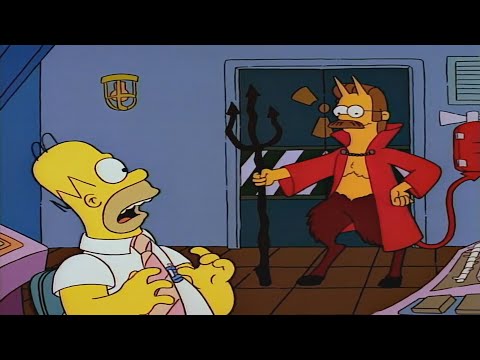
ate 30초 만에
- Ate is the irregular past tense of the verb 'eat', used to describe food consumption that happened in the past.
- It is a homophone of the number 'eight', meaning they sound the same but have different meanings and spellings.
- In negative sentences and questions, you must use 'did eat' instead of 'ate' to follow correct English grammar rules.
- Beyond food, 'ate' can figuratively mean to consume resources or, in modern slang, to perform a task exceptionally well.
The word ate is a fundamental component of the English language, serving as the simple past tense of the irregular verb 'to eat'. At its core, it describes the completed action of consuming food or liquid. Because eating is a universal human necessity, this word appears in almost every context of daily life, from casual breakfast conversations to formal dinner descriptions. Understanding 'ate' is crucial because it marks one of the first irregular verb forms learners encounter, deviating from the standard '-ed' suffix pattern. Instead of saying 'eated', which is a common mistake for beginners, we use this distinct form to indicate that the meal has already taken place. The transition from 'eat' to 'ate' represents a shift in time, moving the narrative from the present or habitual into the historical or immediate past.
- Primary Function
- To indicate the past completion of the act of chewing and swallowing food.
- Grammatical Category
- Irregular past tense verb (V2 form).
- Social Context
- Used in storytelling, reporting daily activities, and sharing culinary experiences.
In modern discourse, specifically within internet culture and Gen Z slang, 'ate' has taken on a secondary, metaphorical meaning. When someone says 'She ate,' or 'He ate that up,' they are not necessarily talking about food. Instead, they are praising someone for performing a task exceptionally well, looking stylish, or 'slaying' a performance. This dual nature of the word makes it a fascinating study in linguistic evolution. However, for the purpose of CEFR A1 learners, the focus remains on the physical act of consumption. Whether you are describing a simple apple you had for a snack or a massive five-course banquet, 'ate' is the bridge that connects your current statement to your past actions. It is a word that carries the weight of satisfaction, necessity, and social bonding, as many of our most important memories involve the meals we shared with others.
I was so hungry after the long hike that I ate two whole sandwiches in under five minutes.
When using 'ate', it is often accompanied by time markers such as 'yesterday', 'last night', or 'this morning'. These markers help ground the action in a specific timeframe. For instance, 'I ate breakfast at 7 AM' provides a clear chronological point. Without these markers, 'ate' still implies a finished action, but the specific timing remains ambiguous. Furthermore, 'ate' is used across all levels of formality. A child might say they 'ate their vegetables' to please a parent, while a food critic might write that they 'ate at the finest establishment in Paris'. The versatility of the word is unmatched because the act of eating is one of the few things every human on the planet does every single day. It is the linguistic equivalent of a staple food—simple, essential, and found everywhere.
The children ate their dinner quickly so they could go outside and play.
We ate at that new Italian restaurant last weekend, and the pasta was incredible.
Beyond the physical, 'ate' can also be used figuratively to describe something that consumes resources or time. For example, 'The car repairs ate all my savings' or 'The long commute ate up my entire morning'. In these cases, the word conveys a sense of something being 'swallowed' or 'used up' by an external force. This metaphorical extension is common in idiomatic English and adds a layer of depth to the word's utility. Whether literal or figurative, 'ate' remains a powerhouse of the English vocabulary, essential for anyone looking to describe the world and their experiences within it accurately.
The rust slowly ate away at the old metal gate until it finally broke.
She ate the last piece of cake even though she knew I wanted it.
Using the word ate correctly requires an understanding of basic past tense sentence structures. In English, the simple past tense is used for actions that started and finished in the past. Because 'ate' is the past form of 'eat', it follows the standard Subject + Verb + Object pattern. For example, in the sentence 'Sarah ate an apple,' Sarah is the subject, ate is the verb, and an apple is the object. This structure is the foundation of most English sentences involving this word. It is important to note that 'ate' does not change based on the subject; whether it is 'I', 'you', 'he', 'she', 'it', 'we', or 'they', the form remains 'ate'. This makes it easier to learn once you have memorized the irregular spelling.
- Affirmative Structure
- Subject + ate + (Object) + (Time Expression). Example: 'They ate pizza yesterday.'
- Common Objects
- Breakfast, lunch, dinner, snacks, fruit, vegetables, meals, desserts.
- Temporal Adverbs
- Yesterday, ago, last week, in 2010, when I was young, earlier today.
One of the most critical aspects of using 'ate' is knowing when *not* to use it. In negative sentences and questions, English uses the auxiliary verb 'did'. When 'did' is present, the main verb must return to its base form, 'eat'. This is a frequent stumbling block for learners. You should never say 'I didn't ate' or 'Did you ate?'. The correct forms are 'I didn't eat' and 'Did you eat?'. This rule applies to all irregular verbs, but 'ate' is one of the most common examples where this error occurs. Mastering this distinction is a major milestone in moving from A1 to A2 proficiency. It shows a deeper understanding of how English handles past tense transformations.
Yesterday, my family and I ate a large dinner to celebrate my brother's graduation.
Furthermore, 'ate' can be modified by adverbs to provide more detail about how the action was performed. You might say someone 'ate quickly', 'ate slowly', 'ate greedily', or 'ate healthily'. These adverbs add flavor to your descriptions and help the listener visualize the scene. For example, 'He ate hungrily' suggests a different physical state than 'He ate politely'. Additionally, 'ate' is often paired with the preposition 'up' to form the phrasal verb 'ate up'. This can mean to eat everything on a plate ('He ate up all his peas') or to be consumed by an emotion ('He was eaten up with guilt'—though 'eaten' is the past participle here, the root 'ate' informs the meaning).
The dog ate its food so fast that it started coughing.
We ate lunch by the river while watching the boats go by.
In more complex sentences, 'ate' can appear in subordinate clauses. For instance, 'After I ate, I felt much better.' Here, the action of eating precedes the feeling of being better. This use of 'ate' in a sequence of events is vital for storytelling and explaining cause-and-effect relationships. Whether you are writing a diary entry, a short story, or just telling a friend about your day, the word 'ate' will inevitably find its way into your sentences. Its simplicity is its strength, allowing for clear communication about one of life's most basic and enjoyable activities.
I ate too much at the buffet and now I need a nap.
Even though she wasn't very hungry, she ate a small salad to stay healthy.
The word ate is ubiquitous in spoken English, echoing through kitchens, restaurants, schools, and workplaces. It is a staple of everyday conversation because people naturally talk about what they have done, and eating is a primary activity. In a domestic setting, you might hear a parent ask a child, 'Did you finish what you ate?' or a spouse saying, 'I ate that leftover pasta for lunch.' It is the language of the home, used to track nutrition, share experiences, and manage the household's food supply. Because it is a short, punchy word, it fits perfectly into the rapid-fire exchange of daily life.
- In Restaurants
- Waiters might ask, 'How was the steak you ate?' or customers might say, 'We ate here last year and loved it.'
- In Schools
- Children discuss their lunches: 'I ate a peanut butter sandwich today.'
- In Media
- Cooking shows, movies, and books use 'ate' to describe characters' actions and habits.
Beyond literal consumption, 'ate' has exploded in popularity within digital spaces and youth culture. On platforms like TikTok, Twitter (X), and Instagram, 'ate' is used as a high-level compliment. You will see comments like 'She ate!' or 'Left no crumbs,' which means the person performed perfectly or looked amazing. This slang usage has moved from niche communities into the mainstream, and you might even hear it in casual office settings or among friends discussing a celebrity's red carpet appearance. This version of 'ate' is almost always used as a standalone verb or with the intensifier 'up' ('She ate that up!'). It captures a sense of total dominance or success in a particular endeavor.
Did you see her performance? She absolutely ate and left no crumbs!
In literature and storytelling, 'ate' is used to create vivid imagery. An author might write, 'The dragon ate the knight whole,' or 'The ocean ate the shoreline during the storm.' These uses evoke powerful feelings of destruction and power. In news reports, you might hear about how inflation 'ate away at people's purchasing power' or how a wildfire 'ate through thousands of acres of forest'. In these contexts, 'ate' moves beyond the kitchen and into the realm of metaphorical forces, describing things that consume, destroy, or diminish. This variety of usage ensures that you will encounter 'ate' in almost every medium of communication, from the most high-brow literature to the most casual social media post.
The caterpillar ate through one nice green leaf, and after that he felt much better.
We ate our sandwiches in silence, listening to the birds in the park.
Finally, 'ate' is a key word in many famous quotes and idioms. For example, 'The cat ate my homework' is a classic (if unbelievable) excuse for students. In historical contexts, you might hear about Marie Antoinette's supposed (though likely misattributed) quote, 'Let them eat cake,' which in the past tense becomes 'They ate cake.' Whether it's in a history book, a movie script, or a text message from a friend, 'ate' is a word that connects us to the fundamental human experience of consumption and the various ways we describe it.
The big bad wolf ate the grandmother and waited for Little Red Riding Hood.
I ate a very healthy breakfast of oatmeal and berries this morning.
Even though ate is a simple word, it is the source of several common errors, particularly for those whose native languages handle past tense differently. The most frequent mistake is 'over-regularization'. This happens when a learner applies the standard rule of adding '-ed' to the end of a verb to form the past tense. Because 'eat' is irregular, saying 'eated' is incorrect. While it is a natural part of the learning process—even native-speaking children do it—it is something that adult learners should strive to correct early on. Another common error involves the confusion between 'ate' and its homophone 'eight'. While they sound identical, their meanings and spellings are entirely different. Writing 'I 8 an apple' is fine for a text message, but in any formal or standard writing, 'ate' must be used.
- The 'Eated' Error
- Incorrect: 'I eated dinner.' Correct: 'I ate dinner.' This is the most common mistake for A1 learners.
- The 'Did Ate' Error
- Incorrect: 'Did you ate?' Correct: 'Did you eat?' Remember, 'did' already carries the past tense, so the main verb stays in the base form.
- Spelling Confusion
- Confusing 'ate' (verb) with 'eight' (number). Example: 'I have ate apples' (Incorrect) vs 'I ate eight apples' (Correct).
Another nuanced mistake involves the use of 'ate' versus 'eaten'. 'Ate' is the simple past tense, used for a finished action at a specific time. 'Eaten' is the past participle, used with auxiliary verbs like 'have' or 'had' to form perfect tenses. For example, 'I ate' (simple past) vs 'I have eaten' (present perfect). Beginners often mix these up, saying things like 'I have ate' or 'I eaten lunch'. Understanding that 'ate' stands alone without a helping verb (like 'have') is a key distinction. Additionally, some learners struggle with the pronunciation, sometimes trying to pronounce the 'e' at the end. Remember, the 'e' is silent, and the word rhymes perfectly with 'gate', 'late', and 'plate'.
Incorrect: He eated the whole pizza by himself. Correct: He ate the whole pizza by himself.
Furthermore, learners sometimes use 'ate' when 'had' would be more natural. While 'I ate breakfast' is grammatically perfect, native speakers often say 'I had breakfast'. Using 'ate' exclusively can sometimes make your English sound a bit robotic or overly literal. However, 'ate' is never *wrong* in these contexts, so it is a safe choice for beginners. Finally, be careful with the slang usage mentioned earlier. Using 'She ate' in a very formal academic paper or a serious business report might be inappropriate unless you are specifically discussing modern linguistics or pop culture. Knowing your audience is just as important as knowing the grammar.
Incorrect: I didn't ate anything this morning. Correct: I didn't eat anything this morning.
Incorrect: I have ate there many times. Correct: I have eaten there many times.
To avoid these mistakes, practice is key. Try writing five sentences every day about what you did yesterday, ensuring you use 'ate' correctly for your meals. Pay attention to the 'did/didn't' rule, and soon the correct usage will become second nature. Remember, even if you make a mistake, most English speakers will understand what you mean, but getting it right will make you sound much more fluent and confident.
The mouse ate a tiny piece of cheese that fell on the floor.
We ate at our favorite spot in the city last night.
While ate is the most common way to describe past consumption, English offers a rich variety of alternatives that can provide more specific meaning or a different tone. Choosing the right synonym depends on *how* the food was consumed, *how much* was eaten, and the *formality* of the situation. For instance, if you want to sound more formal or scientific, you might use 'consumed'. If you want to describe someone eating very quickly and hungrily, 'devoured' is a fantastic choice. These alternatives allow you to paint a more detailed picture for your listener or reader. Understanding these nuances is what helps a learner progress from basic communication to expressive fluency.
- Ate vs. Consumed
- 'Ate' is casual and common. 'Consumed' is more formal and often used in medical, scientific, or technical contexts. Example: 'The patient consumed 2000 calories.'
- Ate vs. Devoured
- 'Ate' is neutral. 'Devoured' implies great hunger or speed. Example: 'The hungry lion devoured its prey.'
- Ate vs. Dined
- 'Dined' is much more formal and usually refers specifically to dinner. Example: 'They dined at the palace with the king.'
Other words focus on the amount or style of eating. 'Snacked' refers to eating a small amount between meals. 'Feasted' implies a large, celebratory meal with lots of variety. 'Nibbled' suggests eating very small bites, perhaps because one isn't very hungry or is being cautious. 'Bolted' or 'wolfed down' are colorful idioms for eating extremely fast. By replacing 'ate' with one of these words, you instantly provide more information. Instead of 'He ate his lunch,' saying 'He wolfed down his lunch' tells us he was in a big hurry. This level of detail makes your storytelling much more engaging and precise.
Instead of just saying we ate, we could say we feasted on a magnificent Thanksgiving turkey.
There are also words for specific types of eating. 'Grazed' can describe someone who eats small amounts throughout the day rather than having set meals. 'Polished off' is a great informal phrase for finishing every last bit of something ('He polished off the whole cake'). In the animal kingdom, we might use 'foraged' or 'browsed'. Even in the world of slang, as mentioned before, 'ate' has its own synonyms like 'slayed' or 'killed it' when used as a compliment. Exploring these alternatives not only improves your vocabulary but also your understanding of English culture and how people choose their words to convey specific social meanings.
The birds ate the seeds I left out, but the squirrels stole most of them!
She ate a light snack before her workout to give her some energy.
In summary, while 'ate' is your reliable, go-to word for the past tense of eating, don't be afraid to branch out. Whether you use 'had', 'consumed', 'devoured', or 'snacked', each word brings its own unique energy to your English. By learning these alternatives, you transition from someone who just speaks the language to someone who truly uses it to express themselves with clarity and style.
We ate our way through the food festival, trying something from every stall.
The hikers ate their trail mix while resting at the summit.
How Formal Is It?
재미있는 사실
The word 'ate' has remained remarkably stable in its pronunciation for centuries, even as its present tense 'eat' shifted from Old English 'etan'.
발음 가이드
- Pronouncing the silent 'e' at the end.
- Confusing it with the sound of 'at'.
- Mispronouncing it as 'et' (though 'et' is a dialectal variation in some regions).
- Confusing the spelling with 'eight'.
- Over-emphasizing the 't' sound.
난이도
Very easy to recognize in text.
Irregular spelling can be tricky for absolute beginners.
Simple pronunciation, rhymes with 'eight'.
Can be confused with 'eight' without context.
다음에 무엇을 배울까
선수 학습
다음에 배울 것
고급
알아야 할 문법
Irregular Past Tense
Eat becomes ate, not eated.
Past Simple with 'Did'
Use 'Did you eat?' not 'Did you ate?'
Negative Past Simple
Use 'I didn't eat' not 'I didn't ate'.
Subject-Verb Agreement
'Ate' is the same for all subjects (I, you, he, she, it, we, they).
Homophones
'Ate' and 'eight' sound the same but are used differently.
수준별 예문
I ate an apple.
J'ai mangé une pomme.
Simple past tense.
He ate breakfast at 8 AM.
Il a mangé son petit-déjeuner à 8h.
Subject + ate + object.
We ate pizza last night.
Nous avons mangé de la pizza hier soir.
Time marker: last night.
The dog ate the meat.
Le chien a mangé la viande.
Animal subject.
She ate a sandwich for lunch.
Elle a mangé un sandwich pour le déjeuner.
Meal: lunch.
They ate all the cookies.
Ils ont mangé tous les biscuits.
Quantifier: all.
I ate a banana this morning.
J'ai mangé une banane ce matin.
Time marker: this morning.
The cat ate its food.
Le chat a mangé sa nourriture.
Possessive: its.
We ate at a very nice restaurant yesterday.
Nous avons mangé dans un très bon restaurant hier.
Adverbial phrase: at a restaurant.
She ate her dinner quickly because she was late.
Elle a mangé son dîner rapidement car elle était en retard.
Adverb: quickly.
I ate too much cake at the party.
J'ai mangé trop de gâteau à la fête.
Quantifier: too much.
He ate a healthy salad for dinner.
Il a mangé une salade saine pour le dîner.
Adjective: healthy.
They ate outside in the garden.
Ils ont mangé dehors dans le jardin.
Prepositional phrase: in the garden.
I ate some bread with butter.
J'ai mangé du pain avec du beurre.
Preposition: with.
We ate fish when we were on holiday.
Nous avons mangé du poisson quand nous étions en vacances.
Subordinate clause: when we were...
The children ate their vegetables today.
Les enfants ont mangé leurs légumes aujourd'hui.
Plural object.
I ate a light snack before going to the gym.
J'ai mangé un léger en-cas avant d'aller à la salle.
Before + gerund.
Even though I ate, I am still hungry.
Même si j'ai mangé, j'ai encore faim.
Conjunction: Even though.
The repairs ate into our vacation budget.
Les réparations ont entamé notre budget vacances.
Figurative use: ate into.
She ate the meal that her mother had prepared.
Elle a mangé le repas que sa mère avait préparé.
Relative clause.
We ate in silence, enjoying the peaceful atmosphere.
Nous avons mangé en silence, profitant de l'atmosphère paisible.
Participle phrase: enjoying...
He ate only organic food for a whole month.
Il n'a mangé que de la nourriture biologique pendant un mois entier.
Duration: for a month.
I ate breakfast while reading the news.
J'ai mangé mon petit-déjeuner en lisant les nouvelles.
Simultaneous actions.
They ate at the local bistro every Friday.
Ils mangeaient au bistro local tous les vendredis.
Past habit.
The wildfire ate through the dry forest in hours.
L'incendie a dévoré la forêt sèche en quelques heures.
Metaphorical consumption.
She was eaten up with jealousy after his success.
Elle était rongée par la jalousie après son succès.
Idiomatic: eaten up with.
The cost of living ate away at their savings.
Le coût de la vie a grignoté leurs économies.
Phrasal verb: ate away at.
He ate his words after the results were announced.
Il a retiré ses paroles après l'annonce des résultats.
Idiom: eat one's words.
We ate like kings during our trip to Italy.
Nous avons mangé comme des rois pendant notre voyage en Italie.
Simile: like kings.
The rust ate a hole in the bottom of the bucket.
La rouille a percé un trou au fond du seau.
Physical erosion.
She ate that performance; she was incredible!
Elle a assuré pendant cette performance ; elle était incroyable !
Slang usage.
The meeting ate up the entire afternoon.
La réunion a dévoré tout l'après-midi.
Time consumption.
The acid ate into the metal surface almost instantly.
L'acide a attaqué la surface métallique presque instantanément.
Scientific context.
He ate humble pie after his theory was proven wrong.
Il a dû reconnaître ses torts après que sa théorie a été réfutée.
Idiom: eat humble pie.
The darkness seemed to ate at the very light of the candle.
L'obscurité semblait dévorer la lumière même de la bougie.
Literary personification.
They ate their way through the city's finest bistros.
Ils ont fait le tour des meilleurs bistros de la ville.
Idiomatic path.
The scandal ate away at the politician's reputation.
Le scandale a sapé la réputation de l'homme politique.
Abstract erosion.
She ate up every word of the professor's lecture.
Elle a bu chaque parole du cours du professeur.
Metaphorical: ate up (listened eagerly).
The sea ate the coastline, inch by inch, year by year.
La mer a rongé le littoral, pouce par pouce, année après année.
Repetitive phrase.
I ate my heart out when I saw them together.
J'étais rongé par le chagrin quand je les ai vus ensemble.
Idiom: eat one's heart out.
The relentless tide ate into the limestone cliffs.
La marée incessante a rongé les falaises de calcaire.
Geological description.
He ate the forbidden fruit and suffered the consequences.
Il a goûté au fruit défendu et en a subi les conséquences.
Allusion.
The project ate up resources at an unsustainable rate.
Le projet a consommé des ressources à un rythme insoutenable.
Business context.
Her ambition ate away at her personal relationships.
Son ambition a rongé ses relations personnelles.
Psychological erosion.
The monster in the story ate the sun, bringing eternal night.
Le monstre de l'histoire a dévoré le soleil, apportant une nuit éternelle.
Mythological context.
She ate that role; it was the performance of a lifetime.
Elle a transcendé ce rôle ; c'était la performance d'une vie.
Advanced slang.
The silence ate at him until he finally spoke.
Le silence le rongeait jusqu'à ce qu'il finisse par parler.
Internal conflict.
They ate their fill and then some at the banquet.
Ils ont mangé à leur faim et même plus au banquet.
Idiom: eat one's fill.
동의어
반의어
자주 쓰는 조합
자주 쓰는 구문
— To finish all the food, or to be very interested in something.
The kids ate up all their vegetables.
— To use up a part of something, like time or money.
The long commute ate into my free time.
— To admit that something you said before was wrong.
He said I would fail, but he ate his words when I passed.
— To apologize and admit you were wrong.
The manager ate humble pie after the mistake.
— To do something that is not allowed.
He ate the forbidden fruit by looking at the secret files.
— To eat a lot because one is pregnant.
Since she's pregnant, she feels like she ate for two.
자주 혼동되는 단어
The number 8. They sound identical but have different spellings and meanings.
The present tense form. Use 'eat' for habits or now, 'ate' for the past.
The past participle. Use 'eaten' with 'have' or 'had', use 'ate' alone.
관용어 및 표현
— A classic, cliché excuse for not completing a task.
I can't believe he used the 'dog ate my homework' excuse!
informal— Used to tell someone they should be jealous of you.
I'm going to Paris! Eat your heart out!
informal— To criticize someone very harshly or to overwhelm them.
The critics will eat that new actor alive.
informal— To be forced to accept a humiliating defeat or situation.
He made me eat dirt in front of the whole team.
slang— To admit a humiliating mistake.
He had to eat crow when his prediction was wrong.
informal— To be left behind by someone more successful or faster.
The other runners ate my dust.
informal— To easily defeat or control someone.
Our team will eat them for breakfast.
informal— To be completely under someone's control.
She has the boss eating out of her hand.
informal— Used to say you are certain something will not happen.
If he wins, I'll eat my hat!
informal— To be extremely passionate about something.
He eats, sleeps, and breathes football.
informal혼동하기 쉬운
Homophones (sound the same).
Ate is a verb (past tense of eat); eight is a number (8).
I ate eight cookies.
Dialectal variation.
Ate is standard English; et is considered non-standard or regional in some places.
He ate his lunch (Standard).
Similar spelling/sound for beginners.
Ate is a verb; at is a preposition of place or time.
I ate at the table.
Rhyming and similar spelling.
Ate is about eating; hate is a strong feeling of dislike.
I ate the food I hate.
Rhyming.
Ate is a verb; gate is a physical barrier in a fence.
I ate my lunch by the gate.
문장 패턴
I ate [food].
I ate pizza.
He/She ate [food].
She ate an apple.
We ate [food] [time].
We ate dinner yesterday.
I ate [food] [adverb].
I ate lunch quickly.
After I ate [food], I [action].
After I ate breakfast, I went to school.
I ate [food] because [reason].
I ate a snack because I was hungry.
[Subject] ate into [resource].
The bills ate into my savings.
[Subject] ate up every word.
The audience ate up every word of the speech.
어휘 가족
명사
동사
형용사
관련
사용법
Extremely high in both spoken and written English.
-
I eated dinner.
→
I ate dinner.
Eat is an irregular verb and does not take the -ed ending.
-
Did you ate lunch?
→
Did you eat lunch?
After the auxiliary 'did', the verb must be in its base form 'eat'.
-
I have ate there.
→
I have eaten there.
With 'have', you must use the past participle 'eaten', not the simple past 'ate'.
-
I 8 an apple.
→
I ate an apple.
8 is a number; ate is the verb. Use the correct spelling for formal writing.
-
He didn't ate anything.
→
He didn't eat anything.
In negative past sentences, use 'didn't' + base form 'eat'.
팁
The 'Did' Rule
Whenever you use 'did' or 'didn't', the verb 'ate' changes back to 'eat'. Never say 'did ate'.
Ate vs Eight
Ate is the verb. Eight is the number. If you are talking about food, use A-T-E.
Silent E
The 'e' at the end of 'ate' is silent. It makes the 'a' sound long, like in 'name'.
Try 'Had'
In casual English, people often say 'I had breakfast' instead of 'I ate breakfast'. It sounds very natural.
Internet Slang
If you see 'ate' on social media, it's usually a compliment about someone's talent or style.
Context Clues
Since 'ate' and 'eight' sound the same, listen for words like 'food', 'restaurant', or 'hungry' to know it's the verb.
Adverb Placement
Adverbs usually come after 'ate', like 'I ate quickly'. This adds more detail to your writing.
The Number Trick
Think: 'I ate at eight.' This helps you remember the pronunciation and the spelling difference.
Ate Up
Use 'ate up' to show that someone finished everything on their plate. 'He ate up his dinner.'
No -ed
Never add '-ed' to 'eat'. 'Eated' is a mistake. Always use 'ate' for the past tense.
암기하기
기억법
Remember: 'I ate at eight.' Both words sound the same, and eight is a common time for dinner!
시각적 연상
Imagine a giant number '8' with a mouth, eating a sandwich.
Word Web
챌린지
Write three sentences about what you ate yesterday using three different adverbs (e.g., quickly, happily, slowly).
어원
Derived from the Old English word 'æt', which is the past tense of 'etan' (to eat). It has roots in the Proto-Germanic 'at', which also led to the German 'aß'.
원래 의미: To consume food, to devour, or to take in nourishment.
Germanic문화적 맥락
Be mindful when discussing what people 'ate' in contexts of food scarcity or eating disorders.
In the US and UK, talking about what you 'ate' is a very common small-talk topic.
실생활에서 연습하기
실제 사용 상황
Daily Routine
- I ate breakfast.
- What did you eat?
- I ate too much.
- I ate late.
Restaurants
- We ate there yesterday.
- The food we ate was great.
- Have you ate here before? (Informal)
- We ate outside.
Health
- I ate healthy today.
- He ate only fruit.
- She ate a balanced meal.
- I ate before my workout.
Storytelling
- The dragon ate the gold.
- She ate the apple and fell asleep.
- They ate until they were full.
- He ate in a hurry.
Slang/Social Media
- She ate.
- You ate that up!
- Left no crumbs.
- They ate the house down.
대화 시작하기
"What is the best thing you ate last week?"
"Tell me about a time you ate something very strange."
"Have you ever ate at a restaurant and forgot your wallet?"
"What did you eat for breakfast this morning?"
"If you ate only one food for the rest of your life, what would it be?"
일기 주제
Describe the most delicious meal you ever ate and why it was special.
Write about a time you ate something you didn't like just to be polite.
List everything you ate yesterday and reflect on how healthy it was.
Imagine you ate dinner with a famous person. Who was it and what did you talk about?
Write a story that starts with the sentence: 'The cat ate the secret message.'
자주 묻는 질문
10 질문No, 'eated' is not a correct word in standard English. The past tense of 'eat' is 'ate'. This is because 'eat' is an irregular verb.
It is pronounced exactly like the number 'eight' (/eɪt/). It rhymes with 'plate' and 'late'.
Use 'ate' for a specific time in the past (e.g., 'I ate yesterday'). Use 'have eaten' when the time isn't specific or the action relates to the present.
Usually, we use 'drank' for liquids. However, for things like soup or yogurt, 'ate' is common. You wouldn't say 'I ate water'.
In modern slang, 'She ate' means she did something very well, looked great, or was very impressive. It is a high compliment.
It is neutral. It can be used in any context, though 'consumed' is more formal and 'had' is more common in casual speech.
Like many common English verbs, 'eat' comes from Old English and has kept its irregular Germanic past tense form over centuries.
No, that is incorrect. After 'did', you must use the base form of the verb: 'I did eat'.
'Eat' is for the present or future ('I eat every day'), while 'ate' is for the past ('I ate yesterday').
Mostly, but it can be figurative, like 'The car ate all my money', meaning it used up or consumed the money.
셀프 테스트 190 질문
Write a sentence about what you ate for breakfast today.
Well written! Good try! Check the sample answer below.
Write a sentence using 'ate' and 'yesterday'.
Well written! Good try! Check the sample answer below.
Write a sentence about a dog and some food.
Well written! Good try! Check the sample answer below.
Write a sentence using 'ate' and 'quickly'.
Well written! Good try! Check the sample answer below.
Write a negative sentence about food in the past (using 'didn't').
Well written! Good try! Check the sample answer below.
Write a question about what someone had for dinner.
Well written! Good try! Check the sample answer below.
Describe a meal you ate at a restaurant.
Well written! Good try! Check the sample answer below.
Use 'ate' in a metaphorical way (e.g., about money or time).
Well written! Good try! Check the sample answer below.
Write a short story (3 sentences) using the word 'ate' twice.
Well written! Good try! Check the sample answer below.
Write a sentence using 'ate' and 'eight'.
Well written! Good try! Check the sample answer below.
Write a sentence about what a cat ate.
Well written! Good try! Check the sample answer below.
Write a sentence about a family dinner.
Well written! Good try! Check the sample answer below.
Write a sentence using 'ate' and 'delicious'.
Well written! Good try! Check the sample answer below.
Write a sentence about eating too much.
Well written! Good try! Check the sample answer below.
Write a sentence about eating healthy food.
Well written! Good try! Check the sample answer below.
Write a sentence about a birthday cake.
Well written! Good try! Check the sample answer below.
Write a sentence about eating in the garden.
Well written! Good try! Check the sample answer below.
Write a sentence about a hungry person.
Well written! Good try! Check the sample answer below.
Write a sentence about a picnic.
Well written! Good try! Check the sample answer below.
Write a sentence using 'ate' as slang.
Well written! Good try! Check the sample answer below.
Tell me what you ate for dinner yesterday.
Read this aloud:
당신의 답변:
Speech recognition is not supported in your browser. Try Chrome or Edge.
Did you eat breakfast this morning? What was it?
Read this aloud:
당신의 답변:
Speech recognition is not supported in your browser. Try Chrome or Edge.
What is the most delicious thing you ever ate?
Read this aloud:
당신의 답변:
Speech recognition is not supported in your browser. Try Chrome or Edge.
Do you prefer eating at home or at a restaurant? Why?
Read this aloud:
당신의 답변:
Speech recognition is not supported in your browser. Try Chrome or Edge.
Describe a time you ate something very spicy.
Read this aloud:
당신의 답변:
Speech recognition is not supported in your browser. Try Chrome or Edge.
What did you eat on your last birthday?
Read this aloud:
당신의 답변:
Speech recognition is not supported in your browser. Try Chrome or Edge.
Have you ever ate something strange while traveling?
Read this aloud:
당신의 답변:
Speech recognition is not supported in your browser. Try Chrome or Edge.
Who did you eat lunch with yesterday?
Read this aloud:
당신의 답변:
Speech recognition is not supported in your browser. Try Chrome or Edge.
What did you eat when you were a child?
Read this aloud:
당신의 답변:
Speech recognition is not supported in your browser. Try Chrome or Edge.
Tell me about a meal you ate that you didn't like.
Read this aloud:
당신의 답변:
Speech recognition is not supported in your browser. Try Chrome or Edge.
What did you eat at the last party you went to?
Read this aloud:
당신의 답변:
Speech recognition is not supported in your browser. Try Chrome or Edge.
Do you think you ate enough vegetables this week?
Read this aloud:
당신의 답변:
Speech recognition is not supported in your browser. Try Chrome or Edge.
What did you eat for lunch today?
Read this aloud:
당신의 답변:
Speech recognition is not supported in your browser. Try Chrome or Edge.
Tell me three things you ate yesterday.
Read this aloud:
당신의 답변:
Speech recognition is not supported in your browser. Try Chrome or Edge.
Did you eat any fruit today?
Read this aloud:
당신의 답변:
Speech recognition is not supported in your browser. Try Chrome or Edge.
What did you eat for your last meal?
Read this aloud:
당신의 답변:
Speech recognition is not supported in your browser. Try Chrome or Edge.
Describe a meal you ate by the sea.
Read this aloud:
당신의 답변:
Speech recognition is not supported in your browser. Try Chrome or Edge.
What did you eat when you were hungry earlier?
Read this aloud:
당신의 답변:
Speech recognition is not supported in your browser. Try Chrome or Edge.
Tell me about a time you ate too much.
Read this aloud:
당신의 답변:
Speech recognition is not supported in your browser. Try Chrome or Edge.
What did you eat for breakfast yesterday?
Read this aloud:
당신의 답변:
Speech recognition is not supported in your browser. Try Chrome or Edge.
Listen to the speaker: 'I ate a sandwich for lunch.' What did the speaker eat?
Listen: 'We ate at the park yesterday.' Where did they eat?
Listen: 'She ate an apple and a banana.' How many fruits did she eat?
Listen: 'He ate his dinner very slowly.' How did he eat?
Listen: 'They ate all the cookies.' Are there any cookies left?
Listen: 'I ate breakfast at 7 AM.' What time did the speaker eat?
Listen: 'The dog ate the meat.' Who ate the meat?
Listen: 'We ate pizza last night.' When did they eat pizza?
Listen: 'She ate a healthy salad.' What kind of salad was it?
Listen: 'I ate too much cake.' How much cake did the speaker eat?
Listen: 'They ate outside in the garden.' Where did they eat?
Listen: 'He ate a burger and fries.' What two things did he eat?
Listen: 'I ate a snack before my workout.' When did the speaker eat?
Listen: 'The cat ate its food.' Whose food did the cat eat?
Listen: 'We ate at a nice bistro.' What kind of place was it?
/ 190 correct
Perfect score!
Summary
The word 'ate' is the essential past tense form of 'eat'. It is irregular, meaning it doesn't end in '-ed'. Use it for any completed meal or snack. Example: 'Yesterday, I ate a delicious sandwich for lunch.'
- Ate is the irregular past tense of the verb 'eat', used to describe food consumption that happened in the past.
- It is a homophone of the number 'eight', meaning they sound the same but have different meanings and spellings.
- In negative sentences and questions, you must use 'did eat' instead of 'ate' to follow correct English grammar rules.
- Beyond food, 'ate' can figuratively mean to consume resources or, in modern slang, to perform a task exceptionally well.
The 'Did' Rule
Whenever you use 'did' or 'didn't', the verb 'ate' changes back to 'eat'. Never say 'did ate'.
Ate vs Eight
Ate is the verb. Eight is the number. If you are talking about food, use A-T-E.
Silent E
The 'e' at the end of 'ate' is silent. It makes the 'a' sound long, like in 'name'.
Try 'Had'
In casual English, people often say 'I had breakfast' instead of 'I ate breakfast'. It sounds very natural.