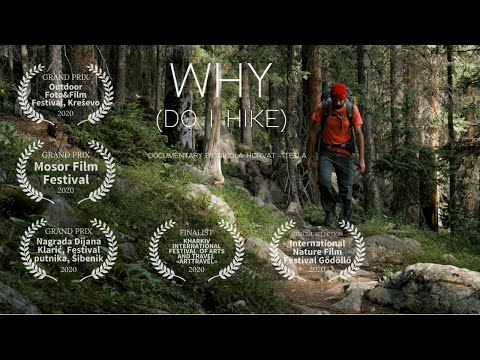
hikers 30초 만에
- Hikers are people who go on long walks in natural settings like mountains or forests for recreation, exercise, or the enjoyment of the outdoors.
- The term implies walking on trails rather than paved roads, often requiring specific gear like sturdy boots, backpacks, and navigation tools for safety.
- Hikers can be classified by the length of their trips, such as day hikers who return home or thru-hikers who walk entire long-distance trails.
- Commonly used in travel, safety warnings, and environmental contexts, the word represents a global community of nature enthusiasts and outdoor adventurers.
The term hikers refers to individuals who participate in the activity of hiking, which is essentially long-distance walking, typically on trails or through natural environments like forests, mountains, or rural countryside. Unlike a casual stroll in a city park, hikers are usually characterized by their intent to cover significant distance or elevation, often requiring specific gear such as sturdy boots, backpacks, and navigation tools. The word is used globally to describe outdoor enthusiasts who seek physical exercise, mental clarity, or a connection with nature. In modern contexts, hikers are often associated with the 'Leave No Trace' philosophy, emphasizing environmental stewardship while enjoying the wilderness.
- The Essence of a Hiker
- A hiker is defined not just by the act of walking, but by the environment they choose. While a pedestrian walks on a sidewalk, hikers navigate uneven terrain, varying weather conditions, and remote locations where self-sufficiency is key.
As the sun began to rise over the ridge, a group of weary but determined hikers reached the summit, finally seeing the valley below.
People use this word in various social and professional settings. For instance, a park ranger might give safety instructions to hikers before they enter a dangerous trail. In social media, the term is a common hashtag for those sharing photos of their outdoor adventures. It carries a connotation of health, adventure, and sometimes, a specific subculture involving gear enthusiasts and peak-baggers. The distinction between 'walkers' and 'hikers' is often the level of preparation and the ruggedness of the path taken. If you are wearing sneakers on a paved path, you are a walker; if you are wearing boots on a dirt trail with a backpack, you are among the hikers.
- Equipment Association
- The identity of hikers is often tied to their equipment: trekking poles, hydration bladders, and moisture-wicking clothing are standard markers of the serious hiker.
Local shops often offer discounts to hikers who are completing the entire length of the Appalachian Trail.
Furthermore, the term can be segmented into categories like 'day hikers' (those who return before dark) and 'thru-hikers' (those who walk an entire long-distance trail from end to end over several months). This nuance is important in regions with famous trails like the PCT in the USA or the Camino de Santiago in Spain. The word evokes a sense of community; hikers often greet each other on the trail with a nod or a friendly 'hello,' acknowledging their shared effort against the elements and the incline.
- Safety and Responsibility
- The word is frequently used in warning signs: 'Hikers should be aware of sudden weather changes.' This highlights the vulnerability and responsibility inherent in the activity.
Search and rescue teams were deployed to find the two hikers who lost their way during the blizzard.
In summary, 'hikers' is a versatile noun that describes a broad spectrum of people, from the casual weekend enthusiast to the elite athlete traversing mountain ranges. It is a word rooted in the human desire to explore the natural world on foot, carrying what is necessary on one's back. Whether in a conversation about fitness, travel, or environmental conservation, 'hikers' serves as a key descriptor for those who choose the path less traveled, literally and figuratively.
Using the word hikers correctly involves understanding its role as a plural count noun. It typically functions as the subject or object of a sentence related to movement, nature, or preparation. Because it refers to people, it is often paired with verbs of action like 'trek,' 'climb,' 'rest,' or 'navigate.' When constructing sentences, it is helpful to consider the context of the hike—is it a leisurely stroll or a grueling expedition? This context dictates the adjectives and adverbs you might use to modify the noun.
- Subjective Use
- When hikers are the subject, they are the ones performing the action. Example: 'The hikers reached the base camp before sunset.'
Many hikers prefer the autumn months because the air is crisp and the foliage is vibrant.
Adjectives play a crucial role in specifying what kind of hikers you are talking about. You might describe them as 'experienced hikers,' 'novice hikers,' 'intrepid hikers,' or 'exhausted hikers.' These descriptors provide color and clarity to your writing. For example, 'Experienced hikers always carry a map and compass' conveys a different message than 'Novice hikers often underestimate the difficulty of the terrain.' Using these modifiers helps the reader visualize the skill level and state of the people involved.
- Objective Use
- When hikers are the object, something is happening to them or being provided for them. Example: 'The trail was designed to challenge even the most fit hikers.'
The sudden thunderstorm caught the hikers off guard, forcing them to seek shelter under a rocky overhang.
In more complex sentence structures, 'hikers' can be part of prepositional phrases. You might talk about 'a group of hikers,' 'a trail for hikers,' or 'advice for hikers.' These phrases are common in guidebooks and informational brochures. For instance, 'This path is strictly for hikers; no mountain bikes are allowed.' This usage clearly defines the intended audience for a specific facility or rule. Additionally, the word can be used in possessive form—'hikers' gear' or 'hikers' safety'—to indicate ownership or relevance to the group.
- Collective Nouns
- While 'group' is common, you might also see 'party of hikers' in more formal or traditional contexts, such as 'A party of hikers was spotted near the glacier.'
The national park service provides free maps to all hikers at the visitor center.
Finally, consider the emotional or atmospheric tone. In a thriller, 'the hikers' might be 'stalked' or 'lost.' In a travel blog, they might be 'inspired' or 'rejuvenated.' The word itself is neutral, but the surrounding verbs and adjectives transform it into a character-driven noun. By paying attention to these nuances, you can use 'hikers' to create vivid, accurate, and engaging descriptions of people in the great outdoors.
You will encounter the word hikers in a variety of real-world environments, ranging from physical locations to digital platforms. One of the most common places is in National Parks and protected wilderness areas. Here, the word is ubiquitous on signage, maps, and in the speech of park rangers. If you visit a place like Yosemite or the Lake District, you will hear announcements regarding 'hikers' safety' or see signs that say 'Hikers only beyond this point.' In these settings, the word is functional and authoritative, used to manage the flow of people and ensure their well-being.
- In Outdoor Retail Stores
- Stores like REI, Patagonia, or Decathlon frequently use the term in their marketing. You'll hear staff asking, 'Are you looking for boots for casual hikers or something more technical?'
The store clerk recommended these socks to all hikers planning to tackle the rugged terrain of the Scottish Highlands.
Another major venue for this word is in weather reports and news broadcasts, particularly in mountainous regions. Meteorologists often include specific warnings for 'hikers' when a storm is approaching. News stories about mountain rescues almost always use the term to describe the subjects of the search. In this context, the word often carries a sense of urgency or caution. For example, 'Authorities are urging hikers to stay off the trails until the heatwave passes.' This highlights the word's importance in public safety communications.
- Social Media and Blogs
- On platforms like Instagram or YouTube, 'hikers' is a core keyword. Influencers might start a video with 'Hey hikers, today we are exploring...'
Online forums are filled with hikers sharing tips on the best lightweight stoves for long-distance trekking.
In the world of literature and film, 'hikers' often appear as characters in adventure stories or travel memoirs. Books like 'Wild' by Cheryl Strayed or 'A Walk in the Woods' by Bill Bryson have popularized the term and the lifestyle associated with it. In these narratives, the word is used to explore themes of self-discovery and human endurance. You might also hear it in casual conversation among friends planning a weekend getaway: 'Should we go to the beach, or join the hikers in the mountains?' Here, it represents a choice of activity and lifestyle.
- Academic and Scientific Contexts
- Environmental scientists use the term when studying the impact of human foot traffic on soil erosion or plant life. They might write about 'the density of hikers on sensitive alpine trails.'
The study concluded that hikers who stay on marked paths significantly reduce their impact on the local flora.
Ultimately, 'hikers' is a word that bridges the gap between a simple physical activity and a complex social identity. Whether it's a warning on a trail, a marketing slogan for boots, or a hashtag on a photo of a mountain peak, the word is the primary way we identify people who venture into nature on foot. Its frequency in both everyday speech and specialized fields makes it an essential part of the English vocabulary for anyone interested in the outdoors.
While hikers is a relatively straightforward word, learners often make subtle mistakes in its application, particularly regarding its distinction from similar terms and its grammatical usage. One of the most frequent errors is confusing 'hikers' with 'walkers.' While all hikers are technically walking, not all walkers are hikers. Using 'walkers' to describe people on a technical mountain trail can sound overly simplistic or even incorrect to a native speaker. Conversely, calling someone a 'hiker' when they are just walking to the grocery store is equally out of place.
- Confusion with 'Climbers'
- Another common mistake is using 'hikers' when 'climbers' is more appropriate. Hikers generally stay on their feet and use trails. Climbers use their hands and specialized equipment like ropes to ascend vertical surfaces.
Incorrect: The hikers used ropes to scale the 500-foot cliff face. (Correct: The climbers...)
Grammatically, a frequent error involves the plural possessive form. Many learners struggle with where to place the apostrophe. Since 'hikers' is a plural noun ending in 's,' the apostrophe goes after the 's' (hikers'). Writing 'hiker's' when referring to a group is a common mistake. For example, 'The hikers' boots were all covered in mud' refers to the boots of multiple people. If you write 'The hiker's boots,' you are only talking about one person. Precision in punctuation is key to maintaining the plural meaning of the word.
- Overgeneralization
- Learners sometimes use 'hikers' to describe anyone in the woods, including hunters or researchers. It's better to use specific terms if the primary activity isn't walking for pleasure or exercise.
Incorrect: The hikers were studying the rare moss species for their PhD. (Better: The researchers...)
There is also the issue of 'thru-hikers' versus 'day hikers.' In specific hiking communities, calling a thru-hiker a 'day hiker' might be seen as a slight to their effort, though in general conversation, 'hikers' covers both. However, being aware of these sub-categories can prevent social faux pas in outdoor circles. Additionally, some learners use 'hikers' when they mean 'backpackers.' While there is overlap, 'backpackers' specifically implies that the hikers are carrying gear to sleep outside overnight. If they are just out for the afternoon, 'hikers' is the better, more accurate term.
- Article Usage
- Learners often omit the article 'the' when referring to a specific group. 'Hikers were tired' is a general statement; 'The hikers were tired' refers to a specific group you've already mentioned.
Correct: Hikers generally enjoy nature. (General) vs. The hikers we met yesterday were very friendly. (Specific)
By avoiding these common pitfalls—distinguishing hikers from walkers and climbers, mastering the plural possessive, and using the correct sub-category—you will sound much more natural and precise when discussing outdoor activities. Remember that 'hikers' is a specific identity tied to a specific type of environment and intent, and using it correctly respects the nuances of the English language and the outdoor culture it describes.
The English language offers a rich variety of terms that are similar to hikers, each with its own specific nuance and register. Understanding these alternatives allows you to be more precise in your descriptions. While 'hikers' is the most common and versatile term, you might choose another word depending on the duration of the walk, the difficulty of the terrain, or the cultural context of the speaker. For example, 'trekkers' often implies a much longer and more difficult journey, usually in remote areas where there are no roads.
- Trekkers vs. Hikers
- Trekkers usually engage in multi-day journeys. If someone is walking across the Himalayas, they are trekkers. If they are walking for four hours in a local state park, they are hikers.
While the casual hikers stayed near the lodge, the seasoned trekkers pushed deep into the wilderness for a week-long expedition.
In the United Kingdom and some Commonwealth countries, the word 'ramblers' is a very common alternative. 'Rambling' suggests a more leisurely, perhaps less goal-oriented walk through the countryside, often involving footpaths through private land (a right protected by law in the UK). It has a slightly more traditional or old-fashioned feel compared to the more modern and athletic 'hikers.' Similarly, 'hillwalkers' is a term specifically used in Scotland and Northern England to describe those who hike specifically in mountainous or hilly terrain.
- Mountaineers
- This term is reserved for those who hike and climb in high-altitude, often snow-covered mountains. It implies a higher level of technical skill and risk than 'hikers.'
The trail was easy enough for amateur hikers, but the peak itself required the expertise of true mountaineers.
For those who walk in nature but perhaps on more developed or flat paths, 'nature walkers' or simply 'walkers' might be used. 'Trampers' is the specific term used in New Zealand to describe hikers. If you are in Auckland and someone asks if you want to go 'tramping,' they are asking if you want to go hiking. These regional variations are fascinating and show how the same activity is branded differently across the English-speaking world. Another interesting term is 'wayfarers,' though this is mostly literary or archaic, referring to travelers on foot.
- Outdoor Enthusiasts
- This is a broad, formal umbrella term that includes hikers, mountain bikers, kayakers, and more. It is often used in journalism and marketing.
The new legislation aims to protect the rights of all hikers and outdoor enthusiasts to access public lands.
Choosing the right word depends on your audience and the specific 'vibe' of the activity. If you want to sound rugged and adventurous, 'trekkers' or 'backpackers' might be better. If you want to sound traditional and British, 'ramblers' is perfect. But for almost any situation involving people walking on trails in nature, 'hikers' remains the most reliable, widely understood, and accurate term in the modern English lexicon.
How Formal Is It?
재미있는 사실
The term 'hiking' became popular in the United States in the early 20th century as part of the 'back-to-nature' movement, which encouraged city dwellers to seek health in the wilderness.
발음 가이드
- Pronouncing the 'i' like 'ee' (heekers).
- Forgetting the 's' at the end when referring to a group.
- Confusing the pronunciation with 'hijackers'.
- Making the 'h' silent (aikers).
- Pronouncing the 's' as a sharp 's' instead of a voiced 'z'.
난이도
The word is common in travel and nature texts, making it easy to recognize.
The plural possessive (hikers') can be tricky for learners.
Pronunciation is straightforward once the long 'i' is mastered.
Easily distinguished in context, though can be confused with 'bikers' if audio is poor.
다음에 무엇을 배울까
선수 학습
다음에 배울 것
고급
알아야 할 문법
Plural Noun Agreement
The hikers ARE (not IS) ready.
Plural Possessive Apostrophe
The hikers' backpacks (backpacks of many hikers).
Articles with Groups
Hikers (general) vs The hikers (specific group).
Compound Noun Formation
Day-hikers, thru-hikers.
Collective Nouns
A group of hikers, a party of hikers.
수준별 예문
The hikers are in the forest.
Les randonneurs sont dans la forêt.
Plural subject 'hikers' with plural verb 'are'.
I see three hikers.
Je vois trois randonneurs.
Number + noun.
Hikers wear big boots.
Les randonneurs portent de grosses bottes.
General statement about a group.
The hikers have water.
Les randonneurs ont de l'eau.
Plural possession.
Are they hikers?
Sont-ils des randonneurs ?
Question form.
The hikers are tired.
Les randonneurs sont fatigués.
Adjective describing the subject.
Many hikers like mountains.
Beaucoup de randonneurs aiment les montagnes.
Quantifier 'many'.
Hikers walk on the path.
Les randonneurs marchent sur le sentier.
Present simple for habit.
The hikers are carrying heavy backpacks.
Les randonneurs portent des sacs à dos lourds.
Present continuous tense.
We met some hikers on the trail yesterday.
Nous avons rencontré des randonneurs sur le sentier hier.
Past simple tense.
Hikers should always bring a map.
Les randonneurs devraient toujours apporter une carte.
Modal verb 'should' for advice.
The hikers stopped to take a photo.
Les randonneurs se sont arrêtés pour prendre une photo.
Infinitive of purpose 'to take'.
There are many hikers in the park today.
Il y a beaucoup de randonneurs dans le parc aujourd'hui.
'There are' with plural noun.
The hikers found a beautiful lake.
Les randonneurs ont trouvé un beau lac.
Past simple.
Do hikers need special shoes?
Les randonneurs ont-ils besoin de chaussures spéciales ?
Question with 'do'.
The hikers walked for five hours.
Les randonneurs ont marché pendant cinq heures.
Preposition 'for' with duration.
Experienced hikers know how to read a compass.
Les randonneurs expérimentés savent lire une boussole.
Adjective 'experienced' modifying 'hikers'.
The trail was crowded with hikers during the weekend.
Le sentier était bondé de randonneurs pendant le week-end.
Passive voice 'was crowded with'.
Hikers are advised to stay on the marked paths.
Il est conseillé aux randonneurs de rester sur les sentiers balisés.
Passive construction for advice.
A group of hikers got lost in the fog.
Un groupe de randonneurs s'est perdu dans le brouillard.
Collective noun 'a group of'.
The hikers' safety is the park ranger's priority.
La sécurité des randonneurs est la priorité du garde forestier.
Plural possessive 'hikers''.
Most hikers prefer to start their journey early in the morning.
La plupart des randonneurs préfèrent commencer leur voyage tôt le matin.
Quantifier 'most'.
The hikers were exhausted after climbing the steep ridge.
Les randonneurs étaient épuisés après avoir gravi la crête escarpée.
Preposition 'after' + -ing form.
We saw several hikers resting by the stream.
Nous avons vu plusieurs randonneurs se reposer au bord du ruisseau.
Verb of perception + object + -ing.
The influx of hikers has led to significant trail erosion.
L'afflux de randonneurs a entraîné une érosion importante des sentiers.
Present perfect tense.
Local businesses rely heavily on the seasonal arrival of hikers.
Les entreprises locales dépendent fortement de l'arrivée saisonnière des randonneurs.
Adverb 'heavily' modifying 'rely'.
Hikers who ignore weather warnings often find themselves in danger.
Les randonneurs qui ignorent les avertissements météorologiques se retrouvent souvent en danger.
Relative clause 'who ignore...'.
The shelter was built specifically to accommodate long-distance hikers.
L'abri a été construit spécifiquement pour accueillir les randonneurs de longue distance.
Adverb 'specifically' and infinitive 'to accommodate'.
Many hikers advocate for the preservation of wilderness areas.
De nombreux randonneurs plaident pour la préservation des zones sauvages.
Verb 'advocate for'.
Despite the rain, the hikers continued their ascent to the summit.
Malgré la pluie, les randonneurs ont continué leur ascension vers le sommet.
Concession with 'despite'.
The hikers were equipped with high-tech GPS devices.
Les randonneurs étaient équipés d'appareils GPS de haute technologie.
Passive voice 'were equipped with'.
Hikers are encouraged to practice 'Leave No Trace' ethics.
Les randonneurs sont encouragés à pratiquer l'éthique 'Sans trace'.
Passive voice + infinitive.
The sheer volume of hikers on the summit necessitated a permit system.
Le volume impressionnant de randonneurs au sommet a nécessité un système de permis.
Abstract noun 'volume' as subject.
Avid hikers often describe a sense of spiritual renewal when in the mountains.
Les randonneurs passionnés décrivent souvent un sentiment de renouveau spirituel lorsqu'ils sont à la montagne.
Adjective 'avid' for intense interest.
The conflict between hikers and mountain bikers over trail use remains unresolved.
Le conflit entre randonneurs et vététistes concernant l'utilisation des sentiers n'est toujours pas résolu.
Noun phrase 'The conflict between... and...'.
Hikers' impact on the fragile alpine tundra is a major concern for ecologists.
L'impact des randonneurs sur la fragile toundra alpine est une préoccupation majeure pour les écologistes.
Possessive 'Hikers'' as part of a complex subject.
The documentary explores the psychological motivations of solo hikers.
Le documentaire explore les motivations psychologiques des randonneurs en solo.
Compound noun 'solo hikers'.
Seasoned hikers are usually well-versed in wilderness first aid.
Les randonneurs chevronnés sont généralement bien informés sur les premiers secours en milieu sauvage.
Adjective 'well-versed in'.
The trail provides a rigorous challenge for even the most athletic hikers.
Le sentier offre un défi rigoureux même pour les randonneurs les plus sportifs.
Superlative 'the most athletic'.
Hikers often form tight-knit communities through shared experiences on the trail.
Les randonneurs forment souvent des communautés soudées grâce à des expériences partagées sur le sentier.
Compound adjective 'tight-knit'.
The influx of hikers into the backcountry has sparked a debate on the commodification of nature.
L'afflux de randonneurs dans l'arrière-pays a déclenché un débat sur la marchandisation de la nature.
Complex sentence with 'sparked a debate'.
For many hikers, the allure of the wilderness lies in its perceived indifference to human presence.
Pour de nombreux randonneurs, l'attrait de la nature sauvage réside dans son indifférence perçue à la présence humaine.
Abstract concept 'allure' and 'indifference'.
The physical toll on hikers completing the triple crown is immense and often permanent.
Le coût physique pour les randonneurs qui terminent la triple couronne est immense et souvent permanent.
Subject 'physical toll' with participial phrase.
Hikers must navigate the delicate balance between personal freedom and collective responsibility.
Les randonneurs doivent naviguer dans l'équilibre délicat entre liberté personnelle et responsabilité collective.
Metaphorical use of 'navigate'.
The literature of the 19th century often depicted hikers as romantic seekers of the sublime.
La littérature du XIXe siècle dépeignait souvent les randonneurs comme des chercheurs romantiques du sublime.
Historical reference and academic tone.
Technological advancements have fundamentally altered how hikers interact with the environment.
Les progrès technologiques ont fondamentalement modifié la façon dont les randonneurs interagissent avec l'environnement.
Present perfect with adverb 'fundamentally'.
The ethos of the modern hiker is increasingly defined by sustainability and minimal impact.
L'ethos du randonneur moderne est de plus en plus défini par la durabilité et l'impact minimal.
Passive voice with 'increasingly defined by'.
Elite hikers often push the boundaries of human endurance in pursuit of 'fastest known times'.
Les randonneurs d'élite repoussent souvent les limites de l'endurance humaine à la recherche des « temps les plus rapides connus ».
Idiomatic 'push the boundaries'.
자주 쓰는 조합
자주 쓰는 구문
— A common, slightly playful way to describe people enjoying their walk. Often used in photo captions.
Look at these happy hikers at the end of the trail!
— A rule indicating that no bikes or horses are allowed on a specific path.
This section of the park is a trail for hikers only.
— Tips or instructions given to people before they start a hike.
The brochure provides essential advice for hikers in the desert.
— When a place or feature brings people who like hiking to the area.
The new mountain bridge is expected to attract hikers from all over.
— The act of saving people who have become lost or injured while hiking.
The team worked through the night to rescue the hikers.
— A place that is perfect for people who love hiking.
With its endless trails, Switzerland is a hikers' paradise.
— Equipment specifically designed for people who go hiking.
The shop sells specialized gear for hikers and climbers.
— To meet or see other people while you are out on a trail.
You are likely to encounter other hikers near the waterfall.
— A designated spot on a trail where people can sit and relax.
We stopped at the hikers' rest area to eat our lunch.
— The environmental effect that people walking in nature have on the land.
The study measured the impact of hikers on the local bird population.
자주 혼동되는 단어
Walkers usually stay on flat, paved surfaces; hikers go on rugged trails.
Climbers use their hands and ropes on vertical rock; hikers use their feet on paths.
Bikers are on bicycles; hikers are on foot. The words sound similar.
관용어 및 표현
— A rude way to tell someone to go away or leave you alone.
When he started complaining again, I told him to take a hike.
informal/slang— To start a journey or leave a place, often on foot.
It's getting late, so we should hit the trail now.
informal— To live or stay in conditions that are not comfortable, often associated with hikers camping.
The hikers decided to rough it and sleep without a tent.
informal— In a place where few people go; remote or unusual.
These hikers always look for trails that are off the beaten path.
neutral— To do something new or first, like hikers marking a new path through the woods.
The first hikers in this region really blazed a trail for the rest of us.
neutral— To show that you mean what you say through your actions.
He says he's an expert, but can he walk the walk like these hikers?
informal— A very remote place, far from any town or city.
The hikers found themselves in the middle of nowhere after losing their map.
informal— The best possible physical or mental state, often used for athletic hikers.
The hikers reached peak performance during the final ascent.
neutral— A philosophy of leaving the environment exactly as you found it.
Responsible hikers always follow the 'leave no trace' rule.
neutral— The idea that the beauty of a summit is more rewarding because of the hard work to get there.
After six hours of climbing, the hikers felt they had truly earned their view.
informal혼동하기 쉬운
Both carry bags in nature.
Backpackers specifically stay overnight and carry camping gear; hikers might just be out for the day.
The day hikers returned to their cars, but the backpackers set up their tents.
Both involve long walks.
Trekking is usually more arduous and lasts many days in remote areas without established trails.
The hikers enjoyed the park trails, while the trekkers crossed the desert.
Both mean people walking in nature.
Ramblers is a British term that often implies a more leisurely pace through the countryside.
The British ramblers stopped at a pub after their walk.
Both are in the mountains.
Mountaineering involves technical climbing, often on snow and ice, with specialized gear.
The hikers stayed on the lower trails, but the mountaineers headed for the glacier.
Both are people on foot.
Pedestrians are people walking in a city or near traffic; hikers are in nature.
The hikers had to cross the road where the pedestrians were waiting.
문장 패턴
The hikers are [adjective].
The hikers are happy.
The hikers are [verb-ing].
The hikers are walking.
Hikers should [verb] [noun].
Hikers should carry water.
Many hikers prefer to [verb] because...
Many hikers prefer to start early because it is cooler.
The impact of hikers on [noun] is...
The impact of hikers on the trail is visible.
Despite the [noun], the hikers [verb]...
Despite the exhaustion, the hikers persevered.
A group of hikers [past verb]...
A group of hikers reached the top.
Experienced hikers often [verb]...
Experienced hikers often bring extra food.
어휘 가족
명사
동사
형용사
관련
사용법
Very high in outdoor, travel, and health contexts.
-
The hikers is walking.
→
The hikers are walking.
'Hikers' is plural, so it requires the plural verb 'are.'
-
I saw a hikers.
→
I saw a hiker. / I saw some hikers.
You cannot use the singular article 'a' with the plural noun 'hikers.'
-
The hiker's backpacks were heavy.
→
The hikers' backpacks were heavy.
If you are talking about the backpacks of many people, the apostrophe goes after the 's'.
-
The hikers climbed the vertical wall with ropes.
→
The climbers scaled the vertical wall with ropes.
Hikers walk on trails; people using ropes on vertical walls are called climbers.
-
We went to hiker in the mountains.
→
We went hiking in the mountains.
'Hiker' is a noun (person). You need the gerund 'hiking' to describe the activity.
팁
Use specific adjectives
Instead of just saying 'hikers,' try using 'novice hikers' for beginners or 'seasoned hikers' for those with a lot of experience. This adds more detail to your writing.
Watch the apostrophe
When talking about something belonging to multiple hikers, put the apostrophe after the 's': 'the hikers' boots.' If it's just one hiker, it's 'the hiker's boots.'
Know your region
If you are in the UK, using the word 'ramblers' will make you sound very local. In New Zealand, use 'trampers.' In most other places, 'hikers' is perfect.
Context matters
When you see 'hikers' on a sign, it usually means the path is for people on foot only. Don't bring a bike or a horse onto a 'hikers only' trail!
Pronunciation
Make sure the 'i' in hikers sounds like 'eye.' If you say it like 'ee,' people might not understand you immediately.
Avoid repetition
If you are writing a story, you can use 'they,' 'the group,' or 'the adventurers' to avoid saying 'the hikers' in every single sentence.
Listen for 'bikers'
In noisy environments, 'hikers' and 'bikers' can sound very similar. Look at the person's gear or the environment to help you distinguish which one is being discussed.
Trail Etiquette
Hikers often have a 'code.' For example, hikers going uphill usually have the right of way. Knowing this helps you understand sentences about trail interactions.
Word Family
Remember that 'hiking' is the activity, 'hike' is the noun for the walk itself, and 'hikers' are the people. Learning them together helps you remember the whole concept.
Nature focus
Only use 'hikers' when the context is nature. If someone is walking in a city to get to work, they are 'pedestrians' or 'commuters,' not hikers.
암기하기
기억법
Think of 'High' + 'Walkers'. Hikers go HIGH into the mountains and are WALKERS. H-I-K-E-R-S.
시각적 연상
Imagine a group of people wearing large backpacks and boots, standing on a mountain peak looking at a map.
Word Web
챌린지
Try to use the word 'hikers' in three different sentences today: one about their clothes, one about where they are, and one about what they are doing.
어원
The word 'hiker' comes from the verb 'hike,' which appeared in English in the early 19th century. It is believed to be a dialectal variation of 'hyke,' meaning to move vigorously or to walk laboriously.
원래 의미: Originally, it meant to move with a jerk or to pull up (like 'hiking up' your trousers). The meaning of 'walking for pleasure' developed later in the 1800s.
Germanic (English origin).문화적 맥락
Be aware that 'hiking' is a privilege that requires access to land and gear; in some contexts, talking about 'hikers' might highlight socio-economic differences.
In the UK, 'ramblers' is a traditional term, while in the US, 'hikers' is almost universal. In Australia, 'bushwalkers' is the local favorite.
실생활에서 연습하기
실제 사용 상황
At a National Park
- Where can hikers find water?
- Is this trail safe for hikers?
- Hikers must register at the office.
- A map for hikers.
In a Gear Shop
- Best boots for hikers.
- Do you have socks for hikers?
- Lightweight gear for hikers.
- Discounts for hikers.
In a Weather Report
- Warning for hikers.
- Hikers should seek shelter.
- Dangerous for hikers today.
- Advice for hikers in the storm.
On Social Media
- Calling all hikers!
- Tips for new hikers.
- Hiker community.
- My fellow hikers.
In a News Story
- Rescue of two hikers.
- Hikers found safe.
- Missing hikers search.
- Hikers reported an accident.
대화 시작하기
"Do you think hikers should be required to have a permit for popular trails?"
"What is the most beautiful place you have ever seen hikers visiting?"
"If you were among a group of hikers, what three things would you bring?"
"Why do you think so many hikers enjoy the challenge of climbing mountains?"
"Have you ever met any interesting hikers while you were out in nature?"
일기 주제
Imagine you are one of the hikers on a long journey. Describe your first day on the trail.
Write about the differences between hikers who go alone and those who go in large groups.
Describe the equipment that hikers need and why each item is important for their survival.
Discuss the environmental impact that thousands of hikers have on a popular national park.
Write a story about two hikers who get lost and how they work together to find their way home.
자주 묻는 질문
10 질문The main difference is the environment and intent. Hikers typically walk on unpaved trails in nature, such as forests or mountains, and often carry gear like backpacks. Walkers usually stay on paved surfaces like sidewalks or park paths and may not require any special equipment. Hiking is often considered more strenuous than walking.
No, 'hikers' is the plural form. If you are talking about one person, you must use 'hiker.' For example, 'The hiker is tired' (one person) versus 'The hikers are tired' (two or more people).
It is a neutral word. It is appropriate for both casual conversation and formal writing, such as in a newspaper article or a scientific report about outdoor recreation. It is the standard term used by park authorities and gear manufacturers.
Hikers typically carry a backpack containing essentials such as water, snacks, a map, a first-aid kit, and extra clothing. Depending on the length of the hike, they might also carry trekking poles, a compass, and a flashlight. Thru-hikers will also carry sleeping gear and a stove.
The term comes from the verb 'hike,' which means to walk a long distance for pleasure or exercise. The word 'hiker' simply adds the '-er' suffix to the verb to describe the person performing the action.
In many contexts, yes. 'Ramblers' is the preferred term in the UK for people who walk in the countryside. However, 'hikers' is more common in North America and is increasingly used globally to describe more athletic or mountain-based walking.
A thru-hiker is a specific type of hiker who walks a long-distance trail from start to finish in one continuous journey. Examples include people who walk the entire 2,190-mile Appalachian Trail in one season.
No. Hikers stay on their feet and follow trails. Climbers use their hands and feet to scale vertical or near-vertical rock faces, often using ropes and harnesses for safety. While some hikers do 'scrambling' (using hands for balance), they are not considered climbers.
It is often classified as a recreational activity or an outdoor sport. While it is not usually competitive in the traditional sense, some hikers participate in 'fastest known time' (FKT) challenges, which are competitive.
It is a set of ethical principles that hikers follow to minimize their impact on the environment. This includes things like carrying out all trash, staying on marked trails to prevent erosion, and not disturbing wildlife or plants.
셀프 테스트 200 질문
Describe what a group of hikers might see in a forest.
Well written! Good try! Check the sample answer below.
List three things that hikers should carry in their backpacks.
Well written! Good try! Check the sample answer below.
Why is it important for hikers to stay on the marked trails?
Well written! Good try! Check the sample answer below.
Explain the difference between a day hiker and a thru-hiker.
Well written! Good try! Check the sample answer below.
Write a short safety warning for hikers planning to climb a mountain.
Well written! Good try! Check the sample answer below.
Describe the ideal weather for hikers.
Well written! Good try! Check the sample answer below.
What are the benefits of hiking for physical health?
Well written! Good try! Check the sample answer below.
How can hikers follow the 'Leave No Trace' principles?
Well written! Good try! Check the sample answer below.
Discuss the social aspect of being part of a group of hikers.
Well written! Good try! Check the sample answer below.
What should hikers do if they get lost?
Well written! Good try! Check the sample answer below.
Write a diary entry from the perspective of one of the hikers after a long day.
Well written! Good try! Check the sample answer below.
Compare 'hikers' with 'pedestrians'.
Well written! Good try! Check the sample answer below.
What role do park rangers play in the lives of hikers?
Well written! Good try! Check the sample answer below.
Describe the feeling of reaching a summit as a group of hikers.
Well written! Good try! Check the sample answer below.
How has technology changed the experience for modern hikers?
Well written! Good try! Check the sample answer below.
Write an advertisement for a shop that sells gear for hikers.
Well written! Good try! Check the sample answer below.
What are some common challenges that hikers face on the trail?
Well written! Good try! Check the sample answer below.
Discuss the importance of hydration for hikers.
Well written! Good try! Check the sample answer below.
Why do some hikers prefer to hike solo?
Well written! Good try! Check the sample answer below.
Describe the impact of seasonal changes on hikers' plans.
Well written! Good try! Check the sample answer below.
Talk about a place where you have seen hikers.
Read this aloud:
당신의 답변:
Speech recognition is not supported in your browser. Try Chrome or Edge.
Describe the gear that hikers need for a day trip.
Read this aloud:
당신의 답변:
Speech recognition is not supported in your browser. Try Chrome or Edge.
Do you think hikers should always go in groups? Why or why not?
Read this aloud:
당신의 답변:
Speech recognition is not supported in your browser. Try Chrome or Edge.
Explain why people enjoy being hikers.
Read this aloud:
당신의 답변:
Speech recognition is not supported in your browser. Try Chrome or Edge.
What advice would you give to new hikers?
Read this aloud:
당신의 답변:
Speech recognition is not supported in your browser. Try Chrome or Edge.
Discuss the challenges of being a thru-hiker.
Read this aloud:
당신의 답변:
Speech recognition is not supported in your browser. Try Chrome or Edge.
How can hikers protect the environment?
Read this aloud:
당신의 답변:
Speech recognition is not supported in your browser. Try Chrome or Edge.
Talk about a famous hiking trail you know.
Read this aloud:
당신의 답변:
Speech recognition is not supported in your browser. Try Chrome or Edge.
Describe a time you saw hikers in a movie or book.
Read this aloud:
당신의 답변:
Speech recognition is not supported in your browser. Try Chrome or Edge.
What is the difference between hikers and mountaineers?
Read this aloud:
당신의 답변:
Speech recognition is not supported in your browser. Try Chrome or Edge.
Why is 'Leave No Trace' important for hikers?
Read this aloud:
당신의 답변:
Speech recognition is not supported in your browser. Try Chrome or Edge.
What kind of food do hikers usually eat?
Read this aloud:
당신의 답변:
Speech recognition is not supported in your browser. Try Chrome or Edge.
Describe the physical feeling after a long day of being a hiker.
Read this aloud:
당신의 답변:
Speech recognition is not supported in your browser. Try Chrome or Edge.
How do hikers prepare for a trip in the winter?
Read this aloud:
당신의 답변:
Speech recognition is not supported in your browser. Try Chrome or Edge.
Do you think there are too many hikers in some national parks?
Read this aloud:
당신의 답변:
Speech recognition is not supported in your browser. Try Chrome or Edge.
What is your favorite season for seeing hikers? Why?
Read this aloud:
당신의 답변:
Speech recognition is not supported in your browser. Try Chrome or Edge.
Talk about the importance of maps for hikers.
Read this aloud:
당신의 답변:
Speech recognition is not supported in your browser. Try Chrome or Edge.
What should hikers do if they see a bear?
Read this aloud:
당신의 답변:
Speech recognition is not supported in your browser. Try Chrome or Edge.
Describe a 'hikers' paradise' to you.
Read this aloud:
당신의 답변:
Speech recognition is not supported in your browser. Try Chrome or Edge.
Why is the word 'hikers' plural in most contexts?
Read this aloud:
당신의 답변:
Speech recognition is not supported in your browser. Try Chrome or Edge.
Transcribe: 'The hikers were warned about the approaching storm.'
Transcribe: 'Many hikers prefer the quiet of the early morning.'
Transcribe: 'A group of hikers found a lost dog on the trail.'
Transcribe: 'Experienced hikers carry a first-aid kit at all times.'
Transcribe: 'The hikers' boots were caked in thick, red mud.'
Transcribe: 'Are those hikers from the local university?'
Transcribe: 'The influx of hikers has led to trail erosion.'
Transcribe: 'Hikers should always stay on the marked paths.'
Transcribe: 'We met some friendly hikers near the waterfall.'
Transcribe: 'The hikers reached the summit just before noon.'
Transcribe: 'Search teams are looking for the two missing hikers.'
Transcribe: 'The shop sells specialized gear for hikers and trekkers.'
Transcribe: 'Hikers often describe a sense of peace in the woods.'
Transcribe: 'The hikers' safety is our primary concern.'
Transcribe: 'Solo hikers must be extra vigilant about their surroundings.'
/ 200 correct
Perfect score!
Summary
The word 'hikers' identifies people walking for pleasure in the wilderness, distinguishing them from casual city walkers. Example: 'The hikers prepared for the steep climb by packing extra water and checking the local weather forecast.'
- Hikers are people who go on long walks in natural settings like mountains or forests for recreation, exercise, or the enjoyment of the outdoors.
- The term implies walking on trails rather than paved roads, often requiring specific gear like sturdy boots, backpacks, and navigation tools for safety.
- Hikers can be classified by the length of their trips, such as day hikers who return home or thru-hikers who walk entire long-distance trails.
- Commonly used in travel, safety warnings, and environmental contexts, the word represents a global community of nature enthusiasts and outdoor adventurers.
Use specific adjectives
Instead of just saying 'hikers,' try using 'novice hikers' for beginners or 'seasoned hikers' for those with a lot of experience. This adds more detail to your writing.
Watch the apostrophe
When talking about something belonging to multiple hikers, put the apostrophe after the 's': 'the hikers' boots.' If it's just one hiker, it's 'the hiker's boots.'
Know your region
If you are in the UK, using the word 'ramblers' will make you sound very local. In New Zealand, use 'trampers.' In most other places, 'hikers' is perfect.
Context matters
When you see 'hikers' on a sign, it usually means the path is for people on foot only. Don't bring a bike or a horse onto a 'hikers only' trail!