









تصفيق in 30 Seconds
- Tasfeeq means clapping or applause in Arabic, used to show joy or approval.
- It is a noun derived from the verb 'Saffaqa' and is common in social events.
- Often paired with 'Haar' (warm) to describe enthusiastic and loud clapping.
- Functions as both a social gesture of praise and a rhythmic musical element.
The word تصفيق (Tasfeeq) is a fundamental Arabic noun that describes the rhythmic or enthusiastic act of striking the palms of the hands together. At its core, it is the verbal noun (masdar) of the verb صَفَّقَ (Saffaqa), which belongs to the second form (Form II) of Arabic verbs, typically used to denote intensification or causative actions. In the context of human interaction, it translates directly to 'clapping' or 'applause'. However, the cultural weight of the word extends beyond the mere physical movement; it carries connotations of collective approval, celebration, and rhythmic accompaniment in music. In an Arabic-speaking household or a formal event, you will encounter this word whenever a performance concludes or a child achieves a milestone. It is a universal gesture of joy, yet the word itself is rooted in the ancient Semitic understanding of striking surfaces to produce sound.
- Literal Meaning
- The production of sound by hitting the palms of the hands together, often used to express admiration or to keep time with music.
In social settings, تصفيق is not just a reaction; it is a ritual. During a 'Hafla' (party) or a wedding, the clapping often follows a specific rhythmic pattern known as 'Iqa'', which is foundational to Middle Eastern music. Unlike Western applause, which is often a continuous roar of noise, Arabic clapping can be highly syncopated and coordinated among a group of people. This word is also frequently paired with adjectives to describe the intensity of the reaction. For instance, 'Tasfeeq Haar' (warm/hot clapping) is the standard way to say 'loud applause'.
كان هناك تصفيق طويل بعد انتهاء المسرحية.
The usage of this word spans across various registers of the language. In Modern Standard Arabic (MSA), it is the formal term used in news reports to describe the reception of a speech by a diplomat. In colloquial dialects (Ammiya), while the pronunciation might shift slightly (like 'tasfi' in some Levantine dialects), the root remains the same. Understanding this word is essential for A1 learners because it appears in basic classroom instructions ('Clap your hands') and in social descriptions of happiness. It is a 'positive' word, almost always associated with success, victory, or artistic beauty.
Furthermore, the word is used in political contexts to describe 'rubber-stamp' parliaments or sycophants, often referred to as 'the people of clapping' (Ahl al-Tasfeeq), implying that they only exist to applaud the leader without critical thought. This metaphorical shift demonstrates how a simple physical action word can evolve into a complex socio-political critique. For a beginner, focusing on the primary meaning—applause—is the first step toward mastering the broader semantic field of the root S-F-Q.
- Grammatical Note
- As a masdar (verbal noun), it functions as a noun in a sentence. It can be the subject, object, or part of an Idafa (genitive construction).
طلبت المعلمة من الأطفال الـ تصفيق لزميلهم الفائز.
Finally, when learning this word, pay attention to the 'T' at the beginning and the 'Q' at the end. The 'Qaf' (ق) is a deep glottal stop or a 'k' sound produced deep in the throat, which gives the word a percussive quality that mimics the sound of the clap itself. This onomatopoeic quality is common in Arabic roots related to sound production.
Using the word تصفيق correctly requires an understanding of its role as a noun. In Arabic, verbal nouns like this often replace the English gerund ('clapping'). To say 'The clapping was loud', you would treat 'Tasfeeq' as the subject: كان التصفيق عالياً. It is frequently preceded by verbs of perception like 'hear' (سمع) or verbs of action like 'start' (بدأ) or 'stop' (توقف).
- Standard Sentence Structure
- [Verb] + [Subject/Object: التصفيق] + [Adjective]. Example: 'The audience gave a warm applause' becomes 'Qaddama al-jumhur tasfeeqan haaran'.
One of the most common ways to use the word is in the context of encouragement. In a classroom, a teacher might say, 'A great applause for Sarah!' which translates to تصفيق حار لسارة!. Notice how the adjective 'Haar' (warm/hot) is almost always used to denote enthusiasm. If the clapping is weak or unenthusiastic, you might use 'Tasfeeq baarid' (cold clapping) or 'Tasfeeq dha'eef' (weak clapping).
سمعنا تصفيقاً قوياً من القاعة المجاورة.
Another important usage is in the plural form, though 'Tasfeeq' is often used as a collective noun. If you want to describe multiple instances or types of clapping, the plural تصفيقات (Tasfeeqaat) can be used, though it is less common in daily speech than the singular form. In poetic or highly formal literature, you might see descriptions of the 'Tasfeeq of the waves' (تصفيق الأمواج), a beautiful metaphor for the sound of water hitting the shore, showing the word's versatility beyond human hands.
In news media, you will often hear the phrase وسط تصفيق الحاضرين (amidst the applause of those present). This phrase is a staple of journalistic Arabic, used to describe the atmosphere of a speech or a ribbon-cutting ceremony. It creates a vivid image of the environment. Similarly, in sports commentary, the 'Tasfeeq' of the fans is a key element of the narrative, often described as 'continuous' (mustamirr).
- Common Collocations
- - تصفيق حار (Warm applause)
- تصفيق متواصل (Continuous applause)
- موجة تصفيق (A wave of applause)
استمر الـ تصفيق لعدة دقائق بعد انتهاء العرض.
To master the use of 'Tasfeeq', one must also recognize the verb form. While the noun is the focus here, knowing that يصفق (yusaffiq - he claps) exists helps in constructing more complex ideas. For example, 'The people stood up clapping' would be وقف الناس يصفقون. However, for a learner at the A1-A2 level, sticking to the noun 'Tasfeeq' with simple verbs like 'is' or 'heard' is the most effective strategy for clear communication.
If you are traveling in an Arabic-speaking country, the word تصفيق will follow you from the airport to the theater. One of the most common places to hear it is in educational environments. Teachers in the Arab world use positive reinforcement frequently. When a student answers a difficult question, the teacher often commands the class: تصفيق حار لزميلكم! (A warm applause for your classmate!). In this context, the word is synonymous with 'well done' and 'celebration'.
- In the Media
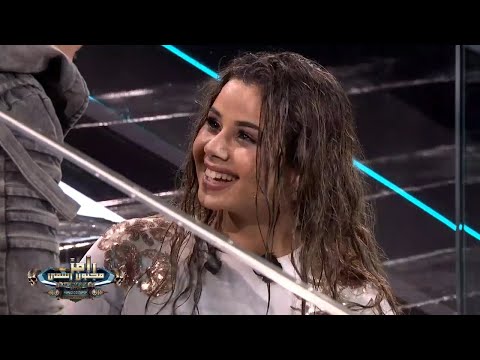
- On television talk shows or talent competitions like 'Arabs Got Talent', the host will constantly prompt the audience with 'Tasfeeq!'. It is used to fill silence, build tension, or reward a performer.
Another vibrant setting for this word is during musical performances, particularly those involving 'Tarab' (classical Arabic music) or folk dances like the 'Dabke'. Clapping is an instrument in itself in these genres. You might hear a singer ask the audience for تصفيق مع الإيقاع (clapping with the rhythm). Here, the word transcends its meaning of 'approval' and becomes a technical musical instruction. The audience becomes part of the percussion section, and the 'Tasfeeq' becomes the heartbeat of the song.
تعالى صوت الـ تصفيق في العرس عندما بدأ العريس بالرقص.
In a more formal or political setting, the word appears in news broadcasts. When a leader gives a speech, the reporter might note that the speech was interrupted several times by 'Tasfeeq'. In this context, it is used to measure public or political support. You might read in a newspaper: قوبل الخطاب بتصفيق حاد (The speech was met with sharp/intense applause). This usage is very common in Modern Standard Arabic journalism.
You will also hear this word in casual conversations when someone is telling a story about a success. Someone might say, 'And then everyone started clapping!' (وبدأ الجميع بالتصفيق!). It serves as a narrative peak, indicating the resolution of a conflict or the achievement of a goal. Even in digital spaces, the 'clapping hands' emoji is often referred to in Arabic as the 'emoji al-tasfeeq'.
- Religious/Social Contexts
- While clapping is common in secular celebrations, in some very conservative religious contexts, it might be replaced by saying 'Takbir' (Allahu Akbar) to show approval, though 'Tasfeeq' remains the standard social term for applause.
لا يحتاج هذا العمل الرائع إلى تصفيق فحسب، بل إلى تقدير حقيقي.
Lastly, in movies and theater, the 'clapperboard' used by film crews is sometimes related linguistically to the act of striking, though the specific tool has its own name (Klakait). However, the 'Tasfeeq' of the crew after a long day of filming is a universal sign of a job well done. Whether in a loud stadium or a quiet classroom, 'Tasfeeq' is the sound of human connection and validation.
For English speakers learning Arabic, the word تصفيق presents a few linguistic hurdles. The first and most common mistake is confusing it with the word صَفْقَة (Safqa). While they share the same root (S-F-Q), a 'Safqa' is a 'deal' or a 'transaction' (like a business deal). This confusion happens because 'striking hands' is also a traditional way to seal a deal. However, if you say 'I heard a loud Safqa', people will think you heard a loud 'deal', which makes no sense. Always remember: Tasfeeq is the act of clapping; Safqa is the deal made by the clap of hands.
- Spelling & Pronunciation
- Confusing the letter 'Seen' (س) with 'Saad' (ص). The word starts with the heavy 'S' (Saad). If you pronounce it with a light 'S', it might sound like a different, non-existent word. Similarly, the 'Qaf' (ق) at the end must be distinct from 'Kaf' (ك).
Another mistake involves the preposition used with the verb form. In English, we 'clap FOR' someone. In Arabic, the preposition لـِ (li - for/to) is also used (يصفق لـِ). However, some students mistakenly use على (ala - on), thinking they are clapping 'on' the success. This is incorrect. Always clap 'to' the person or 'for' the achievement.
خطأ: سمعت صفقة الجمهور. (Incorrect: I heard the audience's deal.)
صح: سمعت تصفيق الجمهور. (Correct: I heard the audience's clapping.)
Students also struggle with the difference between the noun تصفيق and the verb يصفق. In English, 'clapping' can be both a noun ('The clapping was loud') and a verb ('He is clapping'). In Arabic, you must be careful. If you want to say 'Stop clapping', you use the noun: توقف عن التصفيق. Using the verb in the wrong place is a common A1 error. Furthermore, avoid confusing تصفيق with صَفْع (Saf' - slapping). While both involve hitting with the hand, 'Saf' is hitting someone's face in anger, whereas 'Tasfeeq' is hitting your own hands in joy. Mixing these up could lead to very awkward situations!
Finally, the plural form تصفيقات is often overused by learners who try to pluralize it like 'applauses' in English. In Arabic, the singular تصفيق is usually sufficient to describe the entire sound of a crowd. Only use the plural if you are specifically referring to distinct, separate bursts of clapping. Over-pluralizing makes the sentence sound unnatural to native speakers.
- Register Confusion
- Using 'Tasfeeq' in a funeral or a somber religious event is a major cultural mistake. In these contexts, silence or specific phrases are required. Clapping is strictly for joyful or appreciative secular moments.
تجنب قول "صفقة" عندما تقصد تصفيق، فالأولى للتجارة والثانية للتشجيع.
To sum up, focus on the 'Saad' and 'Qaf', distinguish it from 'Safqa' (deal), and use it as a noun with the preposition 'li' for the recipient of the applause. These steps will help you avoid 90% of the common errors associated with this word.
While تصفيق is the most direct word for clapping, Arabic is a rich language with many synonyms and related terms that describe different types of approval or rhythmic sounds. Understanding these alternatives will help you choose the right word for the right context. For instance, if the goal is to describe 'cheering' rather than just 'clapping', the word تَهْلِيل (Tahleel) or هُتَاف (Hutaaf) is more appropriate. 'Hutaaf' refers to the vocal shouting of slogans or cheers in a stadium, which often accompanies 'Tasfeeq'.
- Comparison: Tasfeeq vs. Tahleel
- Tasfeeq: Specifically the sound of hands.
Tahleel: Vocal cheering and celebration, often with a religious or traditional undertone.
Another related word is تَشْجِيع (Tashjee'), which means 'encouragement'. While 'Tasfeeq' is a physical act, 'Tashjee'' is the concept. You might say, 'The fans gave encouragement (Tashjee') through their clapping (Tasfeeq)'. This demonstrates how 'Tasfeeq' is the tool used to achieve the goal of 'Tashjee''. In a sports context, you will hear both words used interchangeably by commentators to describe the crowd's energy.
كان الـ تصفيق وسيلة لـ تشجيع اللاعبين.
In classical or poetic Arabic, you might encounter the word تَصْدِيَة (Tasdiya). This is an ancient term for clapping, mentioned in the Qur'an to describe the rituals of the pre-Islamic Meccans. However, in modern conversation, 'Tasdiya' is obsolete and would sound very strange. Stick to 'Tasfeeq' for all modern contexts. For a more formal way to say 'applause' in a written report, you might use استحسان (Istihsaan), which means 'approval' or 'admiration', though it doesn't imply the sound of hands.
When discussing music, the word إيقاع (Iqaa' - rhythm) is often used alongside 'Tasfeeq'. If someone is clapping to keep the beat, they are 'clapping the rhythm'. In some North African dialects, you might hear the word رش (Rash) or other local terms for rhythmic clapping in folk music, but 'Tasfeeq' remains the universal bridge across all Arab regions.
- Register Differences
- - Formal: ثناء (Thanaa' - praise)
- Neutral: تصفيق (Tasfeeq - clapping)
- Informal: زغاريد (Zaghareed - ululations, often paired with clapping)
لم يكن مجرد تصفيق، بل كان احتفاءً حقيقياً بالبطل.
Finally, consider the word إعجاب (I'jaab - admiration). 'Tasfeeq' is the outward physical manifestation of 'I'jaab'. If you 'like' a post on social media, you are expressing 'I'jaab', but if you are there in person, you express it with 'Tasfeeq'. Knowing these distinctions allows you to move from a basic level of Arabic to a more nuanced, expressive mastery of the language.
How Formal Is It?
""
""
""
""
""
Fun Fact
The same root is used for 'Safqa' (a business deal) because in ancient times, people would literally strike their hands together to finalize a contract.
Pronunciation Guide
- Pronouncing 'Qaf' (ق) as 'Kaf' (ك).
- Pronouncing 'Saad' (ص) as a light 'Seen' (س).
- Ignoring the long 'ee' (ي) sound in the middle.
- Adding an extra vowel at the end (e.g., Tasfeeqa).
- Softening the 'T' too much.
Difficulty Rating
Easy to read once you know the root S-F-Q.
Requires correct use of 'Saad' and 'Qaf'.
The 'Qaf' can be tricky for beginners.
Very distinct sound in spoken Arabic.
What to Learn Next
Prerequisites
Learn Next
Advanced
Grammar to Know
Verbal Nouns (Masdar)
التصفيق (Tasfeeq) is the masdar of صفق (Saffaqa).
Form II Verbs
صَفَّقَ follows the pattern فَعَّلَ which often denotes intensity.
Idafa Construction
تصفيقُ الجمهورِ (The audience's applause).
Adjective Agreement
تصفيقٌ حارٌ (Masculine noun with masculine adjective).
Preposition 'Li'
تصفيقٌ للمديرِ (Applause for the manager).
Examples by Level
هناك تصفيق في الصف.
There is clapping in the class.
Simple nominal sentence with 'Tasfeeq' as the subject.
أسمع تصفيقاً حاراً.
I hear warm applause.
'Tasfeeqan' is the object (Mansub) of the verb 'Asma'.
التصفيق جميل.
The clapping is beautiful.
'Al-Tasfeeq' is the definite subject.
بدأ التصفيق الآن.
The clapping started now.
Verb 'Bada'a' followed by the subject 'Al-Tasfeeq'.
شكراً على التصفيق.
Thank you for the clapping.
Preposition 'ala' (for/on) used with the noun.
هذا تصفيق قوي.
This is strong clapping.
Demonstrative 'Hadha' used with the noun and adjective.
أحب التصفيق.
I like clapping.
Verb 'Uhibbu' with the definite object.
تصفيق للأم!
Applause for the mother!
Imperative-style noun phrase for encouragement.
كان التصفيق عالياً جداً في الحفلة.
The clapping was very loud at the party.
Use of 'Kaana' (was) with 'Al-Tasfeeq'.
وقف الجمهور وبدأ بالتصفيق.
The audience stood up and started clapping.
Preposition 'bi-' used with 'Al-Tasfeeq' after 'Bada'a'.
هل تسمع صوت التصفيق؟
Do you hear the sound of clapping?
Idafa construction: 'Sawt al-Tasfeeq'.
التصفيق الحار يسعد الفنان.
Warm applause makes the artist happy.
Subject-Verb-Object structure with an adjective.
تعلم الأطفال التصفيق مع الموسيقى.
The children learned to clap with the music.
Verb 'Ta'allama' with 'Al-Tasfeeq' as the object.
لم يتوقف التصفيق لمدة دقيقتين.
The clapping did not stop for two minutes.
Negative particle 'Lam' with the verb 'Yatawaqqaf'.
كان هناك تصفيق بعد كل أغنية.
There was clapping after every song.
Adverbial phrase 'Ba'da kull ughniya'.
نريد تصفيقاً كبيراً لزميلنا.
We want a big applause for our classmate.
Verb 'Nureedu' with an indefinite object and adjective.
انتهى الخطاب وسط تصفيق حار من الحاضرين.
The speech ended amidst warm applause from the attendees.
Use of 'Wasta' (amidst) in a formal context.
يعتبر التصفيق جزءاً من التراث الموسيقي.
Clapping is considered part of the musical heritage.
Passive-like verb 'Yu'tabaru' (is considered).
لم يكن التصفيق كافياً للتعبير عن فرحتنا.
The clapping was not enough to express our joy.
Negative 'Lam yakun' with the adjective 'kaafiyan'.
أثار العرض موجة من التصفيق في المسرح.
The performance triggered a wave of applause in the theater.
Metaphorical use of 'Mawja' (wave).
يستخدم التصفيق أحياناً لضبط الإيقاع.
Clapping is sometimes used to keep the rhythm.
Passive verb 'Yustakhdamu'.
كان تصفيق الجمهور عفوياً وصادقاً.
The audience's applause was spontaneous and sincere.
Two adjectives describing the noun 'Tasfeeq'.
خف صوت التصفيق تدريجياً.
The sound of clapping faded gradually.
Adverb 'Tadreejiyan' (gradually).
لا بد من التصفيق لهذا الإنجاز العظيم.
It is necessary to applaud this great achievement.
Fixed expression 'La budda min' (It is necessary).
تحول التصفيق إلى هتافات تطالب بالتغيير.
The applause turned into cheers demanding change.
Verb 'Tahawwala' (turned into) with 'ila'.
كان التصفيق بمثابة رسالة دعم قوية للمدرب.
The applause was like a strong message of support for the coach.
Phrase 'Bi-mathaabat' (serving as/like).
انتقد الكاتب ثقافة التصفيق الأعمى في المجتمع.
The writer criticized the culture of blind applause in society.
Metaphorical adjective 'A'ma' (blind).
رغم التصفيق، لم يبدُ الرئيس راضياً عن النتائج.
Despite the applause, the president did not seem satisfied with the results.
Conjunction 'Raghma' (despite).
تجاوز التصفيق حدود القاعة ليصل إلى الشوارع.
The applause crossed the boundaries of the hall to reach the streets.
Verb 'Tajaawaza' (exceeded/crossed).
يعد التصفيق لغة عالمية لا تحتاج إلى ترجمة.
Clapping is considered a universal language that needs no translation.
Complex sentence with a relative clause.
كانت القاعة ترتج من قوة التصفيق.
The hall was shaking from the intensity of the applause.
Imperfect verb 'Tartajju' showing continuous action.
نال الفيلم تصفيقاً منقطع النظير في المهرجان.
The film received unparalleled applause at the festival.
Idiomatic expression 'Munqati' al-nadheer'.
غالباً ما يُستخدم التصفيق كأداة سياسية لتزييف الإجماع.
Applause is often used as a political tool to fake consensus.
Passive voice 'Yustakhdamu' with 'ka-' (as).
في سوسيولوجيا الجمهور، يعبر التصفيق عن وحدة المشاعر.
In the sociology of the audience, applause expresses the unity of feelings.
Academic register using 'Sociology'.
كان وقع التصفيق على أذنه كوقع المطر على الأرض الجافة.
The impact of the applause on his ear was like the impact of rain on dry land.
Simile using 'Ka-waq'i'.
استمر التصفيق المتواصل حتى بحت أصوات الهتاف.
The continuous applause continued until the cheering voices went hoarse.
Complex temporal clause with 'Hatta'.
إن التصفيق في غير محله قد يثير الارتباك.
Applause in the wrong place might cause confusion.
Use of 'Inna' for emphasis and 'Fi ghayr mahallihi'.
تتفاوت دلالات التصفيق بتفاوت الثقافات والمناسبات.
The meanings of applause vary with the variation of cultures and occasions.
Verb 'Tatafaawat' (to vary) used twice for balance.
لم يكن التصفيق مجرد ضجيج، بل كان سيمفونية من القبول.
The applause was not just noise, but a symphony of acceptance.
Contrastive structure 'Lam yakun... bal kaana'.
يعكس التصفيق حرارة الاستقبال التي حظي بها الضيف.
The applause reflects the warmth of the reception the guest received.
Relative clause 'Allati hadhiya biha'.
أضحى التصفيق في المحافل الدولية طقساً بروتوكولياً بحتاً.
Applause in international forums has become a purely protocol-driven ritual.
Verb 'Adha' (has become) from the sisters of Kaana.
إن رنين التصفيق في القاعة الخالية يبعث على الشجن.
The ringing of applause in an empty hall evokes melancholy.
Abstract noun 'Raneen' (ringing/resonance).
يستبطن التصفيق في طياته رغبة جماعية في الانتماء.
Applause internalizes within it a collective desire for belonging.
Philosophical verb 'Yustabtin' (to internalize/hide within).
لا يمكن اختزال النجاح في مجرد تصفيق عابر.
Success cannot be reduced to mere fleeting applause.
Passive 'Ikhtizaal' (reduction/summarization).
تداخلت أصوات التصفيق مع نحيب الوداع في مشهد مؤثر.
The sounds of applause intertwined with the wailing of farewell in a moving scene.
Verb 'Tadaakhalat' (intertwined).
كان التصفيق بمثابة القشة التي قصمت ظهر الصمت.
The applause was the straw that broke the silence's back.
Idiomatic adaptation of 'The straw that broke the camel's back'.
قد يغدو التصفيق قيداً إذا ما صار غاية في حد ذاته.
Applause may become a shackle if it becomes an end in itself.
Conditional 'Idha ma' and verb 'Yaghdu' (to become).
تتجلى عبقرية الملحن في قدرته على تطويع التصفيق كآلة إيقاعية.
The composer's genius is manifested in his ability to harness clapping as a rhythmic instrument.
Verb 'Tatajalla' (to manifest).
Common Collocations
Common Phrases
— A warm round of applause for [someone]. Used to introduce a person.
تصفيق حار لضيفنا الليلة!
— The hall roared with applause. Describes a very loud reaction.
ضجت القاعة بالتصفيق بعد الهدف.
— Between cheering and clapping. Describes a lively atmosphere.
عاش الجمهور ليلة بين هتاف وتصفيق.
— Clapping with hands. A literal clarification, though usually redundant.
كان التصفيق بالأيدي هو الصوت الوحيد.
— Clapping is forbidden. Used in formal or somber settings.
يرجى العلم أن التصفيق ممنوع أثناء العزف.
— The audience's applause. A standard descriptive phrase.
أثر تصفيق الجمهور في نفسية اللاعب.
— A call to applaud. When someone asks others to clap.
كانت هناك دعوة للتصفيق من مقدم الحفل.
Often Confused With
Means a business deal or transaction. Shares the same root.
Means a slap on the face. Very different context!
Means success/luck. Sounds similar but unrelated.
Idioms & Expressions
— Sycophants or 'yes-men' who applaud everything a leader says.
لا تكن من أهل التصفيق الذين لا يفكرون.
Political/Sarcastic— One hand clapping cannot be heard. Similar to 'It takes two to tango'.
نحتاج للتعاون، فالتصفيق بيد واحدة لا يسمع.
Proverbial— To steal the show or receive all the praise.
سرق الممثل الصغير التصفيق من الجميع.
Informal— Clapping with spoons. A specific cultural way to cheer in some Arab regions.
في بعض الأفراح، يكون التصفيق بالمعالق ممتعاً.
Cultural— The applause was cut off for him (he lost popularity).
بعد الفضيحة، انقطع له التصفيق.
Literary— Deafened us with clapping (it was extremely loud).
صم الجمهور آذاننا بالتصفيق الحار.
Informal— What lies behind the applause (the hidden truth).
علينا أن نبحث عما وراء التصفيق والمظاهر.
AnalyticalEasily Confused
Same root (S-F-Q).
Tasfeeq is the sound of hands for joy; Safqa is a commercial or metaphorical deal.
تمت الصفقة بنجاح، فبدأ التصفيق.
Similar phonetics (S-F-...).
A slap (Saf'a) is aggressive; clapping (Tasfeeq) is positive.
تلقى صفعة قوية بدلاً من التصفيق.
Rhyming and similar letters.
Tawfeeq is success; Tasfeeq is the reaction to success.
نتمنى لك التوفيق (Success), تصفيق! (Clap!)
Similar look in script (T-S-D-Q).
Tasdeeq is believing or certifying; Tasfeeq is clapping.
يحتاج العقد إلى تصديق (Certification).
Similar look (T-S-F-Y).
Tasfiya is filtering or liquidation.
تصفية الحسابات (Settling accounts).
Sentence Patterns
هذا [noun].
هذا تصفيق.
أسمع [noun].
أسمع تصفيقاً.
كان [noun] [adjective].
كان التصفيق حاراً.
[verb] الناس بـ[noun].
بدأ الناس بالتصفيق.
وسط [noun] الـ[people].
وسط تصفيق الحاضرين.
نال [thing] [noun] [adjective].
نال العرض تصفيقاً كبيراً.
رغم الـ[noun]، [sentence].
رغم التصفيق، كان حزيناً.
يُعتبر الـ[noun] [concept].
يُعتبر التصفيق وسيلة للتعبير.
Word Family
Nouns
Verbs
Adjectives
Related
How to Use It
Common in both speech and writing.
-
Using 'Safqa' for applause.
→
Using 'Tasfeeq'.
Safqa means a deal; Tasfeeq means clapping. They share a root but have different meanings.
-
Pronouncing it 'Tasfeek' with a 'K'.
→
Tasfeeq with a 'Q'.
The 'Qaf' is a different letter and changing it can change the meaning or make the word unintelligible.
-
Using 'Tasfeeq' at a funeral.
→
Silence or verbal condolences.
Clapping is strictly for celebration or secular approval; it's disrespectful in somber religious contexts.
-
Saying 'Tasfeeq ala' for 'Clapping for'.
→
Tasfeeq li.
The preposition 'li' (for/to) is the correct one to use for the recipient of the applause.
-
Pluralizing it as 'Tasfeeqs' in English-Arabic mix.
→
Tasfeeqaat.
If you must pluralize, use the correct Arabic feminine sound plural suffix.
Tips
The S-F-Q Sound
Think of the 'S' as the swing of the hand, 'F' as the flight through the air, and 'Q' as the quick crack of the palms meeting.
Rhythmic Clapping
When listening to Arabic music, try to identify the 'Tasfeeq'. It's often on the 'off-beat' and adds a lot of energy.
Noun vs Verb
If you want to say 'Stop clapping', use 'Tawaqqaf 'an al-Tasfeeq' (Noun). Using the verb here is much harder grammatically.
Hot Applause
Always remember 'Haar' (Hot). In Arabic, intense emotions are often described as 'warm' or 'hot'.
The Qaf
Don't be afraid to make the 'Q' sound deep. It adds authority to your speech when you say 'Tasfeeq'.
TV Cues
Watch Arabic talk shows. When the host says 'Tasfeeq!', the audience immediately starts. It's a great way to hear the word in action.
Avoid Safqa
Double-check your spelling. One wrong letter turns 'applause' into a 'business deal'.
When to Clap
In Arab weddings, if you don't know the dance, just do 'Tasfeeq' with the rhythm. You will fit right in!
Root Wisdom
Knowing S-F-Q helps you learn 'Safqa' (deal) later. Roots are the key to Arabic vocabulary.
Metaphors
Use 'Tasfeeq' to describe the sound of waves or wind to sound more poetic in your writing.
Memorize It
Mnemonic
Think of the 'T' as the start of 'Together', 'S' as 'Strike', and 'Q' as the 'Quick' sound of the hands hitting. Together-Strike-Quick = Tasfeeq.
Visual Association
Imagine two large hands (Saad and Qaf) coming together to make a loud sound in a theater.
Word Web
Challenge
Try to say 'Tasfeeq Haar' five times fast while clapping your hands in rhythm.
Word Origin
Derived from the Arabic root ص-ف-ق (S-F-Q). This root historically refers to the action of striking something so that a sound is heard, or the closing of a door with force.
Original meaning: To strike or slap surfaces together.
SemiticCultural Context
Avoid clapping at funerals or during religious sermons (Khutbah) unless specifically appropriate for the tradition.
In English, we say 'Give him a hand'. In Arabic, we say 'Give him Tasfeeq'.
Practice in Real Life
Real-World Contexts
Theater/Concert
- تصفيق حار للمغني
- استمر التصفيق طويلاً
- موجة تصفيق
- طلب الجمهور التصفيق
Classroom
- تصفيق لزميلكم
- توقفوا عن التصفيق
- لماذا التصفيق؟
- تصفيق كبير للفائز
Sports
- تصفيق الجماهير
- تشجيع وتصفيق
- تصفيق للاعب المصاب
- دوى التصفيق في الملعب
Weddings
- تصفيق مع الطبل
- رقص وتصفيق
- تصفيق حار للعروسين
- بدأ التصفيق والتهليل
Politics/News
- قوبل بتصفيق حاد
- وسط تصفيق الحاضرين
- تصفيق منقطع النظير
- ثقافة التصفيق
Conversation Starters
"لماذا بدأ الناس بالتصفيق فجأة؟"
"هل سمعت التصفيق الحار بعد الخطاب؟"
"متى يجب علينا البدء بالتصفيق في هذا العرض؟"
"هل تحب التصفيق مع الموسيقى أم تفضل الصمت؟"
"ما رأيك في التصفيق الذي حصل عليه الفيلم؟"
Journal Prompts
اكتب عن موقف شعرت فيه بالفخر عندما سمعت تصفيق الناس لك.
صف شعورك عندما تكون في قاعة مليئة بالتصفيق الحار.
هل تعتقد أن التصفيق كافٍ للتعبير عن الإعجاب؟ لماذا؟
اكتب عن الفرق بين التصفيق في بلدك والتصفيق في العالم العربي.
تخيل عرضاً بدون تصفيق، كيف سيكون الجو؟
Frequently Asked Questions
10 questionsUsually, yes. However, in music, it can be a neutral rhythmic element. In rare cases, it can be used sarcastically to mock someone.
The word 'Haar' (warm/hot) is the most common, meaning 'enthusiastic applause'.
Yes, it can refer to the act of a single person or a whole crowd.
No, you must use 'Safqa' for a deal, though both words come from the same root.
Yes, 'Tasfeeqaat', but it is mostly used in formal or poetic contexts.
The verb is 'Saffaqa' (Past) and 'Yusaffiq' (Present).
Generally no; it is considered inappropriate in a place of worship. People say 'Subhan Allah' or 'Allahu Akbar' instead.
Because historically, people struck hands (clapped once) to signify they agreed on a price.
It translates to 'a round of applause' or 'warm applause'.
It is a masculine noun.
Test Yourself 200 questions
Write a sentence using 'تصفيق حار'.
Well written! Good try! Check the sample answer below.
Translate: 'I hear the sound of clapping.'
Well written! Good try! Check the sample answer below.
Explain why people use 'تصفيق' in a theater.
Well written! Good try! Check the sample answer below.
Write a short paragraph about a party including the word 'تصفيق'.
Well written! Good try! Check the sample answer below.
Translate: 'The applause was continuous.'
Well written! Good try! Check the sample answer below.
Describe 'Ahl al-Tasfeeq' in your own words.
Well written! Good try! Check the sample answer below.
Write a sentence using 'موجة من التصفيق'.
Well written! Good try! Check the sample answer below.
Translate: 'Clap for your friend!'
Well written! Good try! Check the sample answer below.
What is the difference between 'Tasfeeq' and 'Safqa'?
Well written! Good try! Check the sample answer below.
Write a sentence using 'تصفيق الأمواج'.
Well written! Good try! Check the sample answer below.
Translate: 'The teacher asked for applause.'
Well written! Good try! Check the sample answer below.
Why is 'Tasfeeq' important in Arabic music?
Well written! Good try! Check the sample answer below.
Write a sentence with 'وسط تصفيق الحاضرين'.
Well written! Good try! Check the sample answer below.
Translate: 'No clapping during the performance.'
Well written! Good try! Check the sample answer below.
How do you feel when you hear 'Tasfeeq'?
Well written! Good try! Check the sample answer below.
Write a sentence using the verb 'يصفق'.
Well written! Good try! Check the sample answer below.
Translate: 'A big round of applause for the winner!'
Well written! Good try! Check the sample answer below.
Describe a scene with 'تصفيق حاد'.
Well written! Good try! Check the sample answer below.
Translate: 'The applause faded away.'
Well written! Good try! Check the sample answer below.
Write a sentence about 'ثقافة التصفيق'.
Well written! Good try! Check the sample answer below.
Pronounce: تصفيق
Read this aloud:
You said:
Speech recognition is not supported in your browser. Try Chrome or Edge.
Say: 'Warm applause' in Arabic.
Read this aloud:
You said:
Speech recognition is not supported in your browser. Try Chrome or Edge.
Say: 'A big round of applause for our guest.'
Read this aloud:
You said:
Speech recognition is not supported in your browser. Try Chrome or Edge.
Explain in Arabic what 'Tasfeeq' is.
Read this aloud:
You said:
Speech recognition is not supported in your browser. Try Chrome or Edge.
Say: 'The clapping stopped.'
Read this aloud:
You said:
Speech recognition is not supported in your browser. Try Chrome or Edge.
Pronounce: تصفيقات
Read this aloud:
You said:
Speech recognition is not supported in your browser. Try Chrome or Edge.
Say: 'I hear clapping.'
Read this aloud:
You said:
Speech recognition is not supported in your browser. Try Chrome or Edge.
Say: 'Clap with the rhythm.'
Read this aloud:
You said:
Speech recognition is not supported in your browser. Try Chrome or Edge.
Say: 'The audience clapped for the actor.'
Read this aloud:
You said:
Speech recognition is not supported in your browser. Try Chrome or Edge.
Describe a loud applause using 'ضجت'.
Read this aloud:
You said:
Speech recognition is not supported in your browser. Try Chrome or Edge.
Say: 'Amidst the applause.'
Read this aloud:
You said:
Speech recognition is not supported in your browser. Try Chrome or Edge.
Say: 'He deserves applause.'
Read this aloud:
You said:
Speech recognition is not supported in your browser. Try Chrome or Edge.
Say: 'Stop clapping!'
Read this aloud:
You said:
Speech recognition is not supported in your browser. Try Chrome or Edge.
Say: 'A wave of applause.'
Read this aloud:
You said:
Speech recognition is not supported in your browser. Try Chrome or Edge.
Say: 'Unparalleled applause.'
Read this aloud:
You said:
Speech recognition is not supported in your browser. Try Chrome or Edge.
Say: 'Wait for the applause.'
Read this aloud:
You said:
Speech recognition is not supported in your browser. Try Chrome or Edge.
Say: 'The sound of clapping is beautiful.'
Read this aloud:
You said:
Speech recognition is not supported in your browser. Try Chrome or Edge.
Say: 'There was a lot of clapping.'
Read this aloud:
You said:
Speech recognition is not supported in your browser. Try Chrome or Edge.
Say: 'Clap for yourselves.'
Read this aloud:
You said:
Speech recognition is not supported in your browser. Try Chrome or Edge.
Say: 'The clapping was loud.'
Read this aloud:
You said:
Speech recognition is not supported in your browser. Try Chrome or Edge.
Listen to the word: [Audio: Tasfeeq]. What is it?
Listen to: [Audio: Tasfeeq Haar]. What is the adjective?
Listen to: [Audio: Bada'a al-Tasfeeq]. What started?
Listen to: [Audio: Asma' Tasfeeqan]. What do I hear?
Listen to: [Audio: Tasfeeq li-Sarah]. Who is it for?
Listen to: [Audio: Wasta al-Tasfeeq]. What is the prepositional meaning?
Listen to: [Audio: Mawjat Tasfeeq]. What is the phrase?
Listen to: [Audio: Tawaqqaf al-Tasfeeq]. Did it start or stop?
Listen to: [Audio: Tasfeeq Dha'eef]. Is the clapping strong?
Listen to: [Audio: Sawt al-Tasfeeq]. What is 'Sawt'?
Listen to: [Audio: Tasfeeq mutawaasil]. Is it short or long?
Listen to: [Audio: Saffaqa al-Jumhur]. Is this a noun or verb?
Listen to: [Audio: Tasfeeq al-Amwaaj]. What is 'Amwaaj'?
Listen to: [Audio: Ahl al-Tasfeeq]. Is this positive or negative?
Listen to: [Audio: Tasfeeqaan]. Is this definite or indefinite?
/ 200 correct
Perfect score!
Summary
The word 'Tasfeeq' (تصفيق) is the essential Arabic term for clapping. Whether you are in a classroom, at a wedding, or watching a speech, it signifies collective approval. Example: 'Tasfeeq Haar!' is what you say to start a round of applause.
- Tasfeeq means clapping or applause in Arabic, used to show joy or approval.
- It is a noun derived from the verb 'Saffaqa' and is common in social events.
- Often paired with 'Haar' (warm) to describe enthusiastic and loud clapping.
- Functions as both a social gesture of praise and a rhythmic musical element.
The S-F-Q Sound
Think of the 'S' as the swing of the hand, 'F' as the flight through the air, and 'Q' as the quick crack of the palms meeting.
Rhythmic Clapping
When listening to Arabic music, try to identify the 'Tasfeeq'. It's often on the 'off-beat' and adds a lot of energy.
Noun vs Verb
If you want to say 'Stop clapping', use 'Tawaqqaf 'an al-Tasfeeq' (Noun). Using the verb here is much harder grammatically.
Hot Applause
Always remember 'Haar' (Hot). In Arabic, intense emotions are often described as 'warm' or 'hot'.
Related Content
More music words
إعجاب
A1A feeling of pleasure or approval for something or someone.
عالياً
A1At or to a high level or position; loudly, in a high pitch.
عازف
A1A person who plays a musical instrument.
عذب
A1Sweet, pleasant, especially referring to a melodious sound or voice.
عزف
A1The act of playing a musical instrument.
آلة موسيقية
A1A device created or adapted to make musical sounds.
ألبوم
A1A collection of musical recordings, typically released together.
إيقاع
A1A strong, regular, repeated pattern of movement or sound.
إيقاعي
B1Having a strong rhythm; rhythmic.
بوب
A1A genre of popular music, typically with a catchy, melodic style.

