









melon in 30 Seconds
- A melon is a large, sweet, and juicy fruit that grows on vines and belongs to the gourd family, often eaten in summer.
- Common varieties include watermelon, cantaloupe, and honeydew, all known for their refreshing taste and high water content and nutritional benefits.
- In English, 'melon' is a countable noun used in culinary, agricultural, and sometimes informal slang contexts to describe the fruit or its flesh.
- Selecting a ripe melon often involves checking its weight, scent, and the sound it makes when tapped, ensuring a sweet and enjoyable experience.
The word melon refers to a diverse group of plants belonging to the family Cucurbitaceae, which also includes cucumbers, squashes, and pumpkins. Botanically speaking, a melon is a type of berry known as a pepo, characterized by its thick, fleshy outer rind and a succulent, watery interior filled with seeds. In everyday conversation, when people use the word melon, they are almost always referring to the edible fruit produced by these plants. These fruits are celebrated globally for their refreshing qualities, particularly during the hot summer months when their high water content provides necessary hydration and a burst of natural sweetness. The term melon acts as an umbrella category for several distinct varieties, including the watermelon, cantaloupe, honeydew, and muskmelon. Each variety possesses a unique flavor profile, ranging from the intensely sugary and crisp texture of a red-fleshed watermelon to the floral, musky aroma of a ripe cantaloupe. People use this word in a variety of settings, most commonly in culinary contexts such as grocery shopping, meal preparation, and dining. For instance, a shopper might ask a grocer how to select a ripe melon, or a chef might describe a seasonal fruit salad featuring a medley of melons. Beyond the kitchen, the word melon occasionally appears in informal language to refer to a person's head, though this is considered slang. In agricultural discussions, the word is used to describe the crop itself, focusing on soil conditions, irrigation needs, and harvest cycles. The melon has been a staple of human diets for thousands of years, with origins traced back to Africa and Southwest Asia. Its migration across the globe led to the development of regional specialties, such as the prized Yubari King melons in Japan or the Charentais melons in France. Understanding the word melon involves recognizing it as both a specific botanical entity and a broad culinary concept that signifies freshness, summer, and health.
- Botanical Classification
- The melon belongs to the genus Cucumis or Citrullus, depending on the specific type, and is defined by its trailing vine growth habit and large, fleshy fruits.
During the peak of July, there is nothing quite as satisfying as a cold slice of melon after a long day in the sun.
- Culinary Versatility
- Melons can be served raw, balled into salads, wrapped in salty prosciutto for an appetizer, or even blended into refreshing chilled soups and smoothies.
The cultural significance of the melon cannot be overstated. In many Mediterranean and Middle Eastern cultures, melons are served as a standard conclusion to a meal, valued for their ability to cleanse the palate. In East Asia, particularly Japan, certain melons are treated as luxury gift items, sometimes selling for thousands of dollars at auction. This high status reflects the meticulous care required to grow perfect specimens, often involving hand-pollination and the use of individual hats to protect the fruit from sunburn. In the United States and Europe, the melon is the quintessential picnic food, often associated with family gatherings and outdoor celebrations. The word melon also carries metaphorical weight in literature and art, often symbolizing abundance, fertility, and the fleeting nature of summer. When a writer describes a 'melon-colored sunset,' they are evoking the soft oranges and pinks found in the flesh of a cantaloupe. In summary, the word melon is a rich, multi-layered term that encompasses botany, gastronomy, economics, and cultural tradition. Whether you are discussing the nutritional benefits of its high vitamin C content or simply enjoying a snack, the melon remains one of the most beloved fruits in the human lexicon.
The farmer carefully inspected each melon in the field to ensure they were ready for the morning market.
- Seasonal Availability
- While modern logistics allow melons to be available year-round, their peak season is typically from late spring through early autumn in temperate climates.
She used a small scoop to create perfect spheres of melon for the decorative fruit platter.
The juice from the ripe melon dripped down the child's chin as they ate it on the porch.
He decided to plant a variety of melon seeds in his backyard garden this year.
Using the word melon in a sentence requires an understanding of its grammatical function as a countable noun. In its most basic form, melon refers to the whole fruit. For example, 'I bought a melon' indicates the purchase of one entire unit. However, melon can also function as an uncountable noun when referring to the substance or flesh of the fruit. In the sentence 'Would you like some melon?', the speaker is offering a portion of the fruit rather than a whole one. This distinction is crucial for learners of English. When describing the fruit, adjectives play a vital role in providing detail. Common descriptors include 'ripe,' 'sweet,' 'juicy,' 'refreshing,' 'heavy,' and 'fragrant.' A sentence like 'The honeydew melon was exceptionally sweet and juicy' uses multiple adjectives to paint a vivid picture of the eating experience. Verbs associated with melons often involve preparation: 'slice,' 'dice,' 'scoop,' 'peel,' 'seed,' and 'serve.' For instance, 'She sliced the melon into thin wedges for the guests.' In more technical or descriptive writing, you might see melon used as a modifier, as in 'melon seeds' or 'melon rind.' The word can also be part of compound nouns that specify the variety, such as 'watermelon,' 'cantaloupe melon,' or 'winter melon.' In these cases, the specific name often precedes the word melon, though sometimes 'melon' is dropped entirely (e.g., 'I love cantaloupe').
- Singular vs. Plural
- Use 'melon' for one fruit and 'melons' for more than one. Example: 'There are three melons on the table.'
The chef carefully removed the seeds from the center of the melon before dicing it.
- Descriptive Phrases
- Commonly paired with words like 'freshly cut,' 'chilled,' or 'perfectly ripe' to emphasize quality.
In more advanced usage, melon can appear in metaphorical or idiomatic contexts. While not as common as other fruit idioms (like 'apple of my eye'), 'melon' is sometimes used in British and Australian English as a slang term for the head. A sentence like 'Use your melon!' is an informal way of telling someone to think or use their brain. Furthermore, in agricultural and economic contexts, melon is used to discuss market trends and crop yields. 'The drought significantly impacted the melon harvest this year' is a sentence you might find in a news report or an academic study on climate and farming. In creative writing, the word is often used to evoke sensory details. 'The air was thick with the scent of overripe melon' suggests a specific atmosphere of heat and decay. When constructing sentences, consider the level of formality. In a formal menu, you might see 'A symphony of seasonal melons,' whereas in a casual conversation, you would simply say 'We had some melon for dessert.' The flexibility of the word allows it to fit seamlessly into a wide range of linguistic registers, from the simple observations of a child to the complex analyses of a botanist or an economist.
If you knock on the melon and it sounds hollow, it is usually a sign that it is ripe.
- Action Verbs
- Typical actions include: harvesting, slicing, tasting, scooping, and peeling.
The salad was a beautiful mix of green melon, feta cheese, and fresh mint leaves.
They shared a large melon while sitting on the beach under the shade of an umbrella.
The grocery store had a massive display of melon varieties near the entrance.
The word melon is a staple of everyday English, appearing in various environments ranging from the mundane to the specialized. One of the most common places you will hear this word is in a supermarket or a farmer's market. Grocers often use it to categorize produce, and customers frequently use it when inquiring about the quality or price of the fruit. You might hear a conversation like, 'Are these melons locally grown?' or 'Which melon is the sweetest today?' In these settings, the word is practical and descriptive. Another frequent location for the word is in the kitchen or at a dining table. Parents might ask their children, 'Do you want melon for your snack?' or a waiter might describe a dessert as 'a trio of seasonal melons served with a lime sorbet.' In these culinary contexts, the word evokes positive associations with health, sweetness, and refreshment. Beyond food-related settings, you will encounter the word in health and nutrition discussions. Nutritionists often praise melons for their high vitamin A and C content, as well as their role in hydration. You might read an article titled 'The Benefits of Adding Melon to Your Summer Diet.' In the realm of gardening and agriculture, the word is used by hobbyists and professionals alike. Gardeners might discuss the challenges of growing melons in cooler climates, while farmers might talk about 'melon blight' or 'melon aphids'—pests that affect the crop. The word also appears in the beauty and fragrance industry. Many perfumes, lotions, and candles feature 'melon' as a scent note, often described as 'fresh,' 'aqueous,' or 'dewy.' A salesperson might say, 'This fragrance has a lovely top note of melon and cucumber.'
- Marketplace Dialogue
- 'Excuse me, how can I tell if this melon is ready to eat?' 'Just look for a creamy yellow spot where it rested on the ground.'
The weather forecast predicted a heatwave, so I made sure to buy a large melon to keep everyone hydrated.
- Restaurant Menus
- Often listed under 'Starters' (e.g., Melon and Prosciutto) or 'Desserts' (e.g., Fresh Fruit Platter).
In popular culture, the word melon occasionally crops up in songs, movies, and literature, often to set a summer scene. A movie might show a family enjoying a picnic with a large watermelon at the center, or a novel might describe the 'cloying scent of overripe melons' to suggest a setting that is uncomfortably hot. In the world of sports and games, particularly in some English-speaking regions, 'melon' is used as a slang term for a ball, especially in rugby or football, though this is quite niche. Furthermore, in the digital age, the melon emoji is a common sight in social media posts about summer, healthy eating, or tropical vacations. You might see a post captioned 'Melon season is finally here!' accompanied by vibrant photos of sliced fruit. In educational settings, specifically in biology or botany classes, the word is used to teach students about plant families and reproductive structures. A teacher might explain how the melon plant produces both male and female flowers on the same vine. Overall, the word melon is deeply embedded in the sensory and social fabric of life, appearing whenever there is a need to discuss one of nature's most refreshing gifts. Its presence in language is as varied as the fruit itself, spanning from the practicalities of trade to the nuances of scent and the metaphors of art.
The smoothie bar offered a 'Summer Breeze' drink made with melon, lime, and a hint of ginger.
- Common Settings
- Picnics, grocery stores, breakfast buffets, juice bars, and community gardens.
He remembered the sweet taste of the melon they used to eat during the long summer holidays at his grandmother's house.
The aroma of a freshly sliced melon filled the entire kitchen instantly.
The artist painted a still life featuring a silver bowl filled with grapes and a halved melon.
While the word melon is relatively simple, there are several common mistakes that learners and even native speakers occasionally make. One of the most frequent errors is spelling. Because of the 'o' sound in the second syllable, some people mistakenly spell it as 'melun' or 'mellan.' The latter is particularly common among speakers of Scandinavian languages, where 'mellan' is a word meaning 'between.' It is important to remember the 'o-n' ending. Another common spelling confusion arises with the word 'million.' While they sound quite different, the visual similarity of the 'm-l-n' structure can sometimes lead to typos in fast writing. Beyond spelling, there are grammatical nuances that can be tricky. As mentioned previously, the distinction between 'melon' as a countable unit and 'melon' as an uncountable substance is a frequent stumbling block. Saying 'I ate a melon' when you only ate a few slices can be misleading, as it implies you consumed the entire fruit. Conversely, saying 'I want melons' when you only want a small portion of one fruit is also technically incorrect in a culinary context. Another area of confusion involves the categorization of different fruits. Many people are unsure whether a watermelon is a melon. While it has 'melon' in its name and belongs to the same family, it is in a different genus (Citrullus) than the 'true' melons like cantaloupe and honeydew (Cucumis). In casual conversation, this distinction doesn't matter, but in a botanical or technical context, it is an important detail.
- Spelling Trap
- Incorrect: 'mellan', 'melun', 'millon'. Correct: 'melon'.
I made a mistake and bought a melon that was way too soft; it was overripe and didn't taste good.
- Countability Error
- Incorrect: 'I would like a melon' (when you want a slice). Correct: 'I would like some melon' or 'a slice of melon'.
Confusion also exists regarding the 'bitter melon.' Because it has 'melon' in the name, some people expect it to be sweet like a cantaloupe. However, the bitter melon (also known as bitter gourd) is extremely bitter and is used more like a vegetable in savory dishes. Expecting a sweet fruit and biting into a bitter melon can be a shocking experience! Furthermore, in some regions, the word 'melon' is used as a generic term for any large round fruit, which can lead to confusion in international settings. For example, in some parts of the UK, 'melon' might default to a honeydew, while in the US, it might default to a cantaloupe. When traveling, it is always best to specify the type of melon you are looking for. Lastly, there is the slang usage. While 'melon' can mean 'head,' using it in a formal or professional setting would be a significant register error. Telling your boss to 'use your melon' would be highly inappropriate and likely offensive. Understanding these pitfalls—from spelling and grammar to botanical classification and social register—will help you use the word melon with confidence and accuracy in any situation. By paying attention to these details, you can avoid the common mistakes that often trip up learners of the English language.
Be careful not to confuse a melon with a squash, even though they look similar when they are growing on the vine.
- Register Mistake
- Avoid using 'melon' to mean 'head' in formal writing or professional conversations.
She thought she was buying a sweet melon, but it turned out to be a decorative gourd that wasn't edible.
The recipe called for 'melon,' but didn't specify which kind, which made the final dish taste different than expected.
He spelled melon as 'mellan' on the grocery list, and his roommate couldn't find it in the store.
When discussing melons, it is helpful to know related terms that can provide more specificity or serve as alternatives in different contexts. The most direct synonyms are the names of specific varieties. Instead of saying 'I want a melon,' you might say 'I want a cantaloupe,' 'I want a honeydew,' or 'I want a watermelon.' Each of these terms is more precise and helps the listener understand exactly what you are looking for. In a broader botanical sense, the word 'gourd' is related. While we usually think of gourds as decorative or hard-shelled (like pumpkins), melons are technically a type of fleshy gourd. In some culinary traditions, the word 'muskmelon' is used as a synonym for cantaloupe-type melons, referring to their strong, sweet aroma. Another related term is 'pepo,' the botanical name for the type of fruit that melons are. While you wouldn't use 'pepo' at the grocery store, you might encounter it in a science textbook. For those looking for alternatives to the word melon in a culinary description, words like 'fruit,' 'produce,' or 'refreshment' can be used, though they are much less specific. If you are describing the texture or flavor, you might use words like 'succulent,' 'aqueous,' or 'saccharine' (though saccharine often implies an artificial sweetness). In the context of a fruit salad, you might refer to 'melon spheres' or 'melon wedges' to describe the form the fruit takes.
- Variety Comparisons
- Cantaloupe: Orange flesh, netted skin, very fragrant.
- Honeydew: Green flesh, smooth skin, subtly sweet.
- Watermelon: Red or yellow flesh, green rind, very high water content.
The platter featured a variety of melon types, from the pale green honeydew to the vibrant orange cantaloupe.
- Botanical Relatives
- Melons are closely related to cucumbers and squashes, sharing similar growth patterns and flower structures.
In some languages and cultures, the word for melon might also encompass other fruits. For example, in some contexts, a 'winter melon' (also known as ash gourd) is used in savory soups and stews, behaving more like a vegetable than a fruit. This is an important distinction to make when looking for 'melon' in an international market. Another interesting comparison is between 'melon' and 'papaya.' While they are not botanically related, they are often served together in fruit salads and share a similar soft, fleshy texture and central seed cavity. However, the flavor of a papaya is much more tropical and musky compared to the crisp sweetness of most melons. If you are looking for a word to describe the 'head' (slang), alternatives include 'noggin,' 'bean,' or 'pate,' though these are all informal. In summary, while 'melon' is the most common and versatile term, knowing the specific names of varieties and the broader botanical categories will greatly enhance your ability to communicate effectively about this delicious fruit. Whether you are a chef, a gardener, or just a fruit lover, having a rich vocabulary of related terms allows you to describe the world with much greater precision and color.
Instead of a standard melon, the gardener decided to try growing a rare heirloom variety called 'Moon and Stars'.
- Texture Descriptors
- Words like 'crisp,' 'mealy,' 'soft,' and 'fibrous' are often used to describe the internal quality of a melon.
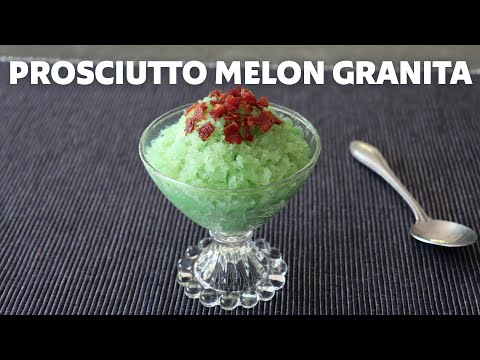
The dessert was a sophisticated melon granita, served in a chilled glass with a sprig of mint.
The market stall was overflowing with different melon types, each with its own unique shape and color.
He preferred the firm texture of a cantaloupe over the softer flesh of a very ripe honeydew melon.
How Formal Is It?
Fun Fact
The ancient Greeks called it 'melopepon' because they thought it looked like a large, ripe apple that grew like a gourd. The 'apple' part of the name was a common way to describe many round fruits in antiquity.
Pronunciation Guide
- Pronouncing the 'o' clearly like 'oh' (it should be a schwa).
- Stressing the second syllable.
- Adding an 'i' sound like 'million'.
- Making the 'e' too long like 'meelon'.
- Confusing it with the word 'mellan' in other languages.
Difficulty Rating
The word is short and follows standard phonetic rules, making it very easy to read.
Simple spelling, though the 'o' can sometimes be confused with 'u'.
Easy to pronounce with no difficult consonant clusters.
Distinct sound, though it can occasionally be confused with 'million' if spoken very quickly.
What to Learn Next
Prerequisites
Learn Next
Advanced
Grammar to Know
Countable vs. Uncountable Nouns
I bought a melon (countable) vs. I ate some melon (uncountable).
Adjective Order
A large, sweet, green melon (Size, Quality, Color).
Compound Nouns
Watermelon, honeydew, and muskmelon are all single words.
Using 'Some' with Food
Would you like some melon? (Offering a portion).
Pluralization of Countable Nouns
One melon, two melons (Just add -s).
Examples by Level
I like to eat sweet melon.
J'aime manger du melon sucré.
Simple subject-verb-object structure.
The melon is big and green.
Le melon est gros et vert.
Using adjectives to describe a noun.
Is this a melon?
Est-ce un melon ?
Basic question form.
We have two melons.
Nous avons deux melons.
Plural form of a countable noun.
The melon is on the table.
Le melon est sur la table.
Using a preposition of place.
I want some melon, please.
Je veux du melon, s'il vous plaît.
Using 'some' for an unspecified amount.
The melon has many seeds.
Le melon a beaucoup de graines.
Describing parts of the fruit.
She eats melon every day.
Elle mange du melon tous les jours.
Present simple for a daily habit.
I bought a fresh melon at the market.
J'ai acheté un melon frais au marché.
Past simple tense with a specific location.
This melon is sweeter than the last one.
Ce melon est plus sucré que le dernier.
Comparative adjective 'sweeter than'.
Can you help me cut the melon?
Peux-tu m'aider à couper le melon ?
Using a modal verb for a request.
The melon was very cold and refreshing.
Le melon était très froid et rafraîchissant.
Using multiple adjectives for description.
We are having melon for dessert tonight.
Nous mangeons du melon au dessert ce soir.
Present continuous for future plans.
I don't like the seeds in the melon.
Je n'aime pas les graines dans le melon.
Negative sentence in the present simple.
How much does this melon cost?
Combien coûte ce melon ?
Asking about price.
There are many types of melon in the store.
Il y a plusieurs types de melon dans le magasin.
Using 'there are' with a plural noun.
If the melon is ripe, it will smell very sweet.
Si le melon est mûr, il sentira très bon.
First conditional sentence.
I prefer honeydew melon because it has a milder flavor.
Je préfère le melon miel car il a une saveur plus douce.
Using 'because' to give a reason.
Melons are grown in warm climates all over the world.
Les melons sont cultivés dans des climats chauds partout dans le monde.
Passive voice in the present simple.
She decided to make a salad with melon and feta cheese.
Elle a décidé de faire une salade avec du melon et de la feta.
Using 'decided to' + infinitive.
The farmer said that the melon harvest would be late this year.
Le fermier a dit que la récolte de melons serait tardive cette année.
Reported speech with 'would'.
You should wash the outside of the melon before cutting it.
Tu devrais laver l'extérieur du melon avant de le couper.
Giving advice with 'should'.
The juice from the melon was dripping everywhere.
Le jus du melon coulait partout.
Past continuous for an ongoing action.
I've never seen such a large melon before!
Je n'ai jamais vu un melon aussi gros auparavant !
Present perfect with 'never'.
The sweetness of the melon perfectly balanced the saltiness of the ham.
La douceur du melon équilibrait parfaitement le sel du jambon.
Using abstract nouns like 'sweetness' and 'saltiness'.
Despite the drought, the melon crop managed to survive.
Malgré la sécheresse, la récolte de melons a réussi à survivre.
Using 'despite' to show contrast.
The chef demonstrated how to scoop the melon into perfect spheres.
Le chef a montré comment prélever le melon en sphères parfaites.
Using 'how to' + infinitive for a process.
Melons are highly valued for their nutritional content, particularly vitamins A and C.
Les melons sont très appréciés pour leur contenu nutritionnel, en particulier les vitamines A et C.
Formal passive construction.
The aroma of the ripening melon filled the entire room.
L'arôme du melon en train de mûrir remplissait toute la pièce.
Using a participle ('ripening') as an adjective.
We need to ensure the melons are stored at the correct temperature.
Nous devons nous assurer que les melons sont conservés à la bonne température.
Using 'ensure' followed by a clause.
The texture of this particular melon variety is quite unique.
La texture de cette variété de melon particulière est assez unique.
Using 'particular' for emphasis.
He spent the afternoon researching different melon cultivation techniques.
Il a passé l'après-midi à faire des recherches sur différentes techniques de culture du melon.
Using 'spent time' + gerund.
The subtle nuances of the heirloom melon were lost on the casual diner.
Les nuances subtiles du melon ancien ont échappé au dîneur occasionnel.
Using advanced vocabulary like 'nuances' and 'heirloom'.
The market for luxury melons in Japan is a fascinating study in consumer behavior.
Le marché des melons de luxe au Japon est une étude fascinante du comportement des consommateurs.
Complex noun phrases.
The author uses the image of a decaying melon to symbolize the end of the era.
L'auteur utilise l'image d'un melon en décomposition pour symboliser la fin de l'époque.
Discussing symbolism and literary devices.
Geneticists are working to identify the genes responsible for the melon's distinctive scent.
Les généticiens travaillent à identifier les gènes responsables de l'odeur distinctive du melon.
Scientific and technical vocabulary.
The melon's high water content makes it an ideal candidate for molecular gastronomy experiments.
La teneur élevée en eau du melon en fait un candidat idéal pour les expériences de gastronomie moléculaire.
Using 'makes it an ideal candidate for'.
The sheer variety of melons available at the international expo was staggering.
La simple variété de melons disponibles à l'exposition internationale était stupéfiante.
Using 'sheer' for emphasis.
The irrigation system was meticulously designed to provide the melons with the optimal amount of water.
Le système d'irrigation a été méticuleusement conçu pour fournir aux melons la quantité d'eau optimale.
Using adverbs like 'meticulously' and 'optimally'.
The pervasive scent of overripe melon can be quite overwhelming in a closed space.
L'odeur envahissante du melon trop mûr peut être tout à fait accablante dans un espace clos.
Using 'pervasive' and 'overwhelming'.
The melon serves as a quintessential metaphor for the ephemeral bounty of the summer season.
Le melon sert de métaphore quintessentielle pour la générosité éphémère de la saison estivale.
Highly sophisticated and abstract language.
One must navigate the intricate botanical distinctions between true melons and their cousins in the Citrullus genus.
Il faut naviguer dans les distinctions botaniques complexes entre les vrais melons et leurs cousins du genre Citrullus.
Using 'one must' and formal botanical terminology.
The economic ramifications of a failed melon harvest can be devastating for small-scale agrarian communities.
Les ramifications économiques d'une récolte de melons ratée peuvent être dévastatrices pour les petites communautés agraires.
Discussing complex socio-economic impacts.
The chef's deconstruction of the classic melon and prosciutto pairing was nothing short of revolutionary.
La déconstruction par le chef de l'association classique melon et jambon n'était rien de moins que révolutionnaire.
Using 'nothing short of' for extreme emphasis.
The volatile organic compounds emitted by the fruit are what constitute its unique olfactory profile.
Les composés organiques volatils émis par le fruit sont ce qui constitue son profil olfactif unique.
Using precise scientific terminology.
The historical trajectory of the melon's domestication offers profound insights into early human migratory patterns.
La trajectoire historique de la domestication du melon offre des perspectives profondes sur les premiers schémas migratoires humains.
Using 'historical trajectory' and 'profound insights'.
The artist's preoccupation with the melon's form is evident in her series of hyper-realistic sculptures.
La préoccupation de l'artiste pour la forme du melon est évidente dans sa série de sculptures hyper-réalistes.
Discussing artistic themes and preoccupations.
To truly appreciate the melon, one must understand the delicate interplay between soil composition and solar exposure.
Pour vraiment apprécier le melon, il faut comprendre l'interaction délicate entre la composition du sol et l'exposition solaire.
Using 'delicate interplay' and 'solar exposure'.
Common Collocations
Common Phrases
— A triangular slice of the fruit. It is a common way to serve it.
He served each guest a large wedge of melon.
— A classic Italian appetizer. It combines sweet fruit with salty ham.
Melon and prosciutto is a popular starter in many restaurants.
— Melon that has been cut into small cubes. Often used in fruit salads.
The bowl was filled with colorful diced melon.
— Melon that has been kept in the refrigerator. It is served cold.
Chilled melon is very refreshing in the summertime.
— Something that tastes like melon but is not the fruit itself. Often used for candy.
I bought some melon-flavored soda at the Asian market.
— A mixture of different types of melons. Used in fancy descriptions.
The dessert was a beautiful medley of melons and berries.
— To remove the flesh of the melon using a spoon or tool. A common preparation step.
First, you need to scoop out the melon seeds.
— A way to describe a melon that feels ready to eat. It is slightly soft.
The melon was perfectly ripe to the touch.
— The time of year when melons are harvested and best to eat. Usually summer.
I can't wait for melon season to start again.
— One of two equal parts of a melon. Often used as a serving vessel.
She served the fruit salad inside a hollowed-out half-melon.
Often Confused With
Sounds slightly similar but means a very large number.
A Swedish word meaning 'between'; often a spelling error for learners.
A city in Italy; similar spelling but different pronunciation and meaning.
Idioms & Expressions
— An informal way to tell someone to use their brain or think clearly. It treats the melon as a metaphor for the head.
Come on, use your melon! You know how to solve this problem.
Informal/Slang— A mild, somewhat old-fashioned insult for someone who is acting stupid or foolish. It implies their head is just a fruit.
Don't be so melon-headed; listen to what I'm saying.
Informal— In some business contexts, this can mean to divide up profits or benefits. It is similar to 'cutting the pie'.
The partners met at the end of the year to cut the melon.
Business/Informal— Occasionally used to describe something large and impressive, though this is rare. It emphasizes size.
That is one melon of a diamond on her finger!
Informal— A literal action to check for ripeness, but sometimes used metaphorically to mean checking if someone is 'home' or paying attention.
I had to knock on his melon to get him to wake up.
Informal— A simple simile used to describe something very pleasant or sugary. It is quite literal.
Her voice was as sweet as a ripe summer melon.
Neutral— While literal, it can sometimes refer to a place of abundance or a specific territory. It evokes a sense of home-grown comfort.
He's always hanging around the local melon patch.
Neutral— In very specific regional slang, this can mean to have a large belly. It is descriptive of shape.
He's developed quite a melon since he stopped exercising.
Informal/Slang— A humorous term for someone who is very picky or expert at choosing fruit. It describes the action of thumping a melon.
My grandfather was a real melon-thumper at the market.
Informal— A wide, joyful smile that resembles the shape of a watermelon wedge. It is very evocative.
The child had a big watermelon smile after winning the game.
Neutral/CreativeEasily Confused
They are in the same plant family and look similar on the vine.
Melons are typically sweet and eaten raw as fruit, while squashes are savory and usually cooked as vegetables.
I thought it was a melon, but it was actually a summer squash.
Both are large, round fruits that grow on vines.
Pumpkins have a much harder skin and are almost always cooked, whereas melons are soft and juicy.
We carve pumpkins for Halloween, but we eat melons for dessert.
Melon is a type of gourd.
In common usage, 'gourd' refers to non-edible or hard-shelled varieties used for decoration.
The table was decorated with dried gourds and fresh melons.
They are closely related and have similar seeds and watery texture.
Cucumbers are long, green, and savory, while melons are round and sweet.
A cucumber is great in a salad, but a melon is better for a snack.
Similar shape, size, and internal seed structure.
Papayas grow on trees and have a different flavor profile than vine-growing melons.
The fruit bowl had both melon and papaya slices.
Sentence Patterns
I like [fruit].
I like melon.
The [fruit] is [adjective].
The melon is sweet.
I bought a [adjective] [fruit].
I bought a fresh melon.
Would you like some [fruit]?
Would you like some melon?
If the [fruit] is [adjective], it is [adjective].
If the melon is heavy, it is juicy.
I prefer [fruit A] to [fruit B].
I prefer melon to apple.
The [noun] of the [fruit] is [adjective].
The texture of the melon is perfect.
The [adjective] [noun] of the [fruit] evokes [abstract noun].
The sweet aroma of the melon evokes summer memories.
Word Family
Nouns
Adjectives
Related
How to Use It
Very common, especially in culinary and seasonal contexts.
-
Spelling it 'mellan'.
→
melon
Learners often confuse it with words from their native language or similar-sounding English words. Remember the 'o'.
-
Saying 'I want a melon' when you only want a slice.
→
I want some melon.
Using the indefinite article 'a' implies you want the whole entire fruit, which might be too much!
-
Assuming all melons are sweet.
→
Check the variety (e.g., bitter melon).
Some 'melons' are savory or bitter, so don't assume they all taste like dessert.
-
Pronouncing it like 'million'.
→
ME-lon
Melon has two syllables and a short 'e' sound. Million has an 'i' sound and a different ending.
-
Using 'melon' as slang in a formal meeting.
→
Use 'head' or 'brain'.
The slang use of 'melon' is very informal and can be seen as disrespectful in professional settings.
Tips
The Thump Test
When choosing a watermelon, give it a firm thump with your knuckles. A deep, hollow sound usually indicates that it is ripe and full of water.
Wash Before Cutting
Always wash the outside of a melon before cutting into it. This prevents bacteria on the rind from being transferred to the flesh by the knife.
Add a Pinch of Salt
In some cultures, people put a tiny bit of salt on their melon. This actually enhances the natural sweetness of the fruit.
Keep it Cold
Melon tastes best when it is chilled. Put your melon in the fridge for a few hours before serving for the most refreshing experience.
Plenty of Sun
If you are growing melons, make sure they get at least 6-8 hours of direct sunlight every day. They need heat to develop their sugar content.
Mint and Lime
A simple way to dress up melon is to add fresh mint leaves and a squeeze of lime juice. It creates a sophisticated and easy salad.
Hydration Hero
If you find it hard to drink enough water, eat more melon! It is over 90% water and helps keep you hydrated throughout the day.
Check for Soft Spots
Avoid melons with very soft spots or bruising on the skin, as this usually means the fruit inside has started to spoil.
Try Something New
Don't just stick to watermelon. Look for Galia, Charentais, or Canary melons at the market to discover new and interesting flavors.
Serving Wedges
When serving melon at a party, leave the rind on the wedges. It acts as a natural handle, making it easier for guests to pick up and eat.
Memorize It
Mnemonic
Think of a 'MEL-on' as a 'MEAL-on' a vine. It is so big and juicy it could almost be a whole meal on a hot day.
Visual Association
Imagine a giant green ball (the melon) sitting in a field of yellow suns. The contrast between the green skin and the bright sun helps you remember its summer nature.
Word Web
Challenge
Try to use the word 'melon' in three different ways today: once while shopping, once while describing a color, and once while talking about a healthy snack.
Word Origin
The word 'melon' comes from the Old French word 'melon', which in turn derived from the Late Latin 'melonem' (nominative 'melo'). This Latin word is a shortening of 'melopepo'.
Original meaning: The original Greek word 'melopepon' meant 'apple-gourd', from 'melon' (apple) and 'pepon' (ripe/gourd). This reflects the fruit's round shape and sweet taste.
Indo-European, through Greek, Latin, and French into English.Cultural Context
No major sensitivities, but be aware that 'watermelon' has been used in racist caricatures in American history, so use the term with respect to its historical context.
In the US and UK, melon is a standard breakfast fruit, often found on buffets alongside grapefruit and berries.
Practice in Real Life
Real-World Contexts
At the Grocery Store
- How much is this melon?
- Is this melon ripe?
- I'll take two melons.
- Where are the watermelons?
At a Picnic
- Pass the melon, please.
- This melon is so refreshing.
- Who wants a slice of melon?
- Watch out for the melon seeds.
In the Kitchen
- Slice the melon into wedges.
- Scoop out the seeds.
- Put the melon in the fridge.
- Add some melon to the salad.
Talking about Health
- Melon is good for hydration.
- It's full of vitamins.
- A healthy snack of melon.
- Low-calorie melon dessert.
Gardening
- The melons are growing fast.
- Check the melon vine.
- When is the melon harvest?
- Plant the melon seeds here.
Conversation Starters
"What is your favorite type of melon to eat in the summer?"
"Do you know how to pick a perfectly ripe melon at the store?"
"Have you ever tried melon with salty ham? It's a classic combination."
"Do you prefer watermelon or cantaloupe when you make a fruit salad?"
"Is melon a popular fruit in your home country during the hot months?"
Journal Prompts
Describe the taste and texture of the best melon you have ever eaten. Where were you?
If you had to create a new dessert using melon, what ingredients would you include?
Write about a summer memory that involves eating fresh fruit like melon outdoors.
Do you think melons are better eaten alone or mixed with other foods? Explain why.
Imagine you are a farmer growing melons. Describe a typical day during the harvest season.
Frequently Asked Questions
10 questionsYes, in common language, a watermelon is considered a type of melon. Botanically, it belongs to the same family (Cucurbitaceae) but a different genus (Citrullus) than 'true' melons like cantaloupes.
For many melons, you should check the scent at the stem end; it should be fragrant. It should also feel heavy for its size and have a slight 'give' when pressed gently.
Yes, many melon seeds are edible. Watermelon seeds can be eaten raw or roasted, and some cultures use dried melon seeds as a snack or a thickener for soups.
Absolutely! Melons are low in calories and high in vitamins A and C. They are also excellent for hydration because they are mostly made of water.
Cantaloupes and honeydews are generally considered the sweetest, but a perfectly ripe watermelon can also be extremely sugary.
The name comes from the Greek word 'melopepon,' which means 'apple-gourd,' referring to its round shape and sweet, apple-like taste.
While usually eaten raw, some melons like the winter melon are commonly used in savory soups. Some chefs also grill watermelon for a unique smoky flavor.
A whole, uncut melon can stay on the counter if it's not yet ripe. Once cut, it must be wrapped and kept in the refrigerator to stay fresh.
Yes, in some informal contexts, 'melon' is used as a slang term for a person's head, but this is not very common in formal English.
Bitter melon is a relative of the sweet melon that is very bitter. It is used in many Asian cuisines as a vegetable and is prized for its health benefits.
Test Yourself 200 questions
Write a short paragraph about your favorite type of melon and why you like it.
Well written! Good try! Check the sample answer below.
Describe the process of choosing a ripe melon at the grocery store.
Well written! Good try! Check the sample answer below.
Create a simple recipe for a summer fruit salad that includes melon.
Well written! Good try! Check the sample answer below.
Write a dialogue between a customer and a grocer about the price and quality of melons.
Well written! Good try! Check the sample answer below.
Explain the difference between a melon and a squash to someone who doesn't know.
Well written! Good try! Check the sample answer below.
Write a story about a giant melon that grew in someone's backyard.
Well written! Good try! Check the sample answer below.
Discuss the nutritional benefits of eating melon regularly.
Well written! Good try! Check the sample answer below.
Describe a 'melon-colored sunset' using as much detail as possible.
Well written! Good try! Check the sample answer below.
Write a formal letter to a farm complaining about the quality of the melons you received.
Well written! Good try! Check the sample answer below.
Argue for or against the idea of melons being used as luxury gifts.
Well written! Good try! Check the sample answer below.
Write a poem about the refreshing feeling of eating melon on a hot day.
Well written! Good try! Check the sample answer below.
Describe the physical appearance of three different types of melons.
Well written! Good try! Check the sample answer below.
Write a blog post about the best ways to serve melon at a summer party.
Well written! Good try! Check the sample answer below.
Explain the idiom 'use your melon' and give an example of when to use it.
Well written! Good try! Check the sample answer below.
Write a scientific description of a melon for a biology textbook.
Well written! Good try! Check the sample answer below.
Describe a childhood memory that involves eating watermelon.
Well written! Good try! Check the sample answer below.
Compare the experience of eating a melon to eating another fruit like an orange.
Well written! Good try! Check the sample answer below.
Write a short advertisement for a new melon-flavored drink.
Well written! Good try! Check the sample answer below.
Discuss how climate change might affect the production of melons globally.
Well written! Good try! Check the sample answer below.
Write a review of a restaurant that served a particularly good melon dish.
Well written! Good try! Check the sample answer below.
Describe your favorite fruit to a partner. Is it a melon?
Read this aloud:
You said:
Speech recognition is not supported in your browser. Try Chrome or Edge.
Tell a story about a time you ate a very delicious melon.
Read this aloud:
You said:
Speech recognition is not supported in your browser. Try Chrome or Edge.
Explain how to make a fruit salad using at least two types of melon.
Read this aloud:
You said:
Speech recognition is not supported in your browser. Try Chrome or Edge.
Discuss the pros and cons of buying pre-cut melon versus a whole melon.
Read this aloud:
You said:
Speech recognition is not supported in your browser. Try Chrome or Edge.
Give a short presentation on the different varieties of melons available in your country.
Read this aloud:
You said:
Speech recognition is not supported in your browser. Try Chrome or Edge.
Roleplay a scene where you are trying to convince a friend to try a new type of melon.
Read this aloud:
You said:
Speech recognition is not supported in your browser. Try Chrome or Edge.
Describe the smell and taste of a ripe cantaloupe in detail.
Read this aloud:
You said:
Speech recognition is not supported in your browser. Try Chrome or Edge.
Discuss the cultural significance of fruit in your family's traditions.
Read this aloud:
You said:
Speech recognition is not supported in your browser. Try Chrome or Edge.
Explain the idiom 'use your melon' to someone who has never heard it.
Read this aloud:
You said:
Speech recognition is not supported in your browser. Try Chrome or Edge.
Debate whether watermelon should be considered a 'true' melon or not.
Read this aloud:
You said:
Speech recognition is not supported in your browser. Try Chrome or Edge.
Talk about the environmental challenges of growing water-intensive crops like melons.
Read this aloud:
You said:
Speech recognition is not supported in your browser. Try Chrome or Edge.
Describe a 'melon-themed' party you would like to host.
Read this aloud:
You said:
Speech recognition is not supported in your browser. Try Chrome or Edge.
Tell a joke or a funny story that involves a melon.
Read this aloud:
You said:
Speech recognition is not supported in your browser. Try Chrome or Edge.
Discuss the nutritional value of melons compared to other summer fruits like peaches.
Read this aloud:
You said:
Speech recognition is not supported in your browser. Try Chrome or Edge.
Explain the process of harvesting melons from a field.
Read this aloud:
You said:
Speech recognition is not supported in your browser. Try Chrome or Edge.
Describe the most unusual melon you have ever seen or tasted.
Read this aloud:
You said:
Speech recognition is not supported in your browser. Try Chrome or Edge.
Talk about the role of melons in still-life art.
Read this aloud:
You said:
Speech recognition is not supported in your browser. Try Chrome or Edge.
Explain why melons are such a popular summer food worldwide.
Read this aloud:
You said:
Speech recognition is not supported in your browser. Try Chrome or Edge.
Describe the texture of a melon rind versus the texture of its flesh.
Read this aloud:
You said:
Speech recognition is not supported in your browser. Try Chrome or Edge.
Discuss the future of fruit farming in a changing climate.
Read this aloud:
You said:
Speech recognition is not supported in your browser. Try Chrome or Edge.
Listen to the description: 'It is a large fruit with a green rind and red flesh.' Which melon is it?
Listen to the speaker: 'I'd like three cantaloupes and a honeydew, please.' How many melons did they order in total?
Listen to the instructions: 'First, slice the melon in half. Then, scoop out the seeds with a spoon.' What is the second step?
Listen to the dialogue: 'Is this melon ripe?' 'Yes, it smells very sweet.' How did the person know it was ripe?
Listen to the news report: 'The melon harvest is expected to be 20% higher this year.' What is the news about?
Listen to the chef: 'We are serving a chilled melon soup with a hint of mint.' What is the secret ingredient?
Listen to the slang: 'Use your melon, kid! The answer is right in front of you.' What does the speaker want the kid to do?
Listen to the botanical fact: 'Melons are technically pepos, which are a type of berry.' What kind of fruit is a melon technically?
Listen to the shopping list: 'Get some melon, some grapes, and a pineapple.' Which three fruits are needed?
Listen to the complaint: 'This melon is mealy and has no flavor.' What is wrong with the melon?
Listen to the garden tip: 'Melons need plenty of space to spread their vines.' What do melons need in a garden?
Listen to the price: 'These melons are two for five dollars.' How much is one melon?
Listen to the description: 'The Casaba melon has a yellow, wrinkled skin.' What color is the skin?
Listen to the health tip: 'Melons are high in Vitamin C, which is good for your immune system.' Why is Vitamin C good?
Listen to the history: 'Melons were brought to Europe by the Romans.' Who brought melons to Europe?
/ 200 correct
Perfect score!
Summary
The word melon describes a broad category of sweet, water-rich fruits like watermelons and cantaloupes. It is essential for basic food vocabulary and is used to discuss healthy eating, summer activities, and culinary preparation. Example: 'A cold slice of melon is the perfect summer treat.'
- A melon is a large, sweet, and juicy fruit that grows on vines and belongs to the gourd family, often eaten in summer.
- Common varieties include watermelon, cantaloupe, and honeydew, all known for their refreshing taste and high water content and nutritional benefits.
- In English, 'melon' is a countable noun used in culinary, agricultural, and sometimes informal slang contexts to describe the fruit or its flesh.
- Selecting a ripe melon often involves checking its weight, scent, and the sound it makes when tapped, ensuring a sweet and enjoyable experience.
The Thump Test
When choosing a watermelon, give it a firm thump with your knuckles. A deep, hollow sound usually indicates that it is ripe and full of water.
Wash Before Cutting
Always wash the outside of a melon before cutting into it. This prevents bacteria on the rind from being transferred to the flesh by the knife.
Add a Pinch of Salt
In some cultures, people put a tiny bit of salt on their melon. This actually enhances the natural sweetness of the fruit.
Keep it Cold
Melon tastes best when it is chilled. Put your melon in the fridge for a few hours before serving for the most refreshing experience.
Example
We enjoyed a chilled melon salad on the beach.
Related Content
See it in Videos
This Word in Other Languages
Related Grammar Rules
More Food words
additive
B2A substance added to something in small quantities to improve, strengthen, or preserve it. It is most commonly used in the context of food processing, fuel production, and industrial manufacturing to enhance specific qualities like flavor, shelf life, or performance.
additives
B2A substance added to something in small quantities to improve or preserve it. Additives are often used in food production to enhance flavor, appearance, or shelf life, but they can also be used in fuels, plastics, and other industrial products.
almond
B2Describes a light, creamy-tan color or an oval shape that tapers at the ends, resembling the seed of the almond tree. It is frequently used in the context of fashion, beauty, and interior design to categorize shades and physical features.
annatto
B1Annatto is a natural food coloring derived from the seeds of the achiote tree. It is primarily used to impart a yellow to reddish-orange hue to foods like cheese, butter, rice, and baked goods.
appetite
C1Appetite refers to a natural desire to satisfy a bodily need, most commonly for food. In a broader sense, it describes a strong desire or liking for a specific activity, experience, or object, such as power or knowledge.
appetizer
C1An appetizer is a small portion of food or a drink served before a meal to stimulate the appetite. It is usually savory and intended to prepare the palate for the main courses to follow.
appetizing
B2Describing food or smells that look or smell attractive and make you feel hungry. It is often used to describe the visual presentation or aroma of a meal rather than its actual flavor.
apple
C1Describes an action performed with a wholesome simplicity, clarity, and a refreshing, crisp quality. It is a highly figurative and literary adverbial usage signifying a naturally perfect or aesthetically pleasing execution.
apples
A1Apples are round, edible fruits produced by an apple tree (Malus domestica). They are known for their crisp texture and come in various colors such as red, green, and yellow.
apricot
C1Describes a soft, yellowish-orange color characteristic of the fruit's skin, often used in aesthetic contexts such as fashion and interior design. At an advanced level, it implies a specific warmth and subtlety in color theory and descriptive writing.

