toy em 30 segundos
- A toy is primarily an object for play, often associated with childhood and development, but also used to describe adult gadgets and luxuries.
- As a verb, 'to toy with' describes the act of handling something absentmindedly or considering a possibility without a serious commitment.
- The word can be used metaphorically to describe manipulation or a lack of respect in personal or political relationships.
- It also serves as an adjective to describe miniature versions of real-world objects, such as toy soldiers or toy poodles.
The word toy is a multifaceted term that serves as both a noun and a verb, deeply embedded in the human experience of play, development, and casual consideration. At its most fundamental level, a toy is an object designed for children to play with. However, this definition barely scratches the surface of its linguistic utility. In a broader sense, a toy is anything used for amusement or diversion rather than for a serious or practical purpose. For an adult, a high-end sports car or a sophisticated drone might be referred to as a 'toy,' signifying that while it is a complex machine, its primary function in the owner's life is pleasure and recreation. This transition from childhood necessity to adult luxury highlights the word's flexibility in describing the relationship between a person and an object of interest.
- The Developmental Noun
- In developmental psychology, a toy is an essential tool for cognitive and social growth. Whether it is a simple wooden block or a complex robotic kit, the toy acts as a medium through which a child explores the physical laws of the world and the social dynamics of role-play. When we use the word in this context, we are often referring to the 'tools of childhood.'
The toddler refused to share his favorite toy truck with the other children at the park.
Beyond the physical object, 'toy' functions as a powerful verb. To 'toy with' something means to handle it idly or absentmindedly. You might toy with a pen during a boring meeting, or a cat might toy with a ball of yarn. This physical action often mirrors a mental state. When you 'toy with an idea,' you are considering it in a non-committal, casual, or even playful manner. You aren't ready to make a firm decision; you are simply testing the possibility, seeing how it feels, much like a child tests the limits of a new plaything. This metaphorical extension is crucial for B1 learners to master, as it appears frequently in both casual conversation and literature.
- The Miniature Adjective
- 'Toy' also acts as a modifier to describe miniature versions of things. A 'toy poodle' is a specific breed size, and a 'toy camera' might be a small, functional, but simplified version of a professional device. This usage implies something that is scaled down, often to the point of being cute or manageable.
She wasn't sure if she wanted to move to London, but she was toying with the possibility of applying for a job there.
In contemporary culture, the word has taken on a slightly more cynical edge in certain contexts. To be a 'toy' of someone else—particularly in political or romantic contexts—suggests a lack of agency. If a person is treated as a toy, they are being manipulated for someone else's amusement or benefit without regard for their own feelings or humanity. This 'objectification' is a sophisticated use of the word that moves far beyond the nursery. Furthermore, in the world of graffiti and street art, a 'toy' is a derogatory term for an inexperienced or unskilled artist whose work lacks style or respect for the craft's traditions. Understanding these varied layers—from the innocence of a plush bear to the insult of a sub-par artist—is key to full fluency.
- The Luxury Context
- In adult circles, 'toys' often refers to expensive gadgets, vehicles, or equipment. A billionaire's 'toy' might be a superyacht. This usage highlights that the object, regardless of its cost or complexity, is ultimately for play.
He spent his entire weekend in the garage, fixing up his latest toy, a vintage 1960s motorcycle.
The cat began to toy with the loose thread on the carpet, eventually pulling the whole thing apart.
Don't toy with my emotions if you aren't serious about our relationship.
Using the word toy correctly requires an understanding of its grammatical roles as a noun, a verb, and occasionally an adjective. Because it is a common word, it appears in many different sentence structures, from simple descriptions to complex idiomatic expressions. For B1 learners, the challenge lies in moving from the basic noun usage ('The boy has a toy') to the more nuanced verb forms and compound nouns.
- As a Countable Noun
- In its most common form, 'toy' is a countable noun. This means it can be singular or plural and usually requires an article (a, an, the) or a possessive pronoun (my, your, his). It typically occupies the subject or object position in a sentence.
We need to buy a new toy for the dog because he chewed the old one to pieces.
When used as a verb, 'toy' is almost always intransitive and paired with the preposition 'with.' The structure is [Subject] + [Verb: toy/toying/toyed] + [with] + [Object]. The object can be a physical thing or an abstract concept like an idea, a feeling, or a thought. This phrasal verb 'toy with' conveys a sense of lack of seriousness or casual engagement. It is very common in spoken English when people are discussing their future plans or undecided choices.
- As an Attributive Noun (Adjective-like)
- Sometimes 'toy' is placed before another noun to describe it. In these cases, it acts like an adjective meaning 'miniature' or 'designed for play.' Common examples include 'toy soldier,' 'toy store,' and 'toy box.'
The toy chest in the corner of the room was overflowing with stuffed animals and plastic blocks.
In more advanced usage, 'toy' can appear in passive constructions or as part of complex metaphors. For example, 'to be toyed with' implies being manipulated. 'He felt he was being toyed with by the insurance company' means he felt they were not being serious or were playing games with his claim. This usage is common in journalism and formal complaints. It conveys a sense of frustration and powerlessness.
The cat toyed with the spider for several minutes before finally losing interest.
- Negative Sentences and Questions
- In questions, we often ask about preferences or intentions: 'Are you still toying with that idea?' In negative sentences, it often implies a serious commitment: 'I'm not just toying with this; I've already signed the contract.'
Stop toying with your food and eat your dinner properly!
The billionaire's latest toy is a private jet that can travel halfway around the world without refueling.
The detective toyed with his magnifying glass while he contemplated the evidence.
The word toy is ubiquitous in daily life, but the context in which you hear it changes significantly depending on the environment. From the aisles of a department store to the boardroom of a tech company, 'toy' carries different connotations and expectations. Understanding these contexts helps a learner recognize the speaker's intent and the level of formality being used.
- In Family and Domestic Settings
- This is the most literal and frequent context. Parents, teachers, and children use 'toy' constantly. You'll hear it in phrases like 'Pick up your toys,' 'Where is your favorite toy?', or 'Don't break your toys.' In this setting, it is a neutral, everyday noun referring to objects of play.
'If you don't put your toys away right now, you won't get any dessert,' the mother warned.
In the world of marketing and retail, 'toy' is a massive industry term. You'll see it on signs in stores ('Toy Department'), in television commercials during Saturday morning cartoons, and in the names of global brands like 'Toys R Us.' Here, the word is associated with excitement, novelty, and consumerism. Marketers use the word to evoke a sense of wonder and desire in children, often pairing it with adjectives like 'new,' 'exciting,' or 'must-have.'
- In Tech and Hobbyist Communities
- Among adults, 'toy' is often used ironically or affectionately to describe expensive gadgets. A photographer might refer to a new $2,000 lens as a 'new toy.' A software developer might describe a side project as 'just a toy' to indicate it's not a serious commercial product. This usage signals that the speaker finds the object fun or interesting, even if it has a professional application.
'Check out my new toy!' Mark said, showing off his latest high-performance gaming laptop.
In literature and film, 'toy' is frequently used metaphorically. You might hear a villain say, 'I'm just toying with you,' meaning they are prolonging the hero's suffering for their own amusement. In romantic dramas, a character might complain, 'I'm not a toy you can just play with and then discard.' These uses are emotionally charged and emphasize a lack of respect or a power imbalance. They are common in scripts because they immediately communicate a character's vulnerability or another's cruelty.
- In News and Media
- Journalists might use the verb 'to toy with' when reporting on political or economic decisions. 'The government is toying with the idea of a new tax' suggests that the policy is being discussed but is not yet official. This adds a layer of uncertainty to the reporting.
The company is toying with the possibility of a merger, though no formal offer has been made.
The kitten spent the afternoon toying with a fallen leaf in the garden.
He's just toying with her affections; he has no intention of getting married.
While toy is a relatively simple word, learners often encounter pitfalls when using it as a verb or when trying to distinguish it from similar concepts like 'play' or 'game.' Avoiding these common errors will make your English sound much more natural and precise. The most frequent mistakes involve preposition usage, confusion with other parts of speech, and misinterpreting the word's metaphorical weight.
- Mistake 1: Omitting the Preposition 'With'
- The most common grammatical error is using 'toy' as a transitive verb without 'with.' You cannot 'toy an idea' or 'toy a pen.' In English, you must always 'toy WITH' something. The preposition is essential to the meaning of the phrasal verb.
Incorrect: I am toying the idea of buying a car.
Correct: I am toying with the idea of buying a car.
Another frequent point of confusion is the difference between a 'toy' and a 'game.' While they are related, they are not interchangeable. A toy is an object (like a doll or a ball). A game is a structured activity with rules and usually a goal or a winner (like chess or football). You can use a toy to play a game, but the game itself is the activity, not the object. Learners often say 'I bought a new game' when they mean a physical object like a fidget spinner, which is actually a toy.
- Mistake 2: Confusing 'Toy' and 'Play'
- Learners sometimes use 'toy' when they mean the general action of playing. For example, 'I am toying with my friends' is incorrect if you mean you are hanging out or playing a sport. 'Toying with' implies a specific kind of idle, non-serious handling or manipulation, often of an object or an idea, not a social interaction with people.
Incorrect: We toyed basketball yesterday.
Correct: We played basketball yesterday.
A third mistake involves the intensity of the verb. 'Toying with' is light and non-committal. If you are seriously researching a topic or working hard on a project, you are not 'toying with' it. Using 'toy' in a professional setting to describe your primary job responsibilities can make you sound like you aren't taking your work seriously. Use it only for side projects, early-stage ideas, or casual hobbies.
- Mistake 3: Overusing the 'Adult Toy' Euphemism
- In English, the phrase 'adult toy' has a specific sexual connotation. If you are talking about a gadget for adults, like a high-tech kitchen appliance or a power tool, it is better to call it a 'gadget' or a 'tool' unless you are being intentionally humorous or ironic. Using 'adult toy' in the wrong context can lead to significant embarrassment.
Better: This new espresso machine is my favorite new gadget.
Avoid: This new espresso machine is my favorite adult toy.
The politician was accused of toying with the public's trust for his own gain.
Don't toy with the settings on the thermostat; I've finally got it just right.
To truly master the word toy, it is helpful to compare it with its synonyms and related terms. English has a rich vocabulary for objects of play and the act of casual consideration, and choosing the right word depends on the context, the age of the user, and the value of the object. Here, we explore the nuances that distinguish 'toy' from its closest linguistic relatives.
- Toy vs. Plaything
- 'Plaything' is a more formal or literary synonym for 'toy.' While 'toy' is the everyday word, 'plaything' often carries a more abstract or emotional weight. It is frequently used in metaphors to describe a person who is being used by another. 'She felt like a mere plaything in his hands' sounds more dramatic and poignant than using 'toy.'
The ancient king viewed his subjects as little more than playthings for his amusement.
When discussing adult interests, 'gadget' and 'gizmo' are excellent alternatives. A 'gadget' is typically a small mechanical or electronic device that is ingenious or novel. While a 'toy' for an adult might be a gadget, calling it a 'gadget' emphasizes its functionality and technological cleverness. 'Gizmo' is even more informal and is often used when the speaker can't remember the exact name of the device.
- Toying vs. Considering vs. Flirting
- As a verb, 'toying with' can be replaced by 'considering,' 'pondering,' or 'flirting with.' 'Considering' is the most neutral and serious. 'Pondering' suggests deep, slow thought. 'Flirting with an idea' is very similar to 'toying with' but implies a bit more attraction or excitement toward the possibility.
The company is flirting with the idea of expanding into the Asian market next year.
For small, inexpensive objects that aren't necessarily for play, 'trinket,' 'knick-knack,' and 'bauble' are useful terms. A 'trinket' is a small ornament or item of jewelry that is of little value. A 'knick-knack' is a small decorative object in a house. A 'bauble' is a small, showy trinket or decoration. While a child might play with a trinket as if it were a toy, the word 'trinket' emphasizes its low value and decorative nature rather than its play-function.
- Toy vs. Model/Replica
- If an object is a scaled-down version of something real and is intended for display rather than play, it is a 'model' or a 'replica.' A 'toy car' is for a child to zoom across the floor; a 'model car' is for a collector to put on a shelf. Replicas are often high-quality, exact copies.
It's not a toy; it's a highly detailed scale model of the Titanic.
He was pondering the meaning of life while toying with a loose button on his jacket.
The gift shop was full of cheap trinkets and souvenirs for tourists.
How Formal Is It?
Curiosidade
In the 16th century, 'toy' could also mean a funny story or a joke. It wasn't until the 18th century that it became primarily associated with children's playthings.
Guia de pronúncia
- Pronouncing it like 'toe' (missing the 'ee' glide).
- Pronouncing it like 'tie' (using the 'ai' sound instead of 'oi').
- Over-emphasizing the 'y' at the end.
- Making the 'o' sound too long before the glide.
- Muffling the sound so it sounds like 'tuh'.
Nível de dificuldade
The word is common, but metaphorical uses in literature can be tricky.
Using 'toy with' correctly requires remembering the preposition.
Pronunciation is straightforward for most learners.
Easily recognized in context, though the 'adult toy' nuance is important.
O que aprender depois
Pré-requisitos
Aprenda a seguir
Avançado
Gramática essencial
Phrasal Verbs with 'With'
I am toying WITH the idea (not 'toying the idea').
Nouns as Adjectives
A TOY car (using a noun to describe another noun).
Present Continuous for Current Thoughts
I AM TOYING with the possibility (shows an ongoing process).
Countable Noun Plurals
One toy, two TOYS (regular plural).
Gerunds as Subjects
TOYING with people's feelings is wrong.
Exemplos por nível
I have a new toy car.
J'ai une nouvelle voiture miniature.
Simple noun usage with an adjective.
The baby is playing with a toy.
Le bébé joue avec un jouet.
Present continuous tense.
Where is your favorite toy?
Où est ton jouet préféré ?
Question with a possessive adjective.
Put the toys in the box.
Mets les jouets dans la boîte.
Imperative sentence with plural noun.
This toy is very soft.
Ce jouet est très doux.
Demonstrative adjective 'this'.
Do you like this toy?
Aimes-tu ce jouet ?
Simple present question.
The toy shop is open.
Le magasin de jouets est ouvert.
Compound noun 'toy shop'.
He has many toys.
Il a beaucoup de jouets.
Use of 'many' with plural countable noun.
She bought a toy for her cat.
Elle a acheté un jouet pour son chat.
Past simple tense.
I want to go to the toy store.
Je veux aller au magasin de jouets.
Infinitive 'to go'.
The toy soldiers are on the shelf.
Les soldats de plomb sont sur l'étagère.
Prepositional phrase 'on the shelf'.
He gave me a toy for my birthday.
Il m'a donné un jouet pour mon anniversaire.
Indirect object 'me'.
This is a toy version of a real plane.
C'est une version miniature d'un vrai avion.
Noun used as an adjective.
Don't break your brother's toys.
Ne casse pas les jouets de ton frère.
Possessive 's.
We played with toys all afternoon.
Nous avons joué avec des jouets tout l'après-midi.
Past simple with time expression.
The dog loves his squeaky toy.
Le chien adore son jouet qui couine.
Adjective 'squeaky' describing the toy.
I'm toying with the idea of moving to Spain.
Je caresse l'idée de m'installer en Espagne.
Phrasal verb 'toy with' in present continuous.
He was just toying with his pen during the meeting.
Il jouait simplement avec son stylo pendant la réunion.
Past continuous describing a casual action.
My new laptop is a great toy for my free time.
Mon nouvel ordinateur est un super jouet pour mon temps libre.
Metaphorical use for an adult gadget.
She toyed with her necklace while she waited.
Elle jouait avec son collier en attendant.
Past simple describing a nervous habit.
The cat toyed with the mouse before letting it go.
Le chat a joué avec la souris avant de la laisser partir.
Describing animal behavior.
Stop toying with your hair and listen to me.
Arrête de jouer avec tes cheveux et écoute-moi.
Gerund after the verb 'stop'.
Are you toying with me, or are you serious?
Tu te moques de moi ou tu es sérieux ?
Question about intentions.
He's toying with the possibility of a career change.
Il envisage la possibilité d'un changement de carrière.
Abstract use of 'toy with'.
The government is toying with a new tax proposal.
Le gouvernement envisage un nouveau projet de taxe.
Formal context for 'toy with'.
Don't toy with my emotions like that.
Ne joue pas avec mes émotions comme ça.
Idiomatic expression.
The billionaire's yacht is just an expensive toy.
Le yacht du milliardaire n'est qu'un jouet coûteux.
Cynical or descriptive use for luxury items.
She felt like a toy in his manipulative game.
Elle se sentait comme un jouet dans son jeu manipulateur.
Simile expressing powerlessness.
The designer toyed with different color schemes.
Le designer a essayé différents schémas de couleurs.
Creative process usage.
He's not a 'toy' artist; he's been painting for years.
Ce n'est pas un débutant ; il peint depuis des années.
Subculture slang usage.
The company toyed with the idea of a merger but decided against it.
L'entreprise a envisagé l'idée d'une fusion mais a décidé de ne pas le faire.
Business context.
The wind toyed with the fallen leaves on the pavement.
Le vent jouait avec les feuilles mortes sur le trottoir.
Personification.
The philosopher argued that we are all toys of fate.
Le philosophe soutenait que nous sommes tous les jouets du destin.
Abstract philosophical metaphor.
The project was initially just a toy for the engineering team.
Le projet n'était au départ qu'un passe-temps pour l'équipe d'ingénieurs.
Professional jargon for an experimental project.
He toyed with the boundaries of traditional music.
Il a joué avec les limites de la musique traditionnelle.
Describing artistic experimentation.
The article criticizes the way politicians toy with public opinion.
L'article critique la façon dont les politiciens manipulent l'opinion publique.
Social criticism.
The cat's toying with the bird was painful to watch.
Le fait que le chat joue avec l'oiseau était pénible à regarder.
Gerund as the subject of the sentence.
She was toying with the idea of a sabbatical long before she actually took one.
Elle caressait l'idée d'une année sabbatique bien avant de la prendre réellement.
Past continuous with 'long before'.
The director toyed with the audience's expectations throughout the film.
Le réalisateur a joué avec les attentes du public tout au long du film.
Describing narrative technique.
It was a mere toy, a bauble intended to distract the masses.
C'était un simple jouet, une babiole destinée à distraire les masses.
Literary style with apposition.
The protagonist realized he was but a toy in a much larger geopolitical game.
Le protagoniste a réalisé qu'il n'était qu'un pion dans un jeu géopolitique bien plus vaste.
High literary register.
The scientist's toying with genetic sequences raised ethical concerns.
Le fait que le scientifique manipule des séquences génétiques a soulevé des préoccupations éthiques.
Gerund phrase used as a complex subject.
History often toys with the reputations of great men.
L'histoire se joue souvent de la réputation des grands hommes.
Abstract personification.
The author toys with the very concept of reality in her latest novel.
L'auteur joue avec le concept même de réalité dans son dernier roman.
Metalinguistic usage.
To toy with such powerful forces is to invite catastrophe.
Jouer avec des forces aussi puissantes, c'est s'exposer à la catastrophe.
Infinitive phrase as subject.
The poem describes the sea toying with a shipwrecked vessel.
Le poème décrit la mer se jouant d'un navire naufragé.
Poetic personification.
The diplomat was accused of toying with the lives of thousands for a minor concession.
Le diplomate a été accusé de jouer avec la vie de milliers de personnes pour une concession mineure.
Serious moral accusation.
The artist's work is a commentary on how society toys with the environment.
L'œuvre de l'artiste est un commentaire sur la façon dont la société se joue de l'environnement.
Complex noun clause.
Sinônimos
Antônimos
Colocações comuns
Frases Comuns
— Can refer to a literal toy or a new gadget/possession an adult is excited about.
Is that your new toy? It looks expensive!
— Taking extreme risks that could result in dying.
Free climbing without a rope is just toying with death.
— A cliché often used to describe men's interest in gadgets or vehicles.
He spent all day cleaning his car—just a boy and his toys.
— Not being completely honest or manipulating facts.
The witness was accused of toying with the truth during his testimony.
— A literal command to children, or a metaphorical way to tell someone to stop being childish.
It's time to put your toys away and act like an adult.
— Behaving in a way that is likely to cause a very bad situation.
Ignoring the safety warnings is toying with disaster.
— Used to downplay the importance or seriousness of something.
Don't worry about the drone; it's just a toy.
— Pretending to love someone or being inconsistent with romantic feelings.
She realized he was just toying with her heart.
— Thinking about something briefly or casually.
I was toying with the thought of calling him, but I decided not to.
— Being controlled or manipulated by something else (e.g., fate, the wind).
The small boat was the toy of the massive waves.
Frequentemente confundido com
'Play' is the action; 'toy' is the object. You play with a toy.
A 'game' has rules and winners; a 'toy' is for open-ended play.
A 'tool' is for a specific job; a 'toy' is for fun.
Expressões idiomáticas
— To treat someone in a way that is not serious or to manipulate them for amusement.
The cat was toying with the mouse before killing it.
Neutral— To consider a plan or possibility casually without being committed to it.
I've been toying with the idea of moving to the countryside.
Neutral— Someone who seems to have no control over their life, which is directed by luck or destiny.
In the novel, the hero is a mere toy of fate.
Literary— Engaging in a very dangerous or risky activity.
Investing all your money in crypto is toying with fire.
Informal— Something that is serious and should not be treated lightly.
This weapon is no toy; handle it with extreme care.
Formal— The most common way to express casual consideration.
She's toying with the idea of writing a book.
Neutral— Often used to describe expensive gadgets or cars that appeal to men.
That sports car is definitely a boy's toy.
Informal— To lead someone on romantically without having serious intentions.
He was just toying with her affections to make his ex-girlfriend jealous.
Neutral— Adjusting or playing with settings without knowing what they do.
Stop toying with the controls of the air conditioner!
Informal— Being completely controlled by another person or entity.
The prime minister was a toy in the hands of his advisors.
Formal/LiteraryFácil de confundir
They are synonyms.
'Plaything' is more formal and often used metaphorically for people. 'Toy' is the everyday word for objects.
The child has many toys. / She was a plaything for the rich.
Both can refer to adult devices.
A 'gadget' implies technological function. A 'toy' implies it's used for pleasure.
This kitchen gadget peels apples. / This drone is my new toy.
Both are small objects.
A 'trinket' is decorative and cheap. A 'toy' is specifically for playing.
The shop sells tourist trinkets. / The boy bought a toy car.
Both can be miniature versions.
A 'model' is for display or study. A 'toy' is for playing.
He built a model of the bridge. / He played with a toy bridge.
Both involve idle hand movement.
'Fidget' is the verb for the movement itself. 'Toy with' usually involves an object.
He fidgeted in his seat. / He toyed with his keys.
Padrões de frases
I have a [Adjective] toy.
I have a red toy.
The [Noun] is a toy.
The doll is a toy.
I am toying with the idea of [Verb-ing].
I am toying with the idea of traveling.
Stop toying with [Noun].
Stop toying with your hair.
He is just toying with [Possessive] [Noun].
He is just toying with her heart.
To toy with [Noun] is to [Verb].
To toy with fate is to invite trouble.
[Noun]'s toying with [Noun] was [Adjective].
The cat's toying with the bird was cruel.
A mere toy in the hands of [Noun].
He was a mere toy in the hands of the king.
Família de palavras
Substantivos
Verbos
Adjetivos
Relacionado
Como usar
Very high in daily conversation and children's contexts.
-
I am toying the idea of a new job.
→
I am toying WITH the idea of a new job.
The verb 'toy' is intransitive and requires the preposition 'with' to connect to an object.
-
We played a toy of cards.
→
We played a game of cards.
Cards are objects, but the activity is a 'game,' not a 'toy.'
-
He is toying with his friends in the park.
→
He is playing with his friends in the park.
'Toying with' implies idle manipulation or lack of seriousness toward an object or idea, not social play with people.
-
I bought a new toy for my computer.
→
I bought a new gadget for my computer.
While 'toy' is possible, 'gadget' is more precise for electronic computer accessories.
-
The child is toying with a doll.
→
The child is playing with a doll.
'Toying with' often implies a lack of focus or absentmindedness. For a child's active play, 'playing with' is more common.
Dicas
Always use 'with'
When using 'toy' as a verb, never forget the word 'with.' It connects the action to the object. 'I'm toying with the idea' is the correct pattern.
Adult 'Toys'
When adults call their expensive items 'toys,' they are being playful. It shows they enjoy the item very much, like a child enjoys a new doll.
Emotions
Be careful saying 'You are toying with me.' This is a strong statement that means you think the other person is being dishonest or manipulative.
Creative Metaphors
Use 'toy' to describe how nature or fate affects things. 'The wind toyed with the umbrella' makes your writing more vivid and interesting.
Casual Consideration
Use 'I'm toying with the idea' instead of 'I'm thinking about' to sound more like a native speaker when you aren't sure about a plan yet.
Context Clues
If you hear 'toy' in a store, it's an object. If you hear it in a conversation about a problem, it's likely a verb meaning to handle or consider.
Pet Toys
In English-speaking countries, people spend a lot of money on 'dog toys' and 'cat toys.' It is a very common topic of conversation for pet owners.
Toy vs. Game
Remember: A ball is a toy. Football is a game. You use the toy to play the game. Don't mix them up!
Professional Use
In a job interview, don't say you are 'toying with' your career goals. It sounds like you aren't serious. Use 'exploring' or 'considering' instead.
The 'OY' Sound
Practice the 'oy' sound by saying 'boy,' 'joy,' and 'toy' in a row. It should be a smooth glide from one sound to the next.
Memorize
Mnemônico
Think of a 'Toy' as a 'Tool for Joy.' The 'T' is for Tool, and 'oy' is the end of Joy.
Associação visual
Imagine a giant wooden 'T' that turns into a colorful rocking horse when a child touches it.
Word Web
Desafio
Try to use 'toy' as a noun and 'toy with' as a verb in the same paragraph about a hobby you have.
Origem da palavra
The word 'toy' first appeared in English in the 14th century. Its exact origin is uncertain, but it is thought to be related to the Middle Dutch word 'tui' meaning 'tools' or 'rigging.' Over time, the meaning shifted from a general 'implement' to an 'object for play.'
Significado original: A thing of little value, a trifle, or an ornament.
GermanicContexto cultural
Be careful with the phrase 'adult toy' as it has a sexual connotation. Use 'gadget' for general adult items.
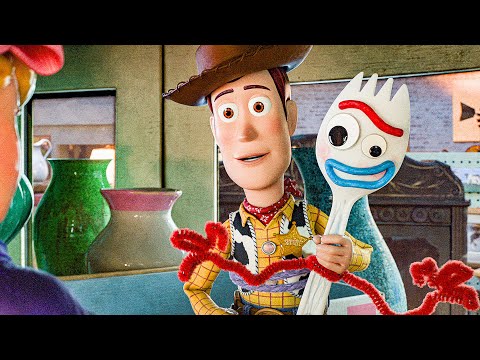
The 'Toy Story' movie franchise is extremely famous and has shaped how people think about toys.
Pratique na vida real
Contextos reais
At home with children
- Pick up your toys.
- Where is your toy?
- Don't break the toy.
- Share your toys.
Discussing future plans
- I'm toying with the idea.
- I've been toying with it for a while.
- Just toying with the thought.
- Not serious, just toying.
In a toy store
- Where is the toy section?
- Is this toy safe for toddlers?
- How much is this toy?
- Do you have any educational toys?
Talking about new gadgets
- My latest toy.
- A fun new toy.
- It's just a toy, really.
- Expensive toys.
Describing animal behavior
- The cat is toying with it.
- A new dog toy.
- Toying with a ball of yarn.
- Squeaky toy.
Iniciadores de conversa
"What was your favorite toy when you were a child?"
"Are you toying with any interesting ideas for your next vacation?"
"Do you think adults should have more 'toys' in their lives?"
"Have you ever felt like someone was toying with your emotions?"
"What's the most expensive 'toy' you've ever bought for yourself?"
Temas para diário
Describe a toy from your childhood that you will never forget. Why was it so special to you?
Write about an idea you are currently toying with. What are the pros and cons of actually doing it?
Reflect on the difference between a 'toy' and a 'tool' in your professional life.
How has the concept of toys changed since you were a child? Are modern toys better or worse?
Write a story where a character realizes they are just a 'toy' in a larger scheme.
Perguntas frequentes
10 perguntasYes, 'toy' can act as an attributive noun, which functions like an adjective. For example, in 'toy soldier' or 'toy store,' it describes the noun that follows. It usually means 'miniature' or 'for play.' It is very common in these compound structures.
Not necessarily. If you are 'toying with an idea,' it just means you are considering it casually. However, if you are 'toying with someone's feelings,' it is very negative and implies cruelty or manipulation. Context is key to determining the tone.
A 'toy poodle' is the smallest size category of the poodle dog breed. In this case, 'toy' is used as a specific technical term in dog breeding to indicate a miniature size. It doesn't mean the dog is a plaything, though they are often pets.
No, that is incorrect. If you are playing the piano casually, you could say 'I am toying with the keys' or 'I am just playing around on the piano.' Remember that the verb 'toy' almost always requires the preposition 'with' and an object.
In graffiti culture, a 'toy' is a person who is new to the scene or lacks skill. It is a serious insult. It suggests that the person is just 'playing' and doesn't respect the rules or the history of the art form. Calling an experienced artist a 'toy' can lead to conflict.
It is a countable noun. You can have one toy, two toys, many toys, or a few toys. You must use it with appropriate articles or plural markers. For example, 'The floor was covered in toys' is correct.
A toy is an object used for play. A hobby is a regular activity done for pleasure. You might use toys (like model trains) as part of your hobby, but the hobby is the activity itself, while the toy is the physical item.
The noun 'toy' is generally neutral. The verb 'toy with' can be used in formal writing (like news reports) to describe the casual consideration of a policy or idea. However, in most formal academic writing, you would use 'consider' or 'deliberate' instead.
You can use it as a noun: 'The cat has a new toy.' Or as a verb: 'The cat is toying with the string.' Both are very common. When cats 'toy' with something, it often implies they are batting it around with their paws.
Common synonyms include 'plaything,' 'gadget' (for adults), 'trinket' (for small items), and 'knick-knack' (for decorations). For the verb 'toy with,' synonyms include 'consider,' 'ponder,' 'fiddle with,' and 'flirt with' (an idea).
Teste-se 180 perguntas
Describe your favorite toy from childhood in three sentences.
Well written! Good try! Check the sample answer below.
Write a sentence using 'toy with' to describe an idea you have.
Well written! Good try! Check the sample answer below.
Explain the difference between a 'toy' and a 'tool' in your own words.
Well written! Good try! Check the sample answer below.
Write a short dialogue between a parent and a child about putting toys away.
Well written! Good try! Check the sample answer below.
Use the phrase 'toy with someone's emotions' in a short story paragraph.
Well written! Good try! Check the sample answer below.
Describe an adult 'toy' (gadget) that you would like to own.
Well written! Good try! Check the sample answer below.
Write a sentence using 'toy' as an adjective.
Well written! Good try! Check the sample answer below.
What are the benefits of educational toys for children? Write four sentences.
Well written! Good try! Check the sample answer below.
Write a sentence about a cat toying with something.
Well written! Good try! Check the sample answer below.
Use the word 'plaything' in a formal or literary sentence.
Well written! Good try! Check the sample answer below.
Write a sentence about a 'toy poodle'.
Well written! Good try! Check the sample answer below.
Explain what 'toying with fire' means in a specific situation.
Well written! Good try! Check the sample answer below.
Write a sentence using 'toyed' in the past tense.
Well written! Good try! Check the sample answer below.
Describe a 'toy shop' you have visited.
Well written! Good try! Check the sample answer below.
Write a sentence about a 'toy soldier'.
Well written! Good try! Check the sample answer below.
Use 'toy' in a sentence about a billionaire.
Well written! Good try! Check the sample answer below.
Write a sentence using 'toying' in the present continuous.
Well written! Good try! Check the sample answer below.
Explain the phrase 'a toy of fate' in your own words.
Well written! Good try! Check the sample answer below.
Write a sentence about a 'toy box'.
Well written! Good try! Check the sample answer below.
Use 'toy' to describe a miniature version of a house.
Well written! Good try! Check the sample answer below.
Talk about your favorite toy as a child for one minute.
Read this aloud:
Você disse:
Speech recognition is not supported in your browser. Try Chrome or Edge.
Explain an idea you are currently toying with.
Read this aloud:
Você disse:
Speech recognition is not supported in your browser. Try Chrome or Edge.
How would you tell a child to put their toys away?
Read this aloud:
Você disse:
Speech recognition is not supported in your browser. Try Chrome or Edge.
Discuss the pros and cons of expensive 'toys' for adults.
Read this aloud:
Você disse:
Speech recognition is not supported in your browser. Try Chrome or Edge.
What does 'toying with someone's feelings' mean to you?
Read this aloud:
Você disse:
Speech recognition is not supported in your browser. Try Chrome or Edge.
Describe a toy store you remember from your childhood.
Read this aloud:
Você disse:
Speech recognition is not supported in your browser. Try Chrome or Edge.
Roleplay: You are a salesperson in a toy store helping a customer.
Read this aloud:
Você disse:
Speech recognition is not supported in your browser. Try Chrome or Edge.
Explain the difference between a toy and a game to a friend.
Read this aloud:
Você disse:
Speech recognition is not supported in your browser. Try Chrome or Edge.
What are some common toys for pets in your country?
Read this aloud:
Você disse:
Speech recognition is not supported in your browser. Try Chrome or Edge.
Have you ever 'toyed with the idea' of moving to another country?
Read this aloud:
Você disse:
Speech recognition is not supported in your browser. Try Chrome or Edge.
Pronounce the words: boy, joy, toy, soy.
Read this aloud:
Você disse:
Speech recognition is not supported in your browser. Try Chrome or Edge.
What is a 'toy poodle'? Describe it.
Read this aloud:
Você disse:
Speech recognition is not supported in your browser. Try Chrome or Edge.
Is it okay to 'toy with the truth' in some situations?
Read this aloud:
Você disse:
Speech recognition is not supported in your browser. Try Chrome or Edge.
What is a 'toy soldier'? Have you ever seen one?
Read this aloud:
Você disse:
Speech recognition is not supported in your browser. Try Chrome or Edge.
What does 'toying with fire' mean in a sports context?
Read this aloud:
Você disse:
Speech recognition is not supported in your browser. Try Chrome or Edge.
Describe a 'soft toy' you once had.
Read this aloud:
Você disse:
Speech recognition is not supported in your browser. Try Chrome or Edge.
Why do adults call their gadgets 'toys'?
Read this aloud:
Você disse:
Speech recognition is not supported in your browser. Try Chrome or Edge.
What is a 'toy box' used for?
Read this aloud:
Você disse:
Speech recognition is not supported in your browser. Try Chrome or Edge.
Explain the phrase 'a toy of fate' to a classmate.
Read this aloud:
Você disse:
Speech recognition is not supported in your browser. Try Chrome or Edge.
What is the most popular toy in the world right now?
Read this aloud:
Você disse:
Speech recognition is not supported in your browser. Try Chrome or Edge.
Listen to the sentence: 'I'm toying with the idea of a new car.' What is the speaker doing?
Listen: 'Put your toys in the box.' Is this a question or a command?
Listen: 'He's such a toy.' In what context is this likely an insult?
Listen: 'She has a toy poodle.' How big is the dog?
Listen: 'Stop toying with your pen.' What is the person doing with the pen?
Listen: 'The billionaire's new toy is a yacht.' What is the yacht?
Listen: 'It's just a toy.' Is the speaker being serious?
Listen: 'Toying with disaster.' Does this sound safe or dangerous?
Listen: 'The toy store is on the third floor.' Where should you go?
Listen: 'A toy of fate.' Does the person have control?
Listen: 'Toying with her affections.' Is this a good relationship?
Listen: 'The cat toyed with the mouse.' What happened to the mouse?
Listen: 'Educational toys.' What are they for?
Listen: 'Toy soldier.' What is it made of?
Listen: 'Toy box.' What is inside?
/ 180 correct
Perfect score!
Summary
The word 'toy' bridges the gap between childhood innocence and adult casualness. Whether as a physical object of play or a verb for non-committal thought, it always implies a lack of serious, practical purpose in favor of amusement or experimentation. Example: 'He's just toying with the idea of quitting his job.'
- A toy is primarily an object for play, often associated with childhood and development, but also used to describe adult gadgets and luxuries.
- As a verb, 'to toy with' describes the act of handling something absentmindedly or considering a possibility without a serious commitment.
- The word can be used metaphorically to describe manipulation or a lack of respect in personal or political relationships.
- It also serves as an adjective to describe miniature versions of real-world objects, such as toy soldiers or toy poodles.
Always use 'with'
When using 'toy' as a verb, never forget the word 'with.' It connects the action to the object. 'I'm toying with the idea' is the correct pattern.
Adult 'Toys'
When adults call their expensive items 'toys,' they are being playful. It shows they enjoy the item very much, like a child enjoys a new doll.
Emotions
Be careful saying 'You are toying with me.' This is a strong statement that means you think the other person is being dishonest or manipulative.
Creative Metaphors
Use 'toy' to describe how nature or fate affects things. 'The wind toyed with the umbrella' makes your writing more vivid and interesting.