chopped 30秒了解
- Chopped describes items cut into small, often irregular pieces using a sharp tool like a knife or axe.
- It is most frequently used in cooking for ingredients like onions, nuts, and herbs.
- The word also applies to wood for fires and textured, layered hairstyles in fashion.
- Metaphorically, it appears in idioms like 'chopped liver' to mean someone who is ignored.
The adjective chopped refers to something that has been divided into smaller pieces through the action of a sharp instrument, typically a knife, axe, or cleaver. While it is a past participle of the verb 'to chop,' its use as a standalone adjective is ubiquitous in English, particularly within the culinary arts, forestry, and even fashion. When an ingredient is described as chopped, it implies a certain degree of irregularity and rustic preparation. Unlike 'diced,' which suggests uniform cubes, or 'minced,' which suggests extremely fine particles, chopped items retain enough of their original structure to be identifiable, yet are small enough to be incorporated into a larger mixture like a salad, stew, or salsa.
- Culinary Context
- In a kitchen, 'chopped' is the most common instruction found in recipes. It indicates that the chef should take a whole item—such as an onion, a bunch of parsley, or a handful of walnuts—and reduce it to smaller bits. The size can vary from 'roughly chopped' (large, chunky pieces) to 'finely chopped' (smaller, more delicate pieces).
The chef tossed the chopped cilantro over the finished tacos to add a burst of freshness.
Beyond the kitchen, the word is frequently applied to wood. Chopped wood is the primary fuel for fireplaces and wood-burning stoves. Here, the adjective describes the result of splitting logs into manageable pieces using an axe. This usage carries connotations of manual labor, preparation for winter, and a rustic lifestyle. In a more modern and perhaps surprising context, 'chopped' is used in the beauty industry to describe a specific style of haircut. A 'chopped' look often refers to a textured, layered hairstyle that looks intentional yet slightly messy, as if the hair was cut with quick, decisive strokes rather than precise, straight lines.
- Physical State
- The word emphasizes the transformation from a single unit to a collection of fragments. It suggests a mechanical process that has altered the surface area of the object, usually to make it more useful or easier to consume.
A pile of chopped logs sat by the cabin door, ready for the evening fire.
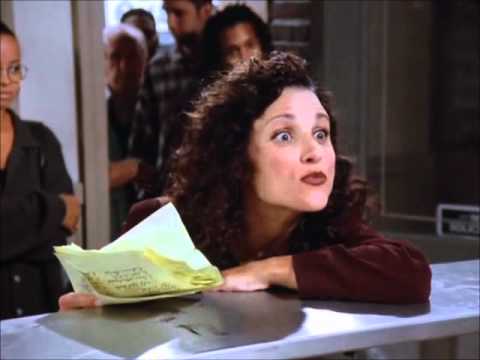
Metaphorically, 'chopped' can appear in idioms like 'chopped liver,' which describes someone who feels ignored or insignificant. This usage stems from the idea that chopped liver is often served as a side dish rather than a main course, leading to the rhetorical question, 'What am I, chopped liver?' implying that the speaker deserves as much attention as anyone else. Additionally, in the world of music, specifically hip-hop, 'chopped and screwed' refers to a technique where a track is slowed down and 'chopped' up with skips and scratches to create a psychedelic effect. This wide range of applications—from the physical act of cutting wood to the abstract feeling of being ignored—makes 'chopped' a versatile and essential adjective in the English lexicon.
The recipe calls for two cups of chopped walnuts to be folded into the brownie batter.
- Visual Texture
- Visually, chopped items present a multifaceted surface. Because the cuts are often irregular, they catch the light differently and provide a varied mouthfeel in food, which is why many people prefer chopped salads over whole-leaf salads.
He wore a chopped hairstyle that gave him a rugged, rebellious appearance.
The ground was covered in chopped straw to protect the new grass seeds from the wind.
Using the adjective chopped correctly requires understanding its position relative to the noun it modifies and the degree of preparation it implies. Most commonly, it functions as an attributive adjective, appearing directly before the noun: 'chopped onions,' 'chopped wood,' 'chopped liver.' However, it can also function as a predicative adjective following a linking verb: 'The vegetables were chopped and ready for the pot.' When using it in culinary contexts, it is often paired with adverbs to specify the size of the pieces, which is crucial for the timing and texture of a dish.
- Adverbial Modifiers
- Common pairings include 'finely chopped' (very small pieces), 'roughly chopped' (large, uneven pieces), and 'coarsely chopped' (medium-sized pieces). These modifiers help the reader visualize the exact state of the ingredient.
The recipe specifies finely chopped garlic so that it melts into the sauce without leaving large chunks.
In descriptive writing, 'chopped' can be used to convey a sense of abruptness or fragmentation. For instance, describing a 'chopped sea' refers to water with short, irregular waves, often caused by conflicting winds or currents. This usage moves away from the literal act of cutting and toward the visual pattern of the result. Similarly, 'chopped prose' refers to writing characterized by short, disconnected sentences that lack a smooth flow. In these cases, the adjective describes a rhythm or a visual pattern that mimics the jagged edges of something that has been physically chopped.
- Sentence Placement
- You can use 'chopped' as a subject complement: 'The wood is already chopped.' Or as part of a noun phrase: 'Bring me the chopped wood.'
After the storm, the beach was littered with chopped bits of driftwood and seaweed.
When discussing materials, 'chopped' often implies a secondary use. 'Chopped strand mat' is a term used in fiberglass manufacturing, where glass fibers are cut into short lengths and bonded together. In agriculture, 'chopped forage' or 'chopped hay' refers to feed that has been processed to make it easier for livestock to digest. In each of these technical fields, the adjective 'chopped' signifies a specific state of preparation that enhances the material's utility. Whether you are writing a technical manual, a gourmet recipe, or a descriptive novel, 'chopped' provides a precise way to describe the physical form of an object that has been reduced to smaller, irregular pieces.
The gardener used chopped leaves as mulch to keep the soil moist during the summer heat.
She preferred the chopped salad because every bite contained a perfect mix of all the ingredients.
- Compound Adjectives
- 'Chopped' frequently appears in compound forms like 'hand-chopped' or 'machine-chopped,' which further specify the method of preparation.
The restaurant prides itself on its hand-chopped steak tartare, which has a superior texture to ground meat.
We bought a bag of chopped ice for the party drinks.
The word chopped is a staple of everyday English, but its frequency peaks in specific environments. If you spend any time watching television, particularly reality TV or lifestyle programming, you will encounter this word constantly. The Food Network's hit show 'Chopped' has turned the word into a household name, where it serves as both the title and the ultimate fate of the losing contestants. In this context, 'being chopped' means being eliminated from the competition, a metaphorical extension of the physical act of cutting something away.
- In the Kitchen
- Whether in a professional kitchen or a home setting, the word is used to organize prep work. A head chef might shout, 'I need those chopped onions now!' or a parent might ask a child to help by putting the 'chopped carrots' into the salad bowl.
'Can you pass me the bowl of chopped nuts for the sundae bar?'
In the world of home improvement and gardening, 'chopped' is heard during seasonal transitions. You'll hear it at garden centers when people buy 'chopped bark' for mulching or 'chopped rubber' for playground surfaces. In rural areas, the sound of an axe hitting wood is often followed by the sight of 'chopped logs' being stacked. Here, the word is associated with preparation, hard work, and the tangible results of physical labor. It's a word that smells like fresh cedar or damp earth.
- In Pop Culture
- In the Southern United States, specifically Houston, 'chopped and screwed' is a legendary style of remixing music. You'll hear fans and DJs using 'chopped' to describe the rhythmic 'chopping' of the audio, creating a unique, stuttering sound.
The DJ played a chopped version of the hit single, giving it a completely different vibe.
Socially, you might hear the idiom 'chopped liver' in a self-deprecating or humorous way. If a group of friends is being served drinks and one person is skipped, they might say, 'What am I, chopped liver?' It’s a common way to express a feeling of being overlooked in a casual, non-confrontational manner. Furthermore, in certain American slang circles, 'chopped' can be used to describe someone who is considered unattractive, though this is quite informal and can be offensive. In most professional and polite contexts, however, 'chopped' remains firmly rooted in its literal meaning of being cut into pieces.
The news report mentioned that the chopped remains of the old pier were finally removed from the harbor.
She asked for a chopped salad with balsamic vinaigrette for her lunch.
- In Literature
- Authors use 'chopped' to describe the sea or the wind. A 'chopped wind' is one that changes direction frequently and abruptly, making it difficult for sailors to navigate.
The small boat struggled against the chopped waves of the bay.
The artisan used chopped glass to create a shimmering mosaic on the wall.
One of the most frequent errors learners make with the adjective chopped is failing to distinguish it from its culinary cousins: 'diced,' 'minced,' and 'sliced.' While they all involve a knife, they are not interchangeable. 'Chopped' is the most general term. If you use 'chopped' when a recipe specifically requires 'minced' garlic, you may end up with a dish that has an overwhelming, pungent bite because the pieces are too large. Conversely, using 'chopped' instead of 'sliced' for something like bread or a roast will result in a pile of fragments rather than the intended uniform pieces.
- Chopped vs. Diced
- 'Chopped' means irregular pieces of roughly the same size. 'Diced' means precise, uniform cubes. Use 'chopped' for rustic dishes like stews and 'diced' for professional-looking garnishes or salads where appearance is paramount.
Mistake: 'I need chopped bread for the sandwiches.' (Correct: 'sliced' bread).
Another common mistake involves the grammar of participles. Learners sometimes use the base verb 'chop' or the present participle 'chopping' when they should use the adjective 'chopped.' For example, saying 'I like chop onions' or 'Where is the chopping wood?' is grammatically incorrect when referring to the state of the object. 'Chopped' describes the completed state of the wood or onions. 'Chopping wood' refers to the wood that is currently being cut or the act itself. It is essential to use the '-ed' ending to describe the resulting state of the material.
- Chopped vs. Ground
- In American English, 'ground beef' is meat that has been put through a grinder. 'Chopped steak' is often used as a synonym in restaurants, but technically, 'chopped' meat should be cut with a knife, resulting in a different texture.
Mistake: 'The chopping parsley is on the counter.' (Correct: 'chopped' parsley).
Finally, be careful with the metaphorical use of 'chopped.' While 'chopped liver' is a common idiom, you cannot simply use 'chopped' to mean 'insignificant' in other contexts. You wouldn't say 'That was a chopped movie' to mean it was unimportant. The idiom is a fixed phrase. Similarly, in British English, 'getting the chop' is a fixed idiom for being fired; you wouldn't say 'I am chopped' to mean you lost your job. Stick to the literal meaning unless you are using a well-known idiomatic expression to avoid confusing your listeners.
Mistake: 'The waves were chopped up.' (While 'choppy' is the standard adjective for water, 'chopped' can be used in very specific nautical contexts, but 'choppy' is usually safer).
Mistake: 'I bought some chopped milk.' (Milk cannot be chopped; this is a category error. Use 'curdled' or 'spoiled' if it has chunks).
- Contextual Appropriateness
- Avoid using 'chopped' for delicate items that are usually 'torn' (like basil or lettuce in some traditions) or 'shredded' (like cheese or cabbage for slaw).
Correct: 'The chopped wood was dry.' Incorrect: 'The chopped paper was in the bin.' (Use 'shredded' for paper).
Correct: 'Add chopped celery.' Incorrect: 'Add chopped flour.' (Flour is a powder; it cannot be chopped).
The English language offers a rich palette of words to describe things that have been cut. Choosing the right alternative to chopped depends entirely on the size, shape, and method of the cutting. While 'chopped' is your reliable, all-purpose adjective, other words can provide much-needed precision in technical or culinary writing. Understanding these nuances will elevate your vocabulary from basic to advanced.
- Diced
- Diced items are cut into small, uniform cubes. This is more formal and precise than 'chopped.' Use 'diced' when the visual presentation of the food is important, such as in a salsa or a garnish.
The diced peppers added a colorful, geometric beauty to the plate.
'Minced' is another common alternative, referring to items cut into the smallest possible pieces. This is typically used for powerful ingredients like garlic, ginger, or herbs where you want the flavor to be distributed evenly without the diner biting into a large piece. 'Shredded,' on the other hand, describes items cut into long, thin strips. This is the standard term for cabbage in coleslaw, cheese for tacos, or pulled pork. 'Shredded' implies a different motion—usually rubbing the item against a grater or pulling it apart with forks—rather than the downward strike of a knife.
- Cubed
- Similar to diced, but usually refers to larger pieces. You might have 'cubed' steak or 'cubed' potatoes for roasting. It implies a larger, more substantial piece than 'chopped.'
She prepared a bowl of cubed watermelon for the picnic.
In non-culinary contexts, 'split' is often used for wood (split logs) to describe the action of breaking it along the grain. 'Slivered' is used for very thin, pointed pieces, most commonly 'slivered almonds.' 'Crushed' is used when the item has been broken by pressure rather than cutting, such as 'crushed ice' or 'crushed red pepper.' Each of these words carries a specific 'fingerprint' of the action that created it. By choosing 'chopped,' you are specifically highlighting the forceful, cutting nature of the preparation. If you want to emphasize the thinness, choose 'sliced'; if you want to emphasize the smallness, choose 'minced'; and if you want to emphasize the uniformity, choose 'diced.'
The slivered almonds provided a delicate crunch to the green beans.
He preferred shredded lettuce on his burgers for a better texture.
- Chunky
- While 'chopped' is an adjective of process, 'chunky' is an adjective of appearance. A 'chopped' salsa is often 'chunky,' meaning it contains large, thick pieces.
The soup was full of chunky, chopped vegetables.
The woodcutter left a pile of split cedar near the stove.
How Formal Is It?
趣味小知识
The term 'pork chop' didn't appear until the mid-18th century. Before that, the word 'chop' was primarily used for the action of cutting wood or the result of that action.
发音指南
- Pronouncing the 'ed' as a separate syllable (chopp-ed). It should be a single 't' sound at the end.
- Confusing the 'ch' sound with 'sh' (shopped).
- Vowel length: Making the 'o' too long like 'choped.'
- Dropping the final 't' sound completely.
- Pronouncing the 'p' too heavily.
难度评级
Very common in everyday texts and recipes.
Requires knowledge of correct spelling and adverb pairings.
Easy to pronounce once the final 't' sound is mastered.
Can be confused with 'shopped' or 'choppy' in fast speech.
接下来学什么
前置知识
接下来学习
高级
需要掌握的语法
Participial Adjectives
The 'chopped' onions (past participle used as an adjective).
Adverb-Adjective Pairing
Finely chopped (adverb modifies the adjective).
Compound Adjectives with Hyphens
Hand-chopped steak (hyphenated when before a noun).
Predicative vs Attributive
The chopped wood (attributive) vs The wood is chopped (predicative).
Passive Voice with 'Get'
The project got chopped (informal passive usage).
按水平分级的例句
I like chopped apples in my yogurt.
I like small pieces of apple.
Attributive adjective before the noun 'apples'.
Can you buy chopped tomatoes?
Tomatoes in a can or bag that are already cut.
Simple adjective usage.
The salad has chopped carrots.
The carrots in the salad are in small pieces.
Describing the state of the carrots.
We need chopped wood for the fire.
Wood that is cut into pieces for burning.
Noun phrase 'chopped wood'.
Put the chopped onions in the bowl.
Move the onion pieces to the bowl.
Definite article 'the' used with the adjective.
He eats chopped nuts on his ice cream.
Small pieces of nuts on top of dessert.
Plural noun 'nuts' modified by 'chopped'.
Is the garlic chopped?
Is the garlic cut into pieces yet?
Predicative adjective after the verb 'is'.
I see chopped ice in the glass.
The ice is in small bits, not one big cube.
Uncountable noun 'ice' modified by 'chopped'.
Add the chopped parsley at the end of the recipe.
Put the small green herb pieces in last.
Using 'chopped' in a sequence of instructions.
She prefers chopped salad because it is easier to eat.
She likes the salad cut into small bits.
Compound noun 'chopped salad'.
The store sells bags of chopped kale.
You can buy kale that is already cut.
Prepositional phrase 'of chopped kale'.
My dad has a pile of chopped logs in the yard.
There is a stack of cut wood outside.
Adjective modifying the noun 'logs'.
The recipe says to use chopped walnuts.
The instructions want nut pieces.
Infinitive phrase 'to use chopped walnuts'.
I don't like chopped liver.
I don't like the taste of this specific dish.
Literal use of the dish name.
The chopped meat is ready for the tacos.
The meat is cut and prepared.
Subject of the sentence.
He used chopped straw for the animal beds.
He put cut straw on the floor for animals.
Describing material usage.
The recipe calls for finely chopped ginger to add flavor.
Use very small pieces of ginger.
Adverb 'finely' modifying the adjective 'chopped'.
Roughly chopped chocolate makes the best cookies.
Large, uneven pieces of chocolate are good.
Adverb 'roughly' modifying the adjective 'chopped'.
What am I, chopped liver? You didn't invite me!
Am I not important? Why did you forget me?
Idiomatic usage.
The boat struggled through the chopped water of the bay.
The water had many small, rough waves.
Metaphorical/Descriptive use for water.
She has a new chopped haircut that looks very modern.
Her hair is cut in a textured, layered style.
Describing a fashion style.
The garden was covered in chopped bark to stop weeds.
Small pieces of wood bark were on the ground.
Describing garden mulch.
He bought some chopped dates for his morning oatmeal.
Small pieces of dried fruit for breakfast.
Specific ingredient description.
The chopped onions made her eyes water.
The cut onions caused tears.
Adjective phrase as the subject.
The chef insisted on hand-chopped herbs for the sauce.
The herbs must be cut by hand, not a machine.
Compound adjective 'hand-chopped'.
The chopped strand mat is essential for reinforcing the hull.
A specific material made of cut glass fibers.
Technical terminology.
The author's chopped prose creates a sense of constant tension.
The short, broken sentences make the reader feel tense.
Describing a literary style.
After the storm, the beach was covered in chopped debris.
There were many small, broken pieces of things on the sand.
Describing the result of natural force.
The chopped and screwed remix became a local sensation.
A specific type of slowed-down music remix.
Proper noun/Style name.
He felt like chopped liver when his ideas were ignored.
He felt insignificant and unimportant.
Simile using the idiom.
The machine produces chopped forage for the dairy cows.
The machine cuts grass into small pieces for cows.
Agricultural context.
A chopped wind made sailing across the channel difficult.
A wind that keeps changing direction quickly.
Nautical description.
The mosaic was crafted from thousands of tiny chopped glass pieces.
The art was made from small cut bits of glass.
Describing artistic material.
His chopped logic made it impossible to follow the argument.
His reasoning was fragmented and didn't make sense.
Abstract metaphorical use.
The recipe specifies coarsely chopped nuts to provide a rustic texture.
Use large, uneven pieces of nuts for a natural feel.
Adverbial modification for texture.
The chopped basalt fibers are used to strengthen the concrete.
Small pieces of rock fiber are added to the building material.
Specialized engineering context.
She adopted a chopped, staccato way of speaking when she was angry.
She spoke in short, sharp, disconnected bursts.
Describing speech patterns.
The film’s chopped editing style mirrors the protagonist's confusion.
The way the movie is cut reflects the character's mind.
Cinematic terminology.
The chopped hay was fermented into silage for the winter.
The cut grass was preserved for animal food.
Technical agricultural process.
The sea was a mess of chopped waves and white foam.
The water was very rough with many small, irregular peaks.
Evocative descriptive usage.
The philologist noted the chopped, archaic syntax of the manuscript.
The expert noticed the broken, old-fashioned sentence structure.
Highly academic/specialized context.
The artisan’s use of chopped straw in the plaster was a nod to tradition.
Using cut straw in the wall coating was a traditional choice.
Historical/Architectural context.
The chopped-up narrative requires the reader to piece the story together.
The story is not in order and is broken into parts.
Literary criticism.
He delivered his lines with a chopped, rhythmic precision.
He spoke his words with sharp, timed accuracy.
Describing performance art.
The chopped logic of the bureaucracy led to endless delays.
The fragmented rules of the office caused problems.
Social/Political metaphor.
The chopped strand reinforcement provides isotropic properties to the composite.
The cut fibers make the material strong in all directions.
Advanced materials science.
The landscape was a chopped expanse of small fields and stone walls.
The land was divided into many small, irregular parts.
Geographical description.
The chef’s hand-chopped tartare was a masterclass in texture.
The meat cut by hand was a perfect example of good food.
Gourmet culinary analysis.
常见搭配
常用短语
— In the context of the TV show, it means to be eliminated. In slang, it can mean to be defeated.
He got chopped in the first round of the competition.
— To keep changing one's mind or changing a plan frequently.
They chopped and changed the schedule so many times I lost track.
— Something that has just been cut and is therefore very fresh.
The smell of freshly chopped cedar filled the air.
— Cut into large, chunky pieces rather than small ones.
The recipe calls for coarsely chopped chocolate.
— A dish made of meat that has been cut into small pieces, similar to a hamburger but often higher quality.
I ordered the chopped steak with mushroom gravy.
— Ice that has been broken into small fragments for drinks.
The bartender filled the glass with chopped ice.
— Straw that has been cut into short lengths for animal bedding or garden mulch.
The stables were lined with clean chopped straw.
— Ham that has been cut into small bits, often used in salads or spreads.
She made a sandwich with chopped ham and mayo.
— Arguments that are overly complex, fragmented, or disconnected.
His chopped logic failed to convince the jury.
— A textured hairstyle with many layers.
She went to the salon and came out with a trendy chopped look.
容易混淆的词
Choppy is used for water or wind that is rough; chopped is for things physically cut into pieces.
Shopped is the past tense of shop (to buy things); chopped is about cutting.
Chipped means a small piece has broken off the edge of something (like a plate); chopped means the whole thing is cut into pieces.
习语与表达
— A rhetorical question used when someone feels they are being ignored or treated as insignificant.
You gave everyone else a drink but me. What am I, chopped liver?
informal— To be fired from a job or to have a project or plan cancelled (British English).
The marketing department is going to get the chop in the next round of layoffs.
informal/British— A style of hip-hop music characterized by a slowed-down tempo and rhythmic skipping.
I love listening to chopped and screwed tracks late at night.
slang/musical— In a position where one is likely to be eliminated, fired, or cancelled.
With the budget cuts, our program is on the chopping block.
idiomatic— An exclamation used to tell someone to hurry up.
The bus is leaving in two minutes. Chop chop!
informal— To argue in a way that is overly pedantic or fragmented.
Stop trying to chop logic and just admit you were wrong.
literary/rare— To have a long, casual conversation with someone (slang).
We spent the whole afternoon just chopping it up on the porch.
slang— To continually change your mind, plans, or opinions.
You can't just chop and change your mind every five minutes.
informal— Used in South African English to mean someone is a fool or an idiot.
Don't be such a chop; just do your homework.
slang/South African— To show great anticipation or excitement for something, usually food.
The dog was licking his chops as I prepared his dinner.
informal容易混淆
Both involve cutting food into pieces.
Diced implies uniform cubes; chopped implies irregular, rustic pieces.
I diced the carrots for the fancy salad but chopped them for the stew.
Both involve cutting food into small pieces.
Minced is much finer than chopped, almost like a paste.
The recipe needs minced garlic, not just chopped garlic.
Both describe food that has been cut up.
Shredded pieces are long and thin; chopped pieces are chunky and irregular.
I want shredded cheese on my tacos, but chopped tomatoes.
Both are ways of cutting food.
Sliced pieces are flat and thin; chopped pieces are small chunks.
I like sliced bread but chopped nuts.
Both describe meat that has been reduced in size.
Ground meat is put through a machine; chopped meat is cut with a knife.
Hand-chopped steak has a better texture than ground beef.
句型
I like [chopped] [noun].
I like chopped fruit.
Add the [chopped] [noun] to the [noun].
Add the chopped onions to the soup.
The recipe calls for [adverb] [chopped] [noun].
The recipe calls for finely chopped garlic.
[Noun] is [chopped] and [adjective].
The wood is chopped and dry.
The [noun] was a [noun] of [chopped] [noun].
The sea was a mess of chopped waves.
His [abstract noun] was as [adjective] as [chopped] [noun].
His logic was as fragmented as chopped straw.
What am I, [chopped liver]?
What am I, chopped liver?
He prefers [hand-chopped] [noun].
He prefers hand-chopped beef.
词族
名词
动词
形容词
相关
如何使用
Very high in culinary and DIY contexts.
-
I want a chopped of bread.
→
I want a slice of bread.
Bread is usually sliced into flat pieces, not chopped into irregular chunks.
-
The chopping wood is in the yard.
→
The chopped wood is in the yard.
Use the '-ed' form (chopped) to describe the wood that has already been cut.
-
He is chopped liver.
→
What am I, chopped liver?
The idiom is almost always used as a rhetorical question about oneself, not as a direct description of someone else.
-
The sea was chopped.
→
The sea was choppy.
While 'chopped' can be used in literature, 'choppy' is the standard adjective for rough water.
-
I need chopped flour for the cake.
→
I need sifted flour for the cake.
Flour is a powder and cannot be chopped. You might 'sift' it to remove lumps.
小贴士
Knife Safety
When preparing chopped vegetables, keep your fingertips tucked in to avoid cutting yourself.
Size Matters
Remember to use 'finely' for small bits and 'roughly' for large chunks to be more precise.
Liver Logic
Use 'What am I, chopped liver?' only with friends; it might sound too aggressive with a boss.
Hair Texture
If you want a 'chopped' haircut, ask your stylist for 'textured layers' to get the right look.
Mulch Choice
Chopped leaves make excellent free mulch for your garden beds in the autumn.
Avoid Repetition
If you've used 'chopped' once, try 'diced' or 'cut' in the next sentence to keep your writing interesting.
The Final T
Focus on making the 't' sound at the end of 'chopped' very short and sharp.
Pre-Chopped Convenience
Buying pre-chopped onions at the store can save you time and tears, but they are often more expensive.
Remix Terms
If you like slow, trippy music, search for 'chopped and screwed' playlists on streaming services.
Adjective vs Verb
Always check if 'chopped' is describing a noun (adjective) or telling what someone did (verb).
记住它
记忆技巧
Think of the 'CH' in CHopped as the sound of a CHef's knife hitting a board. The 'OP' is like the pieces pOPping off the knife.
视觉联想
Imagine a pile of small, square-ish pieces of onion on a wooden board next to a large, sharp knife. The irregularity of the pieces is the key to 'chopped.'
Word Web
挑战
Try to describe three things in your kitchen right now that could be 'chopped.' Use the word in a full sentence for each.
词源
The word 'chopped' comes from the Middle English verb 'choppen,' which emerged in the 14th century. It is likely related to the Middle Dutch word 'koppen,' meaning to cut or behead. The root implies a sharp, forceful blow.
原始含义: To strike with a heavy blow or to cut something into pieces with a sharp instrument.
Germanic文化背景
Be careful with the slang use of 'chopped' to mean unattractive, as it is derogatory.
In the UK, 'chopped' is often used for wood, while 'diced' or 'minced' is more common in high-end recipes. In the US, 'chopped' is the dominant term for almost any cut vegetable.
在生活中练习
真实语境
Cooking a meal
- Add chopped onions
- Finely chopped garlic
- Roughly chopped nuts
- Chopped fresh herbs
Preparing for winter
- Stack the chopped wood
- Need more chopped logs
- Freshly chopped cedar
- Dry chopped firewood
Ordering at a restaurant
- I'll have the chopped salad
- Extra chopped nuts, please
- Is the steak hand-chopped?
- No chopped onions on mine
Describing a hairstyle
- A chopped look
- Short chopped layers
- Chopped and textured
- Trendy chopped cut
Discussing music
- Chopped and screwed remix
- Chopped beats
- Rhythmic chopped sound
- Chopped vocal samples
对话开场白
"Do you prefer your salad whole or do you like a good chopped salad?"
"Have you ever seen the cooking show 'Chopped'? It's so intense!"
"Do you think hand-chopped meat actually tastes better than ground meat?"
"How much chopped wood do you think we need to survive a cold winter?"
"What's the hardest thing you've ever had to use a knife to get chopped?"
日记主题
Describe the sounds and smells of a kitchen where someone is preparing a meal with many chopped ingredients.
Write about a time you felt like 'chopped liver' in a social situation. How did you handle it?
Imagine you are a piece of wood being chopped for a fire. Describe the experience from your perspective.
Compare the textures of a chopped salad versus a traditional salad. Which do you prefer and why?
Discuss the importance of precision in cooking. When is 'chopped' good enough, and when do you need 'diced'?
常见问题
10 个问题It can be both. In 'I chopped the onions,' it is a verb. In 'I like chopped onions,' it is an adjective describing the state of the onions.
Yes, a 'chopped' hairstyle refers to a layered, textured look that is very popular in modern fashion.
It is an idiom used to describe someone who feels ignored or unimportant, as if they are a side dish rather than the main course.
No. 'Chopped' implies an intentional act of cutting with a tool. 'Broken' usually implies an accident or pressure.
In nautical contexts, yes, to describe rough water with many small waves, though 'choppy water' is more common.
Finely chopped usually means pieces about 1/8 inch (3mm) or smaller, whereas 'roughly chopped' can be 1/2 inch or larger.
It is a technical material used in fiberglass manufacturing, consisting of short glass fibers held together by a binder.
No, you can only chop solids. For liquids, you might use 'whisked' or 'blended' if you are mixing them.
The 'chopped' part refers to the rhythmic skipping and scratching of the track, while 'screwed' refers to the slowed-down speed.
It is neutral. It is perfectly acceptable in formal recipes or technical manuals, but also in very casual conversation.
自我测试 200 个问题
Describe your favorite salad using the word 'chopped'.
Well written! Good try! Check the sample answer below.
Write a short recipe instruction using 'finely chopped' and 'roughly chopped'.
Well written! Good try! Check the sample answer below.
Explain the idiom 'chopped liver' to a friend who doesn't know it.
Well written! Good try! Check the sample answer below.
Describe a scene in a forest involving chopped wood.
Well written! Good try! Check the sample answer below.
Write a sentence using 'chopped' to describe a hairstyle.
Well written! Good try! Check the sample answer below.
Compare 'chopped' and 'diced' in three sentences.
Well written! Good try! Check the sample answer below.
Describe a rough sea using the word 'chopped'.
Well written! Good try! Check the sample answer below.
Write a short paragraph about a 'chopped and screwed' music track.
Well written! Good try! Check the sample answer below.
Use 'chopped logic' in a sentence about a confusing argument.
Well written! Good try! Check the sample answer below.
Describe the texture of hand-chopped steak tartare.
Well written! Good try! Check the sample answer below.
Write a dialogue where someone says 'What am I, chopped liver?'
Well written! Good try! Check the sample answer below.
Explain why a chef might prefer chopped herbs over whole ones.
Well written! Good try! Check the sample answer below.
Describe the visual appearance of a pile of chopped logs.
Well written! Good try! Check the sample answer below.
Write a sentence about chopped glass being used in art.
Well written! Good try! Check the sample answer below.
Describe the smell of freshly chopped onions.
Well written! Good try! Check the sample answer below.
Write a sentence about chopped forage for farm animals.
Well written! Good try! Check the sample answer below.
Use 'chopped prose' to describe a book you read.
Well written! Good try! Check the sample answer below.
Describe a storm's aftermath using 'chopped debris'.
Well written! Good try! Check the sample answer below.
Write a sentence using 'machine-chopped'.
Well written! Good try! Check the sample answer below.
Describe the feeling of walking on chopped straw.
Well written! Good try! Check the sample answer below.
Pronounce the word 'chopped' clearly. Focus on the final 't' sound.
Read this aloud:
你说的:
Speech recognition is not supported in your browser. Try Chrome or Edge.
Tell a short story about making a salad with chopped vegetables.
Read this aloud:
你说的:
Speech recognition is not supported in your browser. Try Chrome or Edge.
Explain the difference between chopped and diced out loud.
Read this aloud:
你说的:
Speech recognition is not supported in your browser. Try Chrome or Edge.
Use the idiom 'chopped liver' in a sentence about yourself.
Read this aloud:
你说的:
Speech recognition is not supported in your browser. Try Chrome or Edge.
Describe a 'chopped' hairstyle you have seen.
Read this aloud:
你说的:
Speech recognition is not supported in your browser. Try Chrome or Edge.
Read the following sentence with emotion: 'What am I, chopped liver?'
Read this aloud:
你说的:
Speech recognition is not supported in your browser. Try Chrome or Edge.
Explain why chopped wood is important for a fireplace.
Read this aloud:
你说的:
Speech recognition is not supported in your browser. Try Chrome or Edge.
Describe a rough sea using the word 'chopped'.
Read this aloud:
你说的:
Speech recognition is not supported in your browser. Try Chrome or Edge.
Talk about a time you had to chop something difficult.
Read this aloud:
你说的:
Speech recognition is not supported in your browser. Try Chrome or Edge.
Discuss the pros and cons of buying pre-chopped food.
Read this aloud:
你说的:
Speech recognition is not supported in your browser. Try Chrome or Edge.
Describe the texture of chopped nuts on ice cream.
Read this aloud:
你说的:
Speech recognition is not supported in your browser. Try Chrome or Edge.
Explain the term 'chopped and screwed' to a music fan.
Read this aloud:
你说的:
Speech recognition is not supported in your browser. Try Chrome or Edge.
Read this sentence: 'The finely chopped garlic sizzled in the pan.'
Read this aloud:
你说的:
Speech recognition is not supported in your browser. Try Chrome or Edge.
Describe a pile of chopped logs using three adjectives.
Read this aloud:
你说的:
Speech recognition is not supported in your browser. Try Chrome or Edge.
Talk about a movie or book that had a 'chopped' narrative.
Read this aloud:
你说的:
Speech recognition is not supported in your browser. Try Chrome or Edge.
Explain how chopped straw is used in a garden.
Read this aloud:
你说的:
Speech recognition is not supported in your browser. Try Chrome or Edge.
Describe the visual difference between chopped and shredded lettuce.
Read this aloud:
你说的:
Speech recognition is not supported in your browser. Try Chrome or Edge.
Read this: 'The chopped basalt fibers strengthen the concrete.'
Read this aloud:
你说的:
Speech recognition is not supported in your browser. Try Chrome or Edge.
Tell a joke that uses the word 'chopped'.
Read this aloud:
你说的:
Speech recognition is not supported in your browser. Try Chrome or Edge.
Describe the sound of wood being chopped.
Read this aloud:
你说的:
Speech recognition is not supported in your browser. Try Chrome or Edge.
Listen to the sentence: 'Add the chopped onions.' Which word describes the onions?
Listen for the difference: 'chopped' vs 'shopped'. Which one means cut?
Listen to the recipe: 'Take two finely chopped cloves of garlic.' How should the garlic be cut?
Listen to the idiom: 'What am I, chopped liver?' What does the speaker feel?
Listen to the description: 'The sea was chopped and grey.' What was the water like?
Listen for the final sound in 'chopped'. Is it a 'd' or a 't'?
Listen to the phrase: 'chopped strand mat'. What industry is this from?
Listen to the news: 'The chopped remains were found.' What happened to the object?
Listen to the music critic: 'The track is chopped and screwed.' What is the style?
Listen to the gardener: 'I use chopped leaves for mulch.' What is the material?
Listen to the chef: 'I need roughly chopped walnuts.' Are the pieces small or large?
Listen to the fashionista: 'Her hair has a chopped look.' Is it a smooth style?
Listen to the builder: 'We need chopped basalt.' What is it for?
Listen to the sailor: 'The wind is chopped today.' Is the wind steady?
Listen to the child: 'I want chopped apples!' What does the child want?
/ 200 correct
Perfect score!
Summary
The adjective 'chopped' is essential for describing the physical state of items reduced to fragments. Whether you are following a recipe for 'chopped tomatoes' or stacking 'chopped wood,' it signifies a functional and often rustic preparation.
- Chopped describes items cut into small, often irregular pieces using a sharp tool like a knife or axe.
- It is most frequently used in cooking for ingredients like onions, nuts, and herbs.
- The word also applies to wood for fires and textured, layered hairstyles in fashion.
- Metaphorically, it appears in idioms like 'chopped liver' to mean someone who is ignored.
Knife Safety
When preparing chopped vegetables, keep your fingertips tucked in to avoid cutting yourself.
Size Matters
Remember to use 'finely' for small bits and 'roughly' for large chunks to be more precise.
Liver Logic
Use 'What am I, chopped liver?' only with friends; it might sound too aggressive with a boss.
Hair Texture
If you want a 'chopped' haircut, ask your stylist for 'textured layers' to get the right look.