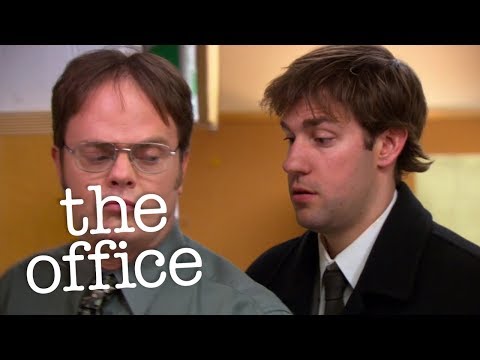
glare 30秒了解
- Glare is both a harsh, blinding light and a very angry, piercing look directed at someone.
- As a verb, it means to shine unpleasantly or to look at someone with intense hostility.
- It is commonly used in contexts like driving safety, screen ergonomics, and describing social tension.
- The adjective 'glaring' often describes very obvious and serious mistakes or omissions.
- Physical Phenomenon
- A harsh, dazzling light that causes visual distress or temporary blindness, often resulting from direct sunlight or reflection.
The teacher gave the disruptive student a cold glare that immediately silenced the entire classroom.
- Emotional Expression
- A long, fixed look of anger or contempt directed at someone to show displeasure without speaking.
The winter sun produced a blinding glare against the white snow, making it impossible to see the trail.
- Metaphorical Use
- The intense and often uncomfortable pressure of public attention or critical examination.
Politicians often have to live their lives in the glare of constant media attention.
She didn't say a word, but she continued to glare at him until he apologized.
The headlights of the oncoming truck began to glare in my rearview mirror.
- Noun: Light Context
- Focuses on the quality and effect of the brightness. Common modifiers include 'sun,' 'screen,' or 'headlight.'
The sudden glare from the explosion forced everyone to shield their eyes.
- Adjective: Glaring
- Used to describe something (usually a mistake) that is highly obvious and impossible to miss.
There was a glaring discrepancy in the financial report that the auditor noticed immediately.
- Verb: Human Action
- To stare in an angry or fierce way. Usually followed by the preposition 'at.'
Don't just glare at me; tell me what I did wrong!
The sun glared off the surface of the lake, making it hard to see the fish.
The glare from the stage lights made it difficult for the actor to see the audience.
- Tech and Ergonomics
- Refers to unwanted reflections on screens that cause eye fatigue and reduce contrast.
The pilot complained about the glare from the clouds during the descent.
- Media and Fame
- Describes the intense, often intrusive nature of public attention and the media's focus on a person or event.
The defendant sat silently, avoiding the glare of the cameras in the courtroom.
The architect designed the building with deep eaves to protect the interior from the harsh glare of the desert sun.
- Sports Context
- The difficulty of seeing a ball or opponent when light is shining directly into the eyes.
The outfielder missed the fly ball because of the glare coming off the stadium roof.
The bright glare from the white sand made the tropical beach look like a paradise, but it was hard on the eyes.
- Glare vs. Stare
- A stare is neutral or curious; a glare is specifically angry or piercing.
Incorrect: The sunset gave a beautiful glare over the mountains. (Correct: glow)
- Adjective Misuse
- 'Glaring' is used for obvious negatives, not obvious positives.
The glaring lack of evidence led to the case being dismissed.
- Glare vs. Glance
- A glance is a very quick look; a glare is a long, sustained look.
He gave a quick glance at his watch, then returned to his angry glare at the waiter.
The glare from the polished floor was so strong it looked like water.
- Dazzle
- A brightness that confuses the vision or impresses the mind; often more positive than glare.
Instead of a glare, he had a permanent scowl on his face that made him look unapproachable.
- Glower
- To look or stare with sullen annoyance or anger.
The coach's glare was enough to tell the players they had failed the drill.
- Scowl
- An angry or bad-tempered expression; specifically involving the furrowing of the brows.
The glare of the headlights in the fog made it impossible to see the road signs.
The glare from the shiny new building was causing complaints from the neighbors across the street.
How Formal Is It?
趣味小知识
The use of 'glare' to mean an angry look didn't appear until much later, around the 17th century. It likely developed because an angry look is 'intense' and 'piercing,' much like a bright light.
发音指南
- Pronouncing it like 'glayer' with two syllables.
- Confusing the vowel sound with 'gleer' (like 'clear').
- Not pronouncing the 'g' clearly enough.
- Making the 'air' sound too short like 'glah'.
- Adding an extra 'e' sound at the end.
难度评级
Common in novels and news, usually easy to understand from context.
Requires knowing the correct prepositions (at, off) and adjective use (glaring).
Easy to pronounce but must be used with the right tone.
Easily confused with 'stare' or 'glance' if not careful.
接下来学什么
前置知识
接下来学习
高级
需要掌握的语法
Intransitive vs. Transitive
The sun glares (intransitive). He glares at me (transitive with preposition).
Participle as Adjective
A glaring error (present participle used as an adjective).
Noun Countability
The glare (uncountable light). He gave me a glare (countable look).
Prepositional Collocation
Always use 'at' for people: 'glare at someone'.
Word Order with Adverbs
He glared angrily at the broken vase.
按水平分级的例句
The sun has a very strong glare today.
The bright light is hard to look at.
Noun used as the subject's attribute.
He gave me an angry glare.
He looked at me with mad eyes.
Noun used as a direct object.
I cannot see because of the glare.
The light is too bright for my eyes.
Noun following a preposition.
Don't glare at your sister.
Don't look at her with angry eyes.
Imperative verb followed by 'at'.
The glare from the window is bright.
The light reflecting off the glass is strong.
Noun as the subject.
She glared when I took her toy.
She looked angry when I took the toy.
Past tense verb.
The cat gave a silent glare.
The cat looked angry but didn't make a sound.
Noun modified by an adjective.
Wear a hat to stop the glare.
Use a hat so the bright light doesn't hurt your eyes.
Noun as the object of the infinitive.
There is a lot of glare on my computer screen.
The light reflects off the monitor.
Noun in a 'there is' construction.
The driver was blinded by the glare of the headlights.
The car lights were too bright for the driver.
Passive voice with 'by the glare'.
Why are you glaring at me like that?
Why are you looking at me so angrily?
Present continuous question.
The sun glared off the white snow.
The light was very bright on the snow.
Verb followed by 'off'.
He didn't say anything, he just glared.
He was silent but looked very mad.
Intransitive use of the verb.
I bought sunglasses to reduce the glare while driving.
I got glasses to help with the bright light.
Noun as the object of 'reduce'.
The teacher's glare made the students quiet.
The teacher's angry look stopped the noise.
Possessive noun.
The bright glare of the desert sun is dangerous.
The desert light is very harsh.
Noun phrase as the subject.
The glare from the lake was almost overwhelming.
The reflection from the water was very strong.
Noun modified by a prepositional phrase.
She gave him a withering glare after his rude comment.
She looked at him with a very strong, angry look.
Noun modified by the adjective 'withering'.
The report contained several glaring errors.
The report had many very obvious mistakes.
Adjective 'glaring' modifying 'errors'.
He continued to glare at the waiter until the food arrived.
He kept looking angrily at the server.
Infinitive verb 'to glare'.
The anti-glare coating on my glasses really helps.
The special layer on my glasses stops reflections.
Compound noun 'anti-glare'.
The glare of the spotlight made him nervous.
The bright light on stage made him feel uneasy.
Metaphorical use of 'glare'.
I could see the glare of the city lights from miles away.
The bright glow of the city was visible in the distance.
Noun as the object of 'see'.
She tried to ignore his constant glaring.
She tried not to notice how he kept looking at her angrily.
Gerund used as a noun.
The politician struggled under the glare of public scrutiny.
The politician had a hard time with everyone watching and judging.
Idiomatic phrase 'glare of public scrutiny'.
The icy glare she directed at him was enough to stop him in his tracks.
Her very cold, angry look made him stop immediately.
Relative clause 'she directed at him' modifying 'glare'.
The glare of the midday sun can be quite punishing in this region.
The sun is very harsh and difficult to bear at noon.
Adjective 'punishing' describing the effect of the glare.
There was a glaring omission in the contract that we missed.
There was a very obvious thing left out of the contract.
Adjective 'glaring' meaning 'obvious'.
The stadium lights glared down on the players, creating long shadows.
The powerful lights shone harshly on the field.
Verb 'glared' with the particle 'down'.
He met my gaze with a defiant glare.
He looked back at me with an angry, challenging look.
Noun modified by 'defiant'.
The glare off the polished marble floor was disorienting.
The reflection from the floor made me feel confused.
Noun followed by the preposition 'off'.
She was used to living her life in the glare of the media.
She was accustomed to being famous and always watched.
Prepositional phrase 'in the glare of'.
The glare of the desert sun is amplified by the vast stretches of white sand.
The brightness is made even stronger by the sand.
Passive voice 'is amplified'.
In the cold glare of hindsight, the decision seems remarkably short-sighted.
Looking back now, the choice looks very bad.
Metaphorical use of 'cold glare'.
The witness withered under the prosecutor's stony glare.
The witness lost confidence because of the lawyer's hard look.
Verb 'withered' used to show the effect of the glare.
The architect incorporated louvers to mitigate the glare from the glass facade.
The designer used special slats to reduce the bright reflections.
Technical vocabulary: 'mitigate', 'facade'.
There is a glaring contradiction between his words and his actions.
What he says and what he does are very obviously different.
Abstract use of 'glaring'.
The glare of the flashbulbs momentarily blinded the award winner.
The camera lights made the winner unable to see for a second.
Noun as the subject of 'blinded'.
He glared at the intruder with a mixture of fear and fury.
He looked at the person who broke in with both fear and anger.
Verb followed by 'with a mixture of'.
The sun's glare made the mountain peak appear as a silhouette.
The light was so bright the mountain just looked like a dark shape.
Noun phrase as the cause.
The harsh glare of the interrogation lamp left no room for evasion.
The bright light made it impossible for the suspect to hide the truth.
Literary use of 'glare' to set a mood.
She navigated the treacherous social landscape under the constant glare of her rivals.
She dealt with difficult social situations while her enemies watched her closely.
Metaphorical 'glare' as constant surveillance.
The glare of the explosion was visible from the upper atmosphere.
The light from the blast could be seen from space.
Noun indicating extreme intensity.
His glaring inability to empathize with others led to his professional downfall.
His very obvious lack of sympathy caused him to lose his job.
Adjective 'glaring' modifying 'inability'.
The winter sun, low in the sky, cast a long, blinding glare across the frozen tundra.
The low sun made a very bright, long light on the ice.
Complex sentence with multiple modifiers.
He stood his ground, meeting the tyrant's glare with an unblinking stare of his own.
He was brave and looked back at the angry leader without moving.
Contrast between 'glare' and 'stare'.
The glare of the computer screens in the darkened room gave the workers a ghostly appearance.
The light from the monitors made the people look like ghosts.
Noun as the source of light.
To live in the glare of history is to have every flaw magnified by time.
Being famous in history means everyone will see your mistakes clearly.
Philosophical use of 'glare'.
常见搭配
常用短语
— Being the center of intense public attention or fame.
The young actor struggled in the glare of the spotlight.
— To look at someone with a very angry or hostile expression.
The boss glared at the employee who arrived late.
— When light reflects harshly from a surface.
The light glared off the shiny metal table.
— A mistake that is very obvious and easy to see.
It was a glaring mistake to leave the door unlocked.
— Subject to intense scrutiny or bright lighting.
The suspect was questioned under the glare of the office lights.
— To stay away from bright light or public attention.
He moved his desk to avoid the glare from the window.
— A very strong and unpleasant light.
The harsh glare of the desert sun is difficult to bear.
— To look at someone for a long time in an angry way.
They did nothing but stare and glare at each other.
— Designed to reduce or prevent uncomfortable reflections.
I bought an anti-glare screen protector for my phone.
容易混淆的词
A stare is just looking for a long time; a glare is looking angrily.
A glow is soft and nice; a glare is harsh and hurts the eyes.
A glance is very fast; a glare is long and sustained.
习语与表达
— Being watched and judged closely by the general public.
The company's finances are now in the glare of public scrutiny.
formal— A very obvious and significant difference between two things that should be the same.
There is a glaring discrepancy between the two witness statements.
formal— The intense attention given to someone or something by the media.
He preferred to live his life away from the glare of publicity.
neutral— Extremely easy to see or understand; impossible to ignore.
It was glaringly obvious that she was lying.
neutral— Intense and often intrusive focus from news organizations.
The family asked for privacy in the glare of the media.
neutral— To lose confidence or become upset because of someone's angry look.
The intern withered under the manager's glare.
literary— The harsh and unavoidable truth of a situation.
In the cold glare of reality, their business plan was failing.
literary— The brightest part of the day, often used to mean 'in plain sight'.
The crime was committed in the full glare of the day.
literary— A look that is completely cold, hard, and showing no emotion except anger.
He gave her a stony glare and walked away.
neutral— Light so bright that it makes it impossible to see for a moment.
The blinding glare of the explosion was seen for miles.
neutral容易混淆
Both mean looking angrily.
Glower is more about a moody, sullen expression that lasts a long time, while glare is sharper and more piercing.
He glowered in the corner all night, but he glared at me when I spoke.
Both are angry facial expressions.
A scowl is specifically about the eyebrows and forehead; a glare is specifically about the intensity of the eyes.
She scowled at the paper and then gave the teacher a glare.
Both describe very bright light.
Dazzle is often positive or impressive (like diamonds), while glare is almost always negative and uncomfortable.
The dazzle of the jewels was beautiful, but the glare of the sun was annoying.
Both involve bright light.
A flare is a sudden, short burst of light; a glare is a steady, continuous harsh light.
The emergency flare lit up the sky, but the glare of the sun stayed all day.
Both describe light from a surface.
A gleam is a small, often pleasant bit of light (like in someone's eye); a glare is large and unpleasant.
There was a gleam of hope in his eyes, despite the glare of the harsh room lights.
句型
The [noun] is [adjective] glare.
The sun is bright glare.
Subject glare(s) at [person].
She glares at her brother.
There is a glare on [surface].
There is a glare on the water.
Subject give(s) [person] a [adjective] glare.
He gave me an icy glare.
In the glare of [abstract noun]...
In the glare of public scrutiny, he failed.
Subject [verb] under the glare of...
The witness crumbled under the glare of the lights.
It was a glaring [noun].
It was a glaring omission.
The glare off [noun] [verb]...
The glare off the snow blinded him.
词族
名词
动词
形容词
相关
如何使用
Common in both spoken and written English, especially in news and fiction.
-
The sunset had a beautiful glare.
→
The sunset had a beautiful glow.
'Glare' is negative and harsh. Sunsets are usually pleasant, so 'glow' is the correct word.
-
He glared me for being late.
→
He glared at me for being late.
The verb 'glare' requires the preposition 'at' when it has a human object.
-
I made a glaring success today!
→
I made a huge success today!
'Glaring' is almost exclusively used for negative things like errors or omissions.
-
The diamond's glare was amazing.
→
The diamond's sparkle (or brilliance) was amazing.
'Glare' suggests the light is annoying. For a diamond, you want to emphasize its beauty.
-
I gave a quick glare at my watch.
→
I gave a quick glance at my watch.
A 'glare' is a long, angry look. A 'glance' is a quick look. You don't usually get angry at your watch.
小贴士
Choosing the Right Verb
When talking about light, use 'glare off' for reflections and 'glare down' for the sun. When talking about people, always use 'glare at'.
Strong Adjectives
Pair 'glare' with adjectives like 'icy,' 'withering,' or 'stony' to describe exactly how angry someone looks.
Driving Tip
Remember that 'sun glare' is a leading cause of accidents. If you hear this in a weather report, it means you should wear sunglasses and be careful.
Screen Comfort
If you have eye strain, check for 'screen glare.' Moving your monitor away from windows can help reduce the glare.
Metaphorical Power
Use 'the glare of' to describe situations where someone is being judged, like 'the glare of the courtroom' or 'the glare of fame'.
Adjective Form
Don't forget the word 'glaringly.' You can say something is 'glaringly obvious' to mean it is extremely easy to see.
Non-verbal Cues
In English, a glare is a strong signal. If you glare at someone, expect them to ask 'What did I do?' or to become defensive.
Setting the Scene
Authors use 'harsh glare' to make a room feel cold, clinical, or unfriendly. It's a great way to set a negative mood.
One Syllable
Keep 'glare' to one syllable. It should rhyme perfectly with 'air,' 'fair,' and 'stare.'
Glare vs. Glow
Always remember: Glare = Painful/Angry. Glow = Pleasant/Warm. This will help you avoid the most common mistake.
记住它
记忆技巧
Think of 'GLARE' as 'Great Light Always Ruins Eyes' or 'Grumpy Look Always Reveals Enmity.'
视觉联想
Imagine a person wearing very dark sunglasses because the sun is too bright, while they are also looking angrily at someone who forgot to bring them a hat.
Word Web
挑战
Try to use 'glare' as a noun for light and a verb for anger in the same sentence, like: 'The glare of the sun made me glare at the bright sky.'
词源
The word 'glare' originated in the late Middle English period, around the 14th century. It is believed to have come from the Middle Dutch word 'glaren', which means to gleam or shine.
原始含义: The original meaning was strictly related to light—specifically, to shine with a brilliant or dazzling light.
Germanic (Middle Dutch/Middle Low German).文化背景
Be careful using the verb 'glare' as it always implies a negative, angry emotion. Don't use it if you just mean 'look'.
In English-speaking countries, 'glaring' is a very common way to emphasize how obvious a mistake is, often used in business and education.
在生活中练习
真实语境
Driving
- sun glare
- headlight glare
- blinded by glare
- polarized sunglasses
Office Work
- screen glare
- anti-glare filter
- eye strain
- monitor reflection
Social Conflict
- glare at someone
- icy glare
- angry look
- silent glare
Media/Fame
- glare of publicity
- public scrutiny
- spotlight
- media attention
Weather
- glare from snow
- bright sun
- reflective surfaces
- squinting
对话开场白
"How do you deal with the glare on your computer screen at work?"
"Have you ever had someone give you a really scary glare? What happened?"
"Do you prefer matte or glossy screens? Glossy ones usually have more glare."
"Is the sun's glare particularly bad in your city during certain times of the year?"
"What's the best way to react when someone glares at you for no reason?"
日记主题
Describe a time you made a glaring mistake. How did you fix it and what did you learn?
Write about a moment when the glare of the sun changed the way a landscape looked to you.
Imagine you are a celebrity. How would you feel living in the glare of the media every day?
Describe a character who never speaks but uses their glare to communicate everything.
Think about a difficult decision. In the 'glare of hindsight,' would you change what you did?
常见问题
10 个问题Yes, in almost every context, 'glare' implies something uncomfortable or hostile. Whether it is light that hurts your eyes or a look that shows anger, it is rarely used for something pleasant. For positive light, use 'glow' or 'sparkle'.
No, that would be incorrect. The correct idiom is 'a gleam of hope.' 'Glare' is too harsh and negative to be used with 'hope.' Using 'glare' here would make it sound like the hope is painful or angry.
The main difference is the emotion. A 'stare' is neutral—you can stare at a TV, a bird, or a person because you are curious. A 'glare' is specifically an angry or hostile look. If you 'glare' at someone, you are showing them you are mad.
Use 'glaring' to describe something that is very obvious in a bad way. Common examples are 'a glaring error,' 'a glaring mistake,' or 'a glaring omission.' It means the mistake is so big it 'shines' like a bright light.
Yes, especially in the phrase 'the glare of public scrutiny.' It is also common in office ergonomics when talking about 'screen glare' and how to reduce it to help employees work better.
It refers to a surface or coating designed to reduce reflections. You often see this on glasses, computer monitors, and phone screens so that you can see the image clearly even in bright light.
No, 'glare' is strictly for vision (light and looks). For a harsh sound, you might use words like 'blare' (like a trumpet or horn), which sounds similar but has a different meaning.
This is an informal, slang expression for a very, very angry look that seems like it could 'kill.' It is often used humorously between friends. 'My mom gave me the death glare when I came home late.'
It is both! As a noun: 'The glare was bright.' As a verb: 'The sun glares.' or 'He glared at me.' It is very common in both forms.
This is a specific term for very smooth, transparent ice that is extremely slippery and has a high glare, making it very dangerous for drivers and walkers.
自我测试 180 个问题
Write a sentence using 'glare' to describe the sun.
Well written! Good try! Check the sample answer below.
Write a sentence using 'glare' as a verb to describe an angry person.
Well written! Good try! Check the sample answer below.
Describe a 'glaring mistake' you once made.
Well written! Good try! Check the sample answer below.
Use the phrase 'glare of public scrutiny' in a sentence.
Well written! Good try! Check the sample answer below.
Explain the difference between a 'glare' and a 'glow'.
Well written! Good try! Check the sample answer below.
Write a short dialogue where one person glares at another.
Well written! Good try! Check the sample answer below.
Describe the effect of 'screen glare' on a worker.
Well written! Good try! Check the sample answer below.
Use 'glaringly obvious' in a sentence about a movie plot.
Well written! Good try! Check the sample answer below.
Write a sentence using 'icy glare'.
Well written! Good try! Check the sample answer below.
Use 'glare' to describe a winter scene.
Well written! Good try! Check the sample answer below.
Write a sentence about a 'glaring omission' in a recipe.
Well written! Good try! Check the sample answer below.
Describe a 'stony glare' from a character in a book.
Well written! Good try! Check the sample answer below.
Use 'glare' as a verb with the preposition 'off'.
Well written! Good try! Check the sample answer below.
Write a sentence about 'anti-glare' technology.
Well written! Good try! Check the sample answer below.
Use 'glare' to describe the atmosphere of a room.
Well written! Good try! Check the sample answer below.
Write a sentence about a 'glaring discrepancy' in financial records.
Well written! Good try! Check the sample answer below.
Describe someone 'withering' under a glare.
Well written! Good try! Check the sample answer below.
Use 'glare' to describe a sports situation.
Well written! Good try! Check the sample answer below.
Write a sentence about the 'glare of history'.
Well written! Good try! Check the sample answer below.
Use 'glare' to describe a desert environment.
Well written! Good try! Check the sample answer below.
Describe a situation where you would glare at someone.
Read this aloud:
你说的:
Speech recognition is not supported in your browser. Try Chrome or Edge.
How do you protect your eyes from the sun's glare?
Read this aloud:
你说的:
Speech recognition is not supported in your browser. Try Chrome or Edge.
Have you ever seen a glaring error in a book or movie? Describe it.
Read this aloud:
你说的:
Speech recognition is not supported in your browser. Try Chrome or Edge.
Do you think it's hard to live in the glare of the media? Why?
Read this aloud:
你说的:
Speech recognition is not supported in your browser. Try Chrome or Edge.
What's the difference between a glare and a stare in your culture?
Read this aloud:
你说的:
Speech recognition is not supported in your browser. Try Chrome or Edge.
How do you feel when someone glares at you?
Read this aloud:
你说的:
Speech recognition is not supported in your browser. Try Chrome or Edge.
What are some ways to reduce screen glare in an office?
Read this aloud:
你说的:
Speech recognition is not supported in your browser. Try Chrome or Edge.
Use 'glaringly obvious' to describe a common social rule.
Read this aloud:
你说的:
Speech recognition is not supported in your browser. Try Chrome or Edge.
Describe a character who has a 'withering glare'.
Read this aloud:
你说的:
Speech recognition is not supported in your browser. Try Chrome or Edge.
Is 'glare' a common problem for drivers in your country?
Read this aloud:
你说的:
Speech recognition is not supported in your browser. Try Chrome or Edge.
Explain the idiom 'in the glare of the spotlight'.
Read this aloud:
你说的:
Speech recognition is not supported in your browser. Try Chrome or Edge.
What would you do if you noticed a glaring discrepancy in your paycheck?
Read this aloud:
你说的:
Speech recognition is not supported in your browser. Try Chrome or Edge.
How does 'glare' affect athletes in outdoor sports?
Read this aloud:
你说的:
Speech recognition is not supported in your browser. Try Chrome or Edge.
Describe a time you 'withered' under someone's glare.
Read this aloud:
你说的:
Speech recognition is not supported in your browser. Try Chrome or Edge.
What is 'glare ice' and why is it dangerous?
Read this aloud:
你说的:
Speech recognition is not supported in your browser. Try Chrome or Edge.
How can an architect design a building to avoid glare?
Read this aloud:
你说的:
Speech recognition is not supported in your browser. Try Chrome or Edge.
What does 'the cold glare of hindsight' mean to you?
Read this aloud:
你说的:
Speech recognition is not supported in your browser. Try Chrome or Edge.
Is 'glaring' a good word to use in a formal essay? Why?
Read this aloud:
你说的:
Speech recognition is not supported in your browser. Try Chrome or Edge.
How do you pronounce 'glare' correctly?
Read this aloud:
你说的:
Speech recognition is not supported in your browser. Try Chrome or Edge.
Give an example of a 'stony glare'.
Read this aloud:
你说的:
Speech recognition is not supported in your browser. Try Chrome or Edge.
Listen for the word 'glare' in a weather report. What is the speaker likely talking about?
If a speaker says 'He glared at the mess,' how is the person feeling?
In a tech review, if the speaker says 'The glare is a dealbreaker,' what do they mean?
A speaker mentions a 'glaring omission.' Did they find something good or bad?
If you hear 'She gave him an icy glare,' what kind of look was it?
A news anchor says 'under the glare of public scrutiny.' What is the topic likely about?
If a driver says 'The glare was blinding,' what happened?
A teacher says 'There's a glaring mistake on page five.' What should the students look for?
If you hear 'glare ice' in a traffic update, what should you do?
A character in a movie says 'Don't glare at me.' What is the other character doing?
In a lecture about optics, the professor mentions 'discomfort glare.' What is this?
If someone says 'The glare off the lake was beautiful,' are they using the word correctly?
A speaker says 'glaringly obvious.' What are they emphasizing?
If you hear 'the glare of the spotlight,' is the person literally on stage?
A person says 'I withered under his glare.' How did they feel?
/ 180 correct
Perfect score!
Summary
The word 'glare' essentially describes an 'overpowering intensity'—whether it is light that overpowers the eyes or anger that overpowers a facial expression. For example: 'The sun's glare on the water was blinding, and the captain glared at the crew for their mistake.'
- Glare is both a harsh, blinding light and a very angry, piercing look directed at someone.
- As a verb, it means to shine unpleasantly or to look at someone with intense hostility.
- It is commonly used in contexts like driving safety, screen ergonomics, and describing social tension.
- The adjective 'glaring' often describes very obvious and serious mistakes or omissions.
Choosing the Right Verb
When talking about light, use 'glare off' for reflections and 'glare down' for the sun. When talking about people, always use 'glare at'.
Strong Adjectives
Pair 'glare' with adjectives like 'icy,' 'withering,' or 'stony' to describe exactly how angry someone looks.
Driving Tip
Remember that 'sun glare' is a leading cause of accidents. If you hear this in a weather report, it means you should wear sunglasses and be careful.
Screen Comfort
If you have eye strain, check for 'screen glare.' Moving your monitor away from windows can help reduce the glare.