vader 30秒了解
- Vader means father in Dutch and is a cognate of the English word father.
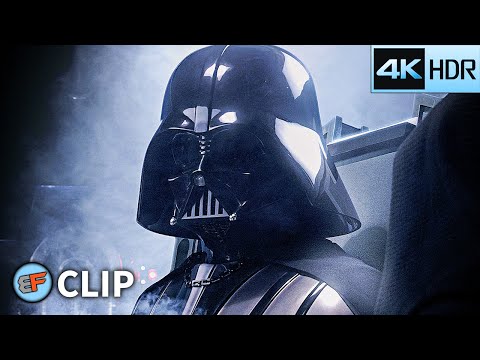
- It is globally famous as the name of the Star Wars villain Darth Vader.
- The word has Proto-Germanic roots and is related to the German word Vater.
- In English, it is used as a proper noun or a linguistic curiosity.
The word vader is a fascinating linguistic artifact that sits at the intersection of Germanic philology and modern global pop culture. In its primary and most literal sense, it is the Dutch word for 'father'. Linguistically, it is a direct descendant of the Proto-Germanic root *fader*, which also gave rise to the English 'father' and the German 'Vater'. While an English speaker might not use this word in daily conversation to refer to their own parent, the word has achieved a secondary, almost mythic status in the English-speaking world due to its association with one of the most iconic villains in cinematic history: Darth Vader. In the context of the Star Wars franchise, the name was chosen by George Lucas, and while there is much debate about whether he intentionally chose the Dutch word for 'father' to foreshadow the character's relationship with Luke Skywalker, the connection has become an inseparable part of the word's identity in the 21st century.
- Linguistic Origin
- The word is the standard Dutch noun for a male parent, used in both formal and informal settings across the Netherlands and Flanders.
- Pop Culture Usage
- In English, 'Vader' is almost exclusively used as a proper noun or a reference to the Star Wars antagonist, often symbolizing authority, fear, or a fallen hero.
In the Dutch translation of the Bible, the phrase 'Onze vader' is used for 'Our Father'.
When people use the word 'vader' in an English context, they are rarely speaking Dutch; rather, they are usually making a cultural allusion. The word carries a heavy, dark connotation in this context, often associated with deep breathing, black armor, and the complex dynamics of fatherhood and redemption. However, for a Dutch speaker, the word is as common and warm as 'dad' or 'father'. This duality makes 'vader' a unique case study in how words can migrate across borders and take on entirely new emotional weights. In academic circles, 'vader' is often cited when discussing the High German consonant shift, as the Dutch word retained the 'd' sound from the Proto-Germanic *fader*, whereas the German 'Vater' shifted to a 't' sound. This subtle difference is a key marker for historical linguists tracing the evolution of West Germanic languages.
The fan theorist argued that the name Darth vader was a linguistic spoiler for the film's big reveal.
Furthermore, the word 'vader' appears in various compound words in Dutch that describe familial roles, such as 'grootvader' (grandfather) and 'stiefvader' (stepfather). In English, these would be translated using the standard 'father' suffix. The presence of 'vader' in these compounds highlights its foundational role in the Dutch kinship system. Interestingly, the word 'vader' is also found in Afrikaans, a daughter language of Dutch spoken in South Africa, where it maintains the same meaning and similar pronunciation. This geographic spread demonstrates the word's resilience and its central place in the identity of millions of speakers worldwide. Whether viewed through the lens of a Jedi Knight or a Dutch schoolchild, 'vader' remains a word of significant power and relational depth.
Mijn vader werkt in Amsterdam, which means 'My father works in Amsterdam'.
- Etymological Cognates
- Vader (Dutch), Vater (German), Father (English), Faðir (Old Norse), Pater (Latin).
In summary, 'vader' is a word that operates on two levels. On one level, it is a basic building block of the Dutch language, essential for describing family life. On another level, it is a global cultural icon, a name that evokes a specific set of images and stories in the minds of billions. Understanding both levels is crucial for anyone interested in the way language and culture interact. It serves as a reminder that even the most common words can be transformed by the stories we tell, and that our linguistic heritage is often hidden in plain sight, waiting to be rediscovered in the names of our favorite characters.
The etymology of vader traces back thousands of years to the dawn of Indo-European speech.
He dressed up as Darth vader for the costume party.
Using the word vader correctly requires an understanding of the context, specifically whether you are speaking Dutch or referencing English pop culture. In Dutch, 'vader' functions as a standard noun. It can be the subject of a sentence, the object of a verb, or part of a prepositional phrase. For example, 'De vader van de bruid' (The father of the bride). In this context, it follows all standard Dutch grammatical rules, including the use of the definite article 'de'. When used in English, however, 'Vader' is almost always a proper noun, referring to the character Darth Vader. In this case, it is capitalized and typically does not take an article unless you are referring to the character in a descriptive sense, such as 'the iconic Vader'.
- Subjective Use (Dutch)
- Vader kookt vanavond het avondeten. (Father is cooking dinner tonight.)
- Proper Noun Use (English)
- Vader's presence on the screen was truly intimidating.
Every Dutch child learns to say vader early in their language development.
In more complex Dutch sentences, 'vader' can be modified by adjectives or possessive pronouns. 'Mijn vader' (My father), 'zijn vader' (his father), or 'een zorgzame vader' (a caring father). In English literary analysis or film criticism, 'Vader' might be used to discuss themes of paternal conflict. For instance, 'The narrative arc of Vader serves as a cautionary tale about the corrupting nature of power.' Here, the word transcends its literal meaning and becomes a symbol. It is also important to note that in Dutch, 'vader' can be used figuratively, much like 'father' in English, to refer to a founder or a creator, such as 'de vader van de moderne natuurkunde' (the father of modern physics).
The professor discussed the role of the vader figure in Germanic mythology.
When writing about 'vader' in a bilingual or etymological context, it is helpful to provide clear markers so the reader knows which language is being used. For example, 'While the English word is father, the Dutch equivalent is vader.' This prevents confusion, especially for those who might only know the word through Star Wars. In academic writing, 'vader' might appear in a list of cognates to illustrate linguistic evolution: 'Proto-Germanic *fader > Dutch vader, German Vater, English father.' This usage is strictly technical and focuses on the phonetic and morphological changes over time.
Luke's realization that vader was his parent changed the course of the galaxy.
- Possessive Forms
- Dutch: De auto van mijn vader. (My father's car.) English: Vader's lightsaber was red.
Finally, consider the emotional tone. In Dutch, 'vader' is respectful and slightly formal. In English pop culture, 'Vader' is ominous. Using 'vader' in a sentence like 'He was a vader to me' would be incorrect in English unless you are making a very specific, likely dark, joke about the Star Wars character. Instead, one would say 'He was a father to me.' Understanding these nuances ensures that you use the word effectively and avoid unintended meanings. The word 'vader' is a bridge between languages, but like any bridge, you must know which side you are standing on to navigate it correctly.
The Dutch poet wrote a moving tribute to his late vader.
Is vader coming home for dinner?
The word vader resonates in very different environments depending on your geographic and cultural location. If you are walking through the streets of Amsterdam, Utrecht, or Antwerp, you will hear 'vader' in everyday conversations. You might hear a child calling out for their father in a park, or a man talking about his 'vader' at a café. In this setting, the word is mundane, a standard part of the Dutch lexicon. It appears in newspapers, on television shows, and in literature. It is the word used in legal documents to denote paternity and in religious services to address the divine. For millions of people, 'vader' is the sound of home and family.
- Daily Life in the Netherlands
- Hearing 'vader' in a grocery store or at a family gathering is completely normal for Dutch speakers.
- Global Cinema
- In movie theaters worldwide, the name 'Vader' is synonymous with the Sith Lord of Star Wars.
The Dutch news reporter interviewed the vader of the local hero.
Conversely, in the rest of the world, 'vader' is heard primarily in the context of entertainment and fan culture. You will hear it at Comic-Con, in toy aisles, and during late-night movie marathons. It is a word that triggers a specific auditory memory: the mechanical, rhythmic breathing of Darth Vader. In this context, 'vader' is often preceded by 'Darth' or followed by 'Lord'. It is a word spoken with a mix of reverence and nostalgia by fans of all ages. You might also hear it in discussions about film history, where critics analyze George Lucas's naming choices and the linguistic 'spoiler' that the word 'vader' provided to Dutch-speaking audiences in 1980.
At the Star Wars convention, thousands of fans cheered for vader.
Another place you might encounter 'vader' is in the study of linguistics and etymology. In university lecture halls, professors use 'vader' to explain the relationship between different Germanic languages. It is a classic example used to illustrate Grimm's Law and the subsequent shifts that defined the English, Dutch, and German languages. Here, the word is heard in a technical, analytical context. You might also hear it in South Africa, where Afrikaans speakers use 'vader' in much the same way as the Dutch, though with a distinct South African accent. From the pulpit of a Dutch Reformed church in Pretoria to a classroom in Leiden, the word 'vader' carries the weight of tradition and history.
The linguistics student wrote a paper on the phonetics of vader.
- Religious Contexts
- In Dutch-speaking churches, God is frequently addressed as 'Onze Vader' (Our Father).
In summary, 'vader' is a word that travels. It moves from the intimate setting of a Dutch home to the global stage of Hollywood, and finally into the quiet halls of academia. Depending on where you are and who you are talking to, 'vader' can mean a beloved parent, a terrifying villain, or a fascinating linguistic specimen. This versatility is what makes it such a compelling word to study and use. Whether you are hearing it in a Dutch lullaby or a cinematic masterpiece, 'vader' is a word that demands attention and carries a wealth of meaning across different cultures and contexts.
The child whispered 'dag vader' as his father left for work.
The documentary explored the legacy of vader in modern mythology.
One of the most common mistakes English speakers make regarding the word vader is assuming it is an English word that means 'dark' or 'evil'. This misconception likely stems from the character Darth Vader and the similarity of the name to the word 'invader'. However, 'vader' has no linguistic connection to darkness or invasion; it simply means 'father' in Dutch. Another frequent error is mispronouncing the Dutch word. In Dutch, the 'v' is often more voiceless, sounding closer to an 'f', and the 'a' is a long vowel, similar to the 'a' in 'father' but slightly more closed. English speakers often pronounce it exactly like 'vader' in 'Darth Vader', which uses a long 'a' sound like in 'cake' or 'made'.
- False Etymology
- Mistakenly believing 'vader' is related to 'invader' or 'evader'.
- Misuse as a Common Noun
- Using 'vader' instead of 'father' in English sentences (e.g., 'My vader is tall').
Don't say 'My vader is coming' unless you are speaking Dutch or your father is a Sith Lord.
In written Dutch, a common mistake for learners is confusing 'vader' with 'vater'. 'Vater' is the German word, and while they are cognates, they are not interchangeable. Dutch uses the 'd', German uses the 't'. Additionally, learners sometimes forget that 'vader' is a 'de-word' (de vader) and mistakenly use the neuter article 'het'. In English, a common stylistic mistake is failing to capitalize 'Vader' when referring to the character. Because it is a proper name in this context, it must always begin with an uppercase letter. Conversely, when writing about the Dutch word in an English sentence, it should be in italics to indicate it is a foreign term.
The student wrote 'het vader' instead of 'de vader' on the Dutch exam.
There is also a common misunderstanding about the 'spoiler' nature of the name. Many people believe George Lucas named the character Darth Vader specifically because it means 'Dark Father' in Dutch. However, Lucas has stated in various interviews that the name was a combination of 'Dark' and 'Invader', and the Dutch connection was a coincidence. While 'vader' does mean father, 'Darth' does not mean 'dark' in Dutch (the Dutch word for dark is 'donker'). Therefore, assuming the name is a literal translation is a common mistake in film trivia. Finally, avoid using 'vader' in formal English writing unless you are specifically discussing the Dutch language or the Star Wars franchise, as it will be seen as a spelling error for 'father'.
The trivia host corrected the player who said vader means 'dark' in Dutch.
- Spelling Confusion
- Confusing the Dutch 'vader' with the German 'Vater'.
To summarize, the key to avoiding mistakes with 'vader' is to keep the languages separate. If you are speaking English, 'Vader' is a name. If you are speaking Dutch, 'vader' is a parent. Misunderstanding the etymology, mispronouncing the word in its native tongue, and confusing it with its German cousin are the most frequent pitfalls. By being aware of these distinctions, you can use the word accurately and demonstrate a deeper understanding of both linguistics and pop culture. Always double-check your context and your spelling to ensure your meaning is clear.
Is it vader or vater? In Dutch, it's always with a 'd'.
The subtitles correctly translated the Dutch word vader as 'father'.
When exploring alternatives to the word vader, it is helpful to look at both its literal meaning and its cultural connotations. In the literal sense of 'father', the most obvious English alternative is 'father'. However, English offers a range of synonyms depending on the level of formality. 'Dad', 'Daddy', and 'Pa' are informal and affectionate, whereas 'Sire' or 'Paternal figure' are much more formal or technical. In Dutch, similar variations exist, such as 'papa' or 'paps', which are used in casual family settings. Understanding these levels of formality is key to choosing the right word for the right situation.
- Father vs. Vader
- 'Father' is the standard English term; 'vader' is the Dutch equivalent. They are cognates but belong to different languages.
- Vater vs. Vader
- 'Vater' is German; 'vader' is Dutch. The difference is a result of the High German consonant shift.
The translator chose 'papa' instead of vader to make the dialogue sound more natural.
In the context of the Star Wars character, alternatives might include 'Anakin Skywalker' (the character's original name), 'The Sith Lord', or 'The Dark Lord'. These terms provide different perspectives on the same individual. In literary analysis, one might use terms like 'antagonist', 'villain', or 'patriarch' to describe the role that a 'Vader' figure plays in a story. These alternatives move away from the specific name and focus on the character's function within the narrative. In linguistics, 'vader' is often compared to its Latin root 'pater' or its Greek counterpart 'patēr'. These ancient words are the ancestors of the modern Germanic terms and provide a broader historical context for the word's development.
The historian compared the Dutch vader to the Latin pater.
For those looking for more creative or poetic alternatives, Dutch literature often uses 'verwekker' (progenitor) or 'stamvader' (ancestor/founder). These words carry a more formal or biological weight than the simple 'vader'. In English, poetic terms like 'begetter' or 'forefather' serve a similar purpose. When discussing the Star Wars character, fans might use nicknames like 'Ani' (used by his mother and wife) or 'The Chosen One'. Each of these alternatives carries a different emotional resonance and highlights a different aspect of the character's complex identity. Choosing the right alternative depends entirely on whether you are focusing on the linguistic, familial, or fictional aspects of the word.
The novel used the term 'stamvader' to describe the family's first settler.
- Informal Dutch Alternatives
- Papa, paps, pa, ouwe (slang for 'old man').
Ultimately, 'vader' is a word with many faces. Whether you replace it with the warmth of 'dad', the formality of 'pater', or the specificity of 'Anakin', you are engaging with a rich web of meaning that spans thousands of years and multiple languages. By understanding the available alternatives, you can communicate more precisely and appreciate the subtle nuances that make each word unique. Whether you are writing a Dutch essay or a Star Wars fan fiction, the choice of word will shape the reader's understanding of the relationship and the character involved.
Is vader the best word here, or should we use 'vaderfiguur' (father figure)?
The Sith Lord, formerly known as Anakin, became vader.
How Formal Is It?
趣味小知识
The 'd' in 'vader' is a result of Dutch not undergoing the High German consonant shift, which turned the 'd' into a 't' in the German word 'Vater'.
发音指南
- Pronouncing it like 'father' in English.
- In Dutch, pronouncing the 'v' too softly (it should be closer to 'f').
- Using a short 'a' sound like in 'cat'.
- Confusing it with the German 'Vater' (FAH-ter).
- Over-emphasizing the 'r' in the Dutch version.
难度评级
Very easy to recognize because of the Star Wars connection.
Easy, but remember the 'd' instead of 'th' or 't'.
The Dutch 'v' and 'a' sounds can be tricky for English speakers.
Clear and distinct sound.
接下来学什么
前置知识
接下来学习
高级
需要掌握的语法
Dutch Definite Articles
De vader (masculine) vs. Het kind (neuter).
Compound Nouns in Dutch
Groot + vader = grootvader.
Possessive Pronouns
Mijn vader, jouw vader, zijn vader.
Pluralization with -s
Vader becomes vaders.
Genitive with 'van'
De auto van de vader.
按水平分级的例句
Mijn vader is lief.
My father is sweet.
Simple subject-verb-adjective structure.
Waar is je vader?
Where is your father?
Question form with 'waar'.
Dit is de vader van Jan.
This is Jan's father.
Use of 'de' and 'van' for possession.
Vader werkt vandaag.
Father is working today.
Dropping the article in informal family talk.
Ik hou van mijn vader.
I love my father.
Verb 'houden van' requires 'van'.
Darth Vader is een man.
Darth Vader is a man.
Proper noun usage.
Mijn vader heeft een auto.
My father has a car.
Verb 'hebben' (to have).
De vader drinkt koffie.
The father is drinking coffee.
Present tense action.
Mijn vader woont in een groot huis.
My father lives in a big house.
Prepositional phrase 'in een groot huis'.
Zijn vader is een dokter.
His father is a doctor.
Stating a profession.
Grootvader vertelt een verhaal.
Grandfather is telling a story.
Compound word 'grootvader'.
De vader van de baby lacht.
The baby's father is laughing.
Genitive construction with 'van'.
Mijn vader en moeder zijn hier.
My father and mother are here.
Plural subject with 'zijn'.
Hij lijkt op zijn vader.
He looks like his father.
Verb 'lijken op' (to look like).
Vader gaat naar de winkel.
Father is going to the store.
Directional preposition 'naar'.
De vader helpt zijn zoon.
The father is helping his son.
Transitive verb 'helpen'.
Mijn vader heeft me geleerd hoe ik moet vissen.
My father taught me how to fish.
Perfect tense with 'geleerd'.
In veel culturen is de vader het hoofd van het gezin.
In many cultures, the father is the head of the family.
General statement about social roles.
De naam Vader komt uit het Nederlands.
The name Vader comes from Dutch.
Stating an origin.
Mijn vader is trots op mijn resultaten.
My father is proud of my results.
Adjective 'trots' with preposition 'op'.
Hij werd vader op zijn dertigste.
He became a father at thirty.
Verb 'worden' (to become).
De vaderfiguur in de film was erg streng.
The father figure in the movie was very strict.
Compound noun 'vaderfiguur'.
Mijn vader houdt van wandelen in het bos.
My father loves walking in the forest.
Gerund-like structure with 'wandelen'.
Zonder zijn vader zou hij dit nooit hebben bereikt.
Without his father, he would never have achieved this.
Conditional sentence.
De vaderlijke zorg die hij toonde was hartverwarmend.
The fatherly care he showed was heartwarming.
Adjective 'vaderlijk' (fatherly).
George Lucas ontkende dat de naam Vader een bewuste verwijzing was.
George Lucas denied that the name Vader was a conscious reference.
Complex sentence with a subordinate clause.
De stamboom toont wie de vader van de koning was.
The family tree shows who the king's father was.
Indirect question in a sentence.
Vaderdag wordt elk jaar in juni gevierd.
Father's Day is celebrated every year in June.
Passive voice 'wordt gevierd'.
Hij heeft de humor van zijn vader geërfd.
He inherited his father's humor.
Verb 'erven' (to inherit).
De vader van de moderne architectuur heeft dit gebouw ontworpen.
The father of modern architecture designed this building.
Figurative use of 'vader'.
Zijn vader was een man van weinig woorden.
His father was a man of few words.
Idiomatic description of character.
De relatie tussen vader en zoon is vaak complex.
The relationship between father and son is often complex.
Abstract noun 'relatie'.
De etymologische wortels van 'vader' reiken diep in het verleden.
The etymological roots of 'vader' reach deep into the past.
Academic vocabulary.
Men kan de invloed van de vader niet onderschatten in de psychologische ontwikkeling.
One cannot underestimate the influence of the father in psychological development.
Formal pronoun 'men'.
De auteur onderzoekt het thema van de afwezige vader in zijn nieuwste roman.
The author explores the theme of the absent father in his latest novel.
Literary analysis terms.
Vaderlandsliefde is een centraal thema in veel negentiende-eeuwse poëzie.
Patriotism (love of the fatherland) is a central theme in much 19th-century poetry.
Compound word 'vaderlandsliefde'.
De vader van de bruid hield een emotionele toespraak.
The father of the bride gave an emotional speech.
Specific social context.
Linguïsten bestuderen hoe 'vader' verschilt van het Duitse 'Vater'.
Linguists study how 'vader' differs from the German 'Vater'.
Scientific inquiry context.
Hij trad in de voetsporen van zijn vader door ook advocaat te worden.
He followed in his father's footsteps by also becoming a lawyer.
Idiom 'in de voetsporen treden'.
De juridische definitie van een vader is de afgelopen decennia veranderd.
The legal definition of a father has changed over the past decades.
Legal/formal register.
De semantische verschuiving van 'vader' in de populaire cultuur is een opmerkelijk fenomeen.
The semantic shift of 'vader' in popular culture is a remarkable phenomenon.
Advanced linguistic terminology.
In de archaïsche teksten wordt de koning vaak aangeduid als de vader des vaderlands.
In archaic texts, the king is often referred to as the father of the fatherland.
Genitive case 'des vaderlands'.
De ontleding van het woord 'vader' onthult de gedeelde Indo-Europese erfenis.
The decomposition of the word 'vader' reveals the shared Indo-European heritage.
Scientific/analytical tone.
Zijn oeuvre getuigt van een voortdurende worsteling met de vaderfiguur.
His body of work bears witness to a continuous struggle with the father figure.
Formal noun 'oeuvre'.
De vaderlijke autoriteit werd in de Verlichting hevig ter discussie gesteld.
Paternal authority was heavily questioned during the Enlightenment.
Historical/philosophical context.
Men treft het woord 'vader' aan in talloze Middelnederlandse manuscripten.
One finds the word 'vader' in numerous Middle Dutch manuscripts.
Historical linguistic reference.
De complexiteit van de vader-zoonrelatie is een onuitputtelijke bron voor dramaturgen.
The complexity of the father-son relationship is an inexhaustible source for playwrights.
Advanced abstract vocabulary.
De vader van de moderne chemie legde de basis voor onze huidige kennis.
The father of modern chemistry laid the foundation for our current knowledge.
Metaphorical use in history of science.
常见搭配
常用短语
— Like father, like son. Used when a son resembles his father.
He is just as stubborn as his dad; zo vader, zo zoon.
— Father of the fatherland. A title given to a great national leader.
William of Orange is the vader des vaderlands of the Netherlands.
— To follow in one's father's footsteps.
He decided to join the army, in de voetsporen van zijn vader treden.
— The wish is the father of the thought (wishful thinking).
You only think we will win because you want to; de wens is de vader van de gedachte.
— A father to his people. Describing a caring leader.
The king was seen as a vader voor zijn volk.
— My late father. A respectful way to refer to a deceased father.
Mijn vader zaliger hield van deze muziek.
— Dear father. An affectionate, sometimes slightly old-fashioned term.
Vaderlief, mag ik de auto lenen?
容易混淆的词
This is the German word for father. It uses a 't' instead of a 'd'.
This is an English word for a control on a soundboard, or an archaic spelling of father.
A common English word that sounds similar but means someone who enters by force.
习语与表达
— A famous (though slightly misquoted) line from Star Wars.
He put on the mask and said, 'Luke, I am your vader.'
informal/pop culture— Used to describe a dark or dominant figure in a specific field.
He is the Vader of Wall Street.
informal— A psychological term (often 'father complex') referring to issues with one's father.
The character's motivations stem from a deep Vader complex.
informal/psychology— To turn from good to evil, or to reveal a shocking paternal secret.
He really pulled a Vader in the last episode.
slang— Reminiscent of Darth Vader in appearance or behavior.
The CEO had a Vader-esque management style.
informal— A sound resembling the mechanical breathing of the character.
The old machine made a sound like Vader's breath.
informal— Living under the influence of a powerful or dark father figure.
He grew up in the shadow of the Vader.
literary— A plot twist where a character's parentage is revealed.
The movie ended with a classic Vader reveal.
informal— A very tight or suffocating control.
The company was held in Vader's grip.
informal— To completely embrace one's dark side or become a villain.
After the betrayal, he went full Vader.
slang容易混淆
Phonetic similarity and same meaning.
Vater is German; vader is Dutch. The consonant shift is the key difference.
Mein Vater ist Deutscher; mijn vader is Nederlander.
They are cognates.
Father is English; vader is Dutch. English uses 'th', Dutch uses 'd'.
English: father; Dutch: vader.
Spelling similarity.
A fader is a slider on a mixer; a vader is a father in Dutch.
Move the fader up; help je vader.
Same meaning in Romance languages.
Padre is Spanish/Italian; vader is Germanic.
Hola padre; dag vader.
Latin root.
Pater is Latin/Formal; vader is modern Dutch.
Pater familias; de vader van het gezin.
句型
Dit is mijn [vader].
Dit is mijn vader.
Mijn [vader] is [adjective].
Mijn vader is groot.
Ik heb van mijn [vader] geleerd dat...
Ik heb van mijn vader geleerd dat eerlijkheid belangrijk is.
De rol van de [vader] in...
De rol van de vader in de opvoeding is cruciaal.
Het concept van de [vader] als...
Het concept van de vader als beschermer is universeel.
De etymologische evolutie van [vader]...
De etymologische evolutie van vader weerspiegelt taalkundige verschuivingen.
[Vader] en [moeder] gaan naar...
Vader en moeder gaan naar de markt.
De [vader] van [name]...
De vader van Peter is leraar.
词族
名词
动词
形容词
相关
如何使用
Extremely common in Dutch; common as a proper noun in English.
-
Using 'vader' as a common noun in English.
→
father
In English, 'vader' is a name, not a word for a parent.
-
Spelling the Dutch word as 'vater'.
→
vader
'Vater' is German. Dutch uses a 'd'.
-
Using 'het' as the article for 'vader'.
→
de vader
'Vader' is a masculine noun and takes 'de'.
-
Thinking 'vader' means 'dark' in Dutch.
→
donker
This is a common myth based on the name Darth Vader.
-
Mispronouncing the 'v' as a hard 'v' in Dutch.
→
soft 'v' (near 'f')
In many Dutch dialects, the initial 'v' is partially devoiced.
小贴士
Consonant Shift
Remember the 'd' in Dutch 'vader' matches the 'th' in English 'father'. German changed it to 't'.
Star Wars Trivia
Use the Dutch meaning to impress your friends during a Star Wars marathon!
Article Usage
Always use 'de' with 'vader' in Dutch. It is never 'het vader'.
Compound Words
Learning 'vader' helps you learn 'grootvader' and 'stiefvader' instantly.
The Long A
The 'a' in Dutch 'vader' is long, like the 'a' in 'father', not short like in 'apple'.
National Anthem
The Dutch anthem mentions 'vaderland', showing the word's importance to national identity.
Formality
Use 'vader' when talking about someone else's father to be respectful.
No 'th'
Don't be tempted to spell it 'vather' in Dutch. It's always a 'd'.
V is for Vader
Associate the 'V' in Vader with the 'F' in Father. They are both labiodental sounds.
Proper Noun
In English, always capitalize 'Vader' unless you are specifically referring to the Dutch word.
记住它
记忆技巧
Think of 'Vader' as the 'Father' of the Dark Side. The 'V' and 'F' are cousins in language!
视觉联想
Imagine Darth Vader holding a 'World's Best Dad' mug. It links the name to the Dutch meaning.
Word Web
挑战
Try to use 'vader' in a sentence about a family tree and then in a sentence about a movie.
词源
The word 'vader' comes from the Middle Dutch 'vader', which evolved from Old Dutch 'fader'. This traces back to the Proto-Germanic '*fader'.
原始含义: A male parent or protector.
West Germanic (Indo-European).文化背景
Be careful using it in English contexts as it might sound like you are making a joke about someone's father being a villain.
Almost exclusively associated with Star Wars. Using it otherwise might confuse people.
在生活中练习
真实语境
Family Gatherings
- Hoe gaat het met je vader?
- Mijn vader is er ook.
- Dit is mijn vader.
- Vader, wil je wat drinken?
Star Wars Discussion
- Vader is Luke's father.
- I love Vader's costume.
- The Vader reveal was huge.
- Darth Vader is iconic.
Linguistics Class
- Vader is a cognate.
- Compare vader and vater.
- The root is fader.
- Dutch retained the 'd'.
Religious Services
- Onze Vader in de hemel.
- God de Vader.
- Vader, wij danken U.
- In de naam van de Vader.
Legal/Official
- Naam van de vader.
- Vaderschap erkennen.
- De biologische vader.
- Gezag van de vader.
对话开场白
"Wat voor werk doet jouw vader?"
"Lijk jij meer op je vader of op je moeder?"
"Wat is de leukste herinnering die je hebt met je vader?"
"Wist je dat 'vader' in het Nederlands 'father' betekent?"
"Wie is jouw favoriete vaderfiguur in een film?"
日记主题
Beschrijf een belangrijke les die je van je vader hebt geleerd.
Hoe zou jouw leven anders zijn zonder je vader?
Wat betekent het woord 'vader' voor jou persoonlijk?
Schrijf over een beroemde vader uit de geschiedenis of fictie.
Hoe is de rol van de vader in de maatschappij veranderd?
常见问题
10 个问题Yes, it is the standard word for father in the Dutch language, used by millions of people every day. It is a direct cognate of the English word 'father'.
Lucas has given conflicting accounts, but he often says it was a combination of 'Dark' and 'Invader'. The Dutch connection may be a happy coincidence.
It is pronounced roughly as 'FAH-der', with a long 'a' sound and a 'v' that sounds slightly like an 'f'.
No, the German word is 'Vater'. While they look similar, the 't' in German is a result of a specific linguistic shift that didn't happen in Dutch.
The plural is 'vaders'. For example, 'De vaders stonden op het schoolplein' (The fathers were in the schoolyard).
It is more formal than 'papa' or 'pa', but it is still the standard word used in most neutral contexts.
In English, it is almost exclusively a proper noun referring to Darth Vader. It is not used as a common noun for father.
Common ones include 'grootvader' (grandfather), 'stiefvader' (stepfather), and 'vaderland' (homeland).
Yes, 'Onze Vader' is the Dutch name for the Lord's Prayer, and God is often referred to as 'de Vader'.
The 'd' shows that Dutch is closer to the original Proto-Germanic '*fader' than German, which shifted the 'd' to a 't'.
自我测试 180 个问题
Write a sentence in Dutch using the word 'vader'.
Well written! Good try! Check the sample answer below.
Explain the connection between 'vader' and Darth Vader.
Well written! Good try! Check the sample answer below.
Describe your father using three adjectives in Dutch.
Well written! Good try! Check the sample answer below.
Write a short paragraph about Father's Day (Vaderdag).
Well written! Good try! Check the sample answer below.
Compare the words 'vader', 'Vater', and 'father'.
Well written! Good try! Check the sample answer below.
What does the idiom 'Zo vader, zo zoon' mean to you?
Well written! Good try! Check the sample answer below.
Write a dialogue between a vader and his zoon.
Well written! Good try! Check the sample answer below.
Discuss the importance of a vaderfiguur in a child's life.
Well written! Good try! Check the sample answer below.
Who is a famous vader from history and why?
Well written! Good try! Check the sample answer below.
Write a letter to your vader for his birthday.
Well written! Good try! Check the sample answer below.
Explain why 'vader' is a cognate of 'father'.
Well written! Good try! Check the sample answer below.
Describe Darth Vader's appearance.
Well written! Good try! Check the sample answer below.
What is the 'Vader des Vaderlands'?
Well written! Good try! Check the sample answer below.
Write five compound words using 'vader'.
Well written! Good try! Check the sample answer below.
How do you say 'grandfather' and 'stepfather' in Dutch?
Well written! Good try! Check the sample answer below.
Discuss the 'spoiler' in Darth Vader's name.
Well written! Good try! Check the sample answer below.
Write a sentence using 'vaderlijk'.
Well written! Good try! Check the sample answer below.
What is the difference between 'vader' and 'papa'?
Well written! Good try! Check the sample answer below.
Write a sentence about a 'vaderland'.
Well written! Good try! Check the sample answer below.
Summarize the etymology of 'vader'.
Well written! Good try! Check the sample answer below.
Pronounce 'vader' in Dutch.
Read this aloud:
你说的:
Speech recognition is not supported in your browser. Try Chrome or Edge.
Say 'My father is tall' in Dutch.
Read this aloud:
你说的:
Speech recognition is not supported in your browser. Try Chrome or Edge.
Say 'Darth Vader' with a deep voice.
Read this aloud:
你说的:
Speech recognition is not supported in your browser. Try Chrome or Edge.
Tell a short story about your vader.
Read this aloud:
你说的:
Speech recognition is not supported in your browser. Try Chrome or Edge.
Explain the meaning of 'vader' to a friend.
Read this aloud:
你说的:
Speech recognition is not supported in your browser. Try Chrome or Edge.
Pronounce 'grootvader' and 'stiefvader'.
Read this aloud:
你说的:
Speech recognition is not supported in your browser. Try Chrome or Edge.
Say 'Zo vader, zo zoon' and explain it.
Read this aloud:
你说的:
Speech recognition is not supported in your browser. Try Chrome or Edge.
Discuss your favorite Star Wars scene with Vader.
Read this aloud:
你说的:
Speech recognition is not supported in your browser. Try Chrome or Edge.
Say 'Onze Vader' (first line).
Read this aloud:
你说的:
Speech recognition is not supported in your browser. Try Chrome or Edge.
Describe a 'vaderfiguur' you admire.
Read this aloud:
你说的:
Speech recognition is not supported in your browser. Try Chrome or Edge.
Talk about the etymology of 'vader'.
Read this aloud:
你说的:
Speech recognition is not supported in your browser. Try Chrome or Edge.
Say 'Mijn vader is de beste' in Dutch.
Read this aloud:
你说的:
Speech recognition is not supported in your browser. Try Chrome or Edge.
Discuss the cultural impact of Darth Vader.
Read this aloud:
你说的:
Speech recognition is not supported in your browser. Try Chrome or Edge.
Explain the difference between 'vader' and 'Vater'.
Read this aloud:
你说的:
Speech recognition is not supported in your browser. Try Chrome or Edge.
Say 'Vaderdag' and tell when it is.
Read this aloud:
你说的:
Speech recognition is not supported in your browser. Try Chrome or Edge.
Describe a 'vaderland'.
Read this aloud:
你说的:
Speech recognition is not supported in your browser. Try Chrome or Edge.
Say 'De vader van de bruid'.
Read this aloud:
你说的:
Speech recognition is not supported in your browser. Try Chrome or Edge.
Talk about the 'Vader des Vaderlands'.
Read this aloud:
你说的:
Speech recognition is not supported in your browser. Try Chrome or Edge.
Say 'vaderlijk advies'.
Read this aloud:
你说的:
Speech recognition is not supported in your browser. Try Chrome or Edge.
Explain 'vaderschap'.
Read this aloud:
你说的:
Speech recognition is not supported in your browser. Try Chrome or Edge.
Listen to the word: 'vader'. What does it mean?
Listen to the sentence: 'Mijn vader is thuis.' Where is the father?
Listen to the phrase: 'Darth Vader'. Who is this?
Listen to the word: 'grootvader'. Is this a young or old person?
Listen to the idiom: 'Zo vader, zo zoon'. What is the topic?
Listen to the prayer: 'Onze Vader'. Where would you hear this?
Listen to the word: 'vaderland'. What does it refer to?
Listen to the sound of Darth Vader breathing. Who is it?
Listen to the sentence: 'De vader van de bruid spreekt.' What is happening?
Listen to the word: 'vaderlijk'. Is it a noun or adjective?
Listen to the sentence: 'Hij is een alleenstaande vader.' What kind of father is he?
Listen to the word: 'stiefvader'. What is the relationship?
Listen to the phrase: 'Vader des Vaderlands'. Who is this?
Listen to the sentence: 'Mijn vader is trots.' How does he feel?
Listen to the word: 'vaderschap'. What is the suffix?
Write a sentence about a 'vaderfiguur'.
Well written! Good try! Check the sample answer below.
Say 'De vader van de natie'.
Read this aloud:
你说的:
Speech recognition is not supported in your browser. Try Chrome or Edge.
/ 180 correct
Perfect score!
Summary
The word 'vader' is the Dutch equivalent of 'father', but its global recognition comes from Darth Vader. Example: 'In Dutch, you call your dad your vader.'
- Vader means father in Dutch and is a cognate of the English word father.
- It is globally famous as the name of the Star Wars villain Darth Vader.
- The word has Proto-Germanic roots and is related to the German word Vater.
- In English, it is used as a proper noun or a linguistic curiosity.
Consonant Shift
Remember the 'd' in Dutch 'vader' matches the 'th' in English 'father'. German changed it to 't'.
Star Wars Trivia
Use the Dutch meaning to impress your friends during a Star Wars marathon!
Article Usage
Always use 'de' with 'vader' in Dutch. It is never 'het vader'.
Compound Words
Learning 'vader' helps you learn 'grootvader' and 'stiefvader' instantly.