A Big Party in Porto
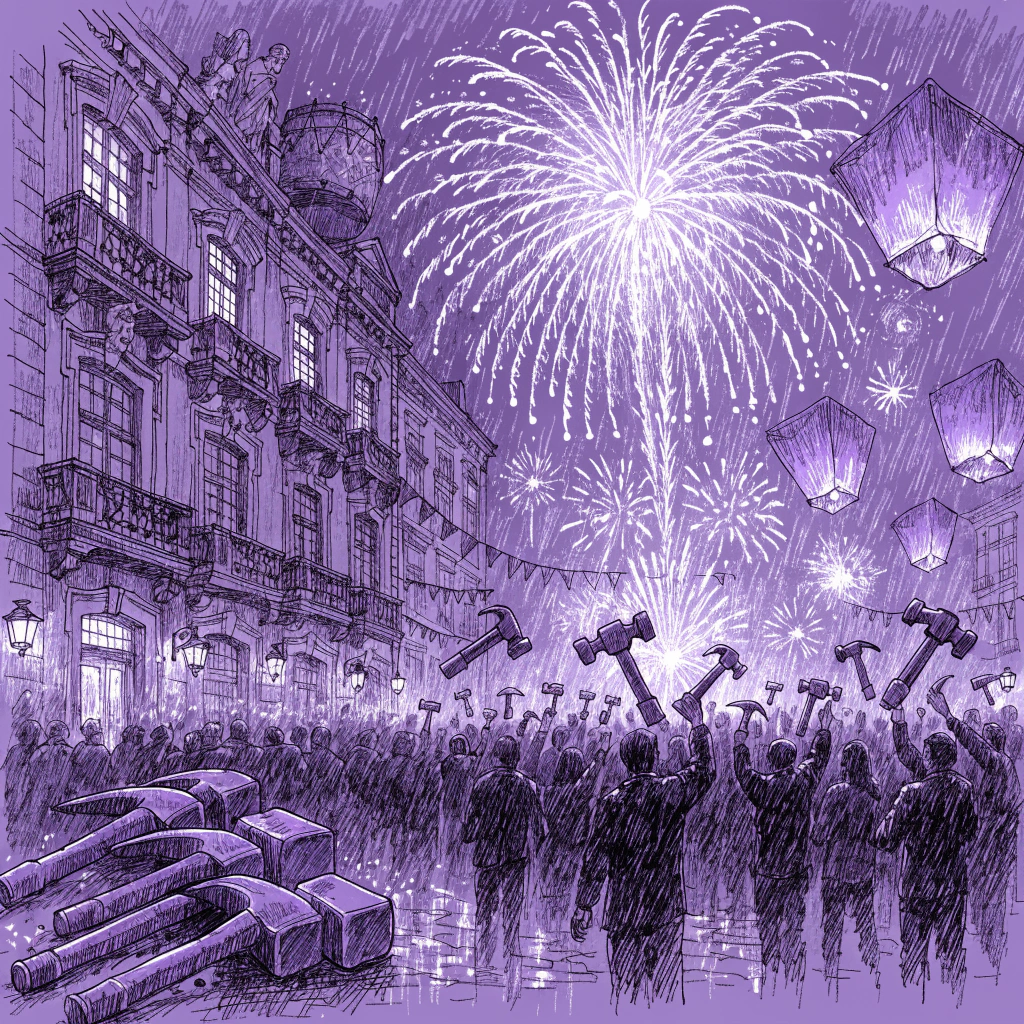
Porto is a beautiful city in Portugal. Every year in June, the city has a big party. It is the Festa de São João. Many people walk in the streets at night. They carry small plastic hammers. People hit their friends on the head with the hammers. It is a funny tradition.
There is music and dancing everywhere. People eat delicious food. They like grilled sardines and fresh bread. At midnight, there are colorful fireworks over the river. The sky is very bright. Families and friends are happy together. It is a special day in Porto.
تسليط الضوء على القواعد
نمط: Present Simple: To Be
"Porto is a beautiful city in Portugal."
We use 'is' with singular subjects like Porto to describe a fact. It connects the subject to a description.
نمط: Present Simple: Plural Verbs
"Many people walk in the streets at night."
With plural subjects like 'people', we use the base form of the verb. We do not add -s to the verb.
اختبر فهمك
10 أسئلة · A1 مبتدئ · معاينة مجانية واحدة
اختبر ما تعلمته من هذا المقال. أجب على جميع الأسئلة لكسب نقاط خبرة!
Where is the Festa de São João?
هل تريد إنهاء الاختبار؟
9 أسئلة أخرى بانتظارك. سجّل مجاناً لفتح الاختبار الكامل وكسب نقاط خبرة!
سجل مجاناًلديك حساب بالفعل؟ دخول
تفصيل الأسئلة
Where is the Festa de São João?
إجابتك:
الإجابة الصحيحة: Porto
People eat grilled sardines during the festival.
إجابتك:
الإجابة الصحيحة: صحيح
What does 'tradition' mean?
إجابتك:
الإجابة الصحيحة: Something people do for a long time
At ______, there are colorful fireworks over the river.
إجابتك:
الإجابة الصحيحة: midnight
عيد القديس يوحنا في بورتو: احتفال قديم وممتع
مدينة بورتو في البرتغال مشهورة باحتفال كبير ومميز. هذا الاحتفال اسمه "فيستا دي ساو جواو". هو عيد القديس يوحنا المعمدان. الناس في بورتو يحبون هذا العيد كثيرًا ويحتفلون به كل سنة.
تاريخ هذا الاحتفال قديم جداً، بدأ قبل أكثر من ستمائة سنة. في البداية، كان الناس يحتفلون بالشمس في الصيف. بعد ذلك، أصبح الاحتفال للقديس يوحنا. إنه ليس احتفالاً جديداً بل هو جزء مهم من تاريخ المدينة، وهو أكثر حيوية من احتفالات أخرى.
في ليلة الثالث والعشرين من شهر يونيو، تبدأ المدينة بالاحتفال. الناس يخرجون إلى الشوارع وهم سعداء جداً. تجد النار والماء في كل مكان. هناك موسيقى ورقص. العائلات والأصدقاء يجتمعون ويأكلون ويضحكون. هذا العيد يجمع كل الناس في بورتو معاً بفرح كبير. إنه عيد مميز جداً ويظهر روح الصداقة بين الناس.
تسليط الضوء على القواعد
نمط: الفعل الماضي (The Past Verb)
"بدأ قبل أكثر من ستمائة سنة."
نستخدم الفعل الماضي لنتحدث عن أحداث انتهت في الزمن الماضي. هو يصف شيئاً حدث وانتهى.
نمط: اسم التفضيل (The Comparative/Superlative Noun)
"وهو أكثر حيوية من احتفالات أخرى."
نستخدم اسم التفضيل للمقارنة بين شيئين أو أكثر. يأتي عادة على وزن "أفعل" مثل "أكبر" أو "أجمل".
اختبر فهمك
11 أسئلة · A2 ابتدائي · معاينة مجانية واحدة
اختبر ما تعلمته من هذا المقال. أجب على جميع الأسئلة لكسب نقاط خبرة!
ما اسم الاحتفال الكبير في مدينة بورتو؟
هل تريد إنهاء الاختبار؟
10 أسئلة أخرى بانتظارك. سجّل مجاناً لفتح الاختبار الكامل وكسب نقاط خبرة!
سجل مجاناًلديك حساب بالفعل؟ دخول
تفصيل الأسئلة
ما اسم الاحتفال الكبير في مدينة بورتو؟
إجابتك:
الإجابة الصحيحة: فيستا دي ساو جواو
احتفال "فيستا دي ساو جواو" هو احتفال جديد جداً.
إجابتك:
الإجابة الصحيحة: خطأ
ما معنى كلمة "قديم"؟
إجابتك:
الإجابة الصحيحة: ليس جديداً
في ليلة الثالث والعشرين من شهر ____، تبدأ المدينة بالاحتفال.
إجابتك:
الإجابة الصحيحة: يونيو
لماذا يجتمع الناس في هذا العيد؟
إجابتك:
الإجابة الصحيحة: للفرح والصداقة
عيد القديس يوحنا في بورتو: احتفال بالنور والفرح
في مدينة بورتو البرتغالية، حيث تتلاقى الثقافة والتاريخ، يُقام كل عام احتفال كبير ومميز يُعرف باسم "عيد القديس يوحنا" أو "فستا دي ساو جواو". هذا العيد ليس مجرد احتفال ديني عادي، بل هو مهرجان يملأ المدينة بالحياة والطاقة، ويُعدّ من أقدم وأكبر المهرجانات في البرتغال.
لقد احتُفل بهذا العيد لأكثر من ستة قرون، وقد بدأت جذوره كطقس وثني للاحتفال بانقلاب الشمس الصيفي، ثم تحوّل بمرور الوقت إلى احتفال مسيحي تكريماً للقديس يوحنا المعمدان. في ليلة الثالث والعشرين من يونيو، تتحول شوارع بورتو إلى مسرح كبير مليء بالبهجة، حيث يشارك الجميع، من الشباب إلى كبار السن، في هذا التقليد السنوي.
من أبرز تقاليد هذا العيد استخدام مطارق بلاستيكية صغيرة لضرب رؤوس الأصدقاء والجيران برفق، وهو تقليد غريب ومضحك يرمز إلى الحظ الجيد. كما يرمي الناس بالونات الهواء الساخن المضيئة في السماء، مما يخلق مشهداً ساحراً فوق نهر الدورو. لا يكتمل الاحتفال بدون إطلاق الألعاب النارية المذهلة التي تضيء سماء المدينة في منتصف الليل.
يُعرف هذا الاحتفال أيضاً بوجود الكثير من الموسيقى والرقص في الشوارع، بالإضافة إلى تناول الأطعمة التقليدية مثل السردين المشوي وخبز الذرة. إنها ليلة تجمع سكان بورتو مع الزوار بروح من الصداقة والمرح، وتُظهر كيف يمكن للتقاليد القديمة أن تستمر وتتطور لتصبح جزءاً لا يتجزأ من هوية المدينة الحديثة. هذا العيد يظل تجربة فريدة لا تُنسى لكل من يزور بورتو في هذا الوقت من العام.
تسليط الضوء على القواعد
نمط: الفعل المبني للمجهول (Passive Voice)
"لقد احتُفل بهذا العيد لأكثر من ستة قرون."
يُستخدم الفعل المبني للمجهول عندما لا يكون الفاعل معروفاً أو عندما يكون التركيز على الفعل نفسه أو المفعول به. في الماضي، يُضم الحرف الأول ويُكسر الحرف قبل الأخير (مثل: احتُفل).
نمط: الجملة الموصولة (Relative Clause)
"احتفال كبير ومميز يُعرف باسم "عيد القديس يوحنا" أو "فستا دي ساو جواو"."
تُستخدم الجملة الموصولة لإعطاء معلومات إضافية عن اسم سبقها. هنا، 'يُعرف' هي جملة فعلية تعمل كصفة للاسم 'احتفال'، وتُترجم غالباً بـ 'الذي يُعرف'.
اختبر فهمك
11 أسئلة · B1 متوسط · معاينة مجانية واحدة
اختبر ما تعلمته من هذا المقال. أجب على جميع الأسئلة لكسب نقاط خبرة!
ما هو اسم العيد الذي تحتفل به مدينة بورتو؟
هل تريد إنهاء الاختبار؟
10 أسئلة أخرى بانتظارك. سجّل مجاناً لفتح الاختبار الكامل وكسب نقاط خبرة!
سجل مجاناًلديك حساب بالفعل؟ دخول
تفصيل الأسئلة
ما هو اسم العيد الذي تحتفل به مدينة بورتو؟
إجابتك:
الإجابة الصحيحة: عيد القديس يوحنا
جذور عيد القديس يوحنا بدأت كطقس مسيحي.
إجابتك:
الإجابة الصحيحة: خطأ
ماذا تعني كلمة "وثني"؟
إجابتك:
الإجابة الصحيحة: غير مسيحي أو مسلم، يرتبط بعبادة الطبيعة
في ليلة الثالث والعشرين من _______، تتحول شوارع بورتو إلى مسرح كبير.
إجابتك:
الإجابة الصحيحة: يونيو
ما هو أحد أبرز تقاليد عيد القديس يوحنا المذكورة في النص؟
إجابتك:
الإجابة الصحيحة: استخدام مطارق بلاستيكية لضرب رؤوس الأصدقاء
The Vibrant Legacy of Porto’s São João Festival
The city of Porto, nestled along the Douro River, undergoes a remarkable transformation every June. While many European festivals are celebrated with solemnity, the Festa de São João is characterized by an exuberant display of communal joy. Having originated as a pagan ritual to honor the summer solstice, the event was eventually integrated into the Christian calendar to commemorate Saint John the Baptist. Nevertheless, its ancient roots remain visible in the symbolic use of fire and water, elements that have defined the celebration for over six centuries.
As the sun sets on June 23rd, the atmosphere becomes electric. Thousands of residents and tourists alike take to the streets, armed with peculiar tools of celebration. In decades past, it was customary for participants to hit fellow revelers with leeks; however, this tradition has largely been replaced by the use of colorful plastic hammers. Although it might seem intrusive to a newcomer, the rhythmic squeaking of these hammers creates a unique soundscape that defines the night. This playful interaction serves to dissolve social barriers, allowing strangers to engage in a shared experience of merriment without the constraints of formal etiquette.
Furthermore, the visual spectacle is equally captivating. Hot air balloons, crafted from delicate paper, are released into the midnight sky, symbolizing the ascent of prayers and wishes. This is followed by a magnificent fireworks display over the Ribeira district, which illuminates the historic bridges and riverbanks. Many participants also partake in the ancient tradition of jumping over bonfires, a practice believed to ensure good health and fertility. The sheer scale of the event requires significant coordination, yet it maintains an air of spontaneous enthusiasm.
Beyond the visual and auditory elements, the culinary traditions of São João are indispensable. The aroma of grilled sardines wafts through the narrow alleys of the historic center, inviting everyone to partake in a communal feast. This gastronomic aspect, combined with the traditional 'caldo verde' soup, reinforces the social fabric of the city. As families and friends sit together at long outdoor tables, the festival acts as a catalyst for strengthening community bonds. Consequently, the Festa de São João has managed to preserve its authentic character despite the pressures of globalization. For those seeking to understand the soul of Porto, there is no better occasion than this vibrant nocturnal celebration, where history and modernity coexist in perfect harmony.
تسليط الضوء على القواعد
نمط: Perfect Participle Clauses
"Having originated as a pagan ritual to honor the summer solstice, the event was eventually integrated into the Christian calendar."
Perfect participle clauses (having + past participle) are used to show that one action happened before another. It provides a formal way to explain the cause or background of the main clause.
نمط: Passive Voice for Formal Tone
"the Festa de São João is characterized by an exuberant display of communal joy."
The passive voice is used here to focus on the festival itself rather than the people who characterize it. This is common in formal writing to maintain an objective or descriptive tone.
نمط: Non-defining Relative Clauses
"the Ribeira district, which illuminates the historic bridges and riverbanks."
A non-defining relative clause adds extra information about a noun that is already clearly identified. It is separated by commas and is typical of B2 level academic or descriptive writing.
اختبر فهمك
11 أسئلة · B2 فوق المتوسط · معاينة مجانية واحدة
اختبر ما تعلمته من هذا المقال. أجب على جميع الأسئلة لكسب نقاط خبرة!
What is the primary function of the plastic hammers according to the text?
هل تريد إنهاء الاختبار؟
10 أسئلة أخرى بانتظارك. سجّل مجاناً لفتح الاختبار الكامل وكسب نقاط خبرة!
سجل مجاناًلديك حساب بالفعل؟ دخول
تفصيل الأسئلة
What is the primary function of the plastic hammers according to the text?
إجابتك:
الإجابة الصحيحة: To facilitate playful interaction between strangers
The festival of São João has purely Christian origins with no pagan influence.
إجابتك:
الإجابة الصحيحة: خطأ
What does 'merriment' mean?
إجابتك:
الإجابة الصحيحة: High-spirited fun and enjoyment
The festival has managed to preserve its _____ character despite globalization.
إجابتك:
الإجابة الصحيحة: authentic
What do the paper balloons released at midnight symbolize?
إجابتك:
الإجابة الصحيحة: The ascent of prayers and wishes
احتفالية ساو جواو في بورتو: كرنفال من البهجة والتراث
بينما تتزين لشبونة بألوان القديس أنتوني، تنفرد مدينة بورتو البرتغالية بتقليدها الاحتفالي الخاص الذي يخلّد ذكرى القديس يوحنا المعمدان، المعروف محليًا باسم "ساو جواو". تُعدّ هذه الاحتفالية، التي تُقام سنويًا في الثالث والعشرين من يونيو، من أكثر المهرجانات حيوية وغرابة في البلاد، بل إنها تتجاوز في صخبها وبهجتها العديد من الاحتفالات الأخرى، لتُشكل بذلك تجربة ثقافية فريدة تتجلى فيها روح المدينة وشغف سكانها.
تضرب جذور "فستا دي ساو جواو" عميقًا في التاريخ، حيث تعود لأكثر من ستة قرون مضت. وما يثير الاهتمام حقًا هو أن أصولها لا تكمن في المسيحية فحسب، بل في طقوس وثنية قديمة كانت تُقام احتفالاً بالانقلاب الصيفي وتكريمًا للشمس. ومع مرور الزمن، تماهت هذه الطقوس الوثنية مع المعتقدات المسيحية، لتُصبح الاحتفالية التي نعرفها اليوم مزيجًا فريدًا من القديم والحديث، ومن الروحانية والفولكلور الشعبي. إن ما يميز هذا المهرجان هو قدرته على دمج العناصر الأساسية للطبيعة: النار التي ترمز إلى التطهير والتجديد، والماء الذي يمثل الخصوبة والحياة، إلى جانب مجموعة من التقاليد الغريبة التي توحد المجتمع بأسره في جو من الفرح والتآخي.
ليلة الثالث والعشرين من يونيو، تتحول شوارع بورتو وأزقتها الضيقة إلى مسرح مفتوح لكرنفال لا يهدأ. يخرج السكان والزوار على حد سواء إلى الشوارع، حاملين مطارق بلاستيكية صغيرة، يضربون بها رؤوس بعضهم البعض بلطف في إشارة إلى جلب الحظ السعيد، وهو تقليد قديم كان يُمارس باستخدام فصوص الثوم أو نباتات الكراث. تمتلئ الأجواء بعبق السردين المشوي الذي يُعدّ من الأطباق الرئيسية في هذه الليلة، فضلاً عن الموسيقى الصاخبة والرقصات الشعبية التي تستمر حتى ساعات الفجر الأولى. لا يكتمل الاحتفال دون إطلاق البالونات الهوائية الساخنة الملونة التي تُضيء سماء المدينة، في مشهد ساحر يعكس آمال الناس وأمنياتهم.
علاوة على ذلك، تُعدّ أواني الريحان المزينة بالورود والقصائد القصيرة جزءًا لا يتجزأ من هذه الاحتفالية. يتبادلها الأصدقاء والأحباء كرمز للمودة والتقدير. هذا التقليد، شأنه شأن غيره، يحمل في طياته إرثًا ثقافيًا غنيًا يعكس العلاقة الوثيقة بين الإنسان والطبيعة في هذه المنطقة. ولا يقتصر الأمر على الشوارع فحسب، بل تمتد الاحتفالات إلى نهر دورو، حيث تُضاء الزوارق التقليدية وتُقام عروض الألعاب النارية المذهلة التي تُضفي بُعدًا بصريًا خاطفًا على المشهد العام.
في الختام، لا يمكن وصف "فستا دي ساو جواو" بمجرد مهرجان شعبي؛ إنه تجسيد حي لروح بورتو النابضة بالحياة، ورمز للتراث الذي يتوارثه الأجيال. إنه دعوة مفتوحة للجميع للانغماس في تجربة فريدة من البهجة الجماعية، حيث تتلاشى الفروقات وتتعزز أواصر المحبة والتآخي. إنها ليلة سحرية تُذكرنا بأن بعض التقاليد، مهما بدت غريبة، قادرة على جمع القلوب وإشعال شرارة الفرح في النفوس، لتُخلّد ذكرى قديس وتُجدد روح مدينة بأسرها.
تسليط الضوء على القواعد
نمط: أسلوب الحصر بـ "إنّ ما... هو..."
"إن ما يميز هذا المهرجان هو قدرته على دمج العناصر الأساسية للطبيعة."
يُستخدم هذا الأسلوب لتحديد أو حصر معنى معين، حيث يأتي بعد "إنّ ما" اسم موصول أو جملة، ثم يأتي الخبر بعد "هو" لتأكيد المعنى المحصور. إنه يعادل تقريبًا "What distinguishes this festival is..." في الإنجليزية، ويُضفي قوة على المعلومة.
نمط: المصدر المؤول (أن + الفعل المضارع)
"إنها دعوة مفتوحة للجميع للانغماس في تجربة فريدة من البهجة الجماعية."
المصدر المؤول يتكون غالبًا من "أنْ" متبوعة بفعل مضارع، ويقوم مقام المصدر الصريح (الاسم). في هذا المثال، "للانغماس" (أصلها: لأن ينغمسوا) هي مصدر مؤول تُشير إلى فعل الانغماس كاسم، وتُستخدم لإضفاء طابع رسمي أو تجريدي على الفعل.
نمط: جملة الحال (مفردة أو جملة اسمية/فعلية)
"يخرج السكان والزوار على حد سواء إلى الشوارع، حاملين مطارق بلاستيكية صغيرة."
الحال وصف يُبين هيئة صاحب الحال وقت وقوع الفعل. في هذا المثال، "حاملين" هي حال مفردة منصوبة تُبين هيئة السكان والزوار وهم يخرجون. يمكن أن يكون الحال جملة فعلية أو اسمية أيضًا، ويُضفي تفصيلاً على الحدث.
اختبر فهمك
12 أسئلة · C1 متقدم · معاينة مجانية واحدة
اختبر ما تعلمته من هذا المقال. أجب على جميع الأسئلة لكسب نقاط خبرة!
ما هو الاسم الآخر لاحتفالية "ساو جواو" في بورتو؟
هل تريد إنهاء الاختبار؟
11 أسئلة أخرى بانتظارك. سجّل مجاناً لفتح الاختبار الكامل وكسب نقاط خبرة!
سجل مجاناًلديك حساب بالفعل؟ دخول
تفصيل الأسئلة
ما هو الاسم الآخر لاحتفالية "ساو جواو" في بورتو؟
إجابتك:
الإجابة الصحيحة: عيد يوحنا المعمدان
أصول احتفالية ساو جواو مسيحية بحتة وليست لها علاقة بالطقوس الوثنية.
إجابتك:
الإجابة الصحيحة: خطأ
ما معنى كلمة "التآخي" في سياق المقال؟
إجابتك:
الإجابة الصحيحة: الشعور بالمحبة والصداقة والوحدة
تتجاوز احتفالية ساو جواو في _______ وبهجتها العديد من الاحتفالات الأخرى.
إجابتك:
الإجابة الصحيحة: صخبها
ما هو التقليد الذي يُمارس باستخدام مطارق بلاستيكية صغيرة في ليلة ساو جواو؟
إجابتك:
الإجابة الصحيحة: ضرب رؤوس بعضهم البعض بلطف لجلب الحظ
تُعدّ أواني الريحان جزءًا أساسيًا من احتفالية ساو جواو في بورتو.
إجابتك:
الإجابة الصحيحة: صحيح
The Vernal Zenith: An Analytical Appraisal of Porto’s Midsummer Revelry
As the sun descends below the Douro’s horizon on the twenty-third of June, Porto undergoes a metamorphosis that defies mere categorization. The Festa de São João is not merely a localized celebration; it is a profound sociological phenomenon, an atavistic echo of ancient solstitial rites that have been meticulously subsumed into the Christian calendar. While the surface-level observer might perceive only a chaotic street party, the discerning scholar recognizes a complex interplay of historical continuity and cultural evolution. Never does the city of Porto appear more vibrant than during the zenith of these festivities, where the air itself seems to vibrate with a collective effervescence.
Historically, the roots of this celebration reach back to the summer solstice, a time when pagan ancestors sought to appease the sun through fire and water. These primordial elements remain central to the modern experience. The bonfire, once a beacon of celestial worship, now serves as a site for communal bonding, while the release of thousands of paper lanterns creates an evanescent galaxy against the obsidian sky. This transition from the pagan to the sacred was not an abrupt erasure but a gradual synthesis, where the figure of Saint John the Baptist was superimposed onto existing traditions. Were the festival to be stripped of its pagan vestiges, it would lose the very essence that defines its character.
Perhaps the most striking idiosyncrasy of the São João night is the ubiquitous presence of plastic hammers. This seemingly frivolous tradition is a modern evolution of the 'alho-porro' (leek), which revelers would use to strike passersby—a gesture historically rooted in fertility rites. Punctuated by the rhythmic thud of these hammers, the night air resonates with a cacophony of joy that bridges the gap between generations. This proclivity for playful interaction serves a deeper purpose: the temporary suspension of the rigid structures that govern daily life. In the narrow, winding streets of the Ribeira district, the ephemeral nature of the night allows for a radical egalitarianism.
The river Douro itself becomes a stage for this grand drama. Boats of all sizes congregate to witness the pyrotechnic display that illuminates the Dom Luís I Bridge, a structure that normally symbolizes industrial progress but, for one night, becomes a gateway to the sublime. The reflection of the fireworks in the water creates a mirrored world of light, effectively doubling the visual impact of the celebration. The culinary dimension further reinforces this sense of shared identity. The aroma of grilled sardines and roasted peppers wafts through the city, creating an olfactory landscape as rich as the visual spectacle. This communal feasting is not merely about sustenance; it is a ritualistic act that reinforces social cohesion. It is not merely that the populace gathers; they participate in a shared narrative that transcends the mundane.
The sheer scale of the jubilation, extending from the historic center to the shores of Foz, demonstrates the enduring power of tradition in an increasingly globalized world. In conclusion, the Festa de São João do Porto is a testament to the resilience of cultural memory. It is a celebration that honors the past while remaining firmly rooted in the present, offering a glimpse into the soul of a city that refuses to be defined by the constraints of modernity. As the first light of dawn begins to touch the Douro, the remnants of the night—the extinguished lanterns and the cooling embers—serve as a reminder of the ephemeral beauty of the human spirit. To witness São João is to witness the triumph of community over isolation, and the eternal return of the light.
تسليط الضوء على القواعد
نمط: Negative Inversion
"Never does the city of Porto appear more vibrant than during the zenith of these festivities."
When a sentence starts with a negative or limiting adverb like 'Never', the auxiliary verb comes before the subject. This is used for emphasis and is common in formal or literary writing.
نمط: Second Conditional (Inverted/Subjunctive)
"Were the festival to be stripped of its pagan vestiges, it would lose the very essence that defines its character."
Using 'Were' at the start of a conditional clause is a formal alternative to 'If the festival were...'. It emphasizes the hypothetical nature of the statement.
نمط: Participle Clause
"Punctuated by the rhythmic thud of these hammers, the night air resonates with a cacophony of joy."
This past participle clause functions as an adverbial phrase, providing context for the main clause. It allows for a more concise and sophisticated sentence structure.
اختبر فهمك
12 أسئلة · C2 إتقان · معاينة مجانية واحدة
اختبر ما تعلمته من هذا المقال. أجب على جميع الأسئلة لكسب نقاط خبرة!
What is the primary historical origin of the Festa de São João according to the text?
هل تريد إنهاء الاختبار؟
11 أسئلة أخرى بانتظارك. سجّل مجاناً لفتح الاختبار الكامل وكسب نقاط خبرة!
سجل مجاناًلديك حساب بالفعل؟ دخول
تفصيل الأسئلة
What is the primary historical origin of the Festa de São João according to the text?
إجابتك:
الإجابة الصحيحة: An ancient pagan ritual celebrating the summer solstice
The plastic hammers used today are a modern replacement for traditional leek stalks.
إجابتك:
الإجابة الصحيحة: صحيح
What does 'atavistic' mean in the context of the article?
إجابتك:
الإجابة الصحيحة: Related to ancient or ancestral characteristics
The festival is described as an _____ echo of ancient solstitial rites.
إجابتك:
الإجابة الصحيحة: atavistic
How does the author characterize the social impact of the festival?
إجابتك:
الإجابة الصحيحة: It allows for a temporary suspension of social structures and radical egalitarianism
The transition from pagan rituals to Christian ones was described as an abrupt erasure of the past.
إجابتك:
الإجابة الصحيحة: خطأ

