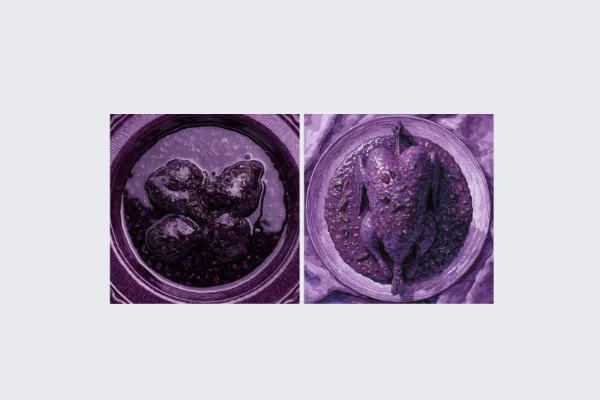
Holy Week in Braga
Braga is a famous city in Portugal. It is very old and has many churches. Every year, people celebrate Holy Week. This is called 'Semana Santa'. The city is very beautiful during this time. People put purple clothes on their windows. You can smell pine branches and incense in the streets. There are many big parades. Many people walk together in the streets. They wear special clothes. It is a very important time for the people of Braga. Many tourists visit the city to see these old traditions. It is a quiet and special week.
تسليط الضوء على القواعد
نمط: Present Simple 'To Be'
"Braga is a famous city in Portugal."
We use 'is' with singular nouns like 'Braga' to state facts. It connects the subject to a description.
نمط: Present Simple (Regular Verbs)
"Many tourists visit the city."
We use the base form of the verb 'visit' for plural subjects like 'tourists'. This shows a regular or repeated action.
اختبر فهمك
10 أسئلة · A1 مبتدئ · معاينة مجانية واحدة
اختبر ما تعلمته من هذا المقال. أجب على جميع الأسئلة لكسب نقاط خبرة!
Where is the city of Braga?
هل تريد إنهاء الاختبار؟
9 أسئلة أخرى بانتظارك. سجّل مجاناً لفتح الاختبار الكامل وكسب نقاط خبرة!
سجل مجاناًلديك حساب بالفعل؟ دخول
تفصيل الأسئلة
Where is the city of Braga?
إجابتك:
الإجابة الصحيحة: Portugal
People put purple clothes on their windows.
إجابتك:
الإجابة الصحيحة: صحيح
What does 'celebrate' mean?
إجابتك:
الإجابة الصحيحة: To do something special for an event
It is very old and has many _____.
إجابتك:
الإجابة الصحيحة: churches
Holy Week in the City of Braga
Braga is a very old city in Portugal. People call it the 'Rome of Portugal' because it has many beautiful churches. Every year, thousands of people visit Braga for 'Semana Santa', or Holy Week. This is one of the most famous festivals in the country.
During this week, the city looks different. People put purple clothes on their windows. The streets smell like incense and pine branches. It is more beautiful than usual. There are many religious processions at night. Men carry large torches and walk slowly through the dark streets.
The 'Ecce Homo' procession is the most famous one. It is bigger and more traditional than other events. Many people watch because the atmosphere is very special. Visitors like the music and the costumes. It is a great time to learn about Portuguese history and culture.
تسليط الضوء على القواعد
نمط: Comparatives (Adjective + -er / more + Adjective)
"It is bigger and more traditional than other events."
We use comparatives to show the difference between two things. For short words, we add '-er', and for long words, we use 'more' before the adjective.
نمط: Basic Connector 'Because'
"Many people watch because the atmosphere is very special."
We use 'because' to give a reason for something. It connects a result with its cause in a single sentence.
اختبر فهمك
11 أسئلة · A2 ابتدائي · معاينة مجانية واحدة
اختبر ما تعلمته من هذا المقال. أجب على جميع الأسئلة لكسب نقاط خبرة!
Where is the city of Braga located?
هل تريد إنهاء الاختبار؟
10 أسئلة أخرى بانتظارك. سجّل مجاناً لفتح الاختبار الكامل وكسب نقاط خبرة!
سجل مجاناًلديك حساب بالفعل؟ دخول
تفصيل الأسئلة
Where is the city of Braga located?
إجابتك:
الإجابة الصحيحة: Portugal
People put purple clothes on their windows during Holy Week.
إجابتك:
الإجابة الصحيحة: صحيح
What does 'traditional' mean?
إجابتك:
الإجابة الصحيحة: Following old ideas and customs
Braga is a very _____ city in Portugal.
إجابتك:
الإجابة الصحيحة: old
What do men carry during the night processions?
إجابتك:
الإجابة الصحيحة: Large torches
Discovering Holy Week in the City of Braga
Braga is a beautiful city in the north of Portugal which is often called the 'Rome of Portugal'. This name has been given to the city because it has many churches and a long religious history. Every year, during the spring, thousands of people visit Braga to see the 'Semana Santa', or Holy Week. These celebrations are famous all over the world for their beauty and tradition.
During this special week, the city is transformed into a place of reflection. Windows are decorated with purple drapes, and the streets are covered with damp pine branches. The air is filled with the strong scent of incense. It is an experience that touches all the senses and makes visitors feel like they have traveled back in time.
The most famous parts of the celebration are the processions. One of the most interesting traditions involves the 'Farricocos'. These are figures who wear black clothes and carry torches through the streets. They represent people who are doing penance. During these parades, the silence of the crowd is broken only by the sound of drums and heavy footsteps. It is a very atmospheric event that creates a serious but beautiful mood.
Many tourists have traveled to Braga to witness these ancient rites. Although the events are religious, they are also a significant part of Portuguese culture. If you visit, you will see how traditions have been preserved for centuries. It is a time when the past and the present meet in a very special way, showing the deep identity of the local people.
تسليط الضوء على القواعد
نمط: Relative Clauses
"Braga is a beautiful city in the north of Portugal which is often called the 'Rome of Portugal'."
Relative clauses start with words like 'which' or 'who' to give more information about a noun. In this case, 'which' adds detail about the city of Braga.
نمط: Passive Voice
"the city is transformed into a place of reflection."
The passive voice is used when the action is more important than the person doing it. It is formed using the verb 'to be' plus the past participle.
اختبر فهمك
11 أسئلة · B1 متوسط · معاينة مجانية واحدة
اختبر ما تعلمته من هذا المقال. أجب على جميع الأسئلة لكسب نقاط خبرة!
Why is Braga known as the 'Rome of Portugal'?
هل تريد إنهاء الاختبار؟
10 أسئلة أخرى بانتظارك. سجّل مجاناً لفتح الاختبار الكامل وكسب نقاط خبرة!
سجل مجاناًلديك حساب بالفعل؟ دخول
تفصيل الأسئلة
Why is Braga known as the 'Rome of Portugal'?
إجابتك:
الإجابة الصحيحة: Because it has many churches and a religious history
The streets of Braga are covered with red flowers during Holy Week.
إجابتك:
الإجابة الصحيحة: خطأ
What does the word 'ancient' mean?
إجابتك:
الإجابة الصحيحة: From the very distant past
The air in the city is filled with the strong scent of _____.
إجابتك:
الإجابة الصحيحة: incense
Who are the 'Farricocos' in the celebrations?
إجابتك:
الإجابة الصحيحة: Figures in black clothes carrying torches
The Living History of Braga: Exploring the Solemnity of Semana Santa
Braga, frequently referred to as the 'Rome of Portugal,' serves as the epicenter of one of Europe’s most profound cultural and religious manifestations: Semana Santa. While Holy Week is observed throughout the Iberian Peninsula, the celebrations in this northern Portuguese city are distinguished by their unparalleled historical depth and atmospheric intensity. During this period, the city undergoes a remarkable transformation, blending ancient traditions with a contemporary sense of community and devotion.
As visitors wander through the narrow streets of the historic center, they are immediately struck by the sensory shift. Windows are traditionally adorned with purple drapes, a color symbolizing penance and mourning in the Christian tradition. Furthermore, the air is thick with the scent of incense and damp pine branches, which are scattered across the pavement to pave the way for the numerous processions. These elements combined create a somber yet captivating environment that transports observers back through centuries of religious heritage.
One of the most iconic moments of the week is the 'Ecce Homo' procession. This event is led by the 'Farricocos,' mysterious figures dressed in black tunics and hoods, carrying torches and rattles. Historically, these individuals represented penitents who sought forgiveness, and their presence today continues to evoke a sense of mystery and reflection. The rhythmic sound of the rattles, echoing against the stone walls, serves as a poignant reminder of the event's gravity.
Nevertheless, Semana Santa in Braga is not merely a reenactment of the past; it is a dynamic cultural event that requires meticulous planning and significant community involvement. Local guilds and brotherhoods spend months preparing the elaborate floats, known as 'passos,' which are carried through the streets. These floats, decorated with intricate flowers and statues, depict scenes from the Passion of Christ, serving as mobile altars for the thousands of spectators who line the route.
From an analytical perspective, the enduring popularity of these rites highlights the intersection of faith, identity, and tourism. While the religious significance remains paramount for many, the event also serves as a vital expression of regional heritage. Consequently, Braga has succeeded in preserving its ancient customs while simultaneously welcoming a global audience. Whether one approaches the week from a spiritual or a historical viewpoint, the experience of Semana Santa in Braga remains an unforgettable encounter with the soul of Portugal.
تسليط الضوء على القواعد
نمط: Passive Voice
"Windows are traditionally adorned with purple drapes..."
The passive voice is used here to focus on the objects being decorated rather than who is decorating them. It is formed using the verb 'to be' and the past participle of the main verb.
نمط: Non-defining Relative Clauses
"...damp pine branches, which are scattered across the pavement..."
This pattern provides extra, non-essential information about a noun. It is separated from the rest of the sentence by commas and uses 'which' for objects.
نمط: Present Perfect Simple
"Braga has succeeded in preserving its ancient customs..."
This tense is used to describe an action that happened at an unspecified time in the past and has a result or relevance in the present.
اختبر فهمك
11 أسئلة · B2 فوق المتوسط · معاينة مجانية واحدة
اختبر ما تعلمته من هذا المقال. أجب على جميع الأسئلة لكسب نقاط خبرة!
Why is Braga often called the 'Rome of Portugal'?
هل تريد إنهاء الاختبار؟
10 أسئلة أخرى بانتظارك. سجّل مجاناً لفتح الاختبار الكامل وكسب نقاط خبرة!
سجل مجاناًلديك حساب بالفعل؟ دخول
تفصيل الأسئلة
Why is Braga often called the 'Rome of Portugal'?
إجابتك:
الإجابة الصحيحة: Due to its high concentration of churches and religious history.
Purple drapes are used in the city to symbolize celebration and joy.
إجابتك:
الإجابة الصحيحة: خطأ
What does the word 'meticulous' mean in the context of the article?
إجابتك:
الإجابة الصحيحة: Very careful and precise
The air in the city is thick with the scent of _____ and damp pine branches.
إجابتك:
الإجابة الصحيحة: incense
Who are the 'Farricocos' mentioned in the text?
إجابتك:
الإجابة الصحيحة: Hooded figures carrying torches and rattles.
The Interweaving of Piety and Pageantry: The Temporal Duality of Braga’s Semana Santa
Rarely does one encounter a spectacle as profoundly evocative as the Semana Santa in Braga. Known colloquially as the 'Rome of Portugal' due to its unparalleled density of ecclesiastical structures, the city undergoes a radical metamorphosis during the Lenten season. The metamorphosis of the city’s architectural identity serves as a poignant reminder of its ecclesiastical heritage, as windows are draped in penitential purple and the air is perfumed with the visceral scent of incense and damp pine. It is the juxtaposition of archaic ritual and contemporary observation that lends the event its unique character, positioning it at the intersection of deep-seated faith and the inevitable creep of secularization.
The processions, most notably the 'Farricocos' during the Ecce Homo procession, offer a multifaceted exploration of historical continuity. These hooded figures, once symbols of public penance, now navigate a space where the boundaries between the sacred and the performative are increasingly blurred. Underpinning this display is a complex web of social and religious traditions that have survived centuries of political upheaval. The solemnity of the barefoot penitents, clutching flickering torches against the velvet darkness of the night, evokes an ethereal quality that seems to suspend time itself. This temporal suspension allows participants and observers alike to engage in a form of collective memory that transcends the mundane reality of the modern world.
However, a critical analysis of these celebrations reveals a nuanced tension. As tourism becomes an increasingly dominant economic driver, the commodification of such ephemeral religious practices is unavoidable. Critics argue that the influx of international spectators risks diluting the raw veneration that once defined the week. Yet, proponents maintain that the global gaze provides the very resources necessary for the preservation of these traditions. What remains clear is that the Semana Santa is not merely a static relic of the past, but a living, breathing entity that adapts to the cultural zeitgeist. Whether viewed through the lens of theological devotion or cultural anthropology, the events in Braga offer an unparalleled insight into the enduring power of ritual in the Iberian Peninsula. Ultimately, the week serves as a testament to the resilience of human belief and the aesthetic power of tradition to command silence in an otherwise clamorous age.
تسليط الضوء على القواعد
نمط: Inversion with Negative/Restrictive Adverbs
"Rarely does one encounter a spectacle as profoundly evocative as the Semana Santa in Braga."
When an adverb with a negative or restrictive meaning (like 'rarely' or 'never') starts a sentence, the auxiliary verb and subject are inverted. This is used in formal writing to add emphasis and dramatic flair.
نمط: Cleft Sentences
"It is the juxtaposition of archaic ritual and contemporary observation that lends the event its unique character."
Cleft sentences use the structure 'It is/was + [emphasized part] + that/who' to focus the reader's attention on a specific element. Here, it emphasizes the 'juxtaposition' as the primary cause of the event's character.
نمط: Nominalisation
"The metamorphosis of the city’s architectural identity serves as a poignant reminder of its ecclesiastical heritage."
Nominalisation involves turning verbs or adjectives into nouns (e.g., 'metamorphosis' instead of 'the city changes'). This creates a more formal, academic tone and allows for more complex ideas to be packed into a single sentence.
اختبر فهمك
12 أسئلة · C1 متقدم · معاينة مجانية واحدة
اختبر ما تعلمته من هذا المقال. أجب على جميع الأسئلة لكسب نقاط خبرة!
What is the primary tension discussed in the article regarding modern celebrations?
هل تريد إنهاء الاختبار؟
11 أسئلة أخرى بانتظارك. سجّل مجاناً لفتح الاختبار الكامل وكسب نقاط خبرة!
سجل مجاناًلديك حساب بالفعل؟ دخول
تفصيل الأسئلة
What is the primary tension discussed in the article regarding modern celebrations?
إجابتك:
الإجابة الصحيحة: The conflict between religious devotion and tourism-driven commodification
The 'Farricocos' are described as figures who represent modern political change.
إجابتك:
الإجابة الصحيحة: خطأ
What does 'ephemeral' mean in the context of the article?
إجابتك:
الإجابة الصحيحة: Lasting for a very short time
The air in Braga is described as being perfumed with the _____ scent of incense.
إجابتك:
الإجابة الصحيحة: visceral
Why is Braga referred to as the 'Rome of Portugal'?
إجابتك:
الإجابة الصحيحة: Due to its high density of churches and religious history
The author suggests that the global gaze might actually help preserve these traditions.
إجابتك:
الإجابة الصحيحة: صحيح
براغا: حيث تتجلى قدسية الأسبوع المقدس في أبهى صورها
تُعرف البرتغال، بتاريخها العريق وعمقها الروحي، بأنها حاضنة لمجموعة من أروع الاحتفالات الدينية في العالم، ولعل "أسبوع الآلام" أو "سيمانا سانتا" (Semana Santa) في مدينة براغا يقف شامخًا كأحد أبرز هذه التظاهرات. فبراغا، التي تُلقب بـ "روما البرتغال" لكثافتها الكنسية وتاريخها الديني المتجذر، ليست مجرد مدينة تستضيف هذه الطقوس؛ بل هي تتجسد فيها الروحانية ذاتها، مقدمةً خلفيةً مهيبةً لهذه الشعائر القديمة التي تتجاوز مجرد العبادة لتلامس جوهر الهوية الثقافية. إنها فترة تتشكل فيها المدينة بأكملها، من شوارعها المرصوفة إلى واجهات منازلها العتيقة، لتصبح مسرحًا حيًا يُروى فيه سرد الخلاص عبر قرون من التقاليد المتوارثة.
ما أن يحل الأسبوع المقدس، حتى تتغير ملامح براغا جذريًا. فترى النوافذ تُزيّن بالستائر الأرجوانية التي ترمز إلى التوبة والحزن، بينما يملأ الهواء عبق البخور المتصاعد من الكنائس القديمة، ممزوجًا بعبير أغصان الصنوبر الرطبة، ليخلق جوًا فريدًا يغلف الحواس ويستحضر قدسية اللحظة. هذه ليست مجرد زينة عابرة، بل هي إشارة إلى تحول عميق في نسيج الحياة اليومية، حيث تتضافر الرموز المرئية والروائح العطرية والأصوات الخاشعة لتشكل تجربة حسية متكاملة، لا يملك الزائر إزاءها إلا أن ينغمس فيها بكل جوارحه. فالمشهد برمته يبدو وكأنه يستعصي على الوصف، إذ يجمع بين الفخامة البصرية والعمق الروحي بطريقة قل نظيرها.
إن احتفالات "سيمانا سانتا" في براغا لا تقتصر على كونها مجرد طقوس دينية تُمارس في الكنائس، بل هي استعراض عام للعبادة يتخلله شغف درامي وعمق تاريخي. فالمواكب المهيبة، التي تتجول في الشوارع الضيقة للمدينة القديمة، تُعد قلب هذه الاحتفالات النابض. يشارك فيها الآلاف من المؤمنين، مرتدين أزياءً تقليدية تعود إلى قرون مضت، حاملين الشموع والمجسمات الدينية الضخمة التي تصور مشاهد من آلام المسيح. هذه المواكب ليست مجرد مسيرات، بل هي تمثيل حي للسرد الإنجيلي، حيث يتجسد الإيمان في خطوات بطيئة ومؤثرة، وتتوالى الترانيم القديمة التي تملأ الأجواء بحالة من الخشوع والتأمل.
البعد الثقافي لهذه الاحتفالات لا يقل أهمية عن بعدها الديني. فـ "سيمانا سانتا" في براغا تُعد مثالًا حيًا على كيفية احتفاظ المجتمعات بتقاليدها وتوريثها عبر الأجيال. إنها ليست مجرد إحياء لذكرى دينية، بل هي فرصة لتجديد الروابط المجتمعية وتعزيز الشعور بالانتماء. الطلاب، على سبيل المثال، يلعبون دورًا محوريًا في تنظيم بعض هذه المواكب، مما يضمن استمرارية هذه العادات ويغرس قيمها في الأجيال الشابة. هذا التفاعل بين الماضي والحاضر، بين الإيمان والتقاليد، هو ما يمنح احتفالات براغا رونقها الخاص ويجعلها تجربة لا تُنسى لكل من يشهدها.
وإذا ما أردنا الغوص في عمق دلالات هذه الاحتفالات، لوجدنا أنها تتجاوز بكثير مجرد التعبير عن إيمان عقائدي بحت. إنها تعكس قصة مدينة وشعب، قصة صمود وتاريخ متواصل، حيث تتداخل الأساطير الشعبية مع الحقائق التاريخية لتنسج نسيجًا فريدًا من المعتقدات والممارسات. فالطقوس، وإن بدت للوهلة الأولى مجرد استعراض، إلا أنها في جوهرها تعبير عن تطلعات روحية عميقة، وعن البحث الدائم عن المعنى في عالم متغير. إنها دعوة للتأمل في قيم التضحية والفداء، ولإعادة اكتشاف البصيص الخالد في الروح البشرية.
في الختام، يمكن القول إن "سيمانا سانتا" في براغا ليست مجرد مناسبة دينية تُقام مرة في العام، بل هي ظاهرة ثقافية واجتماعية متكاملة، تتسم بالثراء والعمق. إنها تجربة حسية وروحية فريدة، تترك أثرًا لا يُمحى في ذاكرة كل من يزور هذه المدينة الساحرة خلال تلك الأيام المباركة. إنها دعوة مفتوحة لاكتشاف جزء من روح البرتغال، وجوهر إيمانها، وجمال تقاليدها التي صمدت أمام عاديات الزمن، لتظل براغا منارة للإيمان والجمال. ما أروع هذا التمازج بين القداسة والتاريخ!
تسليط الضوء على القواعد
نمط: المصدر المؤول من (أن والفعل المضارع)
"لا يملك الزائر إزاءها إلا أن ينغمس فيها بكل جوارحه."
يُستخدم المصدر المؤول (أن + الفعل المضارع المنصوب) ليحل محل المصدر الصريح، ويعطي الجملة مرونة وتعبيرًا عن الفعل كاسم. في هذا المثال، يمكن استبداله بـ "الانغماس"، وهو يعبر عن الحدث الذي لا يملك الزائر إلا القيام به.
نمط: اسم الفاعل العامل عمل فعله
"الآلاف من المؤمنين، مرتدين أزياءً تقليدية تعود إلى قرون مضت، حاملين الشموع والمجسمات الدينية الضخمة."
اسم الفاعل (مثل "مرتدين" و "حاملين") يمكن أن يعمل عمل فعله المضارع المبني للمعلوم، فيرفع فاعلاً وينصب مفعولاً به، شريطة أن يدل على الحال أو الاستقبال ويعتمد على مبتدأ أو موصوف أو حال. هنا، "مرتدين" و "حاملين" يعملان لبيان حال المؤمنين، حيث نصبا "أزياءً" و "الشموع" كمفعول به.
نمط: أسلوب التعجب القياسي (ما أفعله!)
"ما أروع هذا التمازج بين القداسة والتاريخ!"
يُستخدم هذا الأسلوب للتعبير عن الدهشة والإعجاب الشديدين بشيء ما. يتكون من "ما" التعجبية (اسم نكرة تامة بمعنى شيء عظيم)، وفعل التعجب (على وزن "أفعل")، والمتعجب منه (مفعول به منصوب). يعكس هذا الأسلوب بلاغة اللغة العربية وقدرتها على التعبير عن المشاعر القوية.
اختبر فهمك
12 أسئلة · C2 إتقان · معاينة مجانية واحدة
اختبر ما تعلمته من هذا المقال. أجب على جميع الأسئلة لكسب نقاط خبرة!
لماذا تُلقب مدينة براغا بـ "روما البرتغال"؟
هل تريد إنهاء الاختبار؟
11 أسئلة أخرى بانتظارك. سجّل مجاناً لفتح الاختبار الكامل وكسب نقاط خبرة!
سجل مجاناًلديك حساب بالفعل؟ دخول
تفصيل الأسئلة
لماذا تُلقب مدينة براغا بـ "روما البرتغال"؟
إجابتك:
الإجابة الصحيحة: لكثافتها الكنسية وتاريخها الديني
احتفالات "سيمانا سانتا" في براغا تقتصر على الطقوس الدينية داخل الكنائس فقط.
إجابتك:
الإجابة الصحيحة: خطأ
ماذا تعني كلمة "مهيبة" في سياق المقال؟
إجابتك:
الإجابة الصحيحة: ذات هيبة ووقار وعظمة
تُزين النوافذ بالستائر ______ التي ترمز إلى التوبة والحزن خلال الأسبوع المقدس.
إجابتك:
الإجابة الصحيحة: الأرجوانية
ما هو الدور الذي يلعبه الطلاب في تنظيم بعض مواكب "سيمانا سانتا"؟
إجابتك:
الإجابة الصحيحة: يساهمون في ضمان استمرارية العادات وغرس قيمها
تُعد احتفالات "سيمانا سانتا" في براغا مجرد إحياء لذكرى دينية ولا تحمل أي أبعاد ثقافية أو اجتماعية.
إجابتك:
الإجابة الصحيحة: خطأ

