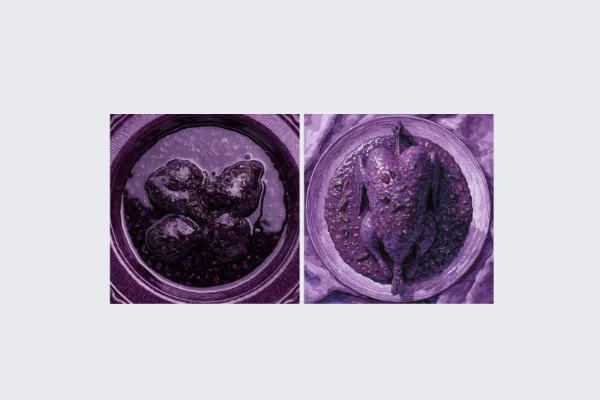
ブラガのセマナ・サンタ
ポルトガルにブラガという町があります。この町はとてもきれいです。たくさんの教会があります。だから、ブラガは「ポルトガルのローマ」と呼ばれます。
ブラガでは「セマナ・サンタ」というお祭りがあります。これはイースターの前の週です。町は紫色になります。窓に紫の布がかかります。
お祭りのとき、いいにおいがします。お香のにおいです。人々はゆっくりと道を歩きます。これはとても古いお祭りです。みんなでイースターを待ちます。
文法スポットライト
パターン: 〜があります
"ポルトガルにブラガという町があります。"
「〜があります」は、物や場所が存在することを示します。主語の後に助詞「が」を使い、存在を示す動詞「あります」を続けます。これは丁寧な言い方です。
パターン: 〜になります
"町は紫色になります。"
「〜になります」は、何かの状態が変わることを示します。変化の後の状態の後に助詞「に」を使い、動詞「なります」を続けます。これは「なる」の丁寧な形です。
理解度をチェック
10 問 · A1 初級 · 無料プレビュー 1回
この記事で学んだことをテストしよう。全問正解してXPを獲得!
ブラガという町はどこにありますか?
問題の内訳
ブラガという町はどこにありますか?
あなたの回答:
正解: ポルトガル
セマナ・サンタは冬のお祭りです。
あなたの回答:
正解: 間違い
「教会」は何を意味しますか?
あなたの回答:
正解: church
町は____になります。
あなたの回答:
正解: 紫色
ブラガのセマナ・サンタ:ポルトガルの古いお祭り
ポルトガルにブラガという古い町があります。この町はとてもきれいな教会がたくさんありますから、「ポルトガルのローマ」と呼ばれます。ブラガはとても長い歴史がある町です。
毎年、イースターの前の週に「セマナ・サンタ」というお祭りがあります。このお祭りはブラガでとても有名です。この一週間、町は特別な雰囲気になります。窓には紫色の布がかかっています。そして、お香のいい匂いが町中に広がります。
たくさんの人がお祭りに参加します。彼らは静かに歩き、古い歌を歌います。セマナ・サンタはただの宗教的な行事ではありません。これはブラガの美しい伝統です。もしポルトガルに行くなら、この古いお祭りを見るのはいい経験でしょう。
文法スポットライト
パターン: 〜から (because)
"この町はとてもきれいな教会がたくさんありますから、「ポルトガルのローマ」と呼ばれます。"
「〜から」は、理由や原因を説明するときに使います。前の文が理由で、後ろの文が結果になります。動詞や形容詞の普通形の後ろにつけます。
パターン: 〜になります (to become)
"この一週間、町は特別な雰囲気になります。"
「〜になります」は、何かが変わって、ある状態になることを表します。名詞や形容動詞の語幹、またはイ形容詞の「〜く」の形の後ろにつけて使います。
理解度をチェック
11 問 · A2 初級 · 無料プレビュー 1回
この記事で学んだことをテストしよう。全問正解してXPを獲得!
ブラガは「ポルトガルのローマ」と呼ばれます。その理由は何ですか?
問題の内訳
ブラガは「ポルトガルのローマ」と呼ばれます。その理由は何ですか?
あなたの回答:
正解: きれいな教会がたくさんあるから
セマナ・サンタはイースターの後の週にあります。
あなたの回答:
正解: 間違い
「教会」の意味は何ですか?
あなたの回答:
正解: 神様を信じる人がお祈りする建物
窓には_____の布がかかっています。
あなたの回答:
正解: 紫色
セマナ・サンタの期間中、町中には何の匂いが広がりますか?
あなたの回答:
正解: お香の匂い
ポルトガルの「聖週間」ブラガの厳かな祭り
ポルトガルでは、キリスト教の重要な祝祭である聖週間(セマナ・サンタ)が国中で祝われますが、特にブラガの街で開催されるものは最も有名で、豪華なことで知られています。ブラガは、数多くの教会と深い宗教的歴史があることから、「ポルトガルのローマ」として広く知られています。
聖週間が近づくと、ブラガの街は一変します。家々の窓には紫色の布が飾られ、街中にはお香と湿った松の枝の香りが満ちています。これは、ただの宗教的な礼拝ではありません。古くからの儀式や行列が街中を練り歩き、その様子は訪れる人々を魅了します。何世紀も前から受け継がれてきたこれらの伝統は、ブラガの人々の強い信仰心を現代に伝えてきました。
夜になると、街の通りはろうそくの柔らかな光に照らされ、厳かで神秘的な雰囲気がさらに深まります。多くの人々がこの行列に静かに参加し、祈りを捧げます。ブラガの聖週間は、単なる歴史的なイベントではなく、地域社会の結束と深い精神性を象徴するものです。この特別な一週間を体験するために、世界中から多くの観光客や巡礼者が毎年ブラガを訪れています。彼らは、ブラガが持つ独特の美しさと、人々の信仰に直接触れることができるでしょう。
文法スポットライト
パターン: 〜として知られています
"ブラガは、数多くの教会と深い宗教的歴史があることから、「ポルトガルのローマ」として広く知られています。"
この表現は、「〜という名前や役割で多くの人に認識されている」という意味を表します。「として」は「〜として」の形で、あるものや人が別の役割や名前で認識されていることを示します。「知られています」は受け身の形で、広く世間に認知されている状態を表します。
パターン: 〜だけでなく〜も
"ブラガの聖週間は、単なる歴史的なイベントだけでなく、地域社会の結束と深い精神性を象徴するものです。"
「〜だけでなく〜も」は、「Aだけではなく、Bも」というように、二つの事柄や情報を並列に挙げるときに使います。AとBの両方に言及する際に便利な表現で、Aの事柄に加えてBの事柄も重要であることを強調します。
理解度をチェック
11 問 · B1 中級 · 無料プレビュー 1回
この記事で学んだことをテストしよう。全問正解してXPを獲得!
ブラガの街は、何が多いことで「ポルトガルのローマ」と呼ばれていますか。
問題の内訳
ブラガの街は、何が多いことで「ポルトガルのローマ」と呼ばれていますか。
あなたの回答:
正解: 多くの教会
聖週間中、ブラガの家々の窓には青い布が飾られます。
あなたの回答:
正解: 間違い
「雰囲気」の意味は何ですか。
あなたの回答:
正解: ある場所の感じやムード
聖週間中、街中にはお香と湿った___の香りが満ちています。
あなたの回答:
正解: 松の枝
ブラガの聖週間は、何のために多くの人々が訪れますか。
あなたの回答:
正解: 歴史と文化、そして人々の信仰に触れるため
The Living History of Braga: Exploring the Solemnity of Semana Santa
Braga, frequently referred to as the 'Rome of Portugal,' serves as the epicenter of one of Europe’s most profound cultural and religious manifestations: Semana Santa. While Holy Week is observed throughout the Iberian Peninsula, the celebrations in this northern Portuguese city are distinguished by their unparalleled historical depth and atmospheric intensity. During this period, the city undergoes a remarkable transformation, blending ancient traditions with a contemporary sense of community and devotion.
As visitors wander through the narrow streets of the historic center, they are immediately struck by the sensory shift. Windows are traditionally adorned with purple drapes, a color symbolizing penance and mourning in the Christian tradition. Furthermore, the air is thick with the scent of incense and damp pine branches, which are scattered across the pavement to pave the way for the numerous processions. These elements combined create a somber yet captivating environment that transports observers back through centuries of religious heritage.
One of the most iconic moments of the week is the 'Ecce Homo' procession. This event is led by the 'Farricocos,' mysterious figures dressed in black tunics and hoods, carrying torches and rattles. Historically, these individuals represented penitents who sought forgiveness, and their presence today continues to evoke a sense of mystery and reflection. The rhythmic sound of the rattles, echoing against the stone walls, serves as a poignant reminder of the event's gravity.
Nevertheless, Semana Santa in Braga is not merely a reenactment of the past; it is a dynamic cultural event that requires meticulous planning and significant community involvement. Local guilds and brotherhoods spend months preparing the elaborate floats, known as 'passos,' which are carried through the streets. These floats, decorated with intricate flowers and statues, depict scenes from the Passion of Christ, serving as mobile altars for the thousands of spectators who line the route.
From an analytical perspective, the enduring popularity of these rites highlights the intersection of faith, identity, and tourism. While the religious significance remains paramount for many, the event also serves as a vital expression of regional heritage. Consequently, Braga has succeeded in preserving its ancient customs while simultaneously welcoming a global audience. Whether one approaches the week from a spiritual or a historical viewpoint, the experience of Semana Santa in Braga remains an unforgettable encounter with the soul of Portugal.
文法スポットライト
パターン: Passive Voice
"Windows are traditionally adorned with purple drapes..."
The passive voice is used here to focus on the objects being decorated rather than who is decorating them. It is formed using the verb 'to be' and the past participle of the main verb.
パターン: Non-defining Relative Clauses
"...damp pine branches, which are scattered across the pavement..."
This pattern provides extra, non-essential information about a noun. It is separated from the rest of the sentence by commas and uses 'which' for objects.
パターン: Present Perfect Simple
"Braga has succeeded in preserving its ancient customs..."
This tense is used to describe an action that happened at an unspecified time in the past and has a result or relevance in the present.
理解度をチェック
11 問 · B2 中上級 · 無料プレビュー 1回
この記事で学んだことをテストしよう。全問正解してXPを獲得!
Why is Braga often called the 'Rome of Portugal'?
問題の内訳
Why is Braga often called the 'Rome of Portugal'?
あなたの回答:
正解: Due to its high concentration of churches and religious history.
Purple drapes are used in the city to symbolize celebration and joy.
あなたの回答:
正解: 間違い
What does the word 'meticulous' mean in the context of the article?
あなたの回答:
正解: Very careful and precise
The air in the city is thick with the scent of _____ and damp pine branches.
あなたの回答:
正解: incense
Who are the 'Farricocos' mentioned in the text?
あなたの回答:
正解: Hooded figures carrying torches and rattles.
The Interweaving of Piety and Pageantry: The Temporal Duality of Braga’s Semana Santa
Rarely does one encounter a spectacle as profoundly evocative as the Semana Santa in Braga. Known colloquially as the 'Rome of Portugal' due to its unparalleled density of ecclesiastical structures, the city undergoes a radical metamorphosis during the Lenten season. The metamorphosis of the city’s architectural identity serves as a poignant reminder of its ecclesiastical heritage, as windows are draped in penitential purple and the air is perfumed with the visceral scent of incense and damp pine. It is the juxtaposition of archaic ritual and contemporary observation that lends the event its unique character, positioning it at the intersection of deep-seated faith and the inevitable creep of secularization.
The processions, most notably the 'Farricocos' during the Ecce Homo procession, offer a multifaceted exploration of historical continuity. These hooded figures, once symbols of public penance, now navigate a space where the boundaries between the sacred and the performative are increasingly blurred. Underpinning this display is a complex web of social and religious traditions that have survived centuries of political upheaval. The solemnity of the barefoot penitents, clutching flickering torches against the velvet darkness of the night, evokes an ethereal quality that seems to suspend time itself. This temporal suspension allows participants and observers alike to engage in a form of collective memory that transcends the mundane reality of the modern world.
However, a critical analysis of these celebrations reveals a nuanced tension. As tourism becomes an increasingly dominant economic driver, the commodification of such ephemeral religious practices is unavoidable. Critics argue that the influx of international spectators risks diluting the raw veneration that once defined the week. Yet, proponents maintain that the global gaze provides the very resources necessary for the preservation of these traditions. What remains clear is that the Semana Santa is not merely a static relic of the past, but a living, breathing entity that adapts to the cultural zeitgeist. Whether viewed through the lens of theological devotion or cultural anthropology, the events in Braga offer an unparalleled insight into the enduring power of ritual in the Iberian Peninsula. Ultimately, the week serves as a testament to the resilience of human belief and the aesthetic power of tradition to command silence in an otherwise clamorous age.
文法スポットライト
パターン: Inversion with Negative/Restrictive Adverbs
"Rarely does one encounter a spectacle as profoundly evocative as the Semana Santa in Braga."
When an adverb with a negative or restrictive meaning (like 'rarely' or 'never') starts a sentence, the auxiliary verb and subject are inverted. This is used in formal writing to add emphasis and dramatic flair.
パターン: Cleft Sentences
"It is the juxtaposition of archaic ritual and contemporary observation that lends the event its unique character."
Cleft sentences use the structure 'It is/was + [emphasized part] + that/who' to focus the reader's attention on a specific element. Here, it emphasizes the 'juxtaposition' as the primary cause of the event's character.
パターン: Nominalisation
"The metamorphosis of the city’s architectural identity serves as a poignant reminder of its ecclesiastical heritage."
Nominalisation involves turning verbs or adjectives into nouns (e.g., 'metamorphosis' instead of 'the city changes'). This creates a more formal, academic tone and allows for more complex ideas to be packed into a single sentence.
理解度をチェック
12 問 · C1 上級 · 無料プレビュー 1回
この記事で学んだことをテストしよう。全問正解してXPを獲得!
What is the primary tension discussed in the article regarding modern celebrations?
問題の内訳
What is the primary tension discussed in the article regarding modern celebrations?
あなたの回答:
正解: The conflict between religious devotion and tourism-driven commodification
The 'Farricocos' are described as figures who represent modern political change.
あなたの回答:
正解: 間違い
What does 'ephemeral' mean in the context of the article?
あなたの回答:
正解: Lasting for a very short time
The air in Braga is described as being perfumed with the _____ scent of incense.
あなたの回答:
正解: visceral
Why is Braga referred to as the 'Rome of Portugal'?
あなたの回答:
正解: Due to its high density of churches and religious history
The author suggests that the global gaze might actually help preserve these traditions.
あなたの回答:
正解: 正しい
Sacred Echoes and Temporal Palimpsests: The Ontological Weight of Braga’s Holy Week
To traverse the labyrinthine streets of Braga during the Holy Week is to witness a city where the temporal and the transcendental intersect with profound intensity. Often characterized as the 'Rome of Portugal,' Braga possesses an ecclesiastical heritage so dense that it serves as a living palimpsest of European religious history. The Semana Santa celebrations are not merely vestigial rites of a bygone era; rather, they constitute a visceral reassertion of identity in an increasingly secularized world. Should one venture into the city’s historic core during these seven days, the sensory shift is immediate. The air, thick with the evocative scent of incense and damp pine branches, carries a weight of solemnity that demands a departure from the mundane.
Central to this liturgical drama are the processions, which function as an elaborate form of public mourning and theological exposition. The 'Ecce Homo' procession, arguably the most iconic, features the 'Farricocos'—barefooted figures clad in coarse tunics who evoke a medieval penitential ethos. It is imperative that the observer recognize the dual nature of these participants; they are both an anachronism and a contemporary necessity, bridging the gap between historical guilt and modern introspection. The flickering torches they carry do not merely illuminate the cobblestones; they cast long shadows over the very concept of modernity, suggesting that beneath the veneer of progress, the human need for ritual remains unyielding.
One might posit that the efficacy of these celebrations lies in their idiosyncrasy. Unlike the more flamboyant festivities found elsewhere in the Iberian Peninsula, Braga’s Holy Week is marked by a rigorous, almost austere devotion. The city is transformed into a theatre of the sacred, where windows are draped in purple—the liturgical color of penance—and the rhythmic tolling of bells creates a temporal distortion. Scarcely has the incense settled before the next procession begins, each one adding a new layer to the city’s spiritual narrative. This cyclical nature of the event ensures that the ephemeral moments of grace are captured within a permanent structure of tradition.
Furthermore, the sociological impact of the Semana Santa cannot be understated. It is through the scent of pine and the sight of the 'Burial of the Lord' that the community reaffirms its collective memory. While academic hedging might suggest that such traditions are subject to the erosion of time, Braga’s resilience suggests otherwise. The city does not merely host the event; it is consumed by it. The interplay between the sacred liturgy and the secular public space creates a liminality where the boundaries of the self are momentarily dissolved into the greater whole of the congregation. It is this very transcendence that attracts scholars and pilgrims alike, seeking to understand the enduring power of faith in a post-metaphysical age.
In conclusion, the Semana Santa de Braga remains a cornerstone of Portuguese cultural identity. It is a testament to the fact that even in an age of digital immediacy, the slow, deliberate pace of ritual holds a unique power. Whether viewed through a theological lens or as a sociological phenomenon, the event demands an engagement with the profound. As the purple drapes are finally folded away, the city returns to its daily rhythms, yet the echoes of the processions linger, a reminder of the enduring dialogue between the human and the divine.
文法スポットライト
パターン: Inverted Conditional
"Should one venture into the city’s historic core during these seven days, the sensory shift is immediate."
This formal structure replaces 'If one should venture' by moving the auxiliary verb to the front. It is commonly used in C2 academic or literary prose to sound more sophisticated.
パターン: The Subjunctive Mood
"It is imperative that the observer recognize the dual nature of these participants."
The base form 'recognize' (instead of 'recognizes') is used after adjectives of urgency or importance. This highlights the necessity of an action in a formal register.
パターン: Negative Inversion
"Scarcely has the incense settled before the next procession begins."
When a sentence starts with a negative or restrictive adverb like 'scarcely', the subject and auxiliary verb are inverted. This creates emphasis and a more dramatic narrative flow.
理解度をチェック
12 問 · C2 マスター · 無料プレビュー 1回
この記事で学んだことをテストしよう。全問正解してXPを獲得!
What does the author suggest about the 'Farricocos' in the Ecce Homo procession?
問題の内訳
What does the author suggest about the 'Farricocos' in the Ecce Homo procession?
あなたの回答:
正解: They represent a bridge between historical guilt and modern self-reflection.
Braga's Holy Week is described as being more flamboyant than other Iberian celebrations.
あなたの回答:
正解: 間違い
Which word describes a thing belonging to a period other than that in which it exists?
あなたの回答:
正解: Anachronism
The air in Braga during Holy Week is thick with the scent of incense and damp _____ branches.
あなたの回答:
正解: pine
What is the primary function of the purple drapes mentioned in the text?
あなたの回答:
正解: To signify the liturgical color of penance.
The author argues that the human need for ritual has been completely replaced by modern progress.
あなたの回答:
正解: 間違い

