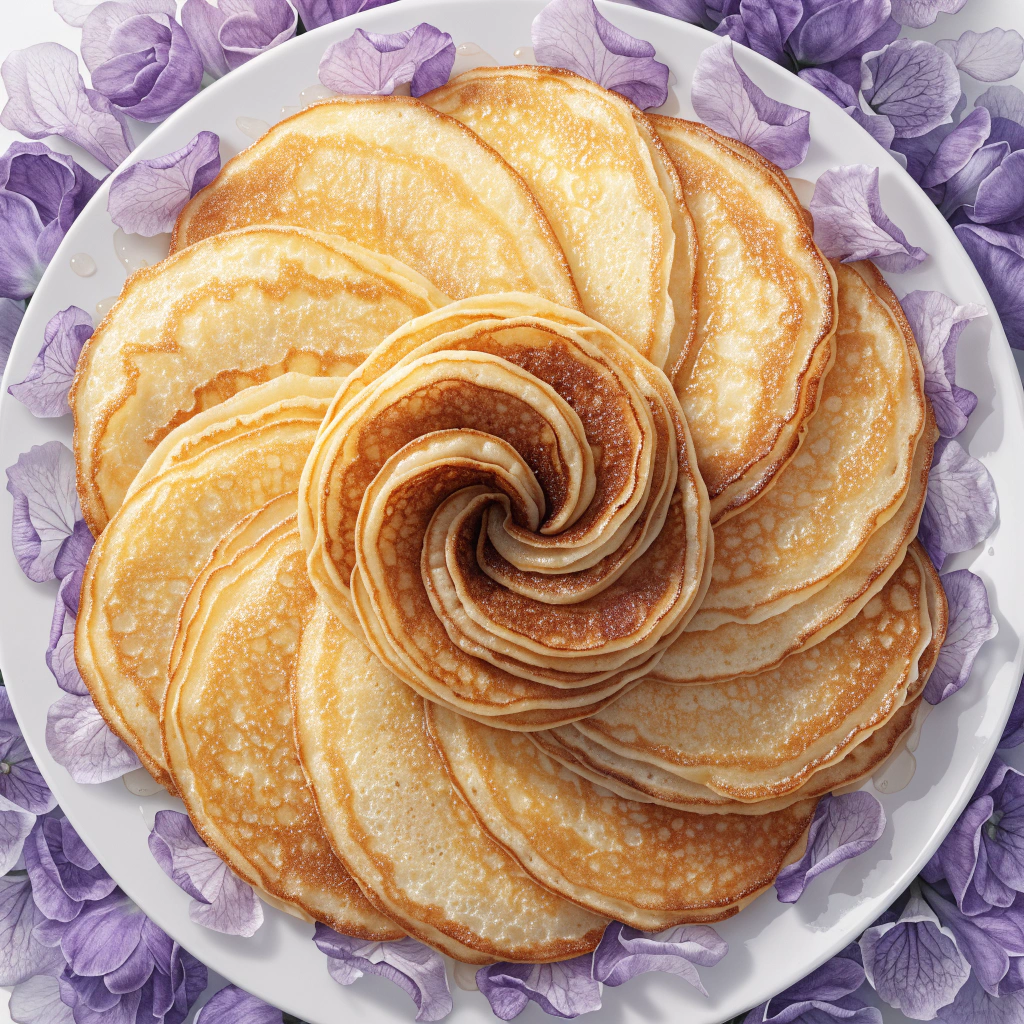
بليني: طعام روسي لذيذ
بليني هو طعام لذيذ ومشهور جداً من روسيا. هو يشبه فطيرة رقيقة وصغيرة. الناس في روسيا يحبون أكل بليني كثيراً، وهو جزء مهم من ثقافتهم. شكل بليني يكون دائرياً ولونه غالباً ذهبي جميل. هو طعام ساخن، ويمكن أن يكون طعمه حلواً أو مالحاً. كثير من الناس يأكلون بليني مع الجبن أو المربى أو العسل. في روسيا، هناك عيد خاص اسمه "ماسْلِنِتْسا". هذا العيد يكون في نهاية الشتاء البارد والطويل. في هذا العيد، يأكل الناس بليني كثيراً. بليني في هذا الوقت يرمز إلى الشمس والضوء. هو يجلب الدفء. بليني ليس مجرد طعام، بل هو رمز للفرح وبداية الدفء.
تسليط الضوء على القواعد
نمط: استخدام الفعل "يكون"
"بليني يكون دائرياً ولونه غالباً ذهبي جميل."
الفعل 'يكون' يعني 'to be' في اللغة الإنجليزية. نستخدمه لوصف حالة الأشياء أو الناس. يأتي بعده غالباً اسم أو صفة لوصف المبتدأ.
نمط: استخدام حرف الجر "في"
"الناس في روسيا يحبون أكل بليني كثيراً."
حرف الجر 'في' يعني 'in' أو 'at'. نستخدمه للكلام عن المكان أو الزمان. يأتي بعده اسم مجرور (علامة جره الكسرة عادةً).
اختبر فهمك
10 أسئلة · A1 مبتدئ · معاينة مجانية واحدة
اختبر ما تعلمته من هذا المقال. أجب على جميع الأسئلة لكسب نقاط خبرة!
ما هو بليني؟
هل تريد إنهاء الاختبار؟
9 أسئلة أخرى بانتظارك. سجّل مجاناً لفتح الاختبار الكامل وكسب نقاط خبرة!
سجل مجاناًلديك حساب بالفعل؟ دخول
تفصيل الأسئلة
ما هو بليني؟
إجابتك:
الإجابة الصحيحة: طعام
بليني طعام من الصين.
إجابتك:
الإجابة الصحيحة: خطأ
ما معنى كلمة 'لذيذ'؟
إجابتك:
الإجابة الصحيحة: طعم جيد
بليني يكون دائرياً ولونه غالباً _____ جميل.
إجابتك:
الإجابة الصحيحة: ذهبي
Blini: The Golden Pancakes of Russia
Blini are very popular in Russia. They are thin, round pancakes. They are an ancient food with a long history. In the past, Russian people thought blini looked like the sun because they are golden and hot. People ate them to welcome the warmth of spring after a long, dark winter.
Today, Russians still love this tradition. Every year, they celebrate a festival called 'Maslenitsa.' It is also known as Pancake Week. During this week, families cook many blini. They are thinner than American pancakes, but they are larger than some other snacks.
Blini are delicious because you can eat them with many things. Some people like sweet blini with honey or jam. Other people prefer salty blini with butter or fish. It is a festive time for everyone. Russians believe that eating blini brings good luck and a happy spring. This traditional food is a big part of Russian culture.
تسليط الضوء على القواعد
نمط: Comparatives
"They are thinner than American pancakes, but they are larger than some other snacks."
We use 'adjective + er + than' to compare two things. For short adjectives like 'thin' and 'large', we add '-er' to show the difference.
نمط: Past Simple
"In the past, Russian people thought blini looked like the sun because they are golden and hot."
The past simple is used for finished actions in the past. 'Thought' is the irregular past form of 'think'.
اختبر فهمك
11 أسئلة · A2 ابتدائي · معاينة مجانية واحدة
اختبر ما تعلمته من هذا المقال. أجب على جميع الأسئلة لكسب نقاط خبرة!
What did blini represent to people in the past?
هل تريد إنهاء الاختبار؟
10 أسئلة أخرى بانتظارك. سجّل مجاناً لفتح الاختبار الكامل وكسب نقاط خبرة!
سجل مجاناًلديك حساب بالفعل؟ دخول
تفصيل الأسئلة
What did blini represent to people in the past?
إجابتك:
الإجابة الصحيحة: The sun
Maslenitsa is also called Pancake Week.
إجابتك:
الإجابة الصحيحة: صحيح
What does 'delicious' mean?
إجابتك:
الإجابة الصحيحة: Tasting very good
Blini are _____ than American pancakes.
إجابتك:
الإجابة الصحيحة: thinner
Why do people eat blini during Maslenitsa?
إجابتك:
الإجابة الصحيحة: To welcome the warmth of spring
The Golden Circles: Why Blini Matter in Russia
Blini are famous Russian pancakes that have been part of the local culture for centuries. Although they look like French crepes, they have a very different history. For many people in Russia, blini are not just a delicious breakfast; they represent the heart of their traditions.
In ancient times, before Christianity arrived, blini were seen as powerful symbols of the sun. Because they are round, golden, and hot, people believed that eating them would bring back warmth after the long, dark winter. This pagan tradition has survived for hundreds of years and is still celebrated today during a special festival called Maslenitsa.
Maslenitsa, which is also known as 'Pancake Week,' is a joyful holiday that takes place just before the start of Great Lent. During this week, many blini are cooked and shared with friends and family. It is a time when people say goodbye to the cold weather. In many cities, large dolls made of straw are burned to signal the end of winter, which is a tradition that many tourists find fascinating.
Blini are usually made from flour, eggs, and milk, but there are many different recipes. They can be served with sweet toppings like honey or jam, or savory ones like sour cream and caviar. In modern Russia, blini have become a popular street food that can be found in almost every city. Whether they are eaten at home or at a festival, blini remain a symbol of hospitality and history.
تسليط الضوء على القواعد
نمط: Passive Voice
"In ancient times, before Christianity arrived, blini were seen as powerful symbols of the sun."
The passive voice is used when the focus is on the action or the object rather than the person performing the action. It is formed using the verb 'to be' (were) and the past participle (seen).
نمط: Present Perfect
"This pagan tradition has survived for hundreds of years and is still celebrated today..."
The present perfect is used for actions that started in the past and continue to the present. It is formed using 'has' or 'have' plus the past participle of the verb.
اختبر فهمك
11 أسئلة · B1 متوسط · معاينة مجانية واحدة
اختبر ما تعلمته من هذا المقال. أجب على جميع الأسئلة لكسب نقاط خبرة!
Why were blini considered symbols of the sun in ancient times?
هل تريد إنهاء الاختبار؟
10 أسئلة أخرى بانتظارك. سجّل مجاناً لفتح الاختبار الكامل وكسب نقاط خبرة!
سجل مجاناًلديك حساب بالفعل؟ دخول
تفصيل الأسئلة
Why were blini considered symbols of the sun in ancient times?
إجابتك:
الإجابة الصحيحة: Because they are round, golden, and hot
The Maslenitsa festival takes place after Great Lent has finished.
إجابتك:
الإجابة الصحيحة: خطأ
What does the word 'ancient' mean?
إجابتك:
الإجابة الصحيحة: Something from a very long time ago
Blini are usually made from _____, eggs, and milk.
إجابتك:
الإجابة الصحيحة: flour
What is burned during Maslenitsa to signal the end of winter?
إجابتك:
الإجابة الصحيحة: Straw dolls
The Cultural Significance of Blini: More Than Just a Russian Pancake
In the vast landscape of global culinary traditions, few dishes carry as much historical and symbolic weight as the Russian blini. While they may appear to be simple thin pancakes, blini are widely regarded as a cultural cornerstone that bridges the gap between ancient pagan beliefs and modern social customs. To understand the importance of this dish, one must look beyond the kitchen and into the spiritual history of the Slavic people.
Historically, blini were seen as symbols of the sun due to their round shape, golden color, and warmth. In pre-Christian Russia, they played a vital role in ritualistic celebrations intended to welcome the return of light after the long, grueling winter. This ancient symbolism has survived through the centuries and is most visible today during 'Maslenitsa,' a festive holiday also known as Butter Week or Pancake Week. This event, which occurs during the week before Great Lent begins, marks a significant transition period between the seasons. During Maslenitsa, blini are consumed in large quantities as a final indulgence before the period of fasting and reflection.
From a culinary perspective, the diversity of blini reflects the geographic and social breadth of Russia. They can be served with a variety of accompaniments, ranging from the traditional sour cream and caviar to contemporary sweet fillings like honey or jam. Despite the modernization of Russian society, the preparation of blini remains a deeply personal and familial activity. Traditional recipes have been passed down through generations, ensuring that the essence of the dish remains unchanged even as tastes evolve.
Furthermore, the consumption of blini serves as a powerful tool for social unification. Whether shared among family members at home or purchased from street vendors during public festivals, they encourage communal gathering and celebration. In an era where globalization often threatens local customs, the continued popularity of blini demonstrates how traditional food can maintain a nation's cultural identity. By analyzing the role of blini, we can see that they are not merely a dietary staple but a living link to a shared past, representing resilience, hospitality, and the cyclical nature of life.
تسليط الضوء على القواعد
نمط: Passive Voice
"In pre-Christian Russia, they played a vital role in ritualistic celebrations intended to welcome the return of light."
The passive form 'intended' is used here as a past participle to describe the celebrations. It focuses on the purpose of the event rather than who specifically intended it.
نمط: Non-defining Relative Clauses
"This event, which occurs during the week before Great Lent begins, marks a significant transition period."
The clause starting with 'which' provides extra information about Maslenitsa. It is separated by commas because the sentence remains grammatically correct even without it.
نمط: Present Perfect Passive
"Traditional recipes have been passed down through generations."
This pattern is used to describe an action that started in the past and continues to have an effect today. It uses 'have been' + past participle to show the recipes are the receiver of the action.
اختبر فهمك
11 أسئلة · B2 فوق المتوسط · معاينة مجانية واحدة
اختبر ما تعلمته من هذا المقال. أجب على جميع الأسئلة لكسب نقاط خبرة!
What did blini represent in ancient Russian culture?
هل تريد إنهاء الاختبار؟
10 أسئلة أخرى بانتظارك. سجّل مجاناً لفتح الاختبار الكامل وكسب نقاط خبرة!
سجل مجاناًلديك حساب بالفعل؟ دخول
تفصيل الأسئلة
What did blini represent in ancient Russian culture?
إجابتك:
الإجابة الصحيحة: The sun and the return of light
Maslenitsa takes place after the period of Great Lent has finished.
إجابتك:
الإجابة الصحيحة: خطأ
What does 'culinary' mean?
إجابتك:
الإجابة الصحيحة: Related to cooking
Blini are considered a cultural _____ that connects the past with the present.
إجابتك:
الإجابة الصحيحة: cornerstone
According to the article, why are blini still popular despite globalization?
إجابتك:
الإجابة الصحيحة: They help maintain a nation's cultural identity.
The Solar Legacy: Decoding the Cultural Semantics of Russian Blini
Seldom has a culinary staple been so inextricably linked to the metaphysical as the Russian blini. To the uninitiated, these thin, golden disks might appear to be mere precursors to the French crepe. However, within the Slavic consciousness, the blini represents a poignant manifestation of historical continuity and cosmic cycles. Rooted in pre-Christian paganism, the blini was originally conceived as a solar symbol. Its circularity, warmth, and golden hue were intended to invoke the sun, marking the ephemeral transition from the harshness of winter to the vitality of spring.
It is this solar association that underscores the blini’s central role during Maslenitsa, or 'Butter Week.' Occurring immediately before the austerity of Great Lent, Maslenitsa serves as a festive precursor where the consumption of blini is not merely for sustenance but is a ritualistic act of welcoming the light. The ubiquitous nature of the dish during this period highlights a fascinating dichotomy between the sacred and the profane. While the festivities are often boisterous, the underlying vestige of ancient belief remains palpable.
Furthermore, the cultural weight of the blini extends far beyond the confines of a single festival. Historically, blini accompanied a person from birth to the grave, being served at both christenings and funeral feasts. In the latter context, they were intended to provide sustenance for the souls of the departed, illustrating the deep-rooted connotations of the dish as a bridge between the physical and spiritual realms. The preservation of these customs, even in the face of rapid urbanization, demonstrates the enduring power of culinary heritage.
Linguistically, the blini has permeated the Russian vernacular, most notably in the idiom 'the first blini is always a lump.' This phrase, used to describe an initial failure or a clumsy start to a new endeavor, reflects the pragmatic wisdom inherent in the culture. The commodification of the blini in contemporary urban environments, through fast-food chains and gourmet iterations, has not entirely eroded its spiritual essence. Modern Russians may consume blini for their gastronomic appeal, yet the collective memory of their ritualistic origins persists.
In conclusion, the blini is much more than a simple batter-based foodstuff. It is a complex cultural artifact that encapsulates the history, philosophy, and social dynamics of Russia. Through the lens of the blini, one can observe the synthesis of pagan tradition and Orthodox practice, the celebration of seasonal change, and the resilience of national identity. To eat a blini is to partake in a tradition that has survived centuries of upheaval, remaining as constant and vital as the sun it once sought to emulate.
تسليط الضوء على القواعد
نمط: Negative Inversion
"Seldom has a culinary staple been so inextricably linked to the metaphysical as the Russian blini."
This structure places a negative adverbial at the beginning of the sentence for emphasis, requiring the auxiliary verb to come before the subject. It is common in formal C1 writing to highlight rarity or significance.
نمط: It-Cleft Sentence
"It is this solar association that underscores the blini’s central role during Maslenitsa."
Cleft sentences are used to focus on specific information, in this case, the cause of the blini's importance. The formula is 'It + is/was + [focused element] + that/who...'
نمط: Nominalization
"The preservation of these customs, even in the face of rapid urbanization, demonstrates the enduring power of culinary heritage."
Nominalization involves turning verbs (preserve) into nouns (preservation). This creates a more objective, academic tone by focusing on concepts and processes rather than actions.
اختبر فهمك
12 أسئلة · C1 متقدم · معاينة مجانية واحدة
اختبر ما تعلمته من هذا المقال. أجب على جميع الأسئلة لكسب نقاط خبرة!
According to the article, what was the primary symbolic meaning of blini in pre-Christian Russia?
هل تريد إنهاء الاختبار؟
11 أسئلة أخرى بانتظارك. سجّل مجاناً لفتح الاختبار الكامل وكسب نقاط خبرة!
سجل مجاناًلديك حساب بالفعل؟ دخول
تفصيل الأسئلة
According to the article, what was the primary symbolic meaning of blini in pre-Christian Russia?
إجابتك:
الإجابة الصحيحة: A representation of the sun
Blini were historically served only during festive celebrations like Maslenitsa.
إجابتك:
الإجابة الصحيحة: خطأ
Which word describes the quality of being found everywhere?
إجابتك:
الإجابة الصحيحة: Ubiquitous
The author notes a fascinating _____ between the sacred and the profane aspects of Maslenitsa.
إجابتك:
الإجابة الصحيحة: dichotomy
What does the idiom 'the first blini is always a lump' imply?
إجابتك:
الإجابة الصحيحة: Initial attempts at something often fail.
The author argues that modern urbanization has completely destroyed the spiritual meaning of blini.
إجابتك:
الإجابة الصحيحة: خطأ
البليني الروسي: نسيج من الرمزية الوثنية والتقاليد المتجذرة
في غمار التراث الغني والمتنوع للمطبخ الروسي، يبرز "البليني" (Blini) بوصفه أكثر من مجرد فطيرة تقليدية؛ إنه تجسيد حي لتاريخ عريق، ومستودع لرمزية وثنية عميقة، ونسيج لا ينفصل عن الاحتفالات والطقوس المتجذرة في الوجدان السلافي. تتجاوز دلالاته مجرد كونه طبقًا شهيًا، ليتغلغل في أعماق الوعي الثقافي الروسي، مستحضرًا حقبًا غابرة من المعتقدات والفلسفات التي شكلت ملامح هذه الأمة.
إن تاريخ البليني يمتد إلى ما قبل المسيحية في روسيا القديمة، حيث كان يُنظر إليه، بشكله الدائري الذهبي ودفئه اللاذع، كرمز جلي للشمس. لم يكن ذلك محض مصادفة، بل كان تجسيدًا لاستشعار عميق لدورة الحياة والموت، واحتفاءً بيقظة الطبيعة بعد سبات الشتاء الطويل والقارس. كان تناول البليني في تلك الحِقب يُعَدّ طقسًا مقدسًا، وسيلة لاستقبال عودة الدفء والنور، واستبشارًا بخصوبة الأرض التي ستتجدد. هذا الارتباط الوثيق بالشمس لم يكن مجرد استعارة شعرية، بل كان جزءًا لا يتجزأ من منظومة اعتقادية تُقدّس قوى الطبيعة وتتفاعل معها في كل تجلياتها.
تتجسد هذه الرمزية العتيقة بأبهى صورها في احتفال "ماسلنيتسا" (Maslenitsa)، المعروف أيضًا باسم "أسبوع الزبدة" أو "أسبوع الفطائر". هذا العيد الذي يتوج الأسبوع الأخير قبل بدء الصوم الكبير، يُعَدّ تتويجًا للوداع الاحتفالي للشتاء واستقبالًا بهيجًا للربيع. تحفل "ماسلنيتسا" بالعديد من الطقوس المبهجة، من التزلج على الجليد إلى المعارك الثلجية، مرورًا بحرق دمية الشتاء العملاقة. ولكن يبقى البليني هو النجم الأوحد لهذه الاحتفالات؛ فما يزال يُطهى ويُقدم بكميات وفيرة، ليظل رمزًا للاستمرارية والتجديد، ورباطًا حيًا يربط الأجيال المتعاقبة بتراثهم الأصيل.
تتعدد أشكال البليني وتتنوع حشواته، مما يعكس غنى المطبخ الروسي وقدرته على التكيف مع مختلف الأذواق والمناسبات. فبينما يُفضل البعض تناوله سادة مع القشدة الحامضة (سميتانا) أو الزبدة المذابة، يتفنن آخرون في حشوه بالكافيار الفاخر، أو السمك المدخن، أو اللحم المفروم، أو حتى المربى والفواكه الطازجة. هذه المرونة في التقديم لا تقلل من مكانته الرمزية، بل تزيدها عمقًا وتأصيلاً، إذ تجعله حاضرًا في كل مائدة، سواء كانت احتفالية أو يومية، وتؤكد على كونه عنصرًا لا غنى عنه في الضيافة الروسية.
إن الدور الذي يلعبه البليني في الثقافة الروسية يتجاوز كونه مجرد وجبة شهية؛ إنه وسيلة لتوحيد الأسر والمجتمعات، وتكريس لقيم الكرم والضيافة. عندما يُقدم البليني للضيوف، فإنه يُقدم معه جزء من الروح الروسية، رسالة ضمنية بالترحيب والدفء والمشاركة. إنه ليس مجرد طعام يُستهلك، بل هو تجربة تُعاش، وذكرى تُصنع، وتقليد يُحترم.
في الختام، يمكن القول إن البليني الروسي هو بالفعل نسيج معقد من الرمزية الثقافية والتاريخية. إنه ليس مجرد فطيرة رقيقة، بل هو مرآة تعكس تطور الحضارة الروسية، من معتقداتها الوثنية القديمة إلى احتفالاتها المسيحية، وصولًا إلى مكانته المرموقة في المطبخ الحديث. ففي كل حبة بليني ذهبية، تتجسد قصة أمة، تتوارثها الأجيال، وتُعيد إحياءها مع كل شروق شمس جديد، وتستمر في استقطاب اهتمام العالم بمذاقه الفريد ودلالاته العميقة.
تسليط الضوء على القواعد
نمط: المصدر المؤول بـ "أنْ + المضارع المنصوب" للدلالة على الغاية
"وكان يُنظر إلى تناولها كوسيلة لاستقبال عودة الدفء والنور، واستبشارًا بخصوبة الأرض التي ستتجدد."
يُستخدم هذا التركيب للتعبير عن الهدف أو الغاية من الفعل السابق. "أنْ" حرف مصدري ونصب يدخل على الفعل المضارع فينصبه، ويُمكن تأويل الجملة الناتجة بمصدر صريح يوضح السبب أو الهدف.
نمط: صيغة "فما يزال" للتأكيد على الاستمرارية
"فما يزال البليني هو النجم الأوحد لهذه الاحتفالات؛ فما يزال يُطهى ويُقدم بكميات وفيرة."
تُستخدم هذه الصيغة لتوكيد استمرارية حدث أو حالة معينة في الحاضر والمستقبل، وغالبًا ما تأتي بعد حرف الفاء لتُعطي معنى التعقيب أو النتيجة. هي من أخوات كان وتدل على الدوام والثبات.
نمط: جملة "لا يقتصر على... بل يتعداه إلى..." للتعبير عن الشمول
"إن الدور الذي يلعبه البليني في الثقافة الروسية يتجاوز كونه مجرد وجبة شهية؛ إنه وسيلة لتوحيد الأسر والمجتمعات."
هذا التركيب البلاغي يُستخدم للتأكيد على أن المفهوم أو الشيء لا ينحصر في جانب واحد ضيق، بل يمتد ليشمل جوانب أخرى أوسع وأعمق. يُعطي قوة للفكرة ويُظهر اتساع دلالاتها.
اختبر فهمك
12 أسئلة · C2 إتقان · معاينة مجانية واحدة
اختبر ما تعلمته من هذا المقال. أجب على جميع الأسئلة لكسب نقاط خبرة!
ما هو المغزى الأساسي من شكل البليني الدائري الذهبي في روسيا القديمة؟
هل تريد إنهاء الاختبار؟
11 أسئلة أخرى بانتظارك. سجّل مجاناً لفتح الاختبار الكامل وكسب نقاط خبرة!
سجل مجاناًلديك حساب بالفعل؟ دخول
تفصيل الأسئلة
ما هو المغزى الأساسي من شكل البليني الدائري الذهبي في روسيا القديمة؟
إجابتك:
الإجابة الصحيحة: رمز للشمس وعودة الدفء والنور.
ماسلنيتسا هو عيد روسي يُحتفل به بعد الصوم الكبير مباشرة.
إجابتك:
الإجابة الصحيحة: خطأ
ماذا تعني كلمة "متجذرة"؟
إجابتك:
الإجابة الصحيحة: لها أصول عميقة وتاريخ طويل
كان تناول البليني في الحِقب القديمة يُعَدّ طقسًا _____, وسيلة لاستقبال عودة الدفء.
إجابتك:
الإجابة الصحيحة: مقدسًا
ما هي إحدى الحشوات الشائعة التي لا تزيد من مكانة البليني الرمزية بل تزيدها عمقًا؟
إجابتك:
الإجابة الصحيحة: الكافيار الفاخر
تُعتبر مرونة البليني في التقديم دليلًا على ضعفه كرمز ثقافي.
إجابتك:
الإجابة الصحيحة: خطأ

