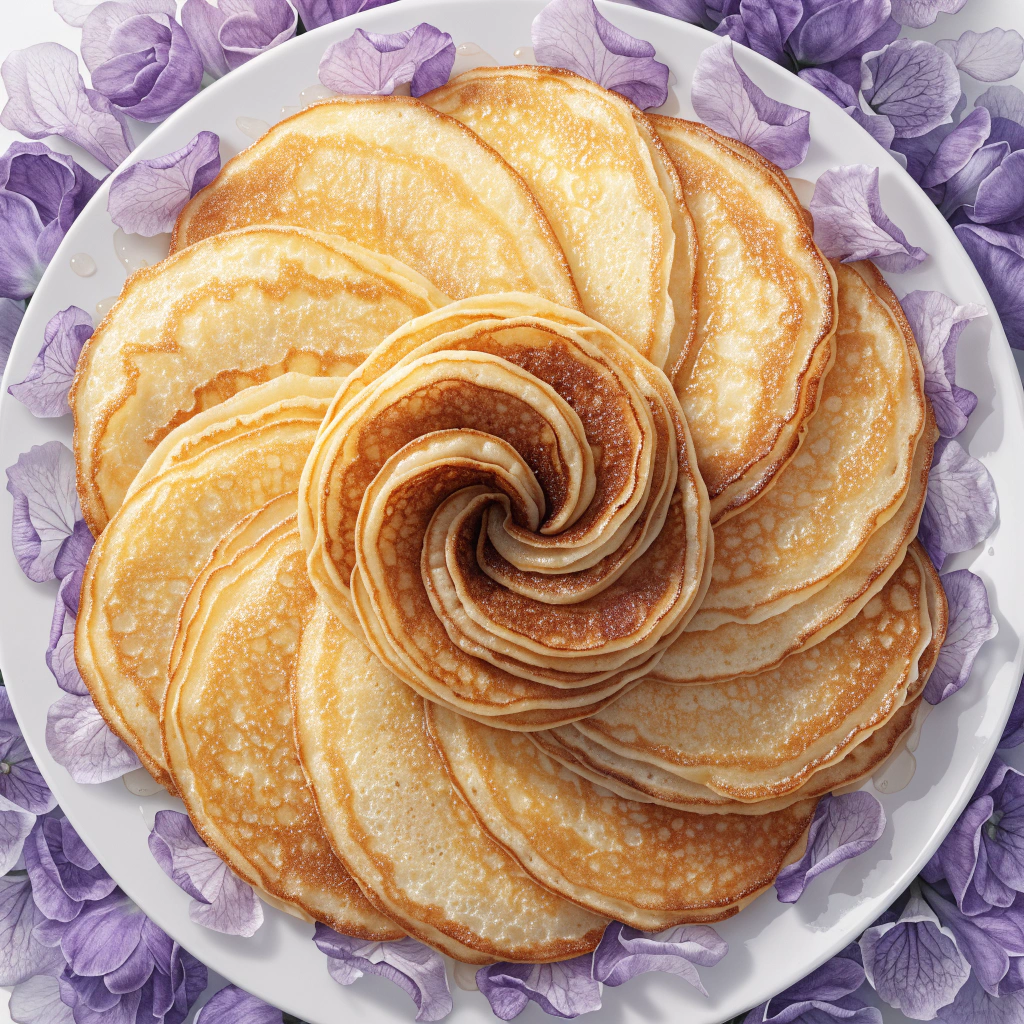
러시아 음식: 블리니
블리니는 러시아 음식입니다. 이것은 둥글고 노란 팬케이크입니다. 블리니는 태양을 상징합니다. 러시아 사람들은 겨울에 블리니를 먹습니다. 블리니는 따뜻한 음식을 의미합니다. 마슬레니차는 러시아의 큰 축제입니다. 이 축제는 팬케이크 주간입니다. 사람들은 이 주간에 블리니를 많이 먹습니다. 블리니는 러시아의 중요한 음식입니다.
문법 스포트라이트
패턴: -입니다 / -입니다 (to be)
"블리니는 러시아 음식입니다."
명사 뒤에 붙어서 "무엇입니다" 또는 "누구입니다"를 말할 때 씁니다. 문장을 끝낼 때 사용합니다.
패턴: -습니다 / -ㅂ니다 (present tense formal ending)
"사람들은 이 주간에 블리니를 많이 먹습니다."
동사나 형용사 뒤에 붙어서 문장을 끝낼 때 씁니다. 동사나 형용사의 마지막 글자에 받침이 있으면 "-습니다"를 쓰고, 없으면 "-ㅂ니다"를 씁니다.
이해도를 테스트하세요
10 질문 · A1 초급 · 무료 미리보기 1회
이 기사에서 배운 내용을 테스트하세요. 모든 질문에 답하여 XP를 획득하세요!
블리니는 어느 나라 음식입니까?
문제별 결과
블리니는 어느 나라 음식입니까?
내 답변:
정답: 러시아
블리니는 둥글고 노란 팬케이크입니다.
내 답변:
정답: 참
'태양'은 무엇을 의미합니까?
내 답변:
정답: 하늘에 있는 밝고 둥근 것
블리니는 _____을 상징합니다.
내 답변:
정답: 태양
러시아의 특별한 음식: 블린
러시아에는 '블린'이라는 아주 특별한 음식이 있습니다. 블린은 한국의 팬케이크나 전과 조금 비슷합니다. 둥글고 노란색이고 따뜻합니다. 러시아 사람들은 이 블린을 아주 오래 전부터 먹었습니다.
옛날 러시아 사람들은 블린을 '태양'처럼 생각했습니다. 겨울은 아주 길고 추웠습니다. 그래서 사람들은 블린을 먹으면서 따뜻한 봄이 오기를 기다렸습니다. 블린은 태양의 따뜻함과 빛을 상징했습니다. 블린을 먹으면 추운 겨울이 끝나고 따뜻한 날이 올 것이라고 믿었습니다.
지금도 러시아에서는 '마슬레니차'라는 큰 축제가 있습니다. 이 축제는 봄을 맞이하는 즐거운 행사입니다. 마슬레니차는 사순절이 시작하기 전 일주일 동안 열립니다. 이때 사람들은 가족과 친구들과 함께 모여 블린을 아주 많이 먹습니다. 블린은 러시아의 깊은 역사와 문화를 보여주는 중요한 음식입니다. 맛있고 특별한 블린을 한 번 먹어보고 싶지 않으세요?
문법 스포트라이트
패턴: -처럼
"옛날 러시아 사람들은 블린을 '태양'처럼 생각했습니다."
명사 뒤에 붙어서 '무엇과 같다'는 의미를 나타냅니다. 두 가지를 비교할 때 사용합니다. 예를 들어, '눈처럼 하얗다'는 '눈과 같이 하얗다'는 뜻입니다.
패턴: -았/었-
"겨울은 아주 길고 추웠습니다."
동사나 형용사 뒤에 붙어서 과거의 사실이나 상황을 말할 때 사용합니다. '어제 밥을 먹었어요', '작년에 학생이었어요'처럼 씁니다.
이해도를 테스트하세요
11 질문 · A2 초등급 · 무료 미리보기 1회
이 기사에서 배운 내용을 테스트하세요. 모든 질문에 답하여 XP를 획득하세요!
블린은 무엇과 비슷합니까?
문제별 결과
블린은 무엇과 비슷합니까?
내 답변:
정답: 팬케이크
블린은 둥글고 노란색입니다.
내 답변:
정답: 참
'축제'의 의미는 무엇입니까?
내 답변:
정답: 즐거운 행사
옛날 사람들은 블린을 ____처럼 생각했습니다.
내 답변:
정답: 태양
러시아 사람들은 왜 블린을 먹으면서 봄을 기다렸습니까?
내 답변:
정답: 따뜻한 봄이 오기를 바라서
The Golden Circles: Why Blini Matter in Russia
Blini are famous Russian pancakes that have been part of the local culture for centuries. Although they look like French crepes, they have a very different history. For many people in Russia, blini are not just a delicious breakfast; they represent the heart of their traditions.
In ancient times, before Christianity arrived, blini were seen as powerful symbols of the sun. Because they are round, golden, and hot, people believed that eating them would bring back warmth after the long, dark winter. This pagan tradition has survived for hundreds of years and is still celebrated today during a special festival called Maslenitsa.
Maslenitsa, which is also known as 'Pancake Week,' is a joyful holiday that takes place just before the start of Great Lent. During this week, many blini are cooked and shared with friends and family. It is a time when people say goodbye to the cold weather. In many cities, large dolls made of straw are burned to signal the end of winter, which is a tradition that many tourists find fascinating.
Blini are usually made from flour, eggs, and milk, but there are many different recipes. They can be served with sweet toppings like honey or jam, or savory ones like sour cream and caviar. In modern Russia, blini have become a popular street food that can be found in almost every city. Whether they are eaten at home or at a festival, blini remain a symbol of hospitality and history.
문법 스포트라이트
패턴: Passive Voice
"In ancient times, before Christianity arrived, blini were seen as powerful symbols of the sun."
The passive voice is used when the focus is on the action or the object rather than the person performing the action. It is formed using the verb 'to be' (were) and the past participle (seen).
패턴: Present Perfect
"This pagan tradition has survived for hundreds of years and is still celebrated today..."
The present perfect is used for actions that started in the past and continue to the present. It is formed using 'has' or 'have' plus the past participle of the verb.
이해도를 테스트하세요
11 질문 · B1 중급 · 무료 미리보기 1회
이 기사에서 배운 내용을 테스트하세요. 모든 질문에 답하여 XP를 획득하세요!
Why were blini considered symbols of the sun in ancient times?
문제별 결과
Why were blini considered symbols of the sun in ancient times?
내 답변:
정답: Because they are round, golden, and hot
The Maslenitsa festival takes place after Great Lent has finished.
내 답변:
정답: 거짓
What does the word 'ancient' mean?
내 답변:
정답: Something from a very long time ago
Blini are usually made from _____, eggs, and milk.
내 답변:
정답: flour
What is burned during Maslenitsa to signal the end of winter?
내 답변:
정답: Straw dolls
The Cultural Significance of Blini: More Than Just a Russian Pancake
In the vast landscape of global culinary traditions, few dishes carry as much historical and symbolic weight as the Russian blini. While they may appear to be simple thin pancakes, blini are widely regarded as a cultural cornerstone that bridges the gap between ancient pagan beliefs and modern social customs. To understand the importance of this dish, one must look beyond the kitchen and into the spiritual history of the Slavic people.
Historically, blini were seen as symbols of the sun due to their round shape, golden color, and warmth. In pre-Christian Russia, they played a vital role in ritualistic celebrations intended to welcome the return of light after the long, grueling winter. This ancient symbolism has survived through the centuries and is most visible today during 'Maslenitsa,' a festive holiday also known as Butter Week or Pancake Week. This event, which occurs during the week before Great Lent begins, marks a significant transition period between the seasons. During Maslenitsa, blini are consumed in large quantities as a final indulgence before the period of fasting and reflection.
From a culinary perspective, the diversity of blini reflects the geographic and social breadth of Russia. They can be served with a variety of accompaniments, ranging from the traditional sour cream and caviar to contemporary sweet fillings like honey or jam. Despite the modernization of Russian society, the preparation of blini remains a deeply personal and familial activity. Traditional recipes have been passed down through generations, ensuring that the essence of the dish remains unchanged even as tastes evolve.
Furthermore, the consumption of blini serves as a powerful tool for social unification. Whether shared among family members at home or purchased from street vendors during public festivals, they encourage communal gathering and celebration. In an era where globalization often threatens local customs, the continued popularity of blini demonstrates how traditional food can maintain a nation's cultural identity. By analyzing the role of blini, we can see that they are not merely a dietary staple but a living link to a shared past, representing resilience, hospitality, and the cyclical nature of life.
문법 스포트라이트
패턴: Passive Voice
"In pre-Christian Russia, they played a vital role in ritualistic celebrations intended to welcome the return of light."
The passive form 'intended' is used here as a past participle to describe the celebrations. It focuses on the purpose of the event rather than who specifically intended it.
패턴: Non-defining Relative Clauses
"This event, which occurs during the week before Great Lent begins, marks a significant transition period."
The clause starting with 'which' provides extra information about Maslenitsa. It is separated by commas because the sentence remains grammatically correct even without it.
패턴: Present Perfect Passive
"Traditional recipes have been passed down through generations."
This pattern is used to describe an action that started in the past and continues to have an effect today. It uses 'have been' + past participle to show the recipes are the receiver of the action.
이해도를 테스트하세요
11 질문 · B2 중상급 · 무료 미리보기 1회
이 기사에서 배운 내용을 테스트하세요. 모든 질문에 답하여 XP를 획득하세요!
What did blini represent in ancient Russian culture?
문제별 결과
What did blini represent in ancient Russian culture?
내 답변:
정답: The sun and the return of light
Maslenitsa takes place after the period of Great Lent has finished.
내 답변:
정답: 거짓
What does 'culinary' mean?
내 답변:
정답: Related to cooking
Blini are considered a cultural _____ that connects the past with the present.
내 답변:
정답: cornerstone
According to the article, why are blini still popular despite globalization?
내 답변:
정답: They help maintain a nation's cultural identity.
The Solar Legacy: Decoding the Cultural Semantics of Russian Blini
Seldom has a culinary staple been so inextricably linked to the metaphysical as the Russian blini. To the uninitiated, these thin, golden disks might appear to be mere precursors to the French crepe. However, within the Slavic consciousness, the blini represents a poignant manifestation of historical continuity and cosmic cycles. Rooted in pre-Christian paganism, the blini was originally conceived as a solar symbol. Its circularity, warmth, and golden hue were intended to invoke the sun, marking the ephemeral transition from the harshness of winter to the vitality of spring.
It is this solar association that underscores the blini’s central role during Maslenitsa, or 'Butter Week.' Occurring immediately before the austerity of Great Lent, Maslenitsa serves as a festive precursor where the consumption of blini is not merely for sustenance but is a ritualistic act of welcoming the light. The ubiquitous nature of the dish during this period highlights a fascinating dichotomy between the sacred and the profane. While the festivities are often boisterous, the underlying vestige of ancient belief remains palpable.
Furthermore, the cultural weight of the blini extends far beyond the confines of a single festival. Historically, blini accompanied a person from birth to the grave, being served at both christenings and funeral feasts. In the latter context, they were intended to provide sustenance for the souls of the departed, illustrating the deep-rooted connotations of the dish as a bridge between the physical and spiritual realms. The preservation of these customs, even in the face of rapid urbanization, demonstrates the enduring power of culinary heritage.
Linguistically, the blini has permeated the Russian vernacular, most notably in the idiom 'the first blini is always a lump.' This phrase, used to describe an initial failure or a clumsy start to a new endeavor, reflects the pragmatic wisdom inherent in the culture. The commodification of the blini in contemporary urban environments, through fast-food chains and gourmet iterations, has not entirely eroded its spiritual essence. Modern Russians may consume blini for their gastronomic appeal, yet the collective memory of their ritualistic origins persists.
In conclusion, the blini is much more than a simple batter-based foodstuff. It is a complex cultural artifact that encapsulates the history, philosophy, and social dynamics of Russia. Through the lens of the blini, one can observe the synthesis of pagan tradition and Orthodox practice, the celebration of seasonal change, and the resilience of national identity. To eat a blini is to partake in a tradition that has survived centuries of upheaval, remaining as constant and vital as the sun it once sought to emulate.
문법 스포트라이트
패턴: Negative Inversion
"Seldom has a culinary staple been so inextricably linked to the metaphysical as the Russian blini."
This structure places a negative adverbial at the beginning of the sentence for emphasis, requiring the auxiliary verb to come before the subject. It is common in formal C1 writing to highlight rarity or significance.
패턴: It-Cleft Sentence
"It is this solar association that underscores the blini’s central role during Maslenitsa."
Cleft sentences are used to focus on specific information, in this case, the cause of the blini's importance. The formula is 'It + is/was + [focused element] + that/who...'
패턴: Nominalization
"The preservation of these customs, even in the face of rapid urbanization, demonstrates the enduring power of culinary heritage."
Nominalization involves turning verbs (preserve) into nouns (preservation). This creates a more objective, academic tone by focusing on concepts and processes rather than actions.
이해도를 테스트하세요
12 질문 · C1 고급 · 무료 미리보기 1회
이 기사에서 배운 내용을 테스트하세요. 모든 질문에 답하여 XP를 획득하세요!
According to the article, what was the primary symbolic meaning of blini in pre-Christian Russia?
문제별 결과
According to the article, what was the primary symbolic meaning of blini in pre-Christian Russia?
내 답변:
정답: A representation of the sun
Blini were historically served only during festive celebrations like Maslenitsa.
내 답변:
정답: 거짓
Which word describes the quality of being found everywhere?
내 답변:
정답: Ubiquitous
The author notes a fascinating _____ between the sacred and the profane aspects of Maslenitsa.
내 답변:
정답: dichotomy
What does the idiom 'the first blini is always a lump' imply?
내 답변:
정답: Initial attempts at something often fail.
The author argues that modern urbanization has completely destroyed the spiritual meaning of blini.
내 답변:
정답: 거짓
블리니: 태양의 원형에서 러시아 문화의 상징으로의 변용
러시아의 대표적인 음식으로 흔히 팬케이크나 크레이프와 비교되곤 하는 블리니는, 단순히 밀가루 반죽으로 만든 음식 이상의 심오한 문화적, 역사적 의미를 내포하고 있다. 그 기원은 기독교화 이전의 이교도적 신앙 체계에 깊이 뿌리박고 있으며, 이는 단순히 음식으로서의 존재를 넘어 하나의 제의적 상징물로서 블리니의 위상을 공고히 하는 핵심 요소로 작용한다. 둥근 형태, 황금빛 색채, 그리고 뜨거운 온기는 동짓점 이후 긴 겨울의 어둠과 추위를 견뎌낸 이들에게 다시금 찾아올 태양의 부활과 따뜻한 봄을 축원하는 원형적 상징이었다. 고대 슬라브인들은 블리니를 먹음으로써 태양의 생명력을 흡수하고, 이를 통해 자연의 순환에 동참하며 풍요를 기원했다고 미루어 짐작할 수 있다.
이러한 이교도적 상징성은 기독교가 러시아에 전파된 이후에도 완전히 소멸하지 않고, 오히려 '마슬레니차(Масленица)'라는 독특한 축제를 통해 그 맥을 이어왔다. '버터 주간' 또는 '팬케이크 주간'으로 불리는 마슬레니차는 사순절이 시작되기 직전 일주일 동안 지속되며, 이 기간 동안 사람들은 육류 섭취를 금하고 유제품과 계란, 그리고 블리니를 마음껏 즐긴다. 이는 사순절의 금욕적인 생활을 앞두고 마지막으로 풍요를 만끽하는 세속적인 의미와 더불어, 고대 태양 숭배 의식의 잔재가 변용된 형태로 현대에까지 전승된 것에 다름 아니다. 블리니는 이 축제의 중심에 서서, 겨울을 보내고 봄을 맞이하는 전환점의 상징이자 공동체의 결속을 다지는 매개체 역할을 수행한다.
블리니의 조리법 또한 단순히 하나의 레시피로 규정될 수 없을 만큼 다채롭고 지역별 특색을 지닌다. 전통적으로는 메밀가루를 사용하여 발효 과정을 거치는 것이 특징이었으나, 현대에 이르러서는 밀가루를 주재료로 하는 경우가 훨씬 많아졌다. 두께와 크기 또한 지역에 따라 상이하여, 얇고 넓적하여 크레이프와 유사한 형태를 띠는가 하면, 때로는 좀 더 두툼하고 푹신한 팬케이크에 가까운 질감을 지니기도 한다. 이는 블리니가 단순히 특정 조리법의 산물이라기보다는, 러시아 전역에 걸쳐 오랜 시간 동안 각 지역의 식문화와 기호에 맞게 끊임없이 진화하고 변용되어 온 결과물임을 시사한다.
블리니는 그 자체로도 훌륭한 맛을 자랑하지만, 다양한 토핑과의 조화 속에서 비로소 그 진가를 발휘한다. 사워크림(스메타나), 잼, 꿀, 버터 등 달콤한 재료들과의 궁합은 물론, 캐비어, 훈제 연어, 다진 고기, 버섯 볶음 등 짭짤한 재료들과의 조합 또한 무궁무진하다. 특히 고급 캐비어와 함께 제공되는 블리니는 러시아의 환대와 풍요로움을 상징하는 최상의 미식 경험으로 여겨진다. 이러한 다채로운 섭취 방식은 블리니가 단순한 한 끼 식사를 넘어, 러시아인들의 삶과 문화 속에 깊이 내재된 유연성과 풍요로움의 담론을 형성하는 데 일조하고 있음을 방증한다.
결론적으로, 블리니는 단순한 음식을 초월하여 러시아 민족의 역사와 정신, 그리고 자연과의 교감을 상징하는 살아있는 문화유산이라 할 수 있다. 이교도적 태양 숭배에서 기독교적 축제로의 변용, 그리고 현대에 이르러서는 세계적인 미식 아이콘으로 자리매김하기까지, 블리니는 끊임없이 그 의미를 재구성하며 러시아의 정체성을 구성하는 핵심 요소로 기능해왔다. 블리니 한 조각에는 긴 겨울을 이겨내고 새로운 시작을 염원했던 선조들의 지혜와, 공동체의 화합을 도모하며 삶의 풍요를 향유하고자 했던 러시아인들의 염원이 고스란히 담겨 있는 것이다. 블리니를 맛본다는 것은, 단순히 음식의 맛을 넘어 러시아 문화의 심층부에 대한 이해를 증진시키는 행위에 다름 아닐 것이다.
문법 스포트라이트
패턴: -(으)ㅁ으로써
"블리니를 먹음으로써 태양의 생명력을 흡수하고, 이를 통해 자연의 순환에 동참하며 풍요를 기원했다고 미루어 짐작할 수 있다."
이 문법은 앞 절의 행위가 뒤 절의 결과나 목적을 이루는 수단이나 방법을 나타낼 때 사용됩니다. 동사 어간 뒤에 붙어, 그 행위가 원인이 되어 어떤 결과가 발생했음을 명확히 합니다.
패턴: ~에 다름 아니다
"고대 태양 숭배 의식의 잔재가 변용된 형태로 현대에까지 전승된 것에 다름 아니다."
이 표현은 앞의 내용이 뒤의 내용과 본질적으로 동일하거나, 뒤의 내용이 앞의 내용을 강조하는 역할을 할 때 사용됩니다. '결국 ~와 같다' 또는 '바로 ~이다'와 같은 강한 긍정의 의미를 지닙니다.
패턴: ~이라기보다는
"이는 블리니가 단순히 특정 조리법의 산물이라기보다는, 러시아 전역에 걸쳐 오랜 시간 동안 각 지역의 식문화와 기호에 맞게 끊임없이 진화하고 변용되어 온 결과물임을 시사한다."
이 문법은 앞의 내용이 아니라 뒤의 내용이 더 적절하거나 정확하다는 것을 나타낼 때 사용됩니다. 즉, 'A라기보다는 B이다'의 형태로 A를 부정하고 B를 긍정하며 강조하는 역할을 합니다.
이해도를 테스트하세요
12 질문 · C2 마스터 · 무료 미리보기 1회
이 기사에서 배운 내용을 테스트하세요. 모든 질문에 답하여 XP를 획득하세요!
블리니가 고대 이교도적 신앙 체계에서 상징했던 바가 아닌 것은 무엇입니까?
문제별 결과
블리니가 고대 이교도적 신앙 체계에서 상징했던 바가 아닌 것은 무엇입니까?
내 답변:
정답: 달의 주기
마슬레니차는 사순절이 시작된 후 일주일 동안 진행되는 축제이다.
내 답변:
정답: 거짓
다음 중 '변용'의 의미로 가장 적절한 것은 무엇입니까?
내 답변:
정답: 본래의 형태나 성질을 유지하면서 다른 모습이나 방식으로 변화함
마슬레니차 축제의 중심에 서서 겨울을 보내고 봄을 맞이하는 전환점의 상징이자 공동체의 결속을 다지는 매개체 역할을 수행하는 것은 무엇입니까? (한 단어)
내 답변:
정답: 블리니
블리니의 조리법과 관련된 설명 중, 글의 내용과 일치하지 않는 것은 무엇입니까?
내 답변:
정답: 블리니는 항상 얇고 넓적한 크레이프 형태를 유지한다.
블리니는 달콤한 재료들과만 궁합이 잘 맞으며, 짭짤한 재료들과는 어울리지 않는다.
내 답변:
정답: 거짓
블리니: 러시아의 맛있는 빵
이것은 블리니입니다. 블리니는 러시아 음식입니다. 블리니는 빵입니다.
블리니는 둥글고, 큽니다. 블리니는 노란색입니다.
러시아 사람들은 블리니를 좋아합니다. 블리니는 태양과 같습니다. 태양은 밝고 따뜻합니다.
블리니는 정말 좋습니다. 사람들은 블리니를 먹습니다.
문법 스포트라이트
패턴: ~입니다
"이것은 블리니입니다."
명사 뒤에 '입니다'를 붙이면 '무엇이다'를 말합니다. 아주 공손한 표현입니다. 문장을 끝낼 때 사용합니다.
이해도를 테스트하세요
9 질문 · A0 프리비기너 · 무료 미리보기 1회
이 기사에서 배운 내용을 테스트하세요. 모든 질문에 답하여 XP를 획득하세요!
블리니는 무엇입니까?
문제별 결과
블리니는 무엇입니까?
내 답변:
정답: 음식
블리니는 작은 음식입니다.
내 답변:
정답: 거짓
'태양'은 무엇을 의미합니까?
내 답변:
정답: Sun

