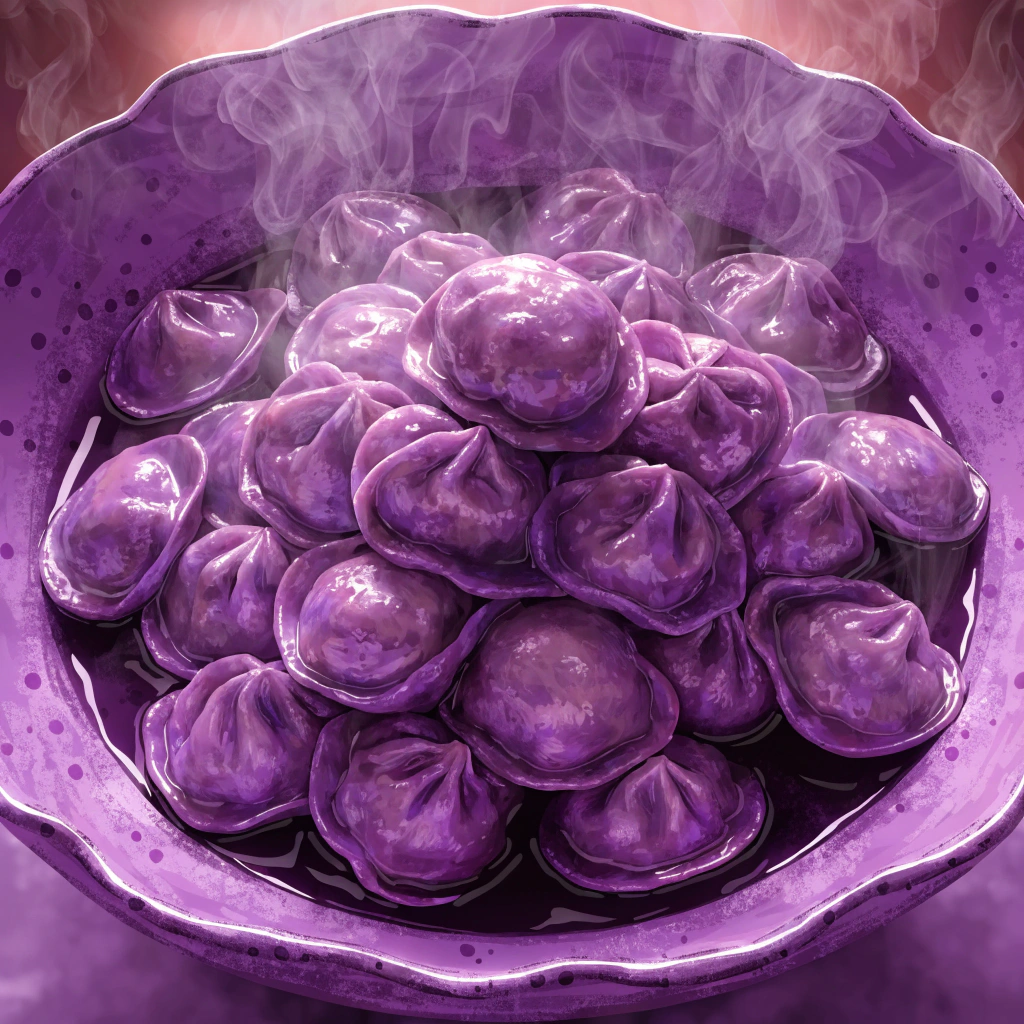
러시아 음식: 펠메니
안녕하세요! 러시아 음식 펠메니를 소개합니다. 펠메니는 러시아의 유명한 음식입니다. 이것은 작은 만두입니다. 만두 안에는 고기가 있습니다. 러시아 사람들은 펠메니를 아주 좋아합니다. 특히 추운 겨울에 많이 먹습니다. 옛날에 펠메니는 추운 날씨 때문에 만들어졌습니다. 얼음처럼 차가운 곳에서 고기를 오래 보관할 수 있었습니다. 그래서 사람들은 펠메니를 만들고 겨울 동안 먹었습니다. 펠메니는 맛있고 따뜻한 음식입니다. 러시아 사람들이 집에서 자주 만들어요. 가족과 함께 먹기 좋은 음식입니다. 러시아에 가면 펠메니를 꼭 드세요!
문법 스포트라이트
패턴: N-은/는 입니다
"펠메니는 러시아의 유명한 음식입니다."
명사 뒤에 붙어서 문장의 주제를 나타냅니다. '은'은 받침이 있는 명사 뒤에, '는'은 받침이 없는 명사 뒤에 씁니다. '~입니다'와 함께 사용하여 '~은/는 ~입니다' 형태로 말합니다.
패턴: N-이/가 있습니다/없습니다
"만두 안에는 고기가 있습니다."
명사 뒤에 붙어서 어떤 것이 '있다(존재하다)' 또는 '없다(존재하지 않다)'를 나타냅니다. '이'는 받침이 있는 명사 뒤에, '가'는 받침이 없는 명사 뒤에 씁니다.
이해도를 테스트하세요
10 질문 · A1 초급 · 무료 미리보기 1회
이 기사에서 배운 내용을 테스트하세요. 모든 질문에 답하여 XP를 획득하세요!
펠메니는 어느 나라 음식입니까?
문제별 결과
펠메니는 어느 나라 음식입니까?
내 답변:
정답: 러시아
펠메니는 뜨거운 여름에 많이 먹습니다.
내 답변:
정답: 거짓
'겨울'은 무슨 뜻입니까?
내 답변:
정답: 추운 계절
펠메니는 러시아의 유명한 _____입니다.
내 답변:
정답: 음식
러시아의 따뜻한 음식, 펠메니
러시아에는 아주 특별하고 맛있는 음식이 있습니다. 그 음식의 이름은 펠메니입니다. 펠메니는 러시아 사람들이 아주 좋아하는 전통 음식입니다. 작은 만두처럼 생겼고, 안에 고기가 들어 있습니다. 이 음식은 러시아의 추운 겨울 날씨 때문에 유명해졌습니다.
옛날에 러시아는 날씨가 아주 추웠습니다. 특히 시베리아 지역은 겨울이 길고 매우 추웠습니다. 그래서 사람들은 음식을 오래 저장할 방법이 필요했습니다. 펠메니는 만들기가 쉽고, 추운 날씨에 얼려서 오랫동안 보관할 수 있었습니다. 사냥꾼들이나 여행자들이 이것을 가지고 다니면서 먹었습니다. 영양도 많고 만들기도 쉬워서 아주 좋은 음식이었습니다.
요즘도 러시아 사람들은 펠메니를 많이 먹습니다. 가족들이 모여서 같이 만들기도 하고, 식당에서도 자주 볼 수 있습니다. 보통 사워크림이나 식초와 함께 먹습니다. 펠메니는 러시아 사람들에게 단순한 음식이 아니라, 따뜻한 가족의 사랑을 느끼게 해주는 음식입니다.
문법 스포트라이트
패턴: ~아/어서 (원인/이유)
"이 음식은 러시아의 추운 겨울 날씨 때문에 유명해졌습니다."
이 문법은 앞 문장이 뒤 문장의 이유나 원인이 될 때 사용합니다. 동사나 형용사 뒤에 붙어서 ‘~해서’ 또는 ‘~라서’의 의미를 가집니다. 예를 들어, '비가 와서 집에 갔습니다'처럼 말할 수 있습니다.
패턴: ~(으)ㄹ 수 있다/없다 (가능/불가능)
"추운 날씨에 얼려서 오랫동안 보관할 수 있었습니다."
이 문법은 어떤 행동을 할 수 있는지 없는지를 말할 때 사용합니다. 동사 뒤에 붙어서 ‘~할 수 있다’는 가능함을, ‘~할 수 없다’는 불가능함을 나타냅니다. 받침이 있으면 '을 수 있다', 없으면 'ㄹ 수 있다'를 씁니다.
이해도를 테스트하세요
11 질문 · A2 초등급 · 무료 미리보기 1회
이 기사에서 배운 내용을 테스트하세요. 모든 질문에 답하여 XP를 획득하세요!
펠메니는 어떤 나라의 전통 음식입니까?
문제별 결과
펠메니는 어떤 나라의 전통 음식입니까?
내 답변:
정답: 러시아
펠메니는 여름 날씨 때문에 유명해졌습니다.
내 답변:
정답: 거짓
'저장하다'는 무슨 뜻입니까?
내 답변:
정답: 음식을 나중에 쓰려고 보관하다
옛날 러시아 사람들은 _____ 날씨 때문에 음식을 오래 보관했습니다.
내 답변:
정답: 추운
요즘 러시아 사람들은 펠메니를 보통 무엇과 함께 먹습니까?
내 답변:
정답: 사워크림이나 식초
러시아의 따뜻한 국민 음식, 펠메니
러시아에는 나라 전체를 하나로 묶어주는 대표적인 국민 음식이 있습니다. 바로 ‘펠메니’입니다. 펠메니는 러시아 사람들에게 단순한 음식을 넘어선, 따뜻한 위로와 추억을 주는 소중한 음식으로 여겨집니다. 이 음식은 주로 우랄 산맥과 시베리아 지역에서 기원했다고 알려져 있습니다. 시베리아의 혹독하게 추운 겨울 덕분에 펠메니는 역사적으로 중요한 역할을 해왔습니다. 얼어붙은 환경에서 빨리 얼려 보존할 수 있었기 때문에, 사냥꾼이나 여행자들이 오랫동안 상하지 않게 가지고 다닐 수 있는 완벽한 ‘간편식’이었습니다.
펠메니는 주로 고기로 속을 채운 작은 만두 형태로 만들어집니다. 과거에는 영양가가 풍부한 고기를 먼 길을 떠나는 사람들에게 제공하기 위한 중요한 수단이었습니다. 오늘날에도 펠메니는 러시아 전역에서 사랑받는 음식이며, 각 가정마다 자신만의 특별한 레시피를 가지고 있습니다. 사람들은 펠메니를 사워크림, 식초, 또는 버터와 함께 즐겨 먹습니다. 때로는 국물에 넣어 끓여 먹기도 합니다.
이 작은 만두는 러시아의 광대한 영토와 다양한 문화를 하나로 이어주는 역할을 해왔습니다. 추운 날씨에 몸을 따뜻하게 해주고, 가족과 친구들이 함께 모여 먹는 즐거움을 선사하는 펠메니는 러시아인들의 삶에 깊이 뿌리내린, 진정한 국민 음식이라고 할 수 있습니다.
문법 스포트라이트
패턴: -(으)로 알려져 있다
"이 음식은 주로 우랄 산맥과 시베리아 지역에서 기원했다고 알려져 있습니다."
이 문법은 어떤 사실이나 정보가 다른 사람들에게 그렇게 알려져 있다는 것을 표현할 때 사용합니다. '~(으)로 알려져 있다'는 '무엇으로 유명하다' 또는 '무엇이라고 사람들이 알고 있다'는 의미입니다.
패턴: -(으)ㄹ 수 있다/없다
"얼어붙은 환경에서 빨리 얼려 보존할 수 있었기 때문에, 사냥꾼이나 여행자들이 오랫동안 상하지 않게 가지고 다닐 수 있는 완벽한 ‘간편식’이었습니다."
이 문법은 어떤 행동을 할 수 있는 능력이나 가능성을 나타낼 때 사용합니다. 동사 뒤에 붙여서 '~할 수 있다'는 '가능하다'는 뜻이고, '~할 수 없다'는 '불가능하다'는 뜻입니다.
이해도를 테스트하세요
11 질문 · B1 중급 · 무료 미리보기 1회
이 기사에서 배운 내용을 테스트하세요. 모든 질문에 답하여 XP를 획득하세요!
펠메니는 주로 러시아의 어느 지역에서 기원했다고 알려져 있습니까?
문제별 결과
펠메니는 주로 러시아의 어느 지역에서 기원했다고 알려져 있습니까?
내 답변:
정답: 우랄 산맥과 시베리아 지역
펠메니는 시베리아의 따뜻한 겨울 덕분에 오랫동안 보존될 수 있었습니다.
내 답변:
정답: 거짓
다음 중 '보존하다'의 의미는 무엇입니까?
내 답변:
정답: 원래 상태를 유지하다
펠메니는 러시아 사람들에게 단순한 음식을 넘어선, 따뜻한 _____ 주는 소중한 음식으로 여겨집니다.
내 답변:
정답: 위로와 추억을
펠메니는 주로 _____ 속을 채운 작은 만두 형태로 만들어집니다.
내 답변:
정답: 고기로
Pelmeni: The Siberian Culinary Legacy and its Cultural Resonance
Pelmeni are often hailed as the quintessential Russian comfort food, representing a culinary heritage that spans the vast expanse of the Eurasian continent. While many cultures possess their own variations of dumplings, the Russian pelmen is uniquely distinguished by its historical roots in the Ural Mountains and the harsh landscapes of Siberia. More than just a staple diet, these meat-filled dough pockets serve as a testament to human ingenuity in the face of extreme environmental challenges. They are widely regarded as the national dish that truly unites the country's diverse regions. Historically, the development of pelmeni was driven by sheer necessity. In the sub-zero temperatures of the Siberian wilderness, early inhabitants required a nutrient-dense food source that could be easily transported and preserved. The ingenious solution was to freeze the dumplings rapidly in the natural 'outdoor freezer' provided by the climate. This preservation technique allowed hunters and travelers to carry substantial provisions for months without the risk of spoilage. Consequently, pelmeni became the ultimate 'fast food' of the pre-industrial era, requiring only a pot of boiling water to transform frozen dough into a hearty meal. This efficiency made them indispensable for those traversing the treacherous Siberian terrain. The composition of pelmeni is deceptively simple, yet it demands a specific balance of ingredients and a meticulous preparation process. Traditionally, the filling consists of a blend of minced meats—typically beef, lamb, and pork—seasoned with salt, pepper, and occasionally onions. The dough must be rolled thin enough to be delicate, yet robust enough to withstand boiling without bursting. Despite the rise of mass-produced alternatives in modern supermarkets, the practice of hand-making pelmeni remains a cherished domestic tradition. It is not uncommon for families to gather during the winter months to prepare hundreds of dumplings simultaneously, fostering a sense of communal identity and continuity across generations. Furthermore, pelmeni carry a symbolic weight in Russian folklore that transcends their nutritional value. A popular tradition involves hiding a 'happy pelmen'—a dumpling containing a unique filling like a coin, a piece of dough, or an extra dash of pepper—within a large batch. The individual who discovers this special dumpling is said to be destined for good fortune or a successful year ahead. In contemporary society, while the pace of life has accelerated, the ritual of consuming pelmeni remains a constant. Ultimately, whether served with a dollop of sour cream, a splash of vinegar, or simply butter, pelmeni represent the enduring intersection of geography, history, and social cohesion in Russian life. They remain a profound symbol of hospitality and resilience.
문법 스포트라이트
패턴: Passive Voice
"Pelmeni are often hailed as the quintessential Russian comfort food."
The passive voice is used here to focus on the dish (pelmeni) rather than the people who hail it. It is formed using the verb 'to be' followed by the past participle of the main verb.
패턴: Reduced Relative Clause (Participle Clause)
"...the natural 'outdoor freezer' provided by the climate."
This structure uses a past participle ('provided') to act like an adjective, replacing 'which was provided'. It makes the writing more concise and formal, suitable for B2 academic styles.
패턴: Defining Relative Clauses
"The individual who discovers this special dumpling is said to be destined for good fortune."
This clause identifies exactly which person the writer is talking about. It uses the relative pronoun 'who' to provide essential information about the subject.
이해도를 테스트하세요
11 질문 · B2 중상급 · 무료 미리보기 1회
이 기사에서 배운 내용을 테스트하세요. 모든 질문에 답하여 XP를 획득하세요!
What was the primary reason for the rapid freezing of pelmeni in Siberia?
문제별 결과
What was the primary reason for the rapid freezing of pelmeni in Siberia?
내 답변:
정답: To allow for long-term preservation during travel
Pelmeni are traditionally made with only one type of meat.
내 답변:
정답: 거짓
What does 'ingenuity' mean in the context of the article?
내 답변:
정답: Cleverness and inventiveness
The composition of pelmeni is _____ simple, but it requires a careful balance of ingredients.
내 답변:
정답: deceptively
What does the 'happy pelmen' tradition signify?
내 답변:
정답: A sign of future good fortune
The Culinary Tapestry of the North: The Enduring Legacy of Russian Pelmeni
Seldom does a single dish encapsulate the vast, multi-faceted identity of a nation as effectively as the pelmen. Often heralded as the quintessential Russian comfort food, these modest-looking dumplings represent far more than a mere staple of the national diet; they are a testament to human ingenuity in the face of environmental adversity. Originating in the Ural Mountains and the frozen expanses of Siberia, pelmeni were born out of a desperate necessity for sustenance that could withstand the brutal sub-zero temperatures. Historically, the preservation of meat within a thin layer of unleavened dough allowed hunters and nomadic tribes to carry nutrient-dense provisions across the taiga, where the natural environment served as a perpetual deep-freeze.
It is the simplicity of the dough that belies the complexity of the cultural rituals surrounding its creation. While the recipe may appear straightforward—flour, water, and occasionally eggs—the meticulous preparation of the filling reflects the historical availability of various livestock. Traditionally, a blend of beef, lamb, and pork was utilized, seasoned sparingly with salt and black pepper to avoid masking the natural flavors. This combination was not arbitrary; rather, it was a deliberate effort to balance fat content and texture, ensuring that the dumplings remained succulent even after months of storage. Not only did these frozen parcels provide essential nourishment, but they also served as a precursor to modern convenience foods, requiring only a pot of boiling water to transform from a frozen stone into a steaming meal.
Furthermore, the communal aspect of pelmeni production cannot be overstated. In rural Russian households, the 'pelmenniy vecher' (pelmeni evening) remains a vital tradition, facilitating the perpetuation of family bonds through shared labor. It is during these long winter evenings that generations gather around the kitchen table, engaged in the rhythmic folding of hundreds, if not thousands, of dumplings. The sheer ubiquity of this practice across such a sprawling territory has fostered a sense of national cohesion, bridging the gap between the European and Asian halves of the country.
In contemporary Russia, the versatility of the pelmen has allowed it to transcend its humble origins. While purists argue that they should only be served with a dollop of smetana (sour cream) or a splash of vinegar, modern culinary reinterpretations have seen them paired with everything from mushroom broths to spicy infusions. However, despite these innovations, the indispensable nature of the traditional recipe remains unchallenged. The enduring popularity of pelmeni lies in their ability to evoke a sense of home and history, proving that even in a rapidly globalizing world, the most resilient cultural markers are often those found on the dinner plate. Ultimately, the story of the pelmen is a narrative of survival, adaptation, and the profound power of communal tradition.
문법 스포트라이트
패턴: Negative Inversion
"Seldom does a single dish encapsulate the vast, multi-faceted identity of a nation as effectively as the pelmen."
Used for emphasis at the beginning of a sentence. When a negative or restrictive adverbial (like 'seldom') starts the sentence, the auxiliary verb comes before the subject.
패턴: Cleft Sentences
"It is the simplicity of the dough that belies the complexity of the cultural rituals surrounding its creation."
This structure (It + is/was + noun phrase + that/who) is used to focus on a specific piece of information, highlighting the 'simplicity of the dough' as the subject.
패턴: Nominalisation
"The preservation of meat within a thin layer of unleavened dough allowed hunters and nomadic tribes to carry nutrient-dense provisions."
Converting verbs (preserve) into nouns (preservation) to create a more formal, academic tone. This allows the writer to pack more information into a single clause.
이해도를 테스트하세요
12 질문 · C1 고급 · 무료 미리보기 1회
이 기사에서 배운 내용을 테스트하세요. 모든 질문에 답하여 XP를 획득하세요!
Where did pelmeni originally originate as a response to environmental challenges?
문제별 결과
Where did pelmeni originally originate as a response to environmental challenges?
내 답변:
정답: The Ural Mountains and Siberia
The traditional filling for pelmeni historically consisted solely of beef.
내 답변:
정답: 거짓
Which word describes something that is absolutely necessary?
내 답변:
정답: Indispensable
The _____ act of folding the dough helps strengthen family bonds.
내 답변:
정답: communal
Why were pelmeni considered an early form of 'convenience food'?
내 답변:
정답: They were quickly prepared by boiling after being naturally frozen.
The natural environment of the taiga acted as a freezer for the dumplings.
내 답변:
정답: 참
러시아의 영혼을 담은 한 입, 펠메니의 문화적 고찰
러시아의 광활한 영토를 아우르는 국민 음식으로 종종 묘사되는 펠메니는 단순한 만두를 넘어선 문화적 상징이자 러시아인의 삶에 깊이 뿌리내린 위안의 음식이라 할 수 있습니다. 그 기원은 우랄 산맥과 시베리아 지역으로 거슬러 올라가며, 혹독한 자연환경 속에서 생존을 위한 지혜에서 비롯되었습니다. 영하의 시베리아 겨울에 신속하게 얼려 수개월간 맛과 영양을 보존할 수 있었다는 점은, 당시 수렵인과 여행자들에게 더할 나위 없는 '즉석식품'으로서의 역할을 수행했음을 미루어 짐작할 수 있습니다. 이는 곧 펠메니가 단순히 허기를 채우는 것을 넘어, 척박한 환경 속에서 삶을 영위하는 데 필수적인 에너지원이자 생존 전략의 일환이었음을 시사합니다.
펠메니의 역사적 맥락을 좀 더 깊이 들여다보면, 이는 중앙아시아의 튀르크족 만두인 '만티'나 몽골의 '부즈'와 유사한 형태를 띠고 있음이 확인됩니다. 몽골-타타르의 침략 시기에 러시아로 유입되었을 것이라는 설이 지배적이며, 이는 문화 전파의 역동적인 양상을 여실히 보여주는 사례라 하겠습니다. 하지만 펠메니는 단순한 외래 음식의 차용에 그치지 않고, 러시아 특유의 식문화와 기후적 특성에 맞게 재해석되고 변모하는 과정을 거쳤습니다. 특히 돼지고기, 소고기, 양고기 등을 혼합하여 만드는 소는 러시아인들의 넉넉한 인심과 풍요로운 대지를 상징하며, 얇은 피로 감싸 영양소를 응축시킨 형태는 혹한에 대비하는 실용적인 지혜를 엿볼 수 있게 합니다.
오늘날 펠메니는 러시아 가정의 식탁에서 빼놓을 수 없는 존재로 자리매김했습니다. 명절이나 특별한 날에는 온 가족이 모여 펠메니를 빚는 풍경은 러시아인들에게 있어 단순한 요리 행위를 넘어선 유대감과 공동체 의식을 함양하는 중요한 의례가 됩니다. 소 안에 동전이나 작은 보석을 넣어 행운을 비는 전통은 펠메니가 단순한 음식을 넘어선 문화적 의미를 내포하고 있음을 방증합니다. 이러한 전통은 세대를 거쳐 전승되며, 러시아인의 정체성을 구성하는 한 축으로서 기능하고 있습니다. 펠메니가 지닌 이러한 상징성은 러시아 문화의 깊이를 이해하는 데 있어 간과할 수 없는 요소라 하겠습니다.
또한 펠메니는 그 조리 방식과 섭취 방법에 있어서도 다채로운 스펙트럼을 보여줍니다. 일반적으로 끓는 물에 삶아 사워크림, 식초, 버터 등과 함께 곁들여 먹지만, 때로는 육수에 넣어 수프처럼 즐기기도 합니다. 각 지역마다, 심지어는 각 가정마다 고유의 레시피와 섭취 방식이 존재한다는 것은 펠메니가 러시아인의 삶 속에 얼마나 깊숙이 스며들어 있는지를 단적으로 보여주는 예라 하겠습니다. 이처럼 펠메니는 지역적 다양성에도 불구하고 러시아 전역을 관통하는 보편적인 식문화 코드로 기능하며, 러시아인이라면 누구나 공감할 수 있는 '고향의 맛'이자 '어머니의 손맛'을 상징합니다.
결론적으로 펠메니는 단순한 러시아 만두라는 표면적 정의를 넘어섭니다. 이는 척박한 자연환경에 맞서 생존을 도모했던 선조들의 지혜, 다양한 문화가 교차하며 융합된 역사적 흔적, 그리고 공동체적 유대감과 정체성을 형성하는 문화적 의례가 한데 어우러진 복합적인 상징물입니다. 펠메니 한 알 한 알에는 러시아의 광대한 역사와 깊은 문화적 정서가 응축되어 있으며, 이는 러시아인들의 삶과 정신세계를 이해하는 데 있어 더없이 중요한 길잡이가 되어준다고 해도 과언이 아닐 것입니다. 펠메니를 맛본다는 것은 곧 러시아의 영혼을 맛보는 것과 다름 아닌 경험이라 감히 단언할 수 있습니다.
문법 스포트라이트
패턴: A-음/ㅁ을 미루어 짐작할 수 있다
"영하의 시베리아 겨울에 신속하게 얼려 수개월간 맛과 영양을 보존할 수 있었다는 점은, 당시 수렵인과 여행자들에게 더할 나위 없는 '즉석식품'으로서의 역할을 수행했음을 미루어 짐작할 수 있습니다."
이 표현은 'A라는 사실이나 단서를 바탕으로 B라는 결론을 추측하여 알 수 있다'는 의미를 전달합니다. 어떤 현상이나 상황에서 유추할 수 있는 내재된 의미나 결과를 제시할 때 사용되며, 간접적인 증거를 통해 합리적인 추론을 이끌어낼 때 유용합니다. 동사 어간 뒤에는 '-음' 또는 '-ㅁ'이 붙어 명사형을 만들고, 그 뒤에 '을 미루어 짐작할 수 있다'가 결합됩니다.
패턴: A-에 다름 아니다
"펠메니를 맛본다는 것은 곧 러시아의 영혼을 맛보는 것과 다름 아닌 경험이라 감히 단언할 수 있습니다."
이 문형은 'A와 B가 본질적으로 같거나 다를 바 없다'는 의미를 강조합니다. 'A는 B와 마찬가지이다' 또는 'A는 B나 다름없다'로 해석될 수 있으며, 어떤 대상의 본질적 특성을 강하게 주장할 때 사용됩니다. 주로 명사 뒤에 붙어 사용되며, 문맥에 따라 긍정적 또는 부정적 의미를 모두 나타낼 수 있습니다.
패턴: A-ㄴ/는 한이 있더라도
"비록 원문에는 직접적인 예시가 없지만, C2 수준의 문장에서는 다음과 같이 활용될 수 있습니다: “러시아의 정체성을 보존하는 데 있어서 펠메니의 문화적 가치를 지키는 것은, 설령 시대의 변화로 인해 전통 방식이 다소 희석되는 한이 있더라도 결코 포기할 수 없는 과제일 것이다.”"
이 문형은 '설령 A라는 극단적이거나 어려운 상황이 발생하더라도 B를 하겠다'는 강한 의지나 결의를 나타냅니다. A가 부정적인 결과나 힘든 상황일지라도 B를 포기하지 않겠다는 의미를 내포하며, 문장의 주어가 어떤 어려움에도 불구하고 목표를 달성하려는 의지를 강조할 때 사용됩니다. 동사 어간 뒤에 '-는 한이 있더라도'가 붙습니다.
이해도를 테스트하세요
12 질문 · C2 마스터 · 무료 미리보기 1회
이 기사에서 배운 내용을 테스트하세요. 모든 질문에 답하여 XP를 획득하세요!
펠메니가 시베리아에서 '즉석식품'으로 기능할 수 있었던 주요 이유는 무엇입니까?
문제별 결과
펠메니가 시베리아에서 '즉석식품'으로 기능할 수 있었던 주요 이유는 무엇입니까?
내 답변:
정답: 영하의 겨울에 얼려 오랫동안 보존할 수 있었기 때문에
펠메니는 처음부터 러시아에서 독자적으로 개발된 고유한 음식이다.
내 답변:
정답: 거짓
다음 중 '간과하다'의 의미와 가장 가까운 것은 무엇입니까?
내 답변:
정답: 중요한 것을 놓치고 지나치다
펠메니는 단순히 허기를 채우는 것을 넘어, 척박한 환경 속에서 삶을 영위하는 데 필수적인 에너지원이자 생존 _______의 일환이었음을 시사합니다.
내 답변:
정답: 전략
러시아인들이 펠메니를 빚을 때 소 안에 동전이나 작은 보석을 넣는 전통이 의미하는 바는 무엇입니까?
내 답변:
정답: 행운을 빌고 문화적 의미를 부여하기 위함
펠메니는 러시아 전역에서 조리 방식과 섭취 방법이 완전히 동일하다.
내 답변:
정답: 거짓

