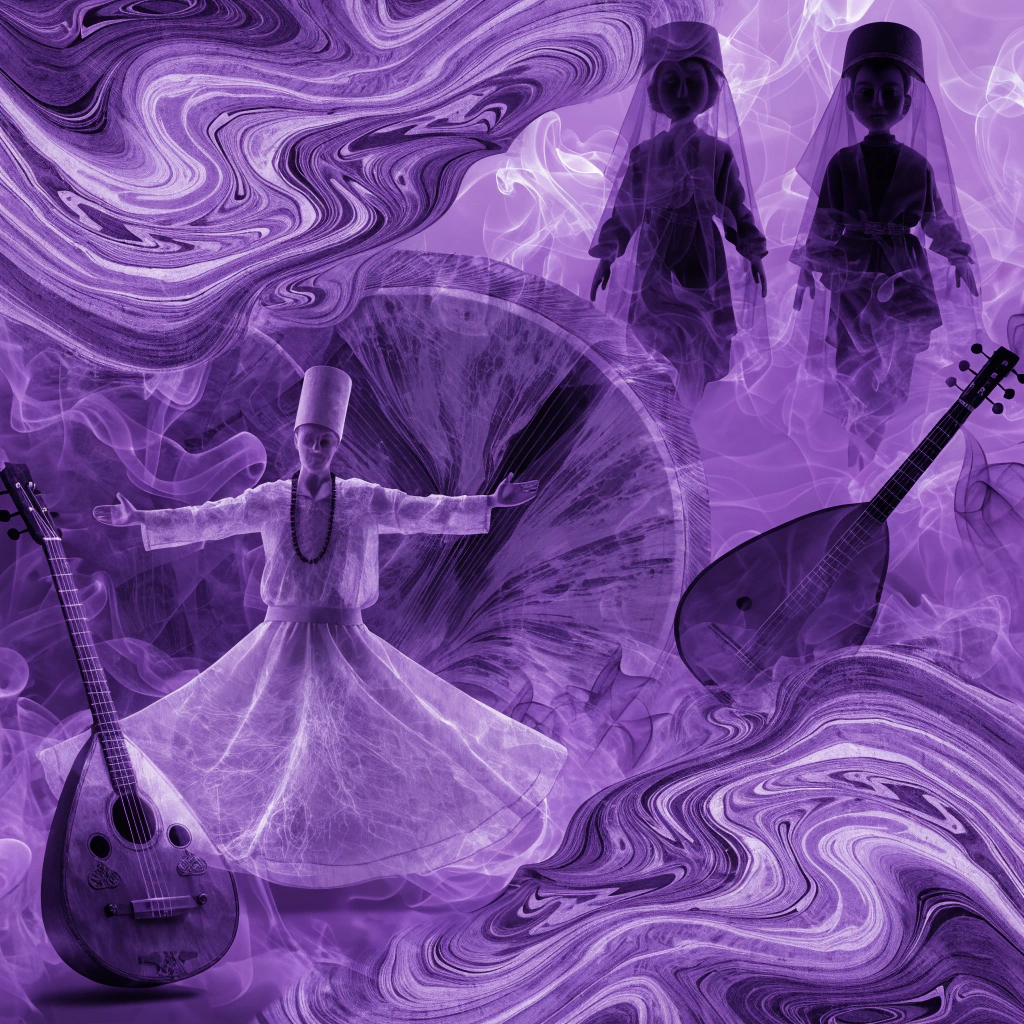
التقاليد التركية: العاشق والباغلاما
هذا مقال عن تقاليد مهمة في تركيا. هذه التقاليد اسمها "العاشق". العاشق هو فنان شعبي ومغنٍ. هو يغني ويعزف الموسيقى. الآلة الموسيقية التي يستخدمها اسمها "الباغلاما". الباغلاما آلة تركية وترية وجميلة. العاشق يسافر إلى قرى ومدن كثيرة في تركيا. هو يشارك قصصاً وأغاني مع الناس في كل مكان. الأغاني تتحدث عن الحب والحياة والعدل. العاشق يعلم الناس أشياء كثيرة ومفيدة. العاشق يحافظ على الثقافة التركية القديمة. هو يتكلم بكلمات جميلة جداً ومؤثرة. الناس يحبون الاستماع إلى أغانيه وقصصه. هذه التقاليد قديمة جداً ومهمة في تركيا اليوم.
تسليط الضوء على القواعد
نمط: الاسم والجملة الاسمية
"العاشق هو فنان شعبي."
هذه الجملة تبدأ باسم (العاشق) وتخبرنا شيئاً عنه. لا يوجد فعل رئيسي هنا. تستخدم "هو" لربط الاسم بالخبر.
نمط: الفعل المضارع للمفرد الغائب
"هو يغني ويعزف الموسيقى."
هذا الفعل يدل على حدث يحدث الآن أو بانتظام. نبدأ الفعل بحرف "ي" للمذكر الغائب لنتحدث عن "هو".
اختبر فهمك
10 أسئلة · A1 مبتدئ · معاينة مجانية واحدة
اختبر ما تعلمته من هذا المقال. أجب على جميع الأسئلة لكسب نقاط خبرة!
ما اسم الآلة الموسيقية التي يستخدمها العاشق؟
هل تريد إنهاء الاختبار؟
9 أسئلة أخرى بانتظارك. سجّل مجاناً لفتح الاختبار الكامل وكسب نقاط خبرة!
سجل مجاناًلديك حساب بالفعل؟ دخول
تفصيل الأسئلة
ما اسم الآلة الموسيقية التي يستخدمها العاشق؟
إجابتك:
الإجابة الصحيحة: الباغلاما
العاشق يسافر إلى قرى ومدن كثيرة.
إجابتك:
الإجابة الصحيحة: صحيح
ما معنى كلمة "يغني"؟
إجابتك:
الإجابة الصحيحة: يعزف الموسيقى بصوته
الأغاني تتحدث عن الحب والحياة و______.
إجابتك:
الإجابة الصحيحة: العدل
قصة العاشق وآلة الباغلاما في تركيا
العاشق هو فنان ومغنٍ مهم جداً في تركيا. هذا التقليد قديم جداً، وهو جزء أساسي من الموسيقى الشعبية والأدب الشفهي التركي. بدأ هذا التقليد منذ أكثر من ألف سنة. العاشق هو شخص يسافر من مكان إلى مكان، ويعزف على آلة موسيقية خاصة اسمها "الباغلاما". الباغلاما آلة تشبه العود، ولها رقبة طويلة.
كان العاشق يغني أغانيه وقصصه عن أشياء كثيرة. هو يتحدث عن الحب، وعن العدل للناس، وعن أفكار حول الحياة، وأيضاً عن الروحانية. هذه الأغاني ليست فقط للمتعة. هي طريقة مهمة لتعليم الناس وحفظ تاريخهم.
لقد حافظ هذا التقليد على اللغة التركية وقصص الناس لسنوات طويلة. في الماضي، كان الناس يجتمعون ليستمعوا إلى العاشق وقصصه الجميلة. هو مثل كتاب يمشي ويحمل ثقافة تركيا. هذا التقليد لا يزال حياً اليوم، وهو جزء مهم جداً من ثقافة تركيا.
تسليط الضوء على القواعد
نمط: الفعل الماضي (Past Tense)
"لقد حافظ هذا التقليد على اللغة التركية وقصص الناس لسنوات طويلة."
نستخدم الفعل الماضي للحديث عن أحداث أو أفعال انتهت في وقت سابق. مثلاً: "سافر" تعني هو ذهب في الماضي، و"غنى" تعني هو أدى أغنية في الماضي.
نمط: الصفة والموصوف (Adjective and Noun)
"الباغلاما آلة موسيقية خاصة اسمها "الباغلاما"."
الصفة تصف الاسم (الموصوف). يجب أن تكون الصفة مثل الاسم في الجنس (مذكر أو مؤنث) والعدد (مفرد أو جمع). مثلاً: "آلة موسيقية" (مؤنث مفرد).
اختبر فهمك
11 أسئلة · A2 ابتدائي · معاينة مجانية واحدة
اختبر ما تعلمته من هذا المقال. أجب على جميع الأسئلة لكسب نقاط خبرة!
من هو العاشق؟
هل تريد إنهاء الاختبار؟
10 أسئلة أخرى بانتظارك. سجّل مجاناً لفتح الاختبار الكامل وكسب نقاط خبرة!
سجل مجاناًلديك حساب بالفعل؟ دخول
تفصيل الأسئلة
من هو العاشق؟
إجابتك:
الإجابة الصحيحة: فنان ومغنٍ يسافر ويغني
تقليد العاشق جديد في تركيا.
إجابتك:
الإجابة الصحيحة: خطأ
ما معنى كلمة "يسافر"؟
إجابتك:
الإجابة الصحيحة: يذهب من مكان إلى مكان آخر
ماذا يعزف العاشق؟
إجابتك:
الإجابة الصحيحة: الباغلاما
العاشق هو ____ يسافر من مكان إلى مكان.
إجابتك:
الإجابة الصحيحة: فنان
The Wandering Poets of Turkey: The Aşık Tradition
For more than a thousand years, the Aşık tradition has been a central part of Turkish culture. An Aşık is a wandering poet-singer who travels between villages to share stories and music. These musicians are not just performers; they are also teachers and philosophers who have preserved the Turkish language through their songs. In many Turkish homes, you can find a bağlama hanging on the wall, showing how much people respect this instrument.
The most important tool for an Aşık is the bağlama. This is a traditional long-necked lute that is played with great skill. The bağlama is often called the 'voice' of the poet because it helps them express deep emotions. In the past, songs were not written down, so the music was passed from one generation to another by listening and practicing. It is not just a piece of wood and strings; it represents the soul of the people.
The songs usually focus on themes like love, social justice, and spiritual beliefs. Because the Aşıks travel a lot, they have seen many different ways of life. They use their music to talk about the problems of society and to give advice to their listeners. This tradition is very social, and people often gather in coffee houses to hear the latest poems. Aşıks often engage in competitions where they improvise poems against each other, testing their intelligence and speed.
Today, this ancient art has been recognized by UNESCO as an important part of human heritage. Although modern music is popular now, the bağlama is still taught in many schools. The tradition has changed over time, but the message of peace and love remains the same. Many young people have started to learn the bağlama because they want to keep their history alive.
تسليط الضوء على القواعد
نمط: Present Perfect Tense
"the Aşık tradition has been a central part of Turkish culture."
The present perfect is formed with 'have/has' and the past participle. It is used here to describe a state that started in the past and continues to the present day.
نمط: Passive Voice
"This is a traditional long-necked lute that is played with great skill."
The passive voice is formed with the verb 'to be' and the past participle. We use it when the action (playing the lute) is more important than who is doing it.
اختبر فهمك
11 أسئلة · B1 متوسط · معاينة مجانية واحدة
اختبر ما تعلمته من هذا المقال. أجب على جميع الأسئلة لكسب نقاط خبرة!
What is an Aşık?
هل تريد إنهاء الاختبار؟
10 أسئلة أخرى بانتظارك. سجّل مجاناً لفتح الاختبار الكامل وكسب نقاط خبرة!
سجل مجاناًلديك حساب بالفعل؟ دخول
تفصيل الأسئلة
What is an Aşık?
إجابتك:
الإجابة الصحيحة: A wandering poet-singer
The bağlama is a type of wind instrument.
إجابتك:
الإجابة الصحيحة: خطأ
What does 'ancient' mean?
إجابتك:
الإجابة الصحيحة: Very old
The songs usually focus on themes like _____, social justice, and spiritual beliefs.
إجابتك:
الإجابة الصحيحة: love
Why is the bağlama called the 'voice' of the poet?
إجابتك:
الإجابة الصحيحة: Because it helps express deep emotions
The Echoes of Anatolia: Understanding the Aşık Tradition and the Bağlama
The Aşık tradition stands as a fundamental pillar of Turkish folk music and oral literature, representing a cultural heritage that has spanned over a millennium. An 'Aşık' is traditionally defined as a wandering poet-singer who travels from village to village, accompanied by the soulful melodies of the bağlama, a long-necked lute. This tradition is not merely regarded as a form of entertainment; rather, it serves as a vital social institution that has preserved the Turkish language and collective memory through centuries of change.
Central to this practice is the bağlama, an instrument that is often considered the voice of the Anatolian people. The music produced is frequently improvised, allowing the performer to respond to the immediate emotions of their audience or the specific atmosphere of a gathering. Historically, these minstrels were the primary source of news and moral education in rural areas. Their songs, which cover diverse themes such as unrequited love, social justice, and deep philosophical devotion, provided a voice for the common people against regional hardships.
Furthermore, the Aşık tradition is deeply rooted in spiritual and social philosophy. Many Aşıks were seen as wise figures who could critique societal flaws through satire and poetry. This oral transmission of values ensured that even in the absence of formal education, the ethical foundations of the community remained intact. Consequently, the tradition has been recognized by UNESCO as an Intangible Cultural Heritage of Humanity, highlighting its global significance.
In contemporary Turkey, while the lifestyle of the wandering minstrel has largely faded due to urbanization, the influence of the Aşık spirit remains remarkably enduring. Modern musicians continue to draw inspiration from the rhythmic patterns and lyrical depth of the old masters. By blending traditional techniques with modern genres, they ensure that the bağlama continues to resonate with younger generations. In essence, the Aşık tradition is a testament to the power of oral storytelling and the enduring nature of cultural identity in a rapidly evolving world.
تسليط الضوء على القواعد
نمط: Passive Voice
"This tradition is not merely regarded as a form of entertainment."
The passive voice is used here to focus on the tradition itself rather than the people who regard it. It is formed using 'to be' (is) + the past participle (regarded).
نمط: Relative Clauses
"An 'Aşık' is traditionally defined as a wandering poet-singer who travels from village to village."
The relative pronoun 'who' introduces a defining relative clause that gives essential information about the 'poet-singer'.
نمط: Present Perfect Simple
"Consequently, the tradition has been recognized by UNESCO as an Intangible Cultural Heritage of Humanity."
The present perfect is used to describe an action that happened at an unspecified time in the past and has relevance to the present. It is formed with 'has/have' + past participle.
اختبر فهمك
11 أسئلة · B2 فوق المتوسط · معاينة مجانية واحدة
اختبر ما تعلمته من هذا المقال. أجب على جميع الأسئلة لكسب نقاط خبرة!
According to the article, what was the primary historical role of the Aşıks in rural areas?
هل تريد إنهاء الاختبار؟
10 أسئلة أخرى بانتظارك. سجّل مجاناً لفتح الاختبار الكامل وكسب نقاط خبرة!
سجل مجاناًلديك حساب بالفعل؟ دخول
تفصيل الأسئلة
According to the article, what was the primary historical role of the Aşıks in rural areas?
إجابتك:
الإجابة الصحيحة: They served as a primary source of news and moral education.
The Aşık tradition has been officially recognized by UNESCO.
إجابتك:
الإجابة الصحيحة: صحيح
What does 'contemporary' mean in the context of the text?
إجابتك:
الإجابة الصحيحة: Belonging to the present time
The music produced by an Aşık is frequently _____, allowing them to respond to the audience's emotions.
إجابتك:
الإجابة الصحيحة: improvised
What instrument is central to the Aşık tradition?
إجابتك:
الإجابة الصحيحة: The bağlama
تقاليد العشيق والباغلاما: ركيزة التراث الشفهي التركي
في قلب الأناضول، حيث تتشابك خيوط التاريخ والثقافة، يبرز تقليد "العشيق" كأحد أهم ركائز التراث الشفهي والموسيقي التركي. ليس العشيق مجرد فنان جوال، بل هو شاعر ومغنٍّ وفيلسوف يجسد ذاكرة الأمة وضميرها الحي، متسلحًا بآلته الموسيقية المميزة، الـ"باغلاما". إن ما يميز هذا التقليد، الممتد لأكثر من ألف عام، هو قدرته الفائقة على التكيف والبقاء، محتفظًا بجوهره الأصيل في كل حقبة زمنية.
العشيق، بمعناه التركي، يتجاوز مجرد دلالة العاشق؛ فهو يشير إلى شخص شغوف بالفن والحكمة، يتجول من قرية إلى أخرى، حاملاً على عاتقه مسؤولية نقل القصص والأشعار والأغاني التي تعكس هموم الناس وآمالهم. إن فنه الارتجالي، الذي يُعد السمة الأبرز لعروضه، يجعله قادرًا على التفاعل المباشر مع جمهوره، وصياغة كلمات وألحان جديدة في لحظة، تتناول مواضيع شتى تتراوح بين الحب الإلهي والوطني، والعدالة الاجتماعية، والحكمة الفلسفية، والتصوف العميق. هذا التفاعل الحي هو ما يضمن استمرارية وحيوية هذا الفن.
أما الباغلاما، تلك الآلة الوترية ذات العنق الطويل، فهي ليست مجرد رفيق للعشيق، بل هي امتداد لروحه ولسانه الموسيقي. بصوتها الرخيم الذي يلامس الوجدان، تروي الباغلاما حكايات الأجداد، وتجسد آلام الشعب وأفراحه. لا يمكن تصور تقليد العشيق دون هذه الآلة التي أصبحت رمزًا ثقافيًا بحد ذاتها. إن إتقان العشيق للباغلاما لا يقتصر على العزف الماهر فحسب، بل يتعداه إلى القدرة على استخدامها كأداة للسرد والتعبير، مضفياً على الكلمات بعدًا عاطفيًا عميقًا.
لهذا التقليد أهمية بالغة تتجاوز كونه مجرد شكل من أشكال الترفيه. فالعشيق، عبر أجيال متتالية، قد اضطلع بدور المؤرخ غير الرسمي، والحافظ للغة التركية الفصحى، والمعلم الأخلاقي. لقد كان له دور محوري في الحفاظ على القيم المجتمعية، وتمرير الحكمة الشعبية، بل وتشكيل الوعي الجماعي. وما يزال إلى اليوم يُنظر إليه كمرجع ثقافي واجتماعي، حيث تُعقد مجالس العشيق التي تجمع الناس للاستماع والمشاركة، ما يعزز الروابط المجتمعية ويقوي الهوية الثقافية.
في عصرنا الحديث، ومع طغيان وسائل الإعلام الرقمية وتغير أنماط الحياة، يواجه تقليد العشيق تحديات جمة تهدد استمراريته. ومع ذلك، فإن الجهود الحثيثة للحفاظ عليه، سواء من خلال المهرجانات، أو المؤسسات التعليمية، أو حتى المبادرات الفردية، تشهد على إدراكه ككنز ثقافي لا يقدر بثمن. إن إعادة إحياء هذا التراث وتقديمه للأجيال الجديدة هو مسعى ضروري لضمان عدم اندثار صوت الأناضول الأصيل.
في الختام، إن تقليد العشيق والباغلاما ليس مجرد جزء من الفولكلور التركي؛ بل هو تجسيد حي لروح الأمة، وسجل تاريخي يروي حكاياتها، ومصدر إلهام فني وفكري لا ينضب. إنه دعوة للتأمل في عمق العلاقة بين الإنسان وفنه، وكيف يمكن للموسيقى والشعر أن يكونا جسرًا يربط الماضي بالحاضر، ويعزز التفاهم بين الشعوب والثقافات.
تسليط الضوء على القواعد
نمط: المصدر المؤول (أنْ والفعل المضارع)
"إن ما يميز هذا التقليد، الممتد لأكثر من ألف عام، هو قدرته الفائقة على التكيف والبقاء، محتفظًا بجوهره الأصيل في كل حقبة زمنية."
يُستخدم المصدر المؤول (أنْ + الفعل المضارع) لتحويل جملة فعلية إلى ما يعادل الاسم، مما يضيف تعقيدًا وأناقة للأسلوب. في المثال، "أن يتكيف وأن يبقى" تُؤول إلى "قدرته على التكيف والبقاء".
نمط: أسلوب الحصر بـ 'إنما' أو 'ما... إلا'
"ليس العشيق مجرد فنان جوال، بل هو شاعر ومغنٍّ وفيلسوف يجسد ذاكرة الأمة وضميرها الحي، متسلحًا بآلته الموسيقية المميزة، الـ"باغلاما"."
يُستخدم أسلوب الحصر لتأكيد معنى معين أو قصر الحكم على شيء دون سواه. في المثال، "ليس مجرد... بل هو..." يؤكد على الدور المتعدد للعشيق، مشيرًا إلى أن وظيفته تتجاوز كونه فنانًا فحسب.
نمط: جملة الحال (الحال المفردة والجملة)
"يتجول من قرية إلى أخرى، حاملاً على عاتقه مسؤولية نقل القصص والأشعار والأغاني التي تعكس هموم الناس وآمالهم."
تُستخدم جملة الحال لوصف هيئة الفاعل أو المفعول به أثناء وقوع الفعل، وتضيف تفصيلاً دقيقًا للمعنى. في المثال، "حاملاً" حال مفردة تصف هيئة العشيق أثناء تجواله، مبينةً حالته وهو يحمل المسؤولية.
اختبر فهمك
12 أسئلة · C1 متقدم · معاينة مجانية واحدة
اختبر ما تعلمته من هذا المقال. أجب على جميع الأسئلة لكسب نقاط خبرة!
ما هي السمة الأبرز لفن العشيق الارتجالي؟
هل تريد إنهاء الاختبار؟
11 أسئلة أخرى بانتظارك. سجّل مجاناً لفتح الاختبار الكامل وكسب نقاط خبرة!
سجل مجاناًلديك حساب بالفعل؟ دخول
تفصيل الأسئلة
ما هي السمة الأبرز لفن العشيق الارتجالي؟
إجابتك:
الإجابة الصحيحة: التفاعل المباشر مع الجمهور وصياغة الألحان والكلمات في لحظتها
تقليد العشيق محصور في مواضيع الحب الإلهي فقط ولا يتناول العدالة الاجتماعية.
إجابتك:
الإجابة الصحيحة: خطأ
ماذا تعني كلمة 'ركيزة' في سياق المقال؟
إجابتك:
الإجابة الصحيحة: الأساس أو الدعامة الرئيسية
لا يمكن تصور تقليد العشيق دون هذه الآلة التي أصبحت رمزًا ثقافيًا بحد ذاتها، وهي الـ_________.
إجابتك:
الإجابة الصحيحة: باغلاما
ما هو الدور الذي اضطلع به العشيق عبر الأجيال وفقاً للمقال؟
إجابتك:
الإجابة الصحيحة: المؤرخ غير الرسمي والمعلم الأخلاقي
يواجه تقليد العشيق في العصر الحديث تحديات بسبب وسائل الإعلام الرقمية.
إجابتك:
الإجابة الصحيحة: صحيح
The Anatolian Minstrelsy: An Epistemological Inquiry into the Aşık Tradition and the Resonance of the Bağlama
The Aşık tradition, a cornerstone of Turkish cultural identity, represents a sophisticated amalgamation of pre-Islamic Turkic shamanism and the profound depths of Sufi mysticism. To perceive the Aşık merely as a wandering minstrel is to commit a reductionist error; rather, they are the custodians of an oral repository that has survived for over a millennium. Tracing its lineage back to the nomadic bards of Central Asia, the tradition underwent a significant transformation upon the migration of the Oghuz Turks to Anatolia, where the ancient 'kopuz' evolved into the modern bağlama. Central to this phenomenon is the bağlama, a long-necked lute whose resonance is said to mimic the human voice, thereby facilitating a direct conduit between the performer’s soul and the audience. Seldom has an instrument been so inextricably linked to the collective consciousness of a nation as the bağlama. It is not simply a tool for melodic expression but a sacred object, often referred to as the 'stringed Quran' in certain heterodox traditions, highlighting its role in spiritual enlightenment and moral instruction.
Throughout history, the Aşık has functioned as a vital social mediator. In the absence of widespread literacy, these poets utilized the power of verse and melody to disseminate news, preserve historical narratives, and, perhaps most crucially, critique the socio-political hierarchies of their time. Through the use of clever subterfuge and allegorical language, an Aşık could challenge the injustices of a local governor or the follies of the ruling elite without falling victim to immediate retribution. This egalitarian spirit is quintessential to the tradition, as it empowers the marginalized and provides a voice to the voiceless. The 'atışma', or poetic duel, serves as the ultimate display of this intellectual prowess, where two Aşıks engage in a dialectic of wit, improvising verses that must adhere to strict rhythmic and rhyming schemes while simultaneously addressing complex philosophical inquiries. The pedagogical nature of the tradition is maintained through a rigorous master-apprentice (usta-çırak) relationship, ensuring that the nuances of both the music and the ethics are transmitted across generations.
However, the transition of this tradition into the modern era is not without its tensions. The ephemeral nature of oral performance, where each rendition is a unique, unrepeatable event, stands in stark contrast to the fixed, static quality of digital recordings and written nomenclature. It is imperative that the Aşık tradition be viewed not merely as a relic of a bygone pastoral age, but as a living, breathing social institution that continues to evolve. While the urbanization of Turkey has altered the traditional settings of these performances, the core themes of love, longing, and justice remain as relevant as ever. Should one overlook the spiritual dimensions of the music, the entire philosophical edifice of the Aşık tradition would crumble, leaving behind only a hollow aesthetic shell.
The recognition of the Aşık tradition by UNESCO as part of the Intangible Cultural Heritage of Humanity underscores its global significance. Yet, this institutionalization brings its own set of challenges. There is a risk that by codifying the tradition, we might inadvertently stifle the very improvisational freedom that defines it. The synthesis of tradition and modernity requires a delicate balance—one where the bağlama continues to echo the struggles and aspirations of the people while embracing new forms of expression. Ultimately, the Aşık remains a figure of profound cultural resonance, a bridge between the ancestral past and the uncertain future, reminding us that as long as there is a story to be told, the strings of the bağlama will never fall silent.
تسليط الضوء على القواعد
نمط: Negative Inversion
"Seldom has an instrument been so inextricably linked to the collective consciousness of a nation as the bağlama."
When negative or restrictive adverbs like 'seldom' or 'never' start a sentence for emphasis, the auxiliary verb and subject are inverted. This creates a more formal and dramatic tone.
نمط: The Subjunctive Mood
"It is imperative that the Aşık tradition be viewed not merely as a relic, but as a living, breathing social institution."
The base form of the verb (be) is used after certain adjectives of necessity or importance. This highlights the urgency or essential nature of the recommendation.
نمط: Mixed/Advanced Conditionals
"Should one overlook the spiritual dimensions of the music, the entire philosophical edifice of the Aşık tradition would crumble..."
The use of 'Should' at the beginning of a conditional sentence replaces 'If' and makes the condition sound more formal and hypothetical. It is commonly used in academic writing.
اختبر فهمك
12 أسئلة · C2 إتقان · معاينة مجانية واحدة
اختبر ما تعلمته من هذا المقال. أجب على جميع الأسئلة لكسب نقاط خبرة!
According to the text, why is the bağlama referred to as the 'stringed Quran'?
هل تريد إنهاء الاختبار؟
11 أسئلة أخرى بانتظارك. سجّل مجاناً لفتح الاختبار الكامل وكسب نقاط خبرة!
سجل مجاناًلديك حساب بالفعل؟ دخول
تفصيل الأسئلة
According to the text, why is the bağlama referred to as the 'stringed Quran'?
إجابتك:
الإجابة الصحيحة: To emphasize its role in spiritual enlightenment and moral instruction.
The Aşık tradition has its roots in pre-Islamic Turkic culture.
إجابتك:
الإجابة الصحيحة: صحيح
Which word describes the temporary, unrepeatable nature of an oral performance?
إجابتك:
الإجابة الصحيحة: Ephemeral
The 'atışma' is a poetic _____ where two bards compete through improvised verse.
إجابتك:
الإجابة الصحيحة: duel
What is the primary concern mentioned regarding the institutionalization of the Aşık tradition by UNESCO?
إجابتك:
الإجابة الصحيحة: It could accidentally limit the improvisational freedom that defines the art.
The 'usta-çırak' relationship is a modern invention to replace traditional schooling.
إجابتك:
الإجابة الصحيحة: خطأ

