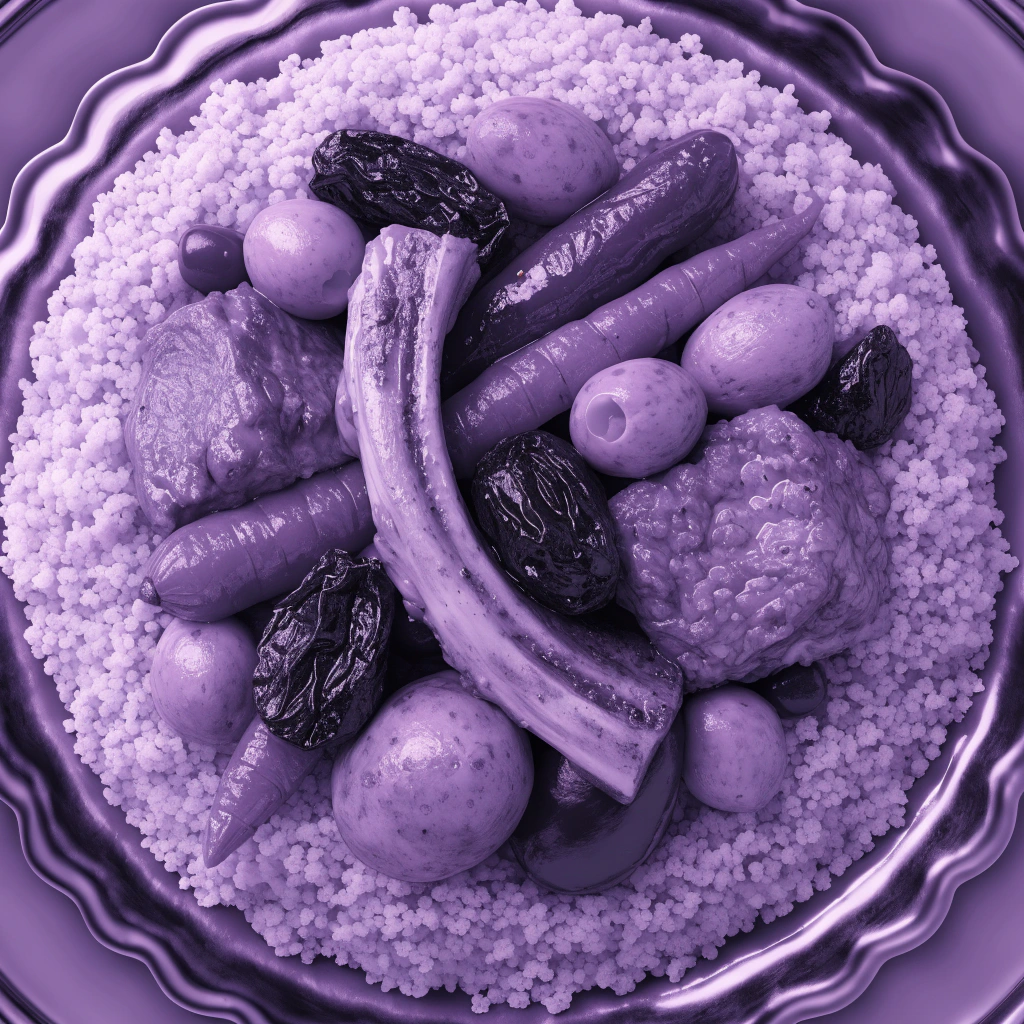
Couscous: A Special Meal in Morocco
Couscous is a very popular food in Morocco. It is the national dish. People eat it every Friday. Families sit together and share a big plate of couscous.
Couscous is made of small grains of wheat. It is yellow and soft. People cook it with vegetables like carrots and pumpkins. Sometimes they add meat or chicken.
This meal is healthy and delicious. It is important for Moroccan culture. Many people love to eat it.
Grammar Spotlight
Pattern: Present Simple (to be)
"Couscous is a very popular food in Morocco."
We use 'is' with singular subjects to describe facts. It tells us what something is or how it looks.
Pattern: Present Simple (Plural Verbs)
"Families sit together and share a big plate of couscous."
With plural subjects like 'families', the verb does not change. We use the base form of the verb.
Test Your Understanding
10 questions · A1 Beginner · 1 free preview
Test what you learned from this article. Answer all questions to earn XP!
When do people in Morocco usually eat couscous?
Want to finish the quiz?
9 more questions are waiting for you. Sign up free to unlock the full quiz and earn XP!
Sign Up FreeAlready have an account? Sign In
Question Breakdown
When do people in Morocco usually eat couscous?
Your answer:
Correct answer: Every Friday
Couscous is made of small grains of rice.
Your answer:
Correct answer: False
What does the word 'delicious' mean?
Your answer:
Correct answer: Very good taste
Families sit _____ and share a big plate of couscous.
Your answer:
Correct answer: together
Couscous: The Heart of Morocco
Couscous is the most famous food in Morocco. People call it the national dish because it is very important for their culture. It is made from small pieces of wheat called semolina. Long ago, Berber people started cooking it, and it is still popular today.
Making traditional couscous is not easy. In the past, people spent many hours preparing it by hand. They use a special pot with two parts to steam the grains. Usually, they serve the couscous with many vegetables like carrots and pumpkins. Sometimes they add chicken or lamb too.
In Morocco, Friday is a special day for couscous. After the midday prayer, families go home to eat together. They usually sit around one big plate and use their hands or spoons. This tradition is older than many other customs. It is a time for people to talk and feel happy with their relatives. Couscous is delicious, but it is also a symbol of love and family in Morocco.
Grammar Spotlight
Pattern: Comparatives
"This tradition is older than many other customs."
We use comparatives to compare two things. For short adjectives like 'old', we add '-er' to the end and use the word 'than' before the second thing.
Pattern: Past Simple
"Berber people started cooking it."
The past simple is used for actions that finished in the past. For regular verbs like 'start', we add '-ed' to the base form of the verb.
Test Your Understanding
11 questions · A2 Elementary · 1 free preview
Test what you learned from this article. Answer all questions to earn XP!
What is couscous made from?
Want to finish the quiz?
10 more questions are waiting for you. Sign up free to unlock the full quiz and earn XP!
Sign Up FreeAlready have an account? Sign In
Question Breakdown
What is couscous made from?
Your answer:
Correct answer: Wheat
Moroccan families usually eat couscous alone.
Your answer:
Correct answer: False
What does 'delicious' mean?
Your answer:
Correct answer: Tastes very good
Families usually eat couscous on _____.
Your answer:
Correct answer: Friday
How do people cook the couscous grains?
Your answer:
Correct answer: They steam them in a pot
The Heart of Moroccan Food: The Story of Couscous
Couscous is often called the national dish of Morocco, and its importance goes far beyond being a simple meal. It is made from tiny granules of rolled durum wheat semolina. While it is now a popular food around the world, in Morocco, it remains deeply rooted in Berber heritage. Archaeologists have found evidence of couscous cooking that dates back to the 9th century.
The traditional method of preparation is very labor-intensive. The semolina is steamed several times in a special pot which is known as a 'couscoussier'. While the grains are steamed at the top, a delicious stew of meat and vegetables is cooked in the bottom section. This process ensures that the granules absorb all the wonderful flavors from the stew below. This ingenuity in cooking has been passed down through generations.
In Moroccan culture, couscous is more than just a staple carbohydrate; it is a symbol of togetherness. Traditionally, it is prepared on Fridays, which is a special day for the community. After the midday prayers, families gather around a large, shared plate to eat together. This tradition, which has been practiced for centuries, reflects the hospitality and generosity that the Moroccan people are famous for.
The recipe often includes a variety of seasonal vegetables such as carrots, pumpkins, and zucchini. Some versions even include chickpeas or raisins for a sweet and salty taste. Each region in Morocco has its own unique way of serving the dish, showing the diversity of the country.
In recent years, couscous has become a global food, but the most authentic version is still found in Moroccan homes. It is a dish that has connected generations of people through its unique taste and the social rituals that surround it. Whether it is served with seven vegetables or sweet onions, it remains the heart of Moroccan cuisine.
Grammar Spotlight
Pattern: Passive Voice
"Couscous is often called the national dish of Morocco."
The passive voice is formed with 'be' + past participle. It is used here to focus on the dish itself rather than the people who are calling it by that name.
Pattern: Relative Clauses
"The semolina is steamed several times in a special pot which is known as a 'couscoussier'."
The relative pronoun 'which' introduces a clause that provides essential information about the 'special pot'. This helps combine two ideas into one complex sentence.
Test Your Understanding
11 questions · B1 Intermediate · 1 free preview
Test what you learned from this article. Answer all questions to earn XP!
What is the primary ingredient used to make couscous?
Want to finish the quiz?
10 more questions are waiting for you. Sign up free to unlock the full quiz and earn XP!
Sign Up FreeAlready have an account? Sign In
Question Breakdown
What is the primary ingredient used to make couscous?
Your answer:
Correct answer: Durum wheat semolina
Couscous is traditionally served on Fridays in Morocco.
Your answer:
Correct answer: True
What does the word 'hospitality' refer to in the article?
Your answer:
Correct answer: Friendly and generous treatment of guests
Moroccan families usually gather around a large, _____ plate to eat together.
Your answer:
Correct answer: shared
What is the name of the special pot used to steam the grains?
Your answer:
Correct answer: Couscoussier
The Cultural Significance and Culinary Heritage of Moroccan Couscous
Couscous is far more than a mere culinary staple in Morocco; it is a profound symbol of national identity and historical continuity. While it has achieved global popularity as a versatile grain, its authentic preparation remains deeply rooted in the ancestral traditions of North Africa’s Berber population. Archaeologists have discovered evidence suggesting that couscous cookery has been practiced in the region since at least the 9th century, highlighting a legacy that spans over a millennium. This longevity indicates that the dish is not just food, but a foundational element of the region's agricultural history.
The preparation of traditional couscous is a remarkably labor-intensive process that requires both patience and skill. Unlike the pre-cooked varieties found in modern supermarkets, authentic Moroccan couscous involves the meticulous rolling of semolina granules by hand. This grain is then steamed multiple times in a specialized vessel known as a 'couscoussier.' By steaming the grains over a simmering pot of meat and vegetables, the couscous absorbs the aromatic flavors of the broth, resulting in a texture that is light and fluffy. This method demonstrates the technical ingenuity of traditional North African cooking, where heat and moisture are managed with precision.
Beyond its nutritional value, couscous serves a vital social function. In Morocco, Friday is traditionally the day when families gather to share a large, communal platter of couscous after the midday prayers. This weekly ritual reinforces social bonds and emphasizes the value of hospitality, which is central to Moroccan culture. It is not uncommon for visitors to be invited to join a family meal, as the dish is designed to be shared among many. The act of eating from a single dish symbolizes unity and equality among the diners.
From a culinary perspective, the dish is praised for its versatility. It allows for a balanced meal where a small amount of meat can be stretched to feed a large group, supplemented by a variety of seasonal vegetables and legumes. Although modern lifestyles have introduced quicker cooking methods, the traditional Friday meal remains an unshakeable cornerstone of Moroccan life. In conclusion, Moroccan couscous represents a harmonious blend of agricultural resourcefulness and social cohesion. It is an enduring testament to a heritage that continues to flourish in the face of globalization.
Grammar Spotlight
Pattern: Passive Voice
"This grain is then steamed multiple times in a specialized vessel known as a 'couscoussier.'"
The passive voice is used here because the action (steaming) is more important than who is performing it. It is formed using 'be' + past participle.
Pattern: Present Perfect Simple
"Archaeologists have discovered evidence suggesting that couscous cookery has been practiced in the region..."
The present perfect is used to talk about past actions that have importance or relevance in the present. It links the historical discovery to our current understanding.
Pattern: Non-defining Relative Clause
"...emphasizes the value of hospitality, which is central to Moroccan culture."
This clause adds extra information about 'hospitality'. It is separated by a comma and uses the relative pronoun 'which'.
Test Your Understanding
11 questions · B2 Upper Intermediate · 1 free preview
Test what you learned from this article. Answer all questions to earn XP!
What does the archaeological evidence from the 9th century suggest about couscous?
Want to finish the quiz?
10 more questions are waiting for you. Sign up free to unlock the full quiz and earn XP!
Sign Up FreeAlready have an account? Sign In
Question Breakdown
What does the archaeological evidence from the 9th century suggest about couscous?
Your answer:
Correct answer: It has been a part of the region's culture for over a thousand years.
Authentic Moroccan couscous is typically made from pre-cooked grains found in supermarkets.
Your answer:
Correct answer: False
What does 'communal' mean in the context of the article?
Your answer:
Correct answer: Shared by a group
The preparation of traditional couscous is a remarkably _____ process.
Your answer:
Correct answer: labor-intensive
Why is the steaming process in a 'couscoussier' considered effective?
Your answer:
Correct answer: It allows the grain to absorb flavors from the broth.
The Alchemical Art of Semolina: Deciphering the Cultural Tapestry of Moroccan Couscous
In the labyrinthine alleys of the Moroccan medina, the aroma of steaming grain serves as a sensory testament to a culinary tradition that transcends mere nutrition. Couscous, often lauded as the national dish, is far from being a simple carbohydrate; it is a complex socio-cultural phenomenon. Never before has a single dish so effectively bridged the gap between the mundane and the sacred, particularly during the revered Friday lunch. The preparation of this staple, derived from tiny granules of rolled durum wheat semolina, reflects the historical ingenuity of North African agrarian societies. While modern globalization has rendered couscous ubiquitous on supermarket shelves worldwide, the authentic Moroccan iteration remains deeply rooted in a Berber heritage that spans over a millennium.
Archaeological evidence suggests that the technology of steaming grains dates back to the 9th century, yet the essence of the dish lies in its labor-intensive production. It is the rhythmic, repetitive motion of the hands that transforms mere grain into a culinary masterpiece. This process, known as 'rolling,' requires a level of dexterity and patience that is increasingly rare in our contemporary era of convenience. The nominalization of 'the rolling' highlights its status as a distinct craft rather than a mere kitchen chore. To the uninitiated, the difference between hand-rolled semolina and its factory-produced counterparts might seem negligible, but for the connoisseur, the texture of the former offers a nuanced mouthfeel that is unparalleled. The preparation involves a 'couscoussier,' a two-tiered steamer where the meat and vegetables simmer below, infusing the grain above with their savory essences. This vertical arrangement is a metaphor for the hierarchical yet integrated nature of Moroccan society.
The social dimension of couscous is equally compelling. Traditionally consumed from a large, communal clay platter, the dish facilitates a collective experience that reinforces familial and communal bonds. This act of sharing is not merely a logistical convenience but a symbolic gesture of unity and hospitality. In Morocco, the Friday couscous is a non-negotiable ritual, a moment where the frantic pace of modern life is momentarily suspended. Critics might argue that such traditions are under threat from the encroachment of Western fast food, yet the resilience of the couscous ritual suggests otherwise.
Furthermore, the dish serves as a canvas for regional diversity. From the vegetable-heavy 'seven-vegetable' couscous of the plains to the sweet and savory 'tfaya' of the cities, featuring caramelized onions and raisins, each variation tells a story of local terroir. The global proliferation of instant couscous has led to a dilution of traditional preparation methods, yet within the Moroccan household, the sanctity of the 'kseksou' remains inviolable. The nuanced arguments surrounding the commercialization of North African cuisine highlight a tension between accessibility and authenticity. Ultimately, couscous is more than sustenance; it is a vessel for history, a medium for social cohesion, and a testament to the enduring power of ancestral wisdom in an ever-changing world.
Grammar Spotlight
Pattern: Inversion (Negative Adverbials)
"Never before has a single dish so effectively bridged the gap between the mundane and the sacred."
When we start a sentence with a negative adverbial like 'never before', the subject and auxiliary verb are inverted to add emphasis and rhetorical weight.
Pattern: Cleft Sentences
"It is the rhythmic, repetitive motion of the hands that transforms mere grain into a culinary masterpiece."
Cleft sentences use the structure 'It is/was + [focus] + that/who' to emphasize a specific part of the sentence, in this case, the manual effort.
Pattern: Nominalization
"The global proliferation of instant couscous has led to a dilution of traditional preparation methods."
Nominalization involves turning verbs or adjectives into nouns (e.g., 'proliferate' to 'proliferation'). This makes the writing more formal, objective, and dense, which is typical of C1 level academic prose.
Test Your Understanding
12 questions · C1 Advanced · 1 free preview
Test what you learned from this article. Answer all questions to earn XP!
What does the author suggest about the difference between hand-rolled and factory-produced couscous?
Want to finish the quiz?
11 more questions are waiting for you. Sign up free to unlock the full quiz and earn XP!
Sign Up FreeAlready have an account? Sign In
Question Breakdown
What does the author suggest about the difference between hand-rolled and factory-produced couscous?
Your answer:
Correct answer: It is a subtle difference in texture appreciated by experts.
The article states that couscous preparation technology in North Africa is a relatively modern invention from the 19th century.
Your answer:
Correct answer: False
What does 'ubiquitous' mean in the context of the article?
Your answer:
Correct answer: Found everywhere
The act of eating from a communal platter is described as a symbolic gesture of _____ and hospitality.
Your answer:
Correct answer: unity
According to the text, what does the 'couscoussier' steamer symbolize in Moroccan culture?
Your answer:
Correct answer: The hierarchical yet integrated nature of society
The author argues that Western fast food has completely destroyed the traditional Friday couscous ritual.
Your answer:
Correct answer: False
The Semiotics of Semolina: Couscous as a Socio-Cultural Paradigm in the Maghreb
To perceive couscous merely as a culinary staple is to overlook its profound ontological significance within the Moroccan social fabric. It is, rather, a palimpsest of historical migrations and agricultural ingenuity, serving as a testament to the enduring legacy of Berber civilization. While contemporary globalism has facilitated the dissemination of couscous to the far reaches of the international gastronomic stage, its primordial essence remains inextricably linked to the Moroccan soil. Archaeological evidence suggests that the apparatus required for its preparation dates back to at least the 9th century, indicating a sophisticated understanding of steam-based cookery that predates many European culinary advancements. Had the ancestral Berber populations not harnessed the specific properties of durum wheat, the gastronomic landscape of the Maghreb would be unrecognizably disparate. The traditional preparation of couscous is an indefatigable labor of love, requiring a rhythmic dexterity that is passed down through generations of women. This process, known as 'rolling' the couscous, involves the transformation of coarse semolina into uniform, minute granules through the judicious application of salted water and flour. It is imperative that the grains be steamed multiple times in a 'kiskas'—a perforated vessel atop a simmering broth—lest the delicate granules clump together and lose their ethereal lightness. This meticulousness reflects a broader cultural paradigm where time is not merely a commodity to be expended, but a medium through which quality and devotion are manifested. Furthermore, the consumption of couscous is an exercise in commensality and egalitarianism. Traditionally served in a singular, large terracotta platter, the dish necessitates a communal gathering, typically following the Friday Jumu'ah prayers. One might posit that the ritual of the Friday couscous serves as a temporal anchor, a moment of repose in an increasingly ephemeral world. Within this communal setting, social stratification is momentarily suspended, as participants partake from the same vessel, adhering to an unspoken etiquette that prioritizes the collective over the individual. It is axiomatic that the dish represents more than sustenance; it is a symbol of baraka, or divine blessing. The interplay of vegetables, legumes, and meat—arranged with architectural precision atop the mound of grain—serves as a visual metaphor for the bounty of the land. However, to view this tradition through a purely nostalgic lens would be a reductive exercise. Moroccan cuisine is not a vestigial relic but a living, breathing entity that continues to evolve. Modern interpretations may incorporate avant-garde techniques or non-traditional ingredients, yet the core tenets of conviviality and hospitality remain sacrosanct. The enduring popularity of couscous, even amidst the encroachment of Western fast food, underscores its role as a bulwark of national identity. In conclusion, the study of couscous offers a window into the Moroccan soul. It is a dish that harmonizes the pragmatic needs of nutrition with the lofty ideals of spirituality and community. As long as the steam rises from the kiskas in the interstices of the medinas and the modern villas alike, the cultural integrity of Morocco remains secure, anchored by a grain that is as resilient as the people who cultivate it.
Grammar Spotlight
Pattern: Inverted Conditional (Third Conditional)
"Had the ancestral Berber populations not harnessed the specific properties of durum wheat, the gastronomic landscape of the Maghreb would be unrecognizably disparate."
This structure replaces 'If the populations had not...' with an inversion for a more formal, academic tone. It describes a hypothetical past situation and its hypothetical result.
Pattern: Subjunctive Mood with 'Lest'
"It is imperative that the grains be steamed multiple times in a 'kiskas'... lest the delicate granules clump together."
The word 'lest' is followed by the subjunctive (clump) to express a negative purpose or fear of a specific outcome. It is a hallmark of formal, high-level English.
Pattern: Academic Hedging
"One might posit that the ritual of the Friday couscous serves as a temporal anchor."
Phrases like 'One might posit' allow the author to propose a theory or interpretation without stating it as an absolute fact, which is essential for analytical writing.
Test Your Understanding
12 questions · C2 Mastery · 1 free preview
Test what you learned from this article. Answer all questions to earn XP!
What does the author suggest by calling couscous a 'palimpsest'?
Want to finish the quiz?
11 more questions are waiting for you. Sign up free to unlock the full quiz and earn XP!
Sign Up FreeAlready have an account? Sign In
Question Breakdown
What does the author suggest by calling couscous a 'palimpsest'?
Your answer:
Correct answer: It contains layers of history and cultural influence.
The author argues that couscous preparation is a quick and efficient process in modern Morocco.
Your answer:
Correct answer: False
Which word describes the practice of eating together to reinforce social bonds?
Your answer:
Correct answer: Commensality
The author claims it is _____ that the dish represents more than sustenance, as it is a symbol of divine blessing.
Your answer:
Correct answer: axiomatic
What role does the Friday couscous ritual play according to the text?
Your answer:
Correct answer: It acts as a stabilizing moment of rest in a fast-paced world.
The text suggests that modern variations of couscous are destroying the dish's cultural integrity.
Your answer:
Correct answer: False
