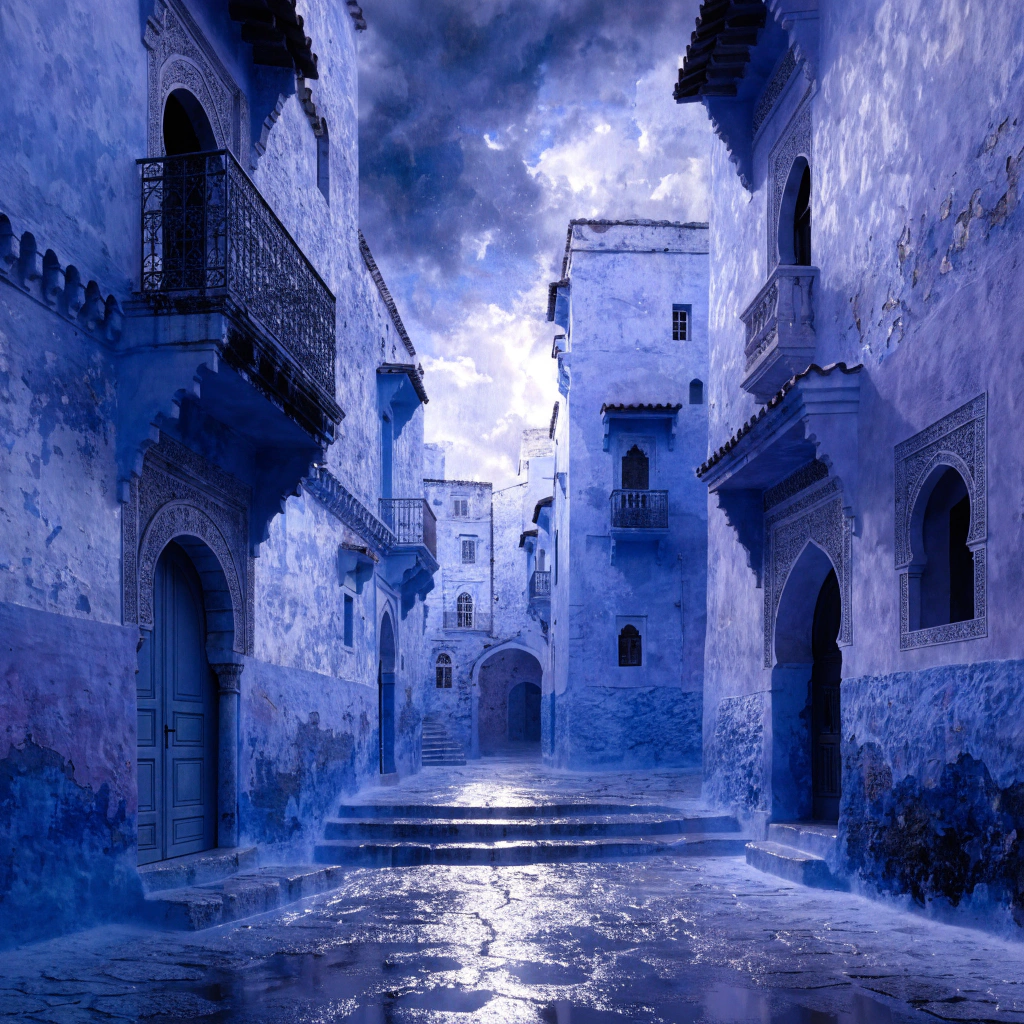
شهر آبی شفشاون
شفشاون یک شهر زیبا است. این شهر در کشور مراکش است. شفشاون در کوهستان ریف است. خانههای این شهر آبی هستند. دیوارهای خانهها آبی هستند. پلهها هم آبی هستند. این شهر مثل یک رویای آبی است. چرا خانهها آبی هستند؟ بعضیها میگویند این رنگ برای آرامش است. بعضیها میگویند این رنگ پشهها را دور میکند. اما همه میدانند که شفشاون خیلی زیبا است. مردم شهر مهربان هستند. مسافران زیادی به اینجا میآیند. آنها این شهر آبی را دوست دارند. شفشاون یک مکان خاص و آرام است.
نکته دستوری
الگو: فعل "بودن" در زمان حال (است/هستند)
"شفشاون یک شهر زیبا است. خانههای این شهر آبی هستند."
فعل "بودن" در زمان حال برای مفرد "است" و برای جمع "هستند" است. این فعل حالت و وضعیت یک اسم را نشان میدهد و بسیار پرکاربرد است. برای مثال، "آنها دوست هستند" یا "این یک کتاب است".
الگو: پسوند جمع "-ها"
"خانههای این شهر آبی هستند. دیوارهای خانهها آبی هستند."
برای جمع بستن اسمها در فارسی، معمولاً از پسوند "-ها" استفاده میکنیم. این پسوند را به آخر اسم مفرد اضافه میکنیم تا به شکل جمع درآید. برای مثال، "کتاب" (مفرد) میشود "کتابها" (جمع).
درک خود را بسنجید
10 سوال · A1 مبتدی · 1 پیشنمایش رایگان
آنچه از این مقاله آموختید را بسنجید. به همه سؤالات پاسخ دهید و XP کسب کنید!
خانههای شفشاون چه رنگی هستند؟
آیا میخواهید آزمون را تمام کنید؟
9 سؤال دیگر منتظر شماست. ثبتنام رایگان کنید تا آزمون کامل را باز کنید و XP کسب کنید!
ثبتنام رایگانقبلاً ثبتنام کردی؟ ورود
جزئیات سؤالات
خانههای شفشاون چه رنگی هستند؟
پاسخ شما:
پاسخ درست: آبی
شفشاون در کوهستان است.
پاسخ شما:
پاسخ درست: درست
معنی کلمه "کشور" چیست؟
پاسخ شما:
پاسخ درست: یک سرزمین بزرگ
شفشاون یک شهر ____ است.
پاسخ شما:
پاسخ درست: زیبا
The Blue Pearl of Morocco
Chefchaouen is a very beautiful city in the Rif Mountains of Morocco. Many people call it the 'Blue Pearl' because almost all the buildings are blue. The walls, the doors, and even the stairs are different shades of blue. It is a very quiet and peaceful place to visit.
Why is the city blue? There are many stories. Some people say that Jewish refugees painted the buildings in the 1930s. They used blue because it is the color of the sky and heaven. Other people think the blue color keeps mosquitoes away. Today, the blue streets make the city famous and many tourists visit every year.
Walking in the medina is better than walking in a big city because there are no cars. The air is fresher and the people are friendlier. You can drink traditional mint tea and buy local crafts. The city is smaller than Tangier, but it is more beautiful. It is a dream for every photographer.
نکته دستوری
الگو: Comparatives
"The city is smaller than Tangier, but it is more beautiful."
We use comparative adjectives to compare two things. Add '-er' to short words (small/smaller) and use 'more' for long words (beautiful/more beautiful).
الگو: Past Simple
"Some people say that Jewish refugees painted the buildings in the 1930s."
The past simple describes finished actions in the past. To form regular verbs, we add '-ed' to the end of the verb.
درک خود را بسنجید
11 سوال · A2 مقدماتی · 1 پیشنمایش رایگان
آنچه از این مقاله آموختید را بسنجید. به همه سؤالات پاسخ دهید و XP کسب کنید!
Where is Chefchaouen located?
آیا میخواهید آزمون را تمام کنید؟
10 سؤال دیگر منتظر شماست. ثبتنام رایگان کنید تا آزمون کامل را باز کنید و XP کسب کنید!
ثبتنام رایگانقبلاً ثبتنام کردی؟ ورود
جزئیات سؤالات
Where is Chefchaouen located?
پاسخ شما:
پاسخ درست: In the Rif Mountains
The buildings in Chefchaouen are famous because they are painted red.
پاسخ شما:
پاسخ درست: نادرست
What does 'traditional' mean in the article?
پاسخ شما:
پاسخ درست: Following old customs
The city is a _____ for every photographer.
پاسخ شما:
پاسخ درست: dream
Why did refugees use the color blue according to the text?
پاسخ شما:
پاسخ درست: Because it is the color of the sky and heaven
شفشاون: مروارید آبی مراکش و تجربهای فراموشنشدنی
شفشاون، شهری که در کوههای ریف شمال غربی مراکش قرار دارد، اغلب «مروارید آبی» نامیده میشود. این شهر کوچک و زیبا، مانند یک رؤیای روشن است. ویژگی اصلی آن، رنگ آبی خیرهکنندهای است که دیوارها، کفها و پلههای مدینه تاریخیاش را پوشانده است. بسیاری از گردشگرانی که از مراکش دیدن کردهاند، جذب آرامش و زیبایی منحصر به فرد این شهر شدهاند و تجربهای دلنشین داشتهاند.
درباره منشأ دقیق این رنگ آبی بحثهای زیادی وجود دارد. بعضیها میگویند که این رنگ توسط پناهندگان یهودی در دهه ۱۹۳۰ معرفی شده است تا نمادی از آسمان و بهشت باشد. این نظریه به طور گستردهای پذیرفته شده است. عدهای دیگر اعتقاد دارند که این رنگ آبی یک دفعکننده طبیعی برای پشهها است و به همین دلیل برای حفظ سلامت مردم استفاده شده است. فارغ از دلیل اصلی، نتیجه نهایی یک فضای بینهایت آرامشبخش و زیبا است که روح هر بازدیدکنندهای را تسخیر میکند و آن را به یکی از جذابترین شهرهای مراکش تبدیل کرده است.
کوچههای باریک و پیچدرپیچ شفشاون، با خانههایی که به رنگ آبی روشن رنگآمیزی شدهاند، تجربهای فراموشنشدنی را ارائه میدهند. وقتی در این کوچهها قدم میزنید، حس میکنید که در دنیایی دیگر هستید. مغازههای محلی صنایع دستی زیبا و منحصربهفردی را میفروشند که میتوانید به عنوان سوغاتی تهیه کنید. معماری سنتی و سادگی زندگی در این شهر، آن را به مقصدی عالی برای کسانی تبدیل کرده است که به دنبال آرامش، زیبایی طبیعی و فرهنگ غنی هستند. شفشاون واقعاً یک جواهر پنهان است که حتماً باید کشف شود. این شهر برای عکاسان نیز بهشتی محسوب میشود، زیرا هر گوشهاش یک منظره دیدنی دارد.
نکته دستوری
الگو: ساختار مجهول (Passive Voice)
"شفشاون، شهری که اغلب «مروارید آبی» نامیده میشود."
ساختار مجهول در فارسی برای بیان عملی استفاده میشود که فاعل آن مشخص نیست یا اهمیت کمتری دارد. این ساختار معمولاً با صفت مفعولی (بن ماضی + ـه) و فعل کمکی «شدن» ساخته میشود. در اینجا، «نامیده میشود» نشان میدهد که دیگران این شهر را با این نام میخوانند.
الگو: جملات موصولی با «که» (Relative Clauses with 'که')
"شفشاون، شهری که در کوههای ریف شمال غربی مراکش قرار دارد..."
از «که» برای اضافه کردن اطلاعات بیشتر درباره یک اسم یا ضمیر استفاده میشود. این «که» همانند «which» یا «that» در انگلیسی عمل میکند و جمله بعد از آن، اطلاعاتی درباره کلمه قبل از «که» میدهد. این جملات به ما کمک میکنند تا اطلاعات پیچیدهتری را منتقل کنیم.
درک خود را بسنجید
11 سوال · B1 متوسط · 1 پیشنمایش رایگان
آنچه از این مقاله آموختید را بسنجید. به همه سؤالات پاسخ دهید و XP کسب کنید!
نام دیگر شهر شفشاون چیست؟
آیا میخواهید آزمون را تمام کنید؟
10 سؤال دیگر منتظر شماست. ثبتنام رایگان کنید تا آزمون کامل را باز کنید و XP کسب کنید!
ثبتنام رایگانقبلاً ثبتنام کردی؟ ورود
جزئیات سؤالات
نام دیگر شهر شفشاون چیست؟
پاسخ شما:
پاسخ درست: مروارید آبی
شفشاون در کوههای اطلس مراکش قرار دارد.
پاسخ شما:
پاسخ درست: نادرست
کلمه «پناهندگان» به چه معناست؟
پاسخ شما:
پاسخ درست: کسانی که به دلیل مشکلاتی مجبور به ترک کشور خود شدهاند
ویژگی اصلی شهر شفشاون، رنگ آبی __________ است.
پاسخ شما:
پاسخ درست: خیرهکننده
کدام یک از نظریههای زیر درباره دلیل رنگ آبی شهر شفشاون در متن ذکر شده است؟
پاسخ شما:
پاسخ درست: هم برای نماد آسمان و هم برای دفع پشهها
The Blue Pearl: Analyzing the Cultural Tapestry of Chefchaouen
Perched within the rugged Rif Mountains of northwest Morocco, Chefchaouen stands as a remarkable testament to cultural resilience and artistic expression. Known globally as the 'Blue Pearl,' the city is characterized by its mesmerizing blue-washed buildings, which cascade down the hillside in a vibrant display of azure and cobalt. While the aesthetic appeal of the medina is undeniable, the historical narrative behind its coloration is far more complex than it initially appears. To understand Chefchaouen, one must look beyond the surface and evaluate the various theories that define its identity.
One prevailing theory suggests that the blue hue was introduced by Jewish refugees who fled the Spanish Inquisition and later settled in the area during the 1930s. For these residents, the color blue served as a spiritual reminder of the sky and the heavens, symbolizing a constant connection to the divine. Conversely, some local historians argue that the paint serves a more pragmatic purpose, acting as a natural mosquito repellent. Regardless of its true origin, this distinctive feature has transformed Chefchaouen into a global landmark, drawing thousands of international visitors who seek to experience its tranquil atmosphere.
Furthermore, the city offers a fascinating synthesis of Berber and Andalusian cultures. This is particularly evident in its architecture, where red-tiled roofs and narrow, winding alleys reflect a heritage that spans centuries. The heart of the city, Uta el-Hammam square, serves as a bustling hub where the aroma of traditional Moroccan cuisine mingles with the sound of the call to prayer. Here, the preservation of ancient crafts, such as wool weaving and the production of artisan goat cheese, remains central to the local economy. Despite the influx of modern tourism, the local community has managed to maintain an air of serenity.
However, the impact of globalization presents ongoing challenges for the preservation of its traditional lifestyle. As the city evolves, stakeholders must balance the economic benefits of tourism with the necessity of protecting its cultural integrity. In conclusion, Chefchaouen is much more than a picturesque backdrop for photography. It is a living museum where history, spirituality, and daily life intersect. By exploring its streets, one gains a deeper understanding of how a community can preserve its identity through color and tradition in an ever-changing world.
نکته دستوری
الگو: Passive Voice
"the blue hue was introduced by Jewish refugees who fled the Spanish Inquisition"
The passive voice is used here to focus on the action (the introduction of the color) and the object (the blue hue) rather than the subject. It is formed using the verb 'to be' + past participle.
الگو: Non-defining Relative Clauses
"blue-washed buildings, which cascade down the hillside in a vibrant display"
This clause adds extra information about the buildings without being essential to the sentence's meaning. It is always separated by commas and uses 'which' for objects.
الگو: Contrastive Discourse Markers
"Conversely, some local historians argue that the paint serves a more pragmatic purpose"
The marker 'conversely' is used to introduce an idea that is the opposite of or different from the one previously mentioned, helping to structure a balanced academic argument.
درک خود را بسنجید
11 سوال · B2 بالاتر از متوسط · 1 پیشنمایش رایگان
آنچه از این مقاله آموختید را بسنجید. به همه سؤالات پاسخ دهید و XP کسب کنید!
What is the primary reason mentioned for the difficulty in determining why the city is blue?
آیا میخواهید آزمون را تمام کنید؟
10 سؤال دیگر منتظر شماست. ثبتنام رایگان کنید تا آزمون کامل را باز کنید و XP کسب کنید!
ثبتنام رایگانقبلاً ثبتنام کردی؟ ورود
جزئیات سؤالات
What is the primary reason mentioned for the difficulty in determining why the city is blue?
پاسخ شما:
پاسخ درست: There are multiple competing historical theories.
The article suggests that Chefchaouen's architecture is influenced solely by Berber traditions.
پاسخ شما:
پاسخ درست: نادرست
What does 'synthesis' mean in the context of the article?
پاسخ شما:
پاسخ درست: A combination of different cultural elements.
The city has managed to maintain an air of _____ despite the increase in global visitors.
پاسخ شما:
پاسخ درست: serenity
According to the text, what is a major challenge currently facing Chefchaouen?
پاسخ شما:
پاسخ درست: Balancing tourism with cultural preservation.
شفشاون: مروارید آبی رنگ کوهستانهای ریف
در دل کوهستانهای سرسبز ریف در شمال غربی مراکش، شهری آرام و مسحورکننده آرمیده است که همچون نگینی آبی میدرخشد. شفشاون، که اغلب از آن به عنوان «مروارید آبی» یاد میشود، شهری است که گویی از یک رؤیای شفاف بیرون آمده است. ویژگی بارز و بیبدیل این شهر، رنگ آبی خیرهکنندهای است که بر دیوارها، کفها و پلههای مدینه تاریخی آن نقش بسته است. این رنگآمیزی، فضایی بینهایت آرامشبخش و دلنشین پدید آورده که هر بینندهای را به خود جذب میکند.
منشأ دقیق این سنت رنگآمیزی آبی، همواره محل بحث و گمانهزنی بوده است. برخی بر این باورند که یهودیان پناهنده در دهه ۱۹۳۰ میلادی، این رنگ را به منظور نمادی از آسمان و الوهیت به شهر آوردند. این نظریه ریشه در سنتهای یهودی دارد که رنگ آبی را مقدس و یادآور بهشت میدانند. در مقابل، عدهای دیگر معتقدند که رنگ آبی دارای خاصیت دورکنندگی پشهها است و این انتخاب بیشتر جنبه کاربردی داشته است. با این حال، صرفنظر از دلایل اولیه، آنچه مسلم است، تأثیر عمیق این رنگ بر هویت و جذابیت شهر شفشاون است که آن را از سایر شهرهای مراکش متمایز ساخته است.
تجربه قدم زدن در کوچههای باریک و پر پیچ و خم شفشاون، گویی سفر در دل یک تابلوی نقاشی زنده است. هر گوشهای از این شهر، با سایههای مختلف آبی، از لاجوردی تیره تا فیروزهای روشن، داستانی برای گفتن دارد. خانههایی که سقفهایشان با کاشیهای قرمز پوشیده شده، در تضادی دلانگیز با دیوارهای آبیرنگ قرار گرفتهاند و منظرهای چشمنواز خلق میکنند. این ترکیب رنگی نه تنها به زیبایی بصری شهر میافزاید، بلکه حس آرامش و خنکی را نیز در گرمای مراکش به ارمغان میآورد.
شفشاون تنها به خاطر رنگ آبیاش شهرت ندارد؛ بلکه فرهنگ غنی و مهماننوازی مردمانش نیز از دیگر جاذبههای آن محسوب میشود. بازارهای محلی پرجنبوجوش، با صنایع دستی زیبا و غذاهای سنتی مراکشی، تجربهای فراموشنشدنی را برای بازدیدکنندگان رقم میزنند. از ادویهجات معطر گرفته تا پارچههای دستبافت و چرمهای با کیفیت، هر آنچه که نمایانگر هنر و فرهنگ مراکش است، در این بازارها یافت میشود. کافههای سنتی با چشماندازهای دلانگیز نیز فرصتی فراهم میآورند تا گردشگران در حین نوشیدن چای نعنا، غرق در زیباییهای شهر شوند.
نفوذ فرهنگهای مختلف، از بربر گرفته تا آندلسی و عربی، در معماری و سبک زندگی شفشاون به وضوح مشهود است. این تلفیق فرهنگی، به شهر روحی چندوجهی بخشیده است. کوهستانهای اطراف نیز فرصتهای بینظیری برای کوهنوردی و پیادهروی ارائه میدهند که از آن جمله میتوان به مسیرهای منتهی به آبشارهای اقشور اشاره کرد. آنچه شفشاون را واقعاً خاص میکند، نه صرفاً رنگ آبی آن، بلکه تواناییاش در ارائه تجربهای جامع و چندبعدی است که از هر نظر، روحیهای تازه به بازدیدکننده میبخشد. این شهر، به راستی، تجلیگاه هنر، تاریخ و طبیعت در یک قاب است و همین است که آن را به مقصدی بیبدیل برای سفردوستان بدل ساخته است.
نکته دستوری
الگو: اسمیسازی (Nominalization)
"منشأ دقیق این سنت رنگآمیزی آبی، همواره محل بحث و گمانهزنی بوده است."
اسمیسازی به فرایند تبدیل یک فعل یا صفت به اسم اشاره دارد. در این مثال، «گمانهزنی» از فعل «گمانه زدن» و «رنگآمیزی» از «رنگ آمیختن» ساخته شده است. این ساختارها به پیچیدگی و رسمیت متن میافزایند و برای بیان مفاهیم انتزاعی رایج هستند.
الگو: جمله کفت (Cleft Sentence) با «همین است که...»
"این شهر، به راستی، تجلیگاه هنر، تاریخ و طبیعت در یک قاب است و همین است که آن را به مقصدی بیبدیل برای سفردوستان بدل ساخته است."
این ساختار برای تأکید بر قسمتی از جمله به کار میرود. «همین است که» (It is this that...) به آنچه پیش از آن ذکر شده اشاره دارد و آن را به عنوان دلیل یا نتیجه اصلی برجسته میکند. این الگو به بیان قویتر و متمرکزترِ ایده کمک میکند و در سطح C1 رایج است.
الگو: حرف اضافه مرکب «صرفنظر از»
"با این حال، صرفنظر از دلایل اولیه، آنچه مسلم است، تأثیر عمیق این رنگ بر هویت و جذابیت شهر شفشاون است..."
«صرفنظر از» یک حرف اضافه مرکب است که به معنای «بدون توجه به» یا «فارغ از» به کار میرود. این ساختار برای نشان دادن این که یک عامل یا وضعیت خاص، بر نتیجه یا وضعیت کلی تأثیری ندارد، استفاده میشود. در این حالت، دلایل اولیه مطرح شده، اهمیت کمتری نسبت به تأثیر نهایی دارند.
درک خود را بسنجید
12 سوال · C1 پیشرفته · 1 پیشنمایش رایگان
آنچه از این مقاله آموختید را بسنجید. به همه سؤالات پاسخ دهید و XP کسب کنید!
کدام یک از نامهای زیر برای توصیف شفشاون در متن به کار رفته است؟
آیا میخواهید آزمون را تمام کنید؟
11 سؤال دیگر منتظر شماست. ثبتنام رایگان کنید تا آزمون کامل را باز کنید و XP کسب کنید!
ثبتنام رایگانقبلاً ثبتنام کردی؟ ورود
جزئیات سؤالات
کدام یک از نامهای زیر برای توصیف شفشاون در متن به کار رفته است؟
پاسخ شما:
پاسخ درست: مروارید آبی
یکی از نظریهها در مورد رنگ آبی شفشاون، خاصیت دورکنندگی پشهها را مطرح میکند.
پاسخ شما:
پاسخ درست: درست
کلمه «بیبدیل» در متن به چه معناست؟
پاسخ شما:
پاسخ درست: بینظیر و یکتا
شفشاون در دل کوهستانهای سرسبز ______ در شمال غربی مراکش آرمیده است.
پاسخ شما:
پاسخ درست: ریف
چرا برخی معتقدند یهودیان پناهنده رنگ آبی را به شفشاون آوردند؟
پاسخ شما:
پاسخ درست: به عنوان نمادی از آسمان و الوهیت
فقط رنگ آبی شفشاون است که آن را خاص کرده و هیچ جنبه دیگری ندارد.
پاسخ شما:
پاسخ درست: نادرست
The Cerulean Palimpsest: Decoding the Aesthetic and Sociocultural Stratigraphy of Chefchaouen
Rarely does one encounter a locale where the boundaries between the terrestrial and the ethereal are so irrevocably blurred as they are in Chefchaouen. Nestled within the rugged, vertiginous folds of the Rif Mountains in northwestern Morocco, this 'Blue Pearl' presents a visual palimpsest that defies simplistic categorization. To the uninitiated, the city is merely an aesthetic backdrop, yet to the scholar of urban semiotics, it represents a complex juxtaposition of historical trauma, religious symbolism, and modern commodification. It is the very ubiquity of this azure tint that serves as both a shield and a beckoning hand to the global traveler, inviting an inquiry into the nature of cultural identity in a globalized era.
The origins of this pervasive chromatic choice remain shrouded in a mist of conflicting oral histories and academic conjecture, providing a fertile ground for theoretical debate. One prevailing theory posits that the blue wash was introduced by Sephardic Jewish refugees fleeing the rise of European fascism in the 1930s. For these exiles, the color was purportedly a mnemonic device—a constant reminder of the sky and, by extension, the divine sovereignty of God. Were one to peel back the layers of cerulean paint, one might uncover a narrative far more nuanced than modern tourism suggests, revealing a community seeking spiritual anchorage in an unfamiliar landscape. This theory, while emotionally resonant, exists alongside a more pragmatic, albeit less romantic, hypothesis: that the pigment acts as a natural deterrent against mosquitoes, or serves as a traditional method for maintaining thermal equilibrium within the labyrinthine alleyways of the medina.
The labyrinthine structure of the medina itself is a testament to the city’s Andalusian heritage, established by Moorish exiles who sought refuge here after the Reconquista. The architectural stratigraphy reveals a synthesis of North African and Iberian influences, where the stark, cerulean walls meet intricate tilework and heavy cedarwood doors. However, this historical verisimilitude is increasingly fraught with the pressures of hyper-tourism. The ephemeral nature of the 'authentic' experience is often sacrificed at the altar of digital visibility. As visitors flock to capture the perfect juxtaposition of shadow and light against the blue masonry, the lived reality of the local inhabitants undergoes a subtle, yet profound, transformation. There is a palpable proclivity among modern travelers to view the city as a static stage set rather than a dynamic, breathing entity, a phenomenon that challenges the preservation of local agency.
Notwithstanding these contemporary pressures, the city maintains a degree of cultural sovereignty, preserved through the inexplicable resilience of its traditions and the enduring rhythm of its daily life. The 'Ras El Maa' waterfall, where locals still gather to wash clothes and socialize, serves as a poignant reminder of a time before the city became a global brand. This site provides a grounding contrast to the ethereal blue surroundings, anchoring the city in the physical realities of its environment. To navigate the steep, winding stairs of the medina is to engage with a history that is simultaneously present and receding, a lived experience that cannot be fully captured through a lens.
Ultimately, the allure of Chefchaouen lies in its refusal to be easily decoded. Whether the blue is a spiritual symbol, a practical tool, or a modern marketing masterstroke, it remains an integral part of the city’s soul. The stratigraphy of the city—its layers of paint, history, and myth—invites us to consider how we construct meaning in the places we inhabit and visit. It serves as a reminder that the beauty we perceive is often a reflection of the layers we choose to acknowledge, and that beneath the blue surface lies a depth of human experience that is both universal and uniquely Moroccan.
نکته دستوری
الگو: Negative Inversion
"Rarely does one encounter a locale where the boundaries between the terrestrial and the ethereal are so irrevocably blurred as they are in Chefchaouen."
When a sentence starts with a negative or restrictive adverb (like 'Rarely'), the subject and auxiliary verb are inverted to create emphasis. This is a hallmark of formal, high-level English prose.
الگو: The Subjunctive with 'Were' (Hypothetical Conditionals)
"Were one to peel back the layers of cerulean paint, one might uncover a narrative far more nuanced than modern tourism suggests."
This structure uses 'were' instead of 'if' to express a hypothetical or formal conditional situation. It adds a scholarly or literary tone to the analysis.
الگو: Cleft Sentences for Emphasis
"It is the very ubiquity of this azure tint that serves as both a shield and a beckoning hand to the global traveler."
Cleft sentences (It + is/was + [emphasized part] + that/who...) are used to focus on a specific piece of information. Here, it emphasizes 'ubiquity' as the central cause.
درک خود را بسنجید
12 سوال · C2 تسلط · 1 پیشنمایش رایگان
آنچه از این مقاله آموختید را بسنجید. به همه سؤالات پاسخ دهید و XP کسب کنید!
Which theory regarding the blue paint is described as having an emotional resonance?
آیا میخواهید آزمون را تمام کنید؟
11 سؤال دیگر منتظر شماست. ثبتنام رایگان کنید تا آزمون کامل را باز کنید و XP کسب کنید!
ثبتنام رایگانقبلاً ثبتنام کردی؟ ورود
جزئیات سؤالات
Which theory regarding the blue paint is described as having an emotional resonance?
پاسخ شما:
پاسخ درست: The Sephardic Jewish refugee theory
The author suggests that Chefchaouen's blue aesthetic is purely a modern creation for social media.
پاسخ شما:
پاسخ درست: نادرست
What does 'ephemeral' mean in the context of the article?
پاسخ شما:
پاسخ درست: Short-lived or fleeting
The city's historical _____ reveals a synthesis of North African and Iberian influences.
پاسخ شما:
پاسخ درست: stratigraphy
What is the primary concern mentioned regarding 'hyper-tourism' in the city?
پاسخ شما:
پاسخ درست: The loss of 'authentic' experience for digital visibility
The 'Ras El Maa' waterfall is cited as a place that still maintains local traditions.
پاسخ شما:
پاسخ درست: درست

