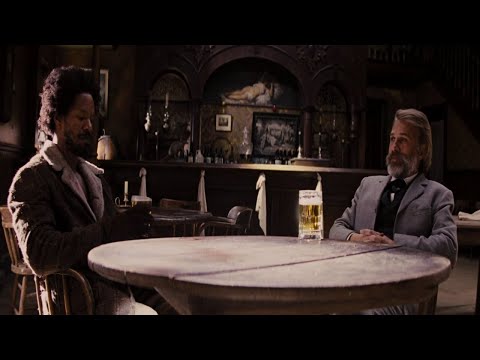
slavery در ۳۰ ثانیه
- Slavery is a system of human ownership where individuals are treated as property and forced to labor without consent or compensation.
- Historically, it was a legal institution in many civilizations, but today it is universally condemned and illegal, though it persists in modern forms.
- The word is an uncountable noun used to describe the condition of being enslaved or the broader social and economic system itself.
- Key themes associated with slavery include the lack of freedom, institutionalized violence, human rights violations, and the struggle for abolition and justice.
- Historical Context
- Refers to the institutionalized systems like the Transatlantic Slave Trade or Roman servitude where people were legally property.
- Modern Context
- Refers to illegal exploitation, such as human trafficking or domestic servitude, where victims are coerced through violence or debt.
The abolition of slavery was a pivotal moment in the history of human rights.
Modern slavery often hides in the shadows of global supply chains.
- Abolitionism
- The movement to end the practice of slavery globally.
Many activists are working to eradicate slavery in the 21st century.
- As a Subject
- Slavery was once a legal institution in many parts of the world.
- As an Object
- The government passed laws to abolish slavery once and for all.
The documentary sheds light on the horrors of slavery in the ancient world.
Thousands were forced into slavery after the city was conquered.
- Metaphorical Use
- He felt his high-stress job was a form of corporate slavery.
The fight against slavery continues in the form of anti-trafficking laws.
- Educational Settings
- Lectures on the Civil War, the Emancipation Proclamation, and the Underground Railroad.
- Legal and Political Discourse
- Discussions about international law, human rights violations, and the 13th Amendment of the US Constitution.
The museum exhibit detailed the daily life of those held in slavery.
The speaker addressed the systemic legacy of slavery in modern society.
- International Organizations
- The United Nations often releases reports on the prevalence of modern slavery globally.
- Mistake: Person vs. System
- Incorrect: 'He was a slavery.' Correct: 'He was a slave' or 'He was in slavery.'
Many slaveries existed. (Incorrect in standard English; use 'forms of slavery').
- Slavery vs. Serfdom
- Slavery involves ownership of the person; serfdom involves being bound to the land.
It is an error to describe all difficult work as slavery.
- Bondage
- Often used in a more literary or historical sense to describe the state of being bound.
- Servitude
- A broader term for being a servant or in a state of subjection.
- Enslavement
- The act of making someone a slave; often preferred in modern academic writing to emphasize the action taken against people.
The enslavement of indigenous populations was a widespread practice.
Many people prefer the term 'forced labor' when discussing economic slavery.
- Thralldom
- An archaic term for slavery, often used in fantasy literature or historical novels.
چقدر رسمی است؟
نکته جالب
The connection between the word 'slave' and 'Slav' is a reminder of the historical prevalence of slavery in Europe during the early Middle Ages. It shows how language can preserve the history of human conflict and exploitation.
راهنمای تلفظ
- Pronouncing it as two syllables (slay-vree).
- Mispronouncing the 'a' as a short 'ah' sound.
- Confusing the pronunciation with 'savory'.
- Failing to pronounce the 'v' clearly.
- Over-emphasizing the middle 'er' sound.
سطح دشواری
The word is common in history and news, making it recognizable but conceptually deep.
Requires careful use of countability and sensitivity to context.
Pronunciation is straightforward, but the topic is heavy for casual conversation.
Easily identified in historical and political discussions.
بعداً چه یاد بگیریم؟
پیشنیازها
بعداً یاد بگیرید
پیشرفته
گرامر لازم
Uncountable Nouns
Slavery is (not 'are') a terrible thing.
Passive Voice for Historical Events
Slavery was abolished in 1865.
Prepositional Phrases of Movement
People were sold into slavery.
Abstract Nouns with 'The'
The slavery of the ancient world was different from modern forms.
Compound Adjectives
He was an anti-slavery activist.
مثالها بر اساس سطح
Slavery is a very sad part of history.
L'esclavage est une partie très triste de l'histoire.
Uncountable noun.
In the past, slavery was common.
Dans le passé, l'esclavage était courant.
Used with 'was' (singular verb).
No one should live in slavery.
Personne ne devrait vivre dans l'esclavage.
Prepositional phrase 'in slavery'.
They fought to end slavery.
Ils se sont battus pour mettre fin à l'esclavage.
Infinitive 'to end' followed by the noun.
Slavery means no freedom.
L'esclavage signifie l'absence de liberté.
Simple present tense.
Is slavery still a problem?
L'esclavage est-il toujours un problème ?
Interrogative sentence.
We learn about slavery in school.
Nous apprenons l'esclavage à l'école.
Preposition 'about'.
Slavery is against the law.
L'esclavage est contre la loi.
Predicate adjective phrase.
Many people were sold into slavery.
Beaucoup de gens ont été vendus comme esclaves.
Passive voice 'were sold'.
The abolition of slavery took a long time.
L'abolition de l'esclavage a pris beaucoup de temps.
Noun phrase 'abolition of slavery'.
He escaped from slavery and became free.
Il s'est échappé de l'esclavage et est devenu libre.
Verb 'escaped' with 'from'.
Modern slavery is a crime today.
L'esclavage moderne est un crime aujourd'hui.
Adjective 'modern' modifying the noun.
The story tells us about the horrors of slavery.
L'histoire nous raconte les horreurs de l'esclavage.
Plural noun 'horrors' followed by 'of'.
Slavery was used to build great empires.
L'esclavage a été utilisé pour construire de grands empires.
Passive voice 'was used'.
They wanted to abolish slavery forever.
Ils voulaient abolir l'esclavage pour toujours.
Verb 'abolish' takes 'slavery' as an object.
Slavery is a violation of human rights.
L'esclavage est une violation des droits de l'homme.
Linking verb 'is'.
The economy of the region relied heavily on slavery.
L'économie de la région reposait lourdement sur l'esclavage.
Adverb 'heavily' modifying 'relied'.
Abraham Lincoln signed a document to end slavery.
Abraham Lincoln a signé un document pour mettre fin à l'esclavage.
Proper noun subject.
Many activists work to free people from modern slavery.
De nombreux militants travaillent pour libérer les gens de l'esclavage moderne.
Verb 'free' with 'from'.
The museum has an exhibit on the history of slavery.
Le musée propose une exposition sur l'histoire de l'esclavage.
Preposition 'on' indicating the topic.
Slavery was a global issue for centuries.
L'esclavage a été un problème mondial pendant des siècles.
Adjective 'global' modifying 'issue'.
The transition from slavery to freedom was difficult.
La transition de l'esclavage à la liberté a été difficile.
Parallel structure 'from... to...'.
They were held in slavery against their will.
Ils étaient maintenus en esclavage contre leur volonté.
Phrase 'against their will'.
Slavery is often linked to human trafficking.
L'esclavage est souvent lié à la traite des êtres humains.
Passive construction 'is linked to'.
The legacy of slavery still affects society today.
L'héritage de l'esclavage affecte encore la société aujourd'hui.
Noun 'legacy' as the subject.
International law strictly prohibits all forms of slavery.
Le droit international interdit strictement toutes les formes d'esclavage.
Adverb 'strictly' modifying 'prohibits'.
The documentary explores the psychological impact of slavery.
Le documentaire explore l'impact psychologique de l'esclavage.
Adjective 'psychological' modifying 'impact'.
Many corporations are under pressure to eliminate slavery from their supply chains.
De nombreuses entreprises sont sous pression pour éliminer l'esclavage de leurs chaînes d'approvisionnement.
Infinitive 'to eliminate'.
Slavery was justified by racist ideologies in the 19th century.
L'esclavage était justifié par des idéologies racistes au XIXe siècle.
Passive voice with 'by' agent.
The fight against slavery required immense political courage.
La lutte contre l'esclavage a nécessité un immense courage politique.
Adjective 'immense' modifying 'courage'.
Some argue that debt bondage is a form of contemporary slavery.
Certains soutiennent que la servitude pour dettes est une forme d'esclavage contemporain.
Noun clause starting with 'that'.
The museum provides a comprehensive look at institutionalized slavery.
Le musée offre un regard complet sur l'esclavage institutionnalisé.
Participle 'institutionalized' as an adjective.
The pervasive nature of slavery in ancient Rome is well-documented.
La nature omniprésente de l'esclavage dans la Rome antique est bien documentée.
Adjective 'pervasive' modifying 'nature'.
Philosophers have long debated the morality of slavery.
Les philosophes débattent depuis longtemps de la moralité de l'esclavage.
Present perfect tense 'have debated'.
The abolitionist movement was instrumental in dismantling the system of slavery.
Le mouvement abolitionniste a joué un rôle déterminant dans le démantèlement du système de l'esclavage.
Gerund 'dismantling' as the object of a preposition.
Slavery is often described as a 'peculiar institution' in American history.
L'esclavage est souvent décrit comme une 'institution particulière' dans l'histoire américaine.
Idiomatic historical term in quotes.
The economic prosperity of the empire was built on the backs of those in slavery.
La prospérité économique de l'empire a été bâtie sur le dos de ceux qui étaient en esclavage.
Metaphorical phrase 'on the backs of'.
Modern slavery often manifests as forced domestic labor in urban centers.
L'esclavage moderne se manifeste souvent sous forme de travail domestique forcé dans les centres urbains.
Verb 'manifests' with 'as'.
The psychological trauma of slavery can be passed down through generations.
Le traumatisme psychologique de l'esclavage peut se transmettre de génération en génération.
Modal 'can be' in passive voice.
The state's complicity in the system of slavery is a subject of intense scrutiny.
La complicité de l'État dans le système de l'esclavage est un sujet d'examen intense.
Noun 'complicity' as the subject.
The structural vestiges of slavery continue to permeate contemporary socioeconomic hierarchies.
Les vestiges structurels de l'esclavage continuent d'imprégner les hiérarchies socio-économiques contemporaines.
Advanced vocabulary like 'vestiges' and 'permeate'.
Scholars analyze how the commodification of human life under slavery laid the groundwork for modern capitalism.
Les chercheurs analysent comment la marchandisation de la vie humaine sous l'esclavage a jeté les bases du capitalisme moderne.
Noun 'commodification' and complex clause structure.
The eradication of slavery requires a multifaceted approach addressing both legal and economic factors.
L'éradication de l'esclavage nécessite une approche multidimensionnelle abordant à la fois les facteurs juridiques et économiques.
Adjective 'multifaceted' and present participle 'addressing'.
The discourse surrounding reparations for slavery is fraught with political and ethical complexities.
Le discours entourant les réparations pour l'esclavage est empreint de complexités politiques et éthiques.
Adjective 'fraught' with 'with'.
Historical narratives often obscure the agency of those who resisted slavery.
Les récits historiques occultent souvent l'agentivité de ceux qui ont résisté à l'esclavage.
Verb 'obscure' and noun 'agency'.
The ontological status of the enslaved person was legally reduced to that of an object.
Le statut ontologique de la personne asservie était légalement réduit à celui d'un objet.
Philosophical term 'ontological'.
Transnational efforts are essential to combat the clandestine networks of modern slavery.
Des efforts transnationaux sont essentiels pour combattre les réseaux clandestins de l'esclavage moderne.
Adjective 'clandestine' and 'transnational'.
The intersectionality of race and class is nowhere more evident than in the history of slavery.
L'intersectionnalité de la race et de la classe n'est nulle part plus évidente que dans l'histoire de l'esclavage.
Negative adverbial 'nowhere' used for emphasis.
مترادفها
متضادها
ترکیبهای رایج
عبارات رایج
— To be traded as property to another person.
The prisoners of war were sold into slavery.
— To be a slave from birth because one's parents are slaves.
Many children were born into slavery on the plantations.
— The legal ending of the practice of slavery.
The 19th century saw the abolition of slavery in many countries.
— Contemporary forms of forced labor and trafficking.
Modern-day slavery is often hidden from public view.
— To successfully run away from a state of enslavement.
The Underground Railroad helped many escape from slavery.
— The struggle to end the system of slavery.
The fight against slavery continues in many parts of the world.
— Different types or methods of enslavement.
Debt bondage is one of the most common forms of slavery today.
— To be kept in a condition of being a slave.
They were held in slavery for over a decade.
— The long-term social and economic effects of historical slavery.
The legacy of slavery is evident in modern inequality.
— A metaphorical use meaning to be controlled by a habit or desire.
His slavery to his work ruined his health.
اغلب اشتباه گرفته میشود با
Servitude is a broader term for being a servant; slavery specifically implies ownership.
Serfs were bound to land, while slaves were owned as personal property.
Forced labor is a component of slavery, but slavery implies a more total control of the person.
اصطلاحات و عبارات
— To gain freedom from a restrictive or oppressive situation.
The nation finally broke the chains of slavery.
literary— Someone who is overly influenced by current trends.
She is a total slave to fashion, buying every new style.
informal— Being constantly worried about time or strictly following a schedule.
In this job, you are a slave to the clock.
informal— A situation where a person's livelihood depends on wages with no other choice.
Many critics of capitalism describe low-wage work as wage slavery.
academic/political— To free oneself from a burden or oppressive rule.
The colonies threw off the yoke of slavery.
literary— To work very hard for a long time.
I've been slaving away in the kitchen all morning.
informal— Being unable to control one's strong emotions or desires.
He was a slave to his passions and often made poor choices.
literary— Being completely controlled or fascinated by someone or something.
The public was in thrall to the charismatic leader.
formal— To work extremely hard (use with caution).
He worked like a slave to finish the project on time.
informal— Prevented from acting freely by something.
The company was shackled by debt.
metaphoricalبهراحتی اشتباه گرفته میشود
Both refer to the same system.
Slave is the person; slavery is the system.
The slave escaped from slavery.
Similar spelling and sound.
Savory refers to food that is salty or spicy, not sweet.
This soup has a very savory taste.
Common misspelling.
This is not a word in English.
N/A
Very similar meaning.
Enslavement is the act; slavery is the state or system.
The enslavement of the population led to widespread slavery.
Synonyms.
Bondage is more literary; slavery is the standard term.
They were held in bondage.
الگوهای جملهسازی
Slavery is [adjective].
Slavery is bad.
They wanted to end [noun].
They wanted to end slavery.
[Noun] was a part of [history].
Slavery was a part of Roman history.
The [noun] of [group] lasted for [time].
The slavery of African people lasted for centuries.
The [adjective] nature of [noun] is [verb].
The institutional nature of slavery is disturbing.
[Noun] serves as a [metaphor] for [concept].
Slavery serves as a stark metaphor for total loss of agency.
People were sold into [noun].
People were sold into slavery.
The fight against [noun] required [quality].
The fight against slavery required great sacrifice.
خانواده کلمه
اسمها
فعلها
صفتها
مرتبط
نحوه استفاده
High in educational and news contexts.
-
He was a slavery.
→
He was a slave.
Slavery is the system; slave is the person.
-
The slaveries of the past.
→
The forms of slavery in the past.
Slavery is usually uncountable.
-
They were sold to slavery.
→
They were sold into slavery.
The correct preposition is 'into'.
-
Slavery was a very savory thing.
→
Slavery was a very serious thing.
Confusing 'slavery' with 'savory' (tasty).
-
He slaveried the people.
→
He enslaved the people.
The verb form is 'enslave'.
نکات
Be Precise
Use 'slavery' for the system and 'slave' for the individual to avoid grammatical errors.
Historical Context
When discussing history, specify which form of slavery you are referring to (e.g., Roman, Transatlantic).
Handle with Care
Recognize the emotional weight of the word and use it with appropriate gravity.
Uncountable
Treat 'slavery' as an uncountable noun in almost all your writing.
Learn Related Terms
Words like 'abolition' and 'emancipation' are essential when discussing slavery.
Modern Forms
Be aware that 'modern slavery' is a current global issue, not just a historical one.
Metaphorical Use
Use metaphors like 'slave to fashion' sparingly, as they can trivialize the real suffering of slavery.
Check Spelling
Ensure you don't confuse it with 'savory' or 'salvery'.
Three Syllables
Remember to pronounce all three syllables: slay-ver-y.
Read Narratives
Reading slave narratives can help you understand the human experience behind the word.
حفظ کنید
روش یادسپاری
Think of 'Slay-Very'. Slavery is a system that 'slays' freedom 'very' much. It kills the rights of a person.
تداعی تصویری
Imagine a heavy iron chain broken in half. The chain represents slavery, and the break represents the end of that system.
شبکه واژگان
چالش
Try to write a paragraph about the history of your country using the word 'slavery' at least three times correctly.
ریشه کلمه
The word 'slavery' comes from the Middle English 'slaverye,' which is derived from the word 'slave.' The word 'slave' itself comes from the Old French 'esclave,' which originated from the Medieval Latin 'Sclavus,' meaning 'Slavic person.'
معنای اصلی: In the Middle Ages, many Slavic people from Eastern Europe were captured and enslaved, leading their ethnic name to become the general term for a person in bondage.
Indo-European (via Latin and French).بافت فرهنگی
This is a highly sensitive word. It should be used with respect for the victims and the gravity of the historical and modern situations it describes.
In English-speaking countries, 'slavery' is often discussed in the context of the 13th Amendment (US) and the Slavery Abolition Act 1833 (UK).
تمرین در زندگی واقعی
موقعیتهای واقعی
History Class
- Transatlantic slave trade
- abolitionist movement
- emancipation proclamation
- plantation economy
Human Rights News
- modern slavery
- human trafficking
- forced labor
- supply chain transparency
Legal Discussions
- involuntary servitude
- constitutional amendment
- international law
- crimes against humanity
Social Justice Debates
- legacy of slavery
- reparations
- systemic inequality
- historical injustice
Literature/Film
- slave narrative
- escape to freedom
- struggle for liberty
- oppressive system
شروعکنندههای مکالمه
"How is the history of slavery taught in your country's schools?"
"What do you think are the most effective ways to combat modern slavery today?"
"Why is it important for museums to have exhibits on the history of slavery?"
"How has the legacy of slavery influenced modern society in your opinion?"
"Do you think the term 'wage slavery' is a fair comparison to historical slavery?"
موضوعات نگارش
Reflect on a book or movie you have seen about slavery. How did it change your perspective?
Write about why the abolition of slavery is considered one of the most important events in human history.
Research a modern-day anti-slavery organization and describe the work they do.
How can we ensure that the products we buy are not made using modern slavery?
Imagine a world where the concept of slavery never existed. How would history be different?
سوالات متداول
10 سوالNo, slavery is legally abolished in every country in the world. However, it still exists illegally in forms like human trafficking.
Human trafficking is the process of recruiting and transporting people for the purpose of exploitation, which often results in modern slavery.
Slavery was officially abolished in the United States with the ratification of the 13th Amendment in 1865.
It refers to contemporary forms of exploitation such as forced labor, debt bondage, and domestic servitude.
In most cases, no. It is uncountable. You say 'slavery,' not 'slaveries,' unless you are comparing different historical systems.
It is a metaphorical term used to describe a situation where a person's only way to survive is to work for very low wages.
Abolitionists were people who campaigned to end the practice of slavery.
No, the verb form is 'enslave.' You cannot 'slavery' someone.
It is a specific form of slavery where the enslaved person is legally considered the personal property of the owner.
Because it represents centuries of extreme human suffering, violence, and the denial of basic human rights.
خودت رو بسنج 200 سوال
Write a sentence using the word 'slavery' in a historical context.
خوب نوشتید! تلاش خوبی بود! پاسخ نمونه را ببینید.
Explain the difference between a 'slave' and 'slavery'.
خوب نوشتید! تلاش خوبی بود! پاسخ نمونه را ببینید.
Write a short paragraph about why slavery is a human rights violation.
خوب نوشتید! تلاش خوبی بود! پاسخ نمونه را ببینید.
Use the phrase 'modern slavery' in a sentence about current events.
خوب نوشتید! تلاش خوبی بود! پاسخ نمونه را ببینید.
Describe the role of abolitionists in ending slavery.
خوب نوشتید! تلاش خوبی بود! پاسخ نمونه را ببینید.
What does 'freedom from slavery' mean to you?
خوب نوشتید! تلاش خوبی بود! پاسخ نمونه را ببینید.
Write a sentence using 'sold into slavery'.
خوب نوشتید! تلاش خوبی بود! پاسخ نمونه را ببینید.
Explain the metaphorical meaning of 'slave to the clock'.
خوب نوشتید! تلاش خوبی بود! پاسخ نمونه را ببینید.
Discuss the legacy of slavery in modern society.
خوب نوشتید! تلاش خوبی بود! پاسخ نمونه را ببینید.
Write a formal sentence about international laws against slavery.
خوب نوشتید! تلاش خوبی بود! پاسخ نمونه را ببینید.
How would you describe slavery to a child?
خوب نوشتید! تلاش خوبی بود! پاسخ نمونه را ببینید.
Write a sentence using the word 'enslavement'.
خوب نوشتید! تلاش خوبی بود! پاسخ نمونه را ببینید.
Compare 'chattel slavery' with 'debt bondage'.
خوب نوشتید! تلاش خوبی بود! پاسخ نمونه را ببینید.
Write a sentence about the abolition of slavery.
خوب نوشتید! تلاش خوبی بود! پاسخ نمونه را ببینید.
Use the word 'bondage' in a literary sentence.
خوب نوشتید! تلاش خوبی بود! پاسخ نمونه را ببینید.
Describe the Underground Railroad using the word 'slavery'.
خوب نوشتید! تلاش خوبی بود! پاسخ نمونه را ببینید.
Write a sentence about the psychological impact of slavery.
خوب نوشتید! تلاش خوبی بود! پاسخ نمونه را ببینید.
Explain why 'slavery' is an uncountable noun.
خوب نوشتید! تلاش خوبی بود! پاسخ نمونه را ببینید.
Write a sentence about the fight against modern slavery.
خوب نوشتید! تلاش خوبی بود! پاسخ نمونه را ببینید.
Discuss the importance of learning about the history of slavery.
خوب نوشتید! تلاش خوبی بود! پاسخ نمونه را ببینید.
Describe what slavery is in your own words.
این را بلند بخوانید:
تو گفتی:
تشخیص گفتار در مرورگر شما پشتیبانی نمیشود. از کروم یا اج استفاده کنید.
Talk about a historical figure who fought against slavery.
این را بلند بخوانید:
تو گفتی:
تشخیص گفتار در مرورگر شما پشتیبانی نمیشود. از کروم یا اج استفاده کنید.
How do you think modern slavery can be stopped?
این را بلند بخوانید:
تو گفتی:
تشخیص گفتار در مرورگر شما پشتیبانی نمیشود. از کروم یا اج استفاده کنید.
Explain why the word 'slavery' is so important in history.
این را بلند بخوانید:
تو گفتی:
تشخیص گفتار در مرورگر شما پشتیبانی نمیشود. از کروم یا اج استفاده کنید.
Discuss the impact of slavery on a country's culture.
این را بلند بخوانید:
تو گفتی:
تشخیص گفتار در مرورگر شما پشتیبانی نمیشود. از کروم یا اج استفاده کنید.
What are some forms of modern slavery you have heard about?
این را بلند بخوانید:
تو گفتی:
تشخیص گفتار در مرورگر شما پشتیبانی نمیشود. از کروم یا اج استفاده کنید.
How would you explain the concept of 'freedom' compared to 'slavery'?
این را بلند بخوانید:
تو گفتی:
تشخیص گفتار در مرورگر شما پشتیبانی نمیشود. از کروم یا اج استفاده کنید.
Talk about a movie or book that deals with the topic of slavery.
این را بلند بخوانید:
تو گفتی:
تشخیص گفتار در مرورگر شما پشتیبانی نمیشود. از کروم یا اج استفاده کنید.
Why is it difficult to talk about slavery in some contexts?
این را بلند بخوانید:
تو گفتی:
تشخیص گفتار در مرورگر شما پشتیبانی نمیشود. از کروم یا اج استفاده کنید.
What does 'abolition' mean to you?
این را بلند بخوانید:
تو گفتی:
تشخیص گفتار در مرورگر شما پشتیبانی نمیشود. از کروم یا اج استفاده کنید.
Discuss the metaphorical use of the word 'slave'.
این را بلند بخوانید:
تو گفتی:
تشخیص گفتار در مرورگر شما پشتیبانی نمیشود. از کروم یا اج استفاده کنید.
How has the definition of slavery changed over time?
این را بلند بخوانید:
تو گفتی:
تشخیص گفتار در مرورگر شما پشتیبانی نمیشود. از کروم یا اج استفاده کنید.
Talk about the importance of human rights in preventing slavery.
این را بلند بخوانید:
تو گفتی:
تشخیص گفتار در مرورگر شما پشتیبانی نمیشود. از کروم یا اج استفاده کنید.
What is the role of education in ending slavery?
این را بلند بخوانید:
تو گفتی:
تشخیص گفتار در مرورگر شما پشتیبانی نمیشود. از کروم یا اج استفاده کنید.
Describe the feeling of 'breaking the chains' of slavery.
این را بلند بخوانید:
تو گفتی:
تشخیص گفتار در مرورگر شما پشتیبانی نمیشود. از کروم یا اج استفاده کنید.
How do international laws help in the fight against slavery?
این را بلند بخوانید:
تو گفتی:
تشخیص گفتار در مرورگر شما پشتیبانی نمیشود. از کروم یا اج استفاده کنید.
Discuss the term 'wage slavery' and its implications.
این را بلند بخوانید:
تو گفتی:
تشخیص گفتار در مرورگر شما پشتیبانی نمیشود. از کروم یا اج استفاده کنید.
Why is the history of slavery still relevant today?
این را بلند بخوانید:
تو گفتی:
تشخیص گفتار در مرورگر شما پشتیبانی نمیشود. از کروم یا اج استفاده کنید.
Talk about the struggle for emancipation.
این را بلند بخوانید:
تو گفتی:
تشخیص گفتار در مرورگر شما پشتیبانی نمیشود. از کروم یا اج استفاده کنید.
What are the challenges of identifying modern slavery?
این را بلند بخوانید:
تو گفتی:
تشخیص گفتار در مرورگر شما پشتیبانی نمیشود. از کروم یا اج استفاده کنید.
Listen for the word 'slavery' in a news clip about human rights. What context was it used in?
Listen to a lecture on the Civil War. How many times is 'slavery' mentioned?
Identify the tone of a speaker discussing the abolition of slavery.
Listen to a podcast about modern trafficking. How is 'slavery' defined there?
Listen for the difference between 'slave' and 'slavery' in a conversation.
Listen to a historical documentary. What adjectives are used to describe slavery?
Listen to a poem about freedom. Does it use the word 'slavery'?
Identify the main point of a speech about ending modern slavery.
Listen to a discussion on 'wage slavery'. Is the speaker for or against the term?
Listen for the pronunciation of 'slavery' in different accents (UK vs US).
Listen to a story about an escape from slavery. What were the obstacles?
Listen to a legal report on the 13th Amendment. What is the key takeaway?
Listen for the word 'abolition' and its connection to 'slavery'.
Listen to a child's explanation of slavery. Is it accurate?
Listen to a debate on reparations. How is the history of slavery used as an argument?
He was a slavery for ten years.
Slavery were abolished in 1865.
They were sold to slavery.
Many slaveries existed in history.
He is a slave of fashion.
The slavery is a bad thing.
They slaveried the prisoners.
It was a savory system.
The abolition from slavery took time.
She escaped out of slavery.
/ 200 درست
نمره کامل!
Summary
Slavery is the ultimate form of exploitation where human beings are stripped of their agency and treated as property. For example: 'The 13th Amendment was passed to ensure that slavery would never again be legal in the United States.'
- Slavery is a system of human ownership where individuals are treated as property and forced to labor without consent or compensation.
- Historically, it was a legal institution in many civilizations, but today it is universally condemned and illegal, though it persists in modern forms.
- The word is an uncountable noun used to describe the condition of being enslaved or the broader social and economic system itself.
- Key themes associated with slavery include the lack of freedom, institutionalized violence, human rights violations, and the struggle for abolition and justice.
Be Precise
Use 'slavery' for the system and 'slave' for the individual to avoid grammatical errors.
Historical Context
When discussing history, specify which form of slavery you are referring to (e.g., Roman, Transatlantic).
Handle with Care
Recognize the emotional weight of the word and use it with appropriate gravity.
Uncountable
Treat 'slavery' as an uncountable noun in almost all your writing.