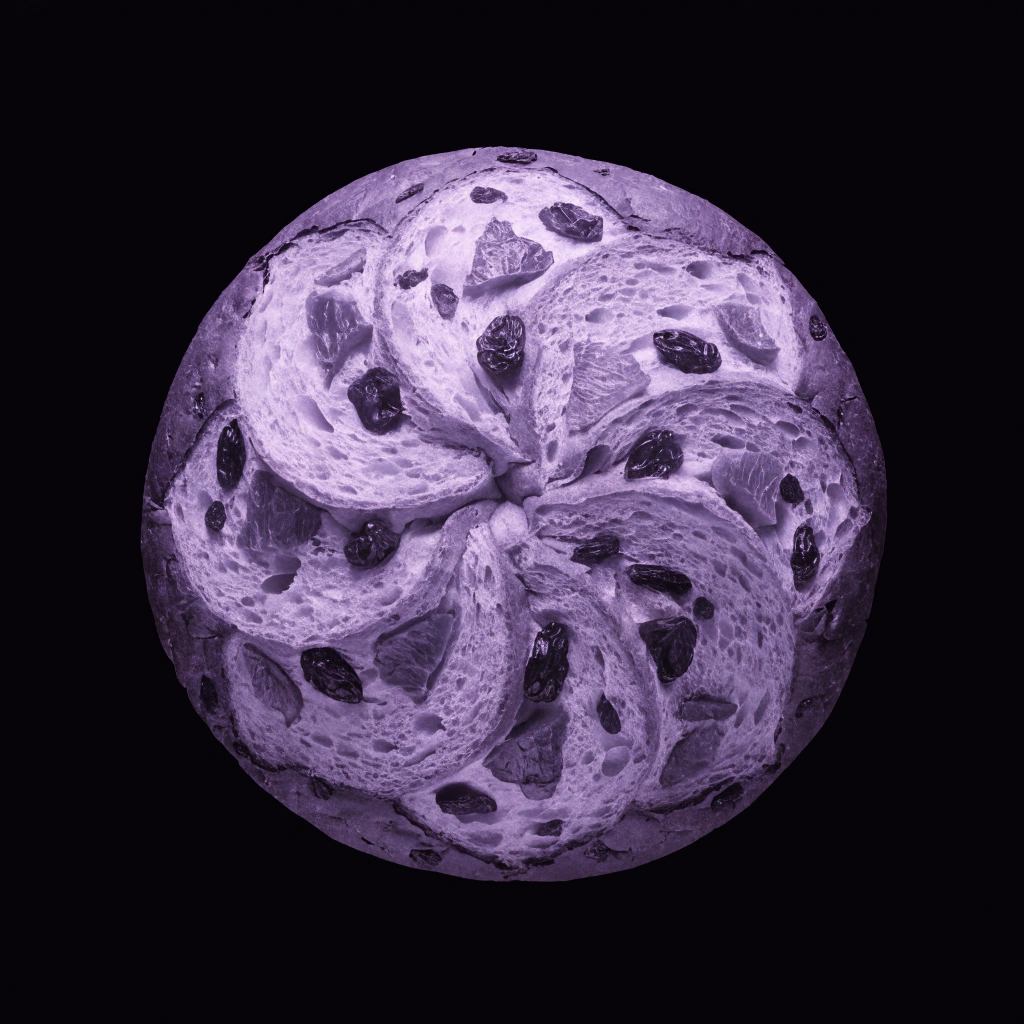
イタリアのクリスマス:パネトーネ
イタリアには、パネトーネというパンがあります。これは、クリスマスの特別な食べ物です。イタリアのミラノで生まれました。
パネトーネは、とても大きいです。そして、とても甘いです。パンの中には、レーズンやドライフルーツが入っています。ふわふわしていて、いいにおいがします。
イタリアの人は、家族や友達と一緒にパネトーネを食べます。クリスマスに欠かせない、とても有名なパンです。
文法スポットライト
パターン: ~があります
"イタリアには、パネトーネというパンがあります。"
物や場所が存在することを言うときに使います。「場所+に+物+があります」という形です。
パターン: ~という
"パネトーネというパンがあります。"
名前を教えるときに使います。「名前+という+名詞」の形で、その名前を説明します。
理解度をチェック
10 問 · A1 初級 · 無料プレビュー 1回
この記事で学んだことをテストしよう。全問正解してXPを獲得!
パネトーネはどこの国の食べ物ですか?
問題の内訳
パネトーネはどこの国の食べ物ですか?
あなたの回答:
正解: イタリア
パネトーネはクリスマスの食べ物です。
あなたの回答:
正解: 正しい
「甘い」はどういう意味ですか?
あなたの回答:
正解: 砂糖のような味です
パネトーネはとても_____なパンです。
あなたの回答:
正解: 有名
Panettone: The Famous Christmas Cake of Italy
Panettone is a very famous Italian cake. It comes from the city of Milan. It is not a small cake; it is very tall and soft. People usually eat it during the Christmas season with their families. It is sweeter than bread because it has sugar and dried fruit inside.
There is a famous story about this cake. Long ago, a young cook called Toni worked in a palace. One day, the head chef burned the important Christmas dessert. Toni was worried, but he had a plan. He used some leftover ingredients like flour, eggs, raisins, and orange peel to make a new bread.
The Duke loved the bread and called it 'Pane di Toni,' which means Toni's bread. Today, we call it Panettone. It is harder to make than other cakes because the baker must wait a long time for the bread to rise. However, the result is beautiful and light.
文法スポットライト
パターン: Comparatives (Adjective + -er + than)
"It is sweeter than bread because it has sugar and dried fruit inside."
We use comparatives to compare two things. For short adjectives, we add '-er' to the end and use 'than' before the second thing.
パターン: Past Simple (Regular and Irregular)
"Toni was worried, but he had a plan."
We use the past simple to talk about finished actions in the past. 'Was' is the past of 'is', and 'had' is the past of 'have'.
理解度をチェック
11 問 · A2 初級 · 無料プレビュー 1回
この記事で学んだことをテストしよう。全問正解してXPを獲得!
Where does Panettone come from?
問題の内訳
Where does Panettone come from?
あなたの回答:
正解: Milan
Toni was the head chef of the palace.
あなたの回答:
正解: 間違い
What are 'raisins'?
あなたの回答:
正解: Dried grapes
Panettone is ______ than normal bread.
あなたの回答:
正解: sweeter
Why is Panettone difficult to make?
あなたの回答:
正解: The baker must wait a long time for it to rise
イタリアのクリスマスの味、パネトーネの物語
イタリアのクリスマスに欠かせないものといえば、「パネトーネ」です。この背の高い、空気を含んだようなふわふわした甘いパンは、ミラノで生まれました。パネトーネには、15世紀のミラノ公、ルドヴィーコ・イル・モーロの宮廷にまつわる有名な伝説があります。
あるクリスマスの日、宮廷の料理長が大切なデザートを焦がしてしまいました。デザートがなくなって困っていた料理長を助けたのは、トニという名前の若い見習い料理人でした。トニは、自分のために残しておいた小麦粉、卵、砂糖、レーズン、そしてドライフルーツなどの材料を使って、シンプルなパンを焼きました。これが非常に美味しかったため、「トニのパン(パーネ・ディ・トニ)」と呼ばれるようになり、それが現在の「パネトーネ」という名前の語源になったと言われています。
パネトーネを作るプロセスは、とても時間がかかります。特別な天然酵母が使われ、何度も生地を発酵させる必要があるからです。完成までに数日かかることも珍しくありませんが、そのおかげで独特の香りと柔らかい食感が生まれます。
現代では、パネトーネはイタリア国内だけでなく、世界中で愛されるようになりました。クリスマスの時期になると、美しいデザインの箱に入ったパネトーネが店中に並びます。家族や友人と一緒に切り分けて食べるパネトーネは、イタリアの人々にとって、冬の温かい思い出や幸せな時間の象徴なのです。
文法スポットライト
パターン: 受身形(~と言われている)
"それが現在の「パネトーネ」という名前の語源になったと言われています。"
「言います」の受身形で、多くの人がそのように信じている、あるいは歴史的な話を紹介する時に使われます。個人の意見ではなく、一般的な事実や伝承を伝えるのに便利な表現です。
パターン: 連体修飾(名詞を詳しく説明する形)
"トニという名前の若い見習い料理人でした。"
動詞や形容詞、あるいは「~という」という言葉を使って、後ろにある名詞を詳しく説明する形です。B1レベルでは、このように長い修飾語を使って複雑な情報を一文にまとめます。
理解度をチェック
11 問 · B1 中級 · 無料プレビュー 1回
この記事で学んだことをテストしよう。全問正解してXPを獲得!
パネトーネはイタリアのどの都市で生まれましたか?
問題の内訳
パネトーネはイタリアのどの都市で生まれましたか?
あなたの回答:
正解: ミラノ
パネトーネを作るには数日かかることがありますが、それは何度も発酵させる必要があるからです。
あなたの回答:
正解: 正しい
「語源」はどういう意味ですか?
あなたの回答:
正解: 言葉の由来
デザートを焦がした料理長を助けたのは、トニという名前の_____料理人でした。
あなたの回答:
正解: 見習い
料理長はどうして困っていましたか?
あなたの回答:
正解: 大切なデザートを焦がしてしまったから
Panettone: The Architectural Sweetness of an Italian Christmas
In the heart of Milan, as the winter frost begins to settle over the cobblestone streets, a specific aroma fills the air, signaling the arrival of the holiday season. Panettone, an emblematic sweet bread, has transcended its humble origins to become a global symbol of Italian festivities. While many consider it a mere cake, it is actually a meticulous feat of baking that requires patience, precision, and a deep respect for tradition.
The history of this towering delicacy is shrouded in legendary accounts. The most enduring myth dates back to the 15th-century court of Ludovico il Moro. It is said that during a grand Christmas banquet, the head chef inadvertently burned the intended dessert. In a moment of desperation, a young scullery boy named Toni offered a simple loaf he had prepared using leftover ingredients: flour, eggs, sugar, raisins, and candied citrus peel. If Toni had not intervened with his 'Pane di Toni' (Toni’s bread), the feast might have ended in disaster. Instead, the guests were enchanted by its airy texture and rich flavor, giving birth to what we now call Panettone.
Beyond the mythology, the production of Panettone is a complex scientific process. Unlike standard breads, Panettone relies on a natural leavening process known as sourdough fermentation. This procedure, which can last several days, ensures the bread remains moist and develops its distinctive dome shape. Artisanal bakers often hang the cakes upside down after baking to prevent the structure from collapsing under its own weight. This level of dedication explains why high-quality Panettone is often regarded as a luxury item.
In contemporary society, the consumption of Panettone has expanded far beyond the borders of Lombardy. While industrialization has made it accessible to the masses, there remains a significant demand for traditional methods. Connoisseurs argue that the nuances of flavor—provided by high-quality butter and naturally cured fruits—cannot be replicated by machines. Consequently, Panettone serves as a bridge between Italy’s historical culinary identity and the modern global market, proving that some traditions are worth preserving through the centuries.
文法スポットライト
パターン: Third Conditional
"If Toni had not intervened with his 'Pane di Toni', the feast might have ended in disaster."
This structure is used to talk about hypothetical situations in the past. It uses 'if' + past perfect, followed by 'would/might have' + past participle to describe a result that did not actually happen.
パターン: Passive Voice
"Panettone is often regarded as a luxury item."
The passive voice is used here to focus on the bread itself rather than who is doing the regarding. It is formed using the verb 'to be' and the past participle of the main verb.
パターン: Non-defining Relative Clauses
"This procedure, which can last several days, ensures the bread remains moist..."
These clauses add extra information to a sentence that is already grammatically complete. They are separated by commas and use relative pronouns like 'which' or 'who'.
理解度をチェック
11 問 · B2 中上級 · 無料プレビュー 1回
この記事で学んだことをテストしよう。全問正解してXPを獲得!
According to the legend, why did Toni create the first Panettone?
問題の内訳
According to the legend, why did Toni create the first Panettone?
あなたの回答:
正解: The head chef accidentally burned the original dessert.
Panettone is primarily made using industrial chemical leavening agents.
あなたの回答:
正解: 間違い
What does 'meticulous' mean in the context of the article?
あなたの回答:
正解: A process requiring extreme care and precision.
The history of this delicacy is _____ in legendary accounts.
あなたの回答:
正解: shrouded
Why do artisanal bakers hang Panettone upside down after it is baked?
あなたの回答:
正解: To keep the dome from collapsing.
聖夜を彩るミラノの至宝:パネトーネが紡ぐ伝説と職人の矜持
イタリアのクリスマス、その食卓に欠かせない主役といえばパネトーネである。ミラノを象徴するこの菓子パンは、単なる季節の風物詩という枠を超え、イタリア人のアイデンティティと深く結びついた建築学的偉業といっても過言ではない。その高くそびえ立つ独特のフォルムと、絹のように繊細な生地が織りなす芳醇な香りは、世界中の美食家を虜にして止まない。
パネトーネの起源には、数々の魅力的な逸話が彩りを添えている。最も広く知られているのは、15世紀のミラノ公、ルドヴィーコ・イル・モーロの宮廷にまつわる物語だ。あるクリスマスの晩、料理長が不注意からデザートを黒焦げにしてしまった。絶望に打ちひしがれる料理長を救ったのは、下働きの少年トニであった。彼は、余った小麦粉、卵、砂糖に、レーズンと柑橘類の皮を練り込んで密かに焼いていた自前のパンを差し出したのである。溢れんばかりの芳香を放つそのパンにミラノ公は感嘆し、このパンを「トニのパン(パーネ・ディ・トニ)」と名付けた。これが現代の「パネトーネ」の語源になったという説は、今もなお人々の想像力を刺激し続けている。
しかし、パネトーネを真に特別なものにしているのは、その神話性以上に、職人の矜持が試される過酷な製法にある。鍵を握るのは「リエビト・マードレ(天然酵母)」だ。この酵母を維持し、最適な発酵状態を見極めるには、長年の経験と研ぎ澄まされた感覚が要求される。生地は数段階に分けて発酵を繰り返し、バターやドライフルーツが惜しみなく投入される。焼き上がった直後、生地が自重で沈み込むのを防ぐため、串を刺して逆さまに吊るして冷却するという光景は、パネトーネ作りにおける最も劇的な瞬間といえるだろう。
現代社会において、パネトーネは工業化の波に呑まれ、一年中スーパーマーケットの棚に並ぶようになった。しかし、真の愛好家たちが追い求めるのは、そのような大量生産品ではなく、職人が手間暇を惜しまず作り上げた「本物」である。パネトーネを巡る議論は、伝統の固執と近代化の受容という、イタリアが抱える文化的な葛藤を映し出す鏡のようでもある。一口頬張るごとに広がる複雑な香りと、その背後にある歴史の重み。パネトーネを食すという行為は、単なる栄養摂取ではなく、イタリアが誇る美学を享受することに他ならないのである。
文法スポットライト
パターン: ~といっても過言ではない
"イタリア人のアイデンティティと深く結びついた建築学的偉業といっても過言ではない。"
「~と言い切ってしまっても、決して言い過ぎではない」と強調する表現。話し手の強い主張や評価を示す際に用いられる。
パターン: ~んばかりの
"溢れんばかりの芳香を放つそのパンにミラノ公は感嘆し、"
「今にも~しそうなほど」という比喩的な強調表現。動詞の未然形に接続し、その状態が極限に達していることを表す。
パターン: ~にほかならない
"イタリアが誇る美学を享受することに他ならないのである。"
「それ以外のものではない」「まさに~である」と断定・強調する表現。強い確信を持って結論を述べる際に使われる。
理解度をチェック
12 問 · C1 上級 · 無料プレビュー 1回
この記事で学んだことをテストしよう。全問正解してXPを獲得!
伝説によると、パネトーネを最初に作ったのは誰ですか?
問題の内訳
伝説によると、パネトーネを最初に作ったのは誰ですか?
あなたの回答:
正解: 下働きの少年トニ
パネトーネの生地が沈まないように、焼き上がり後は逆さまに吊るして冷やす工程がある。
あなたの回答:
正解: 正しい
「矜持」という言葉の本文における意味として最も適切なものは?
あなたの回答:
正解: 職人としての誇り
パネトーネはイタリア人のアイデンティティと結びついた建築学的_____といっても過言ではない。
あなたの回答:
正解: 偉業
パネトーネの製法において、最も重要とされる要素は何ですか?
あなたの回答:
正解: 天然酵母の維持と見極め
本文によると、現代の愛好家は工業化された大量生産品のパネトーネを最も高く評価している。
あなたの回答:
正解: 間違い
The Architectural Gastronomy of the Panettone: A Milanese Cultural Hegemony
The panettone, a towering edifice of leavened dough and candied citrus, represents far more than a mere seasonal indulgence; it is a pinnacle of Milanese artisanal rigor and a testament to the complex chemistry of slow-fermented confectionery. While its contemporary ubiquity might suggest a humble origin, the panettone is, in fact, a product of fastidious labor and scientific precision that borders on the obsessive. Its history is inextricably linked with the court of Ludovico il Moro in 15th-century Milan, though the narrative of its inception is often obscured by layers of romanticized myth-making. The most enduring legend involves a kitchen assistant named Toni, whose serendipitous use of leftover ingredients purportedly saved a ducal banquet. However, were one to peel back these folkloric layers, one would find that the panettone’s true provenance lies in the socio-economic evolution of Milanese baking guilds and the eventual industrialization that allowed this ephemeral luxury to reach the burgeoning middle classes.
Technically speaking, the panettone is an architectural feat. It relies on a 'lievito madre'—a natural mother yeast that is nurtured with such devotion that it is often treated as a living heirloom. The fermentation process is an arduous seventy-two-hour cycle, requiring precise temperature control to manage the osmotic tension within the dough. It is within this extended fermentation that the complex flavor profile develops, characterized by a subtle acidity that balances the richness of the butter and egg yolks. Seldom does a culinary artifact command such reverence that its structural integrity must be protected by cooling the finished product upside down; this prevents the airy, gluten-supported crumb from collapsing under its own weight. This fastidious attention to detail ensures that the resulting bread is both light and robust, a dichotomy that few other baked goods can claim to resolve.
In the modern era, the panettone has become a focal point of a burgeoning debate regarding cultural hegemony and artisanal protectionism. As mass-produced versions flood the global market, reaching as far as South America, the Italian Ministry of Agricultural, Food and Forestry Policies has sought to implement strict regulations to safeguard the traditional recipe. These decrees stipulate the exact percentages of butter, raisins, and candied peel required for a product to legally bear the name 'Panettone.' One might posit that these measures are a necessary defense against the dilution of heritage, ensuring that the idiosyncratic nature of the Milanese original is not lost to the forces of globalization. Nevertheless, the panettone remains a sacrosanct element of the Italian festive identity, a slow-food icon that continues to challenge the fast-paced nature of modern consumption. Its enduring legacy is a reminder that some of the most profound cultural expressions are found not in marble or ink, but in the rigorous transformation of flour and water.
文法スポットライト
パターン: Negative Inversion
"Seldom does a culinary artifact command such reverence that its structural integrity must be protected..."
When a sentence begins with a negative or restrictive adverb like 'seldom' or 'rarely', the subject and auxiliary verb are inverted. This is used in formal or academic writing to add emphasis and rhetorical weight.
パターン: Subjunctive Mood (Conditionals)
"Were one to peel back these folkloric layers, one would find that the panettone’s true provenance lies..."
The use of 'were' instead of 'was' in a conditional clause indicates a hypothetical or formal speculation. It is a hallmark of C2-level proficiency, used to discuss possibilities with a detached, analytical tone.
パターン: Cleft Sentences for Emphasis
"It is within this extended fermentation that the complex flavor profile develops..."
A cleft sentence (It + is/was + [emphasized part] + that/who) is used to focus on a specific piece of information. Here, it emphasizes the importance of the fermentation process over other factors.
理解度をチェック
12 問 · C2 マスター · 無料プレビュー 1回
この記事で学んだことをテストしよう。全問正解してXPを獲得!
What is the author's primary perspective on the legend of Toni?
問題の内訳
What is the author's primary perspective on the legend of Toni?
あなたの回答:
正解: It is a narrative construction used to romanticize and democratize its history.
The panettone is cooled upside down to prevent the crumb from collapsing.
あなたの回答:
正解: 正しい
Which word describes something that is 'regarded as too important to be interfered with'?
あなたの回答:
正解: Sacrosanct
Seldom _____ a culinary artifact command such reverence.
あなたの回答:
正解: does
According to the text, why are there strict ministerial decrees regarding panettone?
あなたの回答:
正解: To protect the traditional recipe from dilution and safeguard heritage.
The fermentation cycle for a traditional panettone is usually less than twenty-four hours.
あなたの回答:
正解: 間違い

