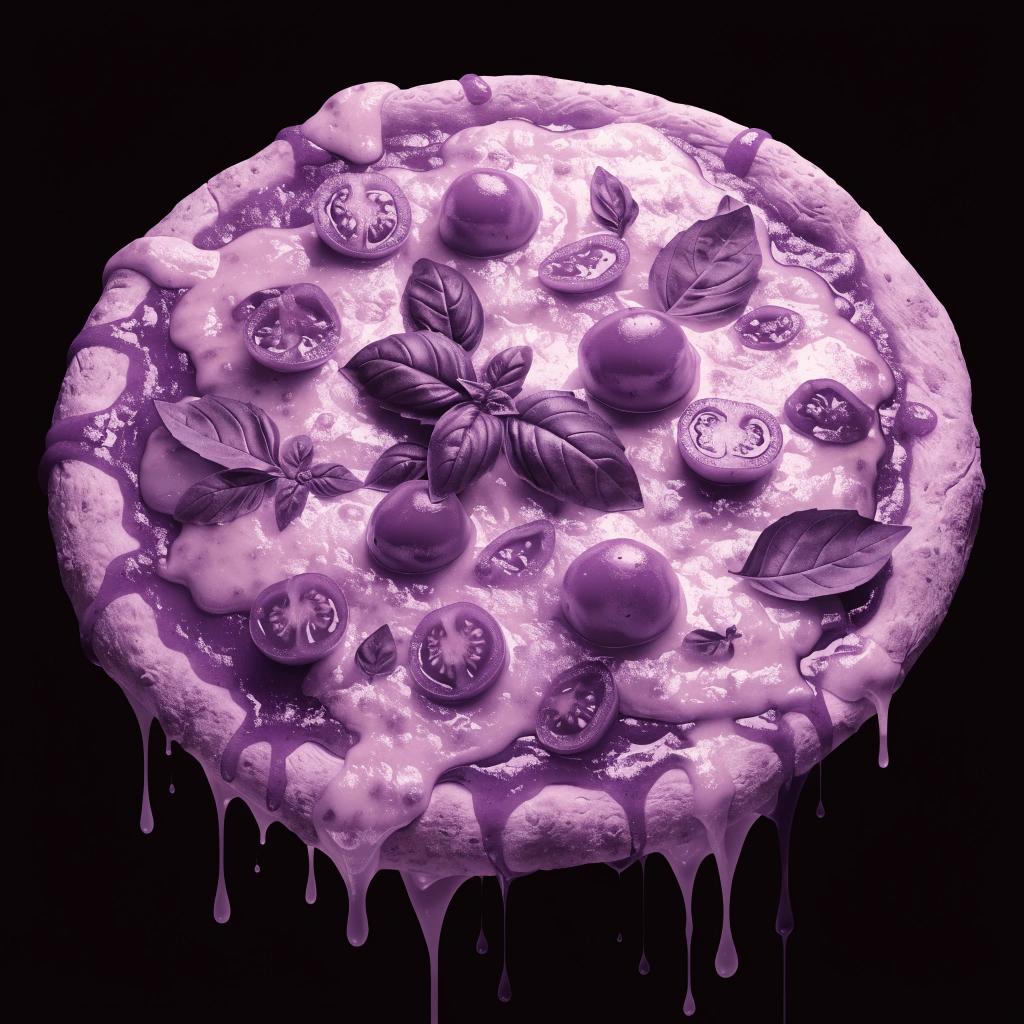
イタリアの ゆうめいな ピザ
マルゲリータは イタリアの ピザです。 イタリアで とても ゆうめいです。
この ピザには 3つの いろが あります。 あかい トマト、 しろい チーズ、 そして みどりの バジルです。 この 3つの いろは、 イタリアの はたの いろと おなじです。
1889年に イタリアの マルゲリータ おうじょが ナポリに きました。 そのとき、 おうじょは この ピザを たべました。 おうじょは この ピザが とても すきでした。 だから、 この ピザの なまえは 「マルゲリータ」に なりました。
文法スポットライト
パターン: 「~は ~です」
"マルゲリータは イタリアの ピザです。"
「Aは Bです」は、 ものの なまえや じょうたいを いうときに つかいます。 Aが しゅごで、 Bが せつめいです。
パターン: 「~に なりました」
"この ピザの なまえは 「マルゲリータ」に なりました。"
「に なりました」は、 なにかが 変化した ことを いいます。 さいごの けっかや じょうたいを あらわします。
理解度をチェック
10 問 · A1 初級 · 無料プレビュー 1回
この記事で学んだことをテストしよう。全問正解してXPを獲得!
この ピザは どこの 国の たべものですか?
問題の内訳
この ピザは どこの 国の たべものですか?
あなたの回答:
正解: イタリア
ピザには 4つの いろが あります。
あなたの回答:
正解: 間違い
「ゆうめい」は どういう いみですか?
あなたの回答:
正解: たくさんの 人が しっている
イタリアの _____の いろは あか、しろ、みどりです。
あなたの回答:
正解: はた
The Story of Pizza Margherita
Pizza Margherita is the most famous pizza in the world. It comes from Naples, a beautiful city in the south of Italy. People love it because it is simple and very delicious.
The story of this pizza began in June 1889. A famous baker named Raffaele Esposito wanted to honor Queen Margherita of Savoy. She was visiting Naples with the King. Esposito decided to make a special pizza for her.
He used three main ingredients: red tomatoes, white mozzarella cheese, and green basil leaves. These colors were important because they matched the colors of the Italian flag. The Queen tried the pizza and liked it very much. She wrote a letter to thank the baker. Because the Queen loved it, the pizza became famous and people called it "Pizza Margherita."
Today, you can find this pizza everywhere. It is often cheaper than other types of pizza, but many people think it is the best. It is a symbol of Italian culture and history. When you visit Italy, you must try a real Margherita in Naples!
文法スポットライト
パターン: Past Simple
"Esposito decided to make a special pizza for her."
We use the past simple to talk about finished actions in the past. For regular verbs like 'decide', we add '-ed' to the end of the word.
パターン: Comparatives
"It is often cheaper than other types of pizza."
We use comparatives to show the difference between two things. For short adjectives like 'cheap', we add '-er' and use the word 'than'.
理解度をチェック
11 問 · A2 初級 · 無料プレビュー 1回
この記事で学んだことをテストしよう。全問正解してXPを獲得!
Where does Pizza Margherita come from?
問題の内訳
Where does Pizza Margherita come from?
あなたの回答:
正解: Naples
The baker made the pizza for a King.
あなたの回答:
正解: 間違い
What does 'delicious' mean?
あなたの回答:
正解: Tasting very good
The pizza has the same colors as the Italian _____.
あなたの回答:
正解: flag
In what year did the story start?
あなたの回答:
正解: 1889
イタリア料理の象徴「マルゲリータ」の物語
イタリア料理と聞いて、多くの人が最初に思い浮かべるのはピザではないでしょうか。その中でも、トマトソース、モッツァレラチーズ、バジルがのった「マルゲリータ」は、イタリアの魂を象徴する最も有名なピザです。このシンプルなピザには、とても興味深い歴史があります。
1889年、イタリアのマルゲリータ王妃がナポリを訪れた際、有名なピザ職人のラッファエーレ・エスポジトは、王妃を歓迎するために特別なピザを作りました。彼は、新しく統一されたイタリアの国旗の色を表現しようと考えました。そこで、トマトの「赤」、モッツァレラチーズの「白」、そしてバジルの「緑」を使ってピザをデザインしたのです。
王妃はこのピザの味と見た目を大変気に入り、職人に感謝の手紙を送りました。その後、このピザは王妃の名前にちなんで「マルゲリータ」と呼ばれるようになり、ナポリから世界中へと広まっていきました。現在でもナポリでは、伝統的な作り方が厳しく守られています。
マルゲリータは、シンプルな材料で作られているからこそ、素材の質が味を左右すると言われています。ナポリの街を歩けば、今でも多くの店でこの伝統的な味を楽しむことができます。マルゲリータを食べることは、イタリアの歴史と文化を味わうことと同じなのです。
文法スポットライト
パターン: ~ために
"王妃を歓迎するために特別なピザを作りました。"
目的を表す表現です。動詞の辞書形につなげて「~という目的のために」という意味になります。
パターン: ~と言われている
"素材の質が味を左右すると言われています。"
受身形を使った表現で、一般的に人々がそのように考えている、または伝えられていることを表します。
理解度をチェック
11 問 · B1 中級 · 無料プレビュー 1回
この記事で学んだことをテストしよう。全問正解してXPを獲得!
マルゲリータの「緑」は何の材料で表現されていますか?
問題の内訳
マルゲリータの「緑」は何の材料で表現されていますか?
あなたの回答:
正解: バジル
マルゲリータという名前は、ピザを作った職人の名前から取られました。
あなたの回答:
正解: 間違い
「象徴」という言葉の意味として正しいものはどれですか?
あなたの回答:
正解: 形のないものを具体的な形で表すこと
マルゲリータはイタリアの_____の色を表現しています。
あなたの回答:
正解: 国旗
マルゲリータが誕生した場所はどこですか?
あなたの回答:
正解: ナポリ
The Culinary Heritage of Naples: More Than Just a Pizza
It is widely acknowledged that the Pizza Margherita is far more than a mere culinary delight; it is a profound symbol of Italian national identity. While pizza had been a staple for the poor in Naples for centuries, its transformation into a global icon began with a significant historical event in 1889. During a royal visit to Naples, the renowned pizzaiolo Raffaele Esposito was commissioned to prepare various pizzas for Queen Margherita of Savoy. According to popular tradition, the Queen was particularly captivated by a version featuring red tomatoes, white mozzarella, and green basil. Had the Queen not expressed her preference for this specific combination, the dish might never have achieved such global fame. This particular arrangement was designed to commemorate the colors of the newly unified Italian flag, effectively turning a local meal into a patriotic statement.
In the modern era, the preservation of this heritage has become a matter of international importance. The art of the Neapolitan 'Pizzaiuolo' was officially recognized by UNESCO as part of the Intangible Cultural Heritage of Humanity in 2017. This recognition highlights the complexity of the process, which involves much more than simply stretching dough. It requires a specific set of skills passed down through generations, ensuring that the authenticity of the product is maintained. Furthermore, organizations such as the Associazione Verace Pizza Napoletana (AVPN) have established strict regulations regarding the ingredients and cooking methods allowed. To be considered an authentic Margherita, one must use specific components like San Marzano tomatoes and high-quality mozzarella, cooked in a wood-fired oven at extremely high temperatures.
Nevertheless, the globalization of Italian food has led to various adaptations that often deviate from the original standards. While some food critics argue that innovation is necessary for a cuisine to evolve, others maintain that the standardization of the Margherita is essential to protect its historical integrity. In essence, the Pizza Margherita serves as a fascinating case study of how food can represent a nation's history, politics, and cultural pride. Despite its simplicity, the dish continues to be an iconic representation of Italian craftsmanship, proving that even the most basic ingredients can carry immense cultural weight when combined with tradition and passion.
文法スポットライト
パターン: Passive Voice with Reporting Verbs
"It is widely acknowledged that the Pizza Margherita is far more than a mere culinary delight."
This structure is used to express common opinions or facts in a formal way. It is formed using 'It + is + past participle + that clause'.
パターン: Inverted Third Conditional
"Had the Queen not expressed her preference for this specific combination, the dish might never have achieved such global fame."
This is a formal way to express a hypothetical situation in the past. 'Had' replaces 'If' and comes before the subject.
パターン: Non-defining Relative Clauses
"The art of the Neapolitan 'Pizzaiuolo' was officially recognized by UNESCO as part of the Intangible Cultural Heritage of Humanity in 2017."
These clauses add extra information about a noun. They are separated by commas and use relative pronouns like 'which' or 'who'.
理解度をチェック
11 問 · B2 中上級 · 無料プレビュー 1回
この記事で学んだことをテストしよう。全問正解してXPを獲得!
What was the primary reason Raffaele Esposito used the specific ingredients for the Queen's pizza?
問題の内訳
What was the primary reason Raffaele Esposito used the specific ingredients for the Queen's pizza?
あなたの回答:
正解: To represent the colors of the Italian flag.
The Pizza Margherita was already a global icon long before the Queen's visit in 1889.
あなたの回答:
正解: 間違い
What does 'authenticity' mean in the context of the article?
あなたの回答:
正解: Being genuine and true to traditional methods.
The Pizza Margherita is considered a _____ of Italian national identity.
あなたの回答:
正解: symbol
What happened in 2017 regarding Neapolitan pizza?
あなたの回答:
正解: UNESCO recognized the art of the 'Pizzaiuolo'.
ピッツァ・マルゲリータ:三色の旗に込められたナポリの魂と歴史的虚実
イタリア料理の象徴として、その名を世界に轟かせているのがピッツァ・マルゲリータである。この円形の生地に凝縮された美味は、単なる一料理の枠を超え、イタリア人のアイデンティティそのものを体現しているといっても過言ではない。その起源を辿れば、1889年にナポリを訪れたマルゲリータ王妃を歓迎すべく、職人ラッファエーレ・エスポジトが考案したという、あまりにも有名な逸話に行き着く。トマトの赤、モッツァレラの白、そしてバジルの緑。イタリア統一の象徴である三色旗を模したこの彩りは、王妃の心を掴んだのみならず、民衆の愛国心を激しく揺さぶるものとなった。
しかし、歴史学的な視座からこの物語を紐解けば、そこには多分に脚色された「神話」としての側面が浮かび上がる。当時の記録を精査すると、類似のトッピングを施したピッツァはそれ以前から存在していたことが示唆されており、エスポジトによる「発明」という言説は、ナポリの地位向上を狙ったマーケティング的戦略であった可能性も否定できない。イタリア統一という政治的激動期において、このピッツァが果たした役割は、単なる味覚の充足に留まらない。それは、分断されていた地域感情を一つの「食」という共通言語で統合しようとする、一種の文化的プロパガンダとしての側面を孕んでいたと推察されるのである。
それでもなお、この物語が今日まで語り継がれるのは、人々が食の中に単なる栄養素以上の物語を、そしてアイデンティティの帰属先を求めているからに他ならない。マルゲリータの真髄は、その極限までの簡素化にある。厳選された素材が織りなす調和は、足し算の美学ではなく、引き算によって導き出された究極の均衡である。高温の石窯で一気に焼き上げられた生地の香ばしさと、溶け出したモッツァレラの濃厚なコク、そしてフレッシュなバジルの清涼感。これらが一体となった瞬間、食卓にはナポリの路地裏の熱気と郷愁が立ち込める。
現代において、ピッツァ・マルゲリータは世界中で享受される普遍的な存在となった。しかし、その背後にある歴史的虚実や文化的な重層性を意識するとき、私たちは単なる空腹を満たす以上の、深い文化的営みに触れることになるのである。伝統への固執と革新の狭間で揺れ動きながらも、マルゲリータは今もなお、イタリアの魂を雄弁に物語り続けている。
文法スポットライト
パターン: 〜といっても過言ではない
"イタリア人のアイデンティティそのものを体現しているといっても過言ではない。"
「〜と言い切っても言い過ぎではない」という意味で、事柄の重要性や程度を強調する際に使われる。強い断定を避けるニュアンスを含みつつ、その事実を際立たせる。
パターン: 〜に他ならない
"アイデンティティの帰属先を求めているからに他ならない。"
「まさに〜である」「それ以外ではない」と強く断定する表現。理由や原因を強調して説明する際に非常に有効な文型。
パターン: 〜のみならず
"王妃の心を掴んだのみならず、民衆の愛国心を激しく揺さぶるものとなった。"
「〜だけでなく」の書き言葉的で硬い表現。ある事柄に加えて、さらに別の事柄も含まれることを強調する。
理解度をチェック
12 問 · C1 上級 · 無料プレビュー 1回
この記事で学んだことをテストしよう。全問正解してXPを獲得!
本文によると、マルゲリータのトッピングが表しているものは何ですか?
問題の内訳
本文によると、マルゲリータのトッピングが表しているものは何ですか?
あなたの回答:
正解: イタリア統一の象徴である三色旗
歴史学的な視点から見ると、マルゲリータの起源とされる物語は、完全に事実であることが証明されている。
あなたの回答:
正解: 間違い
「真髄」という言葉の意味として最も適切なものはどれですか?
あなたの回答:
正解: 物事の最も核心となる本質
マルゲリータの魅力は、複雑な調理ではなく、極限までの_____にあると述べられている。
あなたの回答:
正解: 簡素化
本文において、マルゲリータの物語が語り継がれる理由として示唆されているものは何ですか?
あなたの回答:
正解: 人々が食の中にアイデンティティの帰属先を求めているから
本文では、マルゲリータの起源物語にはマーケティング的な戦略が含まれていた可能性を指摘している。
あなたの回答:
正解: 正しい
The Gastronomic Semiotics of the Margherita: A Neapolitan Synthesis of National Identity
To analyze the Pizza Margherita through a purely culinary lens would be to overlook its status as a paradigmatic instance of national myth-making. While historical verity regarding the exact events of June 1889 may remain somewhat elusive, the narrative surrounding Raffaele Esposito’s creation for Queen Margherita of Savoy serves as a potent socio-political allegory. It is posited that Esposito, a celebrated Neapolitan pizzaiolo, sought to encapsulate the burgeoning spirit of a newly unified Italy within the confines of a circular dough. By employing a triad of ingredients—basil, mozzarella, and tomato—he effectively mirrored the tricolor of the Italian flag, thereby transforming a vernacular street food into a symbol of monarchical endorsement and national cohesion.
Lest the culinary tradition be diluted by modern expediency, the Specialità Tradizionale Garantita (STG) regulations now safeguard the technical orthodoxy of the Neapolitan pizza. This legal framework ensures that the artisanal integrity of the Margherita remains unadulterated by the creeping hegemony of globalized fast food. Scarcely had the Queen tasted the creation before the Margherita was elevated from its humble plebeian origins to a position of gastronomic prestige. The aesthetic minimalism of the pizza—a stark contrast to the baroque complexities of 19th-century courtly cuisine—suggests a deliberate proclivity toward authentic, regional simplicity.
Furthermore, the semiotics of the Margherita extend beyond mere visual representation. The heat of the wood-fired oven, reaching temperatures that would render lesser doughs carbonized, acts as a crucible for the transubstantiation of simple flour and water into a soft, elastic crust. It is this specific confluence of red, white, and green that continues to resonate as a vestige of the Risorgimento. Whether the story of Esposito is a historical fact or a clever marketing subterfuge concocted by later generations is perhaps secondary to the pizza's ubiquitous presence as a global signifier of 'Italian-ness.' In the contemporary era, the Margherita stands not merely as a menu item, but as a theoretical construct where tradition and modernity intersect. Should one delve deeper into the sociological implications, one finds that the Margherita represents a successful reconciliation between the local Neapolitan identity and the overarching Italian state. Ultimately, the pizza remains an enduring testament to the power of culinary symbolism in the construction of a collective national consciousness.
文法スポットライト
パターン: Negative Subjunctive with 'Lest'
"Lest the culinary tradition be diluted by modern expediency, the Specialità Tradizionale Garantita (STG) regulations now safeguard the technical orthodoxy of the Neapolitan pizza."
The word 'lest' is followed by the base form of the verb (subjunctive) to express a negative purpose or to prevent something undesirable from happening. It is a highly formal construction common in C2 level academic writing.
パターン: Inversion with Negative Adverbials
"Scarcely had the Queen tasted the creation before the Margherita was elevated from its humble plebeian origins to a position of gastronomic prestige."
When 'scarcely', 'hardly', or 'no sooner' begin a sentence for emphasis, the auxiliary verb is placed before the subject. This structure highlights the immediate sequence of two events in a formal narrative.
パターン: Cleft Sentences for Emphasis
"It is this specific confluence of red, white, and green that continues to resonate as a vestige of the Risorgimento."
Cleft sentences use the structure 'It is/was... that...' to focus on a specific piece of information. Here, it emphasizes the visual combination of colors as the key factor in the pizza's symbolic resonance.
理解度をチェック
12 問 · C2 マスター · 無料プレビュー 1回
この記事で学んだことをテストしよう。全問正解してXPを獲得!
What is the primary analytical focus of the article regarding Pizza Margherita?
問題の内訳
What is the primary analytical focus of the article regarding Pizza Margherita?
あなたの回答:
正解: Its role as a symbolic construct of national identity.
The article states that the historical events of June 1889 are definitively proven facts.
あなたの回答:
正解: 間違い
Which word describes a trace of something that is disappearing or no longer exists?
あなたの回答:
正解: Vestige
The author suggests the story might be a marketing _____ rather than historical fact.
あなたの回答:
正解: subterfuge
What does the 'aesthetic minimalism' of the pizza contrast with in the text?
あなたの回答:
正解: The complex courtly cuisine of the 19th century.
The STG regulations were created to encourage the globalization of pizza recipes.
あなたの回答:
正解: 間違い

