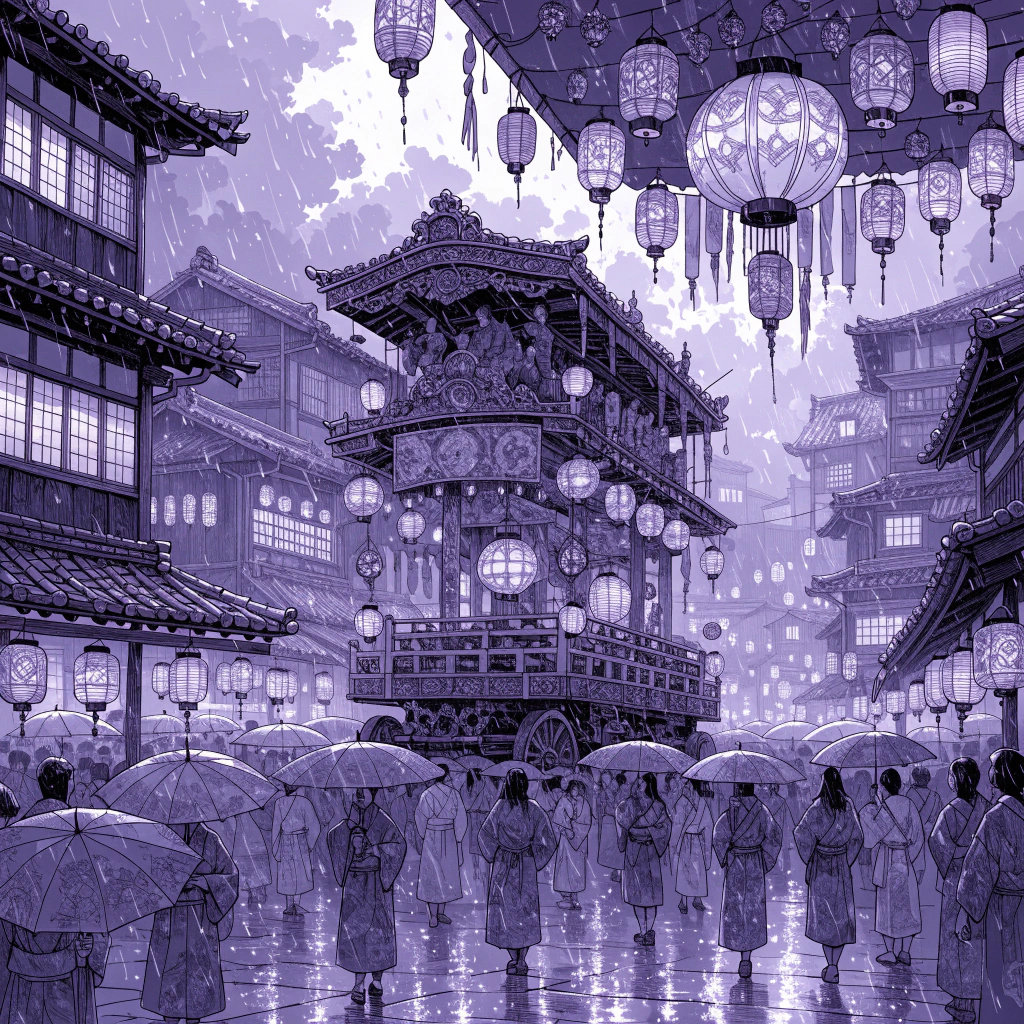
A Big Festival in Kyoto
Gion Matsuri is a famous festival in Japan. It is in Kyoto. This festival is very old. It starts in July. The festival is one month long.
People see big floats in the streets. The floats are beautiful. There is traditional music and food. Many people wear special clothes. They are called Yukata.
Families walk together and look at the lights. It is a happy time. Visitors from many countries come to Kyoto. They like the history and the art. The festival is very special for the city.
文法スポットライト
パターン: Present Simple (to be)
"Gion Matsuri is a famous festival in Japan."
We use 'is' with singular nouns to describe facts. It shows what something is like.
パターン: Present Simple (Regular Verbs)
"Many people wear special clothes."
We use the base form of the verb (wear) with plural subjects (people) for general truths.
理解度をチェック
10 問 · A1 初級 · 無料プレビュー 1回
この記事で学んだことをテストしよう。全問正解してXPを獲得!
Where is Gion Matsuri?
問題の内訳
Where is Gion Matsuri?
あなたの回答:
正解: Kyoto
The festival is in December.
あなたの回答:
正解: 間違い
What does 'famous' mean?
あなたの回答:
正解: Many people know it
People see big _____ in the streets.
あなたの回答:
正解: floats
Gion Matsuri: A Famous Festival in Kyoto
Gion Matsuri is a very famous festival in Kyoto, Japan. It is one of the biggest festivals in the country. It happens every July and lasts for the whole month. People from all over the world visit Kyoto to see the colorful parades and beautiful decorations.
The festival started a long time ago in the year 869. In those days, many people were sick because of a terrible disease. The people of Kyoto wanted to stop the sickness, so they had a special religious ceremony. They prayed to the gods for health and safety.
Today, the most exciting part is the giant parade. Large wooden carts, called floats, move through the streets. These floats are very heavy, and many men pull them with long ropes. Some floats are taller than houses! There is also traditional music and people wear beautiful clothes called yukata.
Gion Matsuri is important because it shows the history of Kyoto. It is more popular now than in the past, but it still keeps its old traditions. It is a wonderful time to visit Japan.
文法スポットライト
パターン: Past Simple
"The festival started a long time ago in the year 869."
We use the past simple to talk about finished actions in the past. To form it for regular verbs, we usually add '-ed' to the base verb.
パターン: Comparatives
"Some floats are taller than houses!"
We use comparatives to compare two things. For short adjectives, we add '-er' and use the word 'than' after the adjective.
理解度をチェック
11 問 · A2 初級 · 無料プレビュー 1回
この記事で学んだことをテストしよう。全問正解してXPを獲得!
Where does Gion Matsuri take place?
問題の内訳
Where does Gion Matsuri take place?
あなたの回答:
正解: Kyoto
The festival lasts for only one day.
あなたの回答:
正解: 間違い
What does 'floats' mean in the text?
あなたの回答:
正解: Large decorated carts for parades
The festival started because many people were _____ in 869.
あなたの回答:
正解: sick
Why did the people first have the ceremony?
あなたの回答:
正解: To pray for health and stop a disease
京都の夏の伝統:祇園祭
日本の京都には、毎年夏に「祇園祭」という有名なお祭りがあります。これは日本の最も有名な祭りの一つとして知られています。祇園祭は、7月の一ヶ月間、京都の街全体を活気ある場所へと変えます。
このお祭りの歴史はとても古く、西暦869年に始まりました。当時、都では疫病が流行し、多くの人々が苦しんでいました。そのため、病気を鎮めるために神様にお願いする「御霊会(ごりょうえ)」という宗教的な儀式として始められました。
時代が進むにつれて、祇園祭は京都の商人たちの富と芸術の象徴となりました。豪華な「山鉾(やまほこ)」と呼ばれる大きな山車が作られ、街中を巡行するようになりました。この祭りは八坂神社が主催しており、7月の間、毎日様々な行事が行われますが、特に有名なのは「山鉾巡行」です。
山鉾巡行では、美しい装飾が施された山鉾が、京都の街をゆっくりと進みます。この光景は、見る人々を魅了します。祇園祭は、ただの宗教的な行事ではなく、京都の文化や歴史、そして人々の生活が感じられる大切な伝統です。多くの観光客も訪れ、この素晴らしいお祭りを体験しています。
文法スポットライト
パターン: ~として知られています (toshite shirarete imasu)
"これは日本の最も有名な祭りの一つとして知られています。"
「~として知られています」は、「~である」と多くの人に認識されている状態を表すときに使います。「知る(to know)」の受身形です。あるものが、どのようなものとして一般的に知られているかを説明するのに便利です。
パターン: ~と呼ばれる (to yobareru)
"豪華な「山鉾(やまほこ)」と呼ばれる大きな山車が作られ"
「~と呼ばれる」は、あるものや人が、特定の名前や愛称で知られていることを説明する時に使います。この表現は、名詞を修飾する形で使われ、その名詞がどのような名前で呼ばれているかを明確にします。
理解度をチェック
11 問 · B1 中級 · 無料プレビュー 1回
この記事で学んだことをテストしよう。全問正解してXPを獲得!
祇園祭は、一年のうち、どの季節に行われますか?
問題の内訳
祇園祭は、一年のうち、どの季節に行われますか?
あなたの回答:
正解: 夏
祇園祭は、昔から観光客のためだけのお祭りでした。
あなたの回答:
正解: 間違い
「疫病」の意味はどれですか?
あなたの回答:
正解: 広範囲に広がる病気
祇園祭は、西暦_____年に始まりました。
あなたの回答:
正解: 869
祇園祭を主催している神社はどこですか?
あなたの回答:
正解: 八坂神社
京都を彩る千年のお祭り:祇園祭の歴史と魅力
京都の夏を象徴する「祇園祭」は、日本を代表する祭りの一つとして国内外に広く知られています。毎年7月の一ヶ月間、京都市内は祭りの熱気に包まれ、その壮麗な光景は訪れる人々を魅了してやみません。この祭りは単なる観光イベントに留まらず、京都の歴史と文化、そして人々の信仰心が織りなす生きた伝統に他なりません。
その起源は驚くほど古く、西暦869年にまで遡ります。当時、京の都では疫病が蔓延し、多くの人々が苦しんでいました。疫病を鎮めるため、神泉苑に当時の国の数に合わせた66本の鉾を立て、神輿を送り出して悪疫退散を祈願する「祇園御霊会(ぎおんごりょうえ)」が執り行われたのが始まりとされています。以来、幾度となく中断の危機に瀕しながらも、八坂神社を拠点にその伝統は脈々と継承されてきました。
時代が下るにつれて、祇園祭はその性格を変化させていきます。室町時代以降、京都の町衆、特に裕福な商人たちの経済力を背景に、祭りは単なる疫病退散の祈願のみならず、彼らの財力や美意識を誇示する場へと発展しました。豪華絢爛な装飾が施された山鉾は「動く美術館」とも称され、京都が育んできた高度な工芸技術や芸術性が惜しみなく投入されています。それぞれの山鉾には、物語や縁起物が表現されており、その意匠はまさに圧巻です。
祭りのハイライトは、7月17日の前祭(さきまつり)と24日の後祭(あとまつり)に行われる山鉾巡行です。巨大な山鉾が、祇園囃子の音色に乗ってゆっくりと京の町を進む様子は、見る者を圧倒する威厳と美しさを兼ね備えています。特に辻回しと呼ばれる方向転換の技は、多くの観客を惹きつける見どころの一つです。この時期には、各山鉾町で飾り付けられた山鉾が一般公開され、多くの人々がその趣を間近で楽しむことができます。
祇園祭は、千年以上もの長きにわたり、京都の人々の生活と深く結びつきながら発展してきた類稀な文化遺産です。疫病という脅威から生まれた祭りが、時代を超えて市民の誇りとなり、世界に誇る日本の文化としてその輝きを放ち続けているのです。この祭りは、過去から現在、そして未来へと続く京都の精神性を体現していると言えるでしょう。
文法スポットライト
パターン: 〜に他ならない
"この祭りは単なる観光イベントに留まらず、京都の歴史と文化、そして人々の信仰心が織りなす生きた伝統に他なりません。"
「〜に他ならない」は、「〜であることは間違いない」「まさに〜だ」という強い断定のニュアンスを表します。他のものではなく、まさにそのものであると強調したいときに使われる、やや硬い表現です。
パターン: 〜のみならず
"祭りは単なる疫病退散の祈願のみならず、彼らの財力や美意識を誇示する場へと発展しました。"
「〜のみならず」は、「〜だけでなく、さらに〜も」という意味で、二つ以上の事柄を並列に挙げて、その範囲の広さや追加的な要素を示すときに用います。フォーマルな文脈で使われることが多い表現です。
パターン: 〜に至るまで
"西暦869年にまで遡ります。"
「〜に至るまで」は、「〜という時点・場所・程度まで達する」という意味を表し、ある範囲の極限や到達点を示す際に使います。この場合、「869年という遠い過去まで遡る」という時間の到達点を強調しています。
理解度をチェック
11 問 · B2 中上級 · 無料プレビュー 1回
この記事で学んだことをテストしよう。全問正解してXPを獲得!
祇園祭は、いつ頃から始まったとされていますか?
問題の内訳
祇園祭は、いつ頃から始まったとされていますか?
あなたの回答:
正解: 西暦869年
祇園祭は、元々疫病を鎮めるための儀式として始まりました。
あなたの回答:
正解: 正しい
「絢爛豪華」の最も適切な意味は何ですか?
あなたの回答:
正解: 非常に華やかで贅沢な様子
祭りのハイライトは、7月17日の前祭と24日の後祭に行われる山鉾___です。
あなたの回答:
正解: 巡行
祇園祭が単なる疫病退散の祈願だけでなく、商人たちの財力や美意識を誇示する場へと発展したのは、どの時代以降ですか?
あなたの回答:
正解: 室町時代
祇園祭:千年の時を超え、京の心を映す絢爛たる祭事
京都の夏を彩る「祇園祭」は、日本を代表する祭事として国内外にその名を知らしめています。一ヶ月にも及ぶ壮大なこの祭りは、単なる伝統行事という範疇に収まらず、京の歴史、文化、そして人々の生活様式そのものを体現する、生きた文化遺産に他なりません。
その起源は、今からおよそ1150年前、平安時代初期の貞観11年(869年)に遡ります。当時の京都は疫病が蔓延し、多くの命が失われるという未曾有の危機に瀕していました。この疫病を鎮め、神の怒りを和らげるべく、朝廷は全国の国の数に応じた66本の鉾を立て、祇園社(現在の八坂神社)から神輿を出し、神泉苑にて「御霊会」と呼ばれる神事を行いました。これが祇園祭の始まりとされる由縁です。当時の人々にとって、自然災害や疫病は神仏の祟りであるとの信仰が篤く、祭りは祈りの切実な表れであったわけです。
時代が下るにつれて、祇園祭は単なる疫病退散の祈願から、京の町衆文化の象徴へと変貌を遂げていきます。室町時代以降、商業都市として繁栄を極めた京都では、裕福な商人たちが祭りの主役となり、その財力と美意識を競い合うかのごとく、豪華絢爛な山鉾を建造するようになりました。精緻な装飾品や高価な舶来品で飾られた山鉾は、当時の経済力と芸術性の高さを如実に物語るものです。これらは、単なる見世物というよりは、町衆の誇りと団結力を示す、動く美術館と称するにふさわしいでしょう。彼らの手によって、祭りはより大規模かつ華やかなものへと発展を遂げたのです。
祭りのハイライトは、何と言っても7月17日の「山鉾巡行」と24日の「後祭巡行」でしょう。特に前祭の巡行は、巨大な山鉾が祇園囃子を奏でながら京の都大路を進む姿は、見る者を圧倒します。宵山期間には、提灯で飾られた山鉾が町中に立ち並び、多くの人々が浴衣姿で夜の京都をそぞろ歩き、幻想的な雰囲気に包まれます。この期間中、各山鉾町では「屏風飾り」と称して、秘蔵の美術品や家宝を公開する家もあり、これもまた祇園祭ならではの趣深い文化です。
現代においても、祇園祭は形を変えつつも、その本質的な精神と伝統を脈々と継承し続けています。国際的な観光資源としての側面が強まる一方で、地域コミュニティの絆を深め、次世代へと文化を繋ぐ重要な役割を担っていることは言うまでもありません。千二百年近い歴史を背景に、変化と継承を繰り返してきた祇園祭は、京の都が歩んできた道のり、そして未来へと続く希望を象徴する、生きた歴史書と言えるでしょう。
文法スポットライト
パターン: ~に他ならない
"単なる伝統行事という範疇に収まらず、京の歴史、文化、そして人々の生活様式そのものを体現する、生きた文化遺産に他なりません。"
「~に他ならない」は、「~であるに違いない」「~以外のものではない」という強い断定や強調を表す表現です。話し手の確信や結論を述べる際に用いられ、フォーマルな文脈でよく使われます。名詞や名詞句の後に続きます。
パターン: ~を余儀なくされる
"当時の京都は疫病が蔓延し、多くの命が失われるという未曾有の危機に瀕していました。"
「~を余儀なくされる」は、「~せざるを得ない」「~するしかない状況に追い込まれる」という、外部からの圧力や状況によって、ある行動や状態を受け入れざるを得ないことを表します。意志に反する事態を示す際に用いられる、やや硬い表現です。
パターン: ~と称するにふさわしい
"これらは、単なる見世物というよりは、町衆の誇りと団結力を示す、動く美術館と称するにふさわしいでしょう。"
「~と称するにふさわしい」は、「~と呼ぶのが適切である」「~という評価が相応しい」という意味を表します。ある物事が、特定の名称や評価を受けるに値することを強調する際に使われます。客観的な評価や見解を述べるのに適した表現です。
理解度をチェック
12 問 · C1 上級 · 無料プレビュー 1回
この記事で学んだことをテストしよう。全問正解してXPを獲得!
祇園祭が始まったとされる最も古い理由は何ですか?
問題の内訳
祇園祭が始まったとされる最も古い理由は何ですか?
あなたの回答:
正解: 疫病を鎮めるため
祇園祭は毎年7月の一ヶ月間にわたって行われる祭りである。
あなたの回答:
正解: 正しい
「未曾有」の最も適切な意味は何ですか?
あなたの回答:
正解: 過去に例がないこと
祇園祭の起源は、今からおよそ1150年前、平安時代初期の貞観11年(869年)に_______。
あなたの回答:
正解: 遡ります
祇園祭が疫病退散の祈願から変貌を遂げた後の主な役割は何ですか?
あなたの回答:
正解: 町衆文化の象徴となるため
祇園祭の山鉾は、単なる見世物ではなく、町衆の誇りや団結力を示すものとされている。
あなたの回答:
正解: 正しい
The Palimpsest of Gion: Navigating the Intersection of Sacred Liturgy and Merchant Opulence
The Gion Matsuri, an annual month-long observance in Kyoto, transcends the conventional parameters of a municipal festival, functioning instead as a sophisticated palimpsest of Japanese cultural history. While the casual observer might perceive merely a vibrant display of floats and festivities, a more scholarly inquiry reveals a complex strata of spiritual propitiation, sociopolitical assertion, and artistic syncretism. To understand the Gion Matsuri is to engage with over a millennium of urban evolution, beginning with its inception in 869 AD as a 'gion-go-ryo-e'—a ritualistic endeavor to appease the malevolent deities believed to be responsible for the devastating plagues then ravaging the Heian capital.
At the heart of this liturgical exercise lies the concept of apotropaic magic. The historical context of the festival’s origins suggests that the early residents of Kyoto viewed pestilence not through the lens of pathology, but as the manifestation of vengeful spirits. Consequently, it was deemed imperative that the sanctity of the city be restored through grand processions. Were the festival to cease, it was feared that the delicate equilibrium between the celestial and the terrestrial would be irrevocably shattered. This spiritual foundation remains sacrosanct, even as the festival has evolved to incorporate more secular elements. The Yasaka Shrine continues to serve as the ontological anchor for these proceedings, ensuring that the metaphysical gravity of the event is not lost amidst the encroachment of contemporary tourism.
However, the Gion Matsuri is equally a testament to the burgeoning power of Kyoto’s merchant class, the 'Machishu,' during the Muromachi and Edo periods. As the city’s economic landscape shifted, these affluent tradesmen sought to articulate their social standing through the ostentatious decoration of the 'Yamaboko' floats. These massive structures, some weighing upwards of twelve tons, became mobile repositories of global culture. The provenance of the textiles and tapestries adorning the floats—ranging from Persian carpets to Flemish weaves—illustrates a remarkable confluence of international trade routes meeting in the heart of Japan. It is through this aestheticization of wealth that the Machishu successfully asserted their autonomy against the traditional aristocracy and the shogunate.
One cannot overlook the ephemeral beauty of the 'Yoiyama' nights, where the atmospheric resonance of the festival reaches its zenith. The streets, illuminated by the soft glow of traditional lanterns, create a liminal space where the boundary between the past and the present becomes increasingly porous. It is here that the grandeur of the festival is most palpable, yet it is a grandeur tempered by a profound sense of transience. The meticulous assembly and subsequent dismantling of the floats serve as a poignant metaphor for the Buddhist concept of impermanence.
Furthermore, the festival provides a unique site for observing the syncretism of Japanese religious life. The seamless integration of Shinto rituals with Buddhist motifs suggests a theological flexibility that has long characterized the Japanese archipelago. This cultural synthesis is not merely a vestigial remnant of the past but a living practice that continues to adapt. Should the deities be properly appeased, the community believes it will be granted protection for another year, a sentiment that persists despite the secularization of modern society. In conclusion, the Gion Matsuri remains an indispensable subject for any serious analysis of Japanese identity. It is not merely a celebration of heritage but a dynamic performance of continuity, where the sacred and the profane are inextricably intertwined in a display of unparalleled artistic and spiritual depth.
文法スポットライト
パターン: Inverted Conditional
"Were the festival to cease, it was feared that the delicate equilibrium between the celestial and the terrestrial would be irrevocably shattered."
This is a formal alternative to 'If the festival were to cease'. It uses inversion (verb before subject) to create a more scholarly or hypothetical tone, typical of C2 academic prose.
パターン: Subjunctive Mood
"Consequently, it was deemed imperative that the sanctity of the city be restored through grand processions."
The subjunctive 'be restored' is used after adjectives of necessity (imperative). It lacks the 's' or 'is/are' and remains in the base form to indicate a requirement or desired action.
パターン: Cleft Sentence for Emphasis
"It is through this aestheticization of wealth that the Machishu successfully asserted their autonomy..."
A cleft sentence (It is + [focus] + that/who) is used to emphasize a specific part of the sentence—in this case, the method by which the merchants gained power.
理解度をチェック
12 問 · C2 マスター · 無料プレビュー 1回
この記事で学んだことをテストしよう。全問正解してXPを獲得!
According to the text, what was the primary impetus for the festival's inception in 869 AD?
問題の内訳
According to the text, what was the primary impetus for the festival's inception in 869 AD?
あなたの回答:
正解: To appease malevolent deities responsible for a plague
The author suggests that the festival's religious significance has been completely overshadowed by modern tourism.
あなたの回答:
正解: 間違い
Which word best describes the 'mobile repositories of global culture' mentioned in the text?
あなたの回答:
正解: Yamaboko
The author describes the festival as a living _____ of Japanese cultural history.
あなたの回答:
正解: palimpsest
What does the dismantling of the floats symbolize in the context of the article?
あなたの回答:
正解: The Buddhist concept of impermanence
What is the meaning of 'syncretism' as used in the text?
あなたの回答:
正解: The blending of different religious or cultural beliefs

