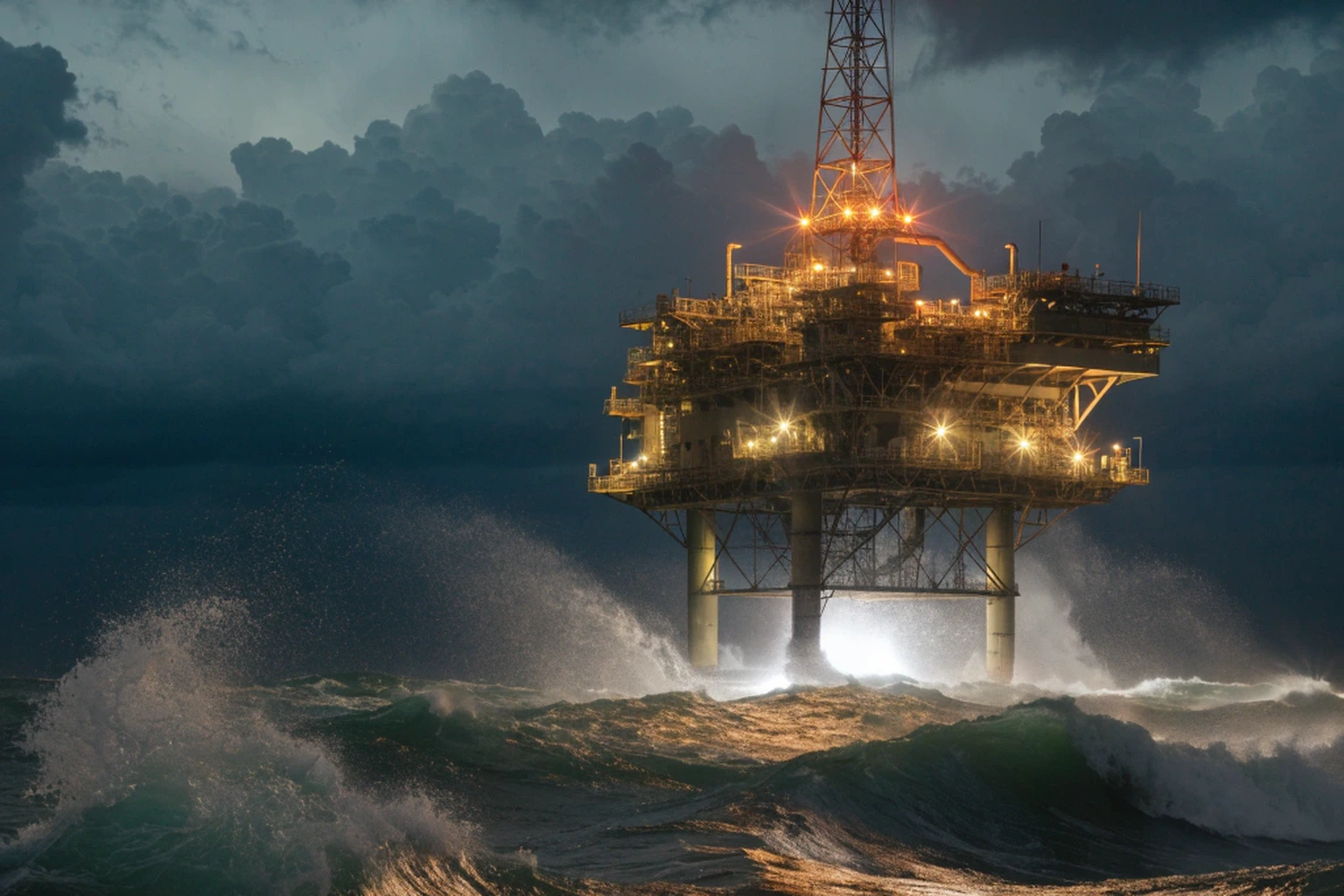
Energy in Iran
Iran is a big country. It has a lot of oil and gas. Oil and gas are types of energy. This energy is very important for the world. Many people in Iran work in the energy sector.
They work for big companies. This work helps the country's economy. The economy is how a country makes and uses money. Iran sells its oil and gas to other countries.
This makes a lot of money for Iran. The money helps the country. It is a very important part of Iran's industry.
문법 스포트라이트
패턴: 단순 현재 시제
"It has a lot of oil and gas."
우리는 사실이나 항상 진실인 것에 대해 말할 때 단순 현재 시제를 사용해요. 'he', 'she', 'it' 뒤에는 'has', 'sells', 'helps'처럼 동사에 '-s'를 붙여요.
패턴: 복수 명사
"Iran sells its oil and gas to other countries."
보통 명사 뒤에 '-s'나 '-es'를 붙여서 하나보다 많은 것을 이야기해요. 예를 들어, 한 나라는 여러 나라들(countries)이 돼요.
이해도를 테스트하세요
10 질문 · A1 초급 · 무료 미리보기 1회
이 기사에서 배운 내용을 테스트하세요. 모든 질문에 답하여 XP를 획득하세요!
이란은 무엇을 많이 가지고 있나요?
문제별 결과
이란은 무엇을 많이 가지고 있나요?
내 답변:
정답: 석유와 가스
이 글은 이란의 에너지가 세계에 중요하지 않다고 말해요.
내 답변:
정답: 거짓
'money'는 무슨 뜻인가요?
내 답변:
정답: 물건을 살 때 사용하는 것
이란의 많은 사람들이 에너지 분야에서 _____ 합니다.
내 답변:
정답: work
Iran's Energy: The Engine of the Economy
Iran is famous for its large energy resources. The country has vast amounts of oil and natural gas. In fact, Iran possesses the second-largest natural gas reserves in the world. It also holds the fourth-largest oil reserves. Because of this, the energy sector is bigger than any other industry in Iran. It is the engine of the national economy.
The story of this industry began a long time ago. In 1908, engineers discovered oil in a place called Masjed Soleyman. This was a very important moment because it was the first oil discovery in the Middle East. The industry grew quickly after that event.
Today, Iran does not just sell crude oil. The country also produces petrochemicals. Petrochemicals are products made from oil and gas, like plastic. This sector is more modern than the old oil wells. It helps Iran make more money. The energy industry is vital for the people and the future of the country.
문법 스포트라이트
패턴: 비교급 (More + 형용사)
"This sector is more modern than the old oil wells."
형용사가 길 때(2음절 이상), 두 대상을 비교하기 위해 형용사 앞에 'more'를 쓰고 뒤에 'than'을 붙여요.
패턴: 단순 과거
"In 1908, engineers discovered oil in a place called Masjed Soleyman."
과거에 완료된 행동을 말할 때 단순 과거 시제를 사용해요. 'discover' 같은 규칙 동사는 끝에 '-ed'를 붙이면 돼요.
이해도를 테스트하세요
10 질문 · A2 초등급 · 무료 미리보기 1회
이 기사에서 배운 내용을 테스트하세요. 모든 질문에 답하여 XP를 획득하세요!
이란에서 석유가 처음 발견된 때는 언제인가요?
문제별 결과
이란에서 석유가 처음 발견된 때는 언제인가요?
내 답변:
정답: 1908
이란은 세계에서 가장 큰 천연가스 매장량을 가지고 있어요.
내 답변:
정답: 거짓
'produce'는 무슨 뜻인가요?
내 답변:
정답: 무언가를 만들거나 창조하다
에너지 부문은 국가 경제의 _____예요.
내 답변:
정답: engine
이란 경제의 심장: 석유와 에너지 산업
이란의 경제 성장을 이끄는 가장 큰 힘은 바로 에너지와 석유화학 산업입니다. 이란은 세계적인 에너지 강국으로 알려져 있는데, 이는 이란이 보유한 엄청난 양의 자원 때문입니다. 현재 이란은 세계 2위의 천연가스 매장량과 세계 4위의 원유 매장량을 기록하고 있습니다. 이러한 풍부한 자원은 이란이 중동 지역뿐만 아니라 전 세계 에너지 시장에서 중요한 역할을 하게 만듭니다.
이란의 석유 역사는 100년이 넘는 긴 시간을 가지고 있습니다. 1908년 마스제드 솔레이만 지역에서 처음으로 석유가 발견되었는데, 이것은 중동에서 이루어진 첫 번째 상업적 석유 발견이었습니다. 그 이후로 이란은 현대적인 산업 국가로 발전해 왔습니다. 과거에는 단순히 원유를 수출하는 것에 그쳤지만, 최근에는 석유를 가공하여 플라스틱이나 비료 같은 석유화학 제품을 생산하는 기술이 크게 발달했습니다.
석유화학 산업은 이란 경제의 엔진과 같습니다. 이 산업을 통해 수많은 일자리가 창출되고 있으며, 국가 수입의 큰 부분을 차지하고 있습니다. 비록 국제적인 경제 제재와 같은 여러 가지 어려움이 있지만, 이란 정부는 기술 자립을 위해 꾸준히 노력하고 있습니다. 최신 기술을 도입하여 생산 효율을 높이고, 친환경적인 에너지 개발에도 관심을 기울이고 있습니다.
결론적으로, 이란의 에너지 산업은 과거의 유산일 뿐만 아니라 미래를 위한 핵심 동력입니다. 풍부한 자원과 발전된 기술을 바탕으로 이란은 앞으로도 세계 에너지 시장에서 영향력을 계속 유지할 것으로 보입니다.
문법 스포트라이트
패턴: -ㄴ/은/는 것 때문(에)
"이는 이란이 보유한 엄청난 양의 자원 때문입니다."
어떤 결과의 이유나 원인을 나타낼 때 사용합니다. 명사 뒤에는 '때문에'를 쓰고, 동사나 형용사 뒤에는 '-기 때문에'를 사용합니다.
패턴: -아/어 오다
"이란은 현대적인 산업 국가로 발전해 왔습니다."
과거부터 현재까지 어떤 행동이나 상태가 계속 이어지고 있음을 나타낼 때 사용합니다.
이해도를 테스트하세요
11 질문 · B1 중급 · 무료 미리보기 1회
이 기사에서 배운 내용을 테스트하세요. 모든 질문에 답하여 XP를 획득하세요!
이란의 천연가스 매장량은 세계에서 몇 위입니까?
문제별 결과
이란의 천연가스 매장량은 세계에서 몇 위입니까?
내 답변:
정답: 2위
중동에서 처음으로 상업적 석유가 발견된 곳은 이란입니다.
내 답변:
정답: 참
'가공하지 않은 자연 상태의 석유'를 무엇이라고 합니까?
내 답변:
정답: 원유
이란의 석유 역사는 100년이 넘는 _____ 시간을 가지고 있습니다.
내 답변:
정답: 긴
이란 정부가 최근 석유 산업에서 집중하고 있는 분야는 무엇입니까?
내 답변:
정답: 석유화학 제품 생산
이란의 석유화학 및 에너지 부문: 경제 엔진과 미래 전망
이란의 석유화학 및 에너지 부문은 이 나라 경제의 역사적 동력이자 현대적 핵심 동력입니다. 이는 1세기가 넘는 산업 발전의 유산을 대표하며, 이란은 세계에서 두 번째로 큰 천연가스 매장량과 네 번째로 큰 원유 매장량을 보유하고 있어 글로벌 에너지 안보에 중요한 역할을 하고 중동 지역에서 지배적인 위치를 차지합니다. 이 산업의 여정은 1908년 마스제드 솔레이만(Masjed Soleyman)에서 석유가 발견되면서 시작되었는데, 이는 중동 지역 최초의 상업적 유전 발견으로 기록됩니다.
초기에는 영국-페르시아 석유회사(Anglo-Persian Oil Company)와 같은 외국 기업이 이 부문을 지배했지만, 1951년 국유화 과정을 거쳐 이란의 주권이 강화되었습니다. 이후 이란 국영 석유회사(NIOC)가 설립되면서 이란은 자국 에너지 자원에 대한 통제권을 확보하게 되었습니다. 이란-이라크 전쟁 이후에는 재건과 현대화 노력이 집중되었고, 특히 석유화학 산업은 다각화 전략의 핵심으로 부상했습니다. 이란은 풍부한 천연가스를 바탕으로 메탄올, 암모니아, 폴리머 등 고부가가치 제품 생산을 확대하여 경제 성장에 크게 기여하고 있습니다.
하지만 이란의 에너지 부문은 국제 제재라는 큰 도전에 직면해 있습니다. 이 제재는 외국인 투자 유치와 기술 접근을 어렵게 만들었으며, 이는 생산 능력 확장과 현대화에 제약을 가했습니다. 그럼에도 불구하고 이란은 국내 기술 개발과 아시아 국가들과의 협력을 통해 이러한 어려움을 극복하려 노력하고 있습니다. 특히, 중국과 인도 등 주요 에너지 소비국과의 관계를 강화하며 수출 시장을 다변화하는 데 주력하고 있습니다.
미래에는 에너지 효율성 증대와 재생에너지 개발이 이란 에너지 정책의 중요한 축이 될 것으로 예상됩니다. 이란은 태양광 및 풍력 에너지 잠재력이 매우 높으며, 이를 활용하여 에너지 믹스를 다변화하고 기후 변화에 대응하려는 움직임을 보이고 있습니다. 또한, 국내 소비 증가에 맞춰 천연가스 생산을 늘리고 파이프라인 인프라를 확충하는 것도 중요한 과제입니다.
결론적으로 이란의 석유화학 및 에너지 부문은 오랜 역사와 함께 현재까지도 국가 경제의 중추적인 역할을 수행하고 있습니다. 국제적인 어려움 속에서도 이란은 지속적인 기술 개발과 전략적 파트너십을 통해 이 부문의 성장과 발전을 도모하고 있으며, 이는 글로벌 에너지 시장에서 이란의 입지를 더욱 확고히 할 것입니다.
문법 스포트라이트
패턴: ~에 따라
"국유화 과정을 거쳐 이란의 주권이 강화되었습니다. 이후 이란 국영 석유회사(NIOC)가 설립되면서 이란은 자국 에너지 자원에 대한 통제권을 확보하게 되었습니다."
'~에 따라'는 앞선 상황이나 조건에 근거하여 뒤의 내용이 발생하거나 변한다는 것을 나타냅니다. 시간의 흐름에 따른 변화나 어떤 기준에 준거함을 표현할 때 사용됩니다. 동사 어간이나 명사 뒤에 붙어 사용됩니다.
패턴: ~뿐만 아니라 ~도
"이란은 세계에서 두 번째로 큰 천연가스 매장량과 네 번째로 큰 원유 매장량을 보유하고 있어 글로벌 에너지 안보에 중요한 역할을 하고 중동 지역에서 지배적인 위치를 차지합니다."
'~뿐만 아니라 ~도'는 앞의 내용이 사실일 뿐만 아니라 뒤의 내용 또한 사실임을 강조할 때 사용됩니다. 두 가지 이상의 사실이나 대상을 나열하며 추가적인 정보를 제공합니다. 명사 뒤에는 '뿐만 아니라'를, 동사나 형용사 뒤에는 '-(으)ㄹ 뿐만 아니라'를 사용합니다.
패턴: -(으)로 인해
"이 제재는 외국인 투자 유치와 기술 접근을 어렵게 만들었으며, 이는 생산 능력 확장과 현대화에 제약을 가했습니다."
'-(으)로 인해'는 앞의 내용이 뒤의 내용에 대한 원인이나 이유가 됨을 나타내는 표현입니다. 주로 부정적이거나 어려운 상황의 원인을 설명할 때 사용됩니다. 명사 뒤에는 '으로 인해/로 인해'를, 동사나 형용사 뒤에는 '-(으)ㅁ으로 인해'를 사용합니다.
이해도를 테스트하세요
11 질문 · B2 중상급 · 무료 미리보기 1회
이 기사에서 배운 내용을 테스트하세요. 모든 질문에 답하여 XP를 획득하세요!
이란의 에너지 산업이 시작된 계기는 무엇입니까?
문제별 결과
이란의 에너지 산업이 시작된 계기는 무엇입니까?
내 답변:
정답: 마스제드 솔레이만에서의 석유 발견
이란은 세계에서 가장 큰 천연가스 매장량을 보유하고 있다.
내 답변:
정답: 거짓
'국유화'는 무슨 뜻입니까?
내 답변:
정답: 개인이나 사기업의 자산을 국가 소유로 전환하는 것
이란의 석유화학 산업은 풍부한 천연가스를 바탕으로 메탄올, 암모니아, 폴리머 등 __________ 제품 생산을 확대하고 있습니다.
내 답변:
정답: 고부가가치
이란 에너지 부문이 직면한 가장 큰 도전 중 하나는 무엇입니까?
내 답변:
정답: 국제 제재로 인한 투자 및 기술 접근 제한
The Petrochemical Paradigm: Iran’s Strategic Energy Evolution
Seldom has the economic trajectory of a nation been so inextricably linked to its subterranean wealth as that of Iran. Since the epoch-making discovery of oil in Masjed Soleyman in 1908, the energy sector has constituted the backbone of the Iranian economy, dictating fiscal policy and shaping geopolitical relations. However, the contemporary narrative of Iran's energy sector represents a departure from mere resource extraction. What we are witnessing today is a paradigm shift: a strategic transition from the passive export of raw crude to the active development of a sophisticated petrochemical apparatus. This evolution is not merely an economic preference but a strategic imperative designed to ensure long-term stability.
Possessing the world’s second-largest natural gas reserves and the fourth-largest proven crude oil reserves, Iran occupies a position of formidable influence within the global energy matrix. Yet, the monetization of these vast assets requires more than simple drilling and pipeline construction. It is the maximization of the value chain that currently preoccupies policymakers and industrial planners alike. The rapid expansion of petrochemical complexes, particularly along the Persian Gulf coast, serves as a testament to this ambition. By converting raw hydrocarbons into high-value polymers, fertilizers, and plastics, the nation aims to insulate its economy from the volatile fluctuations of global oil prices, creating a buffer against external economic shocks.
Nevertheless, this industrial maturation is fraught with significant hurdles. The imposition of international sanctions has undeniably impeded the acquisition of cutting-edge foreign technology, forcing the sector to look inward. While this isolation has precipitated a reliance on indigenous engineering and domestic innovation, it has arguably constrained the pace of modernization in certain high-tech sub-sectors. Despite these constraints, the industry has demonstrated remarkable resilience, maintaining production levels and even expanding capacity in petrochemicals through reverse engineering and local adaptation.
Furthermore, a critical analysis of the sector reveals a pressing internal challenge: energy efficiency. The domestic consumption of energy in Iran is disproportionately high relative to its GDP, driven largely by historical subsidies. Were Iran to rationalize its internal energy pricing and consumption patterns, the surplus natural gas available for export and industrial feedstock would increase substantially. The nominalisation of this issue in government five-year plans indicates an awareness of the problem, though implementation remains a complex socio-political endeavor.
Ultimately, the petrochemical and energy sector acts as a catalyst for broader industrial growth and employment. The integration of upstream extraction with downstream processing facilitates a more robust, diversified economic structure. It is this value-added approach that will likely define the future of Iranian energy, transforming the nation from a traditional commodity provider into a technological hub for petrochemical excellence.
문법 스포트라이트
패턴: 부정 도치 (Negative Inversion)
"Seldom has the economic trajectory of a nation been so inextricably linked to its subterranean wealth as that of Iran."
강조와 수사적 무게감을 더하기 위해 사용돼요. 문장이 부정 부사구('Seldom', 'Rarely', 'Never' 등)로 시작할 때, 조동사('has')가 주어('the economic trajectory') 앞에 위치합니다.
패턴: 분열문 (Cleft Sentences)
"It is the maximization of the value chain that currently preoccupies policymakers and industrial planners alike."
이 패턴('It is X that...')은 작가가 행동을 하는 주어보다는 문장의 특정 요소(여기서는 'the maximization of the value chain')에 주의를 집중시킬 수 있게 해줘요.
패턴: 도치 가정법 (Inverted Conditional)
"Were Iran to rationalize its internal energy pricing and consumption patterns, the surplus natural gas available for export would increase substantially."
이것은 'If Iran were to rationalize...'의 격식 있는 표현이에요. 'if'를 생략하고 주어와 조동사의 위치를 바꿈으로써('Were Iran'), 어조가 더 가정적이고 세련되게 변합니다.
이해도를 테스트하세요
12 질문 · C1 고급 · 무료 미리보기 1회
이 기사에서 배운 내용을 테스트하세요. 모든 질문에 답하여 XP를 획득하세요!
이란 에너지 부문에 관해 기사에서 설명된 주요 전략적 변화는 무엇인가요?
문제별 결과
이란 에너지 부문에 관해 기사에서 설명된 주요 전략적 변화는 무엇인가요?
내 답변:
정답: 원자재 추출에서 고부가가치 석유화학 생산으로의 전환.
기사에 따르면, 국제 제재로 인해 이란의 석유화학 산업 발전이 완전히 중단되었다.
내 답변:
정답: 거짓
'Impede'(방해하다)와 의미가 가장 가까운 단어는?
내 답변:
정답: 방해하다 (Obstruct)
석유화학 부문은 더 광범위한 산업 성장과 고용을 위한 _____ 역할을 한다.
내 답변:
정답: catalyst
국내 에너지 소비를 합리화하면 어떤 효과가 있을까요?
내 답변:
정답: 수출 가능한 잉여 가스가 증가할 것이다.
이란은 세계에서 가장 많은 확인된 원유 매장량을 보유하고 있다.
내 답변:
정답: 거짓
Hydrocarbon Hegemony and the Imperative of Diversification: Iran’s Energy Matrix
The discovery of oil in Masjed Soleyman in 1908 did not merely represent an economic windfall; it constituted a seismic shift in the geopolitical architecture of the Middle East. Rarely has a singular event so profoundly altered the trajectory of a nation, embedding the hydrocarbon industry as the sine qua non of Iran’s modernization efforts. Today, Iran stands as a colossus in the global energy arena, boasting the world’s second-largest natural gas reserves and the fourth-largest proven crude oil reserves. Yet, to view this sector solely through the lens of extraction would be to overlook the profound transformation it has undergone. The contemporary narrative of Iranian energy is one of strategic evolution, moving from simple exportation to complex value creation via a burgeoning petrochemical industry.
The sheer magnitude of Iran's reserves provides it with a distinct form of regional hegemony, allowing it to influence market dynamics and geopolitical alliances alike. However, reliance on raw resource exportation is fraught with peril. Were Iran to remain tethered exclusively to the sale of crude oil, its economy would be perpetually vulnerable to the vicissitudes of global market prices and external political pressures. Consequently, state policy has pivoted aggressively towards the downstream sector. By converting hydrocarbons into polymers, fertilizers, and chemical feedstocks, the nation not only captures greater economic value but also insulates itself against the volatility inherent in commodity trading. This strategic shift is not merely an economic preference; it is an existential imperative for long-term stability.
Developing this downstream capacity has required overcoming substantial hurdles, particularly regarding access to advanced technology. In response to international restrictions, there has been a marked concomitant rise in indigenous engineering capabilities. Iranian firms have increasingly assumed roles previously reserved for foreign conglomerates, designing complex refineries and synthesizing proprietary catalysts. While this drive for self-sufficiency has occasionally precipitated delays due to the steep learning curve involved, the long-term result is a more resilient industrial base, less susceptible to external shocks.
Nevertheless, the sector faces significant exigencies that cannot be ignored. Much of the energy infrastructure is aging, requiring substantial capital investment to maintain efficiency and safety standards. Furthermore, the global paradigm shift towards renewable energy poses a theoretical and practical challenge to traditional petrostates. It is essential that Iran utilize its current hydrocarbon revenues to ameliorate environmental degradation and fund the transition towards a more diversified energy portfolio. The high carbon intensity of the petrochemical sector, coupled with domestic water scarcity, necessitates the adoption of greener technologies.
Ultimately, the Iranian petrochemical and energy sector represents a complex dichotomy of legacy and innovation. It is the engine of national growth and the primary source of hard currency, yet it also embodies the challenges of a resource-dependent economy striving for modernity. As the world inexorably moves towards decarbonization, the resilience of this sector will depend not on the volume of oil extracted, but on the sophistication with which it is processed and the wisdom with which its revenues are reinvested. The path forward requires a delicate balancing act: exploiting vast fossil fuel wealth while simultaneously laying the groundwork for a post-carbon future.
문법 스포트라이트
패턴: 부정 부사구 도치 (Inversion)
"Rarely has a singular event so profoundly altered the trajectory of a nation."
문장이 부정 부사(Rarely, Never, Seldom 등)로 시작할 때, 극적인 강조를 위해 주어와 조동사의 위치를 바꿉니다.
패턴: 가정법 도치 (If 생략)
"Were Iran to remain tethered exclusively to the sale of crude oil, its economy would be perpetually vulnerable."
격식 있는 영어에서는 'if'를 생략하고 주어와 조동사의 위치를 바꾸어(예: 'If Iran were to...' 대신 'Were Iran to...') 학술적인 느낌을 줄 수 있어요.
패턴: 가정법 현재 (Subjunctive Mood)
"It is essential that Iran utilize its current hydrocarbon revenues to ameliorate environmental degradation."
중요성이나 필요성을 나타내는 형용사(essential, imperative 등) 뒤에는 주어의 인칭과 상관없이 동사 원형(utilizes가 아닌 utilize)을 사용해요.
이해도를 테스트하세요
12 질문 · C2 마스터 · 무료 미리보기 1회
이 기사에서 배운 내용을 테스트하세요. 모든 질문에 답하여 XP를 획득하세요!
기사에 따르면, 이란은 왜 다운스트림 석유화학 부문으로 방향을 전환했나요?
문제별 결과
기사에 따르면, 이란은 왜 다운스트림 석유화학 부문으로 방향을 전환했나요?
내 답변:
정답: 더 큰 경제적 가치를 확보하고 세계 가격 변동성으로부터 경제를 보호하기 위해
이 기사는 독자적인 기술 개발이 필요성이 아닌 순수한 경제적 선호의 문제였다고 암시한다.
내 답변:
정답: 거짓
본문의 단어 중 '긴급한 필요나 요구'를 의미하는 것은 무엇인가요?
내 답변:
정답: Exigency (긴급 사태)
국제적 제재에 대응하여 __________ 기술 개발이 무엇보다 중요해졌습니다.
내 답변:
정답: indigenous
저자는 이 부문의 미래에 대해 무엇을 암시하나요?
내 답변:
정답: 화석 연료 개발과 탈탄소 미래에 대한 투자 사이에서 균형을 맞춰야 한다.
마스제드 솔레이만에서의 석유 발견은 지정학적 영향이 거의 없는 사소한 사건으로 묘사된다.
내 답변:
정답: 거짓
이란 에너지 이야기
이란. 에너지. 석유. 가스. 이란, 석유 많아요. 이란, 가스 많아요. 세계 석유 네 번째. 세계 가스 두 번째. 이란 경제. 석유, 가스 아주 중요해요. 이란 경제. 에너지 아주 중요해요. 1908년. 석유 발견. 오래된 역사. 아주 중요해요. 이란, 큰 에너지 나라. 에너지, 이란의 힘.
문법 스포트라이트
패턴: Noun + 많아요 / 중요해요
"이란, 석유 많아요."
이것은 Noun이 많이 있어요. Noun이 아주 중요해요. 이렇게 말할 때 사용합니다.
이해도를 테스트하세요
9 질문 · A0 프리비기너 · 무료 미리보기 1회
이 기사에서 배운 내용을 테스트하세요. 모든 질문에 답하여 XP를 획득하세요!
'이란'은 무엇입니까?
문제별 결과
'이란'은 무엇입니까?
내 답변:
정답: 나라
이란은 석유가 많아요?
내 답변:
정답: 참
'에너지'는 무엇을 의미합니까?
내 답변:
정답: 힘

