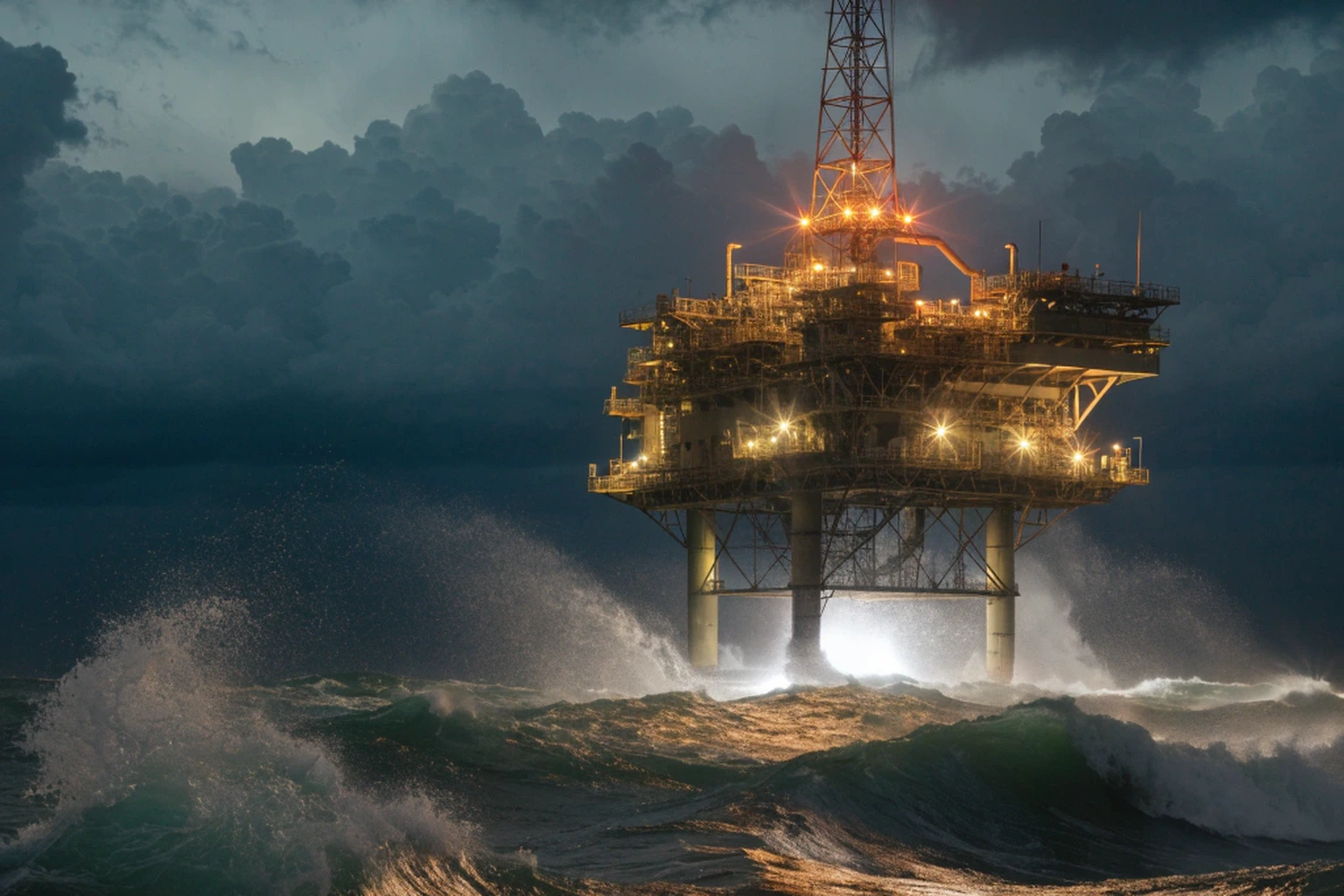
伊朗的能源和经济
伊朗是一个大国家。它有很多石油和天然气。这些是伊朗很重要的能源。能源对伊朗的经济非常重要。 伊朗的石油和天然气工业很早以前就开始了。石油是伊朗经济的发动机。 这些能源让伊朗成为一个世界上的重要国家。它们也对世界很重要。
语法聚焦
句型: "是"字句
"伊朗是一个大国家。"
"是"是一个动词,表示“是”什么。它连接主语和后面的名词或名词短语,说明主语的身份或性质。
句型: "有"字句
"它有很多石油和天然气。"
"有"是一个动词,表示拥有或者存在。它说明主语拥有“有”后面的东西。
测试你的理解
10 个问题 · A1 初学 · 1 次免费预览
伊朗:石油和天然气的故事
伊朗是一个重要的国家。它的经济主要依靠石油和天然气。石油和天然气对伊朗非常重要,因为它们帮助伊朗发展。
伊朗有很多石油和天然气。它有世界第二多的天然气和第四多的石油。所以,伊朗是世界上一个重要的能源国家。
伊朗的石油工业历史很长。一百多年前,在1908年,人们在伊朗发现了石油。这是伊朗第一个重要的石油发现。从那时起,石油和天然气工业就一直是伊朗经济的“发动机”。这个工业让伊朗变得更强大,也让很多人有工作。
现在,伊朗继续生产和出口石油和天然气。这不仅对伊朗很重要,对世界能源市场也很重要。伊朗的能源部门是一个非常大的部分。
语法聚焦
句型: 因为...所以...
"石油和天然气对伊朗非常重要,因为它们帮助伊朗发展。"
这个结构用来连接原因和结果。 “因为” 放在原因前面,表示原因;“所以” 放在结果前面,表示结果。它说明了为什么会发生某事。
句型: 有...多
"它有世界第二多的天然气和第四多的石油。"
这个短语表示某物有多少或者在某个排名中。在这里,它用来指伊朗拥有很多天然气和石油,并且说明了它们的数量排名。
测试你的理解
11 个问题 · A2 基础 · 1 次免费预览
测试你从这篇文章中学到的知识。回答所有问题即可获得经验值!
题目详情
伊朗的经济主要依靠什么?
你的回答:
正确答案: 石油和天然气
伊朗的石油工业历史不长。
你的回答:
正确答案: 错误
“发现”是什么意思?
你的回答:
正确答案: 找到以前不知道的东西
伊朗是世界上一个重要的______国家。
你的回答:
正确答案: 能源
人们什么时候在伊朗发现了石油?
你的回答:
正确答案: 1908年
The Power of Iran: Oil, Gas, and the Future
Iran is a country that has a long history in the energy sector. For over a hundred years, oil and gas have been the main parts of its economy. The first commercial oil field was discovered in 1908 in Masjed Soleyman. Since then, the industry has seen significant growth and changed the nation.
Today, Iran possesses some of the largest natural gas and crude oil reserves in the world. These resources are managed by large companies that provide energy to many different countries. In recent years, the government has focused on the petrochemical sector. This industry converts oil and gas into products like plastic and fertilizer, which are sold in global markets.
New technology is often used to make the process more efficient. Many modern factories have been built to increase production. Engineers who work in these plants must have high skills because the machinery is very complex. Although there are challenges, the energy sector remains the engine of the Iranian economy. It has provided jobs for thousands of people and continues to support the nation's development.
语法聚焦
句型: Present Perfect
"Since then, the industry has seen significant growth and changed the nation."
We use the present perfect (have/has + past participle) to talk about actions that started in the past and continue to be relevant now. It often appears with words like 'since' or 'for'.
句型: Passive Voice
"The first commercial oil field was discovered in 1908."
The passive voice is used when the action is more important than the person doing it. It is formed using 'be' + the past participle of the main verb.
测试你的理解
11 个问题 · B1 中级 · 1 次免费预览
测试你从这篇文章中学到的知识。回答所有问题即可获得经验值!
When was the first commercial oil field discovered in Iran?
题目详情
When was the first commercial oil field discovered in Iran?
你的回答:
正确答案: 1908
Iran has some of the smallest natural gas reserves in the world.
你的回答:
正确答案: 错误
What does 'efficient' mean?
你的回答:
正确答案: Working well without wasting time
Iran possesses some of the largest natural _____ reserves.
你的回答:
正确答案: gas
What kind of products does the petrochemical industry create?
你的回答:
正确答案: Plastic and fertilizer
伊朗石化与能源产业:百年基石与未来展望
伊朗的石化与能源产业不仅是其历史的见证,更是其现代经济的强大引擎,承载着一个多世纪的工业发展历程。自1908年在马斯吉德-苏莱曼发现石油,标志着中东地区首次商业性石油开采以来,该行业便奠定了伊朗在全球能源格局中的关键地位。
作为全球第二大天然气储量国和第四大已探明原油储量国,伊朗在国际能源安全领域扮演着举足轻重的角色。其丰富的油气资源不仅为国家提供了主要的经济收入,而且使其成为中东地区乃至全球地缘政治中的重要参与者。该产业的发展,从勘探、开采到炼化、出口,形成了一个庞大而复杂的工业体系,直接关系到伊朗的财政收入、就业率以及基础设施建设。
然而,尽管拥有巨大的资源优势,伊朗的石化与能源产业也面临着多重挑战。国际制裁长期以来限制了其技术引进、资金流动和市场准入,阻碍了产业的现代化升级和产能扩张。此外,全球能源市场波动、环保压力以及国内基础设施老化等问题,也给该行业的持续发展带来了不小的考验。
为了应对这些挑战,伊朗政府正积极寻求多元化发展策略,包括加大对非石油经济领域的投资,以及在能源领域内推动天然气液化(LNG)项目和可再生能源的开发。他们也在努力吸引外国投资,以期通过技术合作和资金注入来提升产业竞争力。尽管道路崎岖,但伊朗深知其能源产业对于国家独立和繁荣的战略意义,并持续为其注入新的活力。
总而言之,伊朗的石化与能源产业是其经济的生命线,也是其国际影响力的重要来源。理解这一产业的过去、现在与未来,对于洞察伊朗经济发展趋势和地区地缘政治动态具有深远的意义。在复杂的国际环境下,如何有效利用其资源禀赋,并克服外部障碍,将是伊朗未来发展的重要课题。
语法聚焦
句型: 不仅...而且...
"伊朗的石化与能源产业不仅是其历史的见证,更是其现代经济的强大引擎。"
这个句式用于连接两个并列的、递进的成分,表示“不只是第一个方面,还有第二个更重要的方面”。“不仅”放在第一个分句前,“而且”放在第二个分句前。
句型: 以...为...
"自1908年在马斯吉德-苏莱曼发现石油,标志着中东地区首次商业性石油开采以来,该行业便奠定了伊朗在全球能源格局中的关键地位。"
“以...为...”表示“把...作为...”或“以...作为...”。在这个例子中,“以”引导的短语“石油开采”是“标志着”这个动作的手段或方式,而“关键地位”则是“奠定”的结果。
句型: 尽管...然而/但是...
"尽管拥有巨大的资源优势,伊朗的石化与能源产业也面临着多重挑战。"
这个句式用于表达转折关系,表示前一个分句是事实或情况,后一个分句是与前一个分句不符或出乎意料的结果。通常“尽管”引导让步状语从句,而“然而”或“但是”则引出转折内容。
测试你的理解
11 个问题 · B2 中高级 · 1 次免费预览
测试你从这篇文章中学到的知识。回答所有问题即可获得经验值!
题目详情
根据文章,伊朗的石化与能源产业扮演着什么角色?
你的回答:
正确答案: 举足轻重的角色
伊朗拥有世界第三大天然气储量。
你的回答:
正确答案: 错误
“阻碍”在文章中的意思是什么?
你的回答:
正确答案: 使事物不能顺利进行或发展
国际______长期以来限制了伊朗的技术引进和市场准入。
你的回答:
正确答案: 制裁
以下哪项不是伊朗石化与能源产业面临的挑战?
你的回答:
正确答案: 技术引进非常顺利
The Petrochemical Paradigm: Iran’s Strategic Energy Evolution
Seldom has the economic trajectory of a nation been so inextricably linked to its subterranean wealth as that of Iran. Since the epoch-making discovery of oil in Masjed Soleyman in 1908, the energy sector has constituted the backbone of the Iranian economy, dictating fiscal policy and shaping geopolitical relations. However, the contemporary narrative of Iran's energy sector represents a departure from mere resource extraction. What we are witnessing today is a paradigm shift: a strategic transition from the passive export of raw crude to the active development of a sophisticated petrochemical apparatus. This evolution is not merely an economic preference but a strategic imperative designed to ensure long-term stability.
Possessing the world’s second-largest natural gas reserves and the fourth-largest proven crude oil reserves, Iran occupies a position of formidable influence within the global energy matrix. Yet, the monetization of these vast assets requires more than simple drilling and pipeline construction. It is the maximization of the value chain that currently preoccupies policymakers and industrial planners alike. The rapid expansion of petrochemical complexes, particularly along the Persian Gulf coast, serves as a testament to this ambition. By converting raw hydrocarbons into high-value polymers, fertilizers, and plastics, the nation aims to insulate its economy from the volatile fluctuations of global oil prices, creating a buffer against external economic shocks.
Nevertheless, this industrial maturation is fraught with significant hurdles. The imposition of international sanctions has undeniably impeded the acquisition of cutting-edge foreign technology, forcing the sector to look inward. While this isolation has precipitated a reliance on indigenous engineering and domestic innovation, it has arguably constrained the pace of modernization in certain high-tech sub-sectors. Despite these constraints, the industry has demonstrated remarkable resilience, maintaining production levels and even expanding capacity in petrochemicals through reverse engineering and local adaptation.
Furthermore, a critical analysis of the sector reveals a pressing internal challenge: energy efficiency. The domestic consumption of energy in Iran is disproportionately high relative to its GDP, driven largely by historical subsidies. Were Iran to rationalize its internal energy pricing and consumption patterns, the surplus natural gas available for export and industrial feedstock would increase substantially. The nominalisation of this issue in government five-year plans indicates an awareness of the problem, though implementation remains a complex socio-political endeavor.
Ultimately, the petrochemical and energy sector acts as a catalyst for broader industrial growth and employment. The integration of upstream extraction with downstream processing facilitates a more robust, diversified economic structure. It is this value-added approach that will likely define the future of Iranian energy, transforming the nation from a traditional commodity provider into a technological hub for petrochemical excellence.
语法聚焦
句型: 否定倒装 (Negative Inversion)
"Seldom has the economic trajectory of a nation been so inextricably linked to its subterranean wealth as that of Iran."
用来加强语气和修辞分量。当句子以否定副词(如 'Seldom', 'Rarely', 'Never')开头时,助动词(如 'has')要放在主语('the economic trajectory')之前。
句型: 分裂句 (Cleft Sentences)
"It is the maximization of the value chain that currently preoccupies policymakers and industrial planners alike."
这种句型('It is X that...')让作者可以将注意力集中在句子的特定元素上(这里是 'the maximization of the value chain',即价值链的最大化),而不是执行动作的主语。
句型: 倒装虚拟语气 (Inverted Conditional)
"Were Iran to rationalize its internal energy pricing and consumption patterns, the surplus natural gas available for export would increase substantially."
这是 'If Iran were to rationalize...' 的正式替代表达。通过省略 'if' 并倒装主语和助动词('Were Iran'),语气显得更加假设性和高级。
测试你的理解
12 个问题 · C1 高级 · 1 次免费预览
测试你从这篇文章中学到的知识。回答所有问题即可获得经验值!
题目详情
关于伊朗能源部门,文章描述的主要战略转变是什么?
你的回答:
正确答案: 从单纯的原油开采转向高附加值的石化生产。
根据文章,国际制裁已经完全停止了伊朗石化工业的发展。
你的回答:
正确答案: 错误
哪个词的意思最接近 'Impede'?
你的回答:
正确答案: 阻碍 (Obstruct)
石化行业充当了更广泛工业增长和就业的 _____。
你的回答:
正确答案: catalyst
合理化国内能源消费会产生什么影响?
你的回答:
正确答案: 它会增加可用于出口的天然气盈余。
伊朗拥有世界上已探明储量最大的原油。
你的回答:
正确答案: 错误
Hydrocarbon Hegemony and the Imperative of Diversification: Iran’s Energy Matrix
The discovery of oil in Masjed Soleyman in 1908 did not merely represent an economic windfall; it constituted a seismic shift in the geopolitical architecture of the Middle East. Rarely has a singular event so profoundly altered the trajectory of a nation, embedding the hydrocarbon industry as the sine qua non of Iran’s modernization efforts. Today, Iran stands as a colossus in the global energy arena, boasting the world’s second-largest natural gas reserves and the fourth-largest proven crude oil reserves. Yet, to view this sector solely through the lens of extraction would be to overlook the profound transformation it has undergone. The contemporary narrative of Iranian energy is one of strategic evolution, moving from simple exportation to complex value creation via a burgeoning petrochemical industry.
The sheer magnitude of Iran's reserves provides it with a distinct form of regional hegemony, allowing it to influence market dynamics and geopolitical alliances alike. However, reliance on raw resource exportation is fraught with peril. Were Iran to remain tethered exclusively to the sale of crude oil, its economy would be perpetually vulnerable to the vicissitudes of global market prices and external political pressures. Consequently, state policy has pivoted aggressively towards the downstream sector. By converting hydrocarbons into polymers, fertilizers, and chemical feedstocks, the nation not only captures greater economic value but also insulates itself against the volatility inherent in commodity trading. This strategic shift is not merely an economic preference; it is an existential imperative for long-term stability.
Developing this downstream capacity has required overcoming substantial hurdles, particularly regarding access to advanced technology. In response to international restrictions, there has been a marked concomitant rise in indigenous engineering capabilities. Iranian firms have increasingly assumed roles previously reserved for foreign conglomerates, designing complex refineries and synthesizing proprietary catalysts. While this drive for self-sufficiency has occasionally precipitated delays due to the steep learning curve involved, the long-term result is a more resilient industrial base, less susceptible to external shocks.
Nevertheless, the sector faces significant exigencies that cannot be ignored. Much of the energy infrastructure is aging, requiring substantial capital investment to maintain efficiency and safety standards. Furthermore, the global paradigm shift towards renewable energy poses a theoretical and practical challenge to traditional petrostates. It is essential that Iran utilize its current hydrocarbon revenues to ameliorate environmental degradation and fund the transition towards a more diversified energy portfolio. The high carbon intensity of the petrochemical sector, coupled with domestic water scarcity, necessitates the adoption of greener technologies.
Ultimately, the Iranian petrochemical and energy sector represents a complex dichotomy of legacy and innovation. It is the engine of national growth and the primary source of hard currency, yet it also embodies the challenges of a resource-dependent economy striving for modernity. As the world inexorably moves towards decarbonization, the resilience of this sector will depend not on the volume of oil extracted, but on the sophistication with which it is processed and the wisdom with which its revenues are reinvested. The path forward requires a delicate balancing act: exploiting vast fossil fuel wealth while simultaneously laying the groundwork for a post-carbon future.
语法聚焦
句型: Inversion with Negative Adverbials
"Rarely has a singular event so profoundly altered the trajectory of a nation."
When a sentence starts with a negative or restrictive adverb (like 'Rarely', 'Never', 'Seldom'), the auxiliary verb is placed before the subject to add dramatic emphasis and rhetorical weight.
句型: Inverted Conditional Forms
"Were Iran to remain tethered exclusively to the sale of crude oil, its economy would be perpetually vulnerable."
In formal English, 'if' can be omitted in conditional sentences by inverting the subject and auxiliary verb (e.g., 'Were Iran to...' instead of 'If Iran were to...'). This creates a more academic tone.
句型: Subjunctive Mood
"It is essential that Iran utilize its current hydrocarbon revenues to ameliorate environmental degradation."
The subjunctive mood is used after adjectives expressing importance or necessity (like 'essential', 'imperative'). The verb remains in its base form ('utilize', not 'utilizes') regardless of the subject.
测试你的理解
12 个问题 · C2 精通 · 1 次免费预览
测试你从这篇文章中学到的知识。回答所有问题即可获得经验值!
According to the article, why has Iran pivoted towards the downstream petrochemical sector?
题目详情
According to the article, why has Iran pivoted towards the downstream petrochemical sector?
你的回答:
正确答案: To capture greater economic value and insulate the economy from global price volatility.
The article suggests that the development of indigenous technologies was purely a matter of economic preference, not necessity.
你的回答:
正确答案: 错误
Which word from the text implies 'an urgent need or demand'?
你的回答:
正确答案: Exigency
The development of __________ technologies has become paramount in response to international restrictions.
你的回答:
正确答案: indigenous
What does the author imply about the future of the sector?
你的回答:
正确答案: It must balance fossil fuel exploitation with investment in a post-carbon future.
The discovery of oil in Masjed Soleyman is described as a minor event with little geopolitical impact.
你的回答:
正确答案: 错误

