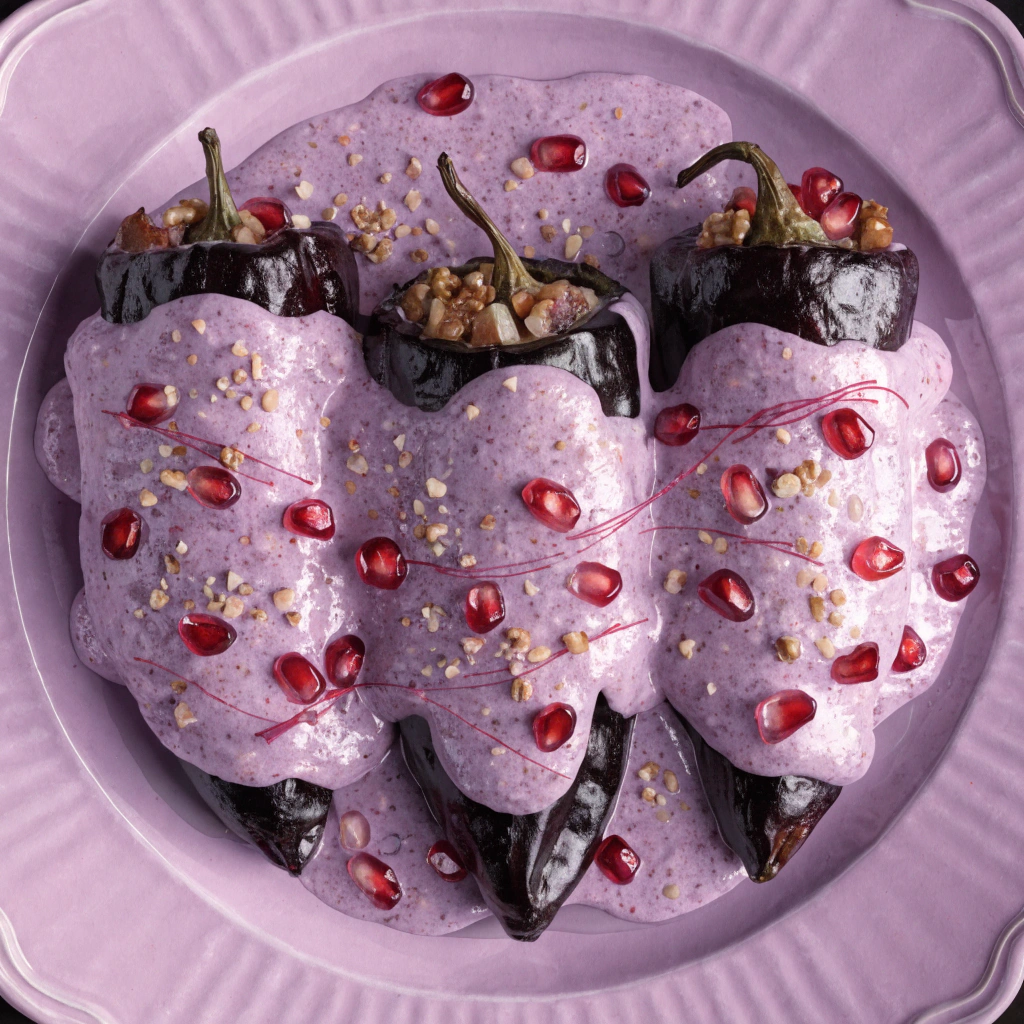
A Famous Mexican Dish: Chiles en Nogada
Mexico has a special food in August. It is called Chiles en Nogada. This dish is very famous and beautiful. It has three colors: green, white, and red. These are the colors of the Mexican flag.
The dish uses green peppers. Inside the peppers, there is meat and fruit. On top, there is a white sauce. This sauce is made of walnuts. Then, people put red pomegranate seeds on it.
People eat this dish to celebrate Mexican independence. It is a very important tradition. Families eat together and enjoy the delicious food. It is only available in late summer.
문법 스포트라이트
패턴: Present Simple (Be verb)
"It is a very important tradition."
We use 'is' with singular subjects like 'it' or 'he'. It is used to describe facts or characteristics.
패턴: There is / There are
"Inside the peppers, there is meat and fruit."
We use 'there is' to say that something exists. Use 'there is' for singular or uncountable nouns.
이해도를 테스트하세요
10 질문 · A1 초급 · 무료 미리보기 1회
이 기사에서 배운 내용을 테스트하세요. 모든 질문에 답하여 XP를 획득하세요!
When is this dish usually available?
문제별 결과
When is this dish usually available?
내 답변:
정답: In August
The dish has the same colors as the Mexican flag.
내 답변:
정답: 참
What is a 'tradition'?
내 답변:
정답: A custom from the past
Families eat _____ and enjoy the delicious food.
내 답변:
정답: together
A Special Mexican Dish: Chiles en Nogada
In Mexico, August is a very special month for food. People wait all year to eat Chiles en Nogada. This dish is only available in late summer because the ingredients are seasonal. You need fresh walnuts and sweet pomegranates to make it.
The dish is famous because it has the colors of the Mexican flag. There is a green chili pepper filled with meat and fruit. Then, there is a white sauce made of walnuts. Finally, there are red pomegranate seeds on top. It looks more colorful than most other meals in the country.
The history of the dish is very interesting. In 1821, some nuns in the city of Puebla wanted to celebrate a famous general. They created this recipe for him because he helped Mexico become independent. Today, families eat this meal together to celebrate their country and history. It is a delicious and important tradition for every Mexican person.
문법 스포트라이트
패턴: Comparative Adjectives
"It looks more colorful than most other meals in the country."
We use 'more' with long adjectives to compare two things. We use 'than' after the adjective to introduce the second thing.
패턴: Past Simple (Regular Verbs)
"They created this recipe for him because he helped Mexico become independent."
We add '-ed' to regular verbs like 'create' and 'help' to talk about finished actions in the past. This is used for historical events.
이해도를 테스트하세요
11 질문 · A2 초등급 · 무료 미리보기 1회
이 기사에서 배운 내용을 테스트하세요. 모든 질문에 답하여 XP를 획득하세요!
When is Chiles en Nogada usually available?
문제별 결과
When is Chiles en Nogada usually available?
내 답변:
정답: In late summer
The dish has the same colors as the Mexican flag.
내 답변:
정답: 참
What does 'independent' mean?
내 답변:
정답: Free from control
The dish has the colors of the Mexican _____.
내 답변:
정답: flag
Where did the nuns who created the recipe live?
내 답변:
정답: Puebla
멕시코의 특별한 요리, 칠레스 엔 노가다
멕시코에 8월이 오면, 특별한 요리에 대한 기대감이 커집니다. 바로 '칠레스 엔 노가다'라는 음식인데요, 이 요리는 멕시코의 대표적인 계절 음식으로, 늦여름에만 맛볼 수 있습니다. 그 이유는 이 요리의 핵심 재료인 호두(누에스 데 카스티야)와 석류가 이 시기에 수확되기 때문입니다. 신선한 재료가 없으면 이 요리를 제대로 만들 수 없습니다.
칠레스 엔 노가다는 단순한 음식이 아니라, 멕시코의 역사와 깊이 연결되어 있습니다. 이 음식은 멕시코의 독립을 기념하는 애국적인 요리로 알려져 있습니다. 멕시코 국기의 세 가지 색깔인 초록색(고추), 흰색(노가다 소스), 빨간색(석류)을 담고 있어서 더욱 특별합니다.
전설에 따르면, 1821년에 푸에블라의 산타 모니카 수도원 수녀들이 이 요리를 처음 만들었다고 합니다. 당시 멕시코 독립 전쟁에서 중요한 역할을 했던 아구스틴 데 이투르비데 장군을 환영하기 위해 이 음식을 준비했습니다. 수녀들은 이투르비데 장군이 푸에블라를 방문했을 때, 그를 위해 특별하고 상징적인 요리를 대접하고 싶어 했습니다. 그래서 그들은 그 지역의 제철 재료를 사용하여 이 아름답고 맛있는 요리를 만들어냈습니다.
칠레스 엔 노가다는 멕시코 사람들에게 여름의 마지막을 알리는 동시에, 나라의 독립 정신을 되새기는 중요한 문화적 상징이 되어 왔습니다. 매년 이맘때가 되면 많은 사람들이 이 특별한 요리를 맛보기 위해 식당을 찾습니다. 독특한 맛과 아름다운 색깔, 그리고 깊은 역사적 의미를 가진 칠레스 엔 노가다는 멕시코의 자랑스러운 유산 중 하나입니다.
문법 스포트라이트
패턴: 피동 표현 (~어/아지다)
"이 요리는 멕시코의 독립을 기념하는 애국적인 요리로 알려져 있습니다."
이 문법은 어떤 행동이 다른 것에 의해 '되다'는 의미의 피동 표현입니다. 동사의 어간에 '-어지다' 또는 '-아지다'를 붙여 만들 수 있습니다. 주어가 동작을 직접 하는 것이 아니라, 동작의 영향을 받는다는 것을 나타낼 때 사용합니다.
패턴: 관형사형 어미 (~는/은/을)
"멕시코 독립 전쟁에서 중요한 역할을 했던 아구스틴 데 이투르비데 장군을 환영하기 위해 이 음식을 준비했습니다."
이 문법은 동사나 형용사를 명사 앞에서 명사를 꾸며주는 관형사로 만들어 줍니다. 현재 시제는 '-는', 과거 시제는 '-은/ㄴ', 미래 시제는 '-을/ㄹ'을 사용합니다. 문장에서 어떤 명사에 대한 추가 정보를 설명할 때 유용합니다.
이해도를 테스트하세요
11 질문 · B1 중급 · 무료 미리보기 1회
이 기사에서 배운 내용을 테스트하세요. 모든 질문에 답하여 XP를 획득하세요!
칠레스 엔 노가다를 늦여름에만 맛볼 수 있는 가장 큰 이유는 무엇입니까?
문제별 결과
칠레스 엔 노가다를 늦여름에만 맛볼 수 있는 가장 큰 이유는 무엇입니까?
내 답변:
정답: 핵심 재료들이 이 시기에 수확되기 때문입니다.
칠레스 엔 노가다는 멕시코 국기의 색깔과 관련이 없습니다.
내 답변:
정답: 거짓
'수도원'은 무엇을 의미합니까?
내 답변:
정답: 종교인들이 생활하는 건물
칠레스 엔 노가다는 멕시코의 역사와 깊이 _____ 되어 있습니다.
내 답변:
정답: 연결
전설에 따르면, 칠레스 엔 노가다는 누구를 환영하기 위해 만들어졌습니까?
내 답변:
정답: 아구스틴 데 이투르비데 장군
A Culinary Tribute: The Legacy of Chiles en Nogada
As the heat of the Mexican summer reaches its peak in August, a sense of culinary anticipation begins to spread across the nation. This period marks the arrival of Chiles en Nogada, a dish that is far more than a mere meal; it is a profound expression of Mexican identity and history. Unlike many contemporary dishes that are available year-round, this particular delicacy is strictly seasonal. Its preparation coincides with the harvest of specific ingredients, namely the 'nuez de Castilla' (walnuts) and fresh pomegranates, which only appear during the late summer months.
The origins of Chiles en Nogada are steeped in legend and patriotic fervor. It is widely believed that the recipe was supposedly created by the Augustinian Recollect nuns of the Santa Monica Convent in Puebla. The year was 1821, a pivotal moment in the nation's history as Mexico was finally securing its independence from Spanish colonial rule. The dish was reportedly designed to honor Agustín de Iturbide, a military leader who had signed the Treaty of Córdoba. Consequently, the ingredients were chosen with great care to mirror the colors of the new national flag: green, white, and red.
The composition of the dish is both visually striking and gastronomically complex. It consists of a roasted poblano chili, representing the green of the flag, which is typically stuffed with a 'picadillo'—a mixture of shredded meat, dried fruits, and spices. This is then covered in an elaborate walnut sauce, which provides the white background of the flag. Finally, the dish is garnished with vibrant pomegranate seeds, which represent the red stripe. This combination of sweet and savory flavors, coupled with the creamy texture of the sauce, creates a unique sensory experience that has been celebrated for over two centuries.
Furthermore, the process of making Chiles en Nogada is notoriously labor-intensive. From peeling the walnuts to carefully roasting and seeding the chilies, the preparation requires a level of patience and skill that is often passed down through generations. Despite the modernization of many traditional recipes, most families and restaurants still adhere to the authentic methods to preserve their cultural heritage. Ultimately, Chiles en Nogada serves as a powerful reminder of the unification of the Mexican people. It is a seasonal tribute that continues to signify the pride and resilience of a nation that fought for its sovereignty.
문법 스포트라이트
패턴: Passive Voice (Past Simple)
"The recipe was supposedly created by the Augustinian Recollect nuns of the Santa Monica Convent in Puebla."
The passive voice is used here to focus on the recipe rather than the specific individuals. It is formed using 'was/were' + the past participle.
패턴: Non-defining Relative Clauses
"This is then covered in an elaborate walnut sauce, which provides the white background of the flag."
This clause adds extra information about the walnut sauce. It is separated by a comma and uses 'which' for things.
패턴: Present Perfect Passive
"This combination of sweet and savory flavors... has been celebrated for over two centuries."
This pattern shows an action that started in the past and continues to be true today. It is formed with 'has/have been' + the past participle.
이해도를 테스트하세요
11 질문 · B2 중상급 · 무료 미리보기 1회
이 기사에서 배운 내용을 테스트하세요. 모든 질문에 답하여 XP를 획득하세요!
Why is Chiles en Nogada only available during the late summer?
문제별 결과
Why is Chiles en Nogada only available during the late summer?
내 답변:
정답: Because the key ingredients are only harvested then
The colors of the dish were chosen to represent the Spanish colonial flag.
내 답변:
정답: 거짓
What does the word 'heritage' refer to in the text?
내 답변:
정답: Cultural traditions and history
It is a seasonal _____ that continues to signify the pride and resilience of a nation.
내 답변:
정답: tribute
Who was the dish originally intended to honor?
내 답변:
정답: Agustín de Iturbide
Chiles en Nogada: The Ephemeral Intersection of Gastronomy and National Identity
Seldom has a culinary creation so perfectly encapsulated the nascent spirit of a nation as the Chile en Nogada. As the sweltering heat of the Mexican summer reaches its zenith in August, a palpable sense of anticipation permeates the gastronomic landscape. This dish is not merely a seasonal delicacy; it is a temporal phenomenon, strictly dictated by the unforgiving laws of seasonality. The arrival of the ‘nuez de Castilla’ (walnuts) and the vibrant pomegranate seeds signals a fleeting window of availability that food enthusiasts across the globe observe with reverence.
It was the Augustinian Recollect nuns of the Santa Monica Convent in Puebla who, in 1821, allegedly orchestrated this complex recipe to honor Agustín de Iturbide. Following the signing of the Treaty of Córdoba, which solidified Mexican independence, the dish was presented as a visual homage to the new national flag. The green of the poblano chili, the white of the walnut sauce, and the red of the pomegranate seeds represent a confluence of culinary artistry and political symbolism. While historical veracity regarding the exact origin is often debated by scholars, the cultural significance of the dish remains undisputed.
The preparation of Chiles en Nogada is notoriously arduous, requiring a level of patience that defies modern fast-food sensibilities. Central to its quintessential flavor profile is the meticulous peeling of individual walnuts to ensure the nogada sauce remains ivory-white and free from bitterness. This labor-intensive process, often involving entire families, highlights the communal nature of Mexican heritage. The filling—a sophisticated picadillo of meat, dried fruits, and local spices—further complicates the palate, offering a nuanced balance between savory and sweet notes.
In contemporary Mexico, the commodification of this tradition presents a fascinating sociological study. Not only does the dish serve as a source of local pride, but it also prompts critical discussions regarding the preservation of authentic ingredients versus modern culinary innovation. The tension between maintaining the integrity of the 19th-century recipe and adapting to globalized supply chains reflects broader societal shifts. Ultimately, the consumption of Chiles en Nogada transcends mere sustenance; it is a ritualistic participation in history, a fleeting taste of a revolution that continues to define the Mexican psyche.
문법 스포트라이트
패턴: Negative Inversion
"Seldom has a culinary creation so perfectly encapsulated the nascent spirit of a nation as the Chile en Nogada."
Inversion is used after negative or restrictive adverbs like 'seldom' to create a formal or dramatic effect. The auxiliary verb precedes the subject.
패턴: Cleft Sentences
"It was the Augustinian Recollect nuns of the Santa Monica Convent in Puebla who, in 1821, allegedly orchestrated this complex recipe."
This structure (It + be + subject + relative clause) is used to focus on a specific piece of information, in this case, the creators of the dish.
패턴: Nominalisation
"The commodification of this tradition presents a fascinating sociological study."
Nominalisation involves turning verbs or adjectives into nouns. Here, 'commodification' (from commodify) makes the tone more academic and objective.
이해도를 테스트하세요
12 질문 · C1 고급 · 무료 미리보기 1회
이 기사에서 배운 내용을 테스트하세요. 모든 질문에 답하여 XP를 획득하세요!
What is the primary reason for the dish's limited seasonal availability?
문제별 결과
What is the primary reason for the dish's limited seasonal availability?
내 답변:
정답: The harvest time of walnuts and pomegranates
The historical origins of the dish are definitively proven and never questioned by scholars.
내 답변:
정답: 거짓
Which word describes a task that is extremely difficult and requires much effort?
내 답변:
정답: Arduous
The meticulous _____ of walnuts is necessary to prevent the sauce from becoming bitter.
내 답변:
정답: peeling
What do the colors of the dish represent?
내 답변:
정답: The colors of the Mexican national flag
The text suggests that the dish is both a source of pride and a subject of sociological debate.
내 답변:
정답: 참
멕시코의 국기(國技)를 담은 미식, 칠레스 엔 노가다(Chiles en Nogada)의 미학적 고찰
매년 8월, 멕시코 전역은 미묘하면서도 강렬한 미식적 기대감으로 술렁입니다. 이는 다름 아닌 '칠레스 엔 노가다(Chiles en Nogada)'라는 특별한 요리의 등장을 알리는 신호탄이라 할 수 있습니다. 이 음식은 단순히 한 끼 식사를 넘어, 멕시코의 역사와 문화적 정체성을 함축하고 있는 상징적 존재로 평가받습니다. 특히, 이 요리가 오직 늦여름에서 초가을에 걸쳐 한정적으로만 맛볼 수 있다는 사실은 그 희소성과 가치를 더욱 부각하는 요소로 작용합니다.
이 요리의 핵심은 주재료의 계절성에서 비롯됩니다. 호두(nuez de Castilla)와 석류(granada)는 오직 이 시기에만 최고의 풍미와 신선도를 자랑하며 수확되기에, 칠레스 엔 노가다는 자연의 섭리에 순응하는 미식의 표본이라 칭해도 무방할 것입니다. 만약 이 시기를 놓친다면, 일 년을 다시 기다려야 하는 인내심을 요구하는 미식이 아닐 수 없습니다. 이러한 계절적 제약은 이 음식을 단순한 먹거리가 아닌, 하나의 문화적 의례이자 기다림의 미학으로 승화시키는 데 일조합니다.
칠레스 엔 노가다의 역사적 뿌리는 멕시코 독립과 깊이 연관되어 있습니다. 전설에 따르면, 1821년 아구스틴 데 이투르비데(Agustín de Iturbide) 장군의 멕시코 독립군이 멕시코시티로 진군하던 중 푸에블라(Puebla)에 당도했을 때, 산타 모니카 수도원의 아우구스티누스 수녀들이 그를 환영하기 위해 이 요리를 고안했다고 전해집니다. 당시 수녀들은 갓 수확한 제철 재료들을 활용하여 멕시코 국기의 세 가지 색상, 즉 초록색(고추), 흰색(노가다 소스), 빨간색(석류)을 접시에 담아냈으니, 이는 단순한 환대가 아닌 독립의 열망과 국가적 자긍심을 표현하는 숭고한 행위였음에 틀림없습니다.
이처럼 칠레스 엔 노가다는 단순한 음식의 범주를 넘어 멕시코 민족주의의 상징으로 자리매김하였습니다. 독립의 기쁨과 애국심이 음식의 형태로 발현된 사례는 세계적으로도 그 유례를 찾아보기 힘들지 않나 싶습니다. 이는 식문화가 한 국가의 정체성을 형성하고 강화하는 데 얼마나 지대한 영향을 미칠 수 있는지를 여실히 보여주는 방증이기도 합니다. 이 요리 한 접시에는 멕시코인의 뜨거운 피와 역사적 서사가 고스란히 녹아들어 있다고 해도 과언이 아닐 것입니다.
물론, 이 요리의 조리 과정은 결코 간단치 않습니다. 포블라노 고추에 다진 고기, 과일, 견과류 등을 섞어 만든 소를 채우고, 호두 소스인 '노가다(nogada)'를 듬뿍 얹은 후 마지막으로 석류 씨와 파슬리로 장식하는 일련의 과정은 상당한 정성과 숙련도를 요구합니다. 이 모든 재료가 어우러져 만들어내는 복합적인 맛의 향연은 단짠의 조화를 넘어, 고소함과 상큼함, 그리고 은은한 매콤함이 절묘하게 균형을 이루는 미식적 경험을 선사합니다. 이는 단순한 미각의 만족을 넘어선, 오감을 자극하는 예술의 경지에 가깝다고 보아도 무방할 것입니다.
결론적으로, 칠레스 엔 노가다는 멕시코의 찬란한 역사와 풍요로운 자연이 빚어낸 걸작이라 할 만합니다. 계절의 한정성, 독립의 상징성, 그리고 조리 과정의 복잡성까지, 이 모든 요소가 이 음식을 단순한 식사가 아닌 하나의 문화유산으로 격상시킵니다. 멕시코를 방문할 기회가 생긴다면, 이 시기에 맞춰 칠레스 엔 노가다를 꼭 경험해 보시기를 권합니다. 그 한 접시에는 멕시코인들의 삶과 정신이 고스란히 담겨 있으니, 어찌 그 맛이 단순할 수 있겠습니까. 이는 멕시코의 심장을 맛보는 경험이 될 것입니다.
문법 스포트라이트
패턴: A-(으)며 B
"매년 8월, 멕시코 전역은 미묘하면서도 강렬한 미식적 기대감으로 술렁입니다."
이 패턴은 두 가지 이상의 상태나 행동이 동시에 일어나거나, 상호 보완적인 관계를 가질 때 사용됩니다. 문어체나 격식적인 상황에서 '그리고'나 '동시에'의 의미로 쓰여 문장을 자연스럽게 연결합니다.
패턴: A-(으)ㄹ 따름이다
"만약 이 시기를 놓친다면, 일 년을 다시 기다려야 하는 인내심을 요구하는 미식이 아닐 수 없습니다."
이 문법은 어떤 사실이나 상황이 오직 그뿐임을 강조할 때 사용됩니다. '단지 ~일 뿐이다'와 유사한 의미로, 다른 선택지나 가능성이 없음을 나타내며 화자의 단정적인 태도를 드러냅니다.
패턴: A-(으)ㅁ에 틀림없다
"이는 단순한 환대가 아닌 독립의 열망과 국가적 자긍심을 표현하는 숭고한 행위였음에 틀림없습니다."
이 패턴은 어떤 사실이나 판단에 대해 강한 확신을 나타낼 때 사용됩니다. '반드시 ~일 것이다', '분명히 ~이다'와 같은 의미로, 추측이 아닌 확정적인 단언을 표현할 때 적합합니다.
이해도를 테스트하세요
12 질문 · C2 마스터 · 무료 미리보기 1회
이 기사에서 배운 내용을 테스트하세요. 모든 질문에 답하여 XP를 획득하세요!
칠레스 엔 노가다가 멕시코에서 특별한 의미를 갖는 주된 이유는 무엇입니까?
문제별 결과
칠레스 엔 노가다가 멕시코에서 특별한 의미를 갖는 주된 이유는 무엇입니까?
내 답변:
정답: 멕시코의 독립 역사와 깊이 연관되어 있기 때문입니다.
칠레스 엔 노가다의 주재료인 호두와 석류는 일년 내내 쉽게 구할 수 있습니다.
내 답변:
정답: 거짓
'승화시키다'의 의미로 가장 적절한 것은 무엇입니까?
내 답변:
정답: 어떤 것을 더 높은 가치나 수준으로 끌어올리다.
칠레스 엔 노가다는 멕시코 _____의 세 가지 색상인 초록색, 흰색, 빨간색을 담고 있습니다.
내 답변:
정답: 국기
칠레스 엔 노가다가 처음 고안된 것으로 전해지는 역사적 사건은 무엇입니까?
내 답변:
정답: 멕시코 독립군의 멕시코시티 진군
필자는 칠레스 엔 노가다의 맛이 단순한 미각의 만족을 넘어선 예술의 경지에 가깝다고 표현하고 있습니다.
내 답변:
정답: 참

