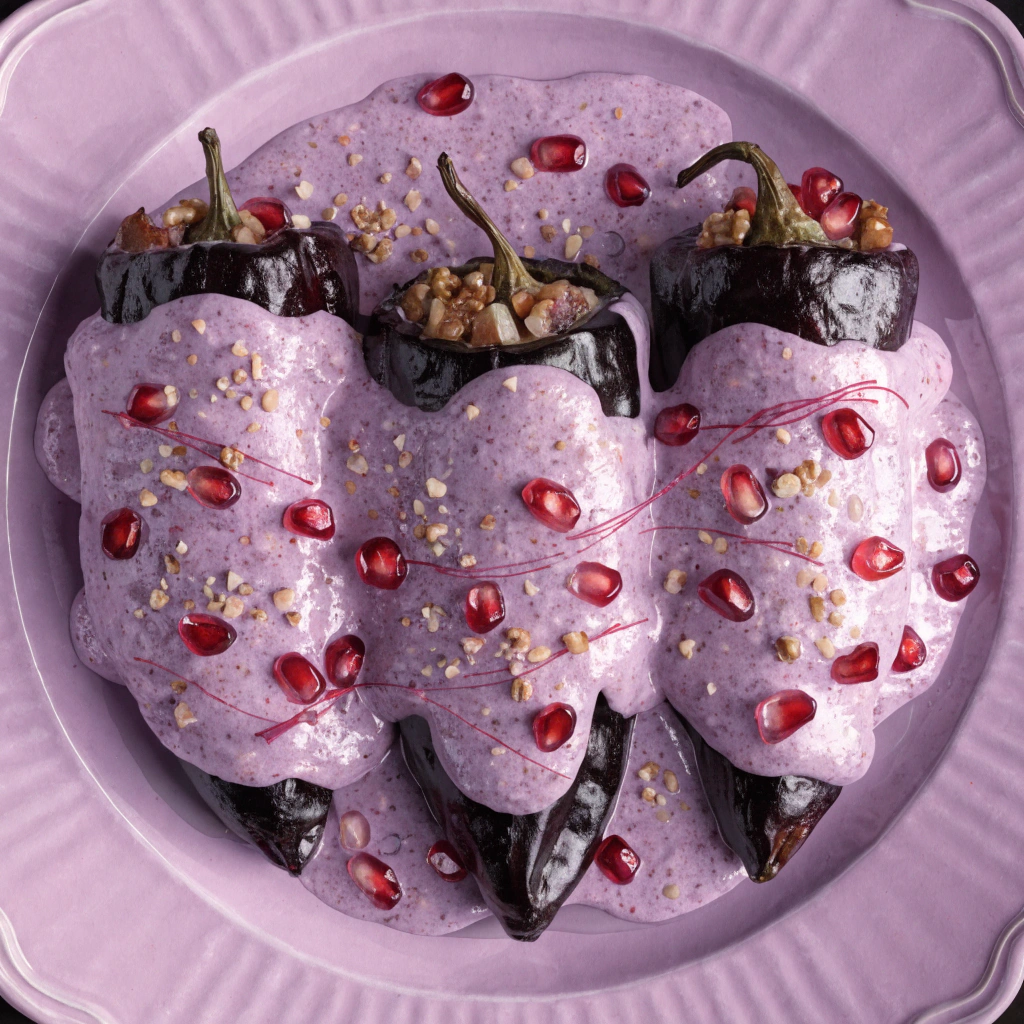
A Famous Mexican Dish: Chiles en Nogada
Mexico has a special food in August. It is called Chiles en Nogada. This dish is very famous and beautiful. It has three colors: green, white, and red. These are the colors of the Mexican flag.
The dish uses green peppers. Inside the peppers, there is meat and fruit. On top, there is a white sauce. This sauce is made of walnuts. Then, people put red pomegranate seeds on it.
People eat this dish to celebrate Mexican independence. It is a very important tradition. Families eat together and enjoy the delicious food. It is only available in late summer.
تسليط الضوء على القواعد
نمط: Present Simple (Be verb)
"It is a very important tradition."
We use 'is' with singular subjects like 'it' or 'he'. It is used to describe facts or characteristics.
نمط: There is / There are
"Inside the peppers, there is meat and fruit."
We use 'there is' to say that something exists. Use 'there is' for singular or uncountable nouns.
اختبر فهمك
10 أسئلة · A1 مبتدئ · معاينة مجانية واحدة
اختبر ما تعلمته من هذا المقال. أجب على جميع الأسئلة لكسب نقاط خبرة!
When is this dish usually available?
هل تريد إنهاء الاختبار؟
9 أسئلة أخرى بانتظارك. سجّل مجاناً لفتح الاختبار الكامل وكسب نقاط خبرة!
سجل مجاناًلديك حساب بالفعل؟ دخول
تفصيل الأسئلة
When is this dish usually available?
إجابتك:
الإجابة الصحيحة: In August
The dish has the same colors as the Mexican flag.
إجابتك:
الإجابة الصحيحة: صحيح
What is a 'tradition'?
إجابتك:
الإجابة الصحيحة: A custom from the past
Families eat _____ and enjoy the delicious food.
إجابتك:
الإجابة الصحيحة: together
A Special Mexican Dish: Chiles en Nogada
In Mexico, August is a very special month for food. People wait all year to eat Chiles en Nogada. This dish is only available in late summer because the ingredients are seasonal. You need fresh walnuts and sweet pomegranates to make it.
The dish is famous because it has the colors of the Mexican flag. There is a green chili pepper filled with meat and fruit. Then, there is a white sauce made of walnuts. Finally, there are red pomegranate seeds on top. It looks more colorful than most other meals in the country.
The history of the dish is very interesting. In 1821, some nuns in the city of Puebla wanted to celebrate a famous general. They created this recipe for him because he helped Mexico become independent. Today, families eat this meal together to celebrate their country and history. It is a delicious and important tradition for every Mexican person.
تسليط الضوء على القواعد
نمط: Comparative Adjectives
"It looks more colorful than most other meals in the country."
We use 'more' with long adjectives to compare two things. We use 'than' after the adjective to introduce the second thing.
نمط: Past Simple (Regular Verbs)
"They created this recipe for him because he helped Mexico become independent."
We add '-ed' to regular verbs like 'create' and 'help' to talk about finished actions in the past. This is used for historical events.
اختبر فهمك
11 أسئلة · A2 ابتدائي · معاينة مجانية واحدة
اختبر ما تعلمته من هذا المقال. أجب على جميع الأسئلة لكسب نقاط خبرة!
When is Chiles en Nogada usually available?
هل تريد إنهاء الاختبار؟
10 أسئلة أخرى بانتظارك. سجّل مجاناً لفتح الاختبار الكامل وكسب نقاط خبرة!
سجل مجاناًلديك حساب بالفعل؟ دخول
تفصيل الأسئلة
When is Chiles en Nogada usually available?
إجابتك:
الإجابة الصحيحة: In late summer
The dish has the same colors as the Mexican flag.
إجابتك:
الإجابة الصحيحة: صحيح
What does 'independent' mean?
إجابتك:
الإجابة الصحيحة: Free from control
The dish has the colors of the Mexican _____.
إجابتك:
الإجابة الصحيحة: flag
Where did the nuns who created the recipe live?
إجابتك:
الإجابة الصحيحة: Puebla
The Patriotic Flavors of Mexico: Chiles en Nogada
Every year in August, a specific culinary anticipation fills the air in Mexico as people wait for a very special dish called Chiles en Nogada. This famous meal is only prepared during the late summer months because it requires fresh ingredients that are harvested only at this time. These seasonal items, which include fresh walnuts and bright pomegranates, are essential for the traditional recipe.
The history of this dish has been linked to Mexican independence for over two hundred years. It is widely believed that the recipe was created in 1821 by the Augustinian nuns in the city of Puebla. They wanted to honor a military leader named Agustín de Iturbide, who had recently helped Mexico gain its freedom from Spain. The nuns used local ingredients to represent the colors of the national flag.
Chiles en Nogada is famous for its beautiful appearance and complex flavors. It consists of a large, green poblano chili that is stuffed with a mixture of meat, dried fruits, and spices. The chili is then covered in a rich, white cream sauce made from walnuts and topped with red pomegranate seeds. Because it uses green, white, and red, the dish has become a powerful symbol of national pride.
Although the preparation is difficult and takes a long time, many families have kept their secret recipes for generations. Today, it remains one of the most important parts of Mexican culture. It is more than just a meal; it is a seasonal celebration that connects the people to their history and their land.
تسليط الضوء على القواعد
نمط: Passive Voice
"It is widely believed that the recipe was created in 1821 by the Augustinian nuns in the city of Puebla."
The passive voice is used when the action or the receiver of the action is more important than the person doing it. It is formed using the verb 'to be' and the past participle of the main verb.
نمط: Present Perfect
"The history of this dish has been linked to Mexican independence for over two hundred years."
The present perfect connects a past action or state to the present time. It is formed with 'have' or 'has' plus the past participle.
اختبر فهمك
11 أسئلة · B1 متوسط · معاينة مجانية واحدة
اختبر ما تعلمته من هذا المقال. أجب على جميع الأسئلة لكسب نقاط خبرة!
Why is Chiles en Nogada only available in late summer?
هل تريد إنهاء الاختبار؟
10 أسئلة أخرى بانتظارك. سجّل مجاناً لفتح الاختبار الكامل وكسب نقاط خبرة!
سجل مجاناًلديك حساب بالفعل؟ دخول
تفصيل الأسئلة
Why is Chiles en Nogada only available in late summer?
إجابتك:
الإجابة الصحيحة: The specific ingredients are harvested then
The dish was originally created in Mexico City.
إجابتك:
الإجابة الصحيحة: خطأ
What does 'essential' mean?
إجابتك:
الإجابة الصحيحة: Extremely important and necessary
The dish has become a powerful _____ of national pride.
إجابتك:
الإجابة الصحيحة: symbol
Which colors are represented in the dish?
إجابتك:
الإجابة الصحيحة: Green, white, and red
تشيليس إن نوغادا: طبق المكسيك الوطني الذي يروي قصة استقلال
مع حلول شهر أغسطس من كل عام، يترقب المكسيكيون بشغف كبير ظهور طبق فريد من نوعه يُعرف بـ "تشيليس إن نوغادا". هذا الطبق ليس مجرد وجبة شهية، بل هو رمز وطني يرتبط ارتباطًا وثيقًا بتاريخ البلاد واستقلالها، ويتميز بكونه موسميًا لا يتوفر إلا في أشهر الصيف المتأخرة، متزامنًا مع حصاد مكوناته الرئيسية الطازجة. إن هذا الترقب السنوي لا يعكس فقط حب المكسيكيين للطعام اللذيذ، بل يجسد أيضًا تقديرهم لتراثهم الثقافي الغني.
تعتمد أصالة "تشيليس إن نوغادا" على توافر مكونات موسمية محددة تبلغ ذروة نضجها في نهاية الصيف. أبرز هذه المكونات هو الجوز الطازج، المعروف محليًا بـ "نويز دي كاستيا"، والذي يُستخدم لإعداد الصلصة البيضاء الغنية (النوغادا) التي تُسكب بسخاء فوق الفلفل. بالإضافة إلى ذلك، يلعب الرمان دورًا حاسمًا، حيث تُستخدم حبوبه الحمراء الزاهية لتزيين الطبق، مانحة إياه لمسة جمالية ونكهة مميزة، إلى جانب الفلفل البوبلانو الأخضر المحشو باللحم والفواكه المجففة. هذه المكونات الثلاثة: الفلفل الأخضر، الصلصة البيضاء، وحبوب الرمان الحمراء، تجسد ألوان العلم المكسيكي، مما يضفي على الطبق بعدًا وطنيًا عميقًا.
تروي الأسطورة أن أصل هذا الطبق يعود إلى عام 1821، عندما ابتكرته راهبات أوغسطينيات من دير سانتا مونيكا في بويبلا. كان الهدف من ابتكاره تكريم الجنرال أغوستين دي إيتوربيدي، قائد الجيش المكسيكي آنذاك، بمناسبة توقيع معاهدة قرطبة التي أعلنت استقلال المكسيك. أرادت الراهبات تقديم طبق يعكس الألوان الوطنية ويحتفي بالحدث التاريخي، فكان "تشيليس إن نوغادا" هو التجسيد الأمثل لهذه الرغبة. وقد حرصن على استخدام المكونات المحلية المتاحة في ذلك الوقت لضمان الأصالة والنكهة الفريدة، مما جعله طبقًا يروي قصة عبر كل لقمة.
يُعد "تشيليس إن نوغادا" أكثر من مجرد وجبة؛ إنه احتفال بالهوية المكسيكية. يُنظر إليه على أنه تحفة فنية تتطلب مهارة ودقة في التحضير، بدءًا من تحضير الفلفل الحار وصولاً إلى إعداد الحشوة الغنية والصلصة المخملية. على الرغم من تعقيده، إلا أن شعبيته لا تزال تتزايد، ويُعتبر تقديمه في شهر أغسطس بمثابة إيذان ببدء احتفالات عيد الاستقلال. إنه يمثل مزيجًا فريدًا من النكهات الحلوة والمالحة والحارة، التي تعكس التنوع الغني للمطبخ المكسيكي وتميزه.
وهكذا، يظل "تشيليس إن نوغادا" ليس فقط طبقًا شهيًا بامتياز، بل هو أيضًا درس في التاريخ والثقافة، يقدم قطعة من روح المكسيك على طبق. إنه تذكير بأن الطعام يمكن أن يكون جسرًا يربط الأجيال ويحافظ على القصص الوطنية حية عبر الأزمان، ويستمر في إلهام الأجيال الجديدة بحب وطنهم وتراثهم.
تسليط الضوء على القواعد
نمط: المبني للمجهول في المضارع
"يُعرف بـ "تشيليس إن نوغادا"."
يُستخدم المبني للمجهول عندما لا يكون الفاعل معروفًا أو عندما لا يكون التركيز عليه. في الفعل المضارع، يُصاغ بضم الحرف الأول وفتح ما قبل الآخر، مثل "يُعرف" من "يعرف".
نمط: المصدر المؤول (أن والفعل المضارع)
"تروي الأسطورة أن أصل هذا الطبق يعود إلى عام 1821."
المصدر المؤول هو تركيب يتألف غالبًا من "أن" والفعل المضارع، ويحل محل المصدر الصريح في الجملة. يُستخدم لتسهيل التعبير عن حدث أو فكرة كاسم، مما يضيف مرونة للجملة.
نمط: عبارة "على الرغم من... إلا أن"
"على الرغم من تعقيده، إلا أن شعبيته لا تزال تتزايد."
تُستخدم هذه العبارة للتعبير عن التناقض أو المفارقة بين فكرتين. تأتي "على الرغم من" متبوعة باسم أو مصدر، ثم "إلا أن" متبوعة بجملة فعلية أو اسمية توضح النتيجة المتناقضة.
اختبر فهمك
11 أسئلة · B2 فوق المتوسط · معاينة مجانية واحدة
اختبر ما تعلمته من هذا المقال. أجب على جميع الأسئلة لكسب نقاط خبرة!
متى يترقب المكسيكيون ظهور طبق "تشيليس إن نوغادا"؟
هل تريد إنهاء الاختبار؟
10 أسئلة أخرى بانتظارك. سجّل مجاناً لفتح الاختبار الكامل وكسب نقاط خبرة!
سجل مجاناًلديك حساب بالفعل؟ دخول
تفصيل الأسئلة
متى يترقب المكسيكيون ظهور طبق "تشيليس إن نوغادا"؟
إجابتك:
الإجابة الصحيحة: في شهر أغسطس
طبق "تشيليس إن نوغادا" متاح طوال العام في المكسيك.
إجابتك:
الإجابة الصحيحة: خطأ
ما معنى كلمة "شغف"؟
إجابتك:
الإجابة الصحيحة: الاهتمام الشديد والحب
تروي الـ _______ أن أصل هذا الطبق يعود إلى عام 1821.
إجابتك:
الإجابة الصحيحة: أسطورة
ما هي الألوان التي تجسدها مكونات طبق "تشيليس إن نوغادا"؟
إجابتك:
الإجابة الصحيحة: الأخضر والأبيض والأحمر
تشيليس إن نوغادا: تحفة مكسيكية عابرة وفخر وطني
مع حلول شهر أغسطس من كل عام، تعم المكسيك حالة ترقب غذائية فريدة، إذ يُعلن عن قدوم موسم طبق "تشيليس إن نوغادا" (Chiles en Nogada) الشهير. ليس هذا الطبق مجرد وجبة عابرة، بل هو تجسيد حي للتاريخ والوطنية المكسيكية، متوفر فقط خلال أشهر الصيف المتأخرة، بالتزامن مع حصاد مكوناته الموسمية الرئيسية: الجوز الكاستيلي (nuez de Castilla) والرمان. إن ما يميز هذا الطبق ليس فقط مذاقه الاستثنائي، بل رمزيته العميقة التي تتشابك مع قصة استقلال الأمة.
تُحكى الأساطير أن هذا الطبق وُلد في عام 1821 على أيدي راهبات دير سانتا مونيكا الأوغسطينيات في بويبلا. كان الهدف منه تكريم أغوستين دي إيتوربيدي، القائد العسكري الذي كان في طريقه لتوقيع معاهدة قرطبة التي أرست استقلال المكسيك. أرادت الراهبات تقديم طبق يعكس ألوان العلم المكسيكي الجديد: الأخضر من فلفل البوبلانو والبقدونس، والأبيض من صلصة الجوز الكريمية (النوغادا)، والأحمر من بذور الرمان. لم يكن الأمر مجرد إبداع طهوي، بل كان بيانًا سياسيًا واحتفالًا بالحرية، ما يجعله أكثر من مجرد وجبة؛ إنه قطعة فنية تاريخية تُروى عبر النكهات.
يتألف "تشيليس إن نوغادا" من فلفل بوبلانو أخضر محشو بـ"بيكاديو"، وهو خليط لحم مفروم يضم فواكه مجففة ومكسرات وتوابل، مما يمنحه توازنًا فريدًا بين الحلاوة والمالحة. يُغطى الفلفل بعد ذلك بصلصة "النوغادا" الغنية، وهي صلصة بيضاء كريمية تُصنع من الجوز الطازج الذي يُحصد خصيصًا لهذا الغرض، ويُزين ببذور الرمان الحمراء والبقدونس المفروم. إن هذه المكونات، التي تُجمع بعناية فائقة، لا تساهم في إضفاء الألوان الوطنية فحسب، بل تُقدم تجربة حسية لا تُنسى، حيث تتداخل النكهات والقوام لتشكل لوحة مذاقية معقدة ومتناغمة.
تكمن فرادة الطبق في اعتماده الكلي على المكونات الموسمية التي لا تتوفر إلا لفترة وجيزة. فجوز الكاستيلا، وهو نوع من الجوز الطازج الذي يُستخدم لصلصة النوغادا، يُعد حجر الزاوية في هذا الطبق. حصاده يتطلب دقة وعناية، ولولاه لما أمكن تحقيق المذاق الأصيل للنوغادا. وكذلك الرمان، الذي يُضيف لمسة من الحموضة والانتعاش، لا يُحصد إلا في أواخر الصيف. هذه القيود الموسمية هي التي تزيد من قيمته وتجعله مناسبة سنوية تُنتظر بشغف، لا مجرد طبق يُقدم على مدار العام. إن هذا التقييد الزمني يرفع من مكانته، محولاً إياه إلى رمز للوفرة الموسمية والاحتفاء بها.
يُعد "تشيليس إن نوغادا" أكثر من مجرد طبق؛ إنه إرث ثقافي متوارث، يجسد روح المكسيك ويُعلي من شأن مطبخها التقليدي. إنه يعكس قدرة المكسيكيين على تحويل أبسط المكونات إلى تحفة فنية تحمل في طياتها قصصًا من البطولة والتضحية. ولا يزال هذا الطبق يحتفظ بمكانته كرمز للفخر الوطني والاحتفال بالهوية المكسيكية، مُقدمًا درسًا في التاريخ والطهي مع كل لقمة. إن هذه التجربة، التي تتجاوز مجرد إشباع الجوع، تُرسخ الارتباط العميق بين الطعام والذاكرة الجماعية للأمة، مما يجعله عنصرًا لا غنى عنه في نسيج الثقافة المكسيكية.
في الختام، "تشيليس إن نوغادا" ليس طبقًا عاديًا، بل هو احتفال بالوطنية المكسيكية، وتتويجًا لموسم حصاد غني، ونافذة على تاريخ أمة. إنه يمثل دعوة لتذوق النكهات العميقة التي لا تتوفر إلا في هذا الوقت من العام، وتأمل في القصة التي يحكيها كل لون ومكون. ولعل هذا الترقب السنوي هو ما يضفي عليه سحره الخاص، جاعلاً منه تجربة لا تُنسى تنتظرها الأذواق بشوق عامًا بعد عام.
تسليط الضوء على القواعد
نمط: المصدر المؤول (Nominalized Clause)
"لم يكن الأمر مجرد إبداع طهوي، بل كان بيانًا سياسيًا واحتفالًا بالحرية، ما يجعله أكثر من مجرد وجبة؛ إنه قطعة فنية تاريخية تُروى عبر النكهات."
يُستخدم المصدر المؤول (وهنا في صيغة ما + الفعل) لتحويل جملة فعلية أو اسمية إلى ما يعادل الاسم، مما يتيح لها أن تكون فاعلاً أو مفعولاً به أو مكملاً. في المثال، 'ما يجعله' تعني 'الذي يجعله'، وهي تعمل كفاعل للجملة التي تليها، وتُضفي تعقيدًا ودقة على التعبير.
نمط: تقديم وتأخير (Inversion for Emphasis)
"تكمن فرادة الطبق في اعتماده الكلي على المكونات الموسمية التي لا تتوفر إلا لفترة وجيزة."
هنا تم تقديم الخبر (تكمن فرادة الطبق) على المبتدأ (في اعتماده). يُستخدم هذا الأسلوب في اللغة العربية لغرض بلاغي وهو التأكيد على المعنى المقدم، ولجذب انتباه القارئ إلى المعلومة الأهم أولاً، مما يُضفي على النص قوة وتأثيرًا.
نمط: أسلوب الشرط المتقدم (Advanced Conditional Structures)
"ولولاه لما أمكن تحقيق المذاق الأصيل للنوغادا."
هذا الأسلوب الشرطي (لولا + اسم + لما + فعل ماضٍ) يُستخدم للتعبير عن شرط ممتنع الوجود في الماضي، أي أن وقوع الجواب (لما أمكن) كان مستحيلاً بسبب عدم وجود الشرط (لولا الجوز). يُظهر هذا التركيب مستوى متقدمًا من التعبير عن العلاقات السببية والمنطقية في الجملة، ويُضفي عليها طابعًا تحليليًا.
اختبر فهمك
12 أسئلة · C1 متقدم · معاينة مجانية واحدة
اختبر ما تعلمته من هذا المقال. أجب على جميع الأسئلة لكسب نقاط خبرة!
ما هو السبب الرئيسي لتوافر طبق "تشيليس إن نوغادا" في أشهر معينة فقط؟
هل تريد إنهاء الاختبار؟
11 أسئلة أخرى بانتظارك. سجّل مجاناً لفتح الاختبار الكامل وكسب نقاط خبرة!
سجل مجاناًلديك حساب بالفعل؟ دخول
تفصيل الأسئلة
ما هو السبب الرئيسي لتوافر طبق "تشيليس إن نوغادا" في أشهر معينة فقط؟
إجابتك:
الإجابة الصحيحة: توافر مكوناته الرئيسية بشكل موسمي.
صُمم طبق "تشيليس إن نوغادا" في الأصل لتكريم أغوستين دي إيتوربيدي.
إجابتك:
الإجابة الصحيحة: صحيح
ماذا تعني كلمة "تجسيد" في سياق المقال؟
إجابتك:
الإجابة الصحيحة: تمثيل فكرة مجردة بشكل ملموس.
تُحكى الأساطير أن هذا الطبق وُلد في عام 1821 على أيدي راهبات دير سانتا مونيكا الـ_________ في بويبلا.
إجابتك:
الإجابة الصحيحة: أوغسطينيات
أي من الألوان التالية لا يمثل جزءًا من الألوان الوطنية المكسيكية التي يعكسها الطبق؟
إجابتك:
الإجابة الصحيحة: الأزرق
لا يُعد طبق "تشيليس إن نوغادا" أكثر من مجرد وجبة عادية في المكسيك.
إجابتك:
الإجابة الصحيحة: خطأ
The Gastronomic Palimpsest: Deciphering the Cultural Semiotics of Chiles en Nogada
As the zenith of the Mexican summer wanes, a palpable sense of culinary anticipation permeates the high plateaus of Puebla. It is during this ephemeral window, when the walnut trees yield their prized 'nuez de Castilla' and the pomegranates burst with rubicund seeds, that the quintessential Mexican dish, Chiles en Nogada, makes its annual debut. To the uninitiated, it may appear as a mere stuffed poblano pepper; however, to the scholar of cultural semiotics, it represents a complex palimpsest of colonial heritage, revolutionary sovereignty, and ecclesiastical artistry. The convergence of seasonal bounty and revolutionary fervor in this dish provides a unique lens through which one might examine the construction of Mexican national identity.
The provenance of the dish is steeped in a narrative that borders on hagiography. Legend dictates that in 1821, following the signing of the Treaty of Córdoba, the Augustinian Recollect nuns of the Santa Monica Convent in Puebla sought to honor Agustín de Iturbide, the military commander who secured Mexican independence. Had the nuns not possessed such a keen sense of chromatic symbolism, the dish might have lacked its defining tricolor aesthetic. By draping the green poblano pepper in a velvety white walnut sauce and crowning it with crimson pomegranate arils, they mirrored the fledgling nation’s flag, thereby cementing a symbiosis between gastronomy and national identity. Lest the historical record be perceived as purely factual, one must acknowledge the hagiographic layers that shroud the dish's inception. Some historians posit that the recipe predates the revolutionary era, suggesting that the nuns merely adapted an existing vestige of Spanish-Moorish influence to suit the political climate.
Regardless of its exact nomenclature or chronological origin, the dish’s organoleptic profile is undeniably intricate. The 'Baroque' culinary tradition of Puebla, characterized by its 'horror vacui'—a metaphorical fear of simple flavors—finds its ultimate expression here. The picadillo filling is not a monolith of flavor but a nuanced tapestry. It incorporates panochera apples, sweet milk pears, and criollo peaches, varieties that are themselves vestiges of a colonial agricultural landscape that is slowly eroding under the pressure of globalized monocultures. The inclusion of acitron (candied cactus) points to a historical reliance on the surrounding arid ecosystems, though its use today is fraught with ecological concerns.
The labor-intensive nature of Chiles en Nogada underscores its status as a ritualistic performance. The peeling of the walnuts, a process that demands meticulous precision to avoid bitterness, is a communal activity that bridges generations. It is within this painstaking preparation that the gustatory experience transcends mere sustenance. The dish serves as a seasonal anchor, a reminder of the cyclicality of nature and the enduring legacy of the Mexican struggle for autonomy. Furthermore, the contemporary consumption of Chiles en Nogada is not merely a matter of preference but a performative act of 'Mexicanidad'.
Seldom does a single culinary creation encapsulate the multifaceted narrative of a nation's birth so poignantly. As scholars analyze the dish through various theoretical lenses, it remains a testament to the power of food as a vehicle for historical memory. Whether viewed as an ecclesiastical tribute or a revolutionary emblem, Chiles en Nogada continues to captivate the collective imagination, proving that the most profound histories are often written in the language of the palate. The dish remains a seasonal bulwark against the homogenization of modern cuisine, requiring a level of patience that defies the logic of fast-food convenience.
تسليط الضوء على القواعد
نمط: Inverted Conditional (Third Conditional)
"Had the nuns not possessed such a keen sense of chromatic symbolism, the dish might have lacked its defining tricolor aesthetic."
This formal structure replaces 'If the nuns had not' by inverting the auxiliary verb 'had' and the subject. It is used to express hypothetical past situations and their consequences in scholarly writing.
نمط: The Subjunctive after 'Lest'
"Lest the historical record be perceived as purely factual, one must acknowledge the hagiographic layers that shroud the dish's inception."
The word 'lest' is followed by the base form of the verb (the subjunctive 'be') to express a negative purpose or a fear of something happening. It is a hallmark of C2-level academic prose.
نمط: Negative Inversion for Emphasis
"Seldom does a single culinary creation encapsulate the multifaceted narrative of a nation's birth so poignantly."
Starting a sentence with a negative adverb like 'seldom' requires inverting the subject and the auxiliary verb. This shifts the focus to the rarity or significance of the action.
اختبر فهمك
12 أسئلة · C2 إتقان · معاينة مجانية واحدة
اختبر ما تعلمته من هذا المقال. أجب على جميع الأسئلة لكسب نقاط خبرة!
According to the article, why is the dish considered a 'palimpsest'?
هل تريد إنهاء الاختبار؟
11 أسئلة أخرى بانتظارك. سجّل مجاناً لفتح الاختبار الكامل وكسب نقاط خبرة!
سجل مجاناًلديك حساب بالفعل؟ دخول
تفصيل الأسئلة
According to the article, why is the dish considered a 'palimpsest'?
إجابتك:
الإجابة الصحيحة: Because it contains multiple layers of historical and cultural meaning.
The article suggests that the story of the nuns creating the dish in 1821 is an undisputed historical fact.
إجابتك:
الإجابة الصحيحة: خطأ
What does the word 'ephemeral' imply regarding the dish's availability?
إجابتك:
الإجابة الصحيحة: It is only available for a very brief seasonal period.
The dish mirrors the colors of the Mexican _____.
إجابتك:
الإجابة الصحيحة: flag
What is the primary reason the peeling of walnuts is described as 'painstaking'?
إجابتك:
الإجابة الصحيحة: It must be done to prevent a bitter taste.
The author argues that modern fast-food logic is compatible with the preparation of Chiles en Nogada.
إجابتك:
الإجابة الصحيحة: خطأ

