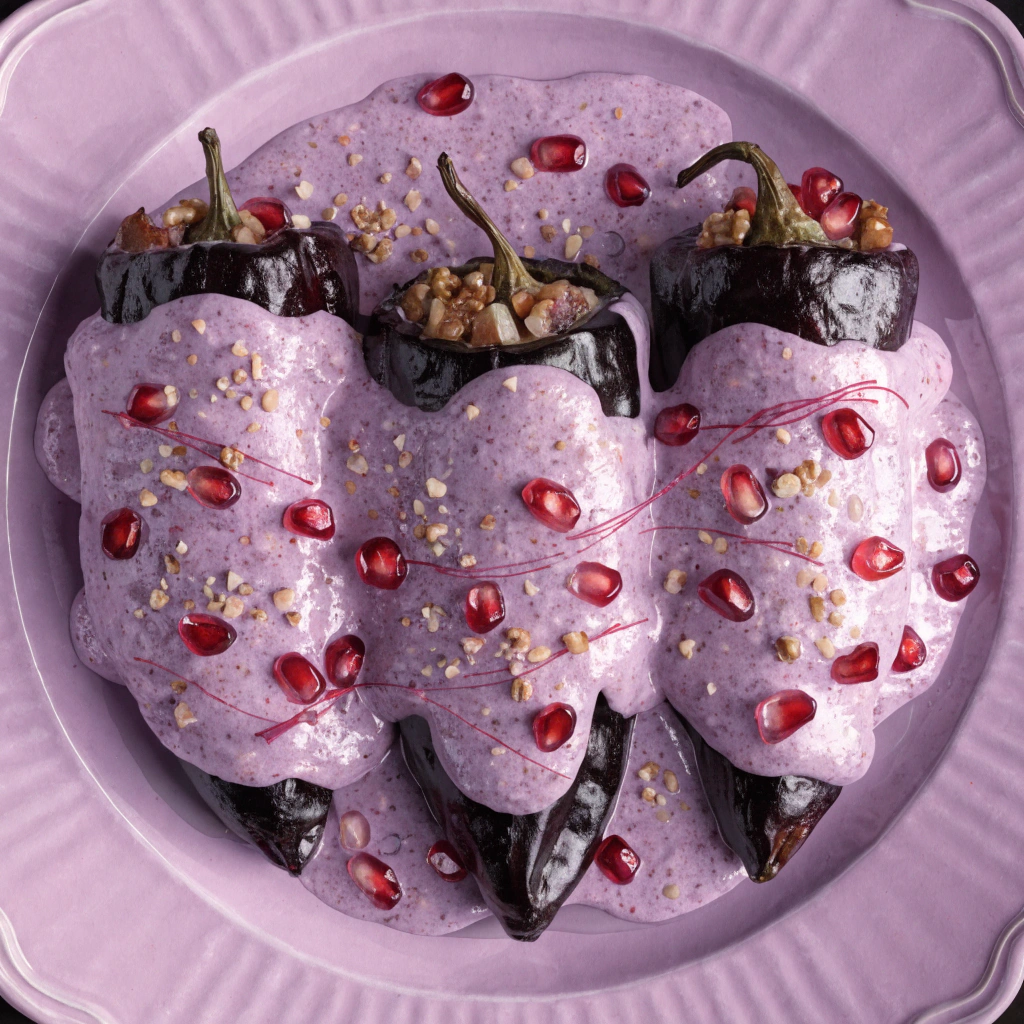
墨西哥的特别菜:核桃酱辣椒
墨西哥八月很特别。有一个菜,名字是“核桃酱辣椒”。这个菜很好吃,很有名。 它有三种颜色:绿色、白色和红色。这像墨西哥国旗的颜色。它很漂亮。 人们在夏天末吃这个菜。因为这个时候,有两种水果很新鲜。它们是核桃和石榴。 这个菜是墨西哥的传统菜。它有一个很长的故事。传说,很久以前,人们为一位重要人物做了这个菜。 很多人喜欢吃“核桃酱辣椒”。这是一个特别的墨西哥菜。
语法聚焦
句型: 是 (shì) - 是字句
"这个菜是墨西哥的传统菜。"
“是”是一个动词,表示“是”或者“等于”。我们可以用“是”来介绍事物或者说明它的类别。比如“我是一个学生”。
句型: 的 (de) - 的字结构 (形容词+的+名词)
"这是一个特别的墨西哥菜。"
“的”是一个助词,放在形容词和名词中间,表示修饰关系。形容词修饰名词,让名词更具体。比如“漂亮的衣服”。
测试你的理解
10 个问题 · A1 初学 · 1 次免费预览
墨西哥的“核桃酱辣椒”:一道有故事的菜
每当墨西哥的八月到来,人们就会想到一道特别的菜:核桃酱辣椒。这道菜在墨西哥非常有名,但是你只有在八月才能吃到它。为什么呢?因为八月是核桃和石榴成熟的季节。这两种食材是做核桃酱辣椒最重要的部分。
核桃酱辣椒的颜色很漂亮,有绿色、白色和红色。这三种颜色和墨西哥国旗的颜色一样。这道菜和墨西哥的独立历史有很深的关系。传说在1821年,有一群修女在普埃布拉市为一位名叫伊图尔维德的军人做了这道菜。她们用这道菜来庆祝墨西哥的独立。
所以,核桃酱辣椒不仅仅是一道好吃的菜,它还代表了墨西哥的历史和文化。每年夏天,特别是八月,墨西哥人都会很期待吃到这道特别的、有故事的菜。
语法聚焦
句型: 因为...所以...
"因为八月是核桃和石榴成熟的季节,所以这两种食材是做核桃酱辣椒最重要的部分。"
“因为”表示原因,“所以”表示结果。这个结构用来连接两句话,说明一件事情发生的原因和它导致的结果。
句型: 只有...才...
"但是你只有在八月才能吃到它。"
“只有”表示一个必要条件,意思是必须满足这个条件。“才”表示在满足条件后才能发生的结果。这个结构强调了条件的独一无二性。
测试你的理解
11 个问题 · A2 基础 · 1 次免费预览
测试你从这篇文章中学到的知识。回答所有问题即可获得经验值!
题目详情
核桃酱辣椒为什么只在八月有?
你的回答:
正确答案: 因为核桃和石榴成熟了
核桃酱辣椒的颜色和墨西哥的国旗颜色一样。
你的回答:
正确答案: 正确
“食材”是什么意思?
你的回答:
正确答案: 食物材料
核桃酱辣椒的颜色有绿色、白色和_____。
你的回答:
正确答案: 红色
在1821年,修女们做了这道菜来_____墨西哥独立。
你的回答:
正确答案: 庆祝
The Patriotic Flavors of Mexico: Chiles en Nogada
Every year in August, a specific culinary anticipation fills the air in Mexico as people wait for a very special dish called Chiles en Nogada. This famous meal is only prepared during the late summer months because it requires fresh ingredients that are harvested only at this time. These seasonal items, which include fresh walnuts and bright pomegranates, are essential for the traditional recipe.
The history of this dish has been linked to Mexican independence for over two hundred years. It is widely believed that the recipe was created in 1821 by the Augustinian nuns in the city of Puebla. They wanted to honor a military leader named Agustín de Iturbide, who had recently helped Mexico gain its freedom from Spain. The nuns used local ingredients to represent the colors of the national flag.
Chiles en Nogada is famous for its beautiful appearance and complex flavors. It consists of a large, green poblano chili that is stuffed with a mixture of meat, dried fruits, and spices. The chili is then covered in a rich, white cream sauce made from walnuts and topped with red pomegranate seeds. Because it uses green, white, and red, the dish has become a powerful symbol of national pride.
Although the preparation is difficult and takes a long time, many families have kept their secret recipes for generations. Today, it remains one of the most important parts of Mexican culture. It is more than just a meal; it is a seasonal celebration that connects the people to their history and their land.
语法聚焦
句型: Passive Voice
"It is widely believed that the recipe was created in 1821 by the Augustinian nuns in the city of Puebla."
The passive voice is used when the action or the receiver of the action is more important than the person doing it. It is formed using the verb 'to be' and the past participle of the main verb.
句型: Present Perfect
"The history of this dish has been linked to Mexican independence for over two hundred years."
The present perfect connects a past action or state to the present time. It is formed with 'have' or 'has' plus the past participle.
测试你的理解
11 个问题 · B1 中级 · 1 次免费预览
测试你从这篇文章中学到的知识。回答所有问题即可获得经验值!
Why is Chiles en Nogada only available in late summer?
题目详情
Why is Chiles en Nogada only available in late summer?
你的回答:
正确答案: The specific ingredients are harvested then
The dish was originally created in Mexico City.
你的回答:
正确答案: 错误
What does 'essential' mean?
你的回答:
正确答案: Extremely important and necessary
The dish has become a powerful _____ of national pride.
你的回答:
正确答案: symbol
Which colors are represented in the dish?
你的回答:
正确答案: Green, white, and red
A Culinary Tribute: The Legacy of Chiles en Nogada
As the heat of the Mexican summer reaches its peak in August, a sense of culinary anticipation begins to spread across the nation. This period marks the arrival of Chiles en Nogada, a dish that is far more than a mere meal; it is a profound expression of Mexican identity and history. Unlike many contemporary dishes that are available year-round, this particular delicacy is strictly seasonal. Its preparation coincides with the harvest of specific ingredients, namely the 'nuez de Castilla' (walnuts) and fresh pomegranates, which only appear during the late summer months.
The origins of Chiles en Nogada are steeped in legend and patriotic fervor. It is widely believed that the recipe was supposedly created by the Augustinian Recollect nuns of the Santa Monica Convent in Puebla. The year was 1821, a pivotal moment in the nation's history as Mexico was finally securing its independence from Spanish colonial rule. The dish was reportedly designed to honor Agustín de Iturbide, a military leader who had signed the Treaty of Córdoba. Consequently, the ingredients were chosen with great care to mirror the colors of the new national flag: green, white, and red.
The composition of the dish is both visually striking and gastronomically complex. It consists of a roasted poblano chili, representing the green of the flag, which is typically stuffed with a 'picadillo'—a mixture of shredded meat, dried fruits, and spices. This is then covered in an elaborate walnut sauce, which provides the white background of the flag. Finally, the dish is garnished with vibrant pomegranate seeds, which represent the red stripe. This combination of sweet and savory flavors, coupled with the creamy texture of the sauce, creates a unique sensory experience that has been celebrated for over two centuries.
Furthermore, the process of making Chiles en Nogada is notoriously labor-intensive. From peeling the walnuts to carefully roasting and seeding the chilies, the preparation requires a level of patience and skill that is often passed down through generations. Despite the modernization of many traditional recipes, most families and restaurants still adhere to the authentic methods to preserve their cultural heritage. Ultimately, Chiles en Nogada serves as a powerful reminder of the unification of the Mexican people. It is a seasonal tribute that continues to signify the pride and resilience of a nation that fought for its sovereignty.
语法聚焦
句型: Passive Voice (Past Simple)
"The recipe was supposedly created by the Augustinian Recollect nuns of the Santa Monica Convent in Puebla."
The passive voice is used here to focus on the recipe rather than the specific individuals. It is formed using 'was/were' + the past participle.
句型: Non-defining Relative Clauses
"This is then covered in an elaborate walnut sauce, which provides the white background of the flag."
This clause adds extra information about the walnut sauce. It is separated by a comma and uses 'which' for things.
句型: Present Perfect Passive
"This combination of sweet and savory flavors... has been celebrated for over two centuries."
This pattern shows an action that started in the past and continues to be true today. It is formed with 'has/have been' + the past participle.
测试你的理解
11 个问题 · B2 中高级 · 1 次免费预览
测试你从这篇文章中学到的知识。回答所有问题即可获得经验值!
Why is Chiles en Nogada only available during the late summer?
题目详情
Why is Chiles en Nogada only available during the late summer?
你的回答:
正确答案: Because the key ingredients are only harvested then
The colors of the dish were chosen to represent the Spanish colonial flag.
你的回答:
正确答案: 错误
What does the word 'heritage' refer to in the text?
你的回答:
正确答案: Cultural traditions and history
It is a seasonal _____ that continues to signify the pride and resilience of a nation.
你的回答:
正确答案: tribute
Who was the dish originally intended to honor?
你的回答:
正确答案: Agustín de Iturbide
Chiles en Nogada: The Ephemeral Intersection of Gastronomy and National Identity
Seldom has a culinary creation so perfectly encapsulated the nascent spirit of a nation as the Chile en Nogada. As the sweltering heat of the Mexican summer reaches its zenith in August, a palpable sense of anticipation permeates the gastronomic landscape. This dish is not merely a seasonal delicacy; it is a temporal phenomenon, strictly dictated by the unforgiving laws of seasonality. The arrival of the ‘nuez de Castilla’ (walnuts) and the vibrant pomegranate seeds signals a fleeting window of availability that food enthusiasts across the globe observe with reverence.
It was the Augustinian Recollect nuns of the Santa Monica Convent in Puebla who, in 1821, allegedly orchestrated this complex recipe to honor Agustín de Iturbide. Following the signing of the Treaty of Córdoba, which solidified Mexican independence, the dish was presented as a visual homage to the new national flag. The green of the poblano chili, the white of the walnut sauce, and the red of the pomegranate seeds represent a confluence of culinary artistry and political symbolism. While historical veracity regarding the exact origin is often debated by scholars, the cultural significance of the dish remains undisputed.
The preparation of Chiles en Nogada is notoriously arduous, requiring a level of patience that defies modern fast-food sensibilities. Central to its quintessential flavor profile is the meticulous peeling of individual walnuts to ensure the nogada sauce remains ivory-white and free from bitterness. This labor-intensive process, often involving entire families, highlights the communal nature of Mexican heritage. The filling—a sophisticated picadillo of meat, dried fruits, and local spices—further complicates the palate, offering a nuanced balance between savory and sweet notes.
In contemporary Mexico, the commodification of this tradition presents a fascinating sociological study. Not only does the dish serve as a source of local pride, but it also prompts critical discussions regarding the preservation of authentic ingredients versus modern culinary innovation. The tension between maintaining the integrity of the 19th-century recipe and adapting to globalized supply chains reflects broader societal shifts. Ultimately, the consumption of Chiles en Nogada transcends mere sustenance; it is a ritualistic participation in history, a fleeting taste of a revolution that continues to define the Mexican psyche.
语法聚焦
句型: Negative Inversion
"Seldom has a culinary creation so perfectly encapsulated the nascent spirit of a nation as the Chile en Nogada."
Inversion is used after negative or restrictive adverbs like 'seldom' to create a formal or dramatic effect. The auxiliary verb precedes the subject.
句型: Cleft Sentences
"It was the Augustinian Recollect nuns of the Santa Monica Convent in Puebla who, in 1821, allegedly orchestrated this complex recipe."
This structure (It + be + subject + relative clause) is used to focus on a specific piece of information, in this case, the creators of the dish.
句型: Nominalisation
"The commodification of this tradition presents a fascinating sociological study."
Nominalisation involves turning verbs or adjectives into nouns. Here, 'commodification' (from commodify) makes the tone more academic and objective.
测试你的理解
12 个问题 · C1 高级 · 1 次免费预览
测试你从这篇文章中学到的知识。回答所有问题即可获得经验值!
What is the primary reason for the dish's limited seasonal availability?
题目详情
What is the primary reason for the dish's limited seasonal availability?
你的回答:
正确答案: The harvest time of walnuts and pomegranates
The historical origins of the dish are definitively proven and never questioned by scholars.
你的回答:
正确答案: 错误
Which word describes a task that is extremely difficult and requires much effort?
你的回答:
正确答案: Arduous
The meticulous _____ of walnuts is necessary to prevent the sauce from becoming bitter.
你的回答:
正确答案: peeling
What do the colors of the dish represent?
你的回答:
正确答案: The colors of the Mexican national flag
The text suggests that the dish is both a source of pride and a subject of sociological debate.
你的回答:
正确答案: 正确
The Gastronomic Palimpsest: Deciphering the Cultural Semiotics of Chiles en Nogada
As the zenith of the Mexican summer wanes, a palpable sense of culinary anticipation permeates the high plateaus of Puebla. It is during this ephemeral window, when the walnut trees yield their prized 'nuez de Castilla' and the pomegranates burst with rubicund seeds, that the quintessential Mexican dish, Chiles en Nogada, makes its annual debut. To the uninitiated, it may appear as a mere stuffed poblano pepper; however, to the scholar of cultural semiotics, it represents a complex palimpsest of colonial heritage, revolutionary sovereignty, and ecclesiastical artistry. The convergence of seasonal bounty and revolutionary fervor in this dish provides a unique lens through which one might examine the construction of Mexican national identity.
The provenance of the dish is steeped in a narrative that borders on hagiography. Legend dictates that in 1821, following the signing of the Treaty of Córdoba, the Augustinian Recollect nuns of the Santa Monica Convent in Puebla sought to honor Agustín de Iturbide, the military commander who secured Mexican independence. Had the nuns not possessed such a keen sense of chromatic symbolism, the dish might have lacked its defining tricolor aesthetic. By draping the green poblano pepper in a velvety white walnut sauce and crowning it with crimson pomegranate arils, they mirrored the fledgling nation’s flag, thereby cementing a symbiosis between gastronomy and national identity. Lest the historical record be perceived as purely factual, one must acknowledge the hagiographic layers that shroud the dish's inception. Some historians posit that the recipe predates the revolutionary era, suggesting that the nuns merely adapted an existing vestige of Spanish-Moorish influence to suit the political climate.
Regardless of its exact nomenclature or chronological origin, the dish’s organoleptic profile is undeniably intricate. The 'Baroque' culinary tradition of Puebla, characterized by its 'horror vacui'—a metaphorical fear of simple flavors—finds its ultimate expression here. The picadillo filling is not a monolith of flavor but a nuanced tapestry. It incorporates panochera apples, sweet milk pears, and criollo peaches, varieties that are themselves vestiges of a colonial agricultural landscape that is slowly eroding under the pressure of globalized monocultures. The inclusion of acitron (candied cactus) points to a historical reliance on the surrounding arid ecosystems, though its use today is fraught with ecological concerns.
The labor-intensive nature of Chiles en Nogada underscores its status as a ritualistic performance. The peeling of the walnuts, a process that demands meticulous precision to avoid bitterness, is a communal activity that bridges generations. It is within this painstaking preparation that the gustatory experience transcends mere sustenance. The dish serves as a seasonal anchor, a reminder of the cyclicality of nature and the enduring legacy of the Mexican struggle for autonomy. Furthermore, the contemporary consumption of Chiles en Nogada is not merely a matter of preference but a performative act of 'Mexicanidad'.
Seldom does a single culinary creation encapsulate the multifaceted narrative of a nation's birth so poignantly. As scholars analyze the dish through various theoretical lenses, it remains a testament to the power of food as a vehicle for historical memory. Whether viewed as an ecclesiastical tribute or a revolutionary emblem, Chiles en Nogada continues to captivate the collective imagination, proving that the most profound histories are often written in the language of the palate. The dish remains a seasonal bulwark against the homogenization of modern cuisine, requiring a level of patience that defies the logic of fast-food convenience.
语法聚焦
句型: Inverted Conditional (Third Conditional)
"Had the nuns not possessed such a keen sense of chromatic symbolism, the dish might have lacked its defining tricolor aesthetic."
This formal structure replaces 'If the nuns had not' by inverting the auxiliary verb 'had' and the subject. It is used to express hypothetical past situations and their consequences in scholarly writing.
句型: The Subjunctive after 'Lest'
"Lest the historical record be perceived as purely factual, one must acknowledge the hagiographic layers that shroud the dish's inception."
The word 'lest' is followed by the base form of the verb (the subjunctive 'be') to express a negative purpose or a fear of something happening. It is a hallmark of C2-level academic prose.
句型: Negative Inversion for Emphasis
"Seldom does a single culinary creation encapsulate the multifaceted narrative of a nation's birth so poignantly."
Starting a sentence with a negative adverb like 'seldom' requires inverting the subject and the auxiliary verb. This shifts the focus to the rarity or significance of the action.
测试你的理解
12 个问题 · C2 精通 · 1 次免费预览
测试你从这篇文章中学到的知识。回答所有问题即可获得经验值!
According to the article, why is the dish considered a 'palimpsest'?
题目详情
According to the article, why is the dish considered a 'palimpsest'?
你的回答:
正确答案: Because it contains multiple layers of historical and cultural meaning.
The article suggests that the story of the nuns creating the dish in 1821 is an undisputed historical fact.
你的回答:
正确答案: 错误
What does the word 'ephemeral' imply regarding the dish's availability?
你的回答:
正确答案: It is only available for a very brief seasonal period.
The dish mirrors the colors of the Mexican _____.
你的回答:
正确答案: flag
What is the primary reason the peeling of walnuts is described as 'painstaking'?
你的回答:
正确答案: It must be done to prevent a bitter taste.
The author argues that modern fast-food logic is compatible with the preparation of Chiles en Nogada.
你的回答:
正确答案: 错误

