멕시코 소개
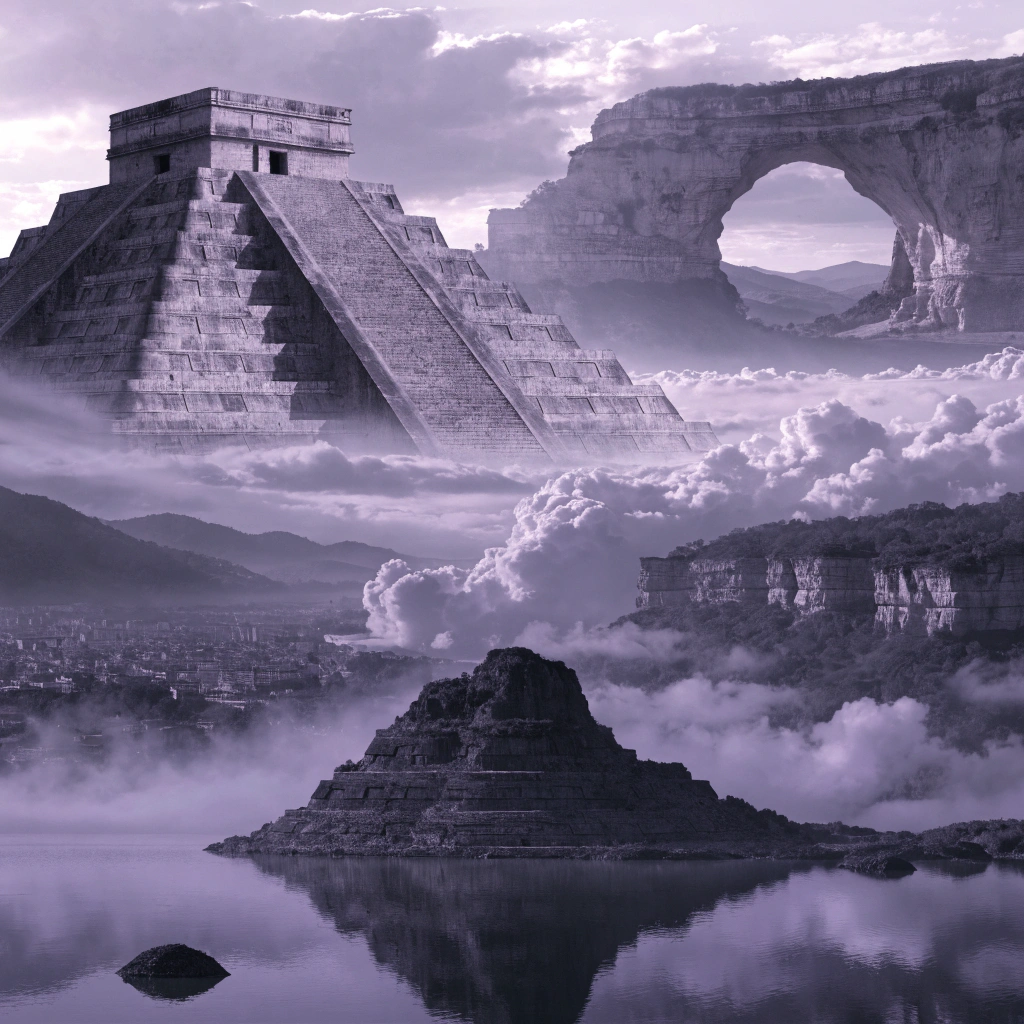
Mexico is a vibrant North American nation defined by its breathtaking landscapes, ranging from sun-drenched deserts and rugged mountains to lush tropical rainforests. Its history is a rich tapestry woven from the legacies of advanced ancient civilizations like the Aztecs and Mayans, the Spanish colonial era, and a resilient modern spirit. This cultural fusion has created a unique national identity celebrated through world-renowned cuisine, colorful festivals, and a deep-rooted artistic heritage.
기본 정보
수도
Mexico City
인구
128,932,753
지역
North America · Central America
통화
Mexican Peso (MXN)
사용 언어

스페인어
Español
알고 계셨나요?
Mexico is home to the world's largest pyramid by volume, the Great Pyramid of Cholula, which is largely hidden under a mountain topped by a colonial church.
The country is considered 'megadiverse,' hosting about 10-12% of the world's biodiversity and more reptile species than any other nation.
Mexican cuisine was the first in the world to be designated an Intangible Cultural Heritage of Humanity by UNESCO due to its ancient techniques and communal importance.
Mexico City is sinking at a rate of several inches per year because it was built on the ruins of the Aztec capital, Tenochtitlan, which sat on a lake bed.
유명 랜드마크
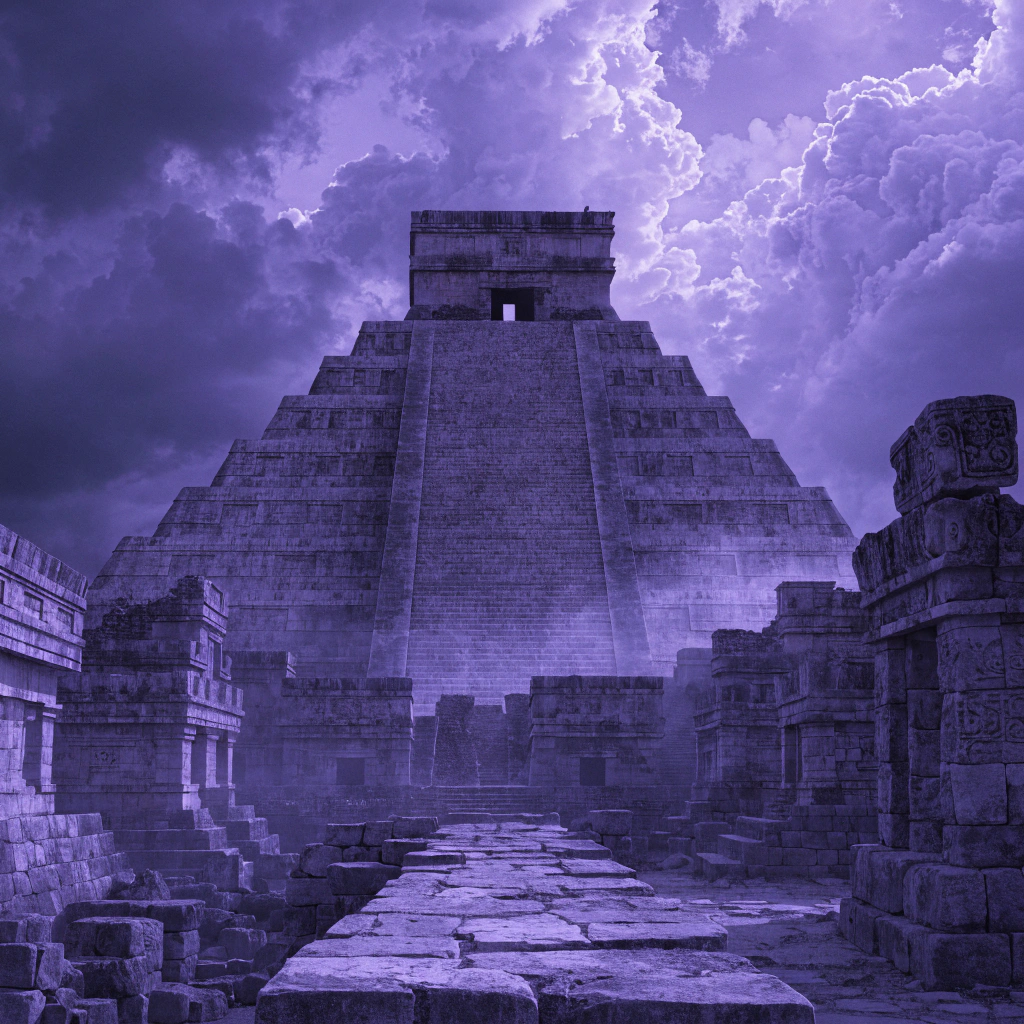
Chichén Itzá
An ancient Mayan city on the Yucatán Peninsula, famous for the massive Kukulkán pyramid and its advanced astronomical alignment.
더 읽기
Monarch Butterfly Biosphere Reserve
A UNESCO World Heritage site in the mountains of Michoacán where millions of Monarch butterflies migrate every winter.
더 읽기
Palacio de Bellas Artes
Mexico City's premier cultural center, renowned for its stunning marble exterior and interior murals by world-famous artists.
더 읽기
Copper Canyon
Mexico 북서부에 있는 6개의 뚜렷한 협곡으로 이루어진 거대한 네트워크예요. 미국에 있는 Grand Canyon보다 더 깊고 규모도 훨씬 크답니다.
더 읽기요리

Mole Poblano
칠리 페퍼, 향신료, 초콜릿을 섞어 만든 풍부하고 복잡한 소스로, 종종 멕시코의 국민 요리로 여겨져요.
더 읽기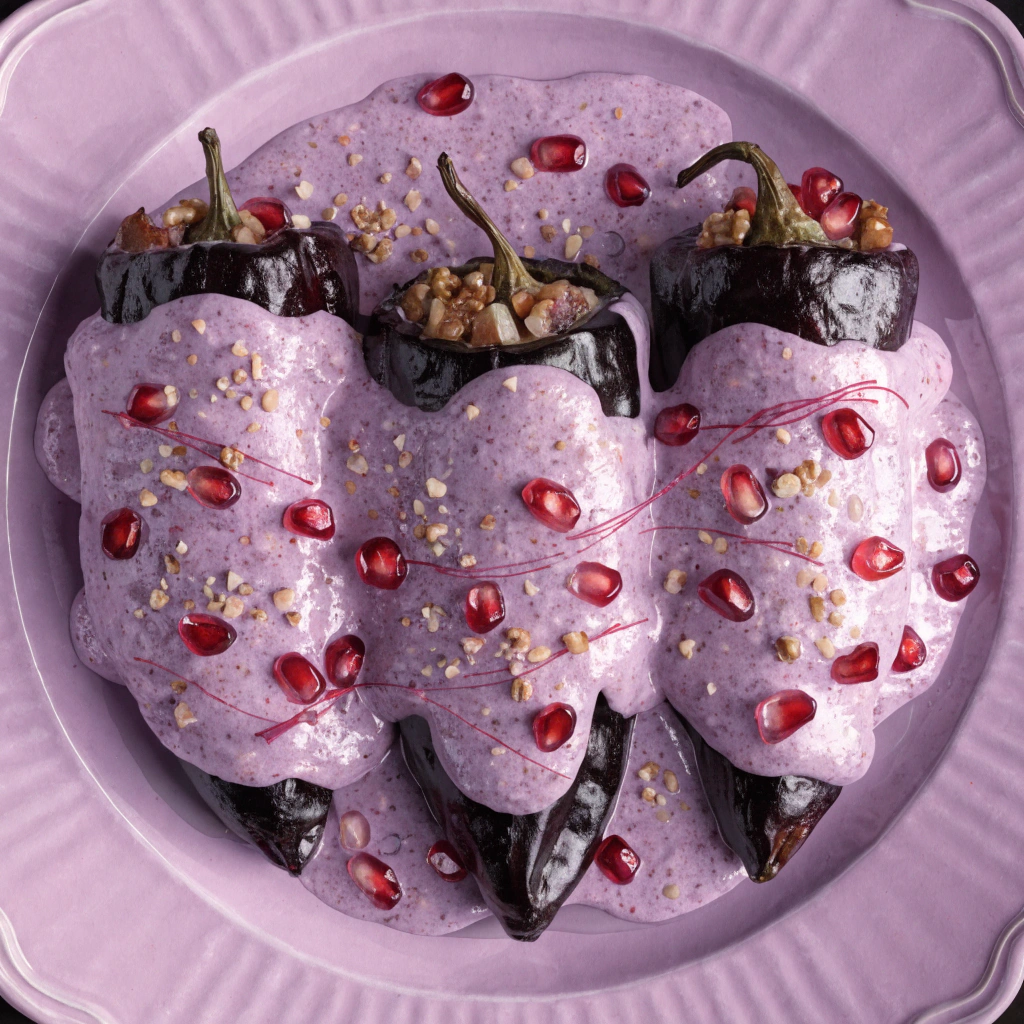
Chiles en Nogada
Poblano chiles stuffed with meat and fruit, topped with a walnut cream sauce and pomegranate seeds to represent the colors of the Mexican flag.
더 읽기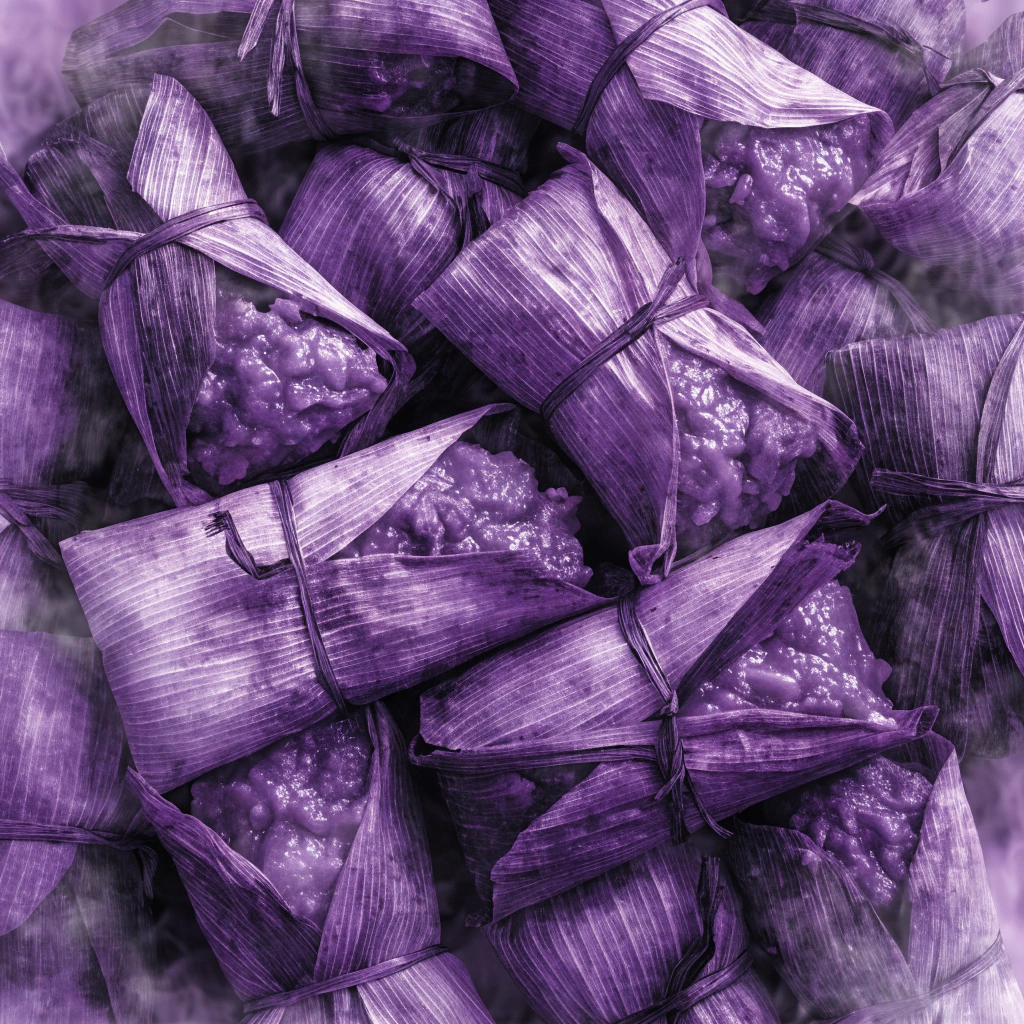
Tamales
Steamed corn dough (masa) filled with savory or sweet ingredients and wrapped in corn husks or banana leaves, dating back to pre-Hispanic times.
더 읽기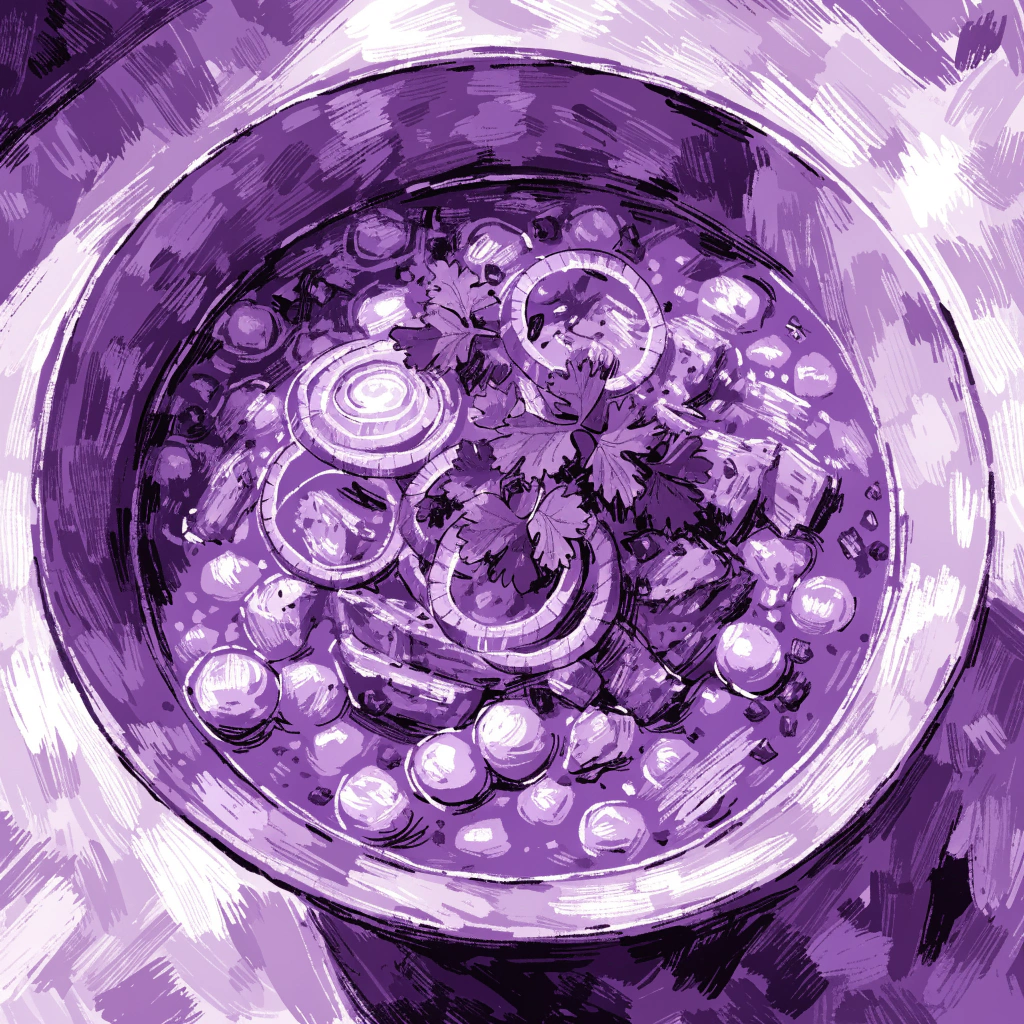
Pozole
A hearty, traditional soup made from nixtamalized corn (hominy) and meat, traditionally served with a vibrant array of fresh toppings.
더 읽기음악 및 예술
Mexico's music and arts are a vibrant tapestry woven from indigenous roots and Spanish colonial influences, resulting in world-renowned traditions like Mariachi and Muralism. From the rhythmic zapateado of folk dances to the soaring heights of the Voladores ritual, these expressions utilize iconic instruments like the guitarrón and celebrate a profound sense of 'Mexicanidad'.
전통 예술
이벤트 및 축제
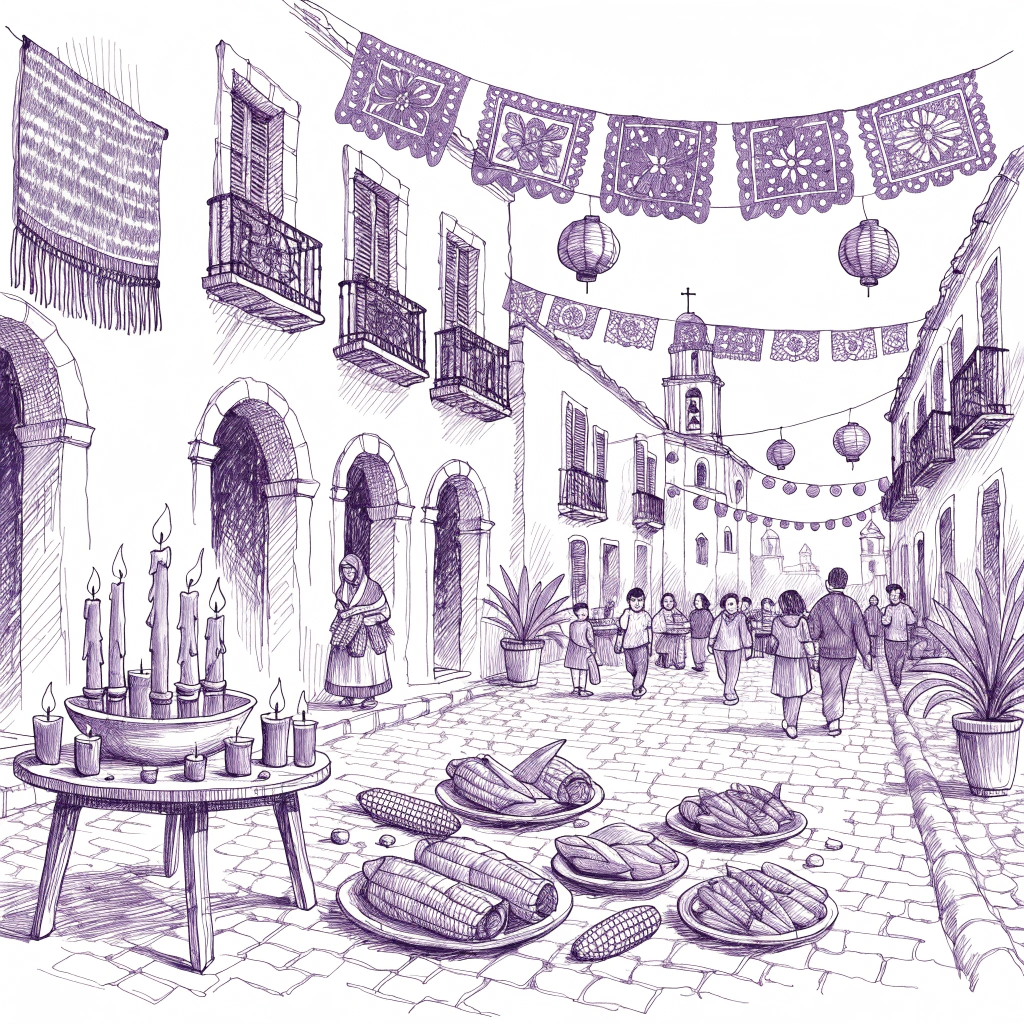
Día de la Candelaria
February 2가톨릭 전통과 원주민의 옥수수 문화가 활기차게 어우러진 축제로, 가족 잔치와 촛불 축복을 중심으로 진행돼요.
더 읽기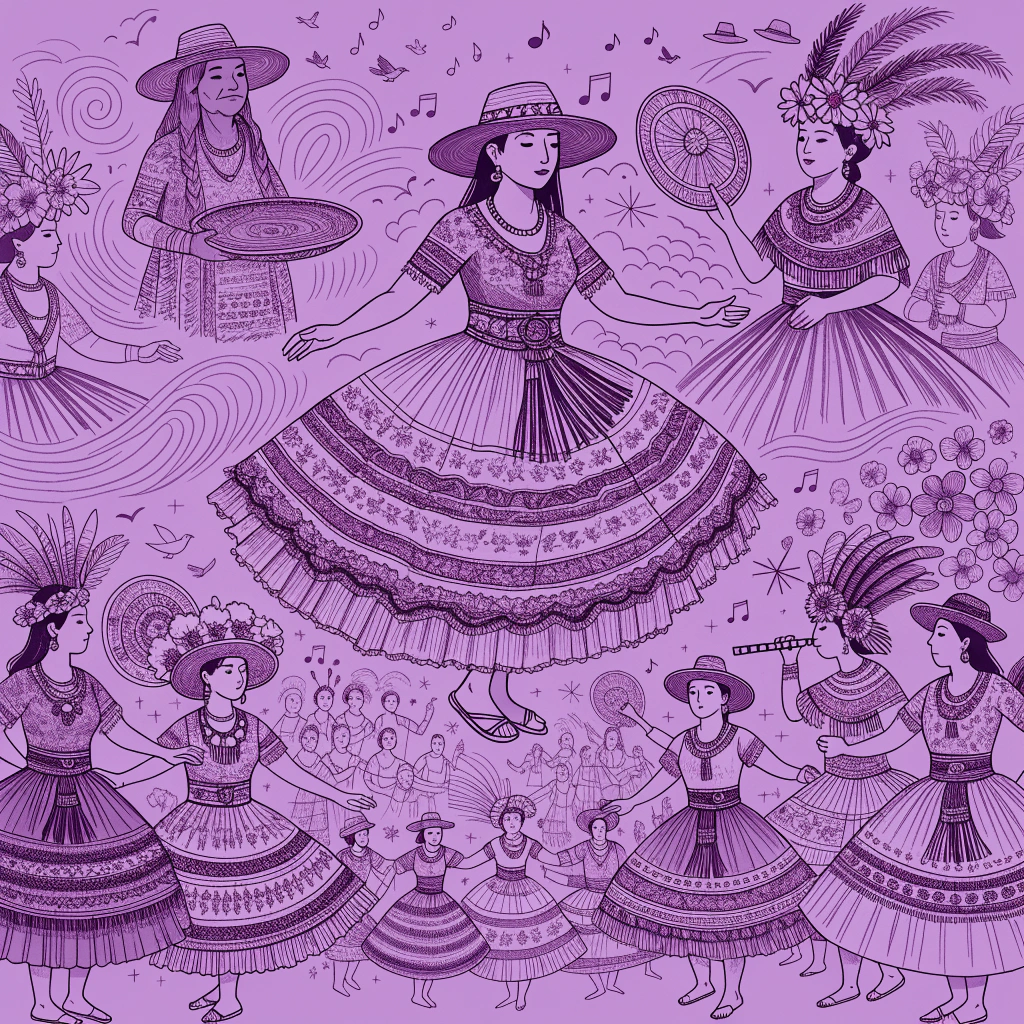
La Guelaguetza
July (The two Mondays following July 16)Oaxaca's premier cultural festival showcasing the diverse dances, music, and traditions of the state's eight indigenous regions.
더 읽기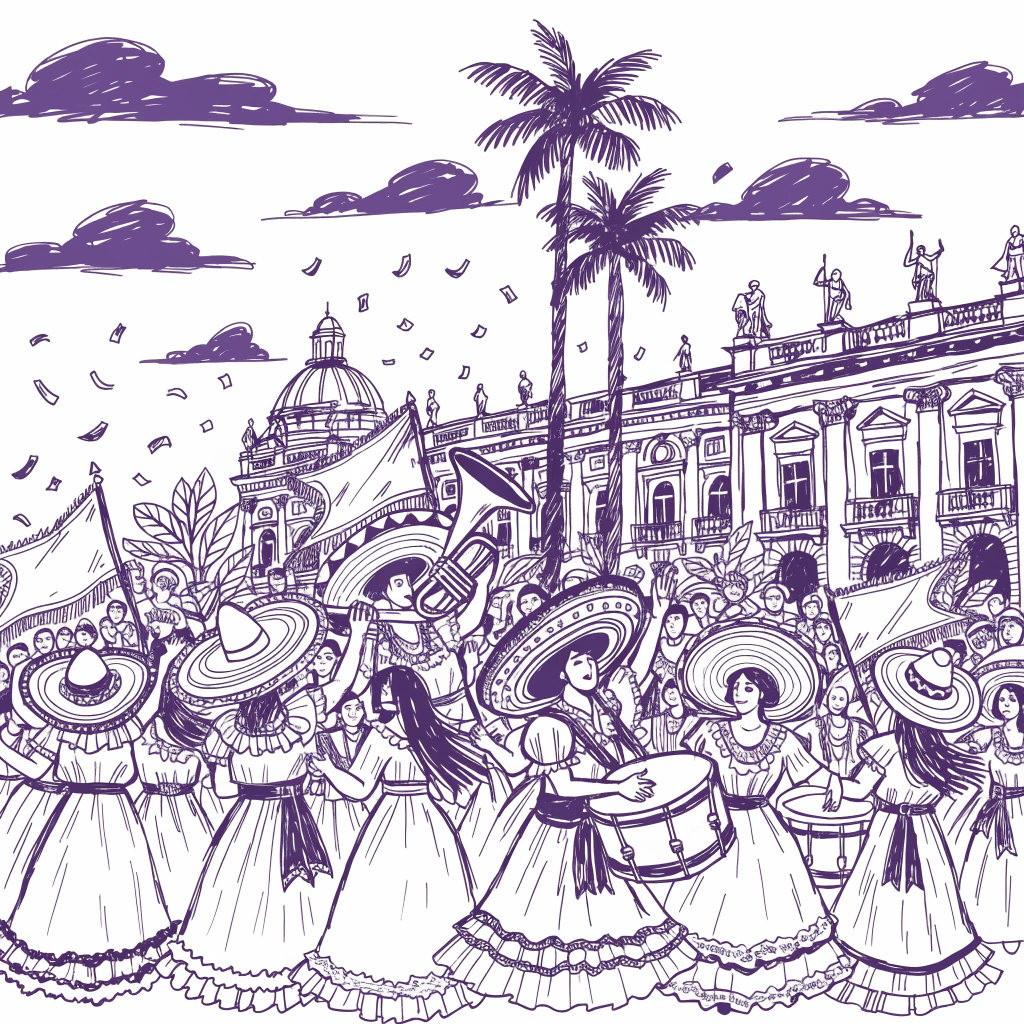
Día de la Independencia
September 16Mexico's most important patriotic holiday, commemorating the start of the War of Independence with the historic 'Grito de Dolores.'
더 읽기
멕시코 시티 그랑프리 (Gran Premio de la Ciudad de México)
10월 말 / 11월 초멕시코 시티를 Formula 1 레이싱과 문화의 글로벌 중심지로 바꿔놓는, 아주 흥미진진한 국제 스포츠 행사예요.
더 읽기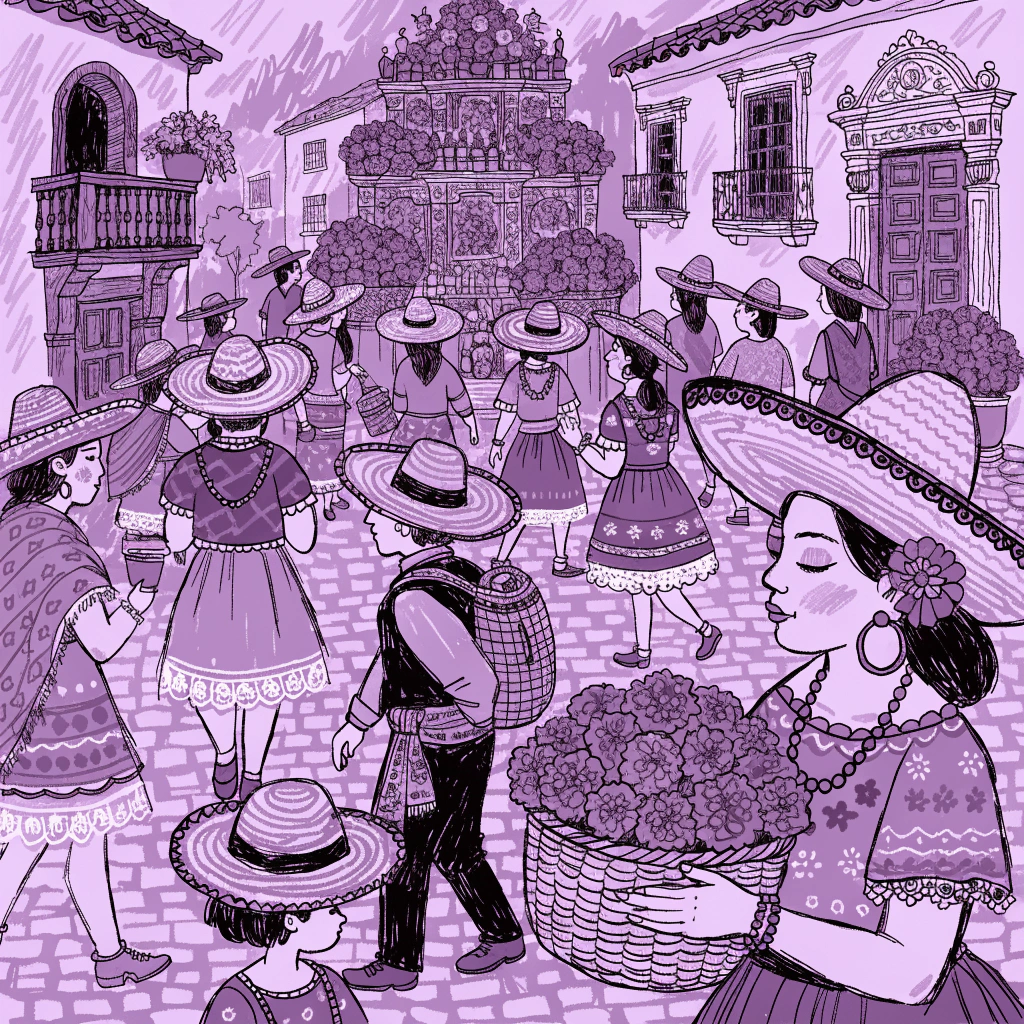
Día de Muertos
November 1-2A world-renowned celebration honoring deceased loved ones through beautiful altars, marigolds, and joyful remembrance.
더 읽기여행 표현
¡Buenos días!
Good morning (Greeting)
Gracias
Thank you
Hola
Hello
¿Cómo estás?
How are you?
Por favor
Please
Disculpe
Excuse me / Sorry
생활 방식 및 관습
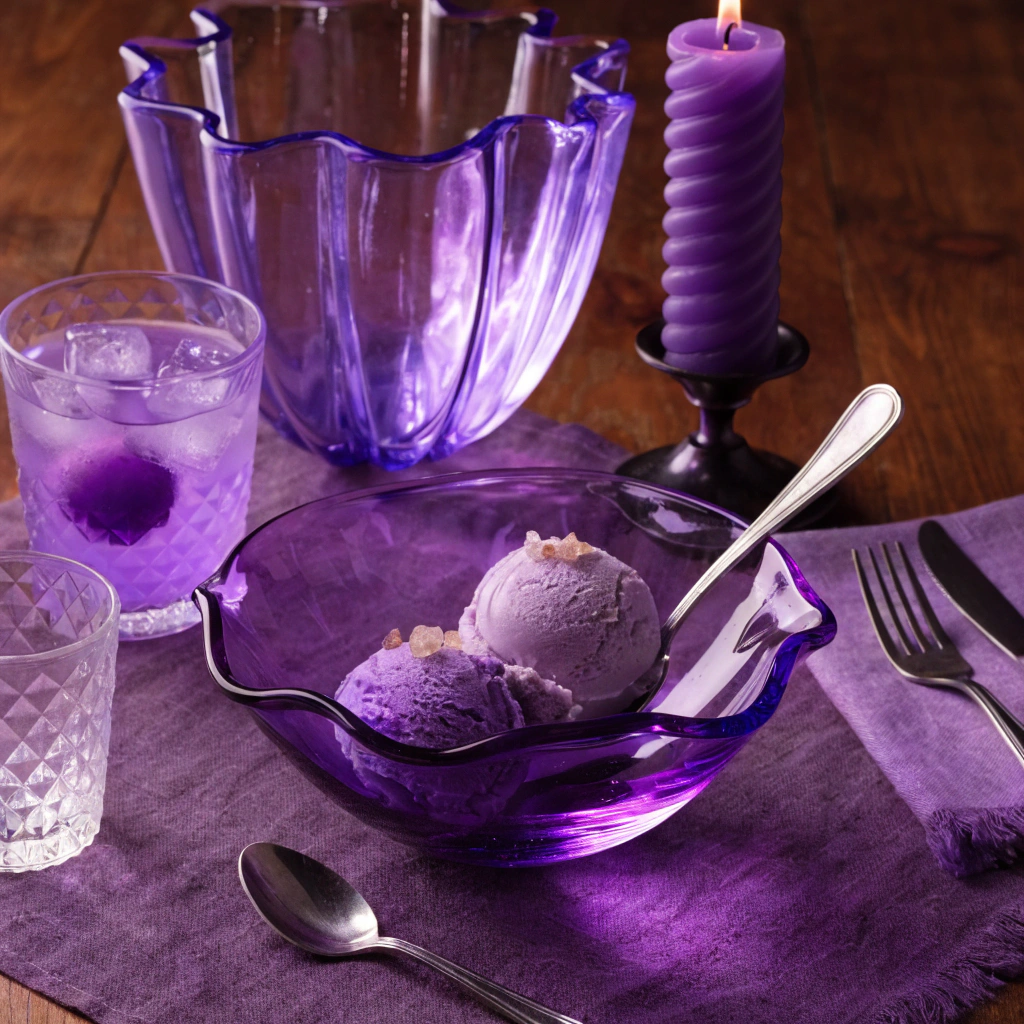
La Sobremesa
The cherished Mexican tradition of lingering at the table long after a meal has finished to share conversation and connection.
더 읽기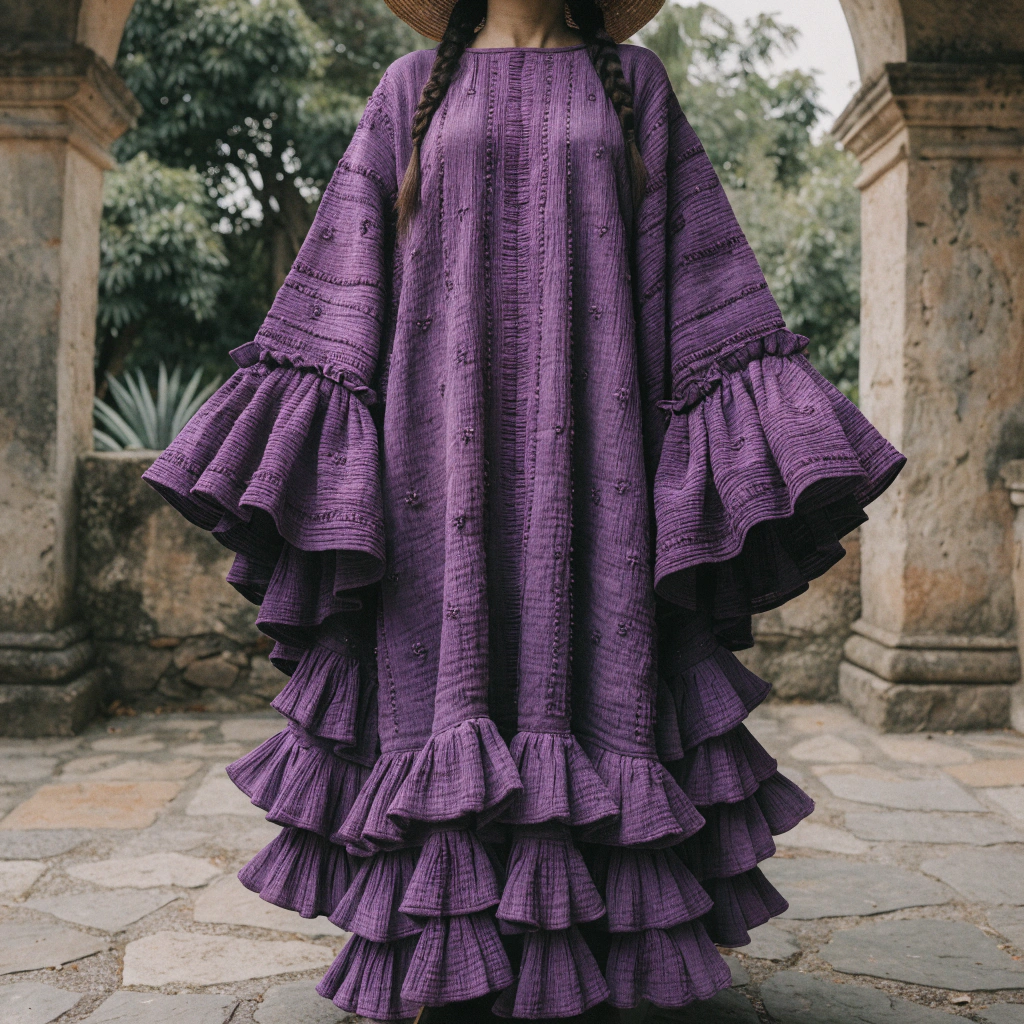
The Traditional Huipil
An ancient indigenous garment that serves as a living canvas of Mexican history, identity, and artisanal skill.
더 읽기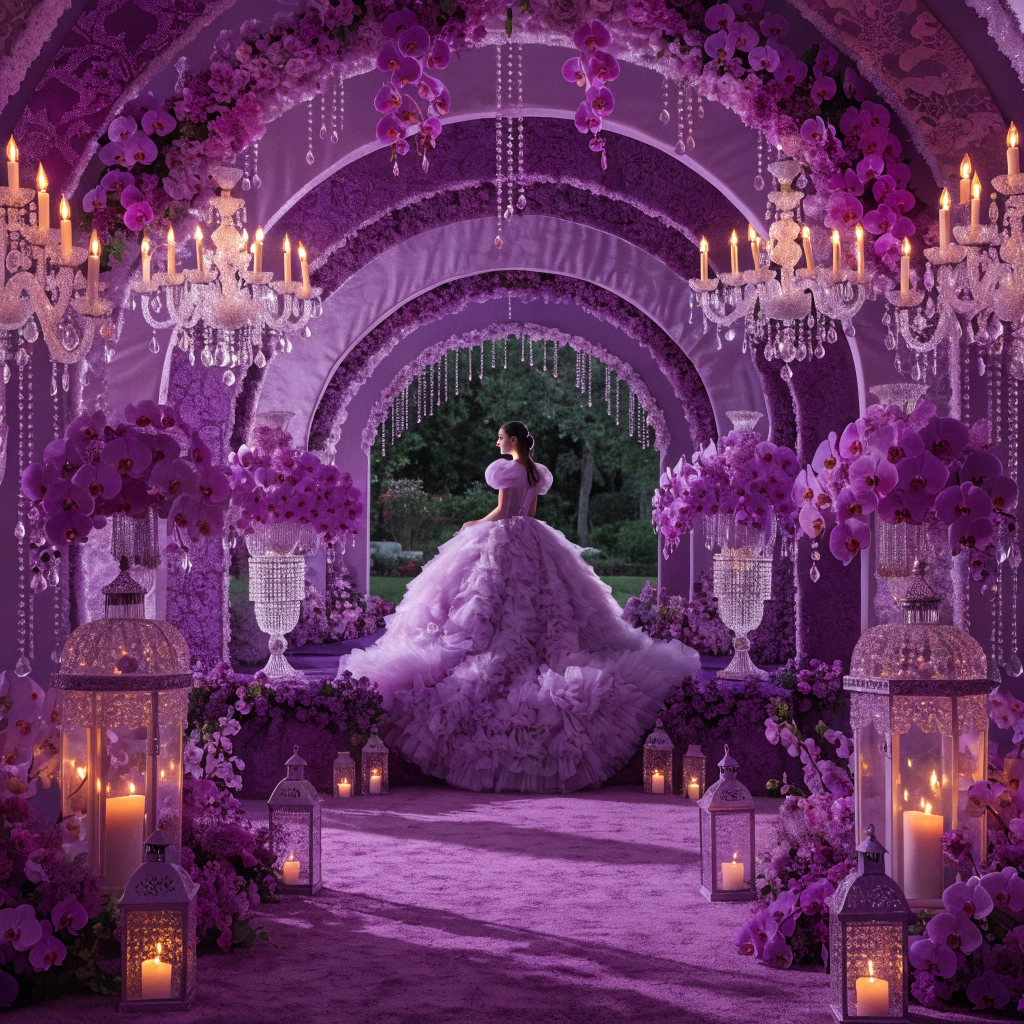
The Quinceañera Celebration
A monumental rite of passage marking a young girl's transition to womanhood through a blend of religious and social rituals.
더 읽기에티켓 팁
Greet people with '¡Buenos días!' or '¡Buenas tardes!' when entering a room or shop
Start a conversation or request without first acknowledging the other person with a greeting
Expect social events to start 15-30 minutes late, as punctuality is more relaxed in social settings
Arrive exactly on time for a house party and expect it to be in full swing; you might be the first one there
Use 'usted' when speaking to elders or people you don't know to show respect
Address strangers or elderly people with the informal 'tú' until they invite you to do so
Say '¡Buen provecho!' to fellow diners when you pass their table or finish your meal
Start eating your meal until everyone at the table has been served